


Dry Eye Disease in Black Patients: What Does the Research Show?
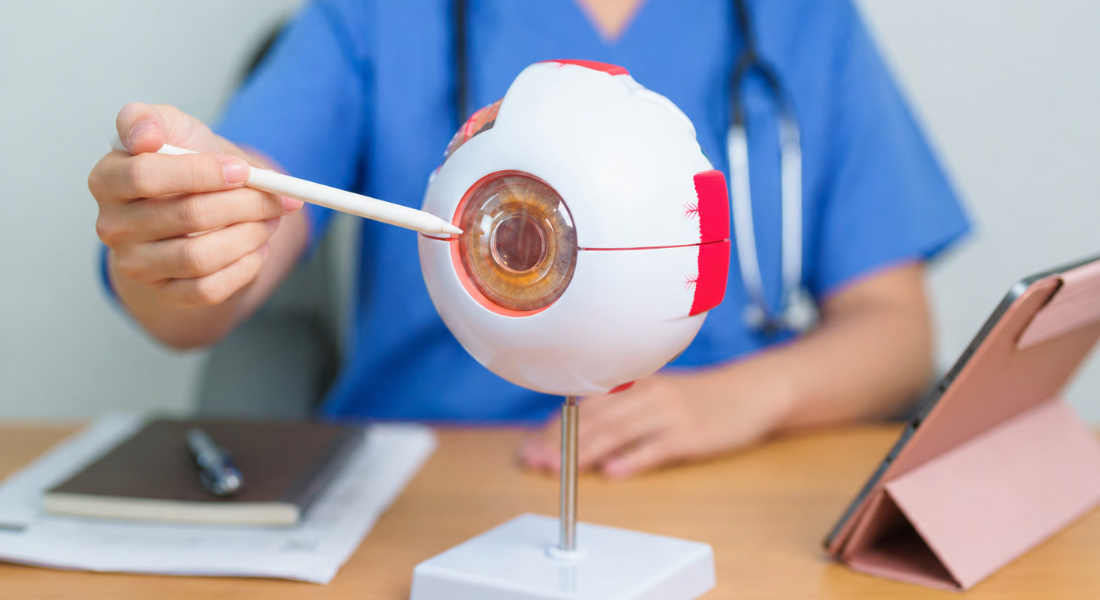
If you experience dry, irritated, or uncomfortable eyes, you are not alone. Dry eye disease is a common condition that affects people of all ages and ethnic backgrounds. It develops when your eyes do not produce enough tears or when the tear film becomes unstable, leading to symptoms such as burning, redness, irritation, and fluctuating vision.
Although dry eye disease can affect anyone, research suggests that the condition may present differently across various populations. You may find that factors such as ethnicity, genetics, environment, and overall health can all influence your risk of developing dry eye and the way symptoms affect you. This has led researchers to take a closer look at how the condition impacts different ethnic groups.
In recent years, there has been growing interest in understanding dry eye disease in Black patients. Several studies have suggested that Black patients may experience a higher prevalence of dry eye disease compared with some other populations. Researchers are now exploring the reasons behind these findings and examining factors that may contribute to these differences.
As research continues to evolve, specialists are gaining a better understanding of how dry eye disease affects diverse populations. This knowledge is helping clinicians provide more personalised care and develop treatment plans that better reflect your individual needs. Ultimately, these advances aim to improve diagnosis, treatment, and long-term outcomes for patients with dry eye disease.
Understanding Dry Eye Disease
Dry eye disease is a multifactorial condition that affects your ocular surface and tear film. Your tear film plays an essential role in keeping your eyes comfortable, maintaining clear vision, and protecting your eyes from environmental irritants. When this system is not functioning properly, it can lead to ongoing discomfort.
If your tear production decreases or your tears evaporate too quickly, dry eye symptoms can start to develop. You may experience irritation, burning, grittiness, or fluctuating vision, and the severity can vary significantly from person to person. This is why dry eye does not always feel the same in every patient.
Modern ophthalmology now recognises dry eye disease as a complex condition with multiple contributing factors. Instead of being seen as a simple lack of tears, it is understood as an interaction between tear production, tear quality, inflammation, and environmental influences. This broader understanding helps clinicians better assess and manage your symptoms.
Why Researchers Study Ethnic Differences
Ethnicity can influence many aspects of your health, including how likely you are to develop certain conditions and how those conditions may present in you. Because of this, researchers study ethnic differences to better understand how diseases affect different groups of people. It helps them spot patterns in risk, symptoms, and disease behaviour that might otherwise be overlooked. This ultimately supports more accurate and personalised care for you.
- Understanding how conditions affect you differently: When researchers compare different populations, they can see whether a condition is more or less common in certain groups. This helps build a clearer picture of how diseases behave across ethnicities.
- Helping you get diagnosed earlier: If clinicians understand ethnic variations, they may recognise symptoms sooner. This means you could receive a diagnosis and treatment earlier, which often leads to better outcomes.
- More tailored treatment for you: Research into ethnic differences helps guide more personalised treatment approaches. This means your care can be better matched to your specific needs rather than a general approach.
- Identifying risk factors that may otherwise be missed: By studying diverse populations, researchers can uncover risk factors that might not have been obvious before. This improves prevention strategies and clinical understanding.
Overall, looking at ethnic differences helps healthcare professionals understand how conditions like dry eye disease may affect you and others in different ways. It leads to better diagnosis, more suitable treatment plans, and improved care overall. As research develops, you can expect more personalised and precise approaches to your eye health.
Prevalence of Dry Eye in Black Patients
Several population-based studies suggest that dry eye disease may occur more frequently in Black patients compared with some other ethnic groups. If you are affected, this means you may fall within a group that research has identified as having a higher reported rate of dry eye symptoms.
Researchers are still working to understand why these differences exist. It is likely that a mix of biological, environmental, and social factors all play a role in your risk. These may include underlying health conditions, lifestyle patterns, access to healthcare, and environmental exposures that can influence your eye health.
These findings have led to increased research into how dry eye disease varies between ethnic groups. By understanding these patterns more clearly, clinicians aim to improve diagnosis and treatment for you and other patients. This ongoing work is helping to support more personalised and effective eye care.
The Role of Age in Dry Eye Disease
Age is one of the strongest risk factors for dry eye disease across all populations. As you get older, your tear production and tear quality can naturally decline, which may make your eyes feel drier or more uncomfortable. These changes can gradually affect the stability of your tear film over time.
Research suggests that age-related changes may play an important role in dry eye symptoms in Black patients as well. As life expectancy continues to increase, you may find that age becomes an even more relevant factor in understanding and managing dry eye disease. This makes regular eye assessments increasingly important as you grow older.
Understanding the impact of age can help support more proactive management of your eye health. If you are aware of your risk factors early, you and your clinician can take steps to manage symptoms before they become more severe. This approach can help maintain better comfort and visual quality over time.
Meibomian Gland Dysfunction
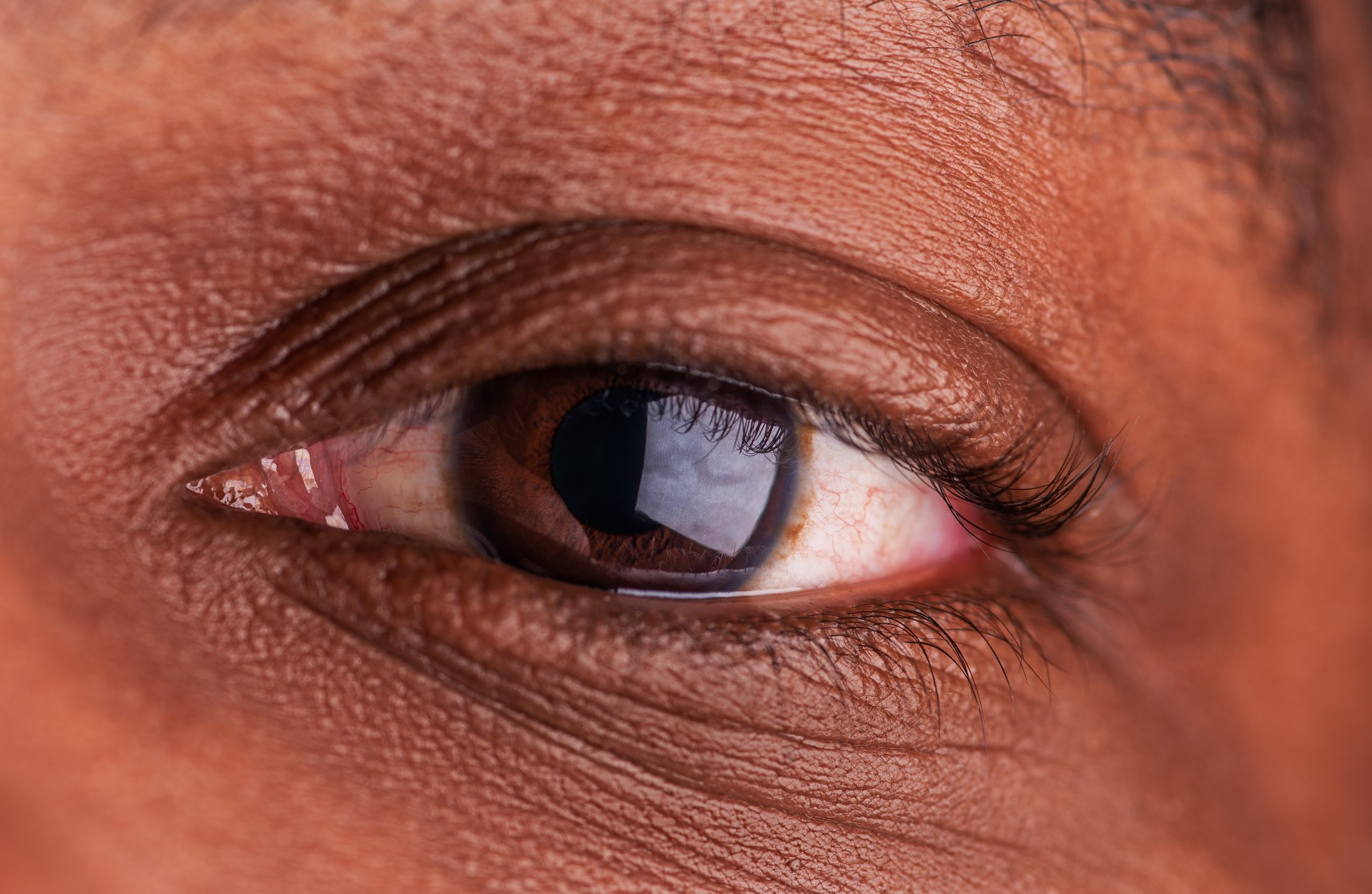
Meibomian gland dysfunction (MGD) is one of the main causes of evaporative dry eye disease, and it plays a key role in how comfortable your eyes feel on a daily basis. These glands sit along your eyelids and produce the oily layer of your tears, which helps stop them from evaporating too quickly. When the glands are not working properly, your tear film becomes unstable, which can lead to dryness, irritation, and fluctuating vision. Because of this, MGD is a major focus in dry eye assessment and treatment.
- Your glands help protect your tear film: The meibomian glands produce essential oils that form a protective layer over your tears. This layer helps keep your eyes lubricated for longer and reduces evaporation.
- Dysfunction can directly affect your symptoms: If your glands become blocked or do not produce enough oil, your tears can evaporate too quickly. This often leads to symptoms such as dryness, burning, or a gritty feeling.
- Now routinely checked in eye assessments: Specialists increasingly examine your meibomian glands during dry eye evaluations. This helps them understand whether gland function is contributing to your symptoms.
- Ongoing research into population differences: Researchers continue to study how meibomian gland dysfunction may vary between different populations. This could help improve understanding of why some people are more affected than others.
Overall, meibomian gland dysfunction is a key factor in dry eye disease that directly influences your tear stability and comfort. If your glands are not functioning well, it can significantly impact your symptoms. Understanding and assessing gland health is therefore an essential part of managing dry eye effectively and improving your long-term eye comfort.
Gender and Dry Eye Risk
If you are female, you are generally more likely to develop dry eye disease than men. This is often linked to hormonal changes that can affect your tear production and the overall health of your ocular surface. These changes may influence how comfortable your eyes feel over time.
Studies looking at Black populations have reported similar patterns. You may notice that female patients tend to experience a higher risk of dry eye symptoms and, in some cases, more noticeable disease progression. This makes gender an important factor when assessing your overall risk.
Hormonal influences are still being actively researched in dry eye disease. Scientists continue to explore how changes in hormones interact with ethnicity and other risk factors. This ongoing work is helping clinicians better understand and manage your symptoms more effectively.
Chronic Health Conditions and Dry Eye
Researchers have found that dry eye disease is often linked with certain long-term health conditions. If you are living with a chronic illness, it may increase your likelihood of developing problems with your ocular surface. This is because overall health can have a direct impact on tear production and eye comfort.
Conditions such as diabetes and autoimmune disorders are commonly associated with dry eye symptoms. These conditions can affect your tear glands and may also increase inflammation on the surface of your eyes. As a result, you may notice dryness, irritation, or fluctuating vision becoming more persistent.
Understanding your overall health is an important part of assessing dry eye disease. Your clinician will often consider your medical history when evaluating your symptoms. This helps ensure that your treatment plan is better tailored to your individual needs.
The Impact of Diabetes
Diabetes is an important factor when you look at dry eye disease, as it can affect several parts of your eye health. It may influence the nerves, tear glands, and overall surface of your eyes, which can all contribute to dryness and discomfort. Because of these changes, you may be more likely to experience dry eye symptoms if you have diabetes. This makes it an important condition to consider in both research and clinical care.
- Diabetes can affect your eye nerves and tear production: High blood sugar levels over time can impact the nerves that help regulate tear production. This may reduce how effectively your eyes stay naturally lubricated.
- Increased risk of dry eye symptoms: Studies suggest that if you have diabetes, you may have a higher chance of developing dry eye disease. This risk can become more significant if your condition is not well controlled.
- Greater relevance in high-prevalence populations: In populations where diabetes is more common, dry eye disease may also be seen more frequently. This is why researchers often study both conditions together.
- Regular eye checks are especially important for you: If you are living with diabetes, routine eye examinations are essential. They help detect early changes and allow timely management of both diabetes-related eye issues and dry eye symptoms.
Overall, diabetes can play a significant role in the development and severity of dry eye disease. If you have diabetes, you may benefit from closer monitoring and regular eye care. Early attention to symptoms can help you manage discomfort more effectively and protect your long-term eye health.
Environmental Influences on Eye Health
Environmental factors can play a major role in the development of dry eye disease. If you are frequently exposed to air pollution, low humidity, or airborne irritants, your tear film stability may be affected. These conditions can make your eyes feel drier, more irritated, or more sensitive over time.
Living in urban environments may also increase your exposure to multiple risk factors at the same time. You may spend more time in air-conditioned spaces, face higher pollution levels, and experience greater screen use during daily life. All of these factors can combine to worsen existing dry eye symptoms or trigger new ones.
Researchers are continuing to study how environmental conditions affect different populations, including Black patients. Understanding these influences helps clinicians identify external factors that may be contributing to your symptoms. This allows for more targeted advice and management strategies tailored to your lifestyle.
Digital Device Use and Modern Lifestyles
The widespread use of digital devices has become an important factor in modern eye health. If you spend long periods using screens, your blink rate naturally decreases, which can lead to increased tear evaporation. Over time, this may contribute to dryness and discomfort in your eyes.
Many people now spend a significant part of their day on computers, smartphones, and tablets, whether for work, study, or leisure. This prolonged screen use can place continuous strain on your eyes and may make symptoms of dryness more noticeable. You might also find that your eyes feel more tired or irritated after extended screen time.
Digital eye strain often overlaps with dry eye symptoms, making it difficult to separate the two conditions. Researchers continue to study how screen use contributes to ocular discomfort in different populations. Understanding this connection can help you take simple steps to protect your eye comfort in daily life.
Understanding Tear Film Dysfunction
Your tear film is made up of several layers that work together to protect the surface of your eyes. If any one of these layers becomes disrupted, it can affect the overall stability of your tear film and lead to dry eye disease. This can make your eyes feel uncomfortable, irritated, or more sensitive than usual.
Researchers are continuing to study how tear film dysfunction develops in different patient groups, including variations across ethnic backgrounds. These studies are helping specialists better understand why some people are more prone to dry eye symptoms than others. This knowledge may eventually support more targeted and effective treatment approaches for you.
Maintaining tear film stability remains one of the main goals in dry eye management. Treatments are often designed to improve the quality and balance of your tear film so your eyes remain comfortable throughout the day. By focusing on stability, clinicians aim to reduce symptoms and improve your overall eye health.
Importance of Personalised Treatment

Dry eye disease does not affect everyone in the same way, so your experience can be quite different from someone else’s. Because of this, personalised treatment plans are becoming much more common in modern eye care. Rather than using a one-size-fits-all approach, your specialist will consider your specific symptoms, lifestyle, and eye health. This helps create a treatment plan that is better suited to you.
- Your symptoms guide your treatment: The severity and type of symptoms you experience, such as dryness, irritation, or blurred vision, help shape your treatment plan. This ensures your care is focused on what bothers you most.
- Lifestyle factors are taken into account: Your daily activities, including screen time, environment, and work habits, can all influence your dry eye. These factors are considered when planning your management strategy.
- Medical history plays an important role: Any existing health conditions or medications you take can affect your eye health. Your practitioner uses this information to choose the safest and most effective treatment options for you.
- Examination findings refine your care: Clinical tests and eye examinations provide detailed insight into your tear film and eye surface. This helps your specialist fine-tune your treatment plan based on objective findings.
Overall, personalised treatment means your dry eye care is tailored specifically to you rather than a general approach. By combining your symptoms, lifestyle, and clinical results, your specialist can create a more effective and targeted plan. This approach reflects a wider shift in modern medicine towards more individualised and patient-focused care.
Inflammation and Ocular Surface Disease
Inflammation plays a central role in dry eye disease and can have a direct impact on the surface of your eyes. When inflammation is present, it may damage the ocular surface and contribute to ongoing symptoms such as irritation, redness, and discomfort. This can make your dry eye symptoms feel more persistent and harder to manage.
Researchers are continuing to explore the inflammatory pathways involved in different forms of dry eye disease. These pathways can vary between individuals, which helps explain why your symptoms may not be exactly the same as someone else’s. A better understanding of this process is helping to guide more targeted treatment options for you.
Managing inflammation is often an important part of treating dry eye disease. Your clinician may focus on reducing inflammation to help improve tear film stability and overall eye comfort. By addressing the underlying inflammation, treatment can often become more effective in improving your symptoms.
Challenges in Diagnosing Dry Eye
Dry eye disease can sometimes be difficult to diagnose because your symptoms do not always match what your clinician sees during an examination. You may experience quite severe discomfort, irritation, or fluctuating vision even when clinical signs appear relatively mild. This mismatch can make the condition harder to identify at first.
On the other hand, some people may show noticeable changes on the ocular surface but report very little discomfort. This means you might have significant signs of dry eye disease without feeling many symptoms. It highlights how variable the condition can be from one person to another.
Because of this complexity, a comprehensive evaluation is often needed for an accurate diagnosis. Your clinician may use a combination of symptom assessment, clinical tests, and imaging to understand your condition more clearly. This helps ensure that your dry eye disease is properly identified and managed in a way that suits you.
Advances in Diagnostic Technology
Modern diagnostic tools are helping specialists assess dry eye disease more accurately and in greater detail. If you are being evaluated for dry eye, advanced imaging technologies can now examine your tear film quality and the structure of your meibomian glands. This allows your clinician to gain a clearer understanding of what may be contributing to your symptoms.
These advances provide valuable information that supports more personalised treatment planning for you. By identifying specific changes in your tear film or ocular surface, clinicians can choose treatments that are better suited to your individual needs. This helps improve both accuracy and effectiveness in managing your condition.
Technology is playing an increasingly important role in ophthalmology as a whole. You are likely to benefit from ongoing improvements in diagnostic methods that make assessments more precise and informative. As these tools continue to develop, they are helping to improve the overall standard of eye care.
Lifestyle Changes and Symptom Management
Lifestyle changes can play an important role in supporting your tear film health and easing dry eye symptoms. If you spend long hours on screens, taking regular breaks can help reduce strain on your eyes and improve your comfort. Staying well hydrated may also support overall eye surface health.
Environmental adjustments can make a noticeable difference as well. You may find it helpful to avoid direct airflow from fans or air conditioning, and to protect your eyes in windy or dry conditions. These small changes can help reduce irritation and support more stable tear film function.
You are often encouraged to take an active role in managing your condition. Simple daily habits can sometimes make a meaningful improvement in how your eyes feel. Over time, combining lifestyle changes with medical treatment can help you achieve better symptom control.
The Importance of Early Intervention
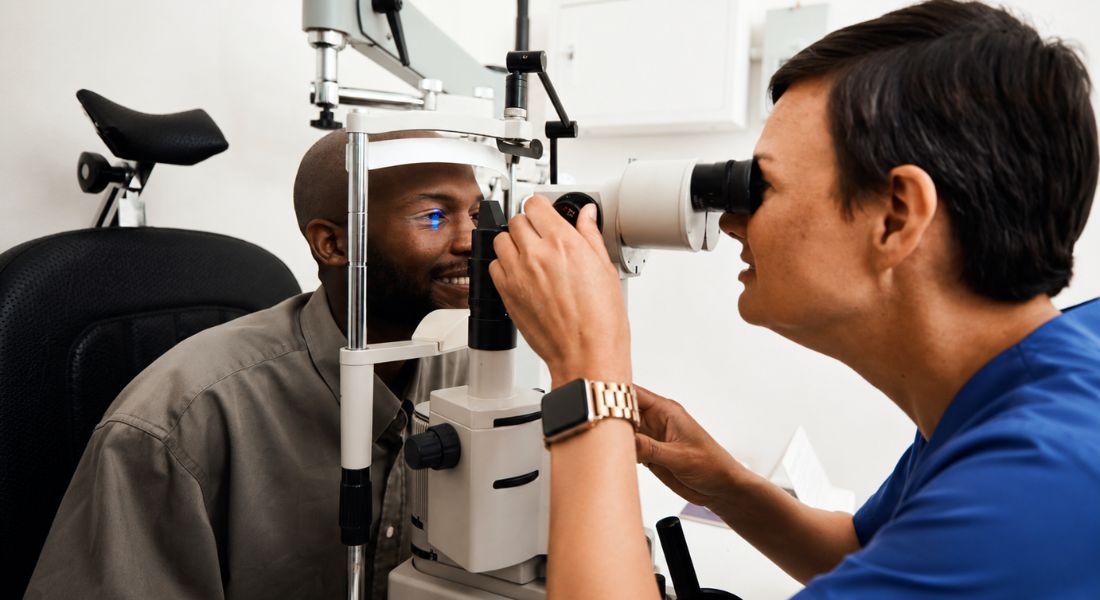
If you are experiencing dry eye symptoms, getting an early diagnosis and starting treatment promptly can make a real difference. Early intervention may help prevent your symptoms from becoming more severe and can reduce ongoing inflammation. This often leads to improved comfort and better day-to-day eye function.
Many people assume that occasional irritation or dryness is something normal and tend to ignore it at first. However, if your symptoms persist or begin to affect your daily life, it is important not to delay seeking advice. Ignoring early signs can sometimes allow the condition to progress.
Acting early often leads to better long-term outcomes for you. By addressing the problem sooner, your clinician can help manage the underlying causes more effectively. This can improve both your comfort and overall eye health over time.
Ongoing Research into Ethnic Differences
Research into dry eye disease across different ethnic groups is continuing to grow. Scientists are working to better understand how your genetics, environment, and overall health may interact to influence your risk of developing dry eye symptoms. This helps build a clearer picture of why the condition may affect people differently.
These studies may help identify new risk factors as well as potential treatment opportunities in the future. By understanding these differences more clearly, clinicians can improve how they assess and manage your condition. The overall aim is to ensure that care is tailored more effectively to your individual needs.
This remains a very active area of ophthalmic research worldwide. You will often see new findings being shared that help improve diagnosis and support more personalised treatment approaches. As knowledge continues to expand, it is expected to enhance care for you and other patients with dry eye disease.
Future Developments in Dry Eye Treatment
Dry eye treatment is changing quite quickly, and you can expect to see ongoing improvements in both diagnosis and management. Researchers are developing new therapies that focus more on the underlying causes of dry eye, rather than just easing the symptoms. These include inflammation, tear film instability, and meibomian gland dysfunction. As a result, future treatments are likely to feel more targeted and effective for you.
- Treatments that target the root cause: Instead of only relieving dryness, future therapies are being designed to address what is actually causing the problem. This could mean longer-lasting relief and better control of your symptoms.
- Better support for tear film stability: New approaches aim to improve the quality and balance of your tear film. This may help reduce irritation, dryness, and fluctuating vision in a more consistent way.
- More personalised treatment options for you: Treatments are increasingly being tailored to your individual needs. Your symptoms, lifestyle, and eye health will play a bigger role in shaping the care you receive.
- Improved diagnosis and monitoring tools: You can also expect better technology to detect dry eye earlier and monitor it more accurately over time. This helps your treatment stay more precise and effective.
Overall, the future of dry eye care is moving towards more advanced and personalised treatment options for you. As research continues, you are likely to see more effective therapies that focus on the cause of the condition rather than just the symptoms. This ongoing progress should lead to better long-term comfort and improved quality of life.
What Current Research Means for Patients
Current evidence suggests that dry eye disease may affect Black patients in slightly different ways in some cases, although many of the risk factors are shared across all populations. If you are experiencing symptoms, it is important to understand that dry eye can present differently from person to person, regardless of ethnicity.
Greater awareness of these differences can help clinicians provide more tailored and effective care for you. By considering factors such as genetics, environment, and overall health, your clinician can better understand what may be contributing to your symptoms. This allows for a more personalised approach to diagnosis and treatment.
Continued research will further improve understanding of how dry eye disease develops and affects different groups. As this knowledge grows, it is expected to lead to more refined treatment strategies and better long-term outcomes for you. Ultimately, the goal is to ensure that care is both effective and tailored to your individual needs.
FAQs:
- Is dry eye disease more common in Black patients?
Some research suggests that dry eye disease may be more common in Black patients compared with certain other populations. However, the reasons are likely to be complex and involve a combination of biological, environmental, and health-related factors. Researchers continue to study these differences to better understand how dry eye develops and how it can be managed more effectively. As knowledge grows, clinicians are becoming better equipped to provide personalised care. - What symptoms of dry eye disease should you look out for?
Dry eye disease can cause a range of symptoms, including burning, stinging, irritation, redness, blurred vision, excessive watering, and a gritty sensation in the eyes. Symptoms may come and go or become more persistent over time. Some people experience significant discomfort, while others notice only mild irritation. If symptoms continue or begin affecting your daily activities, it is important to seek professional advice. - How can diabetes affect dry eye disease?
Diabetes may increase the risk of dry eye disease because it can affect the nerves, tear glands, and surface tissues of the eye. Changes in tear production and inflammation may contribute to dryness and discomfort. People with diabetes may also be more likely to experience other eye-related complications. Regular eye examinations can help identify problems early and support effective management. - Why is ethnicity important when studying dry eye disease?
Ethnicity may influence various aspects of eye health, including disease prevalence, risk factors, and treatment responses. Researchers study these differences to improve understanding of how dry eye affects diverse populations. This information can help clinicians make more accurate diagnoses and develop more personalised treatment plans. Ultimately, the goal is to improve outcomes for all patients. - Can screen use make dry eye symptoms worse?
Yes, prolonged use of computers, tablets, smartphones, and other digital devices can contribute to dry eye symptoms. When you focus on a screen, you tend to blink less frequently, which allows tears to evaporate more quickly. This can lead to dryness, irritation, and visual discomfort. Taking regular breaks and practising conscious blinking may help reduce symptoms. - What is meibomian gland dysfunction and why does it matter?
The meibomian glands produce oils that help prevent tears from evaporating too quickly. When these glands do not function properly, the tear film can become unstable, leading to evaporative dry eye. Meibomian gland dysfunction is one of the most common causes of dry eye disease. Identifying and treating gland problems is often an important part of long-term management. - How is dry eye disease diagnosed?
Diagnosing dry eye disease usually involves a combination of symptom assessment and clinical testing. Your eye specialist may evaluate tear production, tear film stability, meibomian gland function, and the health of the ocular surface. Because symptoms do not always match examination findings, a comprehensive assessment is often necessary. Modern diagnostic technologies can provide additional insights into the underlying causes of your symptoms. - Can lifestyle changes help manage dry eye disease?
Yes, lifestyle changes can often play an important role in symptom management. Simple measures such as taking breaks from screens, staying well hydrated, avoiding overly dry environments, and maintaining good eyelid hygiene may help improve comfort. In some cases, environmental adjustments can reduce irritation and tear evaporation. These changes are often used alongside medical treatments when appropriate. - Why is early treatment important for dry eye disease?
Early diagnosis and treatment may help prevent symptoms from becoming more severe over time. Persistent dryness can contribute to ongoing inflammation and discomfort if left unmanaged. Seeking advice when symptoms first appear allows your specialist to identify contributing factors and recommend suitable treatment options. Early intervention often supports better long-term eye health and quality of life. - What does current research mean for the future of dry eye treatment?
Ongoing research is helping specialists better understand how genetics, inflammation, health conditions, and environmental factors influence dry eye disease. New diagnostic tools and treatments are being developed to improve symptom control and treatment precision. Researchers are also exploring more personalised approaches to care based on individual patient characteristics. These advances may lead to more effective and targeted management strategies in the future.
Final Thoughts: Research Insights into Dry Eye Disease
Research into dry eye disease continues to highlight the importance of recognising how different factors may influence symptoms, diagnosis, and treatment. Studies suggest that Black patients may experience certain risk factors more frequently, including chronic health conditions, environmental exposures, and age-related changes that can affect tear film health. While many aspects of dry eye disease are shared across all populations, understanding these differences helps specialists provide more personalised and effective care.
For you as a patient, this growing body of research is encouraging because it supports a more individualised approach to treatment. Rather than focusing only on symptoms, eye specialists increasingly consider your overall health, lifestyle, medical history, and specific risk factors when developing a management plan. This allows treatment to be tailored more closely to your needs and may improve both comfort and long-term outcomes. If you’re exploring whether dry eye treatment in London could benefit you, get in touch with us at Eye Clinic London to schedule your consultation.
References:
- Johanna, G.P.S., Antonio, L.A., Andrés, G.S., et al. (2019) Correlation between type 2 diabetes, dry eye and Meibomian gland dysfunction. Available at: https://pmc.ncbi.nlm.nih.gov/articles/PMC6978584/
- Shen, C., Galor, A., Bunya, V.Y., et al. (2024) Association Between Race/Ethnicity and Severity of Dry Eye Disease Signs and Symptoms in the Dry Eye Assessment and Management Study. Available at: https://pmc.ncbi.nlm.nih.gov/articles/PMC12018135/
- Cui, D., Karp, C.L., Perez, V.L. and Galor, A. (2023) Racial and Ethnic Disparities in Dry Eye Diagnosis and Care. Available at: https://pubmed.ncbi.nlm.nih.gov/36200798/
- Ward, M.F. 2nd, Le, P., Donaldson, K.E. and Karp, C.L. (2019) Racial and Ethnic Differences in the Association Between Diabetes Mellitus and Dry Eye Disease. Available at: https://pubmed.ncbi.nlm.nih.gov/31025588/
- Nichols, K.K., Foulks, G.N., Bron, A.J., Glasgow, B.J., Dogru, M., Tsubota, K., Lemp, M.A. and Sullivan, D.A. (2011) The International Workshop on Meibomian Gland Dysfunction: Executive Summary. Investigative Ophthalmology & Visual Science, 52(4), pp.1922-1929.
Available at: https://pmc.ncbi.nlm.nih.gov/articles/PMC3072157/