


Dry Eye Treatment Advances Expected in 2027
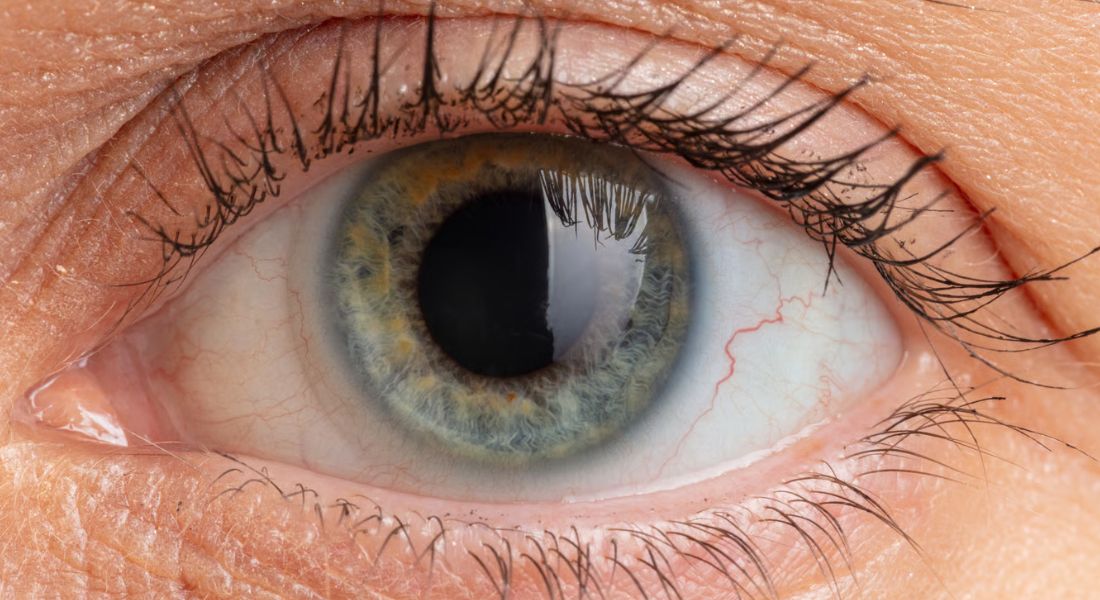
Dry eye disease is a common and often chronic condition that affects millions of people worldwide. If you’re experiencing symptoms such as burning, irritation, or fluctuating vision, you may already know how much it can impact your daily comfort and quality of life. As we move towards 2027, ongoing research is expected to bring you new therapies, improved diagnostic tools, and more personalised approaches to managing dry eye more effectively.
You may benefit from emerging treatments that focus on targeting inflammation, improving tear film stability, and supporting healthier ocular surface function. If you’re undergoing assessment in the future, advanced diagnostic technologies will help your clinician understand your specific dry eye profile in greater detail. This means your treatment can be tailored more closely to the exact causes of your symptoms, giving you more precise and effective care.
You can also expect dry eye management to become more personalised and convenient, especially if you’re receiving ongoing care. With improved medications, devices, and imaging tools, your treatment plan may be adjusted more accurately based on how your eyes respond over time. If your condition is monitored closely, you may experience better symptom control and more consistent relief.
Overall, these advances aim to shift your care from a reactive approach to a more proactive one. If your treatment is optimised early and monitored effectively, you may achieve better long-term outcomes and improved daily comfort. Together, these developments are set to make dry eye management more effective, patient-centred, and supportive of your individual needs.
Anti-Inflammatory Therapies
Inflammation plays a central role in many cases of dry eye disease, and by 2027 you may have access to more advanced anti-inflammatory treatments designed to target this underlying cause. If you’re affected by chronic dry eye, new topical immunomodulators and biologic therapies are being developed to reduce inflammation on the ocular surface more effectively. These treatments aim to support your natural tear production while improving overall eye surface health.
You may benefit from newer medications that are designed to act more quickly than traditional therapies. If you’ve previously used treatments that take time to show results, these emerging options may provide faster symptom relief while still addressing the root cause of inflammation. This can help improve your comfort and daily visual experience more efficiently.
You may also see the development of combination therapies that integrate anti-inflammatory agents with lubricating formulations. If your treatment includes these dual-action approaches, they can help relieve your symptoms while also restoring better tear film stability. Overall, these advances aim to give you more consistent, longer-lasting relief, especially if standard treatments have not been sufficient for your condition.
Tear Film Stabilisation
Maintaining a stable tear film is essential for relieving dry eye symptoms, and by 2027 you may benefit from new treatments designed specifically to improve tear film quality. If you’re experiencing dry eye, researchers are developing advanced formulations that help strengthen the lipid layer of your tears and reduce evaporation. This can help your eyes stay more comfortable for longer periods.
You may have access to improved eye drops, gels, and sustained-release inserts that keep your ocular surface hydrated for extended durations. If you use these treatments, they are designed to reduce how often you need to apply medication throughout the day. This can make your routine easier to manage while maintaining more consistent symptom relief for you.
You may also benefit from emerging devices that help stimulate your natural tear production through thermal or pulsatile eyelid treatments. If your eyes do not produce enough tears naturally, these technologies can support both the quality and quantity of your tear film. Overall, these advances aim to provide you with longer-lasting relief and better day-to-day visual comfort.
Advanced Diagnostics
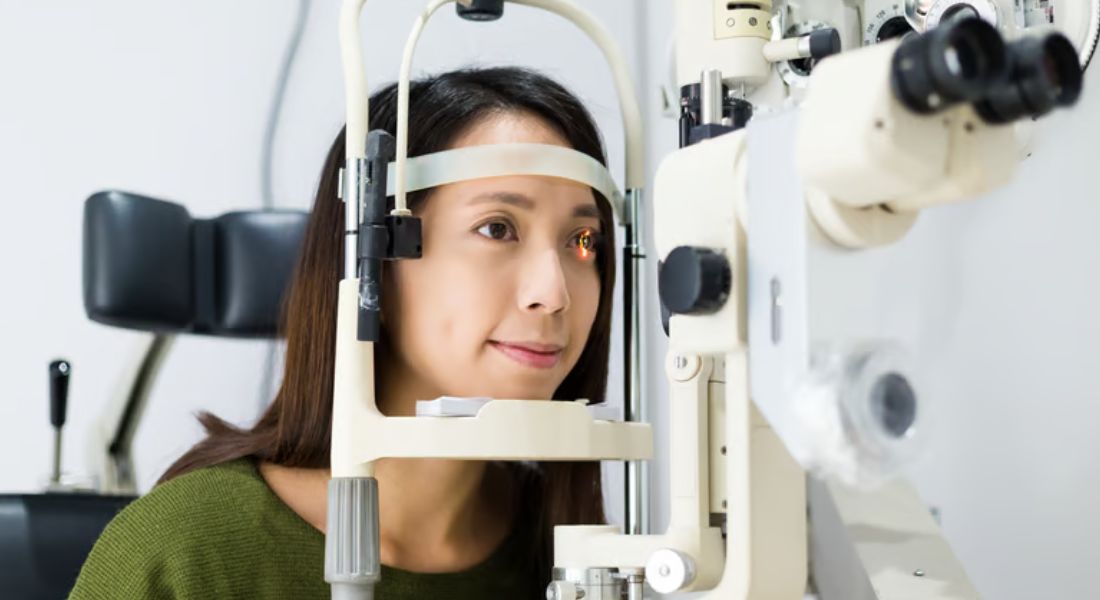
Accurate diagnosis is essential for effective dry eye management, and by 2027 you may benefit from significantly improved diagnostic technologies. If you’re being evaluated for dry eye disease, clinicians will be able to use advanced imaging and measurement tools to assess your tear composition, eyelid function, and overall ocular surface health in much greater detail. This allows for a more complete understanding of what is causing your symptoms.
You may undergo investigations such as high-resolution optical coherence tomography (OCT), meibography, and dynamic tear film assessment. If these tools are used in your assessment, they can help your clinician identify the exact subtype and severity of your dry eye more precisely. This means your condition can be understood at a deeper level than with traditional examination methods alone.
You may benefit from this improved diagnostic accuracy because it allows your treatment to be tailored more specifically to the factors affecting your eyes. If your care is personalised in this way, unnecessary or ineffective treatments can be reduced, and more targeted therapies can be chosen for you. This helps improve both efficiency and outcomes in your management.
As these technologies become more widely available, you can expect better monitoring of your response to treatment over time. If your symptoms change, your clinician will be able to adjust your therapy more precisely based on objective measurements. Overall, advanced diagnostics aim to make your dry eye care more accurate, personalised, and effective.
Meibomian Gland Treatments
Meibomian gland dysfunction is one of the most common causes of evaporative dry eye. It happens when the glands in your eyelids do not produce enough healthy oil to keep your tear film stable. When this oil layer is poor, you may notice dryness, irritation, burning, or fluctuating vision during the day.
- Why Meibomian Glands Matter: These glands produce the oily layer of your tears, which helps stop tears from evaporating too quickly. When the glands are blocked or inflamed, your eyes can feel dry even if they are still producing tears. This is why treating the glands is an important part of modern dry eye care.
- Thermal and Light-Based Treatments: Newer in-clinic therapies may use heat, pressure, or light-based technology to improve gland function. These treatments aim to unblock the glands and encourage healthier oil flow. They are usually designed to be more targeted and comfortable than traditional manual expression.
- Longer-Lasting Relief: Some newer treatments are being developed to provide more sustained symptom control. By improving the quality of the oil layer, they may help stabilise your tear film for longer. This can reduce daily dryness, irritation, and blurred or fluctuating vision.
- Pharmacologic Support: Future treatments may also include medicines that reduce inflammation and support gland health. These may be helpful if your dry eye is linked to ongoing eyelid inflammation or gland damage. Medical therapy may work best when combined with in-clinic procedures.
- Personalised Treatment Planning: Your treatment plan should depend on how blocked or damaged your glands are and how severe your symptoms feel. Your specialist may combine procedures, medication, lid care, and lifestyle advice. This personalised approach can give you more complete and lasting relief.
Overall, meibomian gland treatments are becoming more targeted and advanced. The goal is to improve oil flow, stabilise your tear film, and reduce the discomfort that affects your daily life. With better technology and personalised care, treatment may become more effective and easier to manage over time.
Regenerative Approaches
Regenerative approaches such as stem cell therapy and biologic treatments are being explored to repair damaged ocular surface tissue and restore normal gland function. If you’re living with severe or long-standing dry eye, you may benefit from these emerging therapies, as they aim to support your eye’s natural ability to produce and maintain tears rather than simply replacing moisture.
You may find these treatments particularly relevant if conventional options have not provided sufficient relief. By targeting the underlying damage, regenerative strategies may help improve tear production and restore healthier ocular surface function over time. This can be especially important for you if your symptoms are persistent or difficult to control.
As research continues, these therapies may also help reduce your dependence on frequent eye drops and provide longer-lasting improvements in comfort and vision. If future clinical evidence continues to support their effectiveness, regenerative medicine could become a key part of your personalised dry eye care. Overall, this approach offers promising potential for improving outcomes in more complex cases.
Neurostimulation Devices
Neurostimulation devices are emerging as an innovative way to support natural tear production by activating specific nerves involved in the tear reflex. If you’re affected by aqueous-deficient dry eye, you may benefit from these technologies, as they are designed to stimulate lacrimal gland function and improve both the volume and quality of your tears. This offers a non-invasive approach that can complement existing treatments.
You may find these devices particularly useful if your symptoms have not responded fully to standard eye drops or lubricating therapies. By targeting the underlying nerve pathways, the treatment aims to enhance your eye’s natural tear production rather than simply replacing moisture on the surface. This can lead to more sustained relief for you over time.
Early clinical trials have shown promising results, with patients experiencing increased tear production and improved ocular surface health. If further research continues to support these findings, neurostimulation may become an additional option in your dry eye treatment plan. Overall, this approach represents a new direction in managing more complex and persistent cases of dry eye disease.
Combination Therapies
Combination therapies are becoming increasingly important in the management of dry eye disease, as they allow multiple treatment approaches to be used together for better results. If you’re living with dry eye, you may benefit from a multimodal plan that combines topical medications, in-clinic procedures, and supportive devices. This approach targets different underlying causes of your symptoms at the same time.
You may find that addressing several mechanisms together helps improve overall effectiveness and reduces the frequency of symptom flare-ups. Instead of relying on a single treatment, your clinician may tailor a combination plan based on your specific condition. This means your care can be adjusted more precisely to what your eyes need.
By 2027, personalised combination protocols are expected to become more common, allowing your treatment to be closely matched to your disease profile. If your symptoms have been difficult to control, this approach may help improve both comfort and long-term stability. Overall, combination therapies aim to make your treatment more effective, flexible, and easier for you to follow.
Sustained-Release Drug Delivery
Sustained-release drug delivery systems are being developed to provide a more consistent and long-lasting way of treating dry eye disease. If you’re managing a chronic condition, these technologies may offer you a more convenient alternative to frequent eye drop use. They work by delivering medication directly to the ocular surface over an extended period, helping to maintain stable therapeutic levels.
You may benefit from sustained-release inserts and implants because they reduce the need for repeated daily applications. If you find it difficult to follow complex eye drop schedules, these options could make your treatment routine much easier to manage. They are designed to improve adherence while ensuring your eyes receive continuous support throughout the day.
As these systems continue to advance, they may be combined with anti-inflammatory or regenerative medications to improve long-term outcomes for you. If you are living with persistent dry eye, this approach could help provide more stable symptom control and better overall comfort. Together, these innovations aim to make your treatment more effective, reliable, and patient-friendly.
Lifestyle and Environmental Adaptations
Alongside medical treatments, lifestyle and environmental changes continue to play an important role in managing dry eye disease. If you’re affected by dry eye, you may find that simple adjustments in your daily routine can significantly improve your symptoms. Research increasingly highlights the importance of controlling environmental triggers to support long-term eye comfort.
You may benefit from strategies such as maintaining optimal indoor humidity, reducing screen glare, and ensuring good lighting when using digital devices. If you spend long periods on near work, taking regular breaks can help reduce eye strain and improve tear stability. These small but consistent changes can make a meaningful difference in how your eyes feel throughout the day.
Patient education is also an important part of your care, as understanding these factors helps you take an active role in managing your condition. If you’re combining lifestyle adjustments with medical therapies, you are more likely to achieve better and more stable results. Together, these approaches provide a more complete and effective way for you to manage dry eye disease and reduce the chance of recurring symptoms.
Personalized Medicine Approaches

Personalised medicine is becoming an important part of modern dry eye management, allowing your treatment to be tailored more closely to your individual condition. If you’re being assessed, clinicians may analyse factors such as your tear composition, meibomian gland function, and overall ocular surface health to understand the underlying cause of your symptoms. This helps ensure that your treatment is directed at the specific issues affecting you.
You may benefit from this targeted approach because it allows your clinician to choose therapies that are more likely to be effective for your particular eye condition. Instead of a one-size-fits-all strategy, your care plan can be designed around your unique clinical findings. This can improve treatment success and reduce unnecessary or ineffective interventions for you.
As personalised care becomes more advanced, you may also experience more accurate monitoring of your response to treatment. Instead of relying only on how you feel, your clinician can use objective measurements to track changes in your eye health over time. This allows for timely adjustments to your therapy, helping you achieve better long-term control of your symptoms.
Artificial Intelligence Integration
Artificial intelligence is expected to play an increasingly important role in the diagnosis, treatment planning, and ongoing monitoring of dry eye disease. If you’re attending eye care consultations in 2027, AI systems may assist your clinician by analysing imaging data, identifying patterns, and supporting more accurate clinical decisions. This can help ensure your condition is assessed with greater precision.
You may benefit from AI tools that can predict disease progression and suggest the most appropriate treatment options based on your specific clinical data. If your symptoms change over time, these systems can help your clinician adjust your therapy more efficiently. This means you could receive more personalised care that is better matched to your individual needs.
As AI becomes more integrated into eye care, you may also experience earlier intervention and more precise treatment adjustments. If you are living with moderate or severe dry eye disease, this could help reduce symptom flare-ups and improve daily comfort. Overall, these advances aim to make your care more proactive, responsive, and effective.
Early Detection Strategies
Early detection is becoming increasingly important in dry eye care. If your condition is identified before symptoms become severe, treatment can begin sooner and may help prevent long-term discomfort or progression.
- Detecting Dry Eye Earlier: Improved screening methods may help identify dry eye before it starts affecting your daily life. This means your clinician can look for early signs even when symptoms are still mild. Early diagnosis can make treatment simpler and more effective.
- Advanced Diagnostic Tools: High-resolution imaging and tear film analysis may help detect subtle changes on the eye surface. These tools can show whether your tear film is unstable or whether inflammation is developing. This allows your treatment plan to be more accurate.
- Preventing Symptom Progression: When dry eye is treated early, there may be less chance of symptoms becoming persistent or severe. Early care can help reduce irritation, burning, redness, and fluctuating vision. It may also protect the ocular surface over time.
- More Proactive Eye Care: Future dry eye care is likely to focus more on prevention rather than waiting for symptoms to worsen. Your clinician may monitor your tear film and eye surface more closely during routine eye checks. This can help guide earlier treatment decisions.
- Better Long-Term Comfort: Early treatment can help maintain clearer vision and better daily comfort. This is especially important if you spend long hours on screens, work in dry environments, or already have mild symptoms. Managing dry eye early can improve your overall quality of life.
Overall, early detection strategies can help make dry eye care more effective and personalised. By identifying changes sooner, your clinician can recommend treatment before symptoms become harder to manage. This gives you a better chance of protecting your eye comfort, vision, and long-term ocular health.
Management of Post-Surgical Dry Eye
If you develop dry eye after refractive or cataract surgery, new treatment approaches expected by 2027 may help improve your recovery. Researchers are exploring targeted therapies that focus on restoring the tear film and reducing inflammation following surgery. These advances aim to make your recovery more comfortable while supporting better long-term eye health.
You may benefit from improved lubricating eye drops, newer anti-inflammatory medications, and device-assisted therapies that are designed to promote healing. These treatments work together to improve tear film stability and reduce the irritation, dryness, and fluctuating vision that some patients experience after surgery. Your eye specialist will recommend the most suitable approach based on your individual needs.
As these innovations continue to develop, you can expect more personalised care following eye surgery. If your symptoms are recognised and treated early, you may recover more quickly and experience greater comfort throughout the healing process. These advances are expected to improve both your overall treatment experience and your satisfaction with the results of surgery.
Targeted Anti-Inflammatory Approaches
Researchers are developing new targeted anti-inflammatory treatments that may offer more effective relief for chronic dry eye by 2027. If you’re living with persistent symptoms, these therapies are designed to deliver medication more efficiently to the surface of your eye. This could help improve treatment effectiveness while reducing unnecessary exposure to the rest of your body.
You may benefit from these newer medications because they aim to control ongoing inflammation more precisely than some existing treatments. By improving ocular bioavailability, the medication can remain where it is needed most, helping to relieve irritation, dryness, and discomfort. This targeted approach may also reduce the risk of unwanted side effects for you.
As these treatments become available, you may experience better symptom control and improved visual comfort over the long term. If your dry eye condition has been difficult to manage, these advances could provide additional treatment options tailored to your needs. Together, they represent an important step towards more personalised and effective dry eye care.
Digital Health and Remote Monitoring
Digital health is expected to play a much bigger role in dry eye care by 2027, giving you more ways to monitor your symptoms from home. If you’re managing dry eye disease, apps and smart devices may help you track changes in your eye comfort, monitor your symptoms, and record how well you’re following your treatment plan. This can provide a clearer picture of how your condition changes over time.
You may also be able to share this information directly with your clinician, allowing your treatment to be reviewed without waiting for your next appointment. By monitoring your progress remotely, your specialist can identify changes earlier and adjust your therapy if needed. This more connected approach can help ensure you receive timely and personalised care.
As digital health technologies continue to develop, you can expect remote monitoring to become an important part of personalised dry eye management. These tools may help you stay more engaged with your treatment while making it easier for your clinician to support your long-term eye health. For you, this could mean more convenient care, better symptom control, and improved treatment outcomes.
Pediatric Dry Eye Management
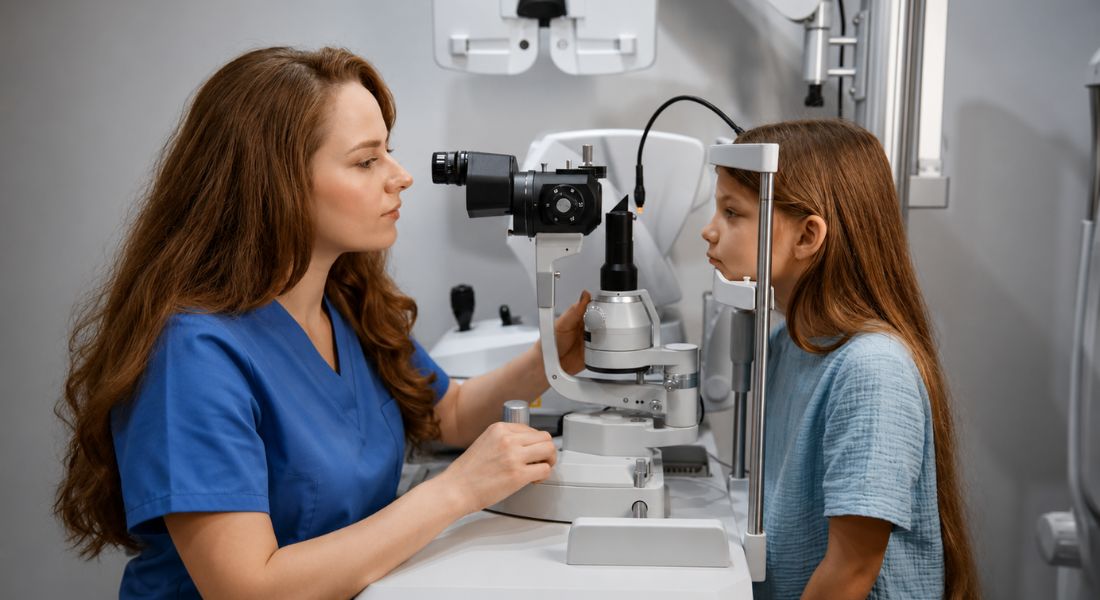
Dry eye disease is being recognised more frequently in children, particularly as screen time and digital device use continue to increase. If your child experiences symptoms such as sore, irritated, or tired eyes, early assessment may help identify dry eye before it begins to affect daily activities. By 2027, advances in diagnostic tools and treatment options are expected to support earlier detection and more effective management.
Your child may benefit from newer therapies that are specifically designed to improve tear film stability and reduce eye surface irritation. Alongside medical treatment, clinicians may recommend practical strategies such as reducing prolonged screen use, encouraging regular blinking, and taking frequent visual breaks. This combination of behavioural advice and personalised treatment can help improve comfort while supporting healthy visual development.
As paediatric dry eye care continues to evolve, you can expect more tailored approaches that meet the needs of younger patients. Early intervention may reduce visual discomfort, improve concentration during schoolwork, and support your child’s overall eye health. These advances aim to provide safe, effective, and age-appropriate care while helping to minimise the long-term impact of dry eye.
Clinical Practice Guidelines
By 2027, updated clinical practice guidelines are expected to reflect the latest evidence in eye care, helping your clinician make more informed treatment decisions. If you’re receiving care, these guidelines may include new therapies, advanced diagnostic techniques, and improved preventive strategies. This ensures that your treatment is based on the most up-to-date clinical evidence.
You may benefit from more structured care because these guidelines are designed to support consistent and high-quality decision-making. Alongside advanced treatments, your clinician may also recommend lifestyle changes and personalised management strategies that suit your individual condition. This creates a more tailored approach to protecting your vision and supporting your long-term eye health.
As research continues to evolve, these evidence-based guidelines will help ensure that you receive safe, effective, and personalised care. By combining innovation with established clinical practice, your treatment plan can be adapted to meet your specific needs. This patient-centred approach aims to optimise your outcomes and improve your overall experience of eye care.
Multi-Disciplinary Care Models
Future eye care is expected to involve greater collaboration between different specialists to provide more comprehensive treatment for you. If you’re managing an eye condition, your care may include input from ophthalmologists, optometrists, and ocular surface specialists working together. This team-based approach helps ensure that every aspect of your eye health is carefully considered.
You may benefit from a multi-disciplinary care model because it focuses on both treating the underlying cause of your condition and relieving your symptoms. By combining the expertise of different professionals, your treatment plan can be tailored more closely to your individual needs. This can lead to more accurate diagnoses and better-coordinated care for you.
As these collaborative models become more common, you may experience improved treatment outcomes and greater satisfaction with your care. Having specialists work together can help you receive more personalised support throughout your treatment journey. Ultimately, this approach aims to protect your vision while improving your overall quality of life.
FAQs:
- What new treatments for dry eye are expected in 2027?
Researchers are developing new anti-inflammatory medications, regenerative therapies, sustained-release drug delivery systems, and advanced devices to improve tear production and tear film stability. Many of these treatments aim to address the underlying causes of dry eye rather than simply relieving symptoms. Some therapies are already being evaluated in clinical trials. - Will future dry eye treatments provide longer-lasting relief?
One of the main goals of current research is to reduce the need for frequent eye drop use. Sustained-release medications, improved lubricating formulations, and advanced in-clinic procedures may provide longer-lasting symptom control. The effectiveness of these treatments will depend on the type and severity of your dry eye disease. - How will artificial intelligence improve dry eye care?
Artificial intelligence (AI) may help eye specialists analyse diagnostic images, identify the cause of dry eye more accurately, and recommend personalised treatment plans. AI could also assist with monitoring disease progression and evaluating how well treatments are working. It is designed to support clinical decision-making rather than replace your eye specialist. - Will dry eye diagnosis become more accurate in 2027?
Yes, advances in imaging and tear film analysis are expected to improve diagnostic accuracy. New technologies will allow clinicians to assess tear quality, meibomian gland function, and ocular surface health in greater detail. This should help ensure that treatment is tailored to your specific type of dry eye. - What are regenerative treatments for dry eye?
Regenerative therapies aim to repair damaged tissues and restore the normal function of the ocular surface and tear-producing structures. Researchers are investigating options such as stem cell-based treatments and biologic therapies for more severe cases of dry eye. While promising, many of these approaches are still being studied before they become widely available. - Can meibomian gland dysfunction be treated more effectively in the future?
Yes, several new treatments are being developed to improve the function of the meibomian glands, which play an essential role in preventing tears from evaporating too quickly. Advanced thermal therapies, light-based treatments, and new medications may provide longer-lasting relief than traditional approaches. Your eye specialist can recommend the most appropriate treatment based on your condition. - Will digital technology play a bigger role in dry eye management?
Digital health tools and remote monitoring systems are expected to become more common in the management of dry eye disease. Mobile apps and smart devices may allow you to track symptoms, monitor treatment progress, and share information with your clinician between appointments. This could support more personalised and proactive care. - Are lifestyle changes still important if new treatments become available?
Yes, healthy lifestyle habits will continue to play an important role alongside medical treatment. Protecting your eyes from dry environments, taking regular breaks from digital screens, staying hydrated, and following your treatment plan can all help improve symptoms. Combining lifestyle measures with newer therapies may provide the best long-term results. - When will these new dry eye treatments become widely available?
Some innovations are already entering clinical practice, while others remain in research or clinical trial phases. Their availability will depend on further evidence of safety and effectiveness, as well as regulatory approval. New treatments are expected to become available gradually over the coming years. - Should you wait for future treatments before seeking help for dry eye?
No, you should not delay seeking professional advice if you have persistent dry eye symptoms. Current treatments can provide effective relief for many patients, and early management may help prevent the condition from becoming more severe. Your eye specialist can also advise you about emerging treatment options that may become suitable in the future.
Final Thoughts: Looking Ahead to the Future of Dry Eye Care
Advances expected in 2027 have the potential to transform the way dry eye disease is diagnosed and managed, offering more personalised, effective, and convenient treatment options. From innovative medications and regenerative therapies to advanced diagnostic technologies and AI-assisted care, these developments aim to provide longer-lasting relief while addressing the underlying causes of dry eye. Seeking early professional advice remains the best way to protect your eye health and benefit from both current and future treatment options.
If you’d like to find out whether dry eye treatment in London is suitable for you, feel free to contact us at Eye Clinic London to arrange a consultation. Our experienced team can assess your symptoms, recommend the most appropriate treatment plan, and help you achieve long-term relief with personalised care.
References:
- Betz, J. et al. (2025) Navigating the Dry Eye Therapeutic Puzzle: A Mechanism-Based Strategy for Tear Film Dysfunction and Ocular Surface Inflammation, Pharmaceuticals, 18(7), 994. Available at: https://www.mdpi.com/1424-8247/18/7/994
- Valdés-Arias, D. et al. (2024) Recent United States Developments in the Pharmacological Treatment of Dry Eye Disease, Drugs. Available at: https://pubmed.ncbi.nlm.nih.gov/38652355/
- Nair, P.P. et al. (2024) Artificial Intelligence in Dry Eye Disease: A Narrative Review, Cureus, 16(9), e70056. Available at: https://pmc.ncbi.nlm.nih.gov/articles/PMC11499626/
- Narendra, K. et al. (2025) Exploring New Frontiers in Dry Eye Disease: Treatments, Mechanisms, and Diagnostic Innovations: A Comprehensive Review, Aspects of Molecular Medicine, 5, 100090. Available at: https://www.sciencedirect.com/science/article/pii/S2949688825000280
- Bhujel, B., Oh, S.H. and Kim, J.Y. (2023) ‘Current Advances in Regenerative Strategies for Dry Eye Diseases’, Bioengineering, 11(1), 39. Available at: https://www.mdpi.com/2306-5354/11/1/39