


Laser Eye Surgery Innovations Expected in 2027
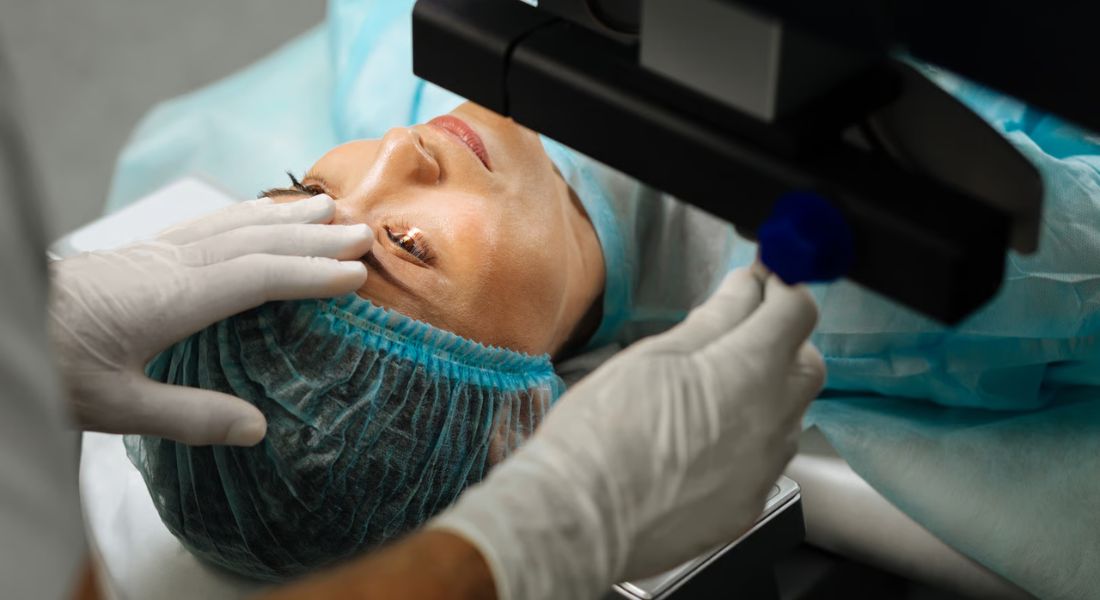
Laser eye surgery continues to move forward, with new advances in technology, diagnostics, and surgical planning helping to improve safety, precision, and visual outcomes. As technology continues to develop towards 2027, you may see further improvements in how LASIK, SMILE and PRK are planned and performed. These developments are designed to make treatment more effective, more personalised, and suitable for a wider range of patients.
One of the biggest goals is to give you faster recovery, fewer complications, and a treatment plan that is tailored to your eyes. With artificial intelligence, enhanced imaging, and predictive analytics becoming more advanced, clinicians may be able to plan procedures with greater accuracy. If you are considering laser surgery in London, this could mean a safer and more precise treatment experience based on your individual visual needs.
New laser platforms, smarter diagnostic tools, and improved monitoring systems are also expected to improve both preoperative assessment and postoperative care. These innovations may help your surgeon identify risk factors earlier, create customised treatment maps, and monitor your healing more effectively after surgery. This can make the whole treatment journey feel more predictable, comfortable, and reassuring.
Understanding these upcoming innovations is important if you are thinking about refractive surgery. From improved laser delivery systems to AI-assisted planning, the changes expected in 2027 aim to improve your visual outcome and expand eligibility for laser procedures. The goal is to make laser eye surgery safer, more personalised, and more reliable for long-term vision correction.
Enhanced Laser Platforms
The next generation of laser platforms is expected to offer higher precision and faster ablation rates. Improved eye-tracking technology may help reduce errors caused by small involuntary eye movements during treatment. This can allow your surgeon to work with greater confidence, control, and accuracy.
Customised ablation profiles may also improve your overall visual quality. These profiles are based on your individual corneal topography, which means treatment can be tailored to the unique shape of your cornea. This may help reduce higher-order aberrations and support sharper, more natural vision.
These improvements may also help preserve corneal strength during LASIK or SMILE procedures. By reducing unnecessary tissue removal, surgeons can aim for effective vision correction while protecting the structure of the cornea. This is especially important for long-term stability and safety.
Faster laser speeds can shorten treatment time and make the procedure more comfortable for you. They may also help reduce the risk of certain complications by making treatment more efficient and controlled. Overall, advanced laser platforms in 2027 aim to combine speed, precision, and adaptability for safer and more predictable visual outcomes.
Artificial Intelligence in Surgical Planning

Artificial intelligence is expected to play a major role in planning laser eye surgery in 2027. AI algorithms can analyse your corneal shape, thickness, and refractive pattern in great detail. This can help your surgeon create a customised treatment map for more accurate and personalised vision correction.
AI may also help make planning decisions more consistent. It can identify subtle corneal irregularities and help assess which procedure may be most suitable for your eyes. This can improve safety and reduce the chance of complications.
By combining predictive analytics with imaging data, AI can help forecast your possible visual outcome after surgery. This allows your surgeon to explain what you can realistically expect before treatment begins. Clearer counselling can make the whole journey feel more informed and reassuring.
If you are seeking laser surgery in London, AI-assisted planning may give you greater confidence in the process. It may also help reduce the risk of issues such as glare, halos, or undercorrection after treatment. The aim is to make laser eye surgery safer, more precise, and more tailored to your individual needs.
Advances in Corneal Imaging
Enhanced corneal imaging techniques will allow surgeons to assess your cornea in much greater detail. They can look closely at corneal thickness, curvature, and biomechanical properties before deciding whether laser eye surgery is suitable for you. Technologies such as high-resolution optical coherence tomography and corneal tomography may also help detect early signs of ectatic disorders and subtle irregularities.
This level of detail is important because even small changes in the cornea can affect the safety and outcome of laser eye surgery. Better imaging also provides precise mapping for customised laser ablation, helping your surgeon plan treatment around your unique corneal structure. This can reduce unnecessary risk and support better safety and visual quality after surgery.
The integration of imaging with AI may further enhance surgical accuracy and make procedures more predictable. AI can help analyse detailed scan data and support more personalised treatment planning for your eyes. As a result, more patients may become eligible for laser surgery with safer, more tailored, and more effective outcomes.
SMILE Procedure Refinements
SMILE, or small incision lenticule extraction, is expected to improve further with better laser delivery and surgical guidance. These refinements may help make the procedure more precise and controlled. Improvements in lenticule creation and extraction can also reduce tissue stress, supporting smoother healing and better visual recovery.
Next-generation SMILE lasers may offer faster and more accurate cuts, which can shorten the procedure and improve your comfort. Surgeons may also use AI-assisted mapping to personalise the lenticule thickness and diameter based on your eyes. This can help optimise results for different levels of myopia and astigmatism.
These innovations may make SMILE an even safer and more appealing alternative to LASIK for some patients. It may be especially useful if you have a higher prescription or thinner corneas, where preserving corneal strength is important. The aim is to provide accurate vision correction with greater comfort, safety, and long-term stability.
Improved PRK Techniques
Photorefractive keratectomy, or PRK, is expected to continue improving with better surface ablation and enhanced epithelial healing methods. These advances aim to reduce discomfort after treatment and support a smoother recovery. This can make PRK a more comfortable option if you need surface laser treatment rather than a flap-based procedure.
Enhanced surface laser delivery, supportive medications, and newer treatment protocols may also help reduce haze formation. This is important because haze can affect visual clarity during recovery and may influence long-term results. With better healing support, PRK may become more predictable, effective, and easier for patients to manage.
If you are unsuitable for LASIK because of thin corneas or higher-risk corneal shapes, these refinements may make PRK a safer option. PRK innovations can help maintain its role as a reliable alternative to flap-based procedures while improving comfort and outcomes. The aim is to provide clearer vision, smoother recovery, and more personalised treatment options.
Laser-Assisted Cataract and Lens Procedures
Laser technology is expected to play a growing role in cataract and lens-based procedures. It can support precise corneal incisions, capsulotomy, and lens fragmentation during surgery. These improvements may help make the procedure more accurate, consistent, and carefully controlled.
If you are combining vision correction with cataract removal, laser-assisted techniques may provide more predictable outcomes. They can also help surgeons work around delicate eye structures with greater control and care. This may reduce surgical variability and support better refractive accuracy after treatment.
Integration with advanced imaging and AI may further improve precision in more complex cases. These tools can help your surgeon plan treatment more carefully and adapt the procedure to your individual eye. As technology progresses, you may benefit from faster recovery and better overall visual quality after combined procedures.
Eye-Tracking and Motion Compensation
Future laser systems are expected to include more advanced eye-tracking and motion compensation technology. These systems can help account for small involuntary eye movements during treatment. This helps keep the laser ablation accurately aligned with your cornea.
Better alignment can improve both safety and visual outcomes after laser eye surgery. When the laser follows your eye movements more precisely, it can reduce the risk of treatment errors. This may help you achieve more predictable and reliable results after surgery.
These systems may be especially valuable for patients who find it difficult to keep their eyes still during treatment. By reducing movement-related errors, advanced eye-tracking can support higher success rates and fewer postoperative complications. The aim is to make laser eye surgery safer, more precise, and more reassuring for a wider range of patients.
Real-Time Intraoperative Monitoring
Real-time monitoring during laser surgery is expected to become more advanced in the coming years. This technology may allow surgeons to adjust treatment settings during the procedure based on how your eye is responding. For you, this can support a safer and more personalised surgical experience.
Sensors and imaging systems may provide immediate feedback on important details such as corneal response, hydration, and ablation depth. These details can help your surgeon make more accurate decisions while the procedure is taking place. This level of feedback may improve precision and reduce avoidable risks.
By allowing personalised adjustments during surgery, real-time monitoring can make laser procedures more adaptive to your individual eye anatomy. This is important because no two eyes respond in exactly the same way. You may benefit from treatment that is safer, more accurate, and better tailored to your needs.
Customised LASIK Treatments
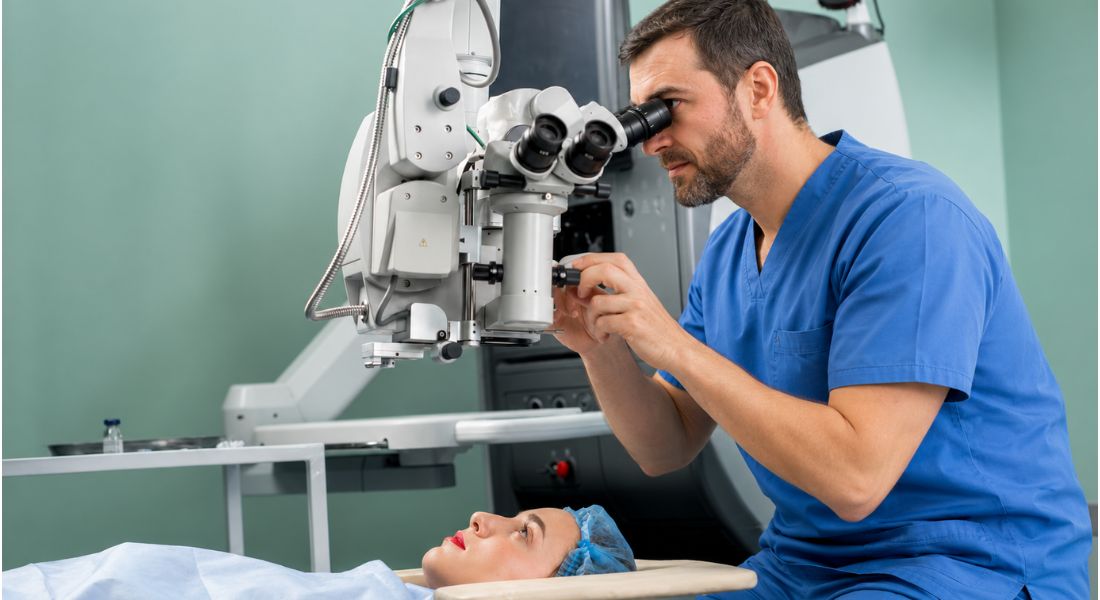
LASIK technology in 2027 is expected to focus more on highly customised ablation patterns. This means your treatment may be planned around the unique shape and optical qualities of your eyes. These customised approaches may consider higher-order aberrations and your individual corneal topography to support clearer, more natural vision.
Wavefront-guided and topography-guided LASIK treatments are also expected to become more accurate. By using patient-specific data, surgeons may be able to reduce visual disturbances such as halos or glare, especially in low-light conditions. This can help improve visual quality and make your results feel more comfortable in daily life.
Recovery times may also improve as newer techniques reduce disruption to the corneal tissue and support faster healing. These customised approaches can make LASIK more predictable and satisfying for suitable patients. The aim is to make treatment safer, more precise, and suitable for a wider range of vision correction needs.
Integration of Biomarkers
Emerging research is exploring how ocular biomarkers may help guide laser eye treatment. These biomarkers can provide useful information about your eye health and how your cornea may respond to surgery. This could make treatment planning more detailed and personalised.
Biomarkers may help assess corneal biomechanical properties, wound healing potential, and refractive stability. These factors are important because they can influence how well your eyes heal and how stable your vision remains after treatment. By understanding these details in advance, surgeons may be able to reduce avoidable risks.
In 2027, integrating biomarker data into surgical planning may help surgeons optimise outcomes more effectively. This approach could reduce the risk of regression, complications, or unexpected healing responses. The aim is to make laser eye surgery more precise, predictable, and tailored to each patient.
Postoperative Predictive Analytics
AI-driven predictive models may help forecast visual recovery timelines after laser eye surgery. These tools can analyse patient-specific data and identify how the eyes are likely to heal after treatment. This can help your surgeon give you clearer guidance about what to expect during recovery.
Predictive analytics may also help identify possible complications before they become more serious. By considering factors such as healing patterns, eye structure, and individual risk profile, surgeons can tailor postoperative care more accurately. This allows follow-up plans to be more personalised and proactive.
This approach can improve patient counselling and make the recovery process feel more reassuring. When you understand your expected healing timeline and follow-up needs, you can feel more confident after surgery. The aim is to enhance satisfaction by making laser eye surgery safer, more predictable, and better supported.
Reduced Complication Rates
Technological and procedural advances may help make laser eye surgery safer and more predictable for suitable patients. Improved imaging, AI-supported planning, and more precise laser delivery can help your surgeon understand your eyes in greater detail before treatment. This supports better decision-making and more personalised surgical planning.
- Improved Imaging Accuracy — Modern imaging can provide a clearer picture of your cornea, eye shape, and treatment suitability. This helps your surgeon identify risk factors before surgery. Better screening can reduce the chance of avoidable complications.
- AI-Guided Planning — AI-supported tools may help analyse your eye measurements more accurately. This can assist surgeons in planning treatment that matches your individual anatomy. The aim is to improve precision and reduce uncertainty.
- More Precise Laser Delivery — Advanced laser systems can treat the eye with greater control and accuracy. This may help reduce risks such as overcorrection, undercorrection, or induced astigmatism. More precise treatment can also support better visual outcomes.
- Reduced Risk of Visual Side Effects — Better planning may help minimise problems such as glare, halos, or reduced night vision in suitable patients. Your surgeon can use detailed measurements to choose the safest approach. This can make recovery more predictable.
- Safer Treatment for More Patients — As technology improves, laser surgery may become suitable for a wider range of people. However, careful assessment will still be essential. Your personal eye measurements remain the most important factor in deciding safety.
Overall, reduced complication rates are likely to come from better technology, more detailed assessment, and personalised treatment planning. These improvements can help make laser eye surgery safer, more accurate, and more reassuring for suitable patients.
Expanded Patient Eligibility
Advances in laser technology are expected to expand the range of patients who may be eligible for vision correction surgery. In the past, factors such as thinner corneas, higher myopia, or irregular corneal shapes could mean that laser treatment was not suitable for you. With improved protocols, some of these cases may now be assessed more safely and carefully.
Newer laser systems, better imaging, and more personalised planning can help surgeons understand each eye in greater detail. This allows treatment to be adapted more precisely to your anatomy and individual risk profile. As a result, if you were previously told you were unsuitable, you may have more options available in the future.
This means more patients may be able to benefit from vision correction procedures with more predictable outcomes. Careful screening will still remain essential to make sure the treatment is safe and suitable for you. The aim is to offer clearer vision, better accuracy, and a treatment plan that is personalised to your needs.
Combined Modalities
Future procedures may combine laser ablation with corneal cross-linking or lens-based interventions to improve safety and visual outcomes. These combined approaches can help address more than one aspect of your eye health and vision correction at the same time. This may be especially useful if a standard single treatment is not enough for your needs.
Integrated treatment strategies may allow surgeons to manage more complex refractive errors effectively. For example, laser treatment may improve your vision, while cross-linking may help strengthen the cornea in selected patients. Lens-based options may also be considered if your prescription or eye structure makes laser treatment less suitable.
Patients with high prescriptions or early keratoconus may benefit from having more personalised treatment options. These combined strategies could make treatment safer, more precise, and better suited to your individual needs. The aim is to improve visual quality while reducing risks and supporting long-term stability.
Improved Imaging for Preoperative Assessment
High-resolution imaging tools will provide detailed maps of corneal curvature, thickness, and biomechanical properties. These measurements help surgeons understand the structure and strength of your cornea before treatment. This is important because every eye has a unique shape and response to surgery.
With better imaging, surgeons can plan customised ablation more accurately. These tools may also help detect subtle corneal irregularities that could increase the risk of complications. Identifying these issues early allows your surgeon to choose the safest and most suitable treatment approach.
Enhanced preoperative assessment can help improve both safety and visual outcomes. When your surgeon has a clearer understanding of your eye, the treatment can be planned with greater precision. The aim is to reduce risks, avoid unnecessary complications, and achieve the best possible visual result.
Advanced Surface Treatments
Advanced surface treatments are expected to improve procedures such as PRK by making recovery more comfortable and predictable. These innovations may help reduce discomfort, support faster healing, and improve visual quality after treatment. This can be especially helpful if you are not suitable for flap-based procedures such as LASIK.
- Improved Epithelial Management — New approaches to managing the surface layer of the cornea may help your eye heal more smoothly after PRK. This could reduce early discomfort and make the recovery period easier to manage. Better surface healing can also support more stable visual recovery.
- Reduced Post-Treatment Discomfort — Surface procedures can involve more discomfort than flap-based laser surgery during the early healing phase. Advances in treatment technique and aftercare may help reduce irritation, soreness, and light sensitivity. This can make the experience more comfortable for suitable patients.
- Faster Healing Support — New healing strategies may help the corneal surface recover more efficiently after treatment. Faster healing can reduce the time your eyes feel sensitive or blurry. It may also help you return to normal activities with greater confidence.
- Minimising Haze Formation — Haze can sometimes affect visual clarity while the cornea is healing after surface laser treatment. Improved techniques aim to reduce this risk and support clearer vision during recovery. Careful planning and follow-up remain important to monitor healing.
- Useful When LASIK Is Not Suitable — PRK and other surface treatments may be considered if your cornea is not suitable for LASIK. These advances could make surface-based laser correction more appealing and personalised. Your surgeon will assess your corneal health before recommending the best option.
Overall, advanced surface treatments may make PRK and similar procedures more comfortable, effective, and predictable. The main goal is to support safer healing, clearer vision, and a smoother recovery experience. As techniques improve, you may have more personalised options for vision correction.
AI-Assisted Outcome Tracking
Artificial intelligence may allow more continuous tracking of patient outcomes after refractive surgery. By reviewing follow-up data, scans, and visual results, AI tools can help identify early signs of regression or possible complications. This can support closer monitoring without relying only on routine appointments.
Real-time monitoring can also help guide timely interventions when needed. If small changes are detected early, your surgeon may be able to adjust care before the issue becomes more significant. This can improve long-term stability and make postoperative care more proactive.
Patients may benefit from more consistent visual results and a more personalised follow-up experience. AI-assisted tracking can help clinicians understand how your eyes are healing and whether your results are staying stable. The aim is to support safer recovery, better vision, and greater confidence after surgery.
Predictive Refractive Modeling
Advanced software will allow surgeons to simulate possible visual outcomes after refractive surgery. This can help both you and your surgeon understand what results may be achievable before treatment begins. It also supports more informed decision-making and clearer expectations.
Predictive refractive modelling may take into account factors such as corneal biomechanics, healing response, and individual eye anatomy. These details are important because every eye responds differently to treatment. By reviewing this information, your surgeon can plan a more personalised and accurate procedure.
This approach can help set realistic expectations and improve overall patient satisfaction. When you understand the likely outcome in advance, you can feel more confident about your treatment choices. The aim is to make refractive surgery more predictable, personalised, and reassuring.
Enhanced Safety in High-Risk Cases
Patients with higher risk profiles, such as thin corneas or higher myopia, may benefit from improved safety protocols in laser eye surgery. These cases often need more detailed assessment and careful planning before treatment. With better technology, your surgeon can make more informed decisions and reduce unnecessary risks.
Advanced laser systems may allow customised energy levels to be delivered based on your individual eye structure. AI guidance can also help optimise treatment plans for more complex cases by analysing detailed measurements and risk factors. This can support a more precise and personalised approach to surgery.
These innovations aim to reduce the likelihood of complications and improve confidence in surgical success. If you were previously considered a more challenging candidate, improved safety planning may give you more treatment options. The goal is to make laser eye surgery safer, more accurate, and more suitable for your individual needs.
Streamlined Workflow
The integration of imaging, planning, and laser systems can help streamline the surgical workflow. When these technologies work together more smoothly, surgeons can plan and perform procedures with greater efficiency. This may help reduce overall procedure times while still maintaining accuracy and safety.
Shorter treatment durations can also improve patient comfort. Spending less time in the treatment room may make the experience feel easier and less stressful. This can be especially reassuring if you feel nervous about having laser eye surgery.
Efficiency improvements can also benefit clinics by reducing unnecessary delays and improving resource use. For patients, this may lead to a smoother appointment journey and a better overall experience. The aim is to make treatment more precise, comfortable, and convenient from start to finish.
Enhancing Patient Experience

Faster procedures, shorter recovery times, and reduced discomfort are key focuses for laser eye surgery innovations in 2027. These improvements aim to make your treatment journey smoother from the first assessment through to final recovery. For you, this can make the overall experience feel more comfortable, reassuring, and easier to manage.
Patient experience may also improve through streamlined preoperative assessments and personalised treatment plans. Better imaging and planning tools can help surgeons understand your eyes in greater detail before treatment. This allows the procedure to be tailored more closely to your vision needs, lifestyle, and eye health.
Minimally invasive techniques and greater predictability can make laser eye surgery more appealing if you are seeking long-term vision correction. When treatment feels safer, more comfortable, and more personalised, you can approach the process with greater confidence. The aim is to improve both your visual results and your overall experience of care.
Expanding Global Access
As laser technologies become more refined and portable, access to advanced refractive procedures is expected to expand globally. This means more clinics may be able to offer modern vision correction treatments in a wider range of settings. For you as a patient, this could make specialist laser eye care more accessible and convenient.
These improvements may also help clinics provide safer and more personalised treatments. Better technology can support more accurate planning, precise laser delivery, and improved comfort during the procedure. This can make your overall treatment experience feel smoother, safer, and more reassuring.
Patients seeking laser surgery in London can expect these innovations to support safer, more accurate, and more comfortable procedures in the near future. As technology continues to improve, your treatment plan may become even more tailored to your eyes and lifestyle. The aim is to deliver better visual outcomes while keeping your care as safe and personalised as possible.
FAQs:
- What new laser eye surgery innovations are expected in 2027?
Advances expected in 2027 include artificial intelligence (AI)-assisted surgical planning, enhanced laser platforms, improved corneal imaging, and more personalised treatment planning. Researchers are also developing better eye-tracking systems and predictive software to improve precision and safety. These innovations aim to deliver better visual outcomes with fewer complications. - Will laser eye surgery become safer in the future?
Laser eye surgery is expected to become even safer as technology continues to improve. Better imaging, AI-assisted planning, and more accurate laser systems may reduce the risk of complications and improve treatment precision. While no procedure is completely risk-free, ongoing innovations are focused on enhancing patient safety. - How will artificial intelligence improve laser eye surgery?
AI can analyse detailed eye measurements to help surgeons create highly personalised treatment plans. It may also identify subtle corneal abnormalities, predict visual outcomes, and support clinical decision-making. This technology is intended to assist surgeons rather than replace their expertise. - Will more people be eligible for laser eye surgery in 2027?
Advances in technology may allow some people who were previously unsuitable for laser eye surgery to become eligible. Improved diagnostics and customised treatment techniques could make procedures safer for certain patients with thinner corneas or more complex prescriptions. However, suitability will always depend on a thorough individual assessment. - Will recovery after laser eye surgery be faster?
Many of the innovations being developed aim to shorten recovery times and improve patient comfort. More precise laser treatments and refined surgical techniques may reduce disruption to the cornea, allowing the eyes to heal more efficiently. Recovery will still vary depending on the procedure performed and your individual healing response. - How will improved imaging benefit patients?
Next-generation imaging systems will provide highly detailed information about your cornea and other eye structures before surgery. This allows your surgeon to customise the treatment more accurately and identify potential risk factors early. Better planning can contribute to safer surgery and more predictable visual outcomes. - Will SMILE and LASIK continue to improve?
Yes, both SMILE and LASIK are expected to benefit from ongoing technological developments. Faster laser systems, improved eye tracking, and more customised treatment planning may enhance accuracy and visual quality. These improvements are designed to provide more consistent results while maintaining a high level of safety. - Can these innovations reduce common side effects?
Future technologies aim to reduce side effects such as glare, halos, and undercorrection by improving treatment accuracy and personalisation. Advanced planning software and customised laser profiles may help optimise visual quality after surgery. However, individual results can still vary between patients. - When will these new laser eye surgery technologies become available?
Some of these innovations are already being introduced into clinical practice, while others are still undergoing research and evaluation. Their wider availability will depend on clinical trial results, regulatory approval, and adoption by eye care providers. New technologies are likely to become available gradually over the coming years. - Should you wait for future laser eye surgery technology before having treatment?
Not necessarily. Current laser eye surgery techniques already provide excellent outcomes for many suitable patients. If you are considering vision correction, discussing the latest available technologies and your individual suitability with an experienced ophthalmologist is the best way to decide whether treatment now or in the future is the right choice for you.
Final Thoughts: Looking Ahead to the Future of Laser Eye Surgery
The innovations expected in laser eye surgery by 2027 reflect an exciting shift towards more personalised, precise, and patient-focused vision correction. Advances in artificial intelligence, high-resolution imaging, improved laser platforms, and predictive treatment planning have the potential to enhance safety, expand patient eligibility, and deliver even more predictable visual outcomes. While many of these technologies are still being refined, they highlight the ongoing commitment to improving both surgical accuracy and the overall patient experience.
If you’re considering laser eye surgery in London and want to know if it’s the right option, you’re welcome to reach out to us at Eye Clinic London to book a consultation. An experienced ophthalmologist can assess your eyes, discuss the latest treatment options available, and help you choose the most appropriate approach for your vision needs and long-term eye health.
References:
- Pniakowska, Z. et al. (2022) Clinical Evaluation of Corneal Biomechanics following Laser Vision Correction: A Systematic Review, Journal of Clinical Medicine, 12(1), 243. Available at: https://www.mdpi.com/2077-0383/12/1/243
- Hoopes, P.C. Jr. et al. (2025) Artificial intelligence in refractive surgery, Current Opinion in Ophthalmology. Available at: https://pubmed.ncbi.nlm.nih.gov/40277339/
- Gurnani, B. and Kaur, K. (2024) Recent Advances in Refractive Surgery: An Overview, Clinical Ophthalmology, 18, pp.2467–2472. Available at: https://pmc.ncbi.nlm.nih.gov/articles/PMC11380141/
- Ang, M., Farook, M., Htoon, H.M. and Mehta, J.S. (2020) A randomized clinical trial comparing femtosecond LASIK and small-incision lenticule extraction, Ophthalmology, 127(6), pp.724–730. Available at: https://www.sciencedirect.com/science/article/abs/pii/S0161642019319700
- Vieira, R., Marta, A., Abreu, A.C., Monteiro, S. and Brochado, M.C. (2022) Quality of Vision After LASIK, PRK and FemtoLASIK: An Analysis Using the Double Pass Imaging System HD Analyzer®. Clinical Ophthalmology, 16, pp. 3351–3359. Available at: https://pubmed.ncbi.nlm.nih.gov/36237491/