

Myth or Fact? Wearing Glasses Makes Your Eyes Weaker

Many people have heard the claim that wearing glasses makes your eyes weaker over time. You may even have been told that once you start wearing glasses, your eyes become dependent on them and your vision will gradually get worse. Although this belief has been around for generations, it is a myth and is not supported by scientific evidence.
The purpose of glasses is simply to correct refractive errors such as short-sightedness, long-sightedness and astigmatism. By helping light focus correctly on your retina, glasses allow you to see more clearly and comfortably. They do not change the physical strength of your eyes or cause your vision to become weaker.
Changes in your eyesight usually happen because of natural factors such as ageing, genetics or certain eye conditions, not because you wear glasses. In fact, wearing the correct prescription In fact, wearing the correct prescription can help you see more clearly and may reduce blur-related visual discomfort, making everyday activities easier and more comfortable.
In this article, you will discover why the idea that glasses weaken your eyes is a myth, what scientific research tells us about vision changes, and how wearing the right prescription can help you maintain good eye health.
Understanding How Glasses Work
Glasses are designed to correct the way light enters your eyes so that you can see more clearly. If you have a refractive error, such as short-sightedness, long-sightedness or astigmatism, your glasses compensate for the shape of your eye or the focusing ability of your natural lens.
When you wear the correct prescription, light is focused accurately onto your retina, allowing you to see sharp, clear images. Your glasses do not change the structure of your eyes or permanently alter how they function. Instead, they simply help your eyes focus light more effectively while you are wearing them.
It is important to remember that glasses improve your vision, but they do not make your eyesight stronger or weaker. By wearing the correct prescription, By wearing the correct prescription, you can enjoy clearer vision and may reduce blur-related discomfort during activities such as reading, driving and using digital devices.
Why People Think Glasses Make Eyes Weaker
Many people feel that they rely on their glasses more after they start wearing them. If you have recently been prescribed glasses, you may notice that everything looks much clearer while you are wearing them, making it seem as though your eyesight has become worse without them.
In reality, you are simply becoming accustomed to seeing clearly. Once you become accustomed to seeing clearly with your glasses, your natural uncorrected blur may feel more noticeable when you remove them. This contrast does not mean that the glasses have weakened your eyes or caused your refractive error to worsen.This change in perception can make you think your vision has deteriorated, even though it has not.
Your eyes have not become weaker because you wear glasses. Instead, you are comparing your uncorrected vision with the clearer vision that your prescription provides. Wearing the correct glasses helps you see at your best, but it does not change the underlying condition of your eyes.
Evidence Note: What Does the Evidence Say?
Glasses correct the way light is focused onto your retina, but they do not weaken the physical structure of your eyes. NHS trust guidance for childhood myopia also confirms that wearing the correct prescription glasses or contact lenses does not make myopia worse.
In children, appropriate spectacle correction may be particularly important because clear visual input supports normal visual development. Studies of children with refractive amblyopia have shown that wearing the correct glasses can substantially improve visual acuity.
In one major study of children aged 3 to under 7 with untreated anisometropic amblyopia, spectacle correction alone improved vision by at least two lines in 77% and resolved the amblyopia in 27%. This shows why prescribed glasses can support visual development rather than weaken a child’s eyes.
Do Children Become More Dependent on Glasses?

Parents sometimes worry that if their child starts wearing glasses, they will become permanently dependent on them. If you have this concern, you can be reassured that glasses do not make a child’s eyesight worse or cause their eyes to become reliant on lenses.
Children wear glasses because they need the correct vision to support healthy eye development, learning and everyday activities. By wearing the right prescription, your child can see more clearly at school, enjoy reading and participate in daily tasks with greater comfort and confidence.
Following your optometrist’s or ophthalmologist’s advice gives your child the best opportunity for healthy visual development. Regular eye examinations also help ensure that your child’s prescription is updated when needed, allowing them to achieve the best possible visual outcomes as they grow.
Vision Naturally Changes Over Time
Your eyesight can change throughout your life, whether you wear glasses or not. If you are a child or teenager, you may become more short-sighted as your eyes continue to grow. As you get older, you may also notice that focusing on close objects becomes more difficult, which is a normal part of ageing.
These changes happen because of natural developments within your eyes, not because you wear glasses. Your prescription may need to be updated from time to time, but this reflects changes in your vision rather than any weakening caused by your spectacles.
Having regular eye examinations helps ensure that your prescription remains suitable for your current vision. By wearing the correct glasses and attending routine eye tests, you can enjoy the clearest vision possible while allowing your optometrist to monitor your eye health and detect any changes early.
Common Vision Changes and What Causes Them
| Vision condition | What happens in your eyes | How glasses help | Do glasses make it worse? |
| Short-sightedness (myopia) | Light focuses in front of the retina, making distant objects appear blurred. Myopia commonly develops during childhood and may progress while the eye is still growing. | Glasses redirect light so that it focuses more accurately on the retina, improving distance vision. | No. Standard glasses correct the blur but do not cause the eye to become more short-sighted. |
| Long-sightedness (hyperopia) | Light is not focused accurately on the retina, which can make close work difficult and may cause eye strain or headaches. | Glasses reduce the focusing effort needed and help provide clearer, more comfortable vision. | No. Wearing the prescribed correction does not weaken the eyes or create hyperopia. |
| Astigmatism | The cornea or natural lens has an irregular curve, causing light to focus at more than one point. Vision may appear blurred or distorted at different distances. | Specially prescribed lenses compensate for the irregular focusing pattern. | No. Glasses correct the visual effect of astigmatism but do not make the underlying shape more irregular. |
| Presbyopia | The natural lens gradually becomes less flexible with age, making it harder to focus on nearby objects. | Reading glasses, varifocals or other lenses provide additional focusing power for close tasks. | No. Reading glasses do not accelerate presbyopia or make the natural lens age more quickly. |
| Amblyopia in children | Vision in one eye, or occasionally both eyes, does not develop normally during childhood. Refractive error may be one of the causes. | Correctly prescribed glasses provide clear visual input and may form an important part of amblyopia treatment. | No. Avoiding prescribed glasses may interfere with normal visual development in some children. |
Glasses Do Not Make Your Eyes Lazy
Glasses do not switch off your eye muscles or cause them to lose strength. They change how light is focused before it reaches your retina, allowing you to see more clearly.
“Lazy eye” is also a commonly used name for amblyopia, which is a childhood visual-development condition. Correctly prescribed glasses are often an important part of amblyopia treatment and should be worn as advised.
Wearing the correct prescription does not reduce the strength or activity of your eye muscles. By helping you achieve clear, comfortable vision, your glasses support your everyday activities without making your eyes weaker or less active.
Why Your Prescription May Increase
Some people assume that if you need a stronger glasses prescription, your previous glasses must have weakened your eyes. This is a common misconception. In most cases, changes in your prescription happen because your eyes naturally change over time, not because of the glasses you have been wearing.
If your prescription increases, it usually reflects the natural progression of a refractive error, such as short-sightedness, or age-related changes within your eyes. These changes can occur whether you wear glasses every day, only occasionally or not at all.
Updating your prescription simply helps you continue seeing as clearly and comfortably as possible. By having regular eye examinations and wearing the correct lenses, you can ensure your vision is properly corrected while your optometrist monitors any natural changes in your eyesight.
Can Wearing the Wrong Prescription Harm Your Eyes?
For most adults, wearing an inaccurate prescription for a short period is more likely to cause blurred vision, headaches, dizziness or eye strain than permanent eye damage. However, children need particular care because significant uncorrected or incorrectly managed refractive error can interfere with normal visual development.
If your child has been prescribed glasses, they should wear them according to the advice of their optometrist, orthoptist or ophthalmologist. Do not intentionally use a weaker prescription or reduce wearing time in an attempt to stop the eyes becoming dependent on glasses.
This is why regular eye examinations are so important. By having your eyes checked routinely, you can make sure your prescription remains accurate, enjoy the clearest possible vision and allow your eye care professional to monitor your overall eye health.
Clinical Tip: Do Not Avoid or Weaken a Prescribed Correction
Do not stop wearing prescribed glasses or deliberately choose weaker lenses because you are worried about becoming dependent on them.
For adults, an inaccurate prescription may cause blur, headache, dizziness or visual discomfort. For children, clear and appropriate correction can be important for learning, binocular vision and normal visual development.
Follow the wearing schedule given by your optometrist, orthoptist or ophthalmologist, and arrange a review if the glasses appear uncomfortable, your vision remains blurred or your child is reluctant to wear them.
Should You Avoid Wearing Glasses?
Some people avoid wearing their glasses because they worry that they will become dependent on them. If you have heard this advice, it is important to know that avoiding your glasses will not improve your eyesight or prevent your refractive error from progressing naturally.
When you do not wear the correct prescription, you may find everyday activities such as reading, driving, working on a computer or recognising faces more difficult and tiring. You may also experience headaches, eye strain or blurred vision because you are not seeing as clearly as you could.
Wearing the right glasses allows you to see comfortably and safely without making your eyes weaker. By following your optometrist’s advice and using your prescribed glasses when needed, you can enjoy clearer vision and improve both your daily comfort and overall quality of life.
Myopia Progression and Glasses
Researchers have developed treatments intended to slow childhood myopia progression rather than simply correct distance blur. Depending on your child’s age, prescription, rate of progression and clinical circumstances, an eye-care professional may discuss myopia-management spectacle lenses, specialist contact lenses or low-dose atropine eye drops.
In the UK, a low-dose atropine product is now licensed for selected children aged 3–14 years with defined levels and progression of myopia. It is not appropriate for every child, and current availability or funding may vary while NICE completes its appraisal. Myopia-management treatments do not cure or reverse existing myopia, so specialist assessment and regular follow-up remain necessary.
Your glasses do not make myopia worse or speed up its progression. They simply correct the blurred vision caused by your refractive error, allowing you to see clearly and comfortably while your optometrist or ophthalmologist monitors any changes in your eyesight over time.
Hyperopia and Vision Changes
If you have long-sightedness (hyperopia), your eyes may have difficulty focusing clearly on nearby objects. Depending on the degree of hyperopia, you may also experience blurred distance vision, eye strain or headaches, particularly after reading or other close-up tasks.
Some children naturally outgrow mild hyperopia as their eyes develop, while adults may notice increasing difficulty focusing on close objects as they get older. These changes occur because of normal eye development or the natural ageing process, not because you wear glasses.
Glasses help compensate for these focusing changes by directing light correctly onto your retina, allowing you to see more clearly and comfortably. Wearing the correct prescription supports your vision during everyday activities, but it does not change the health of your eyes or make your eyesight weaker over time.
Astigmatism and Corrective Lenses
If you have astigmatism, the cornea or lens of your eye has a slightly irregular shape, which prevents light from focusing evenly on your retina. As a result, you may experience blurred or distorted vision, eye strain or headaches, particularly when reading or using digital devices.
Glasses designed for astigmatism compensate for this irregular shape by helping light focus more accurately inside your eye. When you wear the correct prescription, you can enjoy clearer, sharper vision and greater comfort during your everyday activities.
Although your glasses improve how you see, they do not change the underlying shape of your cornea or lens. They simply correct the way light enters your eyes while you are wearing them, allowing you to see clearly without making your eyes weaker or stronger.
Presbyopia Is a Natural Ageing Process
Most people begin to notice that reading small print becomes more difficult during their forties or fifties. If you find yourself holding books, menus or your phone further away to see clearly, you may be developing presbyopia, which is a normal part of the ageing process.
Presbyopia occurs because the natural lens inside your eye gradually loses its flexibility over time. As this happens, your eyes become less able to focus on nearby objects. This change happens to almost everyone as they get older, whether you have worn glasses for years or have never needed them before.
Reading glasses help restore clear near vision by compensating for these natural focusing changes. They make everyday tasks such as reading, sewing or using a smartphone more comfortable, but they do not speed up the ageing process or make your eyes more dependent on glasses.
Can Eye Exercises Replace Glasses?
You may have seen programmes or videos claiming that eye exercises can improve your vision and help you stop wearing glasses. While these claims can sound appealing, there is no strong scientific evidence that eye exercises can correct refractive errors such as short-sightedness, long-sightedness or astigmatism.
In some situations, your eye specialist may recommend specific exercises to help manage certain eye muscle or focusing conditions. However, these exercises are designed for particular problems and do not change the shape of your eye or correct the way light focuses on your retina.
If you have a refractive error, glasses remain one of the safest and most effective ways to achieve clear vision. By wearing the correct prescription and following your eye care professional’s advice, you can see more comfortably while ensuring your eyes receive the care they need.
Contact Lenses and Vision
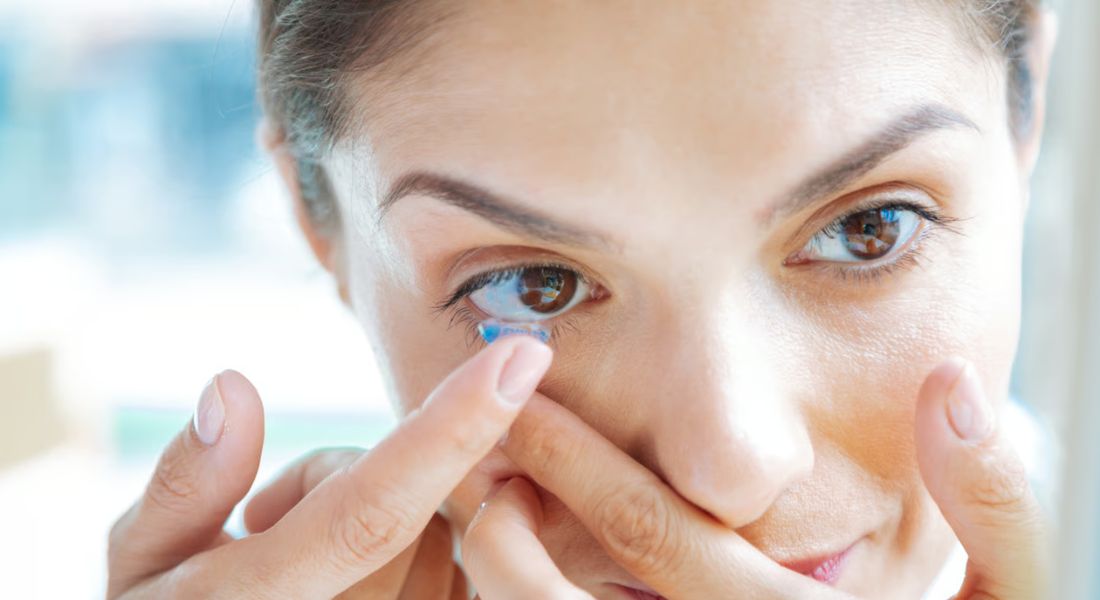
Like glasses, contact lenses correct refractive errors by helping light focus properly on your retina. If you wear contact lenses, they allow you to see clearly by correcting your vision while they are in place, but they do not change the natural structure of your eyes.
Some people worry that wearing contact lenses will make their eyes weaker or more dependent on vision correction. In reality, contact lenses work in the same way as glasses by improving your vision without affecting the strength of your eyes or causing your eyesight to deteriorate.
If you wear contact lenses, it is important to follow good hygiene practices and attend regular follow-up appointments with your eye care professional. By cleaning your lenses properly, replacing them as recommended and having routine eye examinations, you can help keep your eyes healthy while enjoying clear and comfortable vision.
The Importance of Regular Eye Examinations
Routine eye examinations do much more than check whether your glasses prescription has changed. When you have your eyes tested regularly, your optometrist or ophthalmologist can assess both your vision and your overall eye health, even if you have not noticed any obvious changes.
During your examination, your eye specialist can look for early signs of conditions such as glaucoma, cataracts and retinal disease. Many eye conditions develop gradually and may not cause noticeable symptoms at first, so regular check-ups give you the best opportunity for early detection and timely treatment.
By attending routine eye examinations, you can make sure your prescription remains accurate while helping to protect your long-term vision. Regular assessments are an important part of keeping your eyes healthy and ensuring you continue to see as clearly and comfortably as possible.
UK Eye-Test Guidance
The NHS generally recommends an eye test every two years, or more frequently if advised by your optometrist or ophthalmic practitioner. Children with myopia, people with certain eye conditions and those at increased risk of eye disease may need more regular reviews.
You should not wait for your next routine appointment if you develop a new or concerning visual symptom. Arrange an earlier examination whenever your eyesight changes unexpectedly or your current glasses no longer provide clear, comfortable vision.
Laser Vision Correction and Glasses
Laser vision correction works by reshaping your cornea so that light focuses more accurately on your retina. If you are suitable for the procedure, If you are suitable for laser vision correction, the procedure may reduce your dependence on glasses or contact lenses. However, it cannot guarantee that you will never need vision correction again, particularly as your eyes continue to change with age.
However, even after successful laser vision correction, your eyes will continue to age naturally. As you get older, you may still develop presbyopia, making it more difficult to focus on close objects. This is a normal age-related change that can affect you whether or not you have had laser eye surgery.
If you need glasses again in the future, it does not mean the procedure has weakened your eyes or failed. Instead, it reflects the natural changes that occur in your vision over time. Regular eye examinations remain important to help ensure you continue to enjoy the best possible vision throughout your life.
Looking After Your Eye Health
Looking after your eyes involves much more than wearing the correct glasses. If you want to protect your vision over the long term, healthy daily habits can make a real difference and help support your overall eye health as you get older.
You can care for your eyes by protecting them from excessive UV exposure with appropriate sunglasses, eating a balanced diet, managing medical conditions such as diabetes or high blood pressure, and giving your eyes regular breaks during prolonged screen use. These simple steps can help maintain healthy vision throughout your life.
Regular eye examinations are also an essential part of protecting your eyesight. By having your eyes checked routinely, you can keep your prescription up to date, detect eye conditions at an early stage and receive treatment if needed. These measures are far more important for your long-term eye health than worrying that wearing glasses will make your eyes weaker.
When Should You Update Your Glasses?
You may need to update your glasses if you notice blurred vision, frequent headaches, difficulty reading, or reduced clarity at night. These symptoms may mean that your current prescription is no longer giving you the clearest and most comfortable vision.
- Blurred Vision: Changes in distance or near vision may suggest that your prescription needs reviewing.
- Headaches or Eye Strain: Frequent headaches or tired eyes can occur when your glasses are no longer correcting your vision properly.
- Difficulty Reading or Driving at Night: Trouble focusing on text or seeing clearly in low light may indicate a change in eyesight.
- Regular Eye Examinations: Routine checks help update your prescription and allow your eye care professional to monitor your overall eye health.
Overall, changes in your prescription are usually caused by ageing or natural changes within the eyes, not because glasses have weakened your eyesight. Updating your glasses when needed can help you see clearly and comfortably during everyday activities. Regular eye examinations also help identify any eye health concerns at an early stage.
Separating Myth from Medical Evidence
The belief that glasses make your eyes weaker has been passed down for many years, but scientific research does not support this claim. If you have been worried that wearing your glasses will damage your eyesight, you can be reassured that this is a myth rather than a medical fact.
Your glasses simply correct your vision while you are wearing them by helping light focus properly on your retina. They do not change the underlying structure, strength or health of your eyes. Instead, they allow you to see more clearly and comfortably during your everyday activities.
Most changes in your eyesight happen because of natural eye development, ageing or certain eye conditions, not because you wear glasses. By understanding the difference between common myths and medical evidence, you can feel confident about wearing the correct prescription and taking positive steps to protect your long-term eye health.
Myth vs Fact: Do Glasses Make Your Eyes Weaker?
| Myth | Fact |
| Once you start wearing glasses, your eyes become dependent on them. | Glasses provide clearer vision while you wear them. Becoming accustomed to sharp vision can make your natural uncorrected blur more noticeable, but this does not mean your eyes have become dependent or weaker. |
| Wearing glasses causes your prescription to increase. | Prescriptions usually change because of eye growth, ageing, genetics or an eye condition. Glasses correct the resulting blur; they do not normally cause the underlying change. |
| Glasses make the eye muscles lazy. | Glasses do not switch off the muscles that move or focus your eyes. They alter how light is focused before it reaches the retina. In children with amblyopia, prescribed glasses may actively help vision develop. |
| Children should avoid wearing glasses so their eyes learn to work harder. | A child who has been prescribed glasses should wear them as advised. Significant uncorrected refractive error can interfere with visual development, learning and comfort. |
| Wearing a weaker prescription can stop myopia progressing. | Deliberately under-correcting myopia is not a recommended myopia-control strategy and may allow progression to continue or worsen. Children should wear the correction prescribed by their eye-care professional.ev |
| Reading glasses make presbyopia progress faster. | Presbyopia progresses because the natural lens loses flexibility with age. Reading glasses compensate for this change but do not cause or accelerate it. |
| Eye exercises can remove the need for glasses. | Exercises may help certain coordination or focusing disorders when prescribed professionally, but they do not change the eye shape responsible for myopia, hyperopia or astigmatism. |
| Contact lenses weaken the eyes more than glasses. | Contact lenses and glasses both correct refractive error without weakening the eyes. Contact lenses do, however, require careful hygiene and appropriate clinical follow-up. |
Seeking Professional Eye Care

If you are concerned about changes in your eyesight or think your glasses prescription may no longer be suitable, arranging a comprehensive eye examination is the best place to start. An eye care professional can assess your vision, discuss any symptoms you are experiencing and determine whether your prescription needs to be updated.
During your examination, your optometrist or ophthalmologist will not only check how well you can see but also look for signs of underlying eye conditions that could affect your vision. This means you can receive the most appropriate advice and treatment based on your individual needs, rather than simply changing your glasses.
Seeking professional eye care gives you the confidence that your vision is being properly assessed and managed. By attending regular eye examinations and following expert advice, you can maintain clear, comfortable vision and help protect your long-term eye health.
Urgent Eye-Care Advice
Request an urgent optician appointment or contact NHS 111 if you develop flashes or floaters for the first time, they appear suddenly or increase quickly, or you notice a dark curtain or shadow across your vision. Urgent assessment is also needed if these symptoms occur with blurred vision, eye pain, recent eye surgery or an eye injury.
Sudden loss of vision requires immediate medical assessment.
Key Takeaways
- Wearing correctly prescribed glasses does not make your eyes weaker.
- Your uncorrected vision may seem more blurred after you become accustomed to seeing clearly, but this does not mean glasses have damaged your eyes.
- Prescriptions change because of eye growth, ageing, genetics or eye conditions rather than because glasses create dependence.
- Children should wear prescribed glasses as advised because clear correction can support normal visual development and learning.
- Deliberately wearing weaker glasses is not a proven way to slow myopia.
- Standard glasses correct myopia without making it worse, while specially designed myopia-management lenses may help slow progression in selected children.
- Eye exercises do not correct ordinary refractive errors such as myopia, hyperopia or astigmatism.
- Most people should have an eye examination around every two years, or more often if their eye-care professional recommends it.
- Sudden visual loss, new flashes or floaters, or a curtain-like shadow requires urgent assessment.
FAQs:
- Do glasses make your eyesight weaker over time?
No, wearing glasses does not make your eyesight weaker. Glasses simply correct the way light enters your eyes so that you can see clearly while wearing them. Any changes in your vision are usually caused by natural ageing, genetics, or eye conditions rather than your glasses. - Why do my eyes seem worse when I take my glasses off?
When you become used to seeing clearly with glasses, blurred vision without them becomes much more noticeable. This can create the impression that your eyesight has worsened, even though it has not. Your glasses are revealing how much they improve your vision rather than making your eyes dependent on them. - Can wearing the wrong prescription damage my eyes?
For most adults, wearing an inaccurate prescription for a short period is more likely to cause blurred vision, headaches, dizziness or visual discomfort than permanent eye damage. Children need greater care because significant uncorrected or incorrectly managed refractive error can interfere with normal visual development. If glasses remain uncomfortable or vision is still blurred, arrange a prescription review rather than continuing to use unsuitable lenses. - Do glasses make your eye muscles lazy?
No, glasses do not weaken or reduce the activity of your eye muscles. Glasses do not switch off the muscles that move or focus your eyes. They change how light reaches your retina rather than replacing normal eye-muscle activity. - Why does my glasses prescription change over time?
Your prescription can change because your eyes naturally change as you age or develop. Children may become more short-sighted as their eyes grow, while adults often experience age-related vision changes such as presbyopia. These changes happen regardless of whether you wear glasses. - Should children wear glasses if they need them?
Yes, if an eye specialist recommends glasses, children should wear them as advised. Correcting vision problems early supports healthy visual development, learning and everyday activities. Wearing glasses does not make a child’s eyesight deteriorate more quickly. Correcting significant refractive error can also help prevent or treat amblyopia in some children. - Can eye exercises replace glasses?
Eye exercises may help certain eye muscle or focusing problems, but they cannot correct refractive errors such as short-sightedness, long-sightedness or astigmatism. Scientific evidence does not support using exercises as a replacement for glasses in these conditions. Your optometrist or ophthalmologist can advise you on the most appropriate treatment. - Are contact lenses any different from glasses when it comes to eyesight?
No, contact lenses work in a similar way to glasses by correcting how light enters the eye. They do not make your eyes weaker or increase your dependence on vision correction. Good hygiene and regular check-ups are important to wear contact lenses safely. - How often should I have my eyes tested?
Most adults should have regular eye examinations as recommended by their optometrist, even if they are not experiencing vision problems. Eye tests check not only your prescription but also your overall eye health. Regular appointments can help detect conditions such as glaucoma, cataracts and retinal disease at an early stage. The NHS generally recommends an eye examination every two years, although your optometrist may advise more frequent checks depending on your age, prescription, symptoms or eye-health risks. - When should I see an eye specialist about changes in my vision?
Arrange an eye examination if you develop persistent blurred vision, double vision, difficulty reading, headaches associated with visual tasks or reduced night-time clarity. Seek urgent help through an optometrist or NHS 111 for new or sudden flashes or floaters, a rapid increase in them, a dark curtain or shadow, eye pain or sudden visual loss.
Final Thoughts: The Truth About Glasses and Your Eye Health
The belief that glasses make your eyes weaker is a common myth. Correctly prescribed lenses simply redirect light so that it focuses more accurately on your retina, helping you see clearly and comfortably while you wear them.Changes in your prescription are usually related to natural eye growth, ageing, genetics or an eye condition rather than dependence on glasses. Children should wear their prescribed correction as advised because clear vision can be important for normal visual development, education and everyday activities.
Routine eye examinations help keep your prescription accurate and can detect some eye conditions before they cause noticeable symptoms.If you have any concerns about your eyesight, you can contact our team at Eye Clinic London can provide a comprehensive assessment
References:
- Wang, B. and Kuwera, E. (2022) ‘Vision Therapy: A Primer and Caution for Pediatricians’, Children, 9(12), 1873. doi: 10.3390/children9121873. Available at: https://www.mdpi.com/2227-9067/9/12/1873
- Trojacka, E., Przybek-Skrzypecka, J., Skrzypecki, J., Szaflik, J.P. and Izdebska, J. (2026) ‘Current Trends in Presbyopia CorrectionA Comprehensive Review’, Journal of Clinical Medicine, 15(1), 215. doi: 10.3390/jcm15010215. Available at: https://www.mdpi.com/2077-0383/15/1/215
- Németh, J. et al. (2021) ‘Update and Guidance on Management of Myopia: European Society of Ophthalmology in Cooperation With International Myopia Institute’, European Journal of Ophthalmology, 31(3), pp. 853–883. Available at: https://pmc.ncbi.nlm.nih.gov/articles/PMC8369912/
- Chung, K., Mohidin, N. and O’Leary, D.J. (2002) ‘Undercorrection of Myopia Enhances Rather Than Inhibits Myopia Progression’, Vision Research, 42(22), pp. 2555–2559. doi: 10.1016/S0042-6989(02)00258-4. Available at: https://www.sciencedirect.com/science/article/pii/S0042698902002584
- Smith, E.L. III (2013) ‘Optical Treatment Strategies to Slow Myopia Progression: Effects of the Visual Extent of the Optical Treatment Zone’, Experimental Eye Research, 114, pp. 77–88. doi: 10.1016/j.exer.2012.11.019. Available at: https://www.sciencedirect.com/science/article/abs/pii/S0014483512003466