


The LAMP Study: What Is the Best Atropine Dose for Myopia Control?
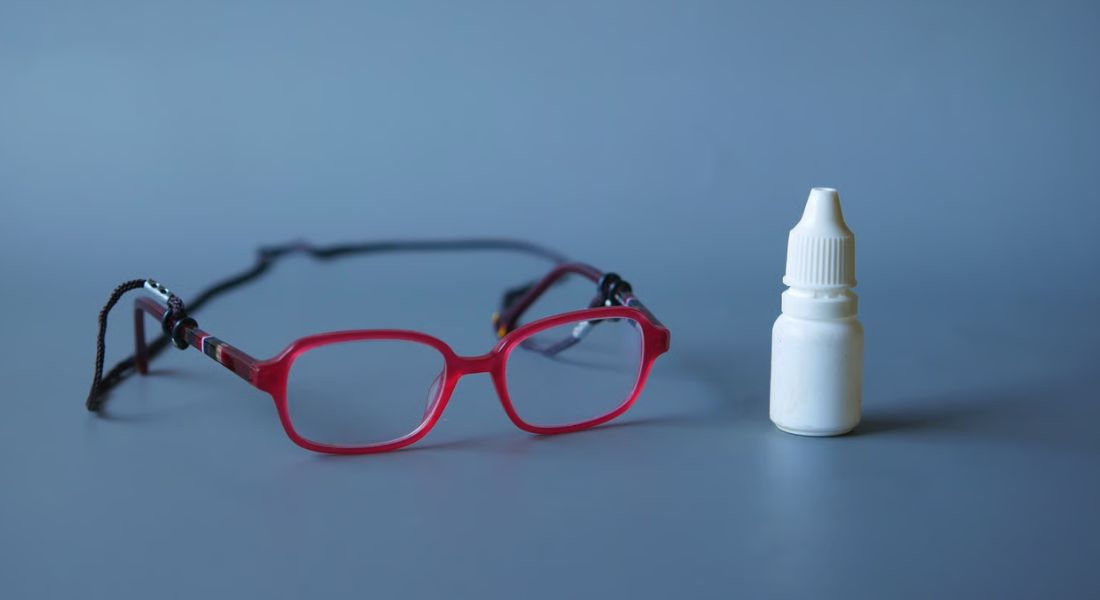
Childhood myopia, also known as short-sightedness, is one of the most common eye conditions affecting children worldwide. If your child has myopia, they may be able to see nearby objects clearly but struggle to focus on things in the distance. While conventional single-vision glasses and contact lenses can correct blurred distance vision, they do not aim to slow the underlying progression of myopia. This is why researchers have investigated treatments specifically designed to reduce refractive progression and excessive axial elongation. As myopia progresses, your child may also face a higher risk of developing serious eye conditions later in life.
Earlier ATOM research had already shown that atropine could slow childhood myopia progression, while subsequent studies raised important questions about which lower concentration might offer the most useful balance between treatment effect and tolerability. The LAMP study was designed to compare several low concentrations directly. However, an important question remained: which atropine concentration would provide the greatest benefit while causing the fewest side effects? Finding the right balance was essential to ensure your child could receive effective treatment comfortably over the long term.
The Low-Concentration Atropine for Myopia Progression (LAMP) study was designed to answer this question by directly comparing several low-dose atropine concentrations. The findings helped eye specialists understand which dose offered the best combination of effectiveness, safety and tolerability for children with myopia.
Today, the results of the LAMP study continue to guide myopia management around the world. If your child is being considered for atropine treatment, this research helps your eye specialist choose the most appropriate concentration based on the latest clinical evidence, supporting your child’s long-term eye health and vision.
Understanding Childhood Myopia
Childhood myopia, also known as short-sightedness, develops when your child’s eye grows too long from front to back. This causes light to focus in front of the retina instead of directly on it, making distant objects appear blurred while nearby objects remain clear. As a result, your child may have difficulty seeing the whiteboard at school, road signs or objects in the distance.
Myopia often begins during the primary school years and may continue to progress throughout childhood and adolescence. As your child’s eyes continue to grow, their glasses prescription may become stronger, especially if the condition progresses quickly. The faster your child’s myopia worsens, the higher their final prescription is likely to be.
Because increasing myopia is linked to a greater risk of eye problems later in life, slowing its progression has become a major focus of paediatric eye care. By identifying myopia early and working with your eye specialist, you can help protect your child’s long-term vision and support healthier eye development.
Why Slowing Myopia Progression Is Important

As your child’s myopia progresses, their risk of developing certain eye conditions later in life may also increase. Higher levels of short-sightedness are associated with a greater lifetime risk of retinal detachment, glaucoma, cataracts and myopic macular degeneration, which is why eye specialists place so much importance on slowing the condition during childhood.
If you can reduce the rate at which your child’s myopia progresses, you may also help lower their chances of developing these sight-threatening complications in the future. Although myopia control cannot reverse short-sightedness, it aims to limit excessive eye growth and better protect your child’s long-term eye health.
This growing understanding has made myopia control a major focus of ophthalmic research. Today, your eye specialist has access to evidence-based strategies, including low-dose atropine eye drops, to help slow myopia progression and support your child’s vision as they grow.
What Is Atropine?
Atropine has been used in ophthalmology for many years. When applied to the eye, it can dilate the pupil and temporarily relax the eye’s focusing mechanism. It also has established ophthalmic uses outside myopia control.
Researchers later investigated lower concentrations of atropine for their potential to slow childhood myopia progression while reducing concentration-related visual effects. This research helped establish low-concentration atropine as an important area of modern myopia-control research.
This discovery transformed the way your eye specialist manages childhood myopia. Instead of only correcting your child’s vision with glasses or contact lenses, low-dose atropine can now be used as part of a personalised myopia control plan to help protect your child’s long-term eye health.
Why the LAMP Study Was Needed
Although earlier research had already shown that atropine eye drops could slow childhood myopia, one important question remained unanswered: which dose would work best for your child? While higher concentrations appeared to be more effective, they were also more likely to cause unwanted side effects that could make treatment less comfortable.
Children using stronger atropine formulations were more likely to experience light sensitivity and temporary difficulty focusing on nearby objects. If your child experienced these side effects, it could affect their comfort during everyday activities such as reading, writing or spending time outdoors.
Researchers therefore launched the LAMP study to identify the atropine concentration that offered the best overall balance between effectiveness and tolerability. The goal was to help your eye specialist choose a dose that could slow your child’s myopia progression while minimising side effects, making long-term treatment both safer and more practical.
Purpose of the LAMP Study
The LAMP study was designed to compare several low concentrations of atropine to find out which one offered the best results for childhood myopia control. If your child is being treated for short-sightedness, choosing the right dose is important because it needs to slow myopia progression while remaining comfortable for everyday use.
Researchers compared how effectively each atropine concentration slowed changes in participants’ refractive error and axial elongation.At the same time, they carefully monitored side effects to see how well children tolerated each treatment.
The goal of the LAMP study was to provide comparative evidence that could help inform clinical decision-making about low-concentration atropine treatment. Thanks to this research, your eye specialist can make more informed decisions about the most appropriate atropine concentration for your child, helping to balance effectiveness, comfort and long-term eye health.
Research Insight: How the LAMP Evidence Developed
The LAMP research programme did more than compare three atropine concentrations during a single treatment period. The initial trial involved 438 children aged 4 to 12 years and compared nightly atropine concentrations of 0.05%, 0.025% and 0.01% with placebo.
The first phase demonstrated a concentration-dependent treatment response, with 0.05% producing the strongest overall effect among the concentrations studied. Follow-up phases then examined whether this pattern continued over longer treatment periods and what happened when treatment was stopped.
Over two years, 0.05% atropine remained the most effective of the three concentrations studied. The three-year follow-up also found better myopia control in children who continued treatment than in those assigned to stop treatment during that phase.
For you as a parent, the important point is that the LAMP programme did not establish one universal dose for every child. Instead, it provided evidence that concentration matters and that treatment decisions should consider your child’s age, rate of progression, response to treatment and tolerability.
Comparing Different Atropine Concentrations
One of the greatest strengths of the LAMP study was that it directly compared several low-dose atropine concentrations within the same clinical trial. If your child is considering atropine treatment, this type of comparison helps your eye specialist understand which concentration is most likely to provide the best results.
Researchers evaluated atropine concentrations of 0.05%, 0.025% and 0.01%, comparing how each one affected myopia progression and eye growth over time. By assessing these doses side by side, they could see whether increasing the concentration provided greater benefits and how each treatment affected your child’s comfort.
This direct comparison gave doctors valuable evidence when choosing between treatment options. Instead of relying on separate studies, your eye specialist can use the LAMP findings to recommend an atropine concentration that offers the best balance between slowing your child’s myopia and minimising side effects.
LAMP Study Atropine Concentrations Compared
| Study Group | Relative Treatment Effect in the LAMP Study | Tolerability Consideration | Main Interpretation |
| Atropine 0.05% | Produced the strongest overall control of myopia progression and axial elongation among the concentrations tested | May cause somewhat greater pupil enlargement and effects on near focusing than lower concentrations, although low-concentration treatment was generally well tolerated in the study | Produced the strongest myopia-control effect among the tested concentrations, while treatment was generally well tolerated in the study |
| Atropine 0.025% | Slowed myopia progression and eye growth, but the treatment effect was less than with 0.05% | Generally associated with relatively mild treatment-related visual effects | May be considered according to individual response, tolerability and specialist judgement |
| Atropine 0.01% | Showed a smaller treatment effect than the higher concentrations tested in LAMP | Produced the least effect on pupil size and accommodation among the active treatment groups | Better tolerability does not necessarily mean greater myopia-control effectiveness |
| Placebo | Did not contain active atropine | Provided the comparison needed to assess the effect of the atropine concentrations | Children receiving active atropine treatment had better myopia-control outcomes than the placebo group in the initial study period |
The LAMP study demonstrated a concentration-dependent treatment effect, with 0.05% atropine providing the strongest overall control among the low concentrations studied. However, treatment selection should still be individualised according to your child’s age, rate of progression, eye measurements, treatment response and tolerability.
Measuring Treatment Success
To determine how well each atropine concentration worked, Researchers regularly measured changes in participants’ refractive error and axial length throughout the LAMP study. These two measurements provided a clear picture of whether the treatment was slowing the progression of myopia.
Axial length refers to the length of the eyeball, and it is one of the most important indicators of myopia progression. As your child’s eye becomes longer, their short-sightedness usually increases. By monitoring axial length alongside changes in your child’s glasses prescription, researchers could assess how effectively each treatment was controlling the condition.
Using both of these measurements gave researchers reliable evidence about treatment effectiveness. The results helped your eye specialist understand which atropine concentration could best slow your child’s myopia progression while supporting their long-term eye health.
Evidence Interpretation: What Did the LAMP Study Find?
The initial LAMP study found a concentration-dependent treatment response. All three atropine concentrations reduced refractive progression compared with placebo, while the higher concentrations, particularly 0.05%, produced stronger overall myopia-control effects across the study outcomes. If your child is receiving atropine treatment, this finding provides reassuring evidence that low-dose therapy can help reduce the rate at which their short-sightedness worsens.
Researchers found that the 0.05% atropine concentration generally produced the greatest reduction in both myopia progression and eye growth compared with the lower concentrations tested. This suggested that it offered the strongest overall effect while still maintaining an acceptable safety and tolerability profile for many children.
These findings attracted significant international attention and have had a major influence on modern myopia management. Today, your eye specialist can use the evidence from the LAMP study to help choose the most appropriate atropine concentration for your child based on their individual needs and treatment goals.
Why 0.05% Performed Best
Among the atropine concentrations evaluated in the LAMP study, 0.05% consistently produced the strongest treatment effect. If your child needs myopia control, this concentration was found to slow the progression of short-sightedness more effectively than the lower doses that were tested.
Researchers found that 0.05% atropine was better at reducing both changes in your child’s glasses prescription and axial elongation, which is the lengthening of the eyeball that drives myopia progression. By slowing these changes more effectively, the treatment may help protect your child’s long-term eye health.
These findings established 0.05% atropine as the most effective of the three active concentrations studied in the LAMP population. However, the most appropriate treatment for an individual child still depends on clinical assessment, treatment response, tolerability and the current treatment context. However, your eye specialist will always consider your child’s age, rate of myopia progression, eye health and individual response to treatment before deciding whether this concentration is the most appropriate choice.
Balancing Effectiveness and Side Effects
Although higher concentrations of atropine were generally more effective at slowing myopia progression, researchers also recognised that treatment needed to be comfortable enough for children to use over the long term. If your child experiences troublesome side effects, it may become more difficult to continue treatment consistently.
Most children tolerated low-dose atropine well during the LAMP study. However, some experienced mild pupil enlargement and increased sensitivity to bright light, while a small number also noticed temporary difficulty focusing on nearby objects. These side effects were generally less pronounced than those seen with higher-dose atropine used in earlier studies.
Finding the right balance between effectiveness and comfort remains an important part of treatment planning. Your eye specialist will consider your child’s individual needs, how quickly their myopia is progressing and how well they tolerate the eye drops before recommending the most suitable atropine concentration.
Clinical Tip: Do Not Change the Concentration Without Professional Advice
The LAMP study carefully monitored children throughout the treatment period to assess the safety of low-dose atropine eye drops. If your child is prescribed atropine, understanding its safety profile can help you feel more confident about using the treatment as part of a long-term myopia management plan.
Overall, the study found that low-concentration atropine had a favourable safety profile, with relatively few significant complications. Most children tolerated the treatment well, and when side effects did occur, they were generally mild and manageable under the supervision of an eye specialist.
Even with this reassuring safety profile, regular follow-up appointments remain important. Your eye specialist will monitor your child’s vision, eye growth and response to treatment, helping you ensure the eye drops continue to be both safe and effective as your child grows.
UK Guidance Note: What Does the LAMP Research Mean for Families in the UK?
The LAMP study was conducted in Hong Kong, and its findings have had an important international influence. However, research findings and UK treatment recommendations should not be treated as exactly the same thing.
A low-dose atropine eye-drop preparation is now licensed in the UK for slowing myopia progression in certain children who meet defined eligibility criteria. Treatment still requires an individual assessment because suitability depends on factors including age, current prescription and documented rate of progression.
NICE is also assessing the clinical and cost effectiveness of low-dose atropine for childhood myopia. This means that UK recommendations and NHS access should be discussed in the context of current guidance rather than assuming that every concentration used in international research is automatically the standard approach for every child in the U
Long-Term Follow-Up
Researchers continued to monitor the children after the initial LAMP study had finished to understand how well the benefits of atropine treatment lasted over time. If your child is using atropine eye drops, this long-term follow-up provides valuable information about what you might expect during and after treatment.
The researchers examined how long the treatment remained effective, whether myopia progressed more quickly after the eye drops were stopped (known as the rebound effect) and how well different atropine concentrations continued to control eye growth. These findings gave your eye specialist a clearer understanding of the long-term benefits of low-dose atropine therapy.
The results from these follow-up studies helped refine modern clinical recommendations. Today, your eye specialist can use this evidence to decide how long your child may benefit from treatment, when to review their progress and how to manage myopia in the most effective way over the long term.
Influence on Clinical Practice
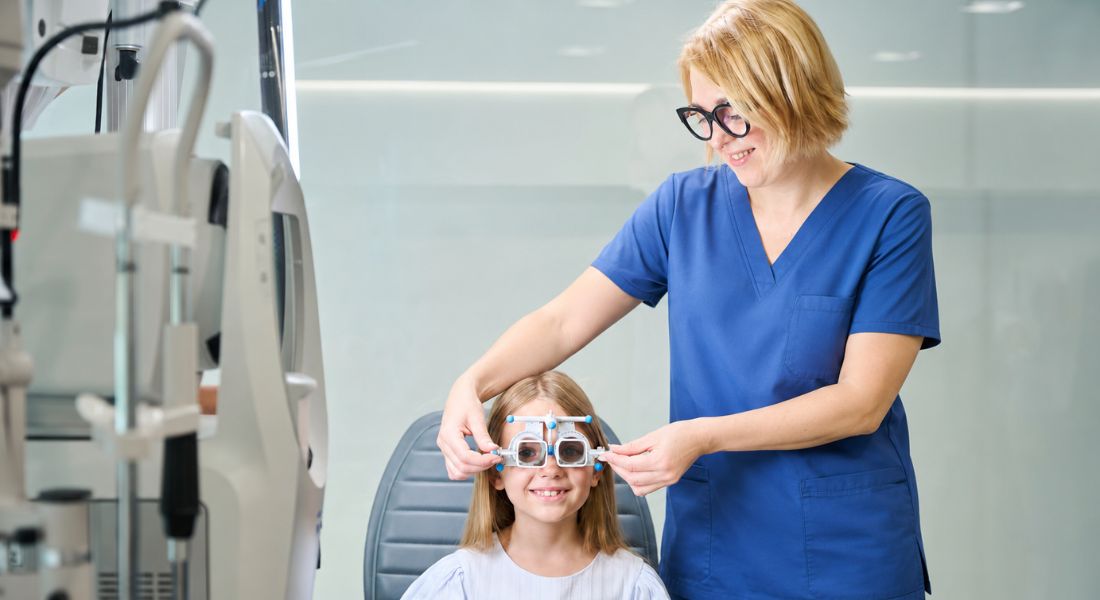
The LAMP study has had a major influence on the way childhood myopia is managed around the world. If your child has progressive myopia, the evidence from this landmark research helps your eye specialist choose an atropine concentration that offers the best balance between effectiveness and comfort.
Many ophthalmologists now use the findings from the LAMP study when deciding which low-dose atropine treatment may be most suitable for your child. Rather than relying on trial and error, your eye specialist can make recommendations based on strong clinical evidence while taking your child’s age, rate of myopia progression and individual needs into account.
The study continues to shape treatment decisions internationally and remains an important part of modern myopia management. Thanks to the LAMP study, you can feel more confident that your child’s treatment plan is guided by high-quality research and the latest clinical recommendations.
Combining Myopia Control Strategies
Atropine eye drops are just one part of modern myopia management. If your child has progressive myopia, your eye specialist may recommend combining atropine with other evidence-based strategies to provide the best possible support for their long-term eye health.
Depending on your child’s individual needs, the treatment plan may include spending more time outdoors, using specially designed contact lenses or spectacle lenses, and encouraging healthy visual habits, such as taking regular breaks during close-up work. In selected children, an eye specialist may consider more than one management strategy, particularly where progression remains significant. The evidence supporting individual combinations varies, so treatment decisions should be personalised rather than assuming that combining several approaches will always provide better results.
Every child is different, so there is no one-size-fits-all solution. Your eye specialist will create a personalised management plan based on your child’s age, prescription, rate of progression and lifestyle, helping you choose the combination of treatments that is most appropriate for your child’s vision and future eye health.
Importance of Regular Monitoring
If your child is using atropine eye drops for myopia control, regular eye examinations are an important part of their care. These visits help your eye specialist assess whether myopia progression is slowing and whether the treatment continues to suit your child.
- Track Prescription Changes: Regular checks help measure whether your child’s short-sightedness is progressing over time.
- Monitor Eye Growth: Axial length measurement, where available and clinically appropriate, can help your eye care professional assess structural eye growth over time.
- Check for Side Effects: Follow-up appointments allow your specialist to identify and manage any treatment-related side effects.
- Adjust Treatment When Needed: Monitoring helps determine whether the current plan should continue or be changed.
Overall, regular monitoring helps keep myopia treatment safe, effective, and appropriate as your child grows. Attending follow-up appointments allows progress to be tracked carefully and treatment to be adjusted when necessary. Consistent specialist review supports better long-term myopia management and eye health.
Ongoing Research
Research into childhood myopia continues to grow, giving you and your child access to an increasing range of evidence-based treatment options. Scientists are building on studies such as LAMP to develop new ways of slowing myopia progression and protecting children’s long-term eye health.
Researchers are investigating new atropine formulations, combination therapies and improved methods of predicting how quickly your child’s myopia may progress. These advances could help your eye specialist choose the most effective treatment earlier and tailor it more closely to your child’s individual needs.
Innovation in this field remains rapid, and new discoveries continue to shape modern myopia management. As research progresses, your eye specialist will be able to use the latest evidence to recommend the most appropriate treatment plan, helping your child achieve the best possible long-term vision outcomes.
Personalised Myopia Management
Every child develops myopia differently, which is why there is no single treatment that is right for everyone. If your child has short-sightedness, your eye specialist will assess their individual circumstances before recommending the most appropriate management plan.
Several factors can influence your child’s treatment, including their age, family history of myopia, how quickly their prescription is changing, their lifestyle and detailed eye measurements. By considering all of these factors together, your eye specialist can choose the approach that is most likely to slow your child’s myopia progression effectively.
An individualised management plan allows treatment decisions to be based on your child’s pattern of progression, clinical findings, response and tolerability. By working closely with your eye specialist and attending regular follow-up appointments, you can help ensure your child receives care that is tailored to their needs and supports their long-term eye health.
Lasting Impact of the LAMP Study
The LAMP study is widely recognised as one of the most important clinical trials in childhood myopia research. By directly comparing several low-dose atropine concentrations, it gave your eye specialist high-quality evidence to help choose the most appropriate treatment for children with progressive myopia.
Before the LAMP study, there was uncertainty about which atropine concentration offered the best balance between effectiveness and side effects. The findings provided important comparative evidence that has helped inform clinical decision-making about low-concentration atropine treatment.
The impact of the LAMP study continues to be seen in everyday clinical practice. As new research builds on its findings, your eye specialist can make more informed treatment decisions, helping your child receive personalised care that supports their long-term vision and eye health.
Seeking Specialist Eye Care

If your child’s short-sightedness is progressing or their glasses prescription is changing rapidly, it is important to arrange an assessment with an eye specialist as early as possible. By seeking advice promptly, you can help identify the most appropriate myopia control strategy before the condition progresses further.
During the assessment, your eye specialist will examine your child’s eyes, review their prescription history and discuss the treatment options that may be suitable for their individual needs. Depending on your child’s age, eye measurements and rate of myopia progression, you may be advised to consider modern treatments such as low-dose atropine alongside other evidence-based myopia control strategies.
Regular specialist monitoring is an essential part of successful myopia management. By attending follow-up appointments and following your eye specialist’s recommendations, you can help ensure your child receives the most effective treatment while supporting their long-term vision and eye health.
Myth vs Fact: Low-Dose Atropine and the LAMP Study
| Myth | Fact |
| The LAMP study proved that one atropine dose is best for every child. | The LAMP programme showed a concentration-dependent response, with 0.05% producing the strongest overall effect among the concentrations studied. However, treatment still needs to be individualised according to factors such as age, progression rate, response and tolerability. |
| Atropine can cure or reverse childhood myopia. | Atropine is used to slow progression. It does not reverse existing short-sightedness, and your child may still need glasses or contact lenses for clear vision. |
| All low-dose atropine concentrations work exactly the same way. | The LAMP programme found differences in treatment effect between 0.05%, 0.025% and 0.01%, demonstrating that concentration can influence the response. |
| Low-dose atropine means that side effects are impossible. | Lower concentrations are generally used to improve tolerability, but side effects can still occur. Your child’s treatment response and comfort should be reviewed regularly. |
| Once treatment starts, the same dose must continue indefinitely. | Myopia management requires regular reassessment. Treatment may be continued, adjusted, stopped or restarted depending on progression and clinical circumstances. |
| Every child with short-sightedness needs atropine. | No. Treatment decisions depend on the child’s age, rate of progression, prescription, eye measurements, overall eye health and individual circumstances. |
Key Takeaways
- The LAMP study directly compared 0.05%, 0.025% and 0.01% atropine concentrations in children with myopia.
- The research demonstrated a concentration-dependent treatment response, with 0.05% showing the strongest overall effect among the concentrations studied.
- Longer-term LAMP phases investigated continued treatment, stopping treatment, rebound and re-treatment.
- Atropine slows myopia progression rather than curing or reversing existing short-sightedness.
- Treatment should be individualised, prescribed appropriately and reviewed regularly.
- UK treatment decisions should consider current licensing, specialist assessment and evolving NICE guidance.
FAQs:
- What was the LAMP study?
The LAMP (Low-Concentration Atropine for Myopia Progression) study was a major clinical trial that compared different low-dose atropine eye drops for controlling childhood myopia. Its goal was to identify which concentration offered the best balance between effectiveness and side effects. The findings have helped shape modern myopia management worldwide. - Why is the LAMP study important?
The LAMP study answered an important question left by earlier research: which low-dose atropine concentration works best for slowing myopia progression. It provided strong evidence to guide treatment decisions for children with progressive short-sightedness. Today, its results continue to influence clinical practice internationally. - Which atropine concentration performed best in the LAMP study?
The study found that 0.05% atropine generally produced the greatest reduction in myopia progression and eye growth. It was more effective than the lower concentrations of 0.025% and 0.01%. However, treatment should always be tailored to each child’s individual needs. - How does low-dose atropine help control myopia?
The precise biological mechanism by which atropine slows myopia progression is not fully understood. Clinical studies show that atropine can reduce refractive progression and axial elongation, while researchers continue to investigate the biological pathways responsible for these effects. Atropine does not cure or reverse existing myopia, so regular monitoring remains important during treatment. - Is low-dose atropine safe for children?
The LAMP study showed that low-dose atropine has a favourable safety profile for most children. Some may experience mild side effects, such as light sensitivity or slight pupil enlargement, but these are generally less common than with higher doses. Regular eye examinations help ensure treatment remains safe and effective. - Why is slowing childhood myopia progression so important?
Higher levels of myopia increase the lifetime risk of serious eye conditions such as retinal detachment, glaucoma, cataracts, and myopic macular degeneration. Slowing progression during childhood may help reduce these long-term risks. Early intervention can therefore play an important role in protecting future eye health. - Can atropine eye drops be combined with other myopia control methods?
For selected children, an eye specialist may consider atropine alongside another appropriate myopia-control strategy. However, evidence differs between specific combinations, and using more than one approach does not automatically produce a better result. The treatment plan should be based on your child’s age, rate of progression, prescription, eye measurements, tolerability and response to treatment. - Why are regular eye check-ups needed during atropine treatment?
Routine eye examinations allow specialists to monitor prescription changes, eye growth, and any treatment side effects. They also help determine whether adjustments to the treatment plan are needed. Ongoing follow-up helps your eye care professional assess treatment response, identify possible side effects and decide whether the management plan remains appropriate as your child grows. - Does every child with myopia need atropine eye drops?
No, atropine is not necessary for every child with short-sightedness. The decision depends on factors such as age, how quickly myopia is progressing, family history, and overall eye health. An eye specialist can recommend the most suitable treatment based on an individual assessment. - How has the LAMP study influenced modern myopia management?
The LAMP study has become one of the most influential pieces of research in childhood myopia care. By comparing different atropine concentrations, it provided clear evidence to support treatment recommendations. Its findings continue to guide ophthalmologists in choosing the most appropriate atropine dose for children with progressive myopia.
Final Thoughts: The LAMP Study’s Lasting Influence on Childhood Myopia Treatment
The LAMP study has played a pivotal role in advancing childhood myopia management by identifying which low-dose atropine concentrations provide the best balance between effectiveness and tolerability. Its findings have given eye care professionals greater confidence in selecting evidence-based treatments that can help slow myopia progression while minimising unwanted side effects.
Although no single treatment is suitable for every child, the research highlights the importance of personalised care, regular monitoring, and early intervention. As myopia becomes increasingly common worldwide, studies such as LAMP continue to shape modern clinical practice and improve long-term outcomes for children. If you would like to discuss your eye health concerns with an experienced specialist, get in touch with us at the Eye Clinic London today.
References:
- Yam, J.C. et al. (2019) ‘Low-Concentration Atropine for Myopia Progression (LAMP) Study: A Randomized, Double-Blinded, Placebo-Controlled Trial of 0.05%, 0.025%, and 0.01% Atropine Eye Drops in Myopia Control’, Ophthalmology, 126(1), pp. 113–124. Available at: https://pubmed.ncbi.nlm.nih.gov/30514630/
- Chierigo, A., Ferro Desideri, L., Traverso, C.E. and Vagge, A. (2022) ‘The Role of Atropine in Preventing Myopia Progression: An Update’, Pharmaceutics, 14(5), 900. Available at: https://www.mdpi.com/1999-4923/14/5/900
- Simonaviciute, D., Grzybowski, A., Lanca, C., Pang, C.P., Gelzinis, A. and Zemaitiene, R. (2023) ‘The Effectiveness and Tolerability of Atropine Eye Drops for Myopia Control in Non-Asian Regions’, Journal of Clinical Medicine, 12(6), 2314. Available at: https://www.mdpi.com/2077-0383/12/6/2314
- Li, F.F. and Yam, J.C. (2019) ‘Low-Concentration Atropine Eye Drops for Myopia Progression’, Asia-Pacific Journal of Ophthalmology, 8(5), pp. 360–365. Available at: https://pubmed.ncbi.nlm.nih.gov/31478936/
- Zhang, X.J. et al. (2024) ‘Five-Year Clinical Trial of the Low-Concentration Atropine for Myopia Progression (LAMP) Study: Phase 4 Report’, Ophthalmology, 131(9), pp. 1011–1020. Available at: https://www.sciencedirect.com/science/article/abs/pii/S0161642024001908