


Myth or Fact? Carrots Can Improve Your Eyesight

For generations, you may have heard that eating carrots will improve your eyesight. Many parents encourage their children to eat carrots because they believe the vegetable helps you see better, particularly in the dark. While carrots are undoubtedly a nutritious food, the truth behind this long-standing belief is more nuanced than the myth suggests.
Carrots are rich in beta-carotene, which your body converts into vitamin A. This vitamin is essential for maintaining healthy vision, particularly the retina, and a deficiency can lead to serious eye problems, including night blindness. However, if you already have adequate vitamin A levels, eating extra carrots will not make your eyesight sharper, improve your prescription or remove your need for glasses.
A balanced diet that provides a wide range of vitamins, minerals and antioxidants is far more important for supporting your long-term eye health than relying on a single food. While carrots are a valuable part of a healthy diet, they are only one piece of the puzzle. Understanding the science behind carrots and vision can help you separate fact from fiction and make informed choices about protecting your eye health.
Where Did the Carrot Myth Come From?
The belief that carrots improve eyesight became especially widespread during the Second World War. British publicity campaigns promoted carrots as a useful food during rationing and associated them with better vision during blackouts.
Stories also linked the night-time success of Royal Air Force pilots with eating carrots. Radar technology contributed to Britain’s operational capabilities, although the history of the publicity campaign and its precise strategic purpose is often simplified in modern accounts.
These campaigns helped turn a genuine nutritional fact into an exaggerated claim. Carrots provide beta-carotene, which supports normal vitamin A production, but they do not give you exceptional night vision or improve already healthy eyesight.
Omega-3 Fatty Acids and Eye Health
Oily fish such as salmon, sardines and mackerel provides omega-3 fatty acids and can form part of a healthy, balanced diet. These fats perform several structural and metabolic roles within your body, including roles within retinal tissue.
However, evidence for omega-3 supplements as a treatment for dry eye is mixed. A large randomised clinical trial did not find that omega-3 supplementation provided significantly greater improvement than placebo for moderate-to-severe dry-eye disease.
Adding omega-3 fatty acids to the AREDS supplement formula also did not provide an additional overall reduction in AMD progression or cataract outcomes. Omega-3 supplements should therefore not be described as a proven general treatment for dry eye or age-related eye disease.
If you have ongoing dry, sore or gritty eyes, an eye-care professional can assess the possible cause and recommend appropriate management.
Staying Hydrated
Maintaining normal hydration supports your general health, and dehydration may contribute to temporary dryness or discomfort in some people.
However, simply drinking more water is not a recognised treatment for most cases of persistent dry eye. Dry-eye symptoms can result from reduced tear production, rapid tear evaporation, eyelid problems, medicines, environmental conditions or underlying health issues.
Drink according to your normal health needs, but arrange an eye assessment if your eyes remain dry, gritty, painful, light-sensitive or red. An eye-care professional can identify whether another cause or specific treatment needs to be considered.
Why Vitamin A Is Important
Vitamin A plays an essential role in maintaining your eye health and supporting normal vision. Your body uses this important nutrient to help the retina function properly, allowing your eyes to detect light and send clear visual signals to your brain.
One of vitamin A’s key roles is supporting vision in low-light conditions, which is why a deficiency can make it difficult for you to see in dim environments. It also helps keep the surface of your eyes healthy by maintaining the health of the conjunctival and corneal surfaces.
Without enough vitamin A, you can develop a range of vision problems, including night blindness and, in severe cases, damage to the cornea that may threaten your eyesight. Eating foods that provide adequate vitamin A as part of a balanced diet helps support healthy vision, but consuming more than your body needs will not improve normal eyesight.
Beta-Carotene and Carrots
Carrots are rich in beta-carotene, a natural plant pigment that your body converts into vitamin A. This process provides an important nutrient that supports normal eye function and helps maintain the health of your retina and the surface of your eyes.
Because carrots are an excellent source of beta-carotene, they can contribute to a healthy diet that supports your vision and overall wellbeing. Including carrots alongside a variety of other colourful fruits and vegetables helps ensure your body receives the nutrients it needs for healthy eye function.
However, once your body has enough vitamin A, eating extra carrots will not improve your eyesight any further. If your vision is already normal and your vitamin A levels are adequate, consuming more carrots will not sharpen your vision, improve your prescription or remove the need for glasses.
Leafy Green Vegetables
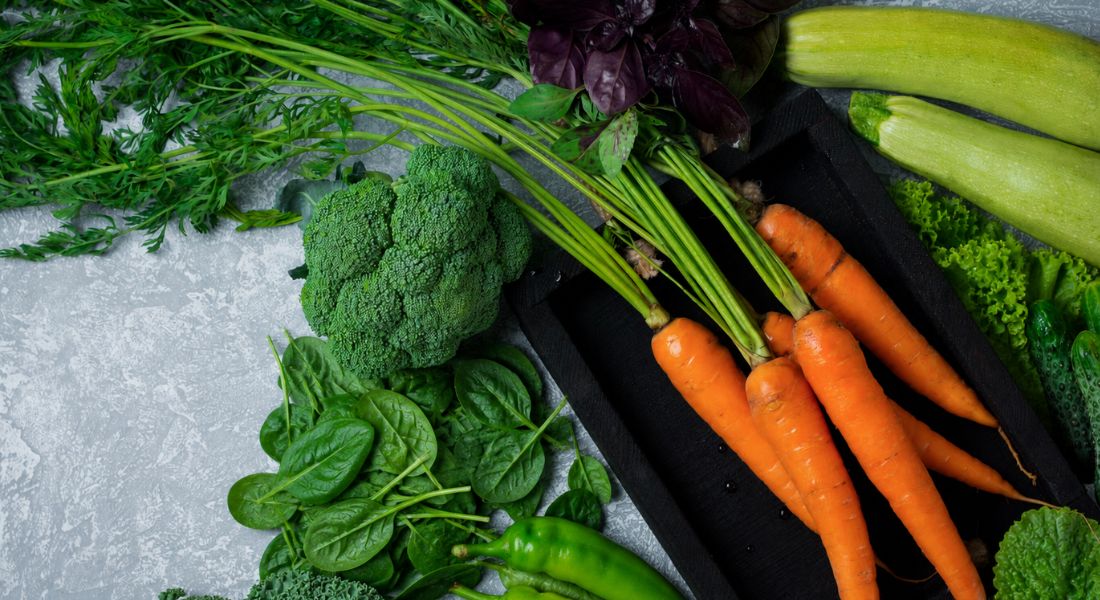
Leafy green vegetables such as spinach and kale are excellent sources of lutein and zeaxanthin, two natural antioxidants that play an important role in supporting your eye health. Including these vegetables in your diet helps provide nutrients that work alongside vitamin A to maintain healthy vision.
Lutein and zeaxanthin are concentrated in your retina, particularly in the macula, where they help protect your eyes from oxidative stress and exposure to high-energy light. These nutrients contribute to the normal function of your eyes and are thought to support long-term visual health.
Including a variety of vegetables in your meals provides a broader range of nutrients than relying on carrots alone. By eating a colourful and balanced diet, you can give your eyes the nutritional support they need to stay healthy throughout your life.
Can Carrots Cure Short-Sightedness?
Short-sightedness, also known as myopia, develops because of the shape of your eye rather than a lack of vitamins in your diet. When your eye is longer than normal or the cornea bends light too strongly, distant objects appear blurred even though nearby objects remain clear.
Although carrots provide beta-carotene, which your body converts into vitamin A, eating them cannot change the length of your eye or correct the way light is focused on your retina. As a result, carrots cannot cure myopia or improve your prescription if you are short-sighted.
If you have myopia, the most effective ways to manage your vision are glasses, contact lenses or other appropriate treatments recommended by your eye specialist. Eating carrots as part of a balanced diet supports your overall eye health, but it does not replace the need for proper vision correction.
Can Carrots Prevent Eye Disease?
Carrots are a nutritious food that can support your overall eye health, but they cannot prevent every eye condition on their own. While the beta-carotene they contain helps your body produce vitamin A, protecting your eyesight requires much more than eating a single type of vegetable.
Many eye diseases are influenced by factors such as your age, genetics, lifestyle and general health. Conditions including cataracts, glaucoma and age-related macular degeneration develop for a variety of reasons, and no single food can completely prevent them.
Good nutrition is just one part of maintaining healthy eyesight throughout your life. Eating a balanced diet, avoiding smoking, protecting your eyes from excessive ultraviolet light and attending regular eye examinations all play an important role in supporting your long-term eye health.
Do Carrots Improve Night Vision?
Vitamin A is essential for helping your eyes see in dim lighting because it supports the normal function of your retina. Without enough vitamin A, you may develop night blindness, making it difficult to see clearly in low-light conditions.
If you have a vitamin A deficiency, increasing your intake through foods such as carrots or other appropriate sources can improve your night vision by correcting the deficiency. In these cases, restoring healthy vitamin A levels allows your eyes to function as they should.
However, if your vitamin A levels are already adequate, eating more carrots will not give you superior night vision or improve your eyesight beyond its normal level. Carrots help maintain healthy vision, but they cannot enhance normal eye function once your nutritional needs have already been met.
Clinical Safety Note: Do Not Self-Diagnose Night Blindness
Difficulty seeing in low light does not automatically mean that you have a vitamin A deficiency. Cataracts, retinal conditions, an uncorrected prescription and other eye problems can also affect night vision. If your night vision has changed, is getting worse or affects driving and everyday activities, arrange an eye examination rather than relying on carrots or vitamin supplements.
A confirmed vitamin A deficiency may require medically supervised treatment, particularly when it is related to malabsorption, liver disease, restrictive eating or another underlying health condition.
Other Nutrients That Support Eye Health
Your eyes benefit from a wide range of vitamins, minerals and other nutrients rather than just vitamin A alone. Each nutrient plays a different role in supporting your vision, helping to maintain healthy eye tissues and protecting your eyes from normal age-related changes.
Nutrients including vitamin C, vitamin E, zinc, lutein, zeaxanthin and omega-3 fatty acids are commonly discussed in relation to eye health. Their biological roles and the strength of clinical evidence differ, and benefits shown for a particular supplement or diagnosed condition should not be generalised to everyone.
A balanced diet provides these nutrients far more effectively than relying on a single food such as carrots. By eating a variety of fruits, vegetables, whole grains, healthy fats and lean proteins, you can give your eyes the broad nutritional support they need to stay healthy throughout your life.
Evidence Note: Food Nutrients and Medical Supplements Are Not the Same
Lutein, zeaxanthin, vitamins C and E and zinc are often discussed in relation to retinal health. However, evidence for high-dose combinations such as AREDS2 applies to selected people who already have particular stages of age-related macular degeneration. These supplements are not proven to sharpen normal eyesight or prevent all eye disease in the general population.
Omega-3 Fatty Acids, Hydration and Eye Comfort
Oily fish such as salmon, sardines, and mackerel provide omega-3 fatty acids that support general health and retinal function. However, omega-3 supplements are not a proven treatment for every person with dry-eye symptoms, and research findings remain mixed.
- Dietary Omega-3 Sources: Oily fish can provide beneficial fats as part of a healthy and balanced diet.
- Mixed Evidence for Supplements Large studies have found that omega-3 supplements may not improve dry-eye symptoms more than placebo in every patient.
- Role of Hydration: Normal hydration supports general wellbeing, but drinking extra water is not usually enough to treat persistent dry eye.
- Professional Assessment: Ongoing dryness, pain, redness, grittiness, or light sensitivity should be assessed to identify the underlying cause.
Overall, omega-3-rich foods and adequate hydration can support general eye comfort, but they should not be presented as complete treatments for dry-eye disease. Persistent symptoms may be linked to tear-film problems, eyelid conditions, medicines, or environmental factors. An eye-care professional can assess the cause and recommend suitable management.
Vitamin C and Eye Health
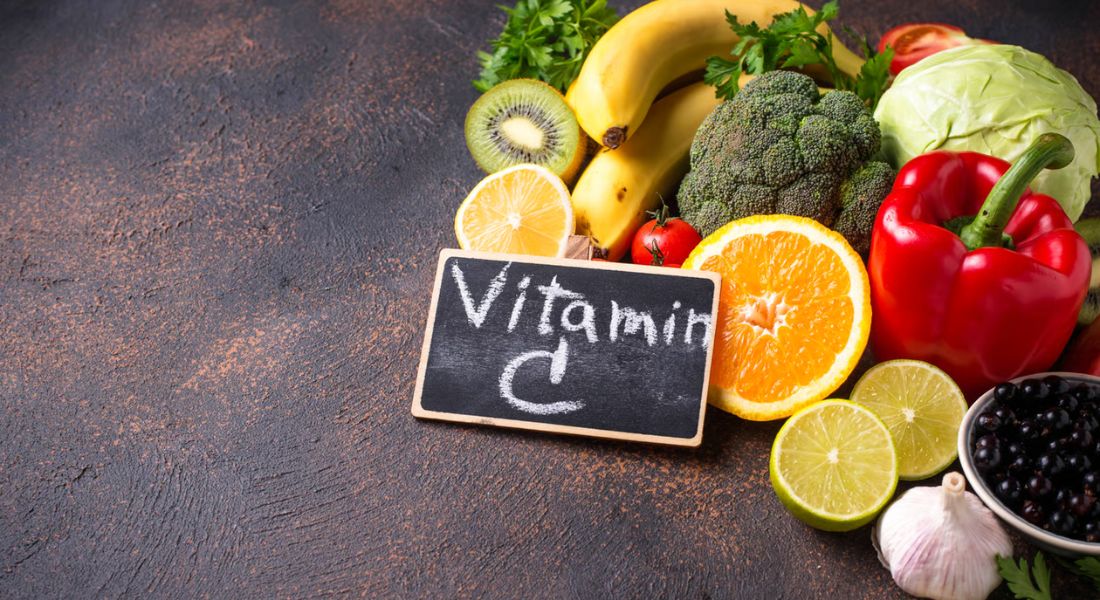
Vitamin C is an important antioxidant that supports your overall eye health and helps protect your body’s cells from oxidative stress. It also plays a role in maintaining healthy blood vessels, including the small blood vessels that supply your eyes with essential nutrients.
Fruits such as oranges, strawberries and kiwis are excellent sources of vitamin C and can be easily included as part of a balanced diet. These foods provide additional nutrients that support your general health while contributing to the nutritional needs of your eyes.
A varied diet helps ensure you receive adequate amounts of vitamin C and other important nutrients. By including a wide range of fruits and vegetables in your meals, you can provide your eyes with the nutritional support they need for healthy function.
Staying Hydrated
Good hydration is an important part of maintaining your overall eye comfort and health. Your eyes rely on a healthy tear film to stay lubricated, and Maintaining normal hydration supports your general health, and dehydration may contribute to dry or uncomfortable eyes. However, persistent dry-eye symptoms should not be treated simply by drinking more water. If your eyes remain dry, gritty, painful or red, an eye-care professional can assess whether another cause or treatment is involved.
When you are dehydrated, your eyes may feel dry, irritated or uncomfortable because reduced tear production can affect the smooth surface of your eyes. This can be especially noticeable if you already experience symptoms of dry eyes or spend long periods using digital screens.
Keeping yourself well hydrated throughout the day can help support comfortable vision and healthy eye function. Alongside a balanced diet and good eye care habits, drinking enough water is a simple step you can take to support your long-term eye health.
Nutrition During Childhood
Children need good nutrition to support healthy growth, development and normal visual function. The nutrients they receive during childhood help provide the building blocks your child’s eyes need as they continue to develop.
Providing your child with a balanced diet that includes fruits, vegetables, dairy products, whole grains and protein sources helps support healthy eyes. A variety of foods ensures that your child receives important vitamins, minerals and antioxidants rather than relying on one particular food.
Carrots can certainly be included as part of your child’s diet because they provide beta-carotene, which supports vitamin A production. However, they should not be the only focus when it comes to eye health, as your child’s vision benefits most from a diverse and nutritious eating pattern.
Protecting Your Eyes Beyond Diet
Healthy eating is an important part of maintaining your eye health, but it is only one aspect of protecting your eyesight throughout your life. Your eyes are influenced by many different factors, including your lifestyle, environment and overall health.
Wearing sunglasses outdoors helps protect your eyes from excessive ultraviolet (UV) exposure, while avoiding smoking can reduce risks associated with certain eye conditions. Managing long-term health conditions and attending regular eye examinations also play an important role in detecting and addressing potential problems early.
These measures work together to support your lifelong eye health. While nutritious foods such as carrots contribute valuable nutrients, protecting your vision requires a wider approach that includes healthy habits, preventive care and regular professional assessments.
What Nutrition Can and Cannot Do for Common Eye Concerns
| Eye concern | How nutrition may help | What nutrition cannot do | What may be needed instead |
| Vitamin A deficiency | Adequate vitamin A from a balanced diet can help prevent deficiency. Correcting a confirmed deficiency may improve deficiency-related night blindness. | Eating extra carrots cannot improve vision beyond normal once vitamin A needs are met. | Medical assessment, investigation of the cause and supervised treatment may be required. |
| Short-sightedness, long-sightedness or astigmatism | A healthy diet supports general eye health and normal development. | Food and supplements cannot change the shape or focusing characteristics of the eye that cause refractive error. | Glasses, contact lenses or another clinically appropriate vision-correction option. |
| Dry-eye symptoms | Normal hydration and a balanced diet support general health. Foods containing healthy fats can form part of that diet. | Drinking more water or taking omega-3 supplements does not reliably treat every cause of persistent dry eye. | Assessment for tear-film problems, eyelid conditions, medicines or environmental causes, followed by appropriate management. |
| Age-related macular degeneration | A diet containing vegetables, fruit and other nutritious foods supports overall health. Certain AREDS2 formulations may reduce progression risk in selected people with diagnosed AMD. | Carrots or general vitamin supplements cannot prevent every case of AMD, reverse existing retinal damage or sharpen normal vision. | Regular retinal monitoring and treatment or specialist supplements when recommended by an eye-care professional. |
| Cataract | Healthy eating, avoiding smoking and managing general health may support long-term wellbeing. | No food or supplement can remove a cataract once the natural lens has become cloudy. | Updated glasses may help temporarily, while cataract surgery may be considered when vision is significantly affected. |
| Glaucoma | A balanced lifestyle supports cardiovascular and general health. | Carrots, vitamins and eye supplements cannot reliably lower eye pressure or replace glaucoma treatment. | Regular monitoring and, when required, prescribed eye drops, laser treatment or surgery. |
| Diabetic eye disease | Healthy eating can form part of controlling blood glucose, blood pressure and cholesterol. | A particular food cannot reverse diabetic retinal damage or replace diabetic care. | Good diabetes management, retinal screening and specialist eye treatment where clinically indicated. |
Can Supplements Replace Healthy Food?
For most people, vitamins and carotenoids are best obtained through a varied, balanced diet. Supplements do not provide all the fibre, protein, healthy fats and plant compounds found in food, and taking more of a nutrient does not necessarily provide greater eye-health benefits.
High-dose eye or vitamin supplements should only be used for a clear clinical reason. Excess preformed vitamin A can be harmful, particularly during pregnancy, while high-dose beta-carotene supplements are not recommended for people who smoke or have been exposed to asbestos. Supplements can also interact with medicines or provide excessive doses when several products are taken together.
Certain specialist formulations, such as AREDS2 supplements, may be recommended for particular stages of age-related macular degeneration. They are not general eyesight enhancers and are not suitable or necessary for everyone.
Common Eye Health Myths
The belief that carrots can improve your eyesight is only one of many common misconceptions surrounding eye health. Over time, several myths have been passed down that may sound convincing but are not supported by scientific evidence.
Other popular myths include the idea that reading in dim light permanently damages your eyes or that wearing glasses makes your vision weaker. While these situations may sometimes cause temporary discomfort or require adjustments, they do not harm healthy eyes or worsen your eyesight.
Understanding the evidence behind these claims helps you separate fact from fiction and make better decisions about your eye health. By relying on accurate information and professional advice, you can focus on the habits that genuinely support clear and healthy vision.
Myth vs Fact: Carrots, Vitamins and Eyesight
| Myth | Fact |
| Eating carrots will make normal eyesight sharper. | Carrots provide beta-carotene, which your body can convert into vitamin A. They support normal nutritional needs but do not enhance already healthy vision. |
| Carrots can remove the need for glasses. | Glasses correct refractive errors related to the shape and focusing system of your eyes. Eating carrots cannot change these structural factors. |
| Carrots give everyone better night vision. | Correcting a vitamin A deficiency may improve deficiency-related night blindness. Extra carrots do not provide superior night vision when your vitamin A status is already adequate. |
| Difficulty seeing in darkness always means vitamin A deficiency. | Night-vision problems can also result from cataracts, retinal conditions, an outdated prescription and other eye problems. A professional assessment may be needed. |
| All eye-health supplements prevent eye disease. | Supplement evidence is condition-specific. AREDS2 may help selected people with intermediate or advanced AMD but does not prevent every eye condition. |
| AREDS2 supplements are useful for everyone over a certain age. | They are intended for defined stages of diagnosed AMD and do not benefit people without AMD or with early AMD in the same way. |
| Natural vitamin supplements cannot cause harm. | Excess preformed vitamin A can be harmful. Beta-carotene supplements may also increase lung-cancer risk in people who smoke or have substantial asbestos exposure. |
| Omega-3 capsules are a proven treatment for dry eye. | Evidence is mixed, and a large clinical trial did not find a significant benefit over placebo for moderate-to-severe dry eye. |
| A healthy diet can cure established eye disease. | Nutrition supports general health but does not replace glasses, medicines, injections, laser treatment or surgery when these are clinically required. |
| Eating well means eye examinations are unnecessary. | Nutrition cannot detect refractive errors or eye diseases that may develop without clear early symptoms. |
Why Regular Eye Examinations Matter
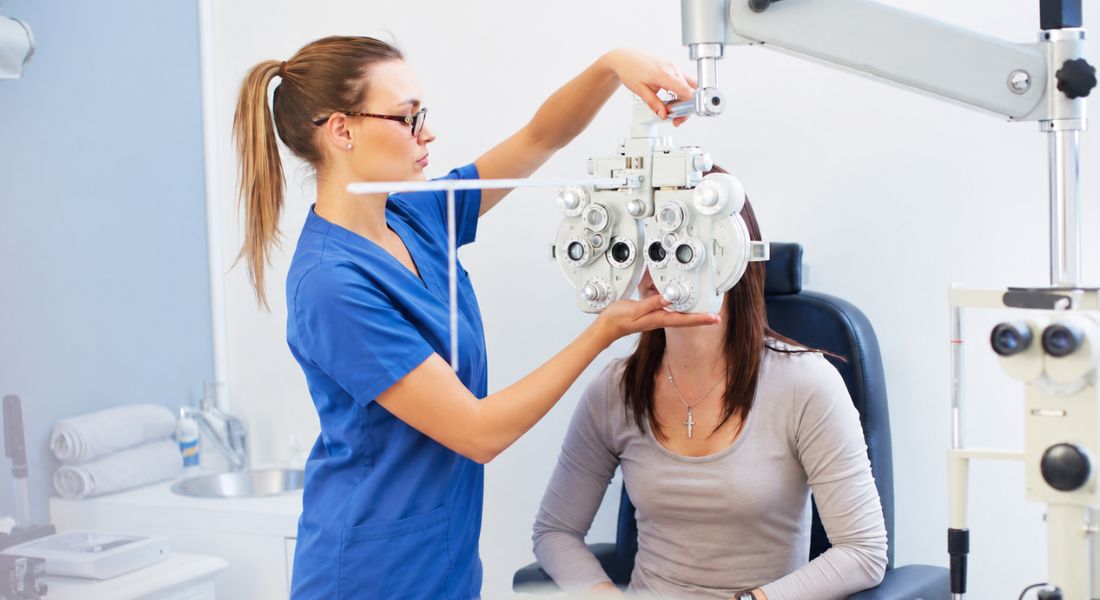
Even if you maintain a healthy diet and include eye-friendly foods such as carrots, routine eye examinations remain an essential part of protecting your vision. Nutrition supports your eye health, but it cannot detect changes in your eyesight or identify developing eye conditions.
Eye tests allow specialists to check for changes in your vision and recognise potential problems before you notice symptoms yourself. Conditions such as refractive errors, glaucoma and other eye concerns may develop gradually, making regular assessments important for early identification.
Early detection often allows eye conditions to be managed more effectively and helps you receive the right support at the right time. Combining regular eye examinations with healthy lifestyle choices provides the strongest foundation for maintaining clear and comfortable vision.
UK Eye-Test Guidance
The NHS recommends that most people have their eyes tested every two years, or more frequently if advised by an optometrist or ophthalmic practitioner.
An eye examination assesses more than whether you need glasses. It can also help identify conditions such as cataracts, glaucoma, macular changes and other abnormalities that may not cause obvious early symptoms.
Do not wait until your next routine examination if you develop new night-vision difficulties, unexplained blur or another noticeable change in your eyesight.
Looking After Children’s Vision
Parents often encourage their children to eat carrots because they want to protect their eyesight and support healthy vision. While carrots are a nutritious choice and provide beta-carotene, your child’s eye health depends on a much wider range of factors.
Your child also benefits from spending time outdoors, eating a balanced diet that includes a variety of nutrients and attending regular eye examinations. These habits support healthy visual development and help identify any vision changes that may need attention.
A broad approach is the most effective way to look after your child’s eyesight. By combining good nutrition, healthy lifestyle habits and professional eye care, you can help your child maintain comfortable and clear vision as they grow.
Healthy Lifestyle Choices
Regular physical activity, adequate sleep and avoiding smoking all contribute to your overall health, including the long-term health of your eyes. Your vision is influenced by many aspects of your lifestyle, not just the foods you eat.
Healthy daily habits often have a greater impact over time than focusing on any single food such as carrots. Staying active supports circulation, getting enough sleep allows your body to recover and avoiding smoking reduces exposure to factors that can increase the risk of certain eye problems.
The choices you make every day benefit your entire body as well as your eyes. By maintaining a healthy lifestyle alongside regular eye care and a balanced diet, you can support your vision throughout your life.
Separating Myth from Science
Carrots are undoubtedly a nutritious food and provide valuable beta-carotene, which your body converts into vitamin A. This nutrient plays an important role in maintaining healthy vision, supporting the retina and helping your eyes function normally.
However, carrots do not improve your normal eyesight, cure refractive errors or remove your need for glasses. If you have conditions such as short-sightedness, long-sightedness or astigmatism, these are related to the structure of your eyes and require appropriate vision correction rather than a change in diet alone.
Scientific evidence supports including carrots as part of a balanced and varied diet rather than expecting them to transform your vision. By understanding the difference between nutritional support and vision correction, you can make informed choices that genuinely benefit your eye health.
Supporting Healthy Vision Throughout Life
Carrots are an excellent addition to a healthy diet and provide important nutrients that support normal eye function. The beta-carotene found in carrots helps your body produce vitamin A, which plays a key role in maintaining the health of your retina and supporting clear vision.
However, protecting your eyesight involves much more than eating one particular food. A combination of balanced nutrition, healthy lifestyle choices, regular physical activity and appropriate eye care provides stronger support for your long-term vision.
Regular professional eye examinations are also an important part of maintaining healthy eyes throughout your life. By combining good dietary habits with preventive eye care, you can support your vision and help identify any changes that may require attention.
Key Takeaways
- Carrots contain beta-carotene, which your body can convert into vitamin A.
- Vitamin A supports normal retinal function and vision in low-light conditions.
- Vitamin A deficiency can cause night blindness and serious eye complications.
- Correcting a deficiency may restore normal function, but extra carrots will not improve already healthy eyesight.
- Carrots cannot cure short-sightedness, long-sightedness or astigmatism.
- No single food can prevent every eye disease.
- AREDS2 supplements are intended for selected people with diagnosed AMD rather than the general population.
- High-dose vitamin A and beta-carotene supplements may be harmful in particular circumstances.
- Omega-3-rich foods can form part of a balanced diet, but omega-3 supplements are not a proven universal treatment for dry eye.
- New or worsening night-vision difficulties should be professionally assessed.
- The NHS generally recommends an eye examination every two years, or more often when advised.
FAQs:
- Can eating carrots improve your eyesight?
Carrots support healthy vision because they are rich in beta-carotene, which your body converts into vitamin A. Vitamin A is essential for normal eye function, particularly in low-light conditions. However, if you already have sufficient vitamin A, eating more carrots will not make your eyesight sharper or reduce your need for glasses. - Why are carrots associated with good eyesight?
The belief became especially popular during the Second World War, when British publicity promoted carrots and linked them with vision during blackouts and night-time flying. Radar technology also contributed to RAF operational success, although the history and exact purpose of the publicity campaign are often simplified. The scientifically accurate point is that carrots support normal vitamin A intake but do not create exceptional night vision. - Can carrots cure short-sightedness or long-sightedness?
No, carrots cannot correct refractive errors such as short-sightedness, long-sightedness, or astigmatism. These conditions are caused by the shape of the eye rather than a lack of vitamin A. Glasses, contact lenses, or other appropriate treatments are needed to correct these vision problems. - Do carrots improve night vision?
Vitamin A is important for seeing in dim light, so carrots can help if someone has a vitamin A deficiency. Correcting the deficiency may improve night vision and support healthy retinal function. However, eating extra carrots will not enhance night vision if your vitamin A levels are already normal. - Are carrots enough to protect your eye health?
Long-term eye health is supported by adequate overall nutrition rather than one specific food. Some nutrient supplements have evidence for defined medical conditions, but this should not be generalised to everyone. - What foods are good for healthy eyes?
A diet rich in leafy green vegetables, colourful fruits, oily fish, nuts, seeds, and whole grains can support healthy vision. Foods containing lutein, zeaxanthin, omega-3 fatty acids, and antioxidants are particularly beneficial. Eating a wide variety of nutritious foods is more effective than focusing on carrots alone. - Can carrots prevent eye diseases?
Carrots contribute to good nutrition, but they cannot prevent every eye condition. Many eye diseases are influenced by genetics, ageing, lifestyle, and other health factors. Regular eye examinations and healthy lifestyle choices remain essential for protecting your vision. - Should children eat carrots for healthy eyesight?
Yes, carrots are a nutritious addition to a child’s diet because they provide beta-carotene, which supports normal eye function. However, children also need a balanced diet, regular outdoor activity, and routine eye examinations to maintain healthy vision. Carrots should be part of an overall healthy lifestyle rather than the only focus. - Can eye supplements replace a healthy diet?
For most people, nutrients are best obtained through a varied and balanced diet. Supplements should only be used if recommended by a healthcare professional or when there is a specific nutritional need. They are not a substitute for healthy eating or regular eye care. - What is the best way to maintain healthy eyesight?
Looking after your eyes involves much more than eating carrots. A balanced diet, regular eye examinations, protecting your eyes from ultraviolet light, staying physically active, and avoiding smoking all contribute to long-term eye health. These habits help support healthy vision throughout your life.
Final Thoughts: The Truth About Carrots and Healthy Eyesight
Carrots are a nutritious source of beta-carotene, which your body can convert into vitamin A to support normal retinal function and vision in low-light conditions. Correcting a genuine vitamin A deficiency may improve deficiency-related night blindness, but eating additional carrots will not sharpen already healthy vision, change your glasses prescription or cure a refractive error.
Long-term eye health depends on more than one food or nutrient. A varied diet, avoiding smoking, protecting your eyes from excessive ultraviolet exposure, managing long-term health conditions and attending regular eye examinations all contribute to a broader approach to eye care.
Protecting your vision involves much more than eating one particular food. A balanced diet rich in a variety of nutrients, combined with healthy lifestyle habits and regular eye examinations, offers the best foundation for maintaining good eye health throughout your life. If you have any concerns about your eyesight, you can contact us the team at Eye Clinic London can provide a comprehensive assessment.
References:
- Sajovic, J., Meglič, A., Glavač, D., Markelj, Š., Hawlina, M. and Fakin, A. (2022) ‘The role of vitamin A in retinal diseases’, International Journal of Molecular Sciences, 23(3), 1014. Available at: https://www.mdpi.com/1422-0067/23/3/1014
- Johra, F.T., Bepari, A.K., Bristy, A.T. and Reza, H.M. (2020) ‘A mechanistic review of β-carotene, lutein, and zeaxanthin in eye health and disease’, Antioxidants, 9(11), 1046. Available at: https://pubmed.ncbi.nlm.nih.gov/33114699/
- Age-Related Eye Disease Study 2 Research Group (2013) ‘Lutein + zeaxanthin and omega-3 fatty acids for age-related macular degeneration: The Age-Related Eye Disease Study 2 randomized clinical trial’, JAMA, 309(19), pp. 2005–2015. Available at: https://pubmed.ncbi.nlm.nih.gov/23644932/
- Carazo, A., Macáková, K., Matoušová, K., Krčmová, L.K., Protti, M. and Mladěnka, P. (2021) ‘Vitamin A update: Forms, sources, kinetics, detection, function, deficiency, therapeutic use and toxicity’, Nutrients, 13(5), 1703. Available at: https://www.mdpi.com/2072-6643/13/5/1703
- Dry Eye Assessment and Management Study Research Group (2018) ‘n–3 Fatty Acid Supplementation for the Treatment of Dry Eye Disease’, New England Journal of Medicine, 378(18), pp. 1681–1690. Available at: https://www.sciencedirect.com/science/article/abs/pii/S0738081X15002345