


Myth or Fact? Blindness Is an Inevitable Part of Ageing
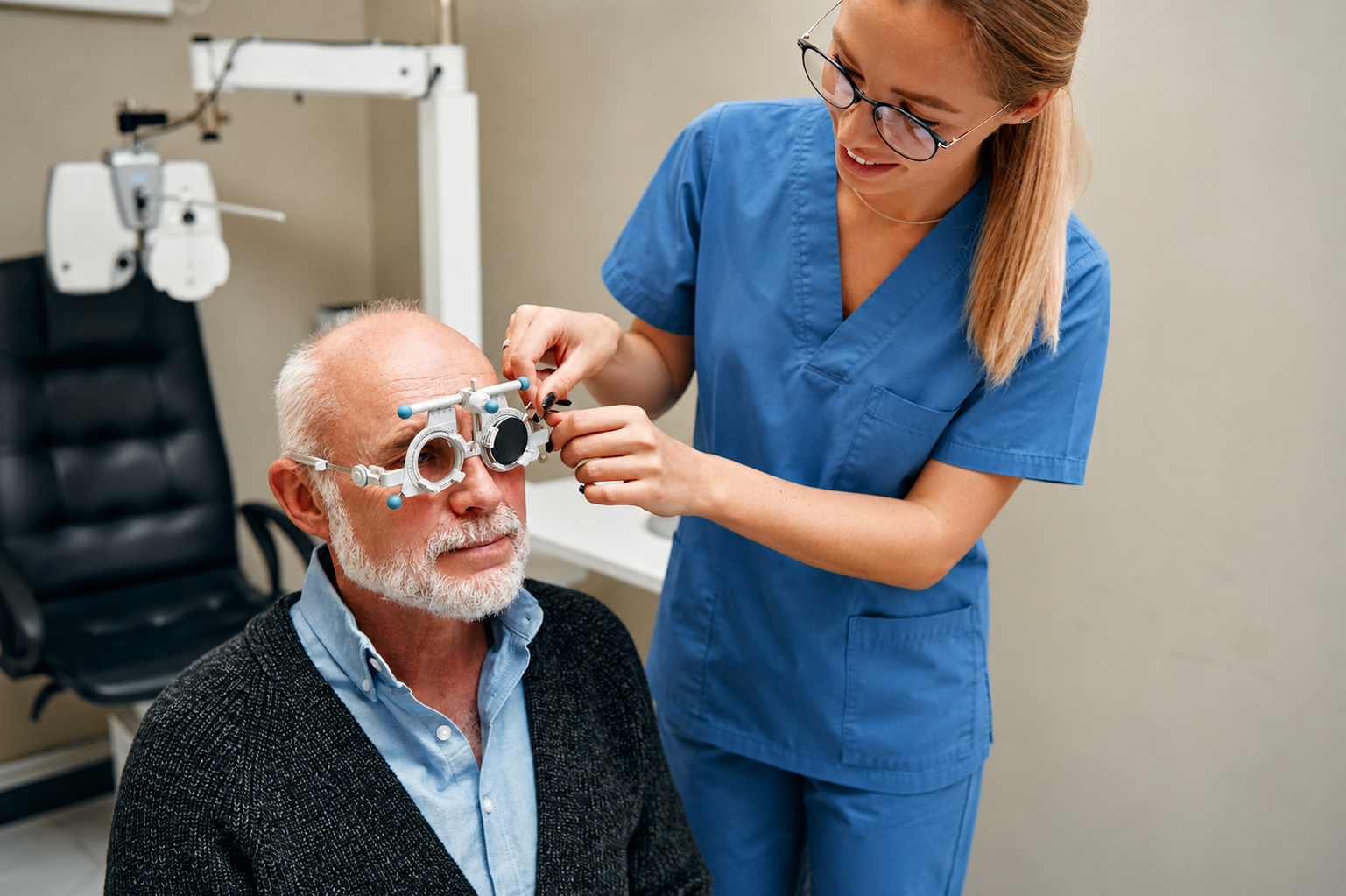
Many people believe that losing their sight is something they must accept as they get older. However, blindness is not a normal or unavoidable part of ageing, and you can take steps to protect your vision.
Although some eye conditions become more common with age, many causes of vision loss can be prevented, treated, or effectively managed with modern eye care. Regular eye checks help you identify problems early and reduce the risk of serious vision changes.
Understanding the difference between normal ageing changes and eye diseases is essential for maintaining healthy vision. By recognising warning signs and seeking timely care, you can protect your eyesight and support long-term eye health.
The Myth That Everyone Loses Their Vision With Age
Many people believe that everyone will eventually become blind as they grow older. However, this is a common misconception, and ageing alone does not mean you will lose your vision.
Getting older can increase your risk of developing certain eye conditions, but many people maintain clear and healthy vision throughout their lives. Regular eye examinations allow you to detect problems early and take appropriate action.
By attending routine eye checks and receiving timely treatment when needed, you can significantly reduce the risk of severe sight loss. Taking care of your eye health helps you protect your vision as you age.
Evidence Note:
Evidence shows that while the risk of eye disease increases with age, blindness is not an inevitable consequence of ageing. Many causes of sight loss can be prevented, treated or managed effectively when detected early.
Normal Vision Changes as You Get Older
| Normal Age-Related Vision Changes | What It Means? |
| Needing brighter lighting | You may require more light to read or complete detailed tasks comfortably. |
| Difficulty focusing on nearby objects | Ageing can make close-up vision harder, often requiring reading glasses. |
| Taking longer to adjust between light and dark | Your eyes may become slower at adapting to changes in brightness. |
| Mild changes in visual comfort | These changes are common with ageing and do not automatically indicate serious eye disease. |
| Routine eye examinations | Routine eye checks help identify any unusual changes and maintain healthy vision. |
Understanding Age-Related Eye Diseases
Although ageing itself does not cause blindness, getting older can increase your risk of developing certain eye conditions. Understanding these diseases helps you recognise potential concerns and take steps to protect your vision.
Conditions such as cataracts, glaucoma, age-related macular degeneration, and diabetic eye disease are more common as you age. However, many of these conditions can be effectively treated or managed when detected early.
Regular eye examinations help you identify these problems before they significantly affect your vision. With timely diagnosis and appropriate treatment, you can maintain better eye health and reduce the risk of serious sight loss.
Research Insight:
Population studies have shown that regular eye examinations improve the likelihood of detecting conditions such as glaucoma and diabetic retinopathy before noticeable vision loss occurs, allowing earlier intervention.
Cataracts: A Common but Treatable Cause of Vision Loss
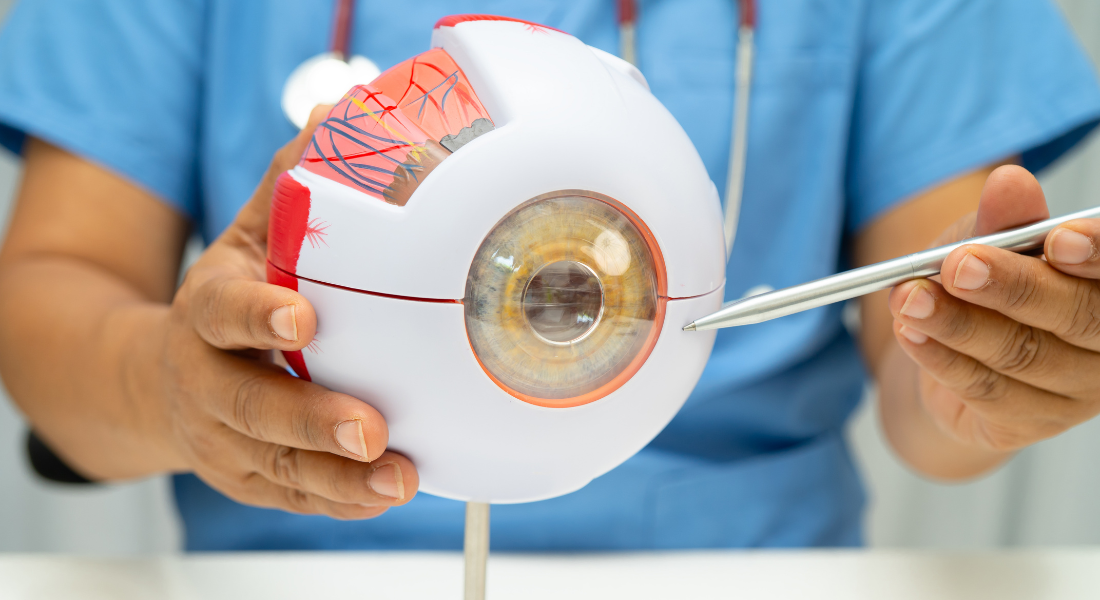
Cataracts develop when the natural lens inside your eye becomes cloudy, causing blurred vision or reduced clarity. They are a common eye condition that can become more likely as you get older.
Although cataracts are often associated with ageing, they are highly treatable and do not mean you will lose your vision permanently. Modern cataract surgery can safely remove the cloudy lens and improve your eyesight.
Cataract surgery is one of the most successful eye procedures performed worldwide, helping many people regain clearer vision. By seeking professional advice when symptoms appear, you can explore effective treatment options and protect your eye health.
Age-Related Macular Degeneration (AMD)
Age-related macular degeneration (AMD) affects the macula, which is the central part of your retina responsible for sharp and detailed vision. This condition can gradually affect how clearly you see objects in the centre of your vision.
AMD may make everyday activities such as reading, recognising faces, or driving more challenging. However, developing AMD does not mean you will automatically lose your vision completely.
With early diagnosis and appropriate treatment, you can help slow the progression of AMD and protect your remaining sight. Regular eye examinations allow potential changes to be identified and managed as early as possible.
Glaucoma: The Silent Threat to Sight
Glaucoma is an eye condition that damages the optic nerve, often due to increased pressure inside your eye. If left untreated, it can gradually affect your vision and may lead to serious sight loss.
One of the main challenges with glaucoma is that it can develop without noticeable symptoms in its early stages. You may not realise there is a problem until significant damage has already occurred.
Regular eye tests are essential because they allow early detection and timely treatment. By identifying glaucoma early, you can take steps to protect your vision and reduce the risk of further sight loss.
Diabetic Eye Disease and Preventable Blindness
Diabetes can affect the small blood vessels in your retina, leading to a condition known as diabetic retinopathy. Over time, changes in these blood vessels can affect your vision if they are not monitored and managed properly.
Managing your blood sugar levels is an important step in protecting your eye health. Regular diabetic eye screenings help detect early changes before they become more serious.
When diabetic eye disease is identified early, appropriate treatment can help protect your sight. By following recommended care and attending regular check-ups, you can significantly reduce the risk of diabetes-related blindness.
Can Lifestyle Choices Protect Your Vision?
Your everyday habits can have a significant impact on your long-term eye health. Making healthy choices can support your vision and reduce the risk of developing certain eye-related problems as you age.
A balanced diet, regular exercise, and avoiding smoking can all contribute to healthier eyes. Protecting your eyes from harmful sunlight and managing conditions such as diabetes and high blood pressure are also important steps.
By taking care of your overall health, you can help protect your vision for the future. Simple lifestyle changes combined with regular eye care can make a positive difference in maintaining healthy eyesight.
Clinical Tip:
If you have diabetes, high blood pressure or a family history of glaucoma or AMD, attending recommended eye examinations is particularly important, even if your vision seems normal.
The Importance of Regular Eye Examinations
Many eye diseases can develop slowly without causing noticeable symptoms in the early stages. This means you may not realise there is a problem until your vision has already been affected.
Routine eye examinations allow optometrists and ophthalmologists to detect early changes and provide appropriate guidance or treatment. These regular checks are an important part of maintaining your eye health.
By attending scheduled eye examinations, you can identify potential concerns before they become more serious. Taking proactive steps with your eye care helps you protect your eyesight and support healthy vision as you age.
Signs You Should Never Ignore

Certain changes in your vision may signal an underlying eye problem that needs attention. Recognising these warning signs early can help you receive timely care and protect your eyesight.
- Some vision changes may require urgent attention from an eye care professional.
- Recognising warning signs early can help you receive timely treatment and reduce the risk of serious complications.
- Sudden vision loss should never be ignored and requires immediate assessment.
- Flashes of light or the appearance of new floaters may indicate an underlying eye problem.
- Distorted vision or a sudden increase in blurriness should be checked by an eye specialist.
- Eye pain or unusual discomfort may be a sign of a condition requiring prompt evaluation.
- Seeking professional advice quickly after sudden vision changes can help identify the cause.
- Early assessment and appropriate treatment can help protect your eyesight and prevent further vision problems.
How Modern Treatments Help Preserve Vision
Advances in ophthalmology have significantly improved the way many age-related eye conditions are treated. Today, you have access to a wider range of effective options that can help maintain and improve your vision.
Modern treatments, including advanced cataract surgery and injectable therapies for certain retinal conditions, have transformed eye care. These advances allow many people to preserve useful vision for longer. With early diagnosis and the right treatment approach, you can protect your eyesight and maintain a better quality of life. Regular consultations with eye care professionals help you understand the most suitable options for your vision needs.
UK Guidance Note:
The NHS recommends regular sight tests based on your age, symptoms and risk factors. If you notice sudden vision changes, severe eye pain or flashes and floaters with a shadow across your vision, seek urgent assessment rather than waiting for a routine appointment.
The Role of Early Diagnosis
Early detection can make a significant difference when it comes to managing and treating eye conditions. Identifying problems at an earlier stage gives you a better chance of receiving effective care before vision is seriously affected.
Many causes of blindness are linked to conditions that become more difficult to manage when they progress. Regular eye monitoring helps identify changes before they lead to irreversible damage.
By attending routine eye examinations and following professional advice, you can take proactive steps to protect your vision. Early diagnosis allows you to explore suitable treatments and maintain healthier eyesight for longer.
Is Poor Vision Always Linked to Age?
Not every vision problem you experience as you get older is caused by ageing. Changes in eyesight can happen for many different reasons, and understanding the cause is important for receiving the right care.
Prescription changes, dry eye disease, infections, inflammation, and other eye conditions can affect your vision at any stage of life. These issues may require different approaches depending on their underlying cause.
A proper eye assessment helps identify what is affecting your eyesight and guides suitable treatment options. By seeking professional advice, you can address vision concerns effectively and protect your long-term eye health.
How Eye Health Affects Independence
Good vision plays an important role in helping you manage everyday activities such as reading, driving, working, and staying connected with others. Maintaining healthy eyesight allows you to continue performing daily tasks with greater ease and confidence.
Protecting your vision is not only about seeing clearly; it also supports your independence and overall quality of life. Healthy eyesight can help you remain active and engaged as you get older.
By prioritising regular eye care and addressing vision changes early, you can continue enjoying the activities that matter most to you. Looking after your eye health helps you maintain confidence and independence for the future.
The Connection Between General Health and Eye Health
Your eyes are closely connected to your overall health, and many health conditions can influence your vision. Taking care of your body also plays an important role in protecting your long-term eye health.
Conditions such as diabetes, high blood pressure, and cardiovascular disease can increase your risk of developing certain eye problems. Managing these conditions effectively can help reduce their impact on your eyesight.
By maintaining a healthy lifestyle and following recommended medical care, you can support both your general health and your vision. Regular health checks and eye examinations work together to help protect your eyesight.
Protecting Your Eyes From Environmental Damage
Long-term exposure to sunlight and other environmental factors may contribute to certain eye problems over time. Taking simple precautions can help you reduce avoidable risks and support healthier vision.
Wearing appropriate sunglasses can help protect your eyes from harmful ultraviolet (UV) rays. Using eye protection during activities that involve potential hazards can also reduce the chance of injury.
By adopting healthy habits and taking care of your eyes in different environments, you can support long-term eye health. Small protective steps can make a meaningful difference in preserving your vision as you age.
Nutrition and Eye Health

A healthy diet provides essential nutrients that support the normal function of your eyes. The foods you choose can play an important role in maintaining good vision and supporting overall eye health throughout your life.
Foods rich in vitamins, minerals, antioxidants, and omega-3 fatty acids may help support healthier eyes. Including a variety of nutrient-rich foods as part of your daily routine can contribute to long-term vision care.
Maintaining a balanced diet is one of the many ways you can protect your eyesight. Combined with regular eye examinations and healthy habits, good nutrition supports better eye health as you age.
Advances in Eye Care for Older Adults
Modern eye care continues to improve with the development of advanced diagnostic tools, surgical techniques, and innovative treatments. These advancements give you more options for detecting and managing age-related eye conditions effectively.
Technologies such as advanced retinal imaging allow eye specialists to identify subtle changes in your eyes at an earlier stage. Early detection can support more personalised care and timely treatment decisions.
With ongoing improvements in ophthalmology, you can benefit from better monitoring and more targeted approaches to protecting your vision. Regular consultations help you make the most of these advances in eye care as you age.
How You Can Take Control of Your Future Eye Health
You cannot prevent every eye condition, but you can take meaningful steps to protect your vision as you get older. Taking an active role in your eye care helps you reduce risks and maintain healthier eyesight.
Regular eye check-ups, healthy lifestyle choices, and managing existing medical conditions can all support better vision. Paying attention to changes in your eyesight and seeking advice quickly can also make an important difference.
By making eye health a priority, you can take control of your future vision. Simple, consistent actions can help reduce the risk of serious sight loss and support long-term eye health.
Key Facts:
- Blindness is not a normal part of ageing.
- Many eye diseases can be treated if diagnosed early.
- Routine eye examinations are important even without symptoms.
- Lifestyle factors influence long-term eye health.
- Sudden vision changes require urgent medical assessment.
Myth vs Fact:
| Myth | Fact |
| Everyone becomes blind as they age | Blindness is not a normal part of ageing |
| Cataracts always cause permanent blindness | Cataracts are usually treatable with surgery |
| If your vision seems normal, you don’t need eye tests | Many eye diseases develop without symptoms |
FAQs:
- Is losing your vision a normal part of getting older?
No, blindness is not a normal or unavoidable part of ageing. While you may experience natural changes in your vision as you get older, such as needing brighter light or reading glasses, these do not mean you will lose your sight. Many age-related eye conditions can be treated or managed when detected early. - Can you prevent blindness as you age?
You cannot prevent every eye condition, but you can take steps to reduce your risk of serious vision loss. Regular eye examinations, managing health conditions, maintaining a healthy lifestyle, and seeking advice when you notice changes in your vision can all help protect your eyesight. - What eye conditions become more common as you get older?
Some eye conditions, including cataracts, glaucoma, age-related macular degeneration (AMD), and diabetic eye disease, become more common with age. However, developing one of these conditions does not automatically mean you will become blind. Early diagnosis and appropriate treatment can help protect your remaining vision. - Can cataracts cause permanent blindness?
Cataracts can cause blurred or cloudy vision, but they are one of the most treatable causes of sight loss. Modern cataract surgery can remove the cloudy lens and often significantly improve your vision. Seeking advice when symptoms appear can help you explore suitable treatment options. - How often should you have an eye examination as you get older?
Regular eye examinations are important because many eye conditions can develop without noticeable symptoms. The recommended frequency depends on your age, health, and personal risk factors. Your eye care professional can advise how often you should have your eyes checked. - What warning signs of vision problems should you never ignore?
You should seek professional advice if you experience sudden vision loss, flashes of light, new floaters, eye pain, distorted vision, or a sudden increase in blurriness. These symptoms may indicate an eye problem that requires prompt assessment. Early attention can help protect your eyesight. - Does wearing glasses make your eyes weaker as you get older?
No, wearing glasses does not make your eyes weaker or dependent on them. Glasses simply help correct focusing problems and allow you to see more clearly. Your vision may change over time due to natural ageing or eye conditions, but this is not caused by wearing glasses. - Can a healthy lifestyle help protect your eyesight?
Yes, your daily habits can support better eye health as you age. Eating a balanced diet, exercising regularly, avoiding smoking, protecting your eyes from UV exposure, and managing conditions such as diabetes and high blood pressure can all contribute to healthier vision. - Is poor vision always caused by ageing?
No, changes in your eyesight are not always related to getting older. Problems such as dry eye disease, infections, inflammation, or changes in your prescription can affect your vision at any stage of life. A professional eye assessment can help identify the cause and guide the right treatment. - Can modern treatments help prevent serious sight loss?
Yes, advances in eye care have improved the way many conditions are diagnosed and treated. Treatments such as cataract surgery, retinal therapies, and improved monitoring techniques can help many people maintain better vision. Early diagnosis gives you the best opportunity to receive effective care.
Final Thoughts: Maintaining Healthy Vision Throughout Life
Ageing can bring natural changes to your eyes, but blindness should not be considered a normal or unavoidable part of getting older. Understanding the difference between age-related changes and serious eye conditions helps you take better care of your vision.
Many causes of vision loss can be prevented, treated, or effectively managed when they are identified early. Regular eye examinations and timely treatment allow you to address potential problems before they become more serious. If you have noticed changes in your vision or would like to discuss any concerns with an experienced eye specialist, you can contact us at Eye Clinic London to arrange a consultation.
References:
- Bourne, R.R.A., Steinmetz, J.D., Flaxman, S.R., Briant, P.S., Taylor, H.R., Resnikoff, S. et al. (2021) ‘Trends in prevalence of blindness and distance and near vision impairment over 30 years and contribution to the global burden of disease in 2020: a systematic review and meta-analysis’, The Lancet Global Health, 9(2), pp. e130–e143. Available at: https://pubmed.ncbi.nlm.nih.gov/33958600/
- GBD 2019 Blindness and Vision Impairment Collaborators (2021) ‘Causes of blindness and vision impairment in 2020 and trends over 30 years, and prevalence of avoidable blindness in relation to VISION 2020: The Right to Sight’, The Lancet Global Health, 9(2), pp. e144–e160. Available at: https://pubmed.ncbi.nlm.nih.gov/33926642/
- Flaxman, S.R., Bourne, R.R.A., Resnikoff, S., Ackland, P., Braithwaite, T., Cicinelli, M.V. et al. (2021) ‘Global causes of blindness and distance vision impairment 1990–2020: an overview of systematic reviews and meta-analyses’, The Lancet Global Health. Available at: https://pubmed.ncbi.nlm.nih.gov/33275949/
- Klein, R. (2011) ‘Overview of progress in the epidemiology of age-related macular degeneration’, Ophthalmic Epidemiology, 18(5), pp. 197–204. Available at: https://pmc.ncbi.nlm.nih.gov/articles/PMC3146260/
- Eye Editorial Board (2025) ‘Blindness and ageing: current evidence on preventable vision loss and age-related eye disease’, Eye. Available at: https://pmc.ncbi.nlm.nih.gov/articles/PMC12306362/