


Myth or Fact? Cataracts Grow Back After Surgery

If you have had cataract surgery and later notice that your vision has become cloudy again, you may naturally wonder whether your cataract has grown back. This is a common concern because some symptoms can feel similar to the vision problems you experienced before your operation. When you notice blurred vision, glare or reduced clarity, you might worry that the cataract has returned, but understanding what is actually happening can help you feel reassured.
The truth is that your cataract cannot grow back after surgery. During the procedure, your cloudy natural lens is removed and replaced with a clear artificial lens implant. Since the natural lens responsible for developing the cataract has been removed, the same type of cataract cannot develop again.If your vision changes after surgery, your eye care professional will usually look for another cause rather than a returning cataract.
One of the most common reasons you may experience cloudy vision after cataract surgery is posterior capsule opacification (PCO). This happens when cells grow on the back surface of the lens capsule, creating a hazy appearance or increasing glare. Although it can feel as though your cataract has come back, PCO is a different condition and can often be treated effectively with a quick laser procedure. Knowing this difference can help you feel more confident about your eye health and the long-term results of your cataract surgery.
Understanding What a Cataract Actually Is
A cataract is a condition that affects the natural lens inside your eye. This lens sits behind the coloured part of your eye and helps focus light onto your retina, allowing you to see clear and detailed images. When your lens is healthy, it remains transparent and works smoothly, but changes over time can gradually affect your vision. Understanding how cataracts develop can help you recognise possible symptoms and know when to seek advice from an eye care professional.
When you develop a cataract, the proteins inside your natural lens begin to change and clump together over time. These changes cause your lens to become cloudy instead of staying clear, which reduces the amount of light that can pass through effectively. As the cloudiness increases, the images reaching your retina may become less sharp, making your vision appear blurred or less defined.
As your cataract progresses, you may notice several changes in your everyday vision. You might experience blurred sight, difficulty seeing in low light, increased sensitivity to glare, faded colours or the need for more frequent changes to your glasses prescription. Because cataracts usually develop slowly, you may not notice the early signs immediately, but over time they can begin to affect activities such as driving, reading, working or recognising faces clearly. Seeking regular eye examinations allows your eye specialist to monitor changes and recommend the right care when needed.
Why Cataracts Develop in the First Place
The most common reason you develop cataracts is ageing. As you get older, the proteins and fibres inside your natural lens gradually begin to change, which can cause the lens to become less clear over time. These natural changes may lead to clouding and reduced vision, but the speed at which cataracts develop can vary from person to person. While ageing is a major factor, you may experience cataract changes differently compared with others of the same age.
Ageing is not the only reason cataracts can develop. Your risk may also increase because of certain health conditions, previous eye injuries, long-term use of specific medications or genetic factors. For example, if you have diabetes, changes in blood sugar levels can affect the structure and function of your eye’s lens, which may increase your chance of developing cataracts at an earlier stage. Regular eye examinations allow your eye specialist to monitor your vision and identify changes before they significantly affect your daily life.
Your lifestyle choices can also influence how your eyes age over time. Long-term exposure to ultraviolet (UV) sunlight, smoking and limited attention to eye health may contribute to faster changes within your lens. Although cataracts are very common, you do not have to accept ongoing vision problems as unavoidable. When cataracts begin affecting your everyday activities, modern cataract surgery can safely replace your cloudy lens and help you regain clearer vision.
What Happens to Your Eye During Cataract Surgery?
Cataract surgery is one of the most commonly performed eye procedures and has a very high success rate. The main purpose of the operation is to remove your cloudy natural lens and replace it with a clear artificial lens implant. By restoring the way light enters your eye, the procedure can improve the sharpness and quality of your vision. For many people, this means you can return to everyday activities such as reading, driving and recognising faces with greater ease.
Cataract surgery is usually performed using local anaesthesia, which may involve numbing drops or an injection around the eye. Sedation or general anaesthesia may be considered in selected circumstances. Your surgeon then creates a very small opening in your eye and uses a technique called phacoemulsification to gently break your cloudy lens into smaller pieces. These pieces are carefully removed, creating space for your new artificial lens implant while protecting the surrounding structures of your eye.
Your surgeon creates an opening in the front of the lens capsule and removes the cloudy lens material. Most of the remaining capsular bag, including its back surface, is preserved to support the artificial lens implant. Once your cloudy lens has been removed, your surgeon positions the replacement lens securely inside this capsule. The procedure is usually completed relatively quickly, and you may begin noticing clearer vision soon afterwards. As your eye heals, your eyesight can continue to improve, although your recovery experience may vary depending on your individual eye health and healing process.
Why the Removed Cataract Cannot Grow Back
The reason your cataract cannot return is straightforward: the cloudy natural lens that caused the cataract has been removed from your eye. A cataract develops when changes occur within this natural lens over time, making it cloudy and affecting how clearly you see. Once your surgeon removes this lens during cataract surgery, the source of the cataract is no longer present, meaning the same cataract cannot grow back.
You can think of your natural lens as the part of your eye where cataracts develop. During surgery, your cloudy lens is replaced with an artificial intraocular lens (IOL) that is designed to stay clear and stable for the long term. Because the artificial lens does not contain the natural lens proteins that become cloudy and form cataracts, it does not develop a true cataract in the same way.
This is why cataract surgery is considered a permanent treatment for cataracts. However, your vision can still change in the future because other parts of your eye may experience age-related changes or develop different conditions. If you notice new blurriness, glare or changes in your eyesight after surgery, you should have your eyes examined so your eye care professional can identify the true cause and recommend the right treatment for you.
The Role of the Artificial Lens Implant After Surgery
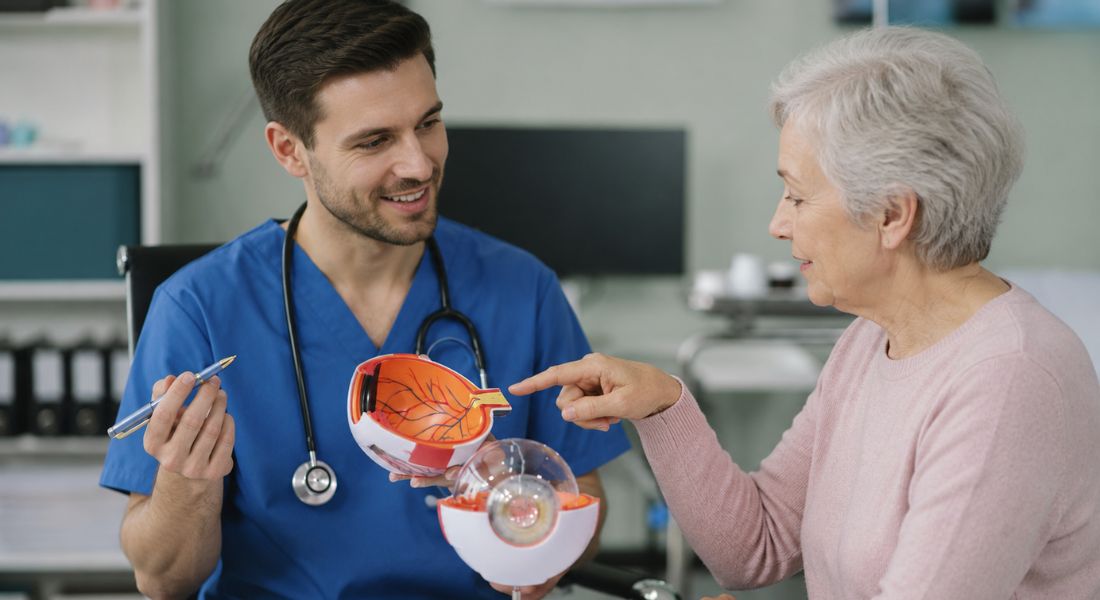
Your artificial lens implant, also known as an intraocular lens (IOL), plays an important role in restoring your vision after cataract surgery. Before your operation, the cloudy natural lens inside your eye prevents light from passing through clearly, which can make your vision blurred or less sharp. During surgery, your cloudy lens is removed and replaced with an artificial one that helps light focus correctly on your retina, allowing you to see clearer images again.
There are several types of artificial lens implants available, including monofocal, multifocal and extended depth-of-focus lenses. Each option is designed to suit different vision needs, lifestyle preferences and daily activities. Your eye specialist will assess your eye health, your visual goals and how you use your vision every day before recommending the most suitable lens implant for you.
Unlike your natural lens, your artificial lens does not age in the same way or develop cataracts. It is designed to remain clear and stable inside your eye for many years. However, the capsule that supports your lens implant can sometimes become cloudy over time, causing a condition called posterior capsule opacification (PCO). If this happens to you, it may feel like your cataract has returned, but it is a different issue and can usually be treated effectively with a simple laser procedure.
Why Some People Think Their Cataracts Have Returned
After cataract surgery, you may expect your vision to stay clear and stable permanently. So, if you later notice cloudy vision, glare or difficulty seeing clearly again, it is completely natural for you to wonder whether your cataract has returned. These changes can feel worrying because they may remind you of the symptoms you experienced before your operation, but a change in your vision does not mean that the original cataract has grown back.
The confusion often happens because the symptoms of posterior capsule opacification (PCO) can feel very similar to those caused by a cataract. You may experience hazy vision, reduced colour brightness, increased sensitivity to light or difficulty focusing on fine details. Because these symptoms can seem familiar, you might assume that the same problem has returned, even though PCO develops for a different reason and affects another part of your eye.
A cataract develops in your natural lens, which is removed during surgery, while PCO affects the thin capsule that supports your artificial lens implant. Your artificial lens remains clear and does not develop a new cataract after it has been implanted. Although some people refer to PCO as a “secondary cataract”, this name can be confusing because it is not a true cataract. Understanding this difference can help you feel reassured and seek the correct care if your vision changes after surgery.
What Is Posterior Capsule Opacification (PCO)?
Posterior capsule opacification (PCO) is a condition that can develop after your cataract surgery when the back part of the lens capsule becomes cloudy. Your lens capsule is a thin, transparent layer that originally surrounds your natural lens and continues to support your artificial lens implant after surgery. When changes occur in this area, you may notice changes in your vision, even though your original cataract has not returned.
During your cataract operation, your surgeon removes your cloudy natural lens while carefully keeping the back portion of the lens capsule in place. This remaining capsule provides a stable support structure for your new artificial lens implant and helps keep it correctly positioned inside your eye. Over time, changes can sometimes occur within this capsule, leading to the development of PCO.
For some people, small residual lens epithelial cells that remain after surgery can gradually multiply and spread across the back surface of the capsule. As these cells multiply, they can create a cloudy layer that affects how light passes through your eye. You may experience blurred vision, glare or reduced clarity, which can make you feel as though your cataract has returned. However, your artificial lens remains clear, and the issue is limited to the capsule behind the implant rather than the lens itself.
The Difference Between Cataracts and Posterior Capsule Opacification
Although cataracts and posterior capsule opacification (PCO) can cause similar symptoms, they are two different conditions that affect separate parts of your eye. A cataract develops before your surgery and affects your natural lens, while PCO occurs after surgery and affects the capsule that supports your artificial lens implant. Understanding this difference can help you feel more reassured if your vision becomes cloudy again after a successful cataract procedure.
A cataract develops when your natural lens becomes cloudy over time, preventing light from passing through clearly to your retina. During cataract surgery, this cloudy lens is removed and replaced with an artificial lens implant. PCO may develop later when the capsule behind your artificial lens becomes cloudy, but your implant itself remains clear and continues to function normally.
The treatments for these conditions are also different. If you have a cataract, you need surgery to remove your cloudy natural lens and replace it with an artificial one. If you develop PCO after surgery, your eye specialist can usually treat it with a quick laser procedure called YAG laser capsulotomy. Knowing this difference can help you understand that cloudy vision after cataract surgery does not mean your cataract has returned or that you need another major operation.
What Causes Cloudy Vision After Cataract Surgery?
Cloudy vision after your cataract surgery can happen for several different reasons, and posterior capsule opacification (PCO) is only one possible cause. If you notice changes in your eyesight after your procedure, you may naturally worry that your cataract has returned. However, your cataract cannot grow back, and a detailed eye examination can help identify the true reason behind your symptoms and guide you towards the right treatment.
The most common cause of cloudy vision after cataract surgery is PCO. This occurs when small cells left behind from your original lens gradually grow across the back surface of your lens capsule, creating a cloudy layer that affects how light passes through your eye. This process can develop slowly, meaning you may notice changes months or even years after your surgery, which can make it feel as though your cataract has come back.
However, your cloudy vision may also be linked to other eye changes. Dry eyes, inflammation inside your eye, changes in your glasses prescription, retinal conditions or other age-related changes can all affect how clearly you see. Your eyes continue to change throughout your life, even after successful cataract surgery. By attending regular eye examinations, you can allow your eye specialist to monitor your vision and identify any concerns early.
Possible Causes of Cloudy or Blurred Vision After Cataract Surgery
| Possible cause | Typical symptoms or pattern | How it may be assessed | Possible management |
| Posterior capsule opacification | Gradually increasing mistiness, glare, reduced contrast or difficulty seeing in bright light, often developing months or years after surgery | Vision testing and slit-lamp examination of the capsule behind the artificial lens | Mild changes may be monitored. Visually significant PCO is usually treated with YAG laser capsulotomy. |
| Dry eye disease | Fluctuating blur, grittiness, burning, watering or vision that briefly improves after blinking | Examination of the eye surface, eyelids and tear film | Lubricating drops, eyelid care or other dry-eye treatment may be recommended according to the cause. |
| Residual or changing glasses prescription | Vision may be blurred mainly at distance, near or both, without marked redness or pain | Refraction to measure the remaining focusing error | Updated glasses or another appropriate vision-correction option may help. |
| Corneal swelling or irregularity | Hazy vision, halos around lights or reduced clarity, particularly during the recovery period | Slit-lamp examination and, when needed, corneal measurements | Treatment depends on the cause and may include prescribed eye drops or further specialist monitoring. |
| Inflammation inside the eye | Blurred vision may occur with redness, discomfort or sensitivity to light | Examination of the front and back of the eye | Anti-inflammatory treatment may be required. Increasing pain, redness or vision loss needs prompt assessment. |
| Cystoid macular oedema | Reduced or distorted central vision, sometimes appearing during the weeks following surgery | Dilated retinal examination and optical coherence tomography | Treatment may include anti-inflammatory medicines or other retinal care. |
| Artificial lens position or function | Glare, blurred vision, double images in one eye or an unexpected change in focus | Examination of the intraocular lens position and surrounding capsule | Management may involve observation, glasses or, occasionally, repositioning or replacing the implant. |
| Macular degeneration or diabetic retinal disease | Central blur, distortion, difficulty reading or gradual reduction in visual detail | Dilated retinal examination, retinal imaging and optical coherence tomography | Treatment is directed at the underlying retinal condition rather than the previous cataract. |
| Glaucoma or optic-nerve disease | Gradual loss of vision may occur without obvious early symptoms | Eye-pressure measurement, optic-nerve assessment and visual-field testing | Ongoing monitoring and pressure-lowering treatment may be required. |
| Retinal tear or detachment | Sudden flashes, many new floaters, rapidly worsening blur or a dark curtain or shadow | Urgent dilated retinal examination | This requires urgent eye-care assessment and may need laser treatment or surgery. |
| Eye infection | Worsening pain, redness, marked sensitivity to light, discharge or declining vision | Urgent specialist examination | Immediate treatment is required because infection inside the eye can threaten vision. |
How Doctors Diagnose Cloudy Vision After Cataract Surgery

If you notice cloudy vision after your cataract surgery, your eye specialist will perform a detailed examination to find the exact cause of your symptoms. The goal is to determine whether your vision changes are related to posterior capsule opacification (PCO) or another condition affecting your eyes. Because several different eye problems can cause similar symptoms, a thorough assessment helps ensure you receive the most appropriate advice and treatment.
During your appointment, your vision will usually be tested using an eye chart to measure how clearly you can see. Your specialist may also examine the front and back of your eye using specialised equipment to check your artificial lens implant, retina and other important structures. These assessments provide a clearer understanding of your overall eye health and help identify any changes that may have developed after your surgery.
A slit lamp examination is commonly used to examine the lens capsule behind your artificial lens in detail. This allows your eye specialist to see whether capsule clouding has developed and whether PCO is affecting your vision. Your eyes will also be checked for other possible causes of blurred vision, including dry eye disease, glaucoma, macular changes or retinal conditions. Once the cause is identified, your specialist can recommend the right treatment, and if PCO is responsible, the solution is usually a simple and effective laser procedure.
How Long After Cataract Surgery Can PCO Develop?
Posterior capsule opacification (PCO) does not develop at the same time for everyone after your cataract surgery. Some people may notice changes in their vision within a few months of their procedure, while others may not experience any symptoms for several years. Because your eye heals and responds differently from others, there is no exact timeframe for when capsule clouding may appear.
The development of PCO can depend on several factors, including how your eye heals, your age, the type of artificial lens implant used and your individual response to surgery. Your body’s natural healing process can influence how cells behave within the lens capsule after the procedure. This means you may experience changes sooner, while someone else may have clear vision for many years without any noticeable problems.
Some people develop only mild capsule clouding that does not significantly affect their vision and may never need treatment. However, if PCO begins affecting your daily activities, you may notice difficulties with reading, driving, recognising details or coping with glare. Since there is no fixed timeline for when PCO may occur, regular eye examinations remain important after your cataract surgery so your eye specialist can monitor your vision and recommend treatment if needed.
Who Is More Likely to Develop Posterior Capsule Opacification?
Anyone who has cataract surgery can potentially develop posterior capsule opacification (PCO), although some factors may make it more likely to occur. PCO is a recognised change that can happen after your surgery and is not caused by anything you have done incorrectly. Understanding why it may develop can help you feel more informed about your eye health and what to expect during your recovery and long-term care.
Younger people who undergo cataract surgery may be more likely to develop PCO because the cells within their eyes can remain more active. This increased cellular activity may encourage changes to occur within the lens capsule after surgery. You may also have a higher chance of developing PCO if you have certain eye conditions or a history of inflammation inside your eye. However, advances in surgical techniques and modern lens implant designs have helped reduce the likelihood compared with older methods.
Developing PCO does not mean your cataract surgery was unsuccessful or that you have not looked after your eyes properly. It is simply a possible part of your eye’s natural healing response after the procedure. If PCO affects your vision, your eye specialist can usually diagnose and treat it effectively. By attending regular eye examinations, you can allow your specialist to monitor your eyesight and provide treatment if capsule clouding begins to interfere with your daily activities.
Can Posterior Capsule Opacification Affect Your Vision Permanently?
Many people worry that cloudy vision after cataract surgery means they may permanently lose part of their eyesight. If you notice blurry or hazy vision after your operation, it is understandable to feel concerned. Fortunately, posterior capsule opacification (PCO) is usually treatable and does not mean your cataract surgery has failed.
PCO affects the way light passes through your eye by causing cloudiness in the capsule behind your artificial lens. This can make your vision appear unclear, but it does not damage your lens implant or mean your original cataract has returned. The change happens because the capsule can become less transparent over time.
Once PCO is diagnosed, you can usually have it treated with a simple laser procedure called YAG laser capsulotomy. Many people experience noticeable improvement in their vision after treatment, helping you see more clearly again. However, regular eye examinations remain important because other age-related eye conditions can still affect your eyesight in the future.
How Is Posterior Capsule Opacification Treated?
The most common treatment for posterior capsule opacification (PCO) is a procedure called YAG laser capsulotomy. If you develop PCO after cataract surgery, you do not need your artificial lens implant removed or replaced. Instead, your eye specialist treats the cloudy capsule behind the lens to help restore clearer vision.
During YAG laser capsulotomy, your eye specialist uses a specialised laser to create a small opening in the cloudy posterior capsule. This allows light to pass through your eye more easily and reach your retina without being scattered. Your artificial lens stays safely in place while the treatment improves the quality of your vision.
The procedure is usually performed as a day-case treatment, so you can return home on the same day. Your eye is numbed with drops to keep you comfortable, and the laser treatment often takes only a few minutes without any cuts or stitches. After treatment, you may notice gradual improvement in your vision as your eye heals and settles.
What Happens During YAG Laser Capsulotomy Treatment?
YAG laser capsulotomy is a quick outpatient procedure used to treat cloudy vision caused by posterior capsule opacification after cataract surgery. It uses a specialised laser to create a small opening in the cloudy capsule behind your artificial lens, helping light pass through more clearly.
- Preparing Your Eye: Your specialist may use drops to widen your pupil and numb your eye before treatment.
- Laser Treatment Process: A special lens helps focus the laser accurately on the cloudy capsule while you sit comfortably.
- What You May Feel: You may see flashes of light during the procedure, but it is not usually painful.
- Aftercare and Follow-Up: Eye drops may be prescribed to reduce inflammation, and your specialist will advise on recovery and review appointments.
Overall, YAG laser capsulotomy is a commonly performed treatment that can improve vision affected by posterior capsule opacification. The procedure is usually completed during a clinic visit and does not require another surgical operation. Following your specialist’s aftercare advice helps support a smooth recovery.
How to Protect Your Vision After Cataract Surgery
Although cataracts cannot grow back after surgery, looking after your eyes remains important for maintaining clear and comfortable vision. Your cataract removal treats the cloudy natural lens, but other eye changes can still develop over time. By following healthy eye care habits, you can support your long-term vision and help identify problems early.
Regular eye examinations are one of the most important ways you can protect your eyesight after cataract surgery. These appointments allow your eye specialist to monitor your vision, check the health of your eyes and identify conditions that may affect you as you get older. You can also protect your eyes outdoors by wearing sunglasses with proper UV protection to reduce unnecessary sunlight exposure.
Your lifestyle choices can also influence your overall eye health after surgery. Eating a balanced diet, managing health conditions such as diabetes, avoiding smoking and staying active can help you maintain healthier eyes. If you notice changes such as worsening blurriness, flashes of light, new floaters or sudden changes in your vision, you should seek professional advice promptly to protect your eyesight.
The Importance of Regular Eye Examinations After Surgery

Although cataract surgery removes the cloudy lens responsible for cataracts, your eyes can still experience other changes over time. Regular eye examinations allow your specialist to monitor your overall eye health and detect new concerns early.The procedure treats your cataract but does not prevent other eye conditions from developing in the future. Ongoing eye care helps you maintain healthy eyes and identify any changes early.
Many people assume they no longer need regular eye checks after cataract surgery, but your eyes continue to change throughout your lifetime. Routine examinations allow your eye specialist to monitor your retina, optic nerve, eye pressure and overall eye health. These checks can help detect conditions such as glaucoma, macular changes and other age-related concerns.
Regular appointments also give you the opportunity to discuss any changes you notice in your eyesight. If you experience increased glare, difficulty reading or reduced night vision, sharing these symptoms can help your specialist understand your eye health better. By attending recommended examinations, you can take an active role in maintaining clear and comfortable vision for many years.
Other Reasons Your Vision May Change After Cataract Surgery
Although posterior capsule opacification (PCO) is a common reason for cloudy vision after cataract surgery, it is not the only possible cause. Your eyesight can change for many reasons as you get older, so blurred vision does not always mean your cataract has returned. Having your eyes assessed helps you understand the real cause and receive the right treatment.
Dry eye disease is another common issue that can affect how clearly you see after surgery. If your eyes do not produce enough tears or your tears evaporate too quickly, the surface of your eye can become unstable. This may cause temporary blurriness, fluctuating vision, irritation or discomfort that affects your daily activities.
Changes in your glasses prescription can also influence your vision after cataract surgery. Although your cataract has been removed, you may still need glasses for certain tasks depending on the type of artificial lens implant you received. Other conditions such as glaucoma, macular degeneration, diabetic eye disease or retinal problems can also affect your eyesight, making regular eye examinations important for protecting your vision.
When Should You Contact an Eye Specialist After Cataract Surgery?
Although some gradual changes in vision can occur after cataract surgery, certain symptoms should never be ignored. Your eyes continue to change over time, but sudden or unusual changes may need professional assessment. If you notice something different or concerning, it is always better for you to have your eyes checked rather than waiting for the problem to improve.
If your vision suddenly becomes blurred, you experience severe eye pain, notice flashes of light or see a sudden increase in floaters, you should contact your eye specialist promptly. These symptoms do not always indicate a serious problem, but they can sometimes be linked to conditions that require urgent attention. Early assessment allows your specialist to identify the cause and provide suitable treatment for you.
You should also arrange an eye appointment if your vision gradually becomes cloudy again or if everyday activities become more difficult. Problems with reading, driving or seeing details clearly may indicate that your eyes need further evaluation. Your specialist can determine whether the cause is posterior capsule opacification, dry eye, a change in your prescription or another condition affecting your vision.
Myth vs Fact: Cataracts and Cloudy Vision After Surgery
| Myth | Fact |
| A cataract can grow back after it has been removed. | A true cataract cannot return because the cloudy natural lens has been removed. |
| Cloudy vision after surgery always means PCO. | PCO is common, but dry eye, retinal disease, glaucoma, inflammation and other conditions can also cause blur. |
| PCO means the cataract operation failed. | PCO is a recognised long-term change and does not normally mean the original surgery was unsuccessful. |
| PCO forms inside the artificial lens. | PCO develops across the posterior capsule behind the implanted lens. |
| Every visible PCO requires immediate treatment. | Mild PCO without meaningful symptoms may be monitored. |
| YAG capsulotomy removes or replaces the artificial lens. | The laser creates an opening in the cloudy capsule while the implant usually remains in place. |
| YAG treatment has no risks because it does not involve an incision. | It is generally a minor procedure, but raised pressure, inflammation, floaters and rare retinal complications can occur. |
| Vision always becomes perfect after YAG treatment. | Vision often improves when PCO is the cause, but retinal, optic-nerve or other eye disease may limit the result. |
| Sudden flashes and floaters are normal after every eye procedure. | New flashes, many new floaters or a curtain-like shadow require urgent assessment. |
| Cataract surgery prevents every future eye problem. | It removes the cataract, but other eye conditions can still develop or progress. |
Key Takeaways
- Cataracts form within the eye’s natural lens.
- The natural lens is removed during cataract surgery, so the cataract cannot grow back.
- The intraocular lens cannot form a true cataract.
- PCO affects the capsule behind the implanted lens.
- Residual lens epithelial cells contribute to PCO formation.
- PCO can occur months or years after surgery.
- It may cause misty vision, glare, reduced contrast or difficulty with bright light.
- Not all cloudy vision after surgery is caused by PCO.
- Mild PCO may not require immediate treatment.
- Visually significant PCO is usually treated with YAG laser capsulotomy.
- YAG treatment is generally quick but is not completely risk-free.
- New flashes, many floaters, a curtain-like shadow or sudden vision loss require urgent assessment.
FAQs:
- Can cataracts grow back after surgery?
No. Cataracts cannot grow back after surgery because the cloudy natural lens where the cataract developed has been removed and replaced with an artificial lens implant. If your vision becomes cloudy again, it is usually caused by another condition rather than a returning cataract. - Why has my vision become cloudy again after cataract surgery?
Cloudy vision after cataract surgery can happen for several reasons. Posterior capsule opacification (PCO) is a common cause, but dry eye, changes in your glasses prescription, glaucoma, retinal conditions and other eye changes can also affect your vision. - What is posterior capsule opacification (PCO)?
Posterior capsule opacification occurs when remaining lens cells grow on the back surface of the capsule that supports your artificial lens implant. This can make the capsule cloudy and cause symptoms such as blurred vision, glare or a hazy appearance. - Is posterior capsule opacification the same as a second cataract?
No. Although PCO is sometimes called a “secondary cataract”, it is not a new cataract. It affects the capsule behind your artificial lens implant, while a true cataract develops in your natural lens that has already been removed. - How soon can posterior capsule opacification develop after cataract surgery?
PCO can develop months after cataract surgery or several years later. The timing varies between individuals, and some people may never develop PCO that affects their vision. - Does everyone with posterior capsule opacification need treatment?
No. Mild PCO that does not interfere with your vision or daily activities may only need monitoring. Treatment is usually recommended when the clouding begins to affect your ability to read, drive or see clearly. - What happens during YAG laser capsulotomy?
During YAG laser capsulotomy, your eye specialist uses a focused laser to create a small opening in the cloudy posterior capsule behind your artificial lens. This allows light to pass through more clearly while leaving your lens implant safely in place. - Is YAG laser capsulotomy painful?
YAG laser capsulotomy is usually a quick and comfortable procedure. Numbing eye drops are used beforehand, and you may notice flashes of light during treatment, but most people do not experience significant discomfort. - Can posterior capsule opacification come back after laser treatment?
No. Once the cloudy capsule has been treated with YAG laser capsulotomy, PCO usually does not return because the laser creates a permanent opening. However, other eye conditions can still affect your vision in the future. - When should I seek medical advice after cataract surgery?
You should contact your eye specialist if you experience sudden vision loss, severe eye pain, increasing redness, flashes of light, a sudden increase in floaters or a curtain-like shadow in your vision. These symptoms may require prompt assessment to protect your eyesight.
Final Thoughts: Cataracts Do Not Grow Back, But Your Vision Still Needs Care
The belief that cataracts grow back after surgery is a common myth, but the reality is much more reassuring. Once your cloudy natural lens has been removed and replaced with an artificial lens implant, the original cataract cannot develop again.
If you experience cloudy vision after surgery, it is usually due to posterior capsule opacification rather than a new cataract. This condition affects the capsule behind your artificial lens and can often be treated quickly and effectively with YAG laser capsulotomy.
Understanding the difference between cataracts and PCO can help you avoid unnecessary worry. Changes in your eyesight after surgery are worth checking, but they do not automatically mean that your cataract has returned.
Looking after your eyes after cataract surgery is just as important as the procedure itself. Regular eye examinations, healthy lifestyle choices, and seeking advice when you notice changes can help you maintain clear vision for many years. Cataract surgery remains one of the most successful ways to restore vision, and with appropriate follow-up care, you can continue enjoying the benefits of clearer eyesight. If you have any concerns about your eyesight, you can contact our team at Eye Clinic London can provide a comprehensive assessment.
References:
- Spalton, D.J. (1999) ‘Posterior capsular opacification after cataract surgery’, Eye, 13, pp. 489–492. Available at: https://www.nature.com/articles/eye1999127
- Apple, D.J., Solomon, K.D., Tetz, M.R., Assia, E.I., Holland, E.Y., Legler, U.F., Tsai, J.C., Castaneda, V.E., Hoggatt, J.P. and Kostick, A.M. (1992) ‘Posterior capsule opacification’, Survey of Ophthalmology, 37(2), pp. 73–116. Available at: https://pubmed.ncbi.nlm.nih.gov/1455302/
- Awasthi, N., Guo, S. and Wagner, B.J. (2009) ‘Posterior capsular opacification: a problem reduced but not yet eradicated’, Archives of Ophthalmology, 127(4), pp. 555–562. Available at: https://pubmed.ncbi.nlm.nih.gov/19365035/
- Wormstone, I.M., Wang, L. and Liu, C.S.C. (2009) ‘Posterior capsule opacification’, Experimental Eye Research, 88(2), pp. 257–269. Available at: https://pubmed.ncbi.nlm.nih.gov/15533749/
- Rajasekaran, S., Sinha, M., Sharma, N. and others (2023) ‘Posterior capsule opacification after cataract surgery: current understanding and management approaches’, International Journal of Ophthalmology, 16(1), pp. 1–10. Available at: https://pmc.ncbi.nlm.nih.gov/articles/PMC9907316/