


Myth or Fact? If Your Vision Is Fine, You Don’t Need Eye Tests
Many people assume that if they can read road signs clearly, drive without difficulty, and recognise faces from a distance, their eyes must be in perfect health. Clear vision is reassuring, but it only reflects how well you see, not the overall health of your eyes.
Good eyesight simply means you can see well, not that your eyes are free from disease. Many serious eye conditions develop gradually without causing pain or noticeable vision changes, making them difficult to detect without a professional examination.
That is why routine eye examinations are important, even if your vision seems completely normal. This article explains why regular eye examinations matter, what hidden eye conditions they can uncover, and how they help maintain your eye health in the long term.
Understanding the Difference Between Vision and Eye Health
Vision refers to how clearly you can see objects at different distances, whether you are reading a book, using a computer, or driving. Eye health, however, involves the condition of every part of your eyes, including the retina, optic nerve, lens, cornea, and the tiny blood vessels that support healthy vision.
A comprehensive eye examination goes far beyond checking whether you need glasses or contact lenses. It allows your eye care professional to assess the overall health of your eyes, detect hidden conditions at an early stage, and recommend treatment before they become more serious or begin to affect your vision.
Why Many Eye Diseases Develop Without Symptoms
One of the biggest challenges with eye disease is that many conditions develop silently during their early stages. Because the changes happen gradually, your brain often adapts over time, making it difficult to notice that anything is wrong in your day-to-day life.
Some eye diseases affect your peripheral vision before your central vision, while others slowly damage important structures inside the eye over many years. Since these changes occur little by little, you may continue seeing well and remain completely unaware that the condition is progressing.
Regular eye examinations are designed to detect these hidden problems before they begin to affect your vision. Identifying eye disease early can allow timely treatment, better monitoring, and may help reduce the risk of serious vision loss, depending on the condition.
How Routine Eye Examinations Detect Problems Early
A routine eye examination involves much more than reading letters from an eye chart to measure your vision. Modern diagnostic equipment allows your eye care professional to examine every part of your eyes in detail, helping to identify problems that may not cause any symptoms.
During the examination, your eyes are checked for signs of disease, changes in eye pressure, damage to the optic nerve, and abnormalities affecting the retina, lens, cornea, and other internal structures. These detailed assessments can reveal hidden conditions long before they begin to affect your eyesight or daily activities.
Detecting problems at an early stage may help protect your vision by allowing appropriate monitoring and treatment. Even when your eyes are completely healthy, regular examinations provide valuable reassurance and create a baseline record that makes it easier to spot changes during future eye examinations.
Evidence Note:
Many eye conditions can develop without noticeable symptoms, which is why routine examinations remain important even when your vision appears normal.
Common Eye Conditions That Can Go Unnoticed
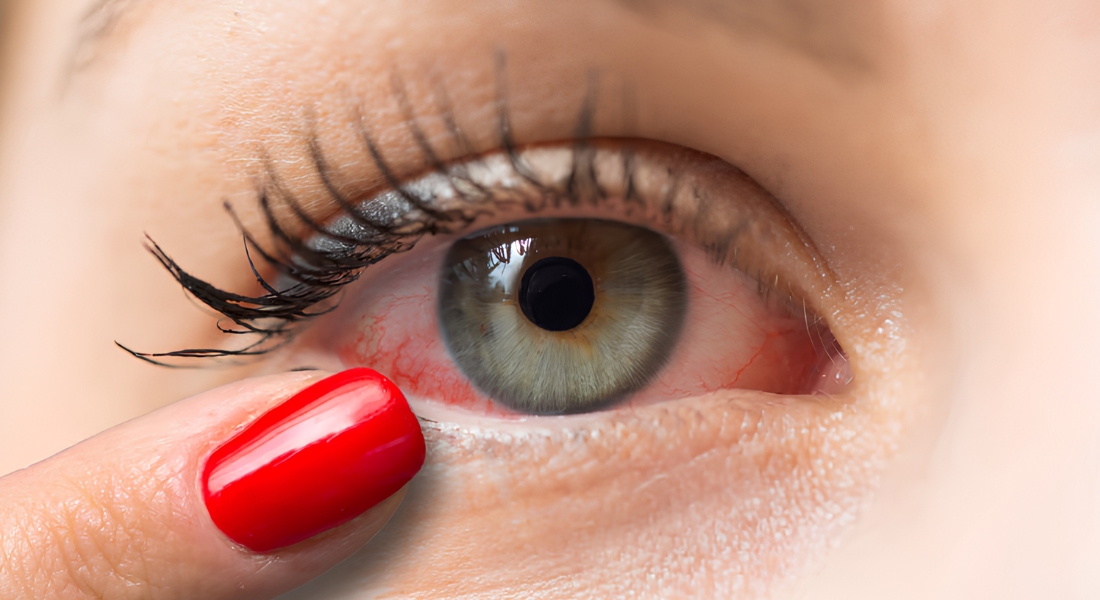
Several eye conditions can develop without causing obvious symptoms during their early stages. Although your vision may seem perfectly normal, hidden changes can still occur inside the eyes, making regular check-ups important for maintaining good eye health.
Conditions such as glaucoma, diabetic retinopathy, age-related macular degeneration, and retinal tears often progress quietly over time. By the time you notice blurred vision or other visual changes, some damage may already have occurred, making early detection especially valuable for your long-term eyesight.
Routine eye examinations help identify these conditions before they become more serious or begin to affect daily life. Early diagnosis allows your eye care professional to discuss appropriate treatment or monitoring options and may help reduce the risk of avoidable vision loss in some conditions.
Comparison Table
| Condition | What it affects | Why early detection matters |
| Glaucoma | Optic nerve | Helps reduce risk of vision loss |
| AMD | Central vision | Allows monitoring and early management |
| Diabetic retinopathy | Retinal blood vessels | Helps reduce complications |
| Cataracts | Eye lens | Enables timely treatment discussion |
Glaucoma: The Silent Threat to Sight
Glaucoma is often called the “silent thief of sight” because it usually develops without pain or obvious warning signs. The condition gradually damages the optic nerve, which carries visual information from your eyes to your brain.
In many cases, glaucoma affects peripheral vision before central eyesight, making it difficult to notice in everyday life. You may continue reading, driving, and carrying out normal activities because gradual changes in peripheral vision can be difficult to notice.
Regular eye examinations can help identify signs of glaucoma at an earlier stage, allowing your eye care professional to recommend appropriate monitoring or treatment. Although existing damage cannot usually be reversed, early treatment can help reduce the risk of further vision loss and may slow disease progression in many people.
Age-related Macular Degeneration and Early Detection
Age-related macular degeneration, often shortened to AMD, mainly affects the central part of your vision. The condition becomes more common with increasing age, although early changes may not cause noticeable symptoms.
The macula is responsible for detailed tasks such as reading, recognising faces, and seeing fine detail. As changes develop gradually, you may adapt without realising that your central vision is slowly becoming affected.
Routine eye examinations may identify early signs of AMD before significant changes to your daily activities occur. Early detection allows your eye care professional to recommend appropriate monitoring, lifestyle changes, or treatment to support your long-term vision.
Diabetic Eye Disease Can Develop Before Vision Changes
If you have diabetes, regular eye examinations become especially important because high blood sugar can damage the tiny blood vessels inside the retina. This condition, known as diabetic retinopathy, can develop long before you notice any changes in your eyesight.
Many people with diabetic eye disease continue to see clearly during the early stages, even while damage is occurring. As the condition progresses, you may experience blurred vision, bleeding inside the eye, or, in more advanced cases, permanent sight loss if it is left untreated.
Comprehensive eye examinations can detect these changes at an early stage, often before symptoms appear. Early diagnosis allows you to receive appropriate treatment and monitoring, helping to reduce the risk of serious complications and support your long-term vision.
High Blood Pressure and Other Health Conditions Found During Eye Exams
Eye examinations can sometimes provide useful information about aspects of your general health. During a comprehensive eye examination, your eye care professional may notice changes that suggest an underlying medical condition rather than an eye problem alone.
For example, high blood pressure can affect the tiny blood vessels in the retina, making certain changes visible during an examination. Certain changes in the eyes may sometimes indicate possible health concerns, such as diabetes or high blood pressure, which may require further assessment by your GP.
Although an eye examination does not replace a medical check-up, it can provide valuable clues about your general wellbeing. If anything unusual is detected, your eye care professional may advise you to visit your GP, allowing you to receive further assessment and appropriate treatment as early as possible.
What Happens During a Comprehensive Eye Examination?
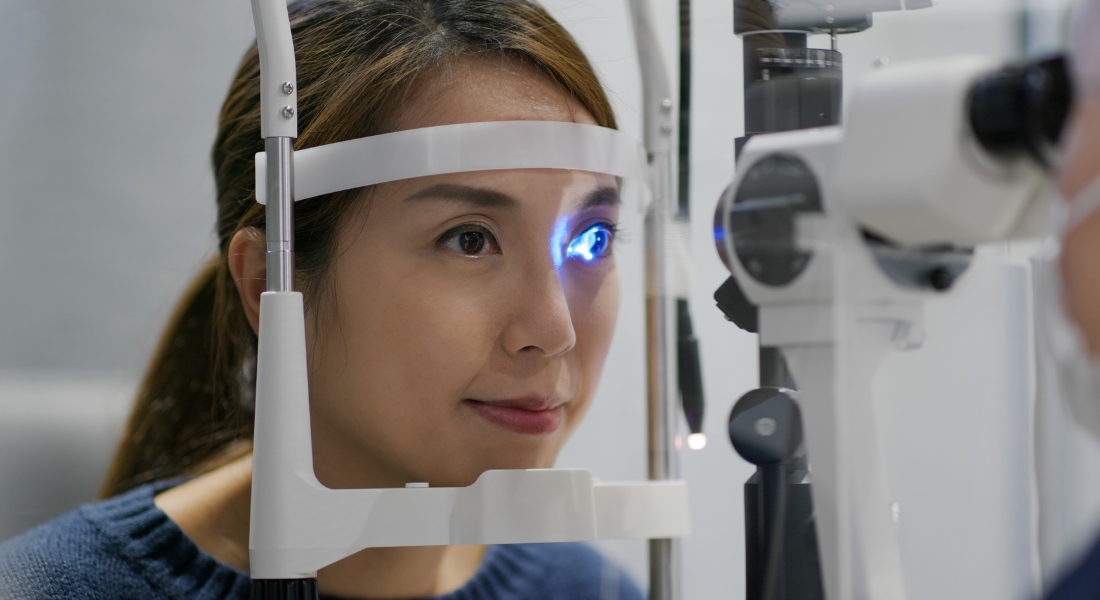
Many people delay booking an eye examination because they are unsure what to expect during the appointment. In reality, a comprehensive eye examination is straightforward, comfortable, and designed to assess both your vision and your overall eye health.
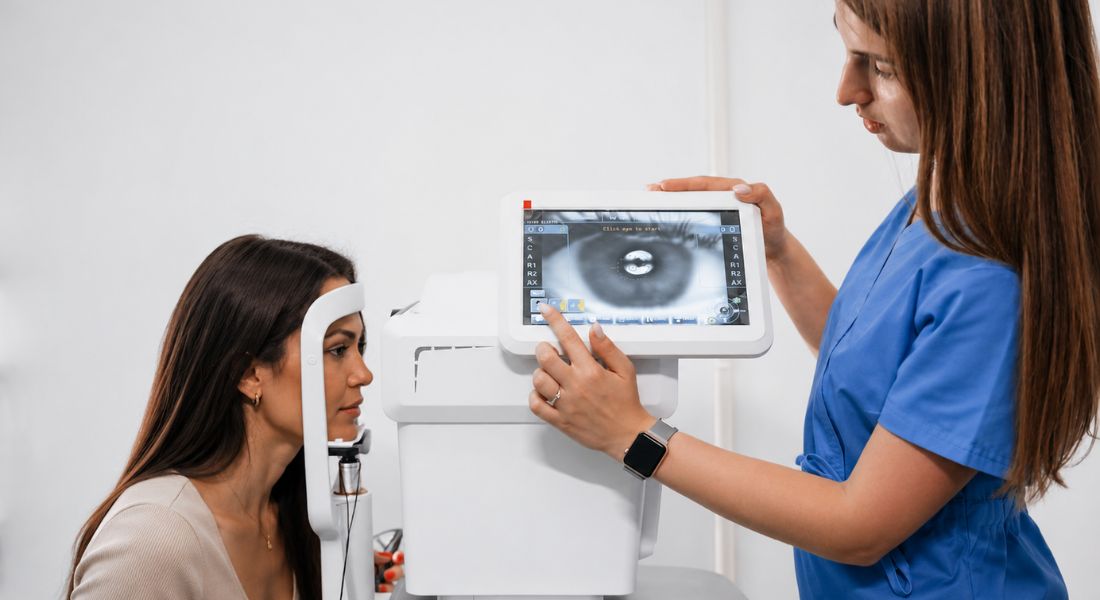
Your appointment may include a discussion about your medical history, a vision assessment, and checks of eye pressure and eye movements. Your eye care professional will also examine the front and back of your eyes using specialised instruments, helping to identify any changes that may not be causing symptoms.
Each part of the examination provides valuable information about the health of the different structures within your eyes. Even if your vision has not changed, regular checks help detect problems early and allow appropriate management if changes are identified in the future.
How Often Should You Have an Eye Examination?
The ideal frequency of eye examinations depends on your age, general health, and individual risk factors. Although everyone benefits from regular eye examinations, your eye care professional may recommend a schedule that is most suitable for your specific needs.
In the UK, many adults are advised to have regular sight tests, often every two years, although some people may need examinations more frequently depending on their age, medical history, or risk factors.
Children, older adults, people with diabetes, and those with a family history of eye disease often need eye examinations more frequently. If you fall into one of these groups, your optometrist or ophthalmologist will advise you on how often your eyes should be checked.
Eye Examination Recommendations for Children
Good vision plays an essential role in a child’s learning, development, and confidence. As a parent, you may not realise there is a problem because children often assume that the way they see is completely normal.
Routine eye examinations can identify conditions such as lazy eye, squint, or the need for glasses before they begin to affect schoolwork or everyday activities. Early diagnosis may help reduce avoidable risks and support appropriate management of vision problems.
Eye care should be treated as an important part of your child’s overall health and wellbeing. By arranging regular eye examinations, you can help support your child’s vision and healthy learning, play, and development with confidence.
Why Adults Under 40 Should Not Skip Eye Examinations
Many adults under the age of 40 believe they only need an eye examination if they experience blurred vision or frequent headaches. Although younger eyes are generally healthy, you can still develop vision problems or eye conditions without noticing any obvious symptoms.
Current evidence suggests that digital eye strain commonly causes temporary symptoms such as dryness, tired eyes, and discomfort, rather than permanent eye damage in most cases. While digital eye strain is often temporary, regular eye examinations help you rule out underlying conditions and ensure your eyes remain healthy.
Routine eye examinations also create a valuable baseline that can be used for future comparisons. If changes develop later in life, your eye care professional can compare your current results with previous examinations, allowing you to receive the right advice and care more quickly.
Eye Care Needs After the Age of 40
As you grow older, the risk of developing certain eye conditions naturally begins to increase. You may also notice changes in your vision, particularly when reading small print or focusing on nearby objects, even if your distance vision still seems clear.
After the age of 40, conditions such as cataracts, glaucoma, and age-related macular degeneration become more common. These conditions often develop gradually, so you may not notice any obvious symptoms until they have already progressed.
Regular eye examinations help detect these changes as early as possible, giving you the best opportunity to help maintain your eye health. Early diagnosis allows your eye care professional to recommend appropriate treatment or monitoring, helping you maintain healthy vision for many years to come.
Family History and Other Risk Factors to Consider
Your family history can play an important role in your overall eye health. If a close relative has been diagnosed with glaucoma, macular degeneration, or another inherited eye condition, your own risk of developing similar problems may be higher.
Other factors can also increase the likelihood of eye disease, including diabetes, high blood pressure, smoking, obesity, previous eye injuries, and prolonged exposure to ultraviolet sunlight. Certain medications may also affect your eyes over time, so it is important to discuss your medical history during your appointment.
Sharing information about your health and lifestyle helps your eye care professional assess your individual level of risk. This allows you to receive personalised advice and an examination schedule that is appropriate for your needs and supports your long-term eye health.
Digital Screen Use and Why It Doesn’t Replace Professional Eye Care
Many of us spend several hours each day looking at digital screens for work, study, or entertainment. Although you may experience tired eyes, dryness, or temporary blurred vision, these everyday symptoms do not replace the need for regular professional eye examinations.
Screen-related discomfort is often caused by reduced blinking and prolonged focusing rather than a serious eye disease. However, you should remember that similar symptoms can sometimes be linked to underlying eye conditions, so it is important to have your eyes examined if problems persist.
Taking regular breaks, adjusting your screen position, and maintaining good lighting may help reduce discomfort during prolonged screen use. These healthy habits support your eye health, but you should still attend routine eye examinations to help support your vision in the long term.
Common Myths About Eye Examinations Debunked
One of the most common myths is that you only need an eye examination when your vision becomes blurry. In reality, many serious eye conditions can develop without affecting your eyesight, which is why regular eye examinations remain important even if you can see clearly.
Another common misconception is that wearing glasses weakens your eyes over time. Glasses simply correct your vision to help you see more clearly, and they do not make your eyesight worse or cause your eyes to become dependent on them.
Some people also believe that eye examinations are only necessary for older adults. Although age increases the risk of certain eye conditions, you can benefit from routine eye examinations at any stage of life, helping you protect your long-term eye health.
Clinical Tip: Do Not Ignore Sudden Vision Changes
Sudden symptoms such as vision loss, flashes of light, a sudden increase in floaters, or severe eye pain should be assessed promptly because some eye emergencies require urgent treatment.
When You Should Book an Eye Examination Immediately
Although routine eye examinations are important, some symptoms require prompt attention from an eye care professional. If you experience a sudden change in your vision, you should not ignore it, even if your eyesight appears to improve after a short time.
You should arrange an urgent eye examination if you notice flashes of light, a sudden increase in floaters, severe eye pain, double vision, or the loss of part of your visual field. Redness, swelling, or an eye injury should also be assessed quickly, allowing you to receive the appropriate care without unnecessary delay.
Seeking professional advice as soon as possible can make a significant difference to the outcome of many eye conditions. Early assessment gives you the best chance of successful treatment and helps reduce the risk of permanent damage to your eyesight.
If you experience sudden changes in your vision, severe eye pain, or symptoms affecting only one eye, do not wait for a routine appointment. Seek urgent advice from an eye care professional, as some eye conditions require prompt assessment and treatment.
Why Choosing an Experienced Eye Care Provider Matters
Regular eye examinations are only one part of protecting your vision, as the quality of the care you receive is equally important. Choosing an experienced eye care provider gives you confidence that your eyes are being assessed using modern equipment, clinical expertise, and a thorough approach.
If you are looking for professional eye care, Eye Clinic London offers comprehensive eye examinations and specialist services tailored to your individual needs. Whether you need a routine check-up or a more detailed assessment, you can expect personalised care focused on protecting your long-term eye health.
Building a long-term relationship with a trusted eye care provider also makes it easier to monitor changes over time. By attending regular appointments, you give your eye care professional a clear history of your eye health, helping you receive the most appropriate advice, treatment, or follow-up care whenever it is needed.
Simple Habits That Help Keep Your Eyes Healthy
Looking after your eyes involves more than simply attending regular eye examinations. By following a few healthy daily habits, you can support your long-term eye health and help keep your vision clear throughout every stage of life.
Eating a balanced diet rich in leafy greens, oily fish, colourful fruit, and vegetables provides nutrients that help protect your eyes. You should also wear sunglasses with UV protection and avoid smoking, as these simple choices can reduce the risk of developing certain eye conditions.
Taking regular breaks from digital screens, staying well hydrated, and wearing protective eyewear during sports or DIY projects can all help keep your eyes healthy. When you combine these everyday habits with routine eye examinations, you give yourself the best chance of maintaining good vision for years to come.
Key Facts:
- Clear vision does not always mean healthy eyes.
- Some eye conditions develop without early symptoms.
- Eye examinations check more than your need for glasses.
- Early detection allows appropriate monitoring and may support timely treatment where needed.
FAQs:
- If my vision is clear, do I still need regular eye examinations?
Yes. Clear vision does not always mean your eyes are healthy, as many eye diseases develop without noticeable symptoms. Regular eye examinations help detect hidden problems before they affect your eyesight. - How often should I have an eye examination?
The recommended frequency depends on your age, overall health, and personal risk factors. Your optometrist or ophthalmologist can advise how often you should book an eye examination based on your individual needs. - What eye conditions can be detected during a routine eye examination?
A comprehensive eye examination can detect conditions such as glaucoma, age-related macular degeneration (AMD), diabetic retinopathy, cataracts, and retinal problems. Many of these conditions can be identified before they cause vision changes. - Why is glaucoma called the “silent thief of sight”?
Glaucoma often develops without pain or obvious symptoms while gradually damaging the optic nerve. Early detection through routine eye examinations can help slow its progression and protect your remaining vision. - Are eye examinations important for people with diabetes?
Yes. Diabetes can damage the blood vessels in the retina even before you notice any changes in your vision. Regular eye examinations help detect diabetic retinopathy early, making treatment more effective. - Can an eye examination sometimes provide clues about other health problems?
Yes. During an eye examination, your eye care professional may notice signs of high blood pressure, diabetes, high cholesterol, or other health conditions. These findings may lead to further medical assessment if needed. - What happens during a comprehensive eye examination?
A comprehensive eye examination includes checking your vision, eye pressure, eye movements, and the health of both the front and back of your eyes. Specialised equipment allows your eye care professional to detect problems that may not cause symptoms. - Does spending a lot of time on digital screens replace the need for eye examinations?
No. Digital screen use may cause temporary eye strain, dryness, or blurred vision, but it cannot assess your overall eye health. Regular professional eye examinations remain essential for detecting hidden eye conditions. - When should I arrange an urgent eye examination?
You should seek urgent eye care if you experience sudden vision loss, flashes of light, a sudden increase in floaters, severe eye pain, double vision, or an eye injury. Prompt assessment can help prevent permanent damage in many cases. - What can I do to help keep my eyes healthy between eye examinations?
Maintain a balanced diet, wear UV-protective sunglasses, avoid smoking, and take regular breaks from digital screens. These healthy habits support long-term eye health and work alongside routine eye examinations.
Final Thoughts: Protect Your Vision with Regular Eye Care
Clear vision does not always mean your eyes are completely healthy. Many eye diseases can develop silently without affecting your eyesight in their early stages, which is why regular eye examinations are important for people of all ages. By detecting problems early, routine eye examinations can help support your vision, support timely treatment, and provide reassurance that your eyes remain in good health.
If you would like to protect your long-term eye health, contact us at Eye Clinic London to arrange a comprehensive eye examination or consultation to arrange a comprehensive eye examination or consultation.
References:
- Henriques, J., Vaz-Pereira, S., Nascimento, J. and Rosa, P.C. (2015) ‘Diabetic eye disease’, Revista Brasileira de Oftalmologia, 74(4), pp. 259–263. Available at: https://pubmed.ncbi.nlm.nih.gov/25817504/
- Quigley, H.A. and Broman, A.T. (2006) ‘The number of people with glaucoma worldwide in 2010 and 2020’, British Journal of Ophthalmology, 90(3), pp. 262–267. Available at: https://pmc.ncbi.nlm.nih.gov/articles/PMC1856963/
- Yadav, S. and Tandon, R. (2019) ‘Comprehensive eye examination: what does it mean?’, Community Eye Health, 32(107), pp. S1–S4. Available at: https://pmc.ncbi.nlm.nih.gov/articles/PMC7041818/
- Chuck, R.S., Dunn, S.P., Flaxel, C.J., Gedde, S.J., Mah, F.S., Miller, K.M., Wallace, D.K. and Musch, D.C. (2021) ‘Comprehensive Adult Medical Eye Evaluation Preferred Practice Pattern®’, Ophthalmology, 128(1), pp. P1–P29. Available at: https://www.sciencedirect.com/science/article/pii/S0161642020310265
- Safi, H., Safi, S., Hafezi-Moghadam, A. and Ahmadieh, H. (2018) ‘Early detection of diabetic retinopathy’, Survey of Ophthalmology, 63(5), pp. 601–608. Available at: https://www.sciencedirect.com/science/article/pii/S0039625717303235