

Why Early Detection Is Becoming the Biggest Trend in Eye Care
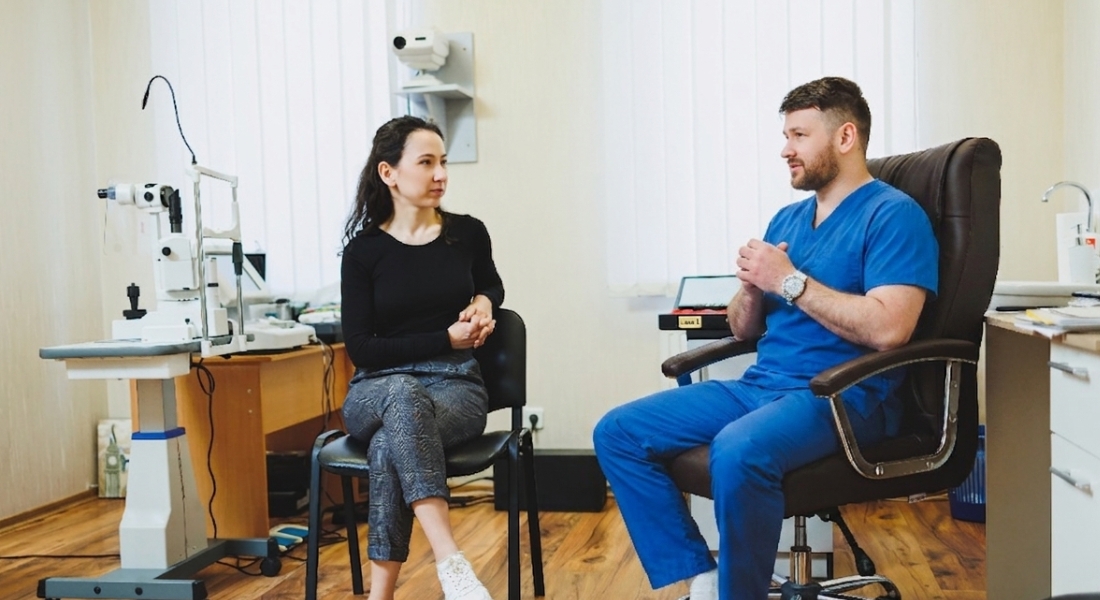
Early detection is becoming one of the biggest priorities in modern eye care. Many eye conditions can develop gradually without causing noticeable symptoms in the beginning. By the time some eye conditions cause noticeable changes in vision, damage may already have developed, which is why identifying problems earlier has become so important.
Eye care is increasingly moving towards earlier diagnosis, improved screening and more advanced imaging techniques. The aim is not only to treat conditions once they become more serious, but also to identify early warning signs and risk factors before they have a major impact on vision. This shift is changing the way eye specialists approach long-term eye health and prevention.
Advances in technology have made early detection more effective than ever. Tools such as optical coherence tomography (OCT), retinal photography, visual field testing, corneal imaging and digital screening systems can reveal subtle changes that may not be visible during a standard eye examination. These technologies help specialists monitor progression, assess treatment response and make more informed decisions about care.
Early detection does not always mean immediate treatment is needed. In many cases, it may involve careful monitoring, managing risk factors or planning the right intervention at the most appropriate time. By identifying changes earlier, you and your eye specialist have more information, more options and a better opportunity to protect your vision over the long term.
Eye Care Is Becoming More Preventative
Modern eye care is becoming more focused on prevention and early intervention. Rather than waiting until you notice a change in your sight, specialists aim to identify eye disease at an earlier stage. This is important because some eye conditions can develop without causing obvious symptoms at first.
Preventive eye care may include regular eye examinations, screening programmes, detailed imaging, and an assessment of your individual risk factors. These checks can help detect problems before they significantly affect your daily life. Depending on the findings, your specialist may recommend monitoring, lifestyle changes, medication, laser treatment, injections, or surgery.
This approach reflects a wider shift towards identifying risks earlier and managing eye conditions before they significantly affect vision. By attending recommended eye checks and seeking advice when you notice changes, you may improve the chance of receiving timely care. Early detection cannot prevent every problem, but it can provide more options for managing your eye health.
Many Eye Conditions Begin Silently
One of the main reasons early detection matters is that many eye conditions can develop without noticeable warning signs. You may still be able to read, drive, work, and complete your usual activities while changes are quietly developing inside your eyes.
Glaucoma is a good example of why routine eye checks are important. It often develops gradually and may not cause symptoms in the early stages. Regular eye examinations can help detect signs of glaucoma before significant vision loss occurs, allowing your specialist to discuss monitoring or treatment options that may help protect your sight.
Because symptoms alone cannot always show whether your eyes are healthy, regular eye examinations remain an important part of preventative care. Even if your vision feels normal, an eye check can identify changes that you may not notice yourself.
Common Eye Conditions and Why Early Detection Matters
| Eye Condition | Why Early Detection Matters |
| Glaucoma | Can damage the optic nerve without early symptoms. Timely diagnosis may help slow further vision loss through monitoring or treatment. |
| Diabetic Retinopathy | Retinal changes may develop before vision is affected. Regular screening helps identify problems early and guide treatment if required. |
| Age-Related Macular Degeneration (AMD) | Detecting changes early helps monitor disease progression and identify when treatment may be needed. |
| Cataracts | Early assessment helps confirm whether cataracts are causing vision changes and supports planning the right time for surgery if necessary. |
| Retinal Disorders | Prompt diagnosis of retinal problems can help guide urgent treatment and reduce the risk of permanent sight loss in some cases. |
Imaging Technology Has Changed Diagnosis
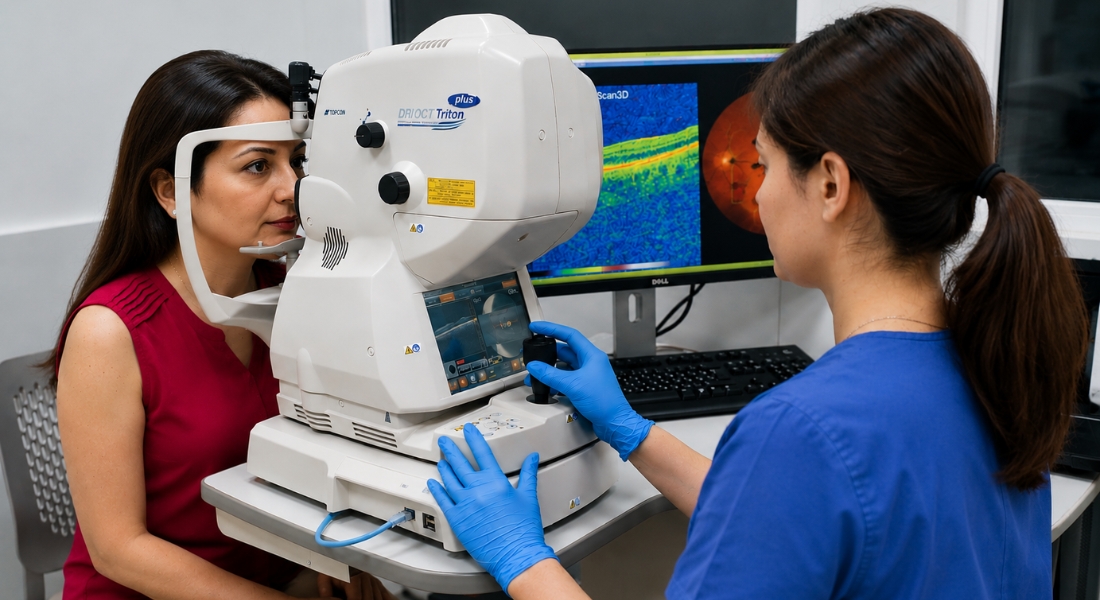
Advanced imaging has transformed the way eye conditions are detected and monitored. Modern technology allows eye specialists to examine structures inside your eye in much greater detail, helping identify subtle changes that may not yet be causing noticeable symptoms.
Optical coherence tomography (OCT) provides detailed cross-sectional images of the retina and optic nerve. It can support the assessment and monitoring of conditions such as glaucoma, diabetic eye disease, and age-related macular degeneration by showing changes that may not be visible during a standard examination alone.
However, imaging is only one part of an eye assessment. Your specialist will interpret scan results alongside your symptoms, medical history, eye examination findings, and individual risk factors to make a complete assessment of your eye health.
Routine Eye Examinations Are More Than Vision Checks
Many people think an eye test is only about checking whether you need glasses or whether your prescription has changed. In reality, a comprehensive eye examination also looks at the health of your eyes and may identify early signs of disease before you notice any changes in your vision.
During an eye examination, your eye specialist may check eye pressure, examine the optic nerve, assess the retina, and look for signs of inflammation or other abnormalities. Depending on your age, medical history, and risk factors, you may be offered additional tests such as visual field testing, retinal imaging, or optical coherence tomography (OCT).
This broader approach is why regular eye checks are so important. They do not only help you see clearly but can also identify eye conditions that may not cause obvious symptoms in the early stages.
Glaucoma Detection Is a Major Priority
Glaucoma is one of the clearest examples of why early detection is important in eye care. It can gradually damage the optic nerve, and many people do not notice symptoms in the early stages. Vision loss often begins with peripheral vision changes, while central vision may remain unaffected until later stages.
Once vision loss caused by glaucoma occurs, it cannot usually be reversed. However, identifying glaucoma early allows treatment and monitoring to begin, which may help slow further damage and reduce the risk of vision worsening over time.
This is why eye pressure checks, optic nerve examinations, and visual field testing are important parts of glaucoma assessment. Regular eye examinations can help identify changes earlier, giving you and your specialist more opportunities to protect your long-term vision.
Diabetic Eye Screening Shows the Value of Early Diagnosis
Diabetic eye disease is another important example of why early detection matters. Diabetes can affect the small blood vessels in the retina, and these changes may begin before you notice any difference in your vision.
In the UK, diabetic eye screening helps identify signs of diabetic retinopathy at an early stage, often before symptoms appear. Regular screening allows changes to be monitored and helps ensure that treatment can be considered promptly if it becomes necessary.
Detecting diabetic eye changes early also highlights the importance of managing your overall health. Keeping blood sugar levels, blood pressure, and cholesterol within recommended ranges can form an important part of reducing the risk of eye complications associated with diabetes.
Age-Related Macular Degeneration Needs Timely Attention
Age-related macular degeneration (AMD) affects the macula, which is the central part of the retina responsible for detailed vision. Changes in the macula can affect activities that require clear central vision, such as reading, recognising faces, and seeing fine details.
Early detection helps your specialist understand the type and stage of macular disease. Some people may only need regular monitoring, while others may benefit from treatment if changes are progressing or affecting vision. OCT imaging is often used to assess the structure of the macula and identify changes such as fluid build-up.
You should seek prompt medical advice if you notice sudden distortion, a dark or missing area in your central vision, or a rapid change in your sight. These symptoms may require urgent assessment to identify the cause and determine whether treatment is needed.
Cataracts Can Be Monitored Before They Become Severe
Cataracts usually develop slowly as the natural lens inside your eye becomes cloudy over time. You may notice symptoms such as blurred vision, glare from lights, faded colours, or difficulty seeing clearly while driving at night. Early assessment can help confirm whether a cataract is causing these changes. An eye examination can also identify whether another condition, such as a retinal or optic nerve problem, may be contributing to changes in vision.
Not every cataract needs immediate surgery. If the cataract is at an earlier stage and is not significantly affecting your daily activities, your specialist may recommend monitoring it over time. This gives you the opportunity to discuss when treatment may be appropriate, the different lens options available, and what you can realistically expect from surgery.
Early diagnosis also helps your eye specialist consider other possible causes of vision changes. Blurred vision is not always caused by cataracts, so a thorough eye examination is important to identify the reason for your symptoms and guide appropriate care.
Retinal Imaging Supports Long-Term Monitoring
Retinal imaging allows your eye specialist to capture detailed images of the back of your eye. These images provide a record that can be reviewed during future appointments, making it easier to identify changes that may develop gradually over time.
This is especially helpful for eye conditions that progress slowly. Comparing current images with previous scans can help your specialist understand whether a finding is stable, changing, or requires closer monitoring. This information can support decisions about follow-up appointments and ongoing care.
Retinal imaging is not a replacement for a complete eye examination, but it provides valuable additional information. When combined with your symptoms, examination findings, and medical history, it helps create a clearer picture of your long-term eye health.
OCT Has Become Central to Modern Ophthalmology
Optical coherence tomography (OCT) has become an important tool in modern eye care. It is a non-invasive scan that creates detailed images of the different layers of the retina and optic nerve, helping your specialist identify changes that may not be visible during a standard eye examination.
For glaucoma, OCT can help assess the thickness of the retinal nerve fibre layer and examine the structure of the optic nerve. In macular conditions, it can show changes such as fluid, swelling, thinning, or other structural differences. For diabetic eye disease, OCT can help assess retinal changes, including macular swelling.
The value of OCT is not only in detecting eye conditions but also in monitoring them over time. Repeated scans allow your specialist to compare changes and understand whether a condition appears stable, progressing, or needs closer management.
Visual Field Testing Detects Functional Change
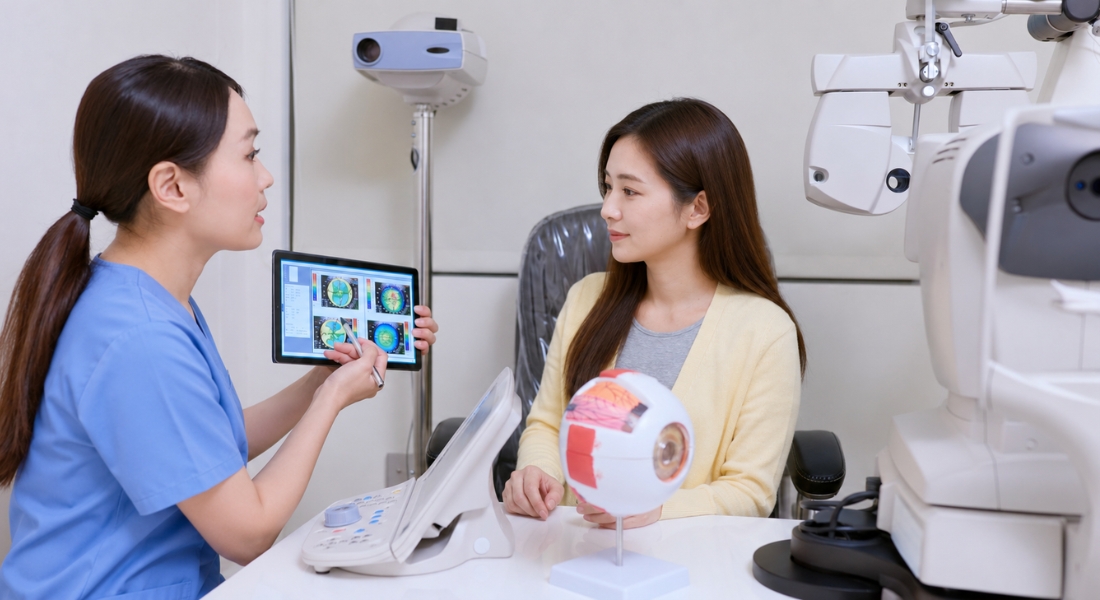
While imaging shows the structure of your eye, visual field testing helps assess how well your vision is working. This is particularly important in glaucoma, where changes to peripheral vision can develop before you notice any difference in your everyday sight.
A visual field test checks for areas where your vision may be reduced or missing. Your specialist can compare results over time to identify whether changes are stable or whether there are signs of progression. This information can help guide decisions about monitoring and treatment.
Although visual field testing can feel repetitive or require concentration, it provides valuable information that cannot always be gained from imaging alone. It helps identify functional changes that may not be obvious during your normal daily activities.
Artificial Intelligence Is Supporting Screening
Artificial intelligence (AI) is becoming an area of growing interest in modern eye care. AI-based tools are being researched and, in some settings, evaluated or introduced to support retinal image analysis and screening pathways. This may help healthcare teams recognise which patients may need further specialist assessment.
However, AI is not a replacement for your eye specialist. It is best viewed as a supporting tool that may assist with image analysis, prioritisation, and improving efficiency. Clinical judgement remains essential, particularly when findings are complex, unexpected, or need to be considered alongside your symptoms and medical history.
As technology continues to develop, AI may become more involved in eye screening and monitoring pathways. The focus will remain on improving early detection while ensuring that accuracy, safety, and expert clinical decision-making remain central to your care.
Evidence Note
Evidence supporting early detection varies depending on the eye condition and technology being used. Established methods such as eye examinations, OCT imaging, visual field testing and diabetic eye screening have an important role in detecting and monitoring disease. Emerging technologies such as artificial intelligence may support screening and image analysis, but they continue to be evaluated alongside clinical expertise.
Teleophthalmology Is Improving Access
Teleophthalmology allows your eye images, scan results, and other test information to be reviewed remotely by specialists. This can support screening, follow-up care, and triage by helping healthcare teams decide who may need further assessment or treatment.
This approach can be especially useful when demand for eye care services is high. It may allow some patients to be monitored efficiently while helping specialists identify people who need a face-to-face appointment more quickly. Remote review can also support community-based eye care and improve access for some patients.
However, teleophthalmology is not suitable for every situation. Some symptoms and findings require an in-person eye examination, particularly if you experience sudden changes in vision, severe eye symptoms, or signs that may require urgent assessment.
Risk-Based Eye Care Is Becoming More Common
Not everyone has the same risk of developing eye disease. Factors such as your age, family history, medical conditions, medication use, previous eye problems, and other individual risk factors can influence how often you may need eye checks and monitoring.
For example, if you have diabetes, a strong family history of glaucoma, or a history of retinal disease, your specialist may recommend more regular assessments. If you have a lower risk profile and no symptoms, your follow-up plan may be different. This personalised approach helps ensure that monitoring is focused where it is most beneficial.
Risk-based eye care is not about testing everyone unnecessarily. Instead, it aims to match the level of care to your individual circumstances, helping identify problems early while avoiding unnecessary worry and appointments.
Earlier Diagnosis Can Protect Independence
Your vision plays an important role in maintaining independence. It affects everyday activities such as reading, driving, working, walking safely, recognising faces, and managing tasks at home. Changes in vision can therefore have a significant effect on your confidence, safety, and quality of life.
Early detection may help reduce the risk of avoidable sight loss in some eye conditions. When problems are identified sooner, your specialist may have more opportunities to monitor changes, slow progression, treat active disease, or discuss appropriate support when needed.
This is why early diagnosis has become such an important part of modern eye care. Looking after your eyes is not only about reading letters on an eye chart; it is about protecting the vision you rely on every day.
Screening Programmes Are Becoming More Important
Screening programmes are designed to detect eye disease before symptoms become noticeable. Diabetic eye screening is one of the clearest examples of preventative eye care, helping identify retinal changes early so your healthcare team can monitor your eyes and recommend treatment if needed.
If you have diabetes, regular diabetic eye screening is important because diabetic retinopathy can develop before you notice any changes in your vision. In the UK, eligible people with diabetes are invited for screening to help detect retinal changes at an early stage and reduce the risk of avoidable sight loss.
Screening is an important part of protecting your eye health, but it is not a replacement for a full eye examination. You may still need routine eye tests, specialist reviews, or additional investigations depending on your symptoms, risk factors, and overall eye health.
UK Guidance Note
In the UK, several national programmes and clinical guidelines support early detection of eye disease. The NHS Diabetic Eye Screening Programme helps identify diabetic retinopathy before significant vision changes occur. NICE guidance also highlights the importance of appropriate assessment, monitoring and management pathways for conditions such as glaucoma.
Patient Awareness Is Part of Early Detection
Technology plays an important role in modern eye care, but your awareness of changes in your vision is equally important. Understanding which symptoms should not be ignored can help you seek advice sooner, especially when changes happen suddenly.
You should seek prompt medical advice if you experience symptoms such as sudden vision loss, new flashes or floaters, a curtain-like shadow across your vision, sudden distortion, severe eye pain, or a very red and painful eye. These symptoms may be linked with eye conditions that require urgent assessment, and waiting for a routine appointment may not always be appropriate.
Early detection depends on both regular eye checks and responding quickly to warning signs. Knowing when to seek help, alongside attending recommended examinations, can play an important role in protecting your sight.
Myth vs Fact
| Myth | Fact |
| If my vision is clear, my eyes must be healthy. | Many eye conditions develop without noticeable symptoms, so regular eye examinations remain important even if your vision seems normal. |
| Eye tests are only for checking whether I need glasses. | Comprehensive eye examinations also assess the health of your eyes and may detect diseases before symptoms develop. |
| Early diagnosis always means immediate treatment. | Some conditions only require regular monitoring, while others may need treatment depending on how they progress. |
| Imaging scans can replace a full eye examination. | Tests such as OCT provide valuable information but are interpreted alongside your symptoms, examination findings and medical history. |
| Only older adults need regular eye checks. | People of all ages may benefit from eye examinations, particularly if they have diabetes, a family history of eye disease or other risk factors. |
| Artificial intelligence can replace an eye specialist. | AI can support screening and image analysis, but diagnosis and treatment decisions still rely on clinical expertise. |
Earlier Detection Can Improve Treatment Timing
Early diagnosis does not always mean that treatment will begin immediately. Instead, it gives your specialist the opportunity to understand your condition and decide whether monitoring, medication, laser treatment, injections, or surgery is the most appropriate approach for your situation.
For some eye conditions, starting treatment at the right time may help protect your vision and reduce the risk of further damage. In other cases, careful monitoring may be the best option until there are clear signs that the condition is changing. Both approaches depend on accurate diagnosis and regular follow-up.
The key is having the right information at the right time. Early detection gives your specialist a clearer understanding of your eye health and allows a more informed approach to managing your vision in the long term.
Regular Follow-Up Is Just as Important as Diagnosis
Finding an eye condition early is only the first step. Many eye diseases require ongoing monitoring because they can change gradually over time. Regular follow-up appointments allow your specialist to assess whether your condition remains stable or whether there are signs of progression.
Your monitoring plan may include repeat scans, visual field tests, eye pressure checks, or retinal photographs. Comparing results over time can provide more valuable information than looking at a single test result because patterns and changes help your specialist understand how your condition is developing.
Keeping your follow-up appointments is an important part of protecting your vision. Even if your sight feels unchanged, regular monitoring can identify changes that may not be noticeable in your daily life and allow your care plan to be adjusted when needed.
Early Detection Is Shaping the Future of Eye Care
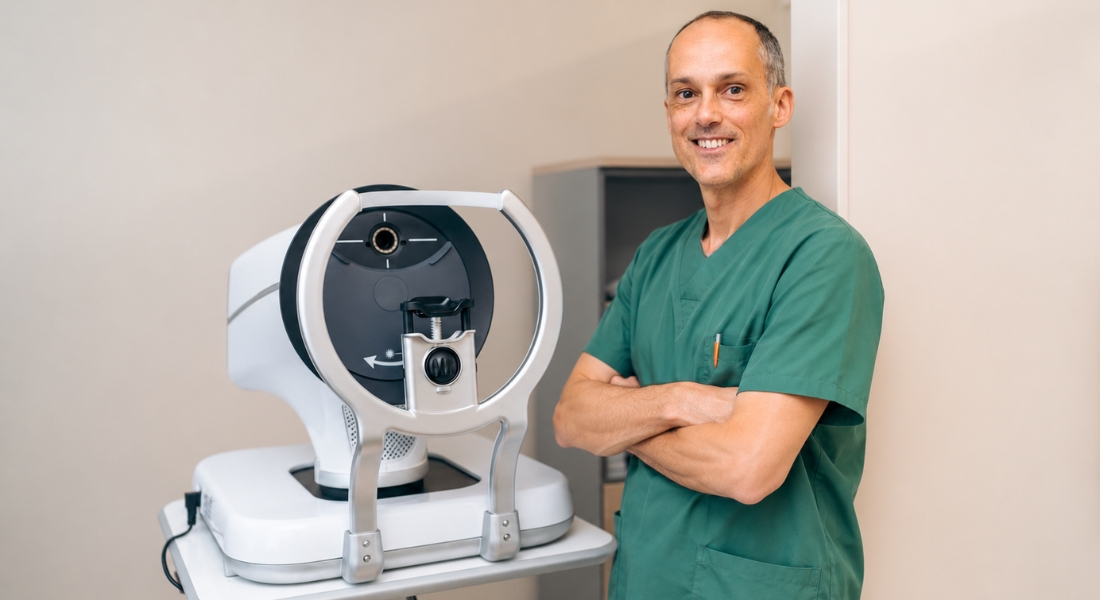
Early detection is becoming a major focus in modern eye care because it supports a more proactive and personalised approach to protecting your vision. Advanced imaging, screening programmes, and risk-based monitoring can help identify eye conditions earlier and guide how often you need follow-up care. This gives you and your specialist more opportunities to manage changes before they significantly affect your daily life.
The future of eye care is likely to involve continued advances in imaging technology, improved screening pathways, AI-supported analysis, and closer collaboration between community and specialist services. These developments may help detect eye conditions sooner and support more informed treatment decisions.
For a comprehensive eye assessment and specialist eye care, you can visit Eye Clinic London. Regular eye examinations and early diagnosis can help you understand your eye health, monitor changes over time, and take appropriate steps to protect your long-term vision.
Key Takeaways
- Many eye conditions can develop without noticeable symptoms.
- Regular eye examinations can identify changes before they affect daily vision.
- OCT, retinal imaging and visual field testing provide valuable information about eye health.
- Early detection does not always mean immediate treatment; sometimes monitoring is the best approach.
- Your age, medical history and risk factors influence how often you may need eye checks.
- Sudden vision changes, flashes, floaters, curtain-like shadows or severe eye pain require prompt medical assessment.
- AI may support eye screening and image analysis, but clinical judgement remains essential.
Frequently Asked Questions
- Why is early detection important in eye care?
Many eye conditions develop gradually and may not cause noticeable symptoms in their early stages. Detecting these conditions early can allow closer monitoring or timely treatment, helping to reduce the risk of permanent vision loss in suitable cases. - Which eye diseases can be detected early?
Regular eye examinations may help detect conditions such as glaucoma, diabetic retinopathy, age-related macular degeneration (AMD), cataracts, retinal disorders, and certain optic nerve problems before they significantly affect vision. - How often should I have an eye examination?
The recommended frequency depends on your age, eye health, family history, and risk factors. Your optometrist or ophthalmologist can advise how often you should have your eyes checked. People at higher risk may require more frequent reviews depending on their individual circumstances. - What is OCT and why is it used?
Optical coherence tomography (OCT) is a non-invasive imaging test that creates detailed cross-sectional images of the retina and optic nerve. It helps detect, diagnose, and monitor many eye conditions, often identifying structural changes before symptoms develop. - Can an eye examination detect problems before I notice symptoms?
Yes. Many eye diseases, including glaucoma and diabetic eye disease, can develop without obvious symptoms. A comprehensive eye examination can identify early changes that may not affect your vision initially. - What symptoms should never be ignored?
Seek urgent medical attention if you experience sudden vision loss, flashes of light, a sudden increase in floaters, a curtain-like shadow across your vision, severe eye pain, or sudden distortion of central vision, as these may indicate serious eye conditions. - Who is at higher risk of developing eye disease?
Risk factors include increasing age, diabetes, high blood pressure, a family history of eye disease, smoking, high levels of short-sightedness, and certain ethnic backgrounds associated with increased risk of specific eye conditions. Your ophthalmologist or optometrist can advise how these factors affect your individual risk. - Can artificial intelligence replace an ophthalmologist?
No. Artificial intelligence is designed to assist with analysing images and supporting screening programmes, but it does not replace the expertise, examination, and clinical judgement of an ophthalmologist or optometrist. - Does early diagnosis always mean immediate treatment?
Not necessarily. Some conditions only require regular monitoring, while others benefit from medication, laser treatment, injections, or surgery. Early diagnosis provides more opportunities to choose the most appropriate management at the right time. - How can I help protect my long-term eye health?
Attend regular eye examinations, manage medical conditions such as diabetes and high blood pressure, avoid smoking, eat a balanced diet, protect your eyes from excessive UV exposure, and seek prompt medical advice if you notice any sudden changes in your vision.
Final Thoughts: The Importance of Early Detection in Protecting Your Vision
Early detection is becoming an increasingly important part of modern eye care because many eye conditions can develop before noticeable symptoms appear. Regular eye examinations, advanced imaging, and personalised risk assessment allow eye specialists to identify changes earlier and recommend appropriate monitoring or treatment when needed.
Protecting your vision is not only about responding when problems occur. It is also about understanding your individual risks, attending recommended eye checks, and seeking advice when you notice changes in your sight. If you would like to understand your eye health better, a comprehensive eye assessment with Eye Clinic London can help identify potential concerns and provide personalised advice based on your individual needs.
References:
- NHS (2023) ‘Visiting an optician’. Page last reviewed 4 May 2023. Available at: https://www.nhs.uk/nhs-services/opticians/visiting-an-optician/
- NHS (2024) ‘Diabetic eye screening’. Page last reviewed 25 October 2024. Available at: https://www.nhs.uk/tests-and-treatments/diabetic-eye-screening/
- National Institute for Health and Care Excellence (NICE) (2017, updated 2022; reviewed 2025) ‘Glaucoma: diagnosis and management (NICE guideline NG81)’. Available at: https://www.nice.org.uk/guidance/ng81
- Royal College of Ophthalmologists (RCOphth) (no date) ‘Standards and guidance’. Available at: https://www.rcophth.ac.uk/standards-and-guidance/
- Cambridge University Hospitals NHS Foundation Trust (2023) ‘Optical coherence tomography (OCT) and photography clinic with virtual review’. Approved 22 August 2023. Available at: https://www.cuh.nhs.uk/patient-information/optical-coherence-tomography-oct-and-photography-clinic-with-virtual-review/