


How Home Monitoring Is Changing the Management of Eye Diseases
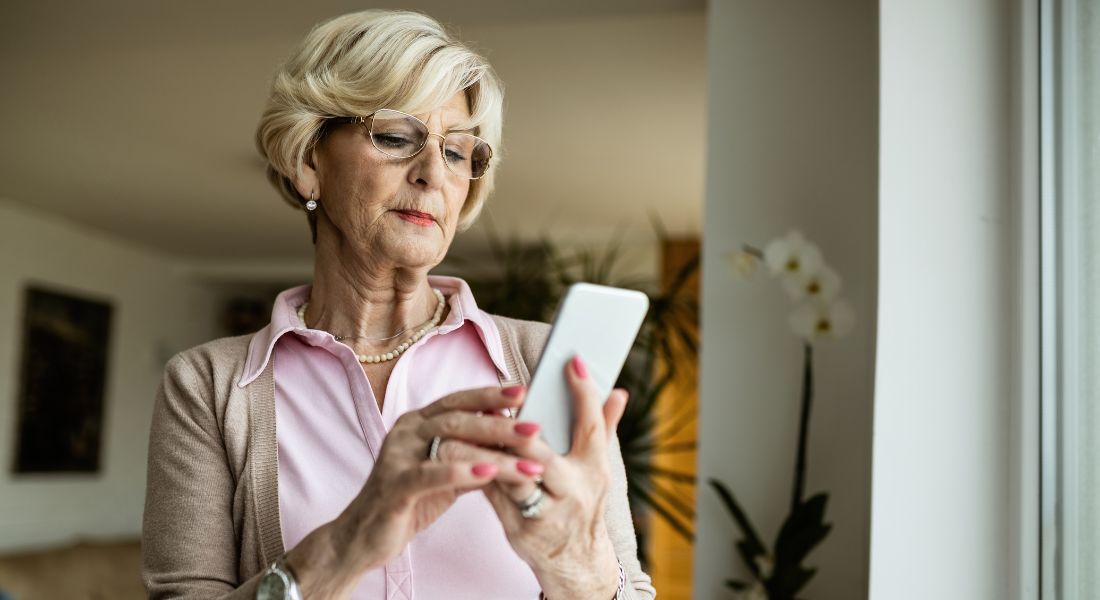
Digital technology is transforming the way healthcare is delivered, and eye care is increasingly benefiting from remote monitoring solutions. Traditionally, you may have needed to attend regular clinic appointments for vision checks, scans and assessments. However, advances in digital tools now allow certain aspects of your eye health to be monitored from home.
Home monitoring does not replace professional eye examinations or specialist advice, but it can provide valuable information between appointments. This additional data can help your eye care team understand how your condition is changing over time. It may also support earlier identification of potential concerns that need further attention.
For people living with long-term eye conditions, regular monitoring can play an important role in maintaining eye health. By combining home-based technology with specialist care, you can benefit from a more proactive and personalised approach. This allows your care team to make decisions based on a clearer picture of your ongoing eye health.
The Growth of Digital Eye Monitoring
The growth of digital healthcare has created new ways to monitor eye conditions beyond traditional clinic visits. Advances in portable devices, smartphone technology and artificial intelligence are making home monitoring more practical and accessible. These tools are helping patients and specialists gather additional information more easily over time.
Many eye conditions require regular observation because changes can happen gradually without obvious symptoms. While clinic appointments provide important assessments, they only show a snapshot of your eye health at a particular point in time. More frequent monitoring can help reveal changes that may otherwise go unnoticed between visits.
Home monitoring allows you to collect information about your eye health more regularly and share it with your healthcare team. This gives specialists a broader understanding of how your condition is progressing. With more detailed information available, they can make better-informed decisions about your ongoing care.
How Home Monitoring Works
Home monitoring uses digital tools and devices that allow you to track certain aspects of your eye health without always needing to visit a clinic. Depending on your condition, these technologies may help assess changes in your vision, eye pressure, retinal images or symptoms. The type of monitoring used will depend on your individual needs and treatment plan.
Some digital monitoring systems can send your results directly to your healthcare provider for review. This allows your specialist team to keep track of changes and maintain a more continuous connection with you between appointments. Regular updates can help your doctors understand how your eye condition is progressing.
Home monitoring is not designed to replace professional eye examinations or specialist care. Instead, it provides additional information that can support diagnosis, treatment decisions and follow-up appointments. By combining digital monitoring with clinical assessments, your eye care can become more proactive and personalised.
The Importance Of Regular Eye Monitoring
Many eye conditions develop slowly, and early changes may not always be easy for you to notice. Regular monitoring allows your eye care team to understand whether your condition is stable or showing signs of progression. This ongoing observation can help ensure that any changes are identified at the right time.
For conditions such as glaucoma, retinal disorders and diabetic eye disease, tracking changes over time is essential for protecting your vision. Regular assessments provide important information about how your eyes are responding and whether your current management plan remains suitable. This can help your specialist make more informed decisions about your care.
By collecting information more frequently, home monitoring may help identify potential concerns earlier. This allows your specialist to review changes and consider whether adjustments to your treatment are needed. Combining home monitoring with regular clinical appointments can support better long-term eye health.
Home Monitoring In Glaucoma Management
Glaucoma is one of the key areas where home monitoring technology is being explored because the condition can progress without noticeable symptoms in its early stages. Regular assessment is important because changes in the optic nerve and vision can occur gradually. Monitoring your eye health closely can help your specialist identify potential concerns sooner.
Traditional glaucoma care involves measuring your eye pressure, examining the optic nerve and carrying out visual field tests during clinic appointments. These assessments provide valuable information about how your condition is progressing. However, they usually only show your eye health at specific points in time.
Some home-based monitoring tools are being developed to provide additional information between your regular appointments. These technologies may help your eye care team understand changes over a longer period. When combined with clinical assessments, they can support a more complete approach to glaucoma management.
Monitoring Eye Pressure At Home
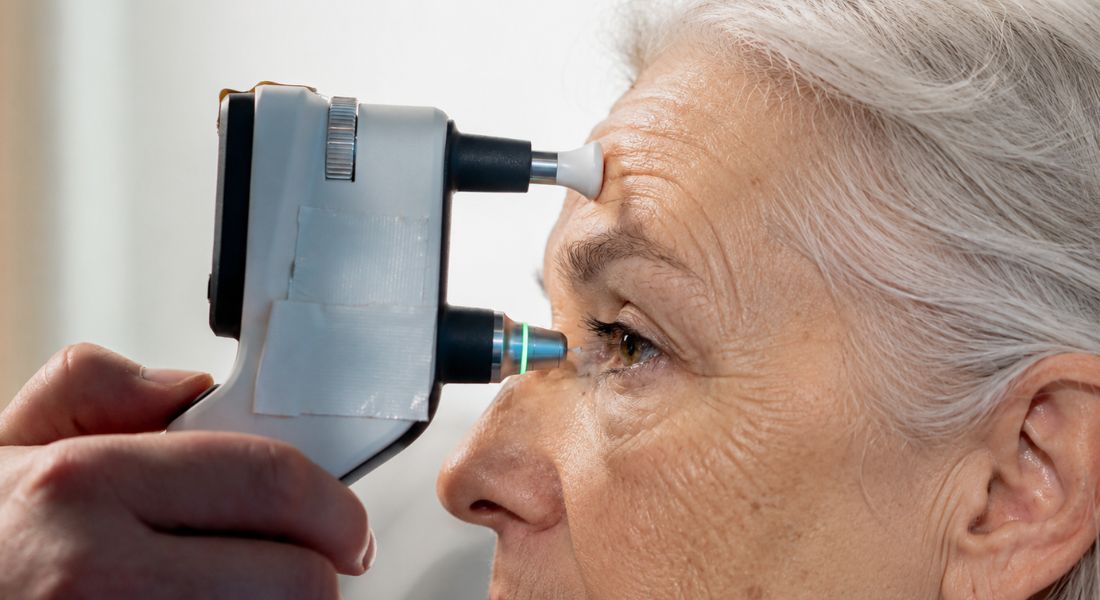
Monitoring eye pressure at home is an emerging approach that may help people with glaucoma track changes between clinic visits. Portable devices can provide additional information about pressure patterns, helping specialists make more personalised decisions about ongoing care.
| Aspect | How It Works | Potential Benefits | Important Considerations |
| Eye pressure tracking | Measures eye pressure readings outside a clinic setting | Provides a clearer view of pressure changes over time | Not yet suitable for everyone |
| Daily pressure variations | Records changes that may happen throughout the day | Helps identify patterns that a single appointment may miss | Requires specialist interpretation |
| Portable monitoring devices | Uses developing home-based technology to collect readings | May provide additional information between appointments | Devices are still being improved |
| Personalised glaucoma care | Gives doctors additional data about your eye pressure | May support treatment adjustments when needed | Works alongside regular eye examinations |
| Early management support | Helps monitor how pressure changes over time | May support earlier review and treatment decisions when clinically appropriate. | Does not replace professional care |
| Future of monitoring | Technology continues to develop | May make glaucoma management more personalised | Further research is needed |
Home Monitoring For Retinal Conditions
Retinal conditions often require regular monitoring because changes in the retina can have a significant impact on your vision. Conditions such as age-related macular degeneration and diabetic retinopathy can benefit from early detection and timely management. Regular observation helps your eye care team understand how your condition is changing over time.
New digital tools are allowing you to monitor certain aspects of your vision from home. Some systems can detect changes that may suggest your eyes need further assessment by a specialist. This additional information can help your healthcare team identify concerns between routine appointments.
By supporting earlier detection, home monitoring technologies may help you receive treatment sooner when changes are identified. These tools do not replace professional eye examinations but can provide valuable information alongside clinical care. This approach may help support earlier assessment and management when changes are identified.
Digital Vision Testing At Home
Home-based vision tests are becoming more widely available through digital platforms, allowing you to monitor certain changes in your vision from home. These tools may help you monitor certain changes in visual function and report any concerns between your regular eye appointments. This may provide your eye care team with additional information about changes over time.
Digital vision assessments can be useful for monitoring stable eye conditions or identifying when you may need further medical review. Regular updates can help specialists understand whether your vision remains consistent or if changes require closer attention. This supports a more proactive approach to managing your eye health.
However, digital vision tests are designed to complement, not replace, comprehensive eye examinations. A qualified eye specialist can perform detailed assessments that home-based tools cannot provide. Combining digital monitoring with professional care helps ensure your eyes receive appropriate and complete evaluation.
Artificial Intelligence And Home Monitoring
Artificial intelligence (AI) is becoming an increasingly important part of digital eye monitoring and personalised eye care. AI systems can analyse large amounts of information, including images and test results, to identify patterns or changes that may need further attention. This technology can support specialists by providing additional insights into your eye health.
For example, AI may help review retinal images captured through home monitoring devices and highlight areas that require professional assessment. This can allow your eye care team to focus on changes that may be important and decide whether further investigation is needed. AI is designed to support clinical decisions rather than replace specialist judgement.
As AI technology continues to develop, home monitoring may become more accurate and useful for managing long-term eye conditions. These advances may support earlier identification of changes, more personalised monitoring and better-informed treatment decisions. Combining AI with specialist care may support a more proactive approach to protecting your vision.
Evidence Note
Research suggests that some home monitoring technologies and AI-supported tools may help identify changes earlier and support personalised eye care. However, their effectiveness depends on the condition, technology used and clinical setting.
Remote Monitoring After Eye Surgery
If you are recovering from eye surgery, remote monitoring tools may provide additional support during your aftercare. Procedures such as cataract surgery or laser vision correction require careful monitoring to ensure your eyes are healing properly. Digital tools can help your healthcare team stay informed about your recovery between appointments.
These systems may allow you to report symptoms, complete vision assessments or share concerns without always needing to attend a clinic. This can make follow-up care more convenient while still allowing your specialist to track important changes. Regular updates can help identify any concerns that may need further assessment.
Remote monitoring is not a replacement for scheduled post-surgery examinations, but it can provide extra reassurance during recovery. By helping doctors recognise possible complications earlier. These tools may provide additional support during recovery when used alongside planned follow-up appointments. This approach allows your care team to respond quickly if any issues arise.
Benefits Of Home Monitoring For Patients
One of the main benefits of home monitoring is the added convenience it can provide. You may be able to track important aspects of your eye health from home without needing to travel to a clinic as frequently. This can make ongoing monitoring easier to manage alongside your daily routine.
Home monitoring can be particularly useful if you are an older adult, have mobility difficulties or live a long distance from specialist eye centres. It may reduce some of the challenges associated with frequent clinic visits while still supporting regular observation. This may help make eye care more accessible for some people.
Using home monitoring tools can also encourage you to take a more active role in managing your eye health. By understanding changes in your condition, you can have more informed discussions with your eye care team. This partnership between you and your specialist can support better long-term care.
Earlier Detection Of Eye Problems
One potential benefit of home monitoring is that it may help identify changes in eye health earlier for some conditions. Many eye conditions can become more difficult to manage once significant changes or damage have occurred. Regular monitoring may help your eye care team identify concerns at an earlier stage.
By tracking your eye health more frequently, you may notice changes that are not yet causing obvious symptoms. These small changes can provide valuable information for your specialist and help guide decisions about further assessment. This can support a more proactive approach to managing your condition.
Identifying problems earlier may allow your doctor to recommend treatment or adjustments sooner when needed. This may help your specialist identify changes earlier and consider whether further assessment or treatment is needed. Home monitoring works alongside professional care to support better outcomes.
Personalised Eye Care Approaches
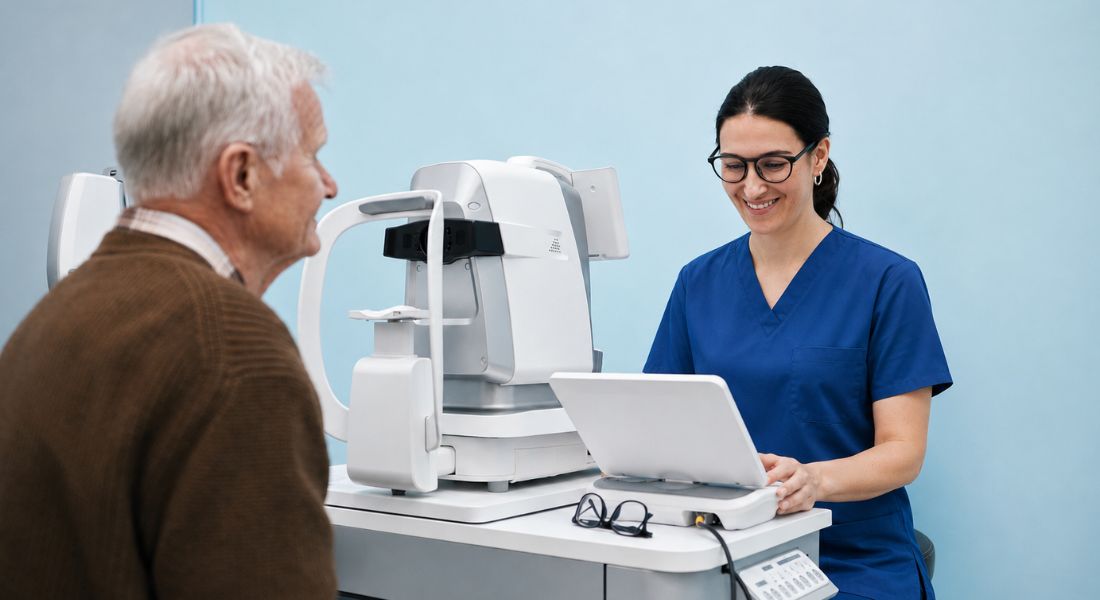
Every patient’s eye condition can develop differently, which means your monitoring and treatment needs may not be the same as someone else’s. Some people may need more frequent assessments, while others may remain stable for longer periods. Understanding these differences helps your eye care team provide care that suits your situation.
Home monitoring provides additional information about how your eyes are changing between clinic appointments. These regular insights can help your doctor understand your individual disease patterns more clearly. This allows potential concerns to be identified and managed in a timely way.
By using information from home monitoring alongside clinical assessments, your treatment plan can be adjusted based on your specific needs. This approach moves away from relying only on occasional clinic measurements. Instead, it supports a more personalised and proactive way of managing your eye health.
Supporting Teleophthalmology
Teleophthalmology is becoming an increasingly important part of modern eye care by allowing you to communicate with specialists remotely. It can help you receive advice, discuss concerns and attend follow-up appointments without always needing to visit a clinic in person.
- Remote consultations: Allow you to connect with eye specialists, discuss concerns and receive guidance without frequent clinic visits.
- Improved access: Helps make specialist eye care more available, especially for people who may find regular appointments difficult.
- Better monitoring: Provides doctors with additional information about changes in your eye health between appointments.
- Informed decisions: Helps specialists understand your condition more clearly and tailor advice to your individual needs.
- Connected care: Combines home monitoring with traditional eye examinations to support continuous and personalised care.
Home monitoring can strengthen teleophthalmology by giving your doctor extra information before or during virtual consultations. When these technologies work together, they can make follow-up care more efficient and help support better communication between you and your eye specialist.
Wearable Eye Health Technology
Researchers are exploring wearable devices that could help monitor different aspects of your eye health. These technologies may measure factors such as eye pressure, tear quality or changes in vision over time. By collecting this information, wearable devices could provide additional insights into how your eyes are changing.
When connected with digital platforms, wearable technology may allow continuous monitoring of your condition outside traditional clinic settings. This could help your eye care team understand patterns that may not be captured during occasional appointments. More regular information may support earlier identification of changes and more personalised care.
Although many wearable eye health technologies are still being researched, they represent an exciting area of future eye care. As these tools continue to develop, they may improve how certain eye conditions are monitored and managed. Combining wearable devices with specialist care could support a more proactive approach to protecting your vision.
Improving Access To Eye Care
Home monitoring has the potential to make eye care more accessible, especially if you find it difficult to attend frequent clinic appointments. These technologies can provide additional support between visits and help your eye care team stay informed about changes in your condition. This can make ongoing monitoring easier to manage.
If you live in a rural area or a location with limited access to specialist eye services, remote monitoring options may be particularly helpful. These tools can allow you to share important information with your healthcare team without always needing to travel long distances. This may help reduce some of the challenges associated with receiving regular eye care.
By reducing barriers to assessment, digital monitoring technologies may help more people access timely support when needed. They are not a replacement for professional eye examinations but can work alongside specialist care. This combination can help create a more connected and accessible approach to managing eye health.
Data Privacy And Security
Digital eye monitoring involves collecting personal health information, so protecting your privacy is an important consideration. When you use these technologies, information about your eye health may be shared with your healthcare team for monitoring and assessment. Ensuring this data is handled safely helps maintain your confidence in digital care.
Healthcare providers and technology companies must use strong security systems and responsible data management practices to protect your information. Clear processes around storing, sharing and accessing health data are essential for maintaining patient trust. You should feel confident that your personal information is being managed appropriately.
Building trust will be important as more people begin using digital eye monitoring technologies. Understanding how your data is collected and protected can help you make informed decisions about using these tools. Safe and secure digital solutions can support the future of more connected eye care.
The Role Of Eye Specialists
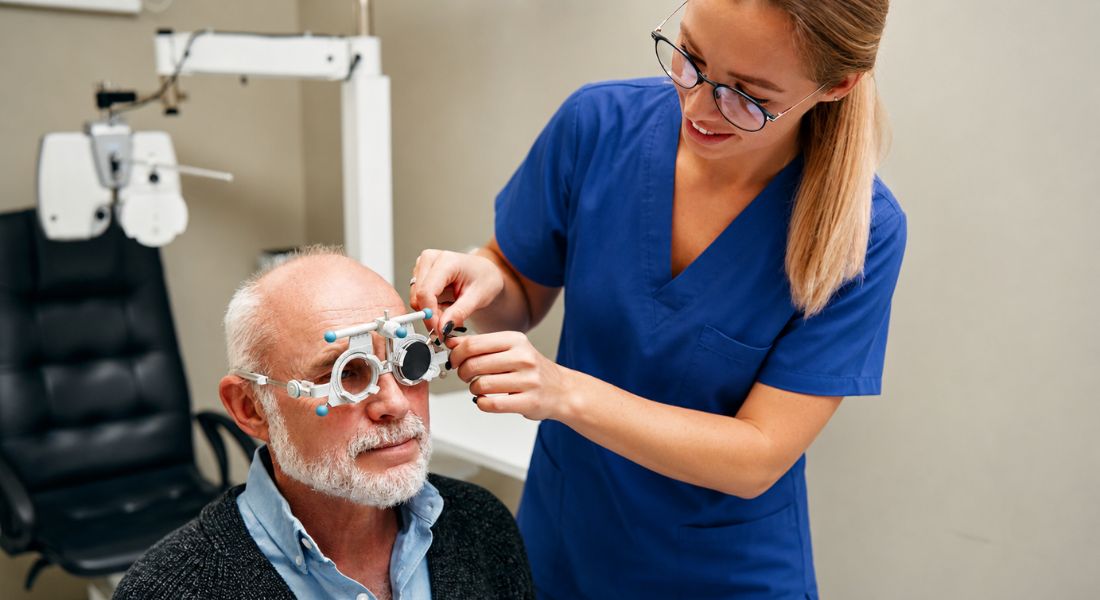
Although home monitoring can provide valuable information about your eye health, eye specialists remain essential for accurate diagnosis and treatment decisions. These tools can support your care by providing additional details between appointments. However, specialist expertise is needed to understand what the results mean for your individual situation.
Your doctor will consider monitoring results alongside your medical history, symptoms and clinical examination findings. This complete picture helps your eye care team decide whether any changes require further investigation or adjustments to your treatment. Professional judgement remains a key part of providing safe and effective care.
The future of eye care will involve collaboration between you, digital technology and specialist teams. Home monitoring can help you stay more involved in managing your eye health while giving doctors useful information. By combining technology with expert care, eye health management can become more personalised and proactive.
Myth vs Fact
| Myth | Fact |
| Home monitoring can replace regular eye examinations. | Home monitoring is designed to support professional eye care, not replace specialist assessments or clinic-based examinations. |
| If you monitor your eyes at home, you do not need to see an eye specialist. | Regular appointments with your eye specialist remain important because they provide detailed assessments and treatment guidance. |
| Home monitoring tools can diagnose every eye condition. | Digital monitoring tools can provide useful information, but diagnosis requires specialist evaluation and clinical judgement. |
| AI can help analyse images and identify patterns, but specialists are still needed. | AI can help analyse images and identify patterns, but specialists are still needed to interpret results and make treatment decisions. |
| Home monitoring is only useful for people with serious eye diseases. | Home monitoring may support people with several long-term eye conditions, depending on their individual needs and care plan. |
| Checking your vision at home guarantees that all eye problems will be detected early. | Home monitoring may help identify changes earlier, but it cannot detect every problem or replace professional assessment. |
| Digital eye monitoring is already suitable for everyone. | Some technologies are still developing, and your eye specialist will advise whether a particular monitoring approach is appropriate for you. |
UK Guidance Note
UK guidance supports the use of digital technologies where they complement existing eye care pathways and improve patient monitoring. However, home monitoring tools should not replace comprehensive eye examinations or specialist assessment. Your eye care team will advise whether remote monitoring is suitable based on your individual condition and needs.
Future Developments In Home Monitoring
Technology continues to develop, and researchers are exploring ways to make home monitoring systems more accurate, reliable and easier to use. Researchers are exploring new ways to improve digital eye care through better imaging devices, AI-supported platforms and advanced wearable technologies. These developments could make monitoring more convenient and may improve how some eye conditions are assessed and managed.
Improved home monitoring tools may provide your eye care team with more detailed information about changes in your condition. This could help specialists identify concerns earlier and make treatment decisions based on more frequent data. As these technologies develop, they may support a more personalised approach to managing eye health.
Future advances in digital monitoring could transform how long-term eye conditions are followed and treated. By combining innovative technology with specialist care, you may benefit from earlier interventions and more tailored support. These developments have the potential to improve the way eye care is delivered in the years ahead.
How Home Monitoring May Transform Eye Care
Home monitoring represents a shift towards a more proactive approach to managing eye conditions. Instead of relying only on occasional clinic appointments, your eye care team can use ongoing information to better understand changes in your condition. This can support more informed decisions about monitoring and treatment.
As digital technology continues to improve, you may benefit from earlier detection, more personalised care and greater convenience. Regular information collected between appointments can help specialists identify changes sooner and adjust care when needed. This approach may be particularly valuable for long-term eye conditions that require close observation.
The combination of digital innovation and specialist expertise has the potential to transform how many eye diseases are managed. Home monitoring can help you take a more active role in your eye health while ensuring you continue to receive professional support. Together, technology and clinical care can create a more connected and effective approach to protecting your vision.
Key Takeaways
- Home monitoring technologies can provide additional information between eye clinic appointments but do not replace professional examinations.
- Digital tools may help monitor conditions such as glaucoma, retinal diseases and diabetic eye disease more closely.
- Artificial intelligence and wearable technologies are developing areas that may support more personalised eye care in the future.
- Remote monitoring can improve convenience and access, especially for people who find frequent clinic visits difficult.
- Your eye specialist remains essential for interpreting results, making treatment decisions and ensuring safe ongoing care.
- The future of eye care is likely to combine digital monitoring with expert clinical support to provide more connected and personalised management.
Frequently Asked Questions
- What is home monitoring in eye care?
Home monitoring allows you to track certain aspects of your eye health using digital tools and devices outside a clinic setting. Depending on your condition, this may include monitoring changes in vision, eye pressure, retinal images or symptoms. The information collected can be shared with your eye care team to support ongoing management. It does not replace regular eye examinations but provides additional insights between appointments. - Can home monitoring replace regular eye tests?
No, home monitoring is designed to support, not replace, professional eye examinations. Your eye specialist still needs to perform detailed assessments and interpret your results. Digital tools provide extra information that can help your doctor understand changes over time. Combining both approaches allows for more complete and personalised eye care. - Which eye conditions can benefit from home monitoring?
Home monitoring may be useful for several long-term eye conditions that require regular observation. These can include glaucoma, age-related macular degeneration, diabetic eye disease and some inherited or long-term eye conditions. Monitoring tools can help identify changes that may need further assessment. Your eye specialist can advise whether home monitoring is suitable for your condition. - How does home monitoring help with glaucoma management?
Home monitoring can provide additional information about your eye health between glaucoma appointments. Some technologies may help track changes in eye pressure or vision over time. This can give your specialist a clearer understanding of how your condition is progressing. The information can support decisions about your ongoing treatment and monitoring plan. - Can you check your eye pressure at home?
Some portable devices are being developed to help selected patients monitor eye pressure from home. These tools may provide useful information about changes that happen between clinic visits. However, they are not suitable for everyone and should be used under specialist guidance. Your doctor can advise whether home eye pressure monitoring is appropriate for you. - How can artificial intelligence improve home eye monitoring?
Artificial intelligence can help analyse information collected through digital monitoring tools, such as retinal images and test results. It may identify patterns or changes that require further review by your eye specialist. AI is designed to support clinical decisions rather than replace professional judgement. As technology develops, it may help make monitoring more accurate and personalised. - Is home monitoring useful after eye surgery?
Yes, home monitoring may provide additional support during recovery after procedures such as cataract surgery or laser vision correction. You may be able to share symptoms, complete vision checks or provide updates between scheduled appointments. This can help your healthcare team identify possible concerns earlier. However, it does not replace important post-surgery examinations. - What are the benefits of monitoring your eye health from home?
Home monitoring can make it easier for you to stay connected with your eye care team between appointments. It may reduce the need for frequent clinic visits while still providing useful information about your condition. These tools can also support earlier detection of changes and more personalised treatment decisions. This can be especially helpful if you have a long-term eye condition. - Are there any challenges with using home monitoring technology?
Although home monitoring offers many benefits, there can be challenges such as learning how to use digital devices correctly. The accuracy and reliability of home measurements are also important considerations. Your healthcare team may provide guidance to help you use these tools effectively. Professional assessments are still needed to interpret results and guide your care. - What could the future of home monitoring mean for eye care?
Future developments in digital technology may make home monitoring more accurate, convenient and widely available. You may benefit from earlier detection, more personalised care and closer communication with your eye specialists. These advances could help manage long-term eye conditions more proactively. However, technology will continue to work alongside, rather than replace, expert eye care.
Final Thoughts: The Future Of More Connected Eye Care
Home monitoring technologies are changing the way eye conditions may be managed by providing more regular insights between clinic appointments. While these tools cannot replace professional eye examinations or specialist expertise, they can offer valuable information that helps your eye care team understand changes in your condition over time.
As digital technology, artificial intelligence and remote monitoring continue to develop, eye care is becoming more personalised, proactive and connected. By combining innovative tools with expert clinical support, you can take a more active role in protecting your vision and maintaining long-term eye health.
If you would like to discuss your eye health concerns with an experienced specialist, get in touch with us at the Eye Clinic London today.
References
- Ting, D.S.W. et al. (2021) ‘Artificial intelligence and deep learning in ophthalmology’, British Journal of Ophthalmology, 105(10), pp.1346–1354. Available at: https://pubmed.ncbi.nlm.nih.gov/33115739/
- Li, J.O. et al. (2020) ‘Digital technology, tele-medicine and artificial intelligence in ophthalmology: A national and international perspective’, Progress in Retinal and Eye Research, 73, Article 100900. Available at: https://pubmed.ncbi.nlm.nih.gov/31247282/
- Ting, D.S.W. et al. (2017) ‘Deep learning in ophthalmology: The technical and clinical considerations’, Progress in Retinal and Eye Research, 60, pp.1–15. Available at: https://pmc.ncbi.nlm.nih.gov/articles/PMC5708915/
- Lee, A.Y. et al. (2017) ‘The use of artificial intelligence in ophthalmology: A review’, Asia-Pacific Journal of Ophthalmology, 6(3), pp.236–244. Available at: https://pmc.ncbi.nlm.nih.gov/articles/PMC5443980/
- Kour, A., Ghosh, S. and Singh, R. (2022) ‘Artificial Intelligence in Ophthalmology: A Review’, Journal of Clinical Medicine, 11(21), Article 6344. Available at: https://www.mdpi.com/2077-0383/11/21/6344