


The Rise of Personalised Laser Eye Surgery
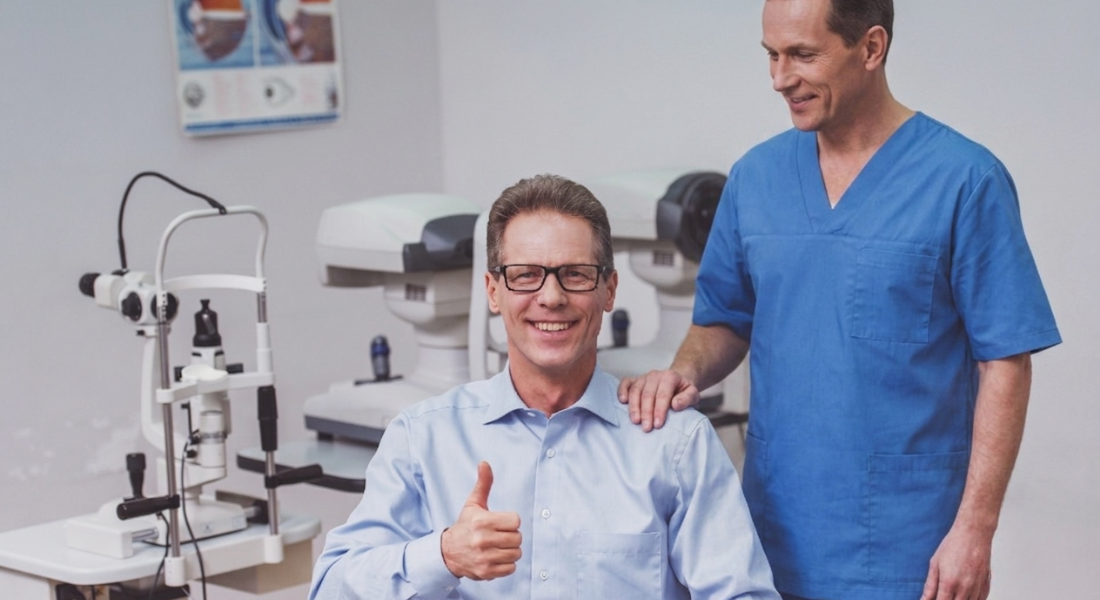
Laser eye surgery has changed significantly over the years. It is no longer simply about applying a standard correction to reduce short-sightedness, long-sightedness, or astigmatism. Instead, treatment planning has become far more personalised, with sophisticated diagnostic technology allowing surgeons to build a detailed picture of each patient’s eyes before recommending the most appropriate procedure.
Modern eye assessments go far beyond measuring your glasses prescription. Advanced scans can evaluate the shape and thickness of the cornea, the quality of the tear film, pupil size, and other features that may influence both the safety of surgery and the quality of your vision afterwards. This information helps create a treatment plan that is tailored to your individual needs rather than following a standard approach.
This shift is important because no two eyes are exactly the same. Even people with identical prescriptions can have different corneal structures, visual expectations, occupations, hobbies, and eye health. Taking these differences into account helps the surgeon determine not only whether laser eye surgery is suitable, but also which technique may offer the most appropriate balance of potential benefits and risks for you.
Laser vision correction changes the curvature and focusing power of the cornea so that light can focus more accurately on the retina. LASIK and surface treatments such as PRK, LASEK and TransPRK commonly use an excimer laser to reshape corneal tissue. Lenticule-extraction procedures use a femtosecond laser to create a small lens-shaped piece of tissue that is removed through a small incision. The most appropriate technique depends on your prescription, corneal structure, ocular-surface health and individual circumstances.
Personalisation Starts with Detailed Assessment
Personalised laser eye surgery starts with a detailed assessment rather than the treatment itself. Before recommending a procedure, the surgeon needs to build a clear picture of your eye health to determine whether laser vision correction is suitable and which technique is likely to provide an appropriate balance of safety, effectiveness and your individual visual goals.
This assessment goes well beyond checking your glasses prescription. A range of diagnostic tests may be used to examine the shape and thickness of the cornea, tear film quality, pupil size, eye pressure and the overall health of the eyes. Looking at these factors together helps create a treatment plan that reflects the unique characteristics of each eye.
No two eyes are exactly alike, even when people have similar prescriptions. Small differences in corneal structure or eye health can influence both the choice of procedure and the expected outcome. The FDA highlights the importance of a thorough baseline evaluation before LASIK, reinforcing the value of careful assessment before moving forward with surgery.
Your Prescription Is Only One Part of the Decision
Many people think laser eye surgery is planned mainly around their glasses prescription. Although the prescription is an important starting point, it only tells part of the story. A much broader assessment is needed to understand which treatment is likely to be the best fit for your eyes.
Even when two people have the same level of short-sightedness, their eyes can be quite different. One person may have a thicker, more regular cornea, while another has a thinner or less regular cornea that requires a different approach. These differences can influence both the choice of procedure and whether laser eye surgery is the most suitable option.
Personalised treatment planning looks at the eye as a whole rather than focusing on a single measurement. Corneal shape, tear film quality, pupil size and overall eye health all play a part in the decision-making process. Taking all of these factors into account helps the surgeon recommend the approach that is most appropriate for your individual circumstances.
Corneal Mapping Has Become More Advanced
Corneal mapping is one of the biggest advances in personalised laser eye surgery. It creates a highly detailed picture of the shape and curvature of the cornea, giving your surgeon valuable information before any treatment is recommended. This level of detail helps treatment planning take account of the unique characteristics of your eyes rather than prescription alone.
This is important because laser eye surgery reshapes the cornea to improve how light focuses on the retina. Even small irregularities that do not affect everyday vision can influence which procedure is most suitable. Identifying these features early allows the treatment plan to be adjusted where needed, helping the surgeon assess suitability and plan treatment more carefully.
Modern topography and tomography scans provide a much more detailed view than older assessment methods. Instead of relying on a few basic measurements, these technologies build a comprehensive map of the cornea that supports more personalised decision-making. As a result, you can receive a treatment recommendation that reflects the way your eyes are structured, rather than a one-size-fits-all approach.
Topography-Guided Treatments Are Gaining Attention
Topography-guided laser treatments are becoming an increasingly important part of personalised laser eye surgery. Instead of relying mainly on a glasses prescription, this approach uses detailed maps of the corneal surface to guide the laser treatment. This allows your surgeon to plan the procedure around the unique shape and contours of your cornea.
In selected patients, topography-guided treatment can incorporate detailed information about corneal surface shape into the laser profile. This may help address some pre-existing optical irregularities, but an irregular scan can also indicate a condition that requires further assessment or makes elective laser treatment unsuitable. Topography-guided treatment is therefore not automatically appropriate for every irregular cornea.
Although topography-guided surgery has attracted growing interest, it is not automatically the best choice for everyone. The most suitable option depends on several factors, including the structure of the cornea, overall eye health and the results of the pre-operative assessment. After reviewing these findings, you may be advised that another personalised laser technique is more appropriate for your eyes.
Wavefront Technology Helps Measure Optical Imperfections
Wavefront technology is another important development in personalised laser eye surgery. It measures the way light travels through the eye, creating a highly detailed optical map that goes beyond a standard glasses prescription. This gives your surgeon a deeper understanding of the unique characteristics of your vision before treatment is planned.
The assessment can identify subtle optical imperfections known as higher-order aberrations. These are not always corrected by glasses or contact lenses and their clinical importance varies between individuals, but they may still affect visual quality, particularly in low-light conditions. For some people, they can contribute to symptoms such as glare, haloes, starbursts or reduced contrast sensitivity.
However, not every patient requires wavefront-guided treatment, and the benefit depends on the quality of the measurements and individual eye characteristics. Rather than relying on prescription alone, this approach incorporates additional diagnostic information to support more personalised planning. Depending on the findings, you may be offered this technique if it is considered the most appropriate option for your visual needs.
Modern Planning Considers Visual Quality, Not Just Clarity
In the past, conversations about laser eye surgery often centred on whether a person could read the eye chart more clearly after treatment. While clear vision remains an important goal, modern treatment planning also considers the overall quality of vision in everyday life, helping create a plan that reflects your individual visual needs rather than prescription alone.
- Contrast Sensitivity: This refers to how well you can distinguish objects from their background, particularly in low-light or foggy conditions where good contrast is important.
- Night Vision: Your assessment can identify and discuss factors that may influence night vision, although it cannot guarantee that glare, haloes or other low-light symptoms will not occur.
- Visual Sharpness: The aim is not only to improve what you can read on an eye chart but also to improve unaided vision for everyday tasks while recognising that glasses may still be needed for some activities.
- Glare and Haloes: Personalised assessments help identify factors that may increase the likelihood of glare, haloes or starbursts around bright lights, allowing these to be considered during treatment planning.
- Personalised Treatment Planning: Detailed measurements of your eyes help your surgeon recommend the treatment most suited to your vision, eye health and lifestyle rather than using a one-size-fits-all approach.
Taking visual quality into account allows treatment to be tailored more closely to your individual needs and daily activities. Although no procedure can guarantee a perfect outcome, this personalised assessment helps your surgeon understand factors that may influence your visual outcome and choose the most appropriate treatment approach for your eyes.
Pupil Size Can Influence Treatment Planning

Pupil size is one of the factors considered when planning laser eye surgery. The pupils naturally become larger in dim lighting, which may influence the way some people experience their vision after treatment. Measuring pupil size helps provide a more complete understanding of the eyes before surgery.
For some individuals, larger pupils have historically been associated with a greater possibility of noticing glare, haloes or starbursts, particularly at night. However, these symptoms do not occur in everyone, and pupil size is considered alongside other measurements during treatment planning.
This information is especially valuable if you regularly drive after dark or spend time in low-light environments. By taking pupil size and lifestyle into account, your surgeon can recommend the most appropriate treatment approach and discuss what to expect after the procedure.
Dry Eye Assessment Is Essential
Dry eye is one of the most important factors to assess before laser eye surgery. You may already notice symptoms such as irritation, grittiness or fluctuating vision, while in other cases the signs are so mild that they are only detected during a detailed eye examination. Identifying these issues early helps build a clearer picture of your overall eye health before treatment is planned.
The FDA highlights dry eye as an important part of LASIK screening, noting that symptoms may already be present before surgery or can develop or worsen afterwards. This is why your ocular surface is carefully assessed as part of the pre-operative evaluation rather than being treated as a separate issue. A healthy tear film also helps provide more reliable measurements before surgery.
A personalised approach aims to identify and manage dry eye before the procedure whenever appropriate. Treating ocular-surface problems before surgery may help produce more consistent measurements and improve comfort. However, dry-eye symptoms can still develop or worsen after laser vision correction even when the ocular surface has been assessed and treated beforehand. By addressing these concerns in advance, you and your surgeon can make more informed decisions about the treatment that is best suited to your eyes.
Tear Film Quality Can Affect Measurements
Your tear film plays an important role in creating a smooth optical surface at the front of the eye. If it is unstable, the measurements taken before laser eye surgery can vary from one test to another. This is why assessing tear film quality forms an important part of the pre-operative examination.
Laser eye surgery relies on precise measurements to support accurate treatment planning. A dry or irregular ocular surface can make it more difficult to obtain consistent readings, which may influence treatment planning. By identifying these issues early, your surgeon can make decisions based on more reliable information.
Pre-operative management may include treatment of dry eye, blepharitis or meibomian gland dysfunction before final measurements are taken. This preparation helps improve the condition of the ocular surface and supports more personalised care. As a result, you may have more accurate measurements and your eyes can be better prepared before treatment.
Corneal Thickness Matters for Safety
Corneal thickness is assessed alongside corneal shape, tomography findings and other risk factors rather than being considered on its own. Because the procedure reshapes the cornea, the surgeon needs to ensure that enough healthy tissue will remain afterwards to support long-term eye health. Measuring corneal thickness is one important part of assessing whether treatment can be performed safely.
Not everyone has the same corneal thickness, and this can influence which procedure is most appropriate. If your cornea is thinner than expected, a different type of laser treatment may be recommended, or another vision correction option may be more suitable. In some cases, you may be advised that laser eye surgery is not the safest choice.
This is one of the reasons personalised assessment is so important. Rather than recommending the same procedure for everyone, the decision is based on the unique characteristics of each eye. By putting safety first, your surgeon can recommend the treatment that offers the most appropriate balance of effectiveness and long-term stability.
Screening Helps Identify Risk Factors for Ectasia
Ectasia is a rare but serious complication in which the cornea becomes weakened and gradually changes shape after laser eye surgery. Although it is uncommon, careful screening before treatment is designed to identify people who may be at a higher risk. This allows important risk factors to be recognised before a procedure is recommended.
A detailed assessment looks at factors such as corneal thickness, shape and overall stability to help determine whether laser eye surgery is suitable. NICE identifies ectasia as a potential complication following LASIK. Other possible visual symptoms after laser eye surgery include low-light difficulties, haloes and glare. By assessing these factors in advance, your surgeon can make a more informed decision about the safest treatment approach.
Personalised diagnostics play an important role in supporting safer treatment planning, but they cannot eliminate every risk. Instead, they provide a clearer understanding of the health and structure of the cornea before surgery. This means you receive advice based on the unique characteristics of your eyes rather than a one-size-fits-all approach.
Different Procedures Suit Different Eyes
Personalised laser eye surgery does not mean everyone receives the same procedure or the newest available technology. Instead, the aim is to match the treatment to the unique characteristics of your eyes, as well as your lifestyle and visual goals. What works well for one person may not be the most suitable option for someone else.
Some people may be good candidates for LASIK, while others are better suited to surface laser procedures such as PRK or LASEK. In certain situations, laser eye surgery may not be the safest choice at all, and an alternative form of vision correction may be recommended. The decision is always based on a detailed assessment rather than a standard treatment pathway.
The final recommendation takes several factors into account, including prescription, corneal shape, corneal thickness, dry eye status, lifestyle and expectations. By considering the complete picture, your surgeon can recommend the approach that offers the best balance of safety and effectiveness. This personalised approach is about choosing the right treatment for you, not simply choosing the latest technique.
| Procedure | May Be Suitable For | Key Considerations |
| LASIK | People with suitable corneal thickness and stable prescriptions. | Often offers faster visual recovery, but not everyone is a suitable candidate. |
| PRK | People with thinner corneas or those unsuitable for LASIK. | Recovery is generally slower, but it may be a suitable option for selected patients. |
| LASEK | Some patients who are not ideal candidates for LASIK. | May be recommended depending on corneal characteristics and individual eye health. |
| TransPRK | Selected patients requiring a surface laser procedure. | Removes the need for creating a corneal flap and may be suitable in certain cases. |
| Lenticule Extraction (e.g. SMILE) | Some people with short-sightedness and appropriate eye anatomy. | Uses a small incision rather than creating a LASIK flap, but suitability varies between individuals. |
Lifestyle Is Becoming Part of Surgical Planning
Choosing the most suitable laser eye surgery is not based on clinical measurements alone. Your lifestyle also plays an important role in deciding which treatment is likely to meet your visual needs. Someone who drives at night, spends long hours using digital screens, plays contact sports or relies on highly detailed vision may have different priorities from someone with a different daily routine.
A personalised consultation looks beyond the results of eye tests to understand how the eyes are used every day. Work, hobbies, screen habits and comfort with glasses or contact lenses can all influence the treatment recommendation. Discussing these factors helps ensure the chosen procedure fits both the eyes and the demands of everyday life.
The aim is to recommend an option that performs well not only during clinical testing but also in real-world situations. Visual outcomes are measured by more than reading an eye chart, as comfort and confidence in day-to-day activities are equally important. By considering these practical factors, your surgeon can tailor the treatment plan to suit you as an individual.
Digital Eye Strain Is Part of the Conversation

Many people now spend several hours each day using phones, laptops, tablets and other digital devices. As a result, digital eye strain has become an important part of conversations about laser eye surgery. Understanding how you use screens every day can help guide treatment planning and set realistic expectations.
Long periods of screen use may contribute to reduced blinking, dryness and visual fatigue, particularly because people tend to blink less often when concentrating. These symptoms can affect comfort before and after treatment, but screen use alone does not determine whether laser surgery is suitable or whether the procedure will be successful.
Personalised care takes everyday visual demands into account rather than focusing only on clinical measurements. If screens are a major part of your work or lifestyle, your surgeon may pay closer attention to dry eye management, visual comfort and recovery planning. This helps ensure the treatment recommendation reflects both the health of the eyes and the way they are used each day.
Night Vision Expectations Need Careful Discussion
Night vision is one of the most important topics to discuss before laser eye surgery. While many people achieve excellent daytime vision, some may notice visual effects such as glare, haloes, starbursts, ghosting or reduced clarity in dim lighting. Understanding these possibilities beforehand helps you make a more informed decision about treatment.
The NHS lists light scatter effects, including glare, haloes, starbursts and ghost images, as potential side effects after laser eye surgery. These symptoms do not affect everyone and often improve over time, but their likelihood can vary depending on individual eye characteristics and the type of procedure performed. This is why your pre-operative assessment considers a range of factors rather than prescription alone.
Personalised planning helps identify factors that may increase the risk of night vision symptoms, although it cannot remove every risk or guarantee a particular outcome. A detailed discussion with your surgeon allows you to understand both the potential benefits and the limitations of treatment. Having realistic expectations before surgery is an important part of achieving a positive overall experience.
Artificial Intelligence May Support Future Planning
Artificial intelligence is beginning to play a larger role in many areas of eye care, and laser eye surgery is no exception. Researchers are exploring how AI could support pattern recognition, interpret complex diagnostic data, assess potential risks and assist with treatment planning. As these technologies continue to develop, they may help make personalised care even more precise.
Although AI has considerable potential, it is not designed to replace the surgeon. Decisions about laser eye surgery still rely on clinical expertise, as every patient has different eye anatomy, visual goals, medical history and expectations. Technology can provide valuable insights, but experienced clinical judgement remains central to the decision-making process.
The future role of AI is most likely to be supporting rather than replacing clinical decision-making. AI-based systems are being studied for image analysis, detection of keratoconus or ectasia risk, treatment planning and prediction of refractive outcomes. Your surgeon must still interpret these findings alongside your examination, medical history, visual priorities and the limitations of the technology.
Ray-Tracing and Advanced Customisation Are Emerging
Ray-tracing-guided treatments are an emerging development in personalised laser eye surgery. These systems are designed to model how light travels through the eye, using detailed optical information to support treatment planning. The aim is to create an even more individualised approach by taking the eye’s unique optical characteristics into account.
Early prospective studies have compared ray-tracing-guided LASIK with topography-guided or wavefront-optimised LASIK. Some have reported encouraging visual-acuity or optical-aberration results, but sample sizes have generally been limited and follow-up has been relatively short. Further independent and longer-term research is needed before ray-tracing guidance can be described as superior for routine use.
These developments highlight how personalised laser eye surgery continues to evolve as diagnostic technology becomes more sophisticated. However, newer technology is not automatically the best choice for everyone. Your surgeon will consider the available evidence alongside your eye health and visual needs to decide whether a particular approach is appropriate for you.
Evidence Note:
Topography-guided, wavefront-guided, wavefront-optimised and ray-tracing-guided treatments use different measurements and planning methods. Studies have reported potential advantages for particular outcomes or patient groups, but no single approach has been shown to be best for every suitable patient.
Results can also be influenced by the laser platform, quality of the measurements, treatment range, surgeon experience and characteristics of the individual eye. Treatment should therefore be selected according to your assessment rather than the name or novelty of the technology.
Personalisation Does Not Mean Zero Risk
Personalised laser eye surgery can improve treatment planning, but it cannot eliminate every risk. Like any surgical procedure, laser eye surgery has potential side effects, limitations and possible complications. A personalised approach helps identify the most suitable treatment, but it does not guarantee a perfect outcome.
The FDA notes that LASIK may be associated with risks such as glare, haloes, double vision and dry eye symptoms. It also highlights that the balance of risks and benefits can vary depending on the procedure, the technology used and individual patient factors. This is why your assessment and treatment recommendations are tailored to the specific characteristics of your eyes.
A responsible consultation should include an open discussion about both the potential benefits and the possible downsides of surgery. Understanding these factors allows you to make an informed decision with your surgeon, rather than relying on marketing claims or expectations alone. Having realistic expectations is an important part of achieving a positive experience with laser eye surgery.
Myth vs Fact
| Myth | Fact |
| Personalised laser eye surgery guarantees perfect vision. | Personalised planning aims to improve treatment accuracy, but no procedure can guarantee perfect results or eliminate every risk. |
| Everyone with the same prescription receives the same treatment. | People with identical prescriptions may need different procedures because corneal structure, eye health and lifestyle vary. |
| Advanced technology replaces the need for an experienced surgeon. | Diagnostic technology supports decision-making, but the surgeon’s clinical judgement remains essential. |
| Laser eye surgery is suitable for everyone. | Some people may not be suitable candidates due to factors such as thin corneas, dry eye, keratoconus or other eye conditions. |
| Newer technology is always the best option. | The most appropriate treatment depends on your individual assessment, not simply on using the latest technology. |
| Personalised treatment removes the risk of glare or dry eye. | Detailed planning may help identify risk factors, but side effects such as glare, haloes or dry eye can still occur in some patients. |
Clear Communication Supports Informed Decision-Making

Personalised care is about more than advanced scans and modern technology. It also relies on open, honest communication between you and your surgeon throughout the decision-making process. Clear discussions help ensure that the recommended treatment matches both your clinical needs and your expectations.
Before going ahead with surgery, it is important to understand what the procedure is designed to achieve, what recovery is likely to involve and what results can realistically be expected. You should also discuss whether glasses may still be needed for certain activities, even after successful treatment. Having these conversations in advance can help avoid misunderstandings later on.
The Royal College of Ophthalmologists provides patient information and guidance on refractive surgery, highlighting the importance of informed decision-making and high standards of care. A thorough consultation gives you the opportunity to ask questions, discuss any concerns and make a confident decision alongside your surgeon.
Personalised Laser Surgery Is the Direction of Travel
The growing focus on personalised laser eye surgery reflects a wider shift towards more precise and patient-centred eye care. Advanced diagnostic technology allows surgeons to build a detailed understanding of the eyes, helping them plan treatment around individual anatomy, visual needs and lifestyle rather than relying on prescription alone. This more tailored approach supports informed decision-making from the very beginning.
For suitable candidates, personalised planning may support a more individualised approach to treatment, although benefits vary between procedures and patients. It can also identify situations where a different procedure, or even avoiding laser eye surgery altogether, is the safer option. Careful assessment remains the foundation of choosing the most appropriate treatment for each individual.
If you would like tailored advice based on a detailed assessment, you can learn more about laser eye surgery consultation in London with specialist eye care. A comprehensive consultation gives you the opportunity to explore your treatment options, ask questions and understand whether laser eye surgery is the right choice for your eyes, lifestyle and expectations.
Key Takeaways
- Personalised laser eye surgery uses detailed assessments rather than relying only on your glasses prescription.
- Corneal shape, thickness, tear film quality, pupil size and overall eye health can influence treatment planning.
- Advanced technologies such as corneal mapping and wavefront analysis provide additional information about your eyes.
- Personalised treatment aims to select the most suitable approach for each patient rather than offering the same procedure to everyone.
- Laser eye surgery can have potential risks, including dry eye symptoms and visual effects such as glare or haloes.
- A thorough consultation helps you understand whether surgery is suitable and what results you can realistically expect.
- New technologies such as AI and ray-tracing-guided planning are promising but continue to develop.
Frequently Asked Questions
- What is personalised laser eye surgery?
Personalised laser eye surgery is an approach that uses detailed diagnostic tests to plan treatment around the unique characteristics of your eyes. Rather than relying only on your glasses prescription, it considers factors such as corneal shape, thickness, tear film quality, pupil size, and your visual needs. - How is personalised laser eye surgery different from standard laser eye surgery?
Standard treatment planning focuses primarily on correcting your refractive error. Personalised laser eye surgery uses additional measurements and advanced imaging technologies to tailor the procedure to your eye anatomy and lifestyle, helping your surgeon select the most appropriate treatment. - What tests are performed before personalised laser eye surgery?
A comprehensive assessment may include corneal topography or tomography, corneal thickness measurements, wavefront analysis, tear film evaluation, pupil size assessment, and a full eye health examination. These tests help determine whether laser eye surgery is suitable and which technique may be most appropriate. - Is personalised laser eye surgery suitable for everyone?
No. Some people may not be suitable candidates because of factors such as thin corneas, keratoconus, significant dry eye, unstable prescriptions, or certain eye diseases. A detailed consultation is essential to assess whether laser eye surgery is the safest and most appropriate option. - What are topography-guided and wavefront-guided treatments?
Topography-guided treatments use detailed maps of the corneal surface to help plan laser treatment, while wavefront-guided treatments analyse how light passes through the eye to identify subtle optical imperfections. Your surgeon will recommend the most appropriate approach based on your individual assessment. - Can personalised laser eye surgery improve night vision?
The aim is to optimise visual quality by taking factors such as pupil size and optical irregularities into account during treatment planning. However, no procedure can guarantee perfect night vision, and some people may still experience glare, haloes, or other visual symptoms after surgery. - Does personalised laser eye surgery reduce the risk of complications?
Detailed pre-operative assessments can help identify factors that may increase the risk of complications and improve treatment planning. However, no form of laser eye surgery is completely risk-free, and personalised planning cannot eliminate every potential complication. - How does dry eye affect laser eye surgery?
Dry eye can influence both the accuracy of pre-operative measurements and your comfort after surgery. Identifying and managing dry eye before treatment helps improve measurement reliability and may support a smoother recovery, although symptoms can still occur after the procedure. - What role does artificial intelligence play in personalised laser eye surgery?
Artificial intelligence is being studied as a tool to assist with analysing diagnostic images, identifying risk factors, and supporting treatment planning. It is designed to complement clinical expertise rather than replace the judgement and experience of an ophthalmologist. - Why is a consultation important before laser eye surgery?
A detailed consultation allows your ophthalmologist to assess your eye health, discuss your lifestyle and visual goals, explain the potential benefits and risks, and recommend the treatment that is most appropriate for your individual needs. It also helps ensure you have realistic expectations before deciding to proceed.
Final Thoughts: Making an Informed Choice About Personalised Laser Eye Surgery
Personalised laser eye surgery is changing the way vision correction is approached by focusing on each person’s unique eye structure, lifestyle, and visual goals. Advanced assessments and modern technology allow surgeons to create more tailored treatment plans, helping suitable patients achieve clearer vision while understanding the potential benefits and limitations. If you are considering laser surgery in London, a detailed consultation can help you understand whether treatment is suitable for your eyes, what outcomes may be realistic and which options may best match your visual needs.
References:
- National Institute for Health and Care Excellence (NICE) (2006, migrated 2026) Photorefractive (laser) surgery for the correction of refractive errors. HealthTech guidance HTG107. London: NICE. Available at: https://www.nice.org.uk/guidance/htg107
- Royal College of Ophthalmologists (2024) Laser Vision Correction Surgery: Patient Information. London: Royal College of Ophthalmologists. Available at: https://www.rcophth.ac.uk/wp-content/uploads/2020/05/Laser-Vision-Correction-Patient-Information.pdf
- Royal College of Ophthalmologists (2024) Professional Standards for Refractive Surgery. London: Royal College of Ophthalmologists. Available at: https://www.rcophth.ac.uk/resources-listing/professional-standards-for-refractive-surgery/
- NHS (2024) Laser eye surgery and lens surgery. Available at: https://www.nhs.uk/tests-and-treatments/laser-eye-surgery-and-lens-surgery/
- U.S. Food and Drug Administration (FDA) (2018a) What should I expect before, during, and after surgery? Available at: https://www.fda.gov/medical-devices/lasik/what-should-i-expect-during-and-after-surgery