

Why Is Myopia Becoming More Common Around the World?
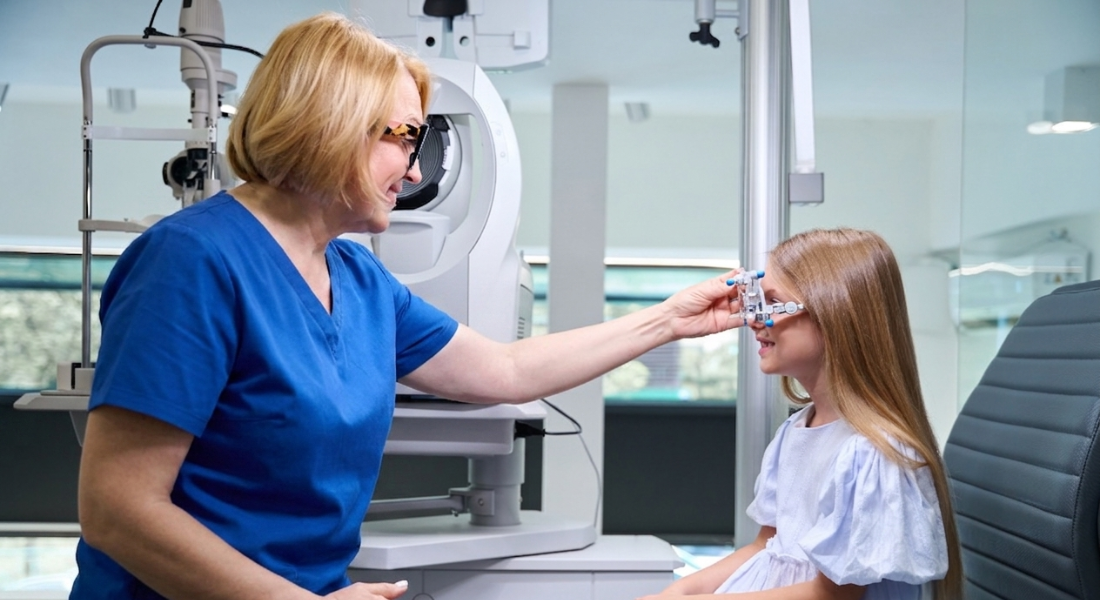
Myopia, or short-sightedness, is becoming increasingly common worldwide, particularly among children and young adults. If you have myopia, you can see nearby objects clearly, but distant objects appear blurred. This can affect daily activities such as reading from a board, driving, or recognising faces at a distance. In recent decades, eye specialists have observed a significant rise in cases, making it an important public health concern.
The increase in myopia is not only about needing glasses or contact lenses. Higher levels of myopia are associated with an increased lifetime risk of conditions such as retinal detachment, glaucoma, cataracts and myopic macular degeneration. These risks highlight the importance of early detection, regular eye examinations, and appropriate management.
Research suggests that myopia develops due to a combination of genetic predisposition and environmental influences, such as prolonged near work and reduced time spent outdoors. Understanding how these factors interact is essential for developing strategies to prevent or slow the progression of myopia, especially in children during critical stages of visual development.
Genetics and Heredity
Genetic factors play a major role in your child’s likelihood of developing myopia. If you or your child’s other parent is short-sighted, your child is more likely to develop myopia. Researchers have identified several genes that influence eye growth and how refractive errors develop.
Despite this, genetics alone cannot explain the rapid increase in myopia worldwide. Environmental factors such as lifestyle, screen use and visual habits may interact with genetic predisposition and influence when myopia begins and how quickly it progresses.
Early identification of children who may be at genetic risk allows you and your eye specialist to monitor visual development more closely. This allows appropriate monitoring and, when needed, earlier discussion of options that may slow myopia progression.
Environmental Contributors
Modern lifestyles often involve prolonged near work activities such as reading, studying, and using digital devices. When you or your child spend long periods focusing on close-up tasks, the eyes experience increased visual demand, which can contribute to changes in eye growth linked to myopia.
Prolonged and very close near work has been associated with myopia, although the evidence does not show that taking breaks alone will prevent or control its progression. Encouraging comfortable working distances and regular visual breaks may reduce eye strain, while outdoor time and clinically supported treatments may be considered as part of a broader myopia-management plan.
Environmental influences play an important role alongside genetics. This means that you can take practical steps through lifestyle changes to help manage myopia risk and support healthier visual development over time.
Increased Screen Time
The widespread use of smartphones, tablets, and computers means you and your child may spend more time focusing on close-up screens. These activities require sustained visual effort, which can place strain on the eyes over time, especially during long periods without breaks.
Screen use has been associated with myopia, but it is difficult to separate its effect from prolonged near work, close viewing distances and reduced time outdoors. You can help reduce this strain by encouraging regular breaks, maintaining proper viewing distance, and balancing screen time with other activities.
Eye care professionals now consider your child’s screen habits when planning myopia management. By making simple adjustments to daily routines, you can support better visual comfort and help protect long-term eye health.
Reduced Outdoor Exposure
Spending time outdoors plays an important role in protecting your child against the development of myopia. Outdoor exposure appears to help regulate eye growth, possibly through the effects of brighter light on retinal signalling, although the precise mechanism is still being studied. With increasing academic demands and more time spent indoors, your child may have fewer opportunities for outdoor activities. This shift has been linked to rising rates of myopia. Research indicates that spending more time outdoors can reduce the risk of myopia developing, particularly in children who are not yet myopic.
Encouraging your child to spend more time outside is a simple and effective step you can take. Eye specialists commonly recommend regular outdoor activity to reduce the risk of myopia onset and as a supportive measure alongside treatment for children who already have myopia.
Urbanisation and Lifestyle Shifts
Living in urban environments often means you and your child are exposed to more near work, less natural light, and fewer open spaces. These conditions have been associated with a higher prevalence of myopia and, in some populations, earlier onset. Daily routines in cities tend to involve more indoor activities, which may influence how the eyes develop over time.
Changes in schooling, recreation, and reduced outdoor time have been linked to higher rates of myopia, especially in densely populated areas. Researchers suggest that these lifestyle patterns may partly explain why myopia is more common in urban regions.
By making small adjustments, you can help reduce these risks. Encouraging outdoor breaks, limiting continuous screen use, and creating balanced daily routines can support healthier visual development for your child.
Early Onset Myopia
Children are now developing myopia at younger ages, which increases the likelihood of higher degrees of short-sightedness later in life. When myopia begins early, your child’s eyes may continue to grow and change for a longer period, increasing the risk of progression.
Earlier-onset myopia increases the likelihood of progressing to higher myopia, which is associated with retinal detachment, glaucoma and myopic macular degeneration later in life.
Regular eye examinations can identify myopia and monitor progression. School vision screening may detect reduced vision in younger children, but it does not replace a full eye examination. This allows you and your eye specialist to discuss appropriate management and support your child’s long-term eye health.
Role of Atropine
Low-dose atropine eye drops may be prescribed to selected children to slow myopia progression. Clinical evidence suggests that effectiveness and side effects vary according to the concentration used and individual factors.
Your eye specialist may recommend atropine as part of a personalised treatment plan. When prescribed and monitored appropriately, low-dose atropine may form part of an individualised myopia-management plan.
Optical Interventions
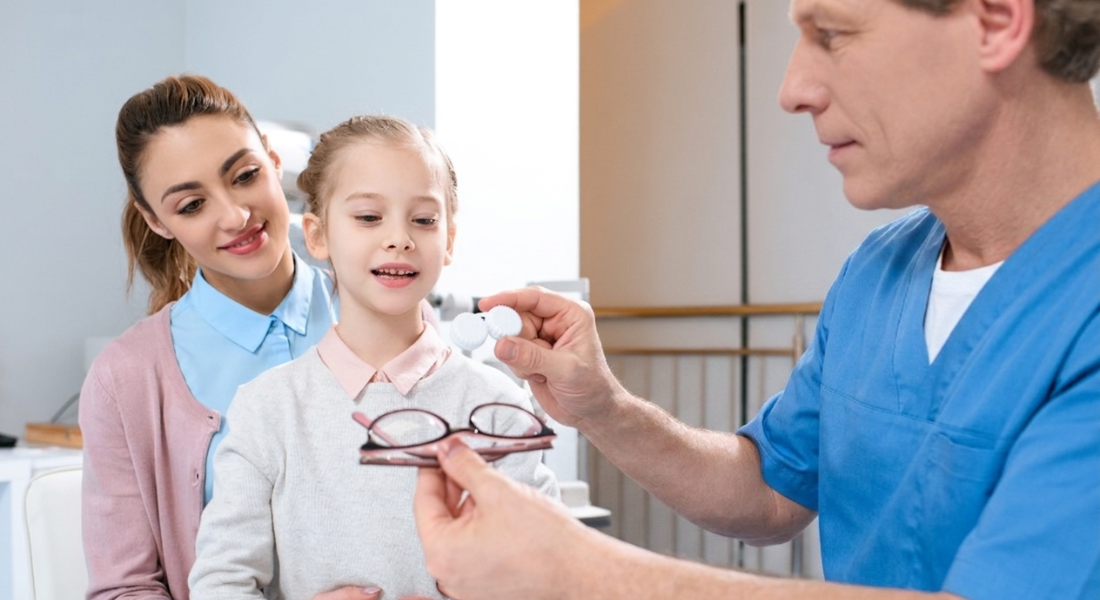
Specially designed spectacles and contact lenses are now used to help control myopia progression. These options work by altering how light focuses on the retina, which can slow changes in eye length while maintaining clear vision.
Different lens designs are chosen based on your child’s age, lifestyle, and how quickly the myopia is progressing. Some options are worn during the day, while others are designed for overnight use.
Specialised spectacle lenses, dual-focus soft contact lenses and orthokeratology may be considered according to the child’s age, prescription, progression, lifestyle and ability to use the treatment safely.
Contact-lens treatments, including orthokeratology, require appropriate fitting, careful hygiene and regular follow-up. Overnight lens wear carries a risk of corneal infection, so your eye specialist should explain the benefits, practical requirements and potential risks before treatment begins.
Behavioural Strategies
Simple daily habits can make a meaningful difference in managing myopia. Encouraging an appropriate reading distance and regular breaks may improve visual comfort. Blinking can help with screen-related dryness but has not been shown to control myopia progression.
You play an important role in supporting these habits at home, while teachers can reinforce them at school. These habits may support visual comfort and reduce prolonged close-focus exposure, but they should not replace evidence-based myopia-management options.
These habits may complement clinically supported treatments, although they should not be presented as treatments that independently control myopia progression. Positive visual habits may improve comfort and complement the treatment plan recommended by your eye specialist.
Impact of Outdoor Activity
Spending time outdoors plays a protective role in your child’s eye development. Exposure to natural daylight helps regulate processes in the retina that may slow excessive eye growth. Children who spend more time outdoors are generally less likely to develop myopia. However, evidence that outdoor time alone slows progression once myopia is established is less certain.
Regular outdoor activity is encouraged, with many professional recommendations suggesting approximately two hours outdoors each day where practical. This should be balanced with breaks from prolonged near work. Encouraging regular outdoor routines is a simple step you can take to support your child’s visual health. You can plan activities such as walking, sports, or playtime in natural light. These habits may reduce the risk of myopia developing and support a more balanced daily routine.
Outdoor activity also benefits your child’s overall wellbeing. It supports physical fitness and mental health, making it a practical and valuable habit for your family. Time spent outside can reduce stress and improve mood in children. By prioritising outdoor activities, you support both vision and general health.
School-Based Interventions
Schools can support your child’s eye health by encouraging outdoor breaks and reducing long periods of continuous near work. Simple changes in classroom routines can help reduce visual strain and support healthier eye development. You may find that structured breaks improve focus and comfort during lessons. These adjustments can make a meaningful difference in daily visual habits.
Teachers can remind children to blink regularly and take visual breaks during lessons. Some schools also include guidance on screen use and visual habits as part of their learning environment. You benefit when these habits are reinforced consistently throughout the school day. Reinforcing these habits at school and at home may support visual comfort and consistent myopia management.
When schools and eye care professionals work together, your child benefits from a more supportive setting. Communication between educators and specialists helps align strategies for managing myopia. You can stay informed through updates and recommendations provided by the school. This combined approach may make it easier to maintain agreed visual habits and treatment routines.
Environmental Adjustments at Home
You can make simple changes at home to support your child’s vision. Good lighting, proper screen positioning, and limiting long periods of near work can all help reduce eye strain. You should ensure that study areas are comfortable and well organised. These adjustments promote healthier visual habits.
Encouraging your child to switch between near and distance activities supports more balanced visual use. Regular breaks during reading or screen use may improve visual comfort and reduce uninterrupted close-focus activity. You can introduce short pauses every twenty to thirty minutes. This helps reduce strain and supports eye relaxation.
Your role is important in guiding these habits. By creating a supportive home environment, you can complement clinical treatments and help manage myopia progression. You can also model healthy screen habits for your child to follow. Consistency at home may help your child maintain the habits recommended by their eye care professional.
Digital Device Management
Managing screen use is an important part of protecting your child’s eyes. Long periods on digital devices may cause visual discomfort and are associated with myopia, although a direct causal effect on progression has not been conclusively established. You should monitor how much time your child spends on screens each day. Creating a balanced routine that includes outdoor activity and breaks from continuous close work may support eye health and general wellbeing.
You can help by encouraging regular breaks and reducing continuous screen exposure. Adjusting screen brightness, increasing text size, and maintaining a comfortable viewing distance can also reduce strain. You may also encourage device-free time before bedtime. These habits support healthier eye function.
Eye specialists often provide guidance on age-appropriate screen use. Following this advice may improve visual comfort, although screen-management measures alone have not been proven to control myopia progression. You can apply these recommendations in daily routines. Consistent habits may support visual comfort and complement a wider myopia-management plan.
Monitoring Myopia Progression
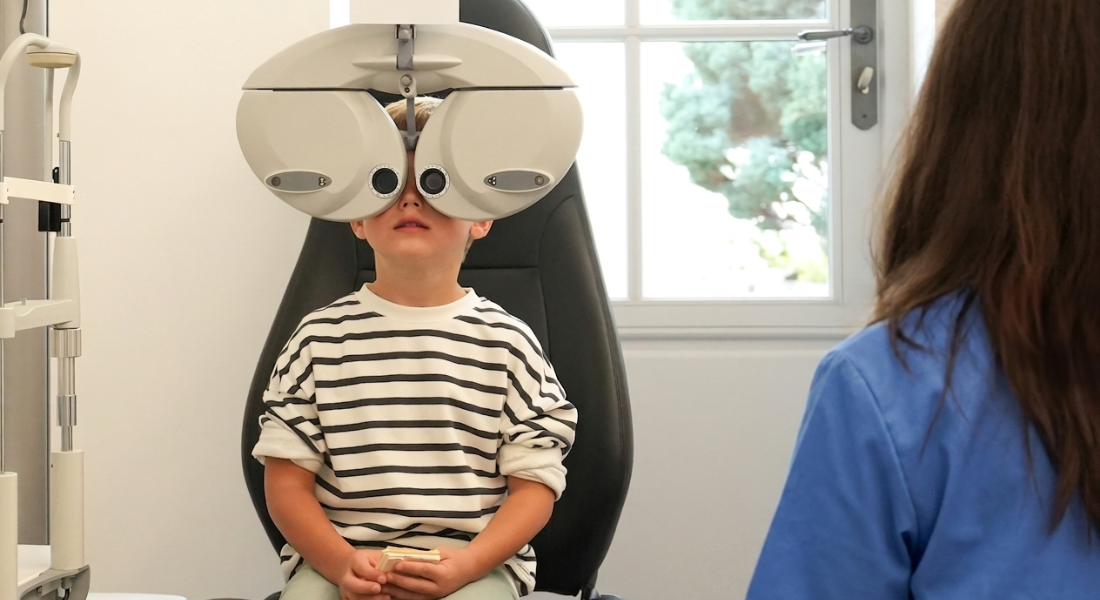
Regular eye examinations allow you to track changes in your child’s vision over time. Eye specialists monitor prescription changes and other measurements to assess progression. You gain a clearer understanding of how your child’s eyes are developing. This information supports timely decision making.
Early detection of rapid changes means you can take action sooner. Treatments such as atropine or specialised lenses can then be considered where appropriate, alongside advice about outdoor activity and near-work habits. You can discuss options with your eye specialist based on current findings. This helps your eye specialist develop and review an individualised care plan.
Consistent follow up is key to long term eye health. Regular visits help evaluate how well treatments are working. You can adjust strategies as needed with professional guidance. Ongoing monitoring helps identify progression and allows treatment to be reviewed, although it cannot by itself prevent future complications.
Long Term Risks
Higher levels of myopia increase the risk of serious eye conditions later in life. These include retinal detachment, glaucoma, cataracts, and myopic macular degeneration. You should be aware of these risks when managing your child’s eye health. Understanding these risks highlights why early assessment and appropriate management are important.
The earlier myopia develops and the faster it progresses, the greater these risks can become. This makes early management especially important for your child. Slowing myopia progression may reduce the likelihood of reaching higher levels of myopia, but it cannot remove all future eye-health risks. Early assessment and appropriate myopia management during childhood may help reduce progression and future risk.
Working closely with your eye specialist supports better outcomes. You play a key role in ensuring treatment plans are followed. This approach may support your child’s long-term eye health, but it cannot guarantee protection from future complications.
Global Patterns
Myopia is becoming more common worldwide, particularly in urban areas. In some regions, a large proportion of school-aged children are affected. You may notice differences based on lifestyle and environment. These trends highlight the importance of awareness.
These patterns reflect a combination of genetics, lifestyle, and environmental factors. Intensive educational demands, prolonged near work and reduced outdoor exposure are considered important environmental contributors. You can address some of these factors through daily habits. Small lifestyle changes can make a difference.
Understanding global trends helps guide prevention strategies. Public awareness and education are increasingly important. You can apply this knowledge to support your child’s eye health. Greater awareness may encourage earlier eye examinations and more informed management decisions.
UK Guidance Note
UK professional guidance recommends discussing standard vision correction and available myopia-management options, recording repeatable baseline measurements and monitoring progression and treatment response. The management plan should reflect the child’s age, prescription, risk factors, lifestyle and ability to use the treatment safely.
In the UK, Ryjunea 0.1 mg/ml, equivalent to atropine sulfate 0.01%, is licensed to slow myopia progression in selected children aged 3–14 years. Treatment may be initiated when myopia is between −0.5 D and −6.0 D and progression is at least 0.5 D per year. It should be initiated by an ophthalmologist or another appropriately qualified professional who has myopia management within their scope of practice.
Common adverse effects include sensitivity to bright light, eye irritation and blurred vision. NICE is currently evaluating low-dose atropine for myopia, with guidance expected in September 2026, so NHS availability and commissioning may vary.
Emerging Research
Ongoing research is improving how myopia is understood and managed. Scientists are studying genetic factors, new treatments, and advanced technologies. You may benefit from these developments in the future. Research continues to evaluate new treatments and monitoring methods, but emerging approaches require sufficient evidence of effectiveness and safety.
New tools can track visual behaviour and environmental exposure. These insights help create more personalised treatment plans. You can use this information to better understand your child’s habits. Objective measurements, including changes in prescription and axial length where available, may help clinicians assess progression and treatment response.
As evidence develops, clinicians may be able to tailor monitoring and treatment more closely to individual risk. You may gain access to improved therapies and monitoring tools. Staying informed helps you make better decisions. Advances support long term eye health.
Collaborative Care
Managing myopia requires teamwork between you, your child, eye specialists, and educators. Clear communication can make treatment plans easier to understand and follow consistently. You play a central role in coordinating care. Collaboration may support treatment adherence and consistent follow-up.
When everyone works together, healthy habits are easier to maintain. Treatments can be applied more effectively across different environments. You benefit from shared knowledge and support. This strengthens overall care.
A collaborative approach helps you stay informed and confident. You can respond quickly to any changes in your child’s vision. Ongoing communication supports better outcomes. Teamwork can help families maintain agreed treatment and monitoring routines.
Practical Steps for Families
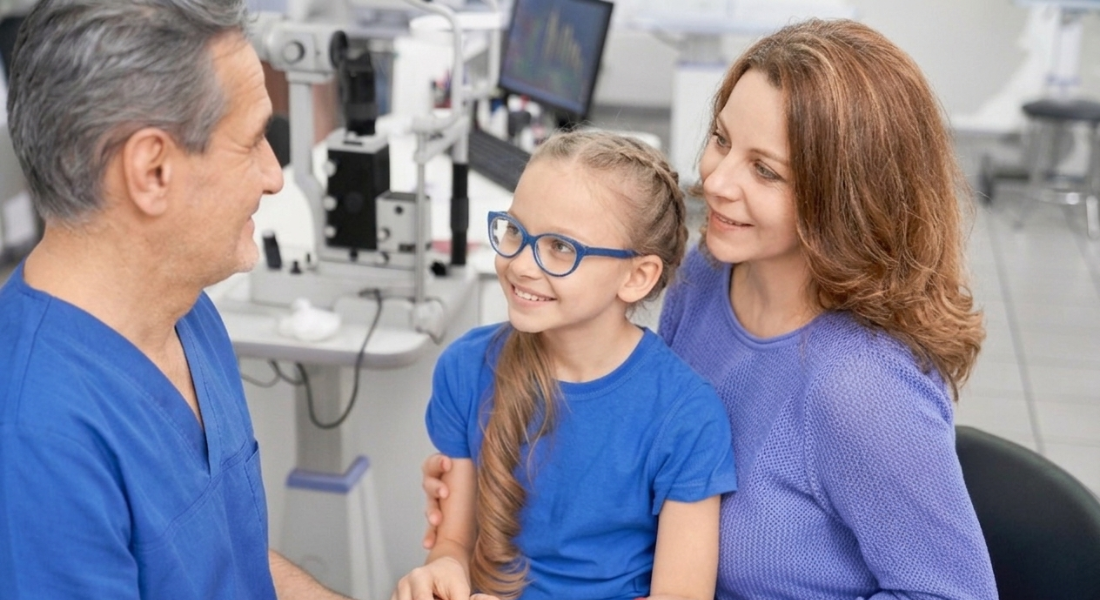
You can take simple daily steps to support your child’s vision. Encourage outdoor play, avoid prolonged uninterrupted or very close near work, and arrange regular eye examinations. You should also provide a comfortable and well-lit study space. These habits support healthy development.
Understanding risk factors such as family history allows early action. You can discuss concerns with your eye specialist and plan appropriate care. Early awareness allows progression to be recognised and appropriate management to be discussed sooner. Early assessment and consistent, evidence-based management may help slow progression in suitable children.
By combining daily habits with professional guidance, you can make a meaningful difference. Consistency is key to long term success. You should reinforce positive visual behaviours regularly. These actions may support your child’s visual health and complement professional myopia management.
Key Takeaways
- Myopia is increasing because genetic risk interacts with environmental and lifestyle factors.
- Reduced outdoor exposure is one of the strongest modifiable risk factors for myopia onset.
- Screen use is associated with myopia, but screens have not been proven to act independently of near work and reduced outdoor time.
- Earlier onset increases the likelihood of developing higher myopia later.
- Outdoor time is more effective for reducing onset risk than for slowing established myopia.
- Specialised spectacles, contact lenses and atropine may slow progression in suitable children.
- Myopia-control treatments require appropriate assessment, consent and regular monitoring.
- Slowing progression may reduce the likelihood of reaching higher myopia but cannot remove all future eye-health risks.
FAQs
- Why is myopia becoming more common around the world?
Myopia is increasing because genetic susceptibility appears to interact with environmental and lifestyle factors. Reduced outdoor exposure, intensive educational demands and prolonged close work are important factors, while screen use may contribute indirectly through close viewing and displacement of outdoor activity. - Does screen time directly cause myopia?
Screen use has been associated with myopia, but research has not conclusively shown that screens directly cause it or independently accelerate its progression. The association may partly reflect prolonged close work, shorter viewing distances and reduced outdoor time. - How does spending time outdoors help prevent myopia?
Outdoor activity exposes your child’s eyes to much brighter light than is usually available indoors. This appears to affect retinal signalling and eye growth, although the precise protective mechanism is still being studied. - Is myopia mainly caused by genetics?
Genetics plays an important role, especially if one or both parents are short-sighted. However, it does not fully explain the rapid increase in myopia worldwide. Environmental factors such as lifestyle and visual habits also have a strong influence. It is usually a combination of both genetics and environment. - At what age does myopia usually begin?
Myopia is now developing at younger ages, often during early school years. Earlier onset means the eyes may continue to change for a longer period. This can increase the risk of higher levels of myopia later in life. Regular eye examinations can help detect these changes early. - Can myopia lead to other eye problems later in life?
Yes. Higher levels of myopia are associated with increased lifetime risks of retinal detachment, glaucoma, cataracts and myopic macular degeneration. The risks generally rise as myopia becomes more severe, which is why early monitoring and appropriate management are important. - What treatments are available to slow myopia progression?
Several options are available, including low-dose atropine eye drops and specialised lenses. These treatments aim to slow how quickly the eye grows rather than just correct vision. Your eye specialist will recommend what is most suitable. Clinical treatment is commonly supported by advice about outdoor activity and near-work habits. More than one clinical treatment may be considered in selected children, but combination treatment is not automatically necessary or more effective for everyone. - How often should my child have an eye examination?
Regular eye examinations are essential to monitor changes in vision. The frequency depends on your child’s age, risk factors, and whether myopia is already present. Your eye specialist will advise a suitable schedule. Consistent follow-up helps guide timely treatment decisions. - Can lifestyle changes really make a difference?
Lifestyle habits can support eye health, particularly through increased outdoor time, but they should not be presented as a substitute for clinical myopia-control treatment. Encouraging outdoor time, taking breaks from near work, and maintaining good visual habits can help. These changes may improve visual comfort and could offer some additional benefit, although outdoor time has stronger evidence for preventing onset than for slowing established myopia. These habits are most useful when maintained consistently alongside any monitoring or clinical treatment recommended by your eye specialist. - What practical steps can families take to reduce myopia risk?
You can encourage a balanced routine that includes outdoor play and avoiding prolonged, uninterrupted or very close screen and reading activities. Ensuring good lighting and proper reading distance also helps reduce strain. Regular eye check-ups are important for early detection and management. Working closely with your eye specialist supports appropriate long-term monitoring and management.
Final Thoughts: Why Myopia Is Becoming More Common
Myopia is becoming more common because genetic susceptibility is interacting with major changes in childhood lifestyles. Intensive near work, reduced outdoor exposure, earlier use of digital devices and increasingly indoor routines all appear to contribute, although no single factor explains every case.
Spending more time outdoors may reduce the risk of myopia developing, particularly before a child becomes short-sighted. Once myopia is established, regular examinations and evidence-based treatments such as specialised spectacle lenses, contact-lens options or atropine may be considered to slow progression in suitable children.
If you are concerned about your child’s distance vision or family history of myopia, an assessment at Eye Clinic London can help identify whether myopia is present, measure its progression and discuss appropriate monitoring and treatment options.
References:
- Biswas, S., El Kareh, A., Qureshi, M., Lee, D.M.X., Sun, C.-H., Lam, J.S.H., Saw, S.-M. and Najjar, R.P. (2024) ‘The influence of the environment and lifestyle on myopia’, Journal of Physiological Anthropology, 43, article 7. Available at: https://pmc.ncbi.nlm.nih.gov/articles/PMC10829372/
- Lawrenson, J.G., Huntjens, B., Virgili, G., Ng, S., Dhakal, R., Downie, L.E., Verkicharla, P.K., Kernohan, A., Li, T. and Walline, J.J. (2025) ‘Interventions for myopia control in children: a living systematic review and network meta-analysis’, Cochrane Database of Systematic Reviews, 2025(2), article CD014758. Available at: https://pubmed.ncbi.nlm.nih.gov/39945354/
- Berntsen, D.A., Ticak, A., Orr, D.J., Giannoni, A.G., Sinnott, L.T., Mutti, D.O., Jones-Jordan, L.A. and Walline, J.J. (2025) ‘Axial growth and myopia progression after discontinuing soft multifocal contact lens wear’, JAMA Ophthalmology, 143(2), pp. 155–162. Available at:
https://pubmed.ncbi.nlm.nih.gov/39821272/ - Mohan, A., Sen, P., Peeush, P., Shah, C. and Jain, E. (2022) ‘Commentary: Myopia progression during the COVID-19 pandemic’, Indian Journal of Ophthalmology, 70(1), pp. 241–245. Available at:
https://pubmed.ncbi.nlm.nih.gov/34937246/ - Liu, X., Wang, Y., Zhang, H. and Chen, L. (2024) ‘Advances in genetic research and clinical applications in inherited eye diseases’, Frontiers in Genetics, 15, p. PMC11144781. Available at:
https://pmc.ncbi.nlm.nih.gov/articles/PMC11144781/