

What Is Genetic Counselling for Inherited Eye Diseases?
Genetic counselling is a specialised service that helps you understand inherited eye conditions, how they may affect your vision, and the likelihood of passing them on to your family. It provides you with support, education, and personalised guidance so you can make informed decisions about testing, monitoring, and future planning. If you or a family member has been diagnosed with an inherited eye condition, this service can play an important role in your care.
The process combines expertise in genetics, eye health, and patient care to help you clearly understand your condition, your level of risk, and the options available to you. It is not only focused on medical information but also supports you in making practical and emotional decisions that may affect you and your family.
Information from eye examinations, imaging and genetic testing can help your ophthalmologist and wider specialist team develop a more personalised management plan. Genetic counselling helps you understand the findings and what they may mean for you and your family.
What Are Inherited Eye Diseases?
Inherited eye diseases are conditions caused by genetic variants that affect the development or function of the eye or visual system. They may involve the retina, optic nerve, cornea, lens or other eye structures, and they can occur alone or as part of a condition affecting other parts of the body.
Disease-causing variants may be inherited through autosomal dominant, autosomal recessive, X-linked or mitochondrial patterns, depending on the condition. Some variants arise for the first time in the affected person, so the absence of a known family history does not rule out a genetic eye condition.
Examples include retinitis pigmentosa, Stargardt disease, Leber congenital amaurosis, inherited optic neuropathies, corneal dystrophies and some forms of congenital cataract or glaucoma. The age of onset, symptoms and rate of progression can vary considerably, even among relatives with the same genetic condition.
How Genetic Counselling Works
During a genetic counselling session, a genetic counsellor, clinical geneticist or appropriately trained member of a specialist ophthalmic genetics team will review your personal and family history. They will explain possible inheritance patterns, the role of genetic variants and what testing may or may not reveal. The session is designed to give you a clear understanding of your condition and its implications for both you and your relatives.
Counsellors also discuss the benefits, limitations, and possible outcomes of genetic testing. This may include how results could influence your monitoring plan, treatment options, and potential eligibility for clinical trials. Their role is to support you in making informed decisions with clear, balanced information.
You will also have the opportunity to ask questions about your condition, available treatments, and how it may affect your family members. This open discussion can help reduce uncertainty and support more confident, proactive planning for your eye health.
Genetic counselling is non-directive. The specialist provides balanced information and helps you consider the options, but the decision about whether to proceed with testing remains yours.
Who May Benefit from Genetic Counselling
Genetic counselling can be particularly helpful if you have a suspected or confirmed inherited eye condition, a family history of vision loss, or a child with an unexplained retinal disorder. It may also be recommended if you are considering participation in gene therapy trials or exploring new and emerging treatments.
If you are planning a family, genetic counselling can help you understand how certain eye conditions may be inherited and what the potential risks could be for future children. Discussing these factors early allows you to make more informed decisions about family planning and long-term health.
Even if you do not currently have symptoms, counselling may still be useful if a known genetic change exists in your family. It can help clarify whether genetic testing is appropriate for you and guide you on the safest and most informed next steps.
Types of Genetic Testing
Testing may involve a targeted test for a known familial variant, a multigene panel, whole-exome sequencing, whole-genome sequencing or another specialised analysis. Some conditions may require assessment for copy-number changes, mitochondrial DNA variants or other alterations that are not detected equally well by every method.
Blood is commonly used, while saliva or another sample may be suitable in some circumstances. The appropriate test depends on the suspected condition, clinical findings, family history, previous results and current testing eligibility.
How Results Are Interpreted

A report may identify a pathogenic or likely pathogenic variant, a variant of uncertain significance, or no variant that currently explains the condition. It may sometimes identify carrier status or another finding, depending on the test performed and the consent discussion.
A positive result may confirm the underlying genetic cause of your condition and help guide treatment planning or eligibility for clinical trials. In contrast, a variant of uncertain significance requires careful evaluation and cannot be used alone to make treatment decisions. A negative result does not completely exclude an inherited condition, as current testing methods may not detect all genetic changes.
Your specialist team will interpret these results alongside your medical history, family background, and clinical findings. This combined approach ensures you receive clear, accurate guidance tailored to your individual situation.
A result should also be interpreted in relation to the expected inheritance pattern. Finding one pathogenic variant in a gene associated with a recessive condition may not be enough to confirm the diagnosis if two disease-causing variants would normally be required.
Evidence Note
Genomic testing can confirm or refine the diagnosis of some inherited eye conditions, clarify inheritance and help determine whether relatives should be offered assessment. However, the likelihood of finding a molecular explanation varies according to the condition, the quality of the clinical information and the type of test used.
A negative result does not necessarily exclude a genetic cause. Some disease-causing variants may not be detectable using the test performed, may occur in regions that are difficult to analyse or may not yet be recognised as clinically significant.
| Possible result | What it may mean | What it does not necessarily mean |
| Pathogenic or likely pathogenic variant | May confirm or support a molecular diagnosis | It may not predict the exact severity or rate of progression |
| Variant of uncertain significance | More evidence is needed to understand the variant | It should not be treated as a confirmed diagnosis |
| Carrier finding | You carry a variant associated with a recessive or other inherited condition, which may have implications for relatives or reproductive planning | It does not usually confirm that you have the associated eye disease, although interpretation depends on the gene and inheritance pattern |
| No relevant variant identified | The current test has not found an explanation | It does not completely exclude a genetic eye disease |
| Unexpected or additional finding | May require further discussion or assessment | It may not be related to the original eye condition |
Implications for Treatment
A molecular diagnosis may identify whether you meet the genetic criteria for certain established gene-specific treatments. For example, NICE recommends voretigene neparvovec for selected people with inherited retinal dystrophy caused by confirmed variants in both copies of the RPE65 gene, provided sufficient viable retinal cells remain.
Many other gene-based treatments for inherited retinal diseases remain investigational or are available only through clinical studies. Identifying a genetic variant may help a specialist assess possible trial eligibility, but it does not guarantee that a trial is available, that you meet all its criteria or that the experimental treatment will be effective.
Genetic information can support long-term planning by helping your specialist tailor monitoring, identify associated health concerns and consider whether established treatments or clinical trials may be relevant. However, a genetic diagnosis does not necessarily mean that treatment is available or that progression can be prevented.
Family Planning Considerations
Genetic counselling can provide important information to support your family planning decisions. If a pathogenic variant is identified, other family members may be at risk of inheriting or carrying the condition. Counselling helps you understand these risks and consider appropriate options for monitoring, testing, and future planning.
If you are considering having children, this information can help you explore how a condition may be passed on and what choices are available to you. These discussions are handled carefully, with clear explanations to support informed and personal decision-making.
Decisions about testing children or other relatives should always be made with specialist guidance and based on clinical relevance rather than routine screening. This approach helps ensure genetic information is interpreted accurately and managed in an ethical and responsible way.
Depending on the condition and whether a familial pathogenic variant has been identified, options may include natural conception, prenatal testing, preimplantation genetic testing or choosing not to pursue testing. Not every option is suitable, available or acceptable to every family, and the counsellor’s role is to support your informed choice rather than direct it.
Emotional and Psychological Support
Learning that you or a family member may have a hereditary eye condition can be emotionally challenging. Genetic counselling provides support to help you process this information, manage uncertainty, and understand what it may mean for your future and your family.
Counsellors offer a safe and supportive environment where you can discuss your concerns, ask questions, and explore the implications of your results. This open dialogue can help reduce anxiety and give you a clearer sense of control over your situation.
Emotional support is a key part of the counselling process. By combining clear information with compassionate guidance, genetic counselling helps you make informed and confident decisions about your care and next steps.
The Role of Regular Monitoring
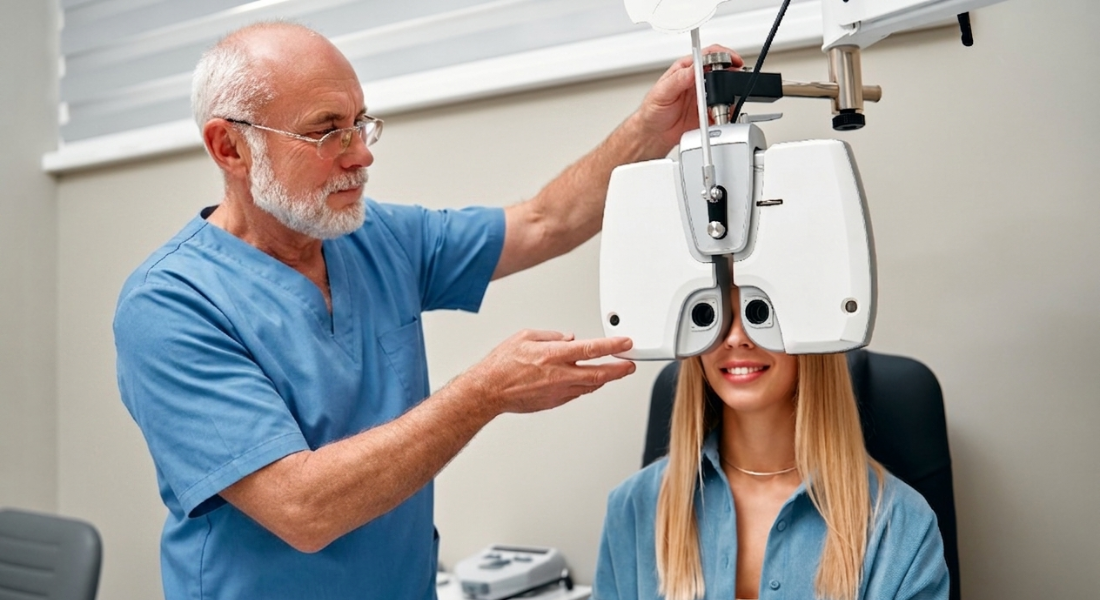
Genetic counselling highlights the importance of regular eye examinations, even if you already have a confirmed genetic diagnosis. Ongoing monitoring allows your specialist to track any changes in your vision, detect early signs of progression, and adjust your care plan when needed.
Routine follow-up appointments also provide opportunities to review new developments in treatment, including access to emerging therapies or clinical trials. This ensures that any suitable interventions can be considered at the most appropriate stage.
Regular monitoring helps your specialist document changes, manage symptoms and identify complications or suitable treatment opportunities where these exist. However, monitoring cannot guarantee that vision loss will be prevented or that every change can be treated.
Emerging Research and Gene Therapies
Advances in gene therapy and regenerative ophthalmology are expanding the range of potential treatments for inherited eye diseases. Researchers are developing new approaches that may help restore visual function or slow disease progression, often guided by detailed genetic information.
Clinical studies are investigating gene-based, cell-based and other targeted approaches for selected inherited retinal disorders. Researchers are assessing whether these treatments can preserve or improve visual function and which patients may potentially benefit.
A confirmed molecular diagnosis may help a specialist assess whether you meet the genetic criteria for a particular clinical trial. It also ensures you are fully informed about the potential benefits, risks, and limitations before deciding to participate.
Timing of Genetic Testing
Genetic testing may be appropriate at different stages of life, but the timing should be based on clinical usefulness rather than age alone. Testing an affected child may help clarify a diagnosis, guide monitoring or identify associated medical concerns.
Predictive testing of an unaffected relative, particularly a child, requires specialist discussion about consent, possible benefits, psychological effects and whether the result would change care during childhood. Testing should not be presented as routine screening for every relative.
Limitations of Genetic Testing
While genetic testing can provide valuable insights, it also has important limitations. Not all disease-causing genetic variants have been identified, and some results may be uncertain or difficult to interpret. In addition, testing cannot guarantee prevention of a condition or accurately predict when it will develop or how it will progress.
Because of these limitations, genetic results should always be considered alongside other clinical information. Eye examinations, imaging, and a full medical history remain essential for understanding your condition and guiding appropriate care.
It is important not to make changes to your treatment based solely on genetic results. Decisions about your care should always be made in consultation with your healthcare team to ensure they are safe, appropriate, and based on a complete assessment of your eye health.
How to Prepare for Genetic Counselling
Before your appointment, it is helpful to gather relevant medical information, including previous eye examination reports, retinal images, and any known family history of eye conditions. This background allows the counsellor to better understand your situation, identify possible inherited patterns, and consider the most appropriate testing options.
Providing detailed and accurate information can improve the interpretation of any genetic results. It also helps ensure that recommendations are tailored to your specific clinical and family context, making the counselling process more precise and meaningful.
Taking time to prepare in advance can make your session more efficient and informative. This allows you to ask relevant questions, understand your options clearly, and gain the most benefit from the genetic counselling experience.
Clinical Tip
Before your appointment, gather previous eye-clinic letters, imaging reports and any genetic-test results already available. It may also help to write down information about relatives with vision loss, eye conditions, hearing loss, neurological problems or other relevant medical diagnoses.
You do not need to contact every family member or arrange testing yourself. The specialist team can help identify which relatives may benefit from information, assessment or testing once the likely diagnosis and inheritance pattern are clearer.
Questions to Ask During Counselling
During your genetic counselling session, it can be helpful to ask about how the condition is inherited, what the potential risks are for your family members, and whether genetic testing is recommended for relatives. You may also want to discuss the likelihood of the condition progressing and how it may affect your vision over time.
It is important to ask about available treatment options, including whether you may be eligible for gene therapies or clinical trials. You can also explore how the results may impact family planning decisions and what steps can be taken to reduce risks where possible.
Understanding recommended monitoring plans and follow-up care is equally important. Asking these questions helps you take an active role in your care and ensures you have the information needed to make confident, informed decisions.
Taking a Personalised Approach

Genetic counselling supports a personalised approach to your care by considering your specific genetic findings, lifestyle, and overall health needs. This ensures that any testing, monitoring, and follow-up strategies are relevant and meaningful for your individual situation.
Rather than using a one-size-fits-all approach, your care plan is tailored to reflect your unique risk factors and condition. This helps your healthcare team provide more targeted advice and appropriate long-term management.
By working closely with your specialist, you can take an active role in decisions about your monitoring, treatment options, and family planning. This collaborative approach helps you feel more informed and confident in managing your eye health.
Ethical and Practical Considerations
Genetic counselling also explores important ethical aspects of genetic testing, including whether and how to share results with family members who may be affected. These discussions help you consider the potential impact of this information on relatives and the importance of open, informed communication.
Counsellors provide guidance on handling genetic information responsibly, with careful attention to confidentiality and consent. You will be supported in understanding who has access to your results and how your data is used and protected.
In addition to ethical considerations, counselling helps you navigate practical decisions related to testing, follow-up care, and family involvement. This ensures that your choices are thoughtful, well-informed, and aligned with your personal values and circumstances.
Key Takeaways
- Genetic counselling provides information, support and non-directive guidance.
- A genetic eye condition can exist even when there is no known family history.
- Counselling is usually provided by a trained genetic counsellor, clinical geneticist or specialist genetics team.
- The most suitable genetic test depends on the suspected condition and clinical findings.
- Testing may involve a gene panel, exome sequencing, genome sequencing or another specialised method.
- A positive result may clarify diagnosis and inheritance but may not predict exact severity.
- A variant of uncertain significance should not guide treatment by itself.
- A negative result does not completely rule out a genetic condition.
- Genetic results may help determine whether relatives should be offered assessment.
- Testing unaffected relatives and children requires individual specialist consideration.
- Only a small number of gene-specific treatments are currently established in routine care.
- A genetic diagnosis may support clinical-trial screening but does not guarantee eligibility.
- Genetic information is confidential, although limited lawful exceptions exist.
- Regular ophthalmic monitoring remains important regardless of the genetic-test result.
FAQs
- What is the difference between genetic counselling and genetic testing?
Genetic counselling is the process of understanding the implications of inherited eye diseases, while genetic testing analyses DNA to identify potential disease-causing variants. Counselling helps interpret results and guide care decisions. - Who should consider genetic counselling for eye conditions?
Anyone with a confirmed or suspected inherited eye disease, a family history of vision loss, or children with unexplained retinal disorders may benefit from counselling. - How is a genetic counselling appointment conducted?
A specialist reviews your medical and family history, discusses potential genetic risks, explains testing options, and helps you understand what results may mean for you and your family. - Does genetic counselling provide a diagnosis?
Genetic counselling alone does not replace an ophthalmic diagnosis. However, counselling, specialist eye assessment and genomic testing may together confirm or refine a molecular diagnosis. - Can genetic counselling affect family planning decisions?
Yes, it provides insight into inheritance risks and helps families make informed reproductive choices. - Is genetic counselling only for children?
Genetic counselling can benefit people of all ages. The need depends on your eye condition, symptoms, family history and whether genetic information may influence your care. - How long does a genetic counselling session take?
Appointment length varies according to the service, the complexity of the condition, your family history and whether testing or results are being discussed. - Can genetic counselling guide eligibility for clinical trials?
A confirmed molecular diagnosis may help determine whether you meet the genetic criteria for a particular clinical trial. However, eligibility also depends on factors such as age, remaining retinal structure, vision, disease stage, previous treatment, location and whether recruitment is open. - Are the results from genetic counselling confidential?
Your genetic information is protected by professional confidentiality and data-protection requirements. Relevant information may be shared with members of your healthcare team for your direct care, and other disclosures normally require your consent or another lawful basis. Your counsellor can also explain how a result may have implications for relatives and how information can be shared appropriately. - Does a negative genetic test mean I am free from inherited eye disease?
A negative result means that the test performed did not identify a genetic variant that currently explains the condition. It does not completely exclude a genetic cause because some variants may not be detectable with the method used or may not yet be understood. Your specialist may recommend reviewing the result in the future as genomic knowledge, laboratory methods and variant classification develop.
Final Thoughts: Genetic Counselling for Inherited Eye Diseases
Genetic counselling can help you understand a suspected or confirmed inherited eye condition, the possible benefits and limitations of testing, and what a result may mean for you and your relatives. It can also support decisions about monitoring, family testing, reproductive options and potential research opportunities.
A genetic result does not always provide a definite answer or predict exactly how your vision will change. It should be interpreted alongside a specialist eye examination, imaging, family history and your individual circumstances.
If you are concerned about an inherited eye condition, you can arrange an assessment at Eye Clinic London to discuss your eye health and whether referral to an ophthalmic genetics service may be appropriate.
References:
- Méjécase, C., Malka, S., Guan, Z., Slater, A., Arno, G. and Moosajee, M. (2020) ‘Practical guide to genetic screening for inherited eye diseases’, Therapeutic Advances in Ophthalmology, 12, article 2515841420954592. Available at: https://pmc.ncbi.nlm.nih.gov/articles/PMC7513416/
- Kaminer Abargel, M., Macarov, M., Hendler, K. and Yahalom, C. (2025) ‘The importance of genetic counselling and testing in inherited eye diseases: a population-based retrospective study’, PLOS ONE, 20(2), article e0318492. Available at: https://pmc.ncbi.nlm.nih.gov/articles/PMC11825002/
- Gill, J.S., Georgiou, M., Kalitzeos, A. and Moore, A.T. (2019) ‘Progress in gene therapy for inherited retinal diseases’, British Journal of Ophthalmology, 103(10), pp. 1407–1414. Available at:
https://pubmed.ncbi.nlm.nih.gov/31456290/ - Jespersgaard, C., Fang, M., Bertelsen, M., Dang, X., Jensen, H., Chen, Y., Bech, N., Dai, L., Rosenberg, T., Zhang, J. and others (2019) ‘Molecular genetic analysis using targeted NGS analysis of 677 individuals with retinal dystrophy’, Scientific Reports, 9, p. 1219. Available at:
https://pubmed.ncbi.nlm.nih.gov/30718709/ - Stone, E.M., Andorf, J.L., Whitmore, S.S., DeLuca, A.P., Giacalone, J.C., Streb, L.M., Braun, T.A., Mullins, R.F. and Tucker, B.A. (2021) ‘Clinically focused molecular investigation of inherited retinal disease’, Ophthalmology, 128(1), pp. 101–109. Available at:
https://pubmed.ncbi.nlm.nih.gov/34906171/