

New Research on Stem Cell Therapy in Paediatric Ophthalmology
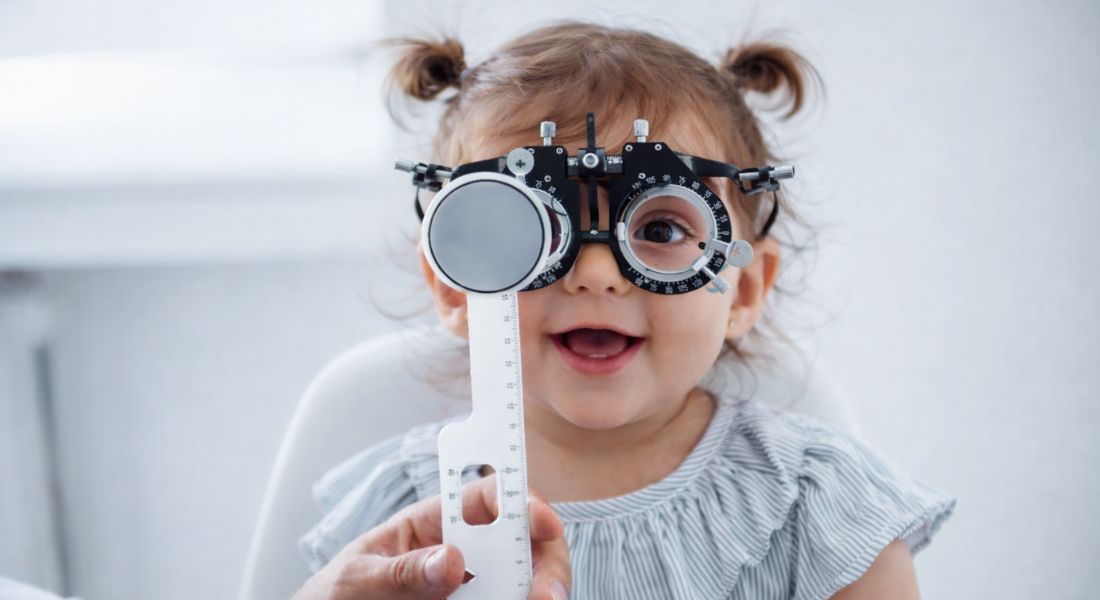
Stem cell research is one of the most exciting areas of modern medicine, with scientists exploring new ways to repair damaged tissues, replace lost cells, and improve treatment outcomes. If you are interested in the future of eye care, you may find it encouraging that stem cell therapies are attracting growing attention in ophthalmology, particularly because many eye conditions involve damage to specialised cells that cannot naturally regenerate.
In paediatric ophthalmology, researchers are investigating whether stem cells could one day help treat childhood eye diseases that currently have limited treatment options. Although these therapies remain experimental, the early findings are promising and may eventually provide you with more treatment options if your child is affected by a complex eye condition.
Advances in genetics, cell biology, and regenerative medicine have accelerated progress in this field. Scientists now have a better understanding of how stem cells behave and how they may be guided to repair damaged eye tissues, bringing researchers closer to developing safe and effective treatments that could benefit you and future generations.
While stem cell treatments are not yet routinely available for most childhood eye conditions, research is moving forward rapidly. As scientists continue to make new discoveries, future advances may expand the range of treatment options available for childhood eye conditions and transform paediatric ophthalmology in the years ahead, giving you greater confidence in the future of children’s eye care.
What Are Stem Cells?
Stem cells are unique cells that have the remarkable ability to develop into many different types of specialised cells within the body. They can also reproduce themselves over time, making them an important part of growth, repair, and tissue regeneration. If you are learning about regenerative medicine, understanding stem cells is an essential first step.
These unique properties make stem cells especially valuable for medical research. Scientists hope they may eventually help repair tissues that have been damaged by disease, injury, or inherited conditions, offering you and future patients access to treatments that are not currently available.
Their versatility has made stem cells one of the most important areas of scientific investigation. As researchers continue to learn more about how these cells behave, you can expect further advances that may improve the treatment of many medical conditions, including a range of childhood eye diseases.
Why Stem Cells Are Important in Eye Research
Many parts of your eye contain highly specialised cells that cannot easily repair or replace themselves once they are damaged. As a result, injuries and certain eye diseases can lead to permanent vision problems, making effective treatments difficult to develop.
Researchers believe stem cells may provide a way to repair or replace these damaged tissues. If successful, these therapies could help protect your vision, restore some lost function, and offer new treatment options for eye conditions that currently have limited solutions.
This potential has made stem cells a major focus of ophthalmology research around the world. As scientists continue to improve their understanding of regenerative medicine, you may see new therapies emerge that aim to preserve vision and improve long-term outcomes for both children and adults.
Understanding Regenerative Medicine
Regenerative medicine is a branch of healthcare that focuses on repairing, replacing, or regenerating damaged tissues and organs. If you are exploring future advances in eye care, you will find that stem cell therapy is one of the most promising areas because it aims to help your body repair tissues damaged by disease, injury, or inherited conditions.
Researchers are investigating how regenerative medicine could be used to treat a range of childhood eye diseases. Instead of only managing symptoms, these approaches aim to address the underlying causes of vision loss, giving you a better understanding of how future treatments may work and why they are generating so much interest.
Although regenerative medicine is still in the early stages of development, progress has been encouraging. As scientists continue to explore innovative approaches that may improve outcomes for children with complex eye diseases, you can expect to see new discoveries that may expand future treatment options.
Personalised Medicine and Stem Cells
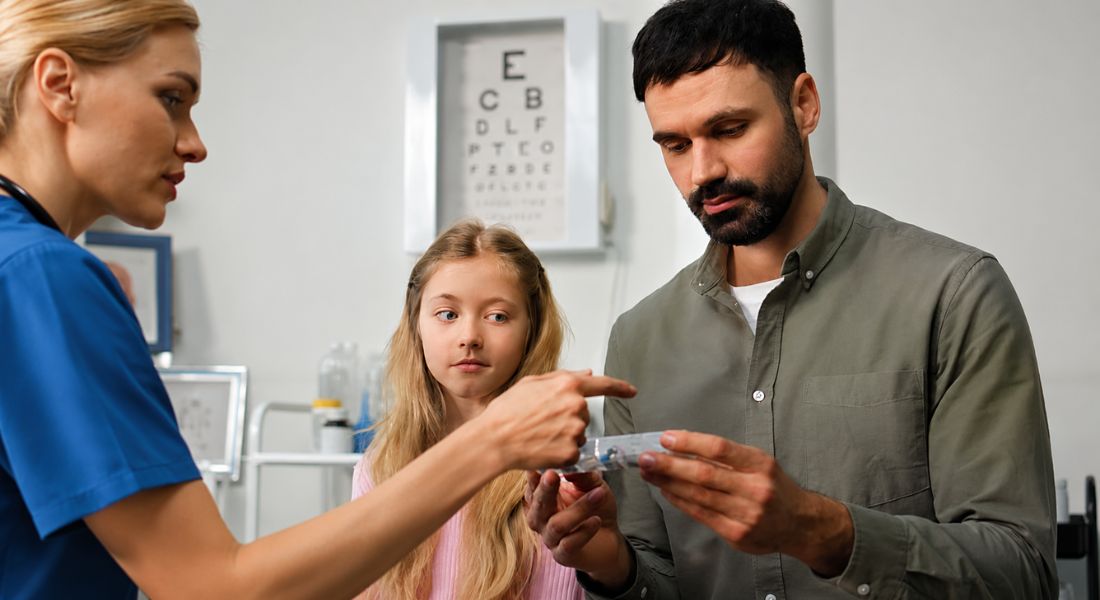
One of the most exciting developments in stem cell research is the move towards personalised medicine. If you receive a treatment created from your own cells, it may reduce certain risks and improve how well your body responds to therapy.
Researchers are investigating whether stem cells generated from a patient’s own tissues could provide better compatibility and more effective treatment outcomes. By tailoring therapies to your individual needs, scientists hope to develop approaches that are both safer and more precise.
Personalised medicine has become a major focus of current research, particularly in paediatric ophthalmology and regenerative medicine. As scientific knowledge continues to grow, you can expect personalised stem cell therapies to play an increasingly important role in the future of eye care.
Types of Stem Cells Used in Research
Several different types of stem cells are being studied to understand how they may support future medical treatments. Each type has unique characteristics, benefits, and limitations that researchers continue to investigate. Learning about these differences can help you better understand how stem cell research is advancing.
- Embryonic stem cells have broad potential: These stem cells can develop into many different types of specialised cells. Researchers are exploring how they may help treat a wide range of conditions in the future.
- Adult stem cells are naturally found in your body: Adult stem cells help maintain and repair certain tissues throughout your life. They are widely studied because they may support future regenerative treatments.
- Induced pluripotent stem cells offer new possibilities: These stem cells are created by reprogramming adult cells so they behave like embryonic stem cells. This approach may provide you with more personalised treatment options as research continues.
- Each type has its own advantages and limitations: Researchers carefully evaluate the benefits and challenges of each type of stem cell. This helps identify which cells may be most suitable for different areas of medical research.
- Understanding these differences supports future progress: As you learn about the different types of stem cells, it becomes easier to understand how new therapies are being developed. This knowledge continues to guide the future of regenerative medicine.
Induced Pluripotent Stem Cells
Induced pluripotent stem cells (iPSCs) are created by reprogramming adult cells so that they behave like stem cells. If you are new to stem cell research, you can think of iPSCs as ordinary cells that have been given the ability to develop into many different types of specialised cells.
Once these cells have been reprogrammed, researchers can encourage them to develop into specific cell types needed for research or potential treatments. This has made iPSCs particularly exciting because they may help scientists create more personalised therapies that could better meet your individual needs in the future.
iPSC technology has become one of the fastest-growing areas of stem cell research. As scientists continue to improve this technology, you can expect to see further advances that may transform the way childhood eye diseases and many other medical conditions are studied and treated.
Stem Cells and Retinal Disease
Many childhood eye conditions affect the retina, the light-sensitive tissue at the back of your eye that plays a vital role in vision. When retinal cells become damaged, they have very little ability to regenerate naturally, which can lead to significant and sometimes permanent vision loss.
Researchers are investigating whether stem cells could one day replace damaged retinal cells and restore some of the retina’s normal function. If these therapies prove successful, they may provide you and future patients with new treatment options for conditions that currently have very limited therapies.
Retinal regeneration remains one of the biggest priorities in stem cell research. As scientists continue to make progress, you can expect to see further advances that may improve the way childhood retinal diseases are treated and help preserve vision in the future.
Research Into Inherited Retinal Disorders
Inherited retinal disorders often begin during childhood and can gradually affect your child’s vision over time. These conditions are usually caused by genetic changes that damage the specialised cells in the retina, and many currently have limited treatment options.
Researchers are investigating whether stem cell therapies could help replace retinal cells that have been damaged by these inherited conditions. If successful, these treatments may one day offer you and your child new possibilities for preserving or improving vision, although research is still at an early stage.
Early laboratory studies have produced encouraging results, but clinical use is still being carefully investigated. As scientists continue their research, you can expect to see a better understanding of how stem cell therapies may be used safely and effectively for inherited retinal diseases in the future.
Stem Cell Research and Retinopathy of Prematurity
Retinopathy of prematurity is an important cause of childhood visual impairment, particularly in babies who are born prematurely. If your child is affected by this condition, you may know that it can damage the developing retina and, in severe cases, lead to long-term vision problems.
Researchers are exploring how stem cell therapies may contribute to future treatment strategies for retinopathy of prematurity. They are investigating whether regenerative approaches could help repair damaged retinal tissue and support healthier eye development, giving you hope for more effective treatment options in the future.
Although the early research is encouraging, much more work is needed before these therapies become widely available. As studies continue, you can expect to see a clearer understanding of how stem cells may be used safely and effectively to improve outcomes for children with this condition.
Corneal Regeneration Research
The cornea is the clear front surface of your eye that helps focus light and protect the structures inside the eye. If the stem cells that maintain the cornea become damaged, you may experience reduced vision, discomfort, or other problems that can affect long-term eye health.
Researchers are investigating ways to use stem cells to regenerate healthy corneal tissue and restore normal function. If these techniques continue to progress, they may provide you and your child with new treatment options for certain corneal disorders that currently have limited therapies.
Corneal regeneration has already shown encouraging results in some areas of ophthalmology, making it one of the most promising fields of regenerative medicine. As research continues, you can expect further advances that may improve outcomes and expand future treatment possibilities for children with corneal disease.
Limbal Stem Cell Therapy
Limbal stem cells are found at the edge of your cornea and play an essential role in maintaining a healthy eye surface. When these cells become damaged, your vision may be affected, and the cornea may not heal properly. Researchers are developing therapies that aim to restore limbal stem cell function and improve corneal health.
- Limbal stem cells help maintain your cornea: These specialised cells are located around the edge of your cornea and support the continuous renewal of its surface. Healthy limbal stem cells are important for maintaining clear vision.
- Damage to these cells can affect your eyesight: When limbal stem cells are lost or damaged, your cornea may struggle to repair itself. This can lead to vision problems and other complications affecting the surface of your eye.
- Researchers are developing limbal stem cell therapies: Scientists are exploring treatments that aim to restore the function of damaged limbal stem cells. These therapies may help improve corneal healing and support better eye health.
- The goal is to restore normal corneal function: By replacing or repairing damaged limbal stem cells, researchers hope to help your cornea recover more effectively. This approach focuses on treating the underlying cause of the problem rather than only managing symptoms.
- This is one of the most advanced areas of eye research: Limbal stem cell therapy represents one of the most promising applications of stem cell research in ophthalmology. Ongoing studies continue to improve your understanding of how these treatments may benefit patients in the future.
Stem Cells and Optic Nerve Research
Damage to the optic nerve can lead to permanent vision loss because the nerve cells responsible for carrying visual information have very little ability to repair themselves. If your child’s optic nerve is damaged, current treatments can often only help manage the condition rather than restore lost vision.
Researchers are investigating whether stem cells could one day support optic nerve repair or even encourage the regeneration of damaged nerve tissue. Although this remains one of the greatest challenges in ophthalmology, these studies may eventually provide you with new treatment possibilities that are not available today.
Optic nerve regeneration is considered one of the long-term goals of eye research. As scientists continue to make progress, you can expect to see further discoveries that may improve the understanding of nerve repair and bring future therapies closer to clinical use.
Gene Therapy and Stem Cell Combinations
Scientists are becoming increasingly interested in combining stem cell therapy with gene therapy to treat inherited childhood eye diseases. If you are following developments in regenerative medicine, you may find this approach especially promising because it aims to address both the genetic cause of a condition and the damage it creates.
Gene therapy may help correct the underlying genetic changes responsible for certain eye diseases, while stem cell therapy could be used to replace or repair damaged eye tissue. By combining these two approaches, researchers hope to provide you and future patients with more effective and longer-lasting treatment options.
Research in this area is advancing rapidly, with scientists continuing to explore how these therapies can work together safely and effectively. As new discoveries are made, you can expect to see further progress that may transform the treatment of inherited childhood eye conditions in the years ahead.
Challenges Facing Stem Cell Therapy
Although stem cell therapy offers exciting possibilities, there are still several challenges that researchers must overcome before these treatments become widely available. If you are considering the future of regenerative medicine, it is important to understand that developing safe and effective therapies takes time and extensive research.
Scientists must ensure that transplanted stem cells function correctly and integrate safely into the eye without causing complications. They are also working to reduce potential risks, such as unwanted cell growth or cells developing in ways that were not intended, so you can have greater confidence in the safety of future treatments.
Safety remains the highest priority throughout every stage of clinical research. Before stem cell therapies become part of routine care, you can expect them to undergo careful testing and evaluation to ensure they are both effective and safe for children with eye conditions.
Ethical Considerations
Stem cell research raises important ethical questions, and researchers must ensure that every study is carried out responsibly and in line with strict scientific and legal regulations. If you are considering future stem cell treatments, you can be reassured that ethical standards are an essential part of the research process.
Before any new therapy is tested, it undergoes careful ethical review to help protect patients and ensure that the research is conducted safely and responsibly. These review processes are designed to safeguard your interests while maintaining high scientific standards.
Public trust is also vital to the continued progress of stem cell research. As scientists develop new treatments, you can expect ethical considerations to remain at the centre of every stage, helping ensure that future therapies are both safe and responsibly developed.
Clinical Trials in Paediatric Ophthalmology
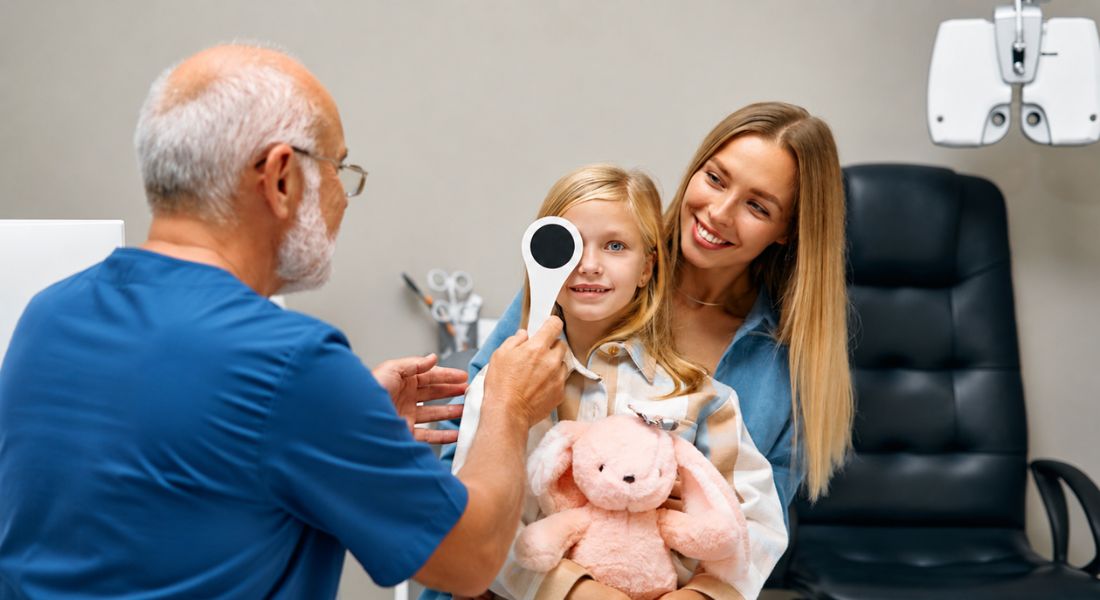
Clinical trials play a vital role in developing new treatments for childhood eye conditions. Researchers use carefully designed studies to assess whether potential therapies are safe and effective before they become more widely available. As research progresses, these studies may help you better understand how future treatments are being developed.
- Clinical trials help evaluate new treatments: Researchers carry out clinical trials to assess the safety and effectiveness of new therapies. This careful process helps ensure that any treatment you may receive in the future has been thoroughly evaluated.
- Stem cell research is being explored in clinical studies: Several stem cell-related clinical trials are underway in different areas of ophthalmology. These studies are investigating whether new therapies may benefit children with certain eye conditions.
- Patient safety remains a priority: Clinical trials follow strict guidelines to protect the people taking part. Researchers carefully monitor every stage of the study to ensure reliable safety and effectiveness data are collected.
- Research findings guide future treatments: The results of clinical trials help researchers understand which therapies show the greatest promise. This evidence supports the development of safer and more effective treatment options that may benefit future patients.
Clinical trials shape the future of paediatric eye care: As new research becomes available, you may see more innovative treatments introduced into clinical practice. These studies play an essential role in advancing paediatric ophthalmology and improving future patient care
Artificial Intelligence and Stem Cell Research
Artificial intelligence is playing an increasingly important role in stem cell research by helping scientists analyse large amounts of data more quickly and accurately. If you are interested in the future of regenerative medicine, you may be surprised by how AI is already supporting new scientific discoveries.
Researchers are using AI to better understand how stem cells behave, grow, and develop into specialised cells. By identifying patterns that might otherwise be missed, these technologies can help researchers make faster progress and bring you closer to future treatments for childhood eye diseases.
As technology continues to advance, AI is expected to become an even more valuable partner in regenerative medicine. You can expect these tools to support researchers in developing safer, more effective stem cell therapies and improving the future of paediatric ophthalmology.
Long-Term Monitoring of New Therapies
Any future stem cell treatment will require careful long-term monitoring to ensure it remains both safe and effective. If you or your child were to receive a stem cell therapy in the future, your medical team would be likely to recommend regular follow-up appointments to assess how the transplanted cells behave over time.
Researchers need to understand how these cells function over many years and whether the benefits continue in the long term. By monitoring patients carefully, they can gather valuable information that helps improve future treatments and gives you greater confidence in their safety and effectiveness.
Long-term studies are an essential part of responsible medical research. As new stem cell therapies continue to develop, you can expect ongoing follow-up and careful evaluation to remain a key part of ensuring these treatments are introduced safely into routine clinical practice.
Future Directions in Research
Stem cell research continues to advance at a remarkable pace, with scientists exploring new ways to generate specialised eye cells and improve tissue repair. If you are following developments in paediatric ophthalmology, you will see that progress in this field is creating exciting opportunities for future treatments.
Advances in genetics, bioengineering, and regenerative medicine are helping researchers develop innovative approaches to treating childhood eye diseases. These discoveries may one day provide you and future patients with therapies that can repair damaged eye tissues and preserve vision more effectively than current treatment options.
Although there is still much work to be done before many of these therapies become widely available, the future remains highly promising. As research continues to move forward, you can expect to see further breakthroughs that may transform the way childhood eye conditions are managed in the years ahead.
The Importance of Specialist Care
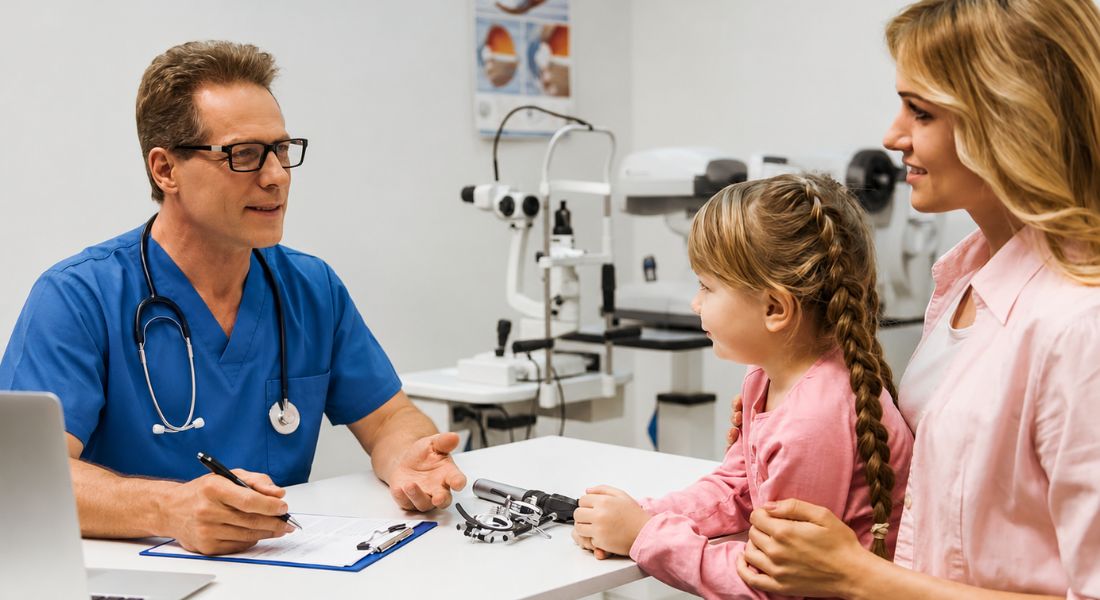
While stem cell therapies remain largely experimental in paediatric ophthalmology, the treatments available today continue to play a vital role in protecting and improving children’s vision. If you have concerns about your child’s eyesight or visual development, seeking early assessment can make a significant difference to their long-term eye health.
Early diagnosis and appropriate management give your child the best chance of achieving positive outcomes. You should not wait for symptoms to become more noticeable, as many childhood eye conditions can benefit from prompt evaluation and timely treatment.
If you are worried about your child’s eyes or vision, it is important to seek advice from a specialist in paediatric ophthalmology. By accessing expert care, you can ensure that your child receives the most appropriate investigations, personalised treatment recommendations, and ongoing support for their individual needs.
FAQs:
- What is stem cell therapy for childhood eye conditions?
Stem cell therapy is an area of regenerative medicine that explores whether stem cells can repair or replace damaged cells in the eye. While researchers are making encouraging progress, most treatments for childhood eye conditions are still in the research stage. - Can stem cell therapy restore your child’s vision?
Researchers are investigating whether stem cell therapy could help restore vision by repairing damaged eye tissues. Although early studies are promising, there is currently no guarantee that these treatments can restore vision, and more clinical research is needed. - Which childhood eye diseases could stem cell therapy help treat?
Scientists are studying stem cell therapy for several childhood eye conditions, including inherited retinal diseases, retinopathy of prematurity, corneal disorders, and limbal stem cell deficiency. However, these treatments are not yet routinely available. - Are stem cell treatments available for children today?
Most stem cell therapies for paediatric eye conditions are still experimental and are only available through carefully regulated clinical research. If your child has an eye condition, your specialist will recommend the most appropriate evidence-based treatment currently available. - What are induced pluripotent stem cells (iPSCs)?
Induced pluripotent stem cells, or iPSCs, are adult cells that have been reprogrammed to behave like stem cells. Researchers are studying them because they may help develop personalised treatments that are better suited to your individual needs in the future. - How could regenerative medicine improve eye care?
Regenerative medicine focuses on repairing or replacing damaged tissues rather than simply managing symptoms. As research progresses, you may see new therapies that aim to preserve vision and treat the underlying causes of certain childhood eye diseases. - Why are clinical trials important for stem cell research?
Clinical trials allow researchers to evaluate whether new stem cell therapies are safe and effective before they become widely available. If future treatments are approved, they will have undergone extensive testing to help ensure patient safety. - What challenges do researchers face with stem cell therapy?
Before stem cell therapies can become routine treatments, researchers must ensure that transplanted cells work correctly, integrate safely into the eye, and do not cause unwanted side effects. Long-term safety remains one of the highest priorities. - How does artificial intelligence support stem cell research?
Artificial intelligence helps researchers analyse large amounts of scientific data more efficiently. By improving the understanding of how stem cells behave, AI may help speed up the development of safer and more effective treatments for childhood eye diseases. - Why should you seek specialist care for your child’s eye condition?
Although stem cell research offers exciting possibilities for the future, current treatments remain the best option for managing childhood eye conditions. If you are concerned about your child’s vision, seeking advice from a specialist as early as possible can help ensure they receive the most appropriate care and treatment.
Final Thoughts: What This Research Could Mean for Your Child’s Eye Health
Stem cell research is opening up exciting possibilities in paediatric ophthalmology, especially for conditions that currently have limited treatment options. While most of these therapies are still in the experimental stage, you can already see how advances in regenerative medicine, genetics and biotechnology are shaping a future where damaged eye tissues may be repaired rather than simply managed.
For now, established treatments and early intervention remain the most important tools in protecting your child’s vision. Stem cell therapies are not yet part of routine clinical care, but ongoing research and clinical trials continue to move the field forward, offering hope for more effective and personalised treatments in the years ahead.
If you’d like to explore whether a paediatric ophthalmologist in London is suitable for you, feel free to contact us at Eye Clinic London to arrange a consultation.
Reference:
- He, H. and Yiu, S.C. (2014) ‘Stem cell-based therapy for treating limbal stem cells deficiency: A review of different strategies’, Saudi Journal of Ophthalmology, 28(3), pp. 188–194. Available at: https://pmc.ncbi.nlm.nih.gov/articles/PMC4181755/
- Soleimani, M., Cheraqpour, K., Koganti, R., Baharnoori, S.M. and Djalilian, A.R. (2023) ‘Concise Review: Bioengineering of Limbal Stem Cell Niche’, Bioengineering, 10(1), Article 111. Available at: https://pubmed.ncbi.nlm.nih.gov/36671683/
- Trounson, A. and McDonald, C. (2015) ‘Stem cell therapies in clinical trials: Progress and challenges’, Cell Stem Cell, 17(1), pp. 11–22. Available at: https://pubmed.ncbi.nlm.nih.gov/26140604/
- Sarda, V., Chawla, R., Sharma, A. and Gupta, V. (2024) ‘Stem Cell Therapy in Ophthalmology: Current Advances and Future Perspectives’, Journal of Clinical Medicine, 13(23), p. 7460. Available at: https://www.mdpi.com/2077-0383/13/23/7460
- Zhang, Y., Li, X., Wang, H. and colleagues (2026) ‘Regenerative treatment of ophthalmic diseases with stem cells: Principles, progress, and challenges’, Advances in Ophthalmology Practice and Research. Available at: https://www.sciencedirect.com/science/article/pii/S166526812600061X