


How Are Surgeons Improving ICL Patient Selection? Insights from Recent Conferences

Implantable Collamer Lens (ICL) surgery continues to attract significant attention at major ophthalmology conferences around the world. You may have noticed that, as the procedure becomes increasingly popular for correcting refractive errors, experts are placing greater emphasis on patient selection. Many specialists believe that successful outcomes often begin long before the surgery itself takes place.
Recent conference discussions have focused heavily on advances in diagnostic technology, screening protocols, and suitability assessments. You would have seen experts highlighting how these developments are helping surgeons identify ideal candidates more accurately. By improving the assessment process, clinicians can work to reduce potential risks and improve the predictability of outcomes.
If you are considering ICL surgery, understanding how specialists determine suitability can help you make more informed decisions. You may find it reassuring that patient selection is becoming increasingly precise as technology and clinical knowledge continue to advance. The latest conference insights show how surgeons are refining the process to help achieve safer and more predictable results.
Why Patient Selection Matters So Much
Patient selection has always been important in refractive surgery, but you would have noticed that recent conferences have placed even greater emphasis on its role. Experts repeatedly stressed that even the most advanced surgical techniques cannot fully compensate for poor candidate selection. This is why choosing the right patient remains the foundation of a successful outcome.
ICL surgery can provide excellent visual results when it is performed on suitable candidates. However, you have unique anatomical characteristics, eye measurements, and visual requirements that need careful consideration. A thorough assessment helps determine whether the procedure is appropriate for your individual circumstances and treatment goals.
Conference speakers also highlighted that many potential complications can be reduced through detailed pre-operative evaluation. You are more likely to achieve a positive outcome when potential issues are identified before surgery rather than afterwards. This focus on prevention continues to guide modern refractive surgery and patient care.
Advances in Diagnostic Technology
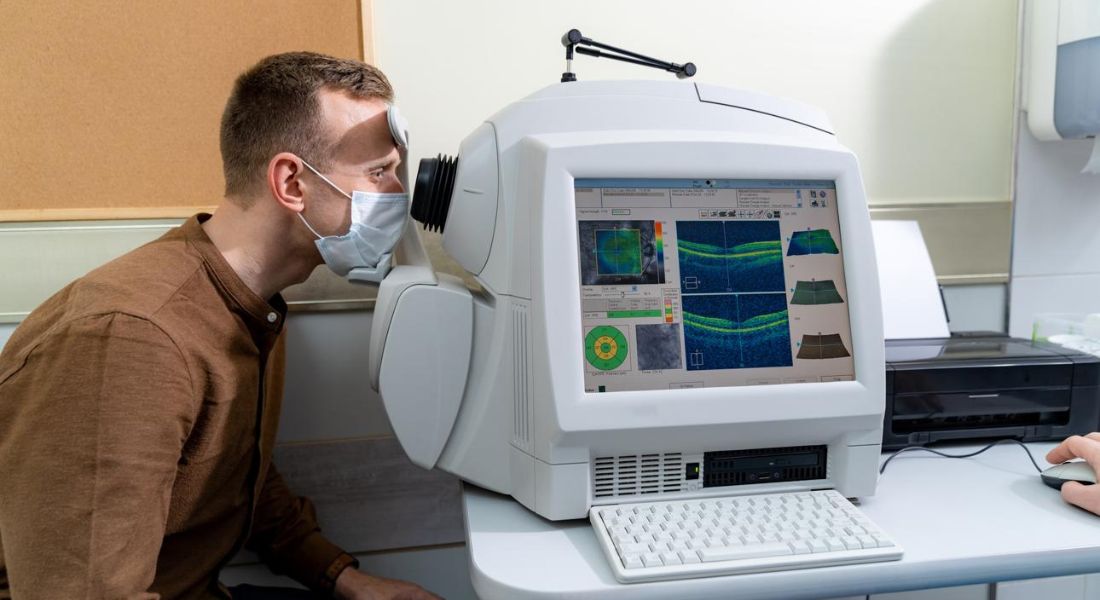
Modern diagnostic devices were a major focus at recent ophthalmology conferences. You would have seen experts discussing how new imaging systems can provide more detailed information about your eyes than ever before. These advances are helping surgeons make more informed decisions during the assessment process.
Advanced diagnostic tools can measure important anatomical structures with exceptional accuracy. This allows your surgeon to evaluate factors that may influence both the safety and long-term success of ICL surgery. Greater precision helps ensure that treatment recommendations are based on detailed and reliable information.
Experts also explained that these technologies are increasing confidence during patient assessments. You may benefit from more personalised recommendations because surgeons now have access to a wider range of diagnostic data. As a result, patient selection is becoming more accurate and tailored to individual needs.
Improved Measurement of Anterior Chamber Depth
One of the important topics discussed at ophthalmology conferences is the measurement of anterior chamber depth when assessing suitability for Implantable Collamer Lens (ICL) Surgery. If you are considering ICL surgery, this measurement plays a key role in determining whether the procedure is appropriate for your eyes. Recent presentations highlighted how advances in imaging technology are helping surgeons assess this area with greater precision, supporting safer and more predictable outcomes.
- Anterior chamber depth remains a key suitability factor: Before you can be considered for ICL surgery, your surgeon needs to assess the space between the cornea and the natural lens inside your eye. This area, known as the anterior chamber, must provide enough room for the implanted lens. Careful evaluation helps determine whether the procedure is suitable for you.
- Modern imaging provides more detailed assessments: Conference speakers discussed how advanced imaging systems can now create highly detailed measurements of the structures inside your eye. These technologies allow surgeons to evaluate available space more accurately than ever before. This supports better treatment planning and decision-making.
- Accurate measurements support safer lens placement: Precise measurements help your surgeon select the most appropriate lens size and positioning strategy. When the available space is assessed correctly, the implanted lens can be placed more safely and effectively. This helps reduce the likelihood of complications.
- Reducing uncertainty in surgical planning: Even small measurement errors can influence treatment decisions. Improved imaging technology helps minimise uncertainty by providing more reliable data about your eye’s anatomy. This allows surgeons to make more informed recommendations.
- Better technology contributes to improved outcomes: As imaging systems continue to advance, surgeons are gaining a clearer understanding of individual eye anatomy. This helps improve patient selection, surgical planning, and overall safety. For you, this means a more personalised and carefully assessed treatment process.
Overall, the discussions highlighted how improved measurement of anterior chamber depth is helping make ICL surgery safer and more precise. By using advanced imaging technology, surgeons can evaluate your eye more accurately and make better-informed decisions about treatment suitability.
Better Assessment of Corneal Health
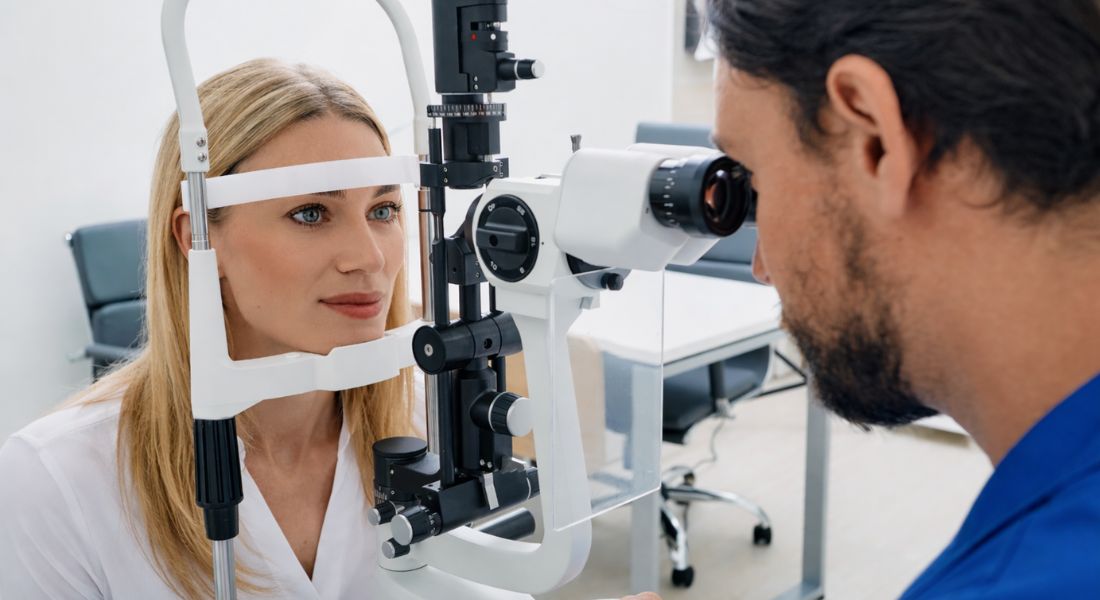
Corneal assessment continues to play a vital role in patient selection for ICL surgery. You would have seen experts emphasising that, even though ICL surgery does not reshape your cornea, understanding its health is still essential during the evaluation process. Recent discussions have focused on how screening methods are becoming more advanced and reliable.
Advanced corneal imaging now allows specialists to detect subtle irregularities in your eye with much greater accuracy. This helps identify whether you may need additional testing or closer evaluation before proceeding with surgery. Early detection of any concerns supports safer planning and more appropriate treatment decisions for you.
Experts also noted that a comprehensive corneal assessment contributes significantly to overall surgical success. You benefit when your surgeon has a detailed understanding of your ocular health before making recommendations. For this reason, thorough evaluation of your cornea remains a key part of modern refractive surgery planning.
Increased Focus on Individual Eye Anatomy
One of the strongest themes at recent ophthalmology conferences was the importance of personalised assessment. You would have noticed experts explaining that surgeons are moving away from broad suitability rules and focusing more on your individual eye anatomy. Every eye is unique, which means a one-size-fits-all approach is becoming less appropriate.
Detailed anatomical evaluation helps identify specific factors that may influence lens selection and surgical planning. You may find that measurements such as corneal shape, anterior chamber depth, and other structural details are carefully assessed before any decision is made. This level of personalisation helps improve predictability and supports more consistent outcomes.
Conference speakers also explained that tailoring recommendations to your individual anatomy can improve both safety and patient satisfaction. You are more likely to achieve a result that suits your visual needs when treatment is customised in this way. For this reason, personalised care continues to be a growing priority in modern refractive surgery.
Understanding the Importance of Vault Prediction
Vault prediction has become an increasingly important topic in ICL surgery discussions at recent conferences. You would have heard experts explaining that the vault refers to the space between the implanted lens and your natural lens. Achieving the right vault is essential for ensuring safe and effective long-term outcomes.
Recent presentations have focused on new ways to predict vault results before surgery. You may find it interesting that improved predictive models are helping surgeons choose the most suitable lens size with greater accuracy. This can reduce uncertainty and support better planning for your individual case.
Experts suggested that ongoing research in this area continues to refine how patient selection is carried out. You are more likely to benefit from improved outcomes when lens sizing is based on more precise predictions. For this reason, innovation in vault prediction remains an important and evolving area of refractive surgery.
Enhanced Imaging Techniques
Advanced imaging technologies continue to transform how ICL suitability is assessed. You would have seen experts at recent conferences showcasing devices that provide highly detailed views of your eye’s internal structures. These improved images help surgeons make more informed decisions during the evaluation process.
Enhanced imaging allows specialists to detect subtle anatomical variations that may affect whether ICL surgery is suitable for you. You may find that even small differences in eye structure can now be identified with much greater accuracy. This level of detail supports more thorough assessments and helps improve overall patient safety.
Conference experts also highlighted how imaging helps reduce uncertainty in surgical planning. You are more likely to receive accurate recommendations when your surgeon has a clear and detailed view of your eye anatomy. For this reason, advanced imaging continues to play an important role in modern refractive surgery.
Screening for Dry Eye Conditions
Dry eye assessment received considerable attention during recent conference discussions. You would have heard experts explaining that, although ICL surgery does not typically affect the cornea in the same way as laser procedures, the health of your ocular surface is still very important. Careful screening helps identify any pre-existing dry eye concerns before treatment.
Experts noted that untreated dry eye symptoms can influence both visual quality and your overall comfort after surgery. You may find that issues such as irritation, fluctuating vision, or dryness can affect how satisfied you feel with your results. For this reason, a thorough assessment helps ensure these concerns are identified and managed early.
Conference speakers encouraged a more holistic approach to eye health evaluation. You are likely to achieve better outcomes when your surgeon considers more than just your refractive error. By looking at your overall eye health in detail, comprehensive care continues to play an essential role in modern refractive surgery.
Why Lifestyle Assessment Is Increasingly Important
At recent ophthalmology conferences, you will often hear that lifestyle assessment is becoming a key part of deciding whether you are suitable for procedures like Implantable Collamer Lens (ICL) Surgery. It is no longer just about your eye measurements alone your daily visual needs and habits are also playing a much bigger role in treatment planning.
- Your visual demands are different from others: You will notice that not everyone uses their vision in the same way. Some people rely heavily on sharp distance vision for driving or outdoor work, while others may need more balanced vision for desk-based tasks. Understanding your specific needs helps guide the most suitable recommendation.
- Occupation and lifestyle influence decisions: Your job and daily routine can have a direct impact on which visual correction option is best for you. For example, someone working long hours on screens may have different expectations compared to someone with a more outdoor or active lifestyle. These details are now routinely discussed during consultation.
- Setting realistic expectations for daily life: You will often hear surgeons emphasise the importance of discussing your everyday activities. This helps ensure you understand how your vision may feel in real-world situations, not just on a clinical test chart. It also helps align expectations with likely outcomes.
- Personalisation goes beyond eye anatomy: It is no longer just about measurements like corneal shape or anterior chamber depth. Your lifestyle, habits, and visual priorities are increasingly part of the decision-making process. This creates a more complete and personalised treatment plan for you.
- Improving satisfaction after surgery: When your treatment is matched closely to your lifestyle, you are more likely to feel satisfied with the results. Better alignment between what you need and what is achieved can reduce surprises and improve long-term comfort with your vision.
Overall, lifestyle assessment is becoming an essential part of modern eye care. By considering how you use your vision every day, surgeons can recommend more suitable options and help you achieve outcomes that better match your real-life needs.
Managing Patient Expectations
Expectation management remains one of the most important parts of refractive surgery consultations. You would have heard conference speakers repeatedly emphasising that successful outcomes depend not only on the procedure itself, but also on clear communication with you. It is important that you understand both the benefits and the limitations before making a decision.
Recent discussions have focused on improving patient education and consultation processes. You may notice that clinics are placing more emphasis on explaining procedures in a clear and easy-to-understand way. This helps you make more informed choices and feel more confident about your treatment decision.
Experts also noted that realistic expectations are closely linked to higher patient satisfaction. You are more likely to feel happy with your results when you have a clear and honest understanding of what the surgery can and cannot achieve. For this reason, education and open discussion remain a key part of patient selection.
The Growing Role of Artificial Intelligence
Artificial intelligence was a prominent topic at many recent ophthalmology conferences. You would have heard researchers discussing how AI may support your surgeon in assessing suitability and improving decision-making. Interest in this area continues to grow as technology becomes more advanced.
AI systems have the potential to analyse large amounts of diagnostic information very quickly and efficiently. You may find it interesting that this can help identify patterns in your eye data that support more accurate patient selection. However, experts consistently emphasised that human clinical judgement is still essential.
Conference speakers generally viewed AI as a supportive tool rather than a replacement for medical expertise. You are likely to benefit from a combination of advanced technology and experienced clinical judgement. This balance helps enhance decision-making while still keeping your care personalised.
Assessing Long-Term Suitability
Many conference presentations focused on long-term outcomes rather than just immediate surgical success. You would have heard experts explaining that patient selection now increasingly considers how your eyes may change over time. This broader perspective helps support more stable and sustainable results.
Experts also explained that evaluating your future ocular health is becoming more important in modern refractive surgery. You may find that surgeons consider how factors such as age, eye stability, and overall eye health could influence long-term suitability. This forward-looking approach helps guide safer and more appropriate treatment decisions.
Conference discussions highlighted the value of thinking beyond the immediate outcome. You are more likely to benefit from a treatment plan that considers your future visual needs as well as your current prescription. For this reason, long-term planning is becoming an essential part of patient selection.
Better Identification of Borderline Candidates
Advances in diagnostic technology are helping surgeons assess borderline candidates more accurately. You would have heard experts explaining that patients who previously fell into uncertain categories can now be evaluated with greater precision. This allows for more informed and safer decision-making in your treatment journey.
Conference speakers discussed how improved imaging and measurement tools are helping reduce ambiguity in complex cases. You may find that better-quality information leads to clearer and more confident recommendations from your surgeon. As a result, the overall assessment process is becoming more reliable and consistent.
Experts also emphasised that caution is still very important, even with advanced technology. You should understand that not every patient will be suitable for ICL surgery, regardless of improved diagnostics. For this reason, careful clinical judgement remains essential in ensuring the safest possible outcomes.
The Importance of Ongoing Research
When you attend ophthalmology conferences, you will notice that ongoing research is a major focus, especially when it comes to procedures like Implantable Collamer Lens (ICL) Surgery. You will often hear experts emphasising that better evidence leads to better decisions, particularly when selecting the right patients and improving long-term outcomes. This constant development of knowledge helps ensure that modern eye care continues to evolve in a safe and effective way.
- Research guiding patient selection: You will see new studies regularly presented that focus on which patients are most suitable for surgery. These findings help refine eligibility criteria so that recommendations are more accurate and better matched to your individual eye health and visual needs.
- Focus on surgical outcomes and long-term results: Many presentations explore how patients do after surgery over time. This includes looking at visual stability, safety, and overall satisfaction. By understanding long-term outcomes, clinicians can make more informed decisions before recommending treatment to you.
- Evidence-based practice remains central: Modern ophthalmology relies heavily on evidence rather than assumption. You will often hear that treatment decisions are increasingly guided by research findings, which helps improve consistency and safety in clinical practice.
- Improving screening and prediction methods: Researchers are working on ways to make screening processes more accurate and reliable. This means better tools for predicting how well you may respond to surgery, reducing uncertainty during the decision-making process.
- Continuous improvement in patient care: As research develops, clinical guidelines and best practices are updated. This ensures that you benefit from the most current knowledge available, helping improve both safety and visual outcomes.
Overall, ongoing research plays a crucial role in modern ophthalmology. It helps refine patient selection, improve surgical planning, and ensure that decisions are based on strong evidence, ultimately leading to better outcomes for you.
Collaborative Learning at International Conferences
International conferences provide important opportunities for surgeons to share experiences and discuss complex cases. You would have noticed that this collaborative learning environment helps improve clinical practice on a global level. Shared knowledge ultimately benefits your care as a patient.
Experts often review both successful outcomes and more challenging cases during these meetings. You may find it interesting that these discussions help refine patient selection strategies and improve decision-making. Learning from real-world experience remains a key part of medical progress.
Conference attendees frequently emphasise the value of open dialogue between specialists. You are more likely to benefit from evolving standards of care when surgeons actively collaborate and share knowledge. For this reason, ongoing professional interaction continues to raise standards across the field.
Education and Training Continue to Evolve
Practitioner education remains a major focus within ophthalmology. You would have seen conferences offering training sessions, workshops, and expert panels focused on patient assessment. This continuous learning helps support better and more consistent outcomes for you as a patient.
As technology advances, surgeons need to stay updated with new diagnostic tools and evolving techniques. You may notice that ongoing education ensures assessments remain accurate and in line with the latest clinical standards. This helps improve the quality and reliability of treatment decisions.
Experts repeatedly highlighted the importance of lifelong learning in a rapidly evolving field. You are more likely to benefit when your surgeon is continuously updating their skills and knowledge. For this reason, professional development remains essential in maintaining high standards of care.
Why Personalised Medicine Is Influencing ICL Surgery

Personalised medicine is increasingly influencing many areas of healthcare, including refractive surgery. You would have noticed recent conference discussions highlighting this broader shift towards more individualised care. This approach is becoming more important as expectations for precision and tailored treatment continue to grow.
Rather than relying only on general suitability criteria, surgeons are now incorporating more detailed and personalised assessments. You may find that your recommendations are based on your specific eye measurements, anatomy, and visual needs. This level of precision helps ensure that the treatment plan is better matched to your individual situation.
Experts believe personalised approaches will continue to expand in the future. You are likely to see further improvements as diagnostics and data analysis tools become more advanced. For this reason, personalised medicine is expected to remain a key trend shaping the future of ICL surgery.
Future Developments in Screening
When you attend ophthalmology conferences, you will often hear a lot of optimism about how patient screening is likely to improve in the future, especially for procedures like Implantable Collamer Lens (ICL) Surgery. You will notice that the focus is shifting towards more advanced technology and more personalised ways of assessing whether a procedure is right for you. This ongoing progress is expected to make decision-making more accurate and reliable.
- Advancing screening technology: You will see growing interest in new imaging systems and diagnostic tools that can provide a much more detailed view of your eye’s structure. These technologies help clinicians assess suitability with greater precision, reducing uncertainty during the evaluation process.
- More detailed understanding of ocular health: Emerging tools are not only looking at basic measurements, but also giving deeper insights into overall eye health. This allows your surgeon to make more informed decisions based on a clearer and more complete picture of your anatomy.
- Improving accuracy of suitability criteria: As new data becomes available, screening criteria are becoming more refined. This means your eligibility for treatment can be assessed more accurately, helping ensure that recommendations are better matched to your individual eye characteristics.
- Moving towards more personalised screening: You will often hear experts suggest that future screening processes will be increasingly tailored to you. Instead of relying on broad criteria alone, decisions will be guided by more detailed, patient-specific information.
- Better data leads to better decisions: With improved diagnostic accuracy, clinicians are able to make more confident recommendations. This helps reduce risk and improves the likelihood that you will achieve a successful and predictable outcome.
Overall, future developments in screening are set to make assessment for ICL surgery more precise, personalised, and reliable. As technology continues to evolve, you can expect a more detailed and individualised approach to determining your suitability for treatment.
What These Advances Mean for Patients
For you as a patient considering ICL surgery, these developments are very encouraging. Improved screening methods mean surgeons can identify whether you are a suitable candidate with greater accuracy than before. This helps support both the safety and effectiveness of your treatment.
Advances in technology and assessment protocols now give surgeons far more detailed information about your eyes. You may find that this allows for more personalised recommendations based on your individual eye structure and visual needs. As a result, you can feel more confident that decisions are being made using precise and up-to-date data.
Conference discussions suggest that patient selection will continue to improve in the coming years. You are likely to benefit from ongoing innovation that is focused on achieving safer procedures and better visual outcomes. For this reason, continued progress in this area directly supports improved results for patients like you.
FAQs:
- What is ICL surgery?
ICL (Implantable Collamer Lens) surgery is a vision correction procedure that involves placing a specialised lens inside your eye to correct refractive errors such as short-sightedness, long-sightedness, and astigmatism. The natural lens remains in place, and the implanted lens works alongside it to improve vision. - Why is patient selection so important for ICL surgery?
Patient selection helps ensure that the procedure is both safe and effective. Surgeons carefully assess factors such as eye anatomy, corneal health, and visual requirements to determine whether ICL surgery is suitable for you. Proper screening can help reduce potential risks and improve long-term outcomes. - What tests are performed before ICL surgery?
You will typically undergo a comprehensive eye examination that may include measurements of anterior chamber depth, corneal imaging, pupil assessment, refractive error analysis, and overall ocular health evaluation. These tests help determine whether your eyes can safely accommodate an implantable lens. - What is anterior chamber depth and why does it matter?
Anterior chamber depth refers to the space between your cornea and your natural lens. Adequate depth is essential for the safe placement of an implantable collamer lens. Recent advances in imaging technology have improved the accuracy of these measurements. - How do surgeons determine the correct ICL lens size?
Surgeons use detailed eye measurements and imaging technologies to assess the dimensions of your eye. Factors such as anterior chamber depth and other anatomical features help guide lens selection and improve vault prediction, which is important for long-term safety. - Can artificial intelligence help with ICL patient selection?
Artificial intelligence is being explored as a tool to assist surgeons by analysing large amounts of diagnostic data. While AI may help identify patterns and support decision-making, it does not replace the expertise and clinical judgement of an experienced eye surgeon. - Are people with dry eyes suitable for ICL surgery?
Many patients with dry eye symptoms may still be suitable candidates, but a thorough assessment is important. Recent conference discussions have highlighted the importance of evaluating ocular surface health before surgery to ensure the best possible outcome and patient comfort. - What makes someone a borderline candidate for ICL surgery?
Borderline candidates are individuals whose measurements or eye characteristics fall close to suitability thresholds. Advances in diagnostic technology are helping surgeons evaluate these cases more accurately, allowing for more informed recommendations and safer decision-making. - Does lifestyle affect whether I am a good candidate for ICL surgery?
Yes. Your occupation, hobbies, sporting activities, and visual expectations can all influence treatment planning. Surgeons increasingly consider lifestyle factors alongside anatomical measurements to ensure that the procedure aligns with your daily visual needs. - How are conferences helping improve ICL patient selection?
International ophthalmology conferences allow specialists to share research, new technologies, and clinical experiences. These discussions help refine screening protocols, improve diagnostic accuracy, and develop more personalised approaches to patient assessment, ultimately benefiting future patients considering ICL surgery.
Final Thoughts: The Future of ICL Patient Selection Is Becoming More Personalised
Recent conference discussions have shown that ICL patient selection is becoming increasingly sophisticated, with advances in imaging, diagnostics, artificial intelligence, and personalised assessment helping surgeons make more informed decisions. The focus is no longer solely on correcting refractive errors but on understanding your individual eye anatomy, lifestyle requirements, long-term ocular health, and visual expectations.
As technology continues to evolve, specialists are gaining access to more detailed information than ever before, allowing them to identify suitable candidates with greater accuracy and confidence. These developments are helping improve safety, enhance predictability, and support better long-term outcomes for patients considering refractive surgery. If you’d like to find out whether ICL surgery in London is suitable for you, feel free to contact us at Eye Clinic London to arrange a consultation.
References:
- Naripthaphan, P., et al. (2018) ‘Efficacy and safety of hole implantable collamer lens implantation for refractive error correction’, Journal of Cataract & Refractive Surgery, 44(7), pp. 850-857. https://pubmed.ncbi.nlm.nih.gov/29927184/
- Chan, A.T., et al. (2017) ‘Outcomes after implantable collamer lens surgery: toric and non-toric ICL results in moderate to high myopia’, Journal of Cataract & Refractive Surgery, 43(6), pp. 779-786. https://pubmed.ncbi.nlm.nih.gov/28457282/
- Pineda-Fernández, A., Jaramillo, J., Vargas, J. and Pineda, R. (2017) ‘Implantable Collamer Lens: Surgical Technique and Clinical Outcomes’, Cirugía y Cirujanos, 85(6), pp. 509-515. https://www.sciencedirect.com/science/article/pii/S018155121730027X
- Serra, P., et al. (2021) ‘Posterior chamber phakic intraocular lenses for the correction of myopia: refractive predictability and visual outcomes after ICL implantation’, Vision, Article 28. https://www.mdpi.com/2673-3269/2/4/28
- Wei, Q., et al. (2023) ‘Retinal and choroidal changes following ICL V4c implantation: a 1-year observational study in high myopia patients’, Article 3097. https://www.mdpi.com/2075-4418/13/19/3097