


Key RLE Highlights from the ESCRS Congress

The ESCRS Congress is widely regarded as one of the most important global meetings for cataract and refractive surgeons. You would have seen leading experts coming together to share new research, refine surgical techniques, and discuss evolving technologies. Refractive lens exchange (RLE) was once again a key topic of discussion throughout the event.
If you are exploring vision correction options, you may already know that RLE is increasingly being considered for patients who are not ideal candidates for laser vision correction. The latest congress provided valuable insights into how outcomes, safety, and patient selection continue to improve. You may notice that more emphasis is now being placed on long-term visual quality and personalised treatment planning.
In this article, you will learn about the most important RLE discussions from the ESCRS Congress, including new technologies, updated surgical approaches, and evolving clinical thinking. You will also see how these developments may influence future patient care and decision-making in refractive surgery.
Why RLE Was a Major Topic at ESCRS
RLE continues to gain attention because it offers a long-term solution for correcting refractive error. You would have heard experts explaining that, unlike laser procedures, it replaces your natural lens with an artificial intraocular lens. This makes it suitable for a broader range of patients, especially when laser surgery may not be ideal.
At ESCRS, discussions focused on how RLE is becoming more refined, predictable, and personalised. You may notice that advances in technology are helping surgeons achieve more accurate visual outcomes than before. As a result, global interest in the procedure continues to grow among both patients and clinicians.
Conference speakers also highlighted that patient demand for spectacle independence is increasing. You are more likely to see this trend shaping how RLE is positioned in modern refractive practice. For this reason, expectations around visual freedom are playing a key role in treatment discussions.
Understanding What RLE Surgery Involves
RLE surgery involves removing your eye’s natural lens and replacing it with an artificial intraocular lens. You would find that the lens is carefully selected based on your visual needs, prescription, and lifestyle goals. The main aim is to reduce or even eliminate your dependence on glasses or contact lenses.
The procedure is very similar to cataract surgery, but it is carried out for refractive purposes rather than treating cataracts. You may be offered RLE if you are not suitable for laser vision correction or if early lens changes are starting to affect your vision. This makes it a versatile option for a wider range of patients.
At ESCRS, surgeons emphasised that understanding the procedure is essential for good patient education. You are more likely to feel confident about your decision when the process is clearly explained to you. Clear communication also helps ensure that you have realistic expectations about what the surgery can achieve.
Advances in Intraocular Lens Technology

When you attend the ESCRS Congress, you will notice that one of the biggest areas of focus is the continued advancement of intraocular lens technology. These modern lenses are designed to improve visual outcomes for you after cataract or lens replacement surgery, offering better clarity and fewer unwanted visual effects compared with earlier generations.
- Improved visual clarity with modern lens designs: You will hear that today’s intraocular lenses (IOLs) are much more refined than older versions. Advances in design mean you can achieve sharper, more stable vision with fewer issues such as glare or halos, depending on the lens type used.
- Multifocal and extended depth-of-focus lenses: A major topic of discussion is multifocal and extended depth-of-focus (EDOF) lenses. These are designed to give you clearer vision at different distances, helping you see more comfortably for near, intermediate, and distance tasks. For many people, this can reduce or even remove the need for glasses after surgery.
- Reducing dependence on glasses: You will often hear that one of the key goals of these advanced lenses is to reduce your reliance on spectacles. By improving range of vision, these lenses can support more freedom in everyday activities like reading, driving, and using digital devices.
- Ongoing improvements in materials and design: Experts also highlighted continuous progress in lens materials and engineering. These improvements help make lenses more stable inside the eye and improve overall optical performance, contributing to better long-term outcomes for you.
- More predictable surgical outcomes: As lens technology continues to evolve, surgeons are achieving more consistent and predictable results. This means your visual outcome after surgery is becoming increasingly reliable, with better planning and improved lens performance.
Overall, the discussions at ESCRS showed that intraocular lens technology is rapidly advancing, with a strong focus on improving visual quality, reducing dependence on glasses, and delivering more predictable outcomes for you after surgery.
Improved Patient Selection for RLE
Patient selection was a major focus throughout the ESCRS Congress. You would have heard experts emphasising that careful assessment is essential for achieving successful outcomes. Not every patient is automatically suitable for RLE, so thorough evaluation remains a key step.
Factors such as your age, eye health, prescription stability, and lifestyle all play an important role. You may notice that surgeons carefully consider how these factors apply specifically to you before recommending the procedure. This helps ensure that RLE is only offered when it is likely to be a suitable and beneficial option.
Conference speakers also emphasised that improved patient selection leads to higher satisfaction rates. You are more likely to be happy with your results when the procedure is well matched to your individual needs. For this reason, careful planning remains one of the most important parts of RLE treatment decisions.
Managing Presbyopia with RLE
Presbyopia correction was a major theme at the ESCRS Congress. You would have heard experts explaining that RLE is increasingly being used to manage age-related near vision loss, which affects most people as they get older. This makes it a key area of interest in modern refractive surgery.
By replacing your natural lens with an artificial one, RLE can address both distance and near vision issues at the same time. You may find that this makes it a more comprehensive option compared to some other treatments. Because of this, it is often discussed as a long-term solution for reducing dependence on glasses.
Conference speakers also noted that presbyopia management continues to grow in importance within refractive surgery. You are likely to see increasing demand for effective and lasting solutions as more patients seek freedom from reading glasses. For this reason, RLE remains a significant focus at major ophthalmology meetings.
Reducing Dependence on Glasses

One of the main motivations for RLE is reducing or even eliminating your dependence on glasses. You would have seen ESCRS presentations highlighting that patient satisfaction is generally high when expectations are clearly managed from the start. This makes clear communication an important part of the decision-making process.
Modern intraocular lens technology now allows many patients to achieve a strong level of visual independence. You may notice that outcomes can include reduced reliance on glasses for both distance and near vision. However, results can still vary depending on your individual eye health and visual requirements.
Experts emphasised that having realistic expectations is essential for a positive experience. You should understand that not everyone will achieve complete freedom from glasses after surgery. For this reason, careful counselling and honest discussion remain key parts of RLE planning.
Surgical Technique Improvements
Surgical technique continues to evolve, and you would have heard many refinements discussed at the ESCRS Congress. Surgeons shared updates on incision methods, lens placement, and ways to improve precision during the procedure. These developments are helping to make RLE surgery more refined and consistent.
Smaller incisions and improved surgical instruments are also contributing to faster recovery times. You may notice that these advancements help reduce surgical variability, making outcomes more predictable from patient to patient. This can support a smoother overall recovery experience for you.
Experts agreed that consistency in surgical technique is key to achieving reliable results. You are more likely to benefit when your procedure is performed with a high level of precision and experience. For this reason, surgical expertise continues to be an essential factor in RLE success.
Role of Artificial Intelligence in RLE Planning
When you attend the ESCRS Congress, you will notice that artificial intelligence is becoming an increasingly important topic, especially in relation to refractive lens exchange (RLE) planning and lens selection. You will often hear that AI is not replacing the surgeon, but instead acting as a supportive tool to help improve decision-making and outcomes for you.
- AI supporting pre-operative planning: You will see growing interest in how AI can help with planning your surgery before it takes place. By analysing your eye measurements and clinical data, these systems can assist surgeons in selecting the most appropriate lens and surgical approach for your needs.
- Improved outcome prediction using large datasets: One of the key strengths of AI is its ability to process large amounts of data from previous patients. This can help identify patterns and support more accurate predictions about how your vision may respond after surgery, making planning more precise.
- Assisting with lens selection decisions: You will often hear that AI tools may help guide lens choice by comparing outcomes from similar cases. This can add an extra layer of information for your surgeon when deciding which intraocular lens may best suit your visual requirements.
- AI as a support tool, not a replacement: Experts consistently emphasise that AI should not replace clinical judgement. While it can provide useful insights, your surgeon’s experience and understanding of your individual eyes remain essential in making the final decision.
- Combining technology with human expertise: The best outcomes come from combining advanced technology with skilled clinical assessment. AI can enhance planning, but your surgeon’s expertise ensures that recommendations are tailored specifically to you.
Overall, the discussions at ESCRS highlighted that artificial intelligence is becoming a valuable tool in RLE planning. However, it is still used alongside professional judgement to help ensure safer, more accurate, and more personalised outcomes for you.
Visual Outcomes and Patient Satisfaction
Patient satisfaction remains a central measure of success in RLE surgery. You would have seen ESCRS presentations focusing on long-term visual outcomes and improvements in overall quality of life after the procedure. These discussions highlight how important your day-to-day visual experience is when judging results.
Many patients report significant improvements in their daily vision after RLE. You may find that reduced dependence on glasses can make everyday activities much more convenient. However, adaptation to multifocal or advanced lens types can vary from person to person, and your experience may differ from others.
Experts stressed that proper counselling plays a major role in achieving high satisfaction levels. You are more likely to adjust comfortably when you understand in advance how your vision may change after surgery. For this reason, clear communication remains essential in supporting positive long-term outcomes.
Managing Optical Side Effects
Optical side effects such as glare and halos were discussed at the ESCRS Congress. You would have heard experts explaining that, although modern lens technology has significantly reduced these effects, they can still occur in some patients after RLE surgery.
Surgeons shared strategies to minimise these outcomes, including careful patient selection and choosing the most suitable lens type for your eyes. You may find that personalising the treatment approach plays an important role in reducing unwanted visual effects. This helps improve overall visual comfort after surgery.
Experts also highlighted that most optical side effects tend to reduce over time as your brain adapts to the new lens. You are more likely to adjust gradually as part of the natural healing and adaptation process. For this reason, patient education remains essential in helping you understand what to expect.
Importance of Realistic Expectations
Expectation management was repeatedly emphasised throughout ESCRS sessions. You would have heard experts highlighting that it is important for you to understand both the benefits and the limitations of RLE surgery before making a decision. This helps ensure you have a balanced and realistic view of the procedure.
Clear communication plays a key role in preventing dissatisfaction after surgery. You are more likely to feel confident in your choice when everything is explained to you in a straightforward and honest way. This ensures you are fully informed throughout the consultation process.
Experts agreed that realistic expectations are closely linked to better long-term outcomes. You are more likely to be satisfied with your results when you know what the surgery can and cannot achieve. For this reason, patient education remains a core part of modern RLE consultations.
RLE vs Laser Vision Correction
Several presentations at ESCRS compared RLE with laser vision correction techniques. You would have heard experts explaining that both options have different indications and benefits, and the right choice depends on your individual eye characteristics. This makes careful assessment essential before any recommendation is made.
RLE is often considered for you if you have higher prescriptions or early lens changes starting to affect your vision. You may find that laser vision correction is more suitable if you are younger and have stable corneas. Each procedure is designed for different patient profiles, which is why suitability varies so much.
Conference speakers emphasised that treatment should always be personalised rather than standardised. You are more likely to achieve the best outcome when your procedure is matched specifically to your eyes and lifestyle. For this reason, there is no one-size-fits-all solution in refractive surgery.
Safety Improvements in Modern RLE
When you attend the ESCRS Congress, you will notice that safety is always one of the most important topics discussed, especially in relation to refractive lens exchange (RLE). You will often hear that modern advances in technology and surgical techniques have made procedures safer and more predictable for you, with complication rates continuing to improve over time.
- Ongoing improvements in surgical safety: You will hear that RLE has become increasingly refined due to advances in surgical methods and equipment. These improvements help reduce risks and support more consistent outcomes for you as a patient.
- Better imaging and planning tools: Modern imaging systems allow your surgeon to assess your eyes in much greater detail before surgery. This helps with more accurate planning, which can reduce uncertainty and improve overall safety during the procedure.
- Lower complication rates over time: Conference discussions often highlight that complication rates in modern RLE are generally decreasing. This is largely due to improved technology, better patient selection, and more precise surgical techniques.
- Importance of combining technology and experience: You will often hear experts emphasise that safety is not just about advanced equipment. Your surgeon’s experience and clinical judgement are just as important in ensuring a safe and successful outcome.
- More informed surgical decision-making: With better tools available, surgeons can make more confident decisions about whether RLE is right for you and how it should be performed. This helps improve both safety and predictability.
Overall, the discussions at ESCRS highlighted that modern RLE is becoming safer due to a combination of improved technology, better planning, and surgical expertise, all working together to support better outcomes for you.
Recovery and Healing Trends
Recovery after RLE surgery continues to improve with modern surgical techniques. You would have heard experts explaining that smaller incisions and more refined instruments are helping support faster and smoother healing. These advancements are contributing to a more comfortable post-operative experience for you.
Many patients notice an improvement in their vision within just a few days after surgery. You may still find that your vision continues to stabilise over several weeks as your eyes fully adjust. This gradual improvement is a normal part of the healing process.
Conference discussions also emphasised the importance of following post-operative care instructions carefully. You are more likely to achieve the best possible recovery when you adhere to the advice given by your surgeon. For this reason, proper aftercare remains essential for optimal results.
The Importance of Pre-Operative Assessment
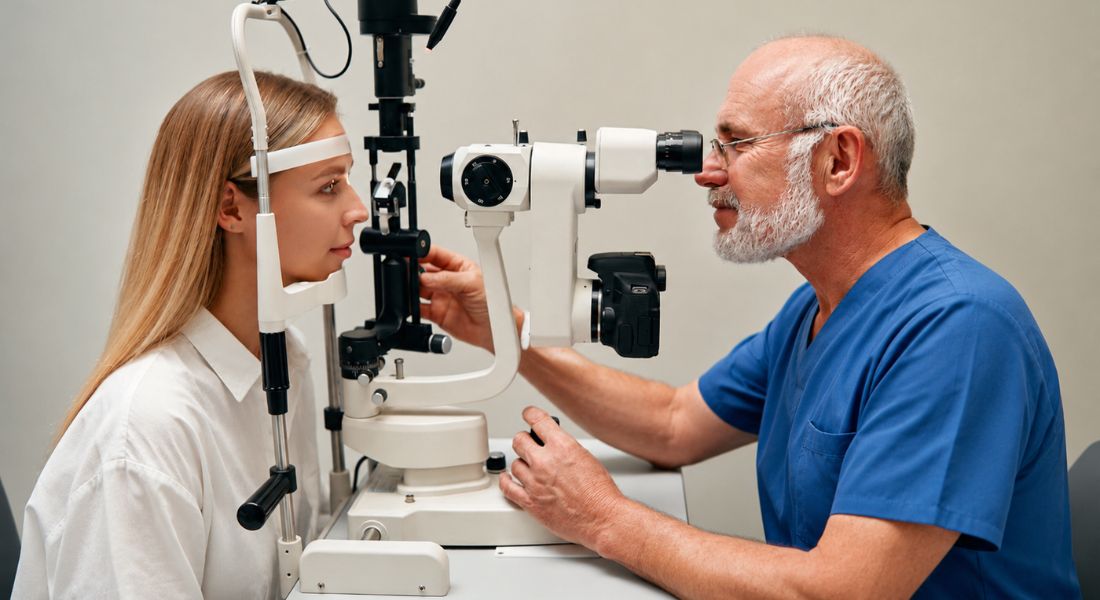
Pre-operative assessment has become more advanced in recent years. You would have heard ESCRS surgeons emphasising the importance of detailed diagnostic testing before RLE surgery. This helps ensure your procedure is planned with both accuracy and safety in mind.
Modern imaging tools now allow for very precise measurements of your eye. You may find that these measurements are used to guide lens selection and refine the surgical plan specifically for you. At this stage, even small details can make a significant difference to your final visual outcome.
Experts stressed that a thorough assessment helps reduce the risk of unexpected outcomes after surgery. You are more likely to achieve stable and predictable results when careful planning is done in advance. For this reason, pre-operative evaluation is considered just as important as the surgery itself.
Personalised Lens Selection
Lens selection in modern RLE surgery is highly personalised. You would have heard ESCRS experts explaining how different intraocular lens types are carefully matched to your specific visual needs. This ensures that the chosen lens aligns closely with how you use your vision day to day.
Factors such as your reading habits, occupation, and lifestyle all play an important role in decision-making. You may find that these details help your surgeon decide whether a monofocal, multifocal, or other advanced lens type is most suitable for you. This level of personalisation helps improve both visual outcomes and overall satisfaction.
Surgeons are increasingly moving away from standardised lens choices and instead adopting a tailored approach. You are more likely to achieve better results when your lens is selected specifically for your eyes and lifestyle requirements. For this reason, personalised lens selection continues to be a key focus in modern RLE practice.
Long-Term Stability of Results
Long-term stability was another important topic at the ESCRS Congress. You would have heard experts explaining that RLE provides a permanent correction because your natural lens is completely replaced with an artificial one. This makes it different from treatments where the effect may change over time.
Unlike laser procedures, the refractive outcome from RLE does not typically regress. You may find this to be one of the key advantages of the procedure, as it offers a more stable and lasting visual correction. This long-term reliability is one reason RLE continues to gain attention.
Experts also highlighted that long-term success depends heavily on accurate planning and lens selection. You are more likely to achieve stable results when your initial measurements and surgical decisions are precise. For this reason, careful pre-operative assessment remains essential for achieving consistent outcomes.
Future Innovations in RLE
When you attend the ESCRS Congress, you will often hear a lot of excitement about where refractive lens exchange (RLE) is heading in the future. You will notice that researchers and surgeons are constantly working on ways to improve lens technology, surgical techniques, and overall outcomes so that your vision results become even more precise and predictable.
- New lens designs are being developed: You will hear about ongoing innovation in intraocular lens design, with a strong focus on improving visual quality at all distances. These new designs aim to give you clearer, more natural vision with fewer visual disturbances.
- Improved lens materials and optical performance: Researchers are exploring better materials that can enhance stability, clarity, and long-term performance of lenses inside your eye. These improvements are designed to reduce unwanted side effects and improve overall visual comfort for you.
- Advances in surgical technology: You will also see developments in surgical equipment and techniques that make procedures more precise and efficient. These advancements help surgeons perform RLE with greater control and consistency.
- Better visual outcomes and fewer side effects: A major goal of these innovations is to improve your visual quality while reducing issues such as glare, halos, or reduced contrast sensitivity. The aim is to make your post-surgery vision feel as natural as possible.
- More refined patient selection and precision: Experts expect that future improvements will also help surgeons identify more precisely who is best suited for RLE. This means your suitability assessment and surgical planning will become even more tailored to you.
Overall, the discussions at ESCRS highlighted that RLE continues to evolve quickly. With ongoing innovation in lenses, materials, and surgical methods, you can expect increasingly refined, safer, and more predictable outcomes in the future.
Why ESCRS Matters for Patients
Although ESCRS is a professional conference, you would have seen that its findings directly influence your care as a patient. The discussions help shape modern surgical standards and guide best practices in refractive and cataract surgery.
Advances presented at the congress eventually translate into improved clinical outcomes for you. You may not see these changes immediately, but ongoing research and innovation steadily improve safety, precision, and overall results in everyday clinical practice.
Experts emphasised that staying updated is essential for safe and effective treatment. You are more likely to benefit when surgeons continuously adopt new evidence and refine their techniques. For this reason, continuous learning at events like ESCRS plays an important role in driving progress in patient care.
FAQs:
- What is refractive lens exchange (RLE)?
RLE is a procedure where your natural eye lens is replaced with an artificial intraocular lens to correct refractive errors like short-sightedness, long-sightedness, and presbyopia. It is similar to cataract surgery but done to improve vision rather than treat lens clouding. The aim is to reduce your dependence on glasses or contact lenses. It is often considered a long-term vision correction option. - Why was RLE a major topic at the ESCRS Congress?
RLE was widely discussed because of increasing demand for long-term spectacle independence and ongoing improvements in lens technology. Experts shared new research on outcomes, safety, and patient selection. The procedure is becoming more refined and predictable. This has made it a key focus in modern refractive surgery. - Who is typically suitable for RLE surgery?
RLE is usually suitable for patients with higher prescriptions, presbyopia, or those not ideal for laser eye surgery. Your suitability depends on factors like eye health, age, and visual goals. A detailed eye assessment is essential before recommending the procedure. Surgeons always tailor the decision to your individual needs. - How has intraocular lens (IOL) technology improved?
Modern IOLs offer better visual clarity, improved contrast, and more advanced multifocal or extended depth-of-focus designs. These improvements help provide clearer vision at different distances. New materials also reduce unwanted visual side effects in many cases. Overall, results are becoming more predictable and patient-friendly. - What role does patient selection play in RLE outcomes?
Patient selection is one of the most important factors in achieving successful RLE outcomes. Careful assessment ensures the procedure matches your eye structure and visual expectations. It also helps reduce the risk of complications and dissatisfaction. Better selection directly leads to higher patient satisfaction. - Can RLE help with presbyopia?
Yes, RLE is commonly used to treat presbyopia, which affects near vision as you age. By replacing your natural lens with a specialised intraocular lens, both near and distance vision can be improved. This can significantly reduce your need for reading glasses. It is often considered a long-term solution. - What are the possible side effects of RLE?
Some patients may experience glare, halos, or mild visual disturbances, especially in the early healing phase. These effects usually improve as your brain adapts to the new lens. Modern lens designs have helped reduce these symptoms compared to earlier technologies. Your surgeon will discuss risks based on your individual case. - How long does it take to recover from RLE surgery?
Most patients notice improved vision within a few days after surgery. However, full visual stabilisation can take a few weeks as your eyes heal. Recovery time can vary depending on your individual response. Following post-operative advice helps ensure smoother healing. - Is RLE better than laser eye surgery?
RLE and laser eye surgery are designed for different types of patients, so neither is universally better. RLE is often recommended for older patients or those with higher prescriptions or early lens changes. Laser surgery is usually more suitable for younger patients with stable corneas. Your surgeon will recommend the best option for you. - What did ESCRS highlight about the future of RLE?
The ESCRS Congress highlighted ongoing advances in lens design, surgical precision, and AI-assisted planning. These innovations aim to improve safety, accuracy, and visual outcomes. Patient selection and personalisation are becoming increasingly important. Overall, RLE is expected to continue evolving with better results and fewer side effects.
Final Thoughts: How ESCRS Is Shaping the Future of RLE Surgery
The discussions at the ESCRS Congress show that refractive lens exchange is becoming increasingly refined, predictable, and patient-focused. Advances in intraocular lens technology, surgical techniques, and diagnostic precision are helping surgeons achieve better visual outcomes while improving safety and long-term stability.
What stands out most is the growing emphasis on personalisation. Your suitability, visual goals, and lifestyle are now central to decision-making, with patient selection playing a crucial role in achieving successful results. At the same time, innovations such as AI-assisted planning and improved imaging are supporting more accurate and confident surgical planning.
As these developments continue, RLE is expected to offer even more reliable outcomes and enhanced quality of life for suitable patients. If you’re considering your options for vision correction, understanding these advancements can help you make a more informed decision about your care. If you’re exploring whether RLE surgery in London could benefit you, get in touch with us at Eye Clinic London to schedule your consultation.
References:
- Iribarren, R., Morgan, I.G., Nangia, V. & Jonas, J.B. (2012) ‘Crystalline lens power and refractive error’, Investigative Ophthalmology & Visual Science, 53(2), pp.543-550. https://pubmed.ncbi.nlm.nih.gov/22199240/
- Nagyova, D., Tappeiner, C., Blaha, A., Goldblum, D. & Kyroudis, D. (2025). Visual outcomes and patient satisfaction with extended monovision an innovative strategy to achieve spectacle independence in refractive lens exchange. Journal of Clinical Medicine, 14(16), p.5684. https://www.mdpi.com/2077-0383/14/16/5684
- Wang, B., Yang, R., Wen, P., Guan, Z., Tong, Y., Qiao, Z. & Jiang, H. (2026) ‘Additive manufacturing based polymer compounded refractive lenses for X‑ray focusing at synchrotron light sources’, Photonics, 13(4), p.341. https://www.mdpi.com/2304-6732/13/4/341
- Pérez‑Cambrodí, R.J., Piñero, D.P., Ferrer‑Blasco, T., Cerviño, A. & Brautaset, R. (2013) ‘The posterior chamber phakic refractive lens (PRL): a review’, Eye (London), 27(1), pp. 14-21. https://pubmed.ncbi.nlm.nih.gov/23222559/
- Hannan, S.J., Schallhorn, S.C., Venter, J.A., Teenan, D. & Schallhorn, J.M. (2023) ‘Immediate sequential bilateral surgery in refractive lens exchange patients: clinical outcomes and adverse events’, Ophthalmology, 130(9), pp. 924-936. https://www.sciencedirect.com/science/article/pii/S0161642023002798