


Can Eye Burns From Heat or Steam Cause Permanent Damage?
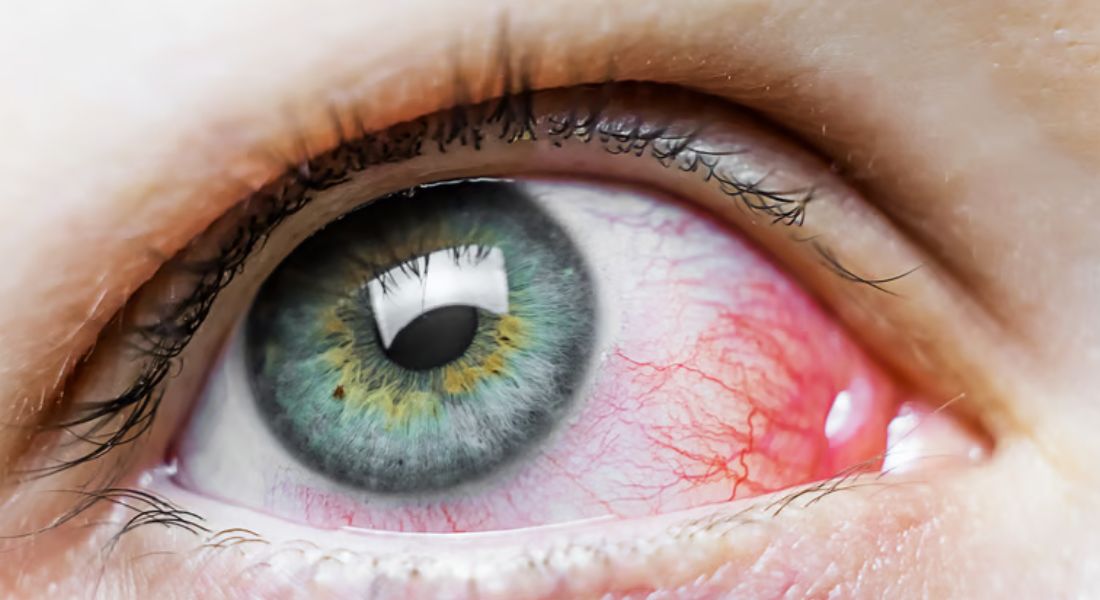
If you’ve ever leant over a boiling pan, opened an oven door too quickly, or felt a sudden burst of steam hit your face, you’ll know how instantly alarming it can be when heat reaches your eyes. The immediate blinking, watering, and pulling away are protective reflexes designed to shield one of the most delicate structures in the body. In many cases, these reflexes help prevent serious injury. However, even very brief exposure to intense heat or steam can sometimes damage the surface of the eye.
Heat and steam eye burns are more common than many people realise. They can happen in kitchens, workplaces, industrial settings, salons, garages, and even during everyday household tasks. Some injuries are relatively mild and settle with prompt care, while others may affect the cornea, eyelids, tear film, or deeper eye tissues. In more serious cases, burns can lead to infection, scarring, chronic dryness, sensitivity to light, or permanent changes in vision.
Whether permanent damage occurs depends on several factors, including the temperature involved, the length of exposure, how much of the eye was affected, and how quickly proper first aid is given. Steam burns can be particularly deceptive because steam transfers heat very efficiently and may damage tissues even when there is no obvious external burn on the skin. Chemical exposure combined with heat can increase the risk further.
Understanding how these injuries happen, what symptoms to look for, and when urgent medical assessment is needed is extremely important. In the sections ahead, this article will explain how heat and steam burns affect the eyes, what immediate first aid steps should be taken, which warning signs should never be ignored, and how treatment may help reduce the risk of long-term damage or vision loss.
How Heat and Steam Burns Actually Affect the Eye
The eye is a remarkably delicate structure, and its exposed surface the cornea and conjunctiva has very little protection against sudden thermal injury. When intense heat or steam makes contact, it triggers a rapid chain of cellular responses. The outer layers of the cornea can be damaged in seconds, leading to inflammation, swelling, and in more serious cases, tissue breakdown.
Steam is particularly deceptive because it carries far more thermal energy than dry heat at the same temperature. Water vapour at 100°C releases latent heat as it condenses on your skin and eyes, meaning the injury it causes can be disproportionately severe compared to what you might expect. People often underestimate steam burns precisely because the initial pain can be delayed.
Dry heat from open flames, sparks, radiant heat from an oven, or heated tools tends to be less penetrating but can still cause significant corneal damage, especially with prolonged exposure or close proximity.
The Different Degrees of Eye Burns
Not all heat burns to the eye are the same. Doctors usually classify them by severity, and understanding these levels can help explain why some people recover without treatment while others need urgent medical care.
- Mild burns: These affect only the outermost surface of the eye, known as the corneal epithelium. They often heal quite quickly, sometimes within 24 to 72 hours, because this tissue regenerates very rapidly. If you have a mild burn, you may notice redness, watering, sensitivity to light, and a gritty or stinging feeling in your eye.
- Moderate burns: These go deeper into the corneal stroma, which is the layer beneath the surface. Recovery usually takes longer, and there is a greater risk of scarring. In most cases, professional treatment is needed to reduce the chance of complications and protect your vision.
- Severe burns: These can affect all layers of the cornea and may also damage the limbus, which is the stem cell area around the edge of the cornea. In some cases, deeper structures of the eye can also be affected. These injuries carry a real risk of permanent vision loss and need immediate specialist care.
Although many mild eye burns heal well, more serious injuries can cause lasting damage if treatment is delayed. Understanding the different degrees of burns can help you recognise why ongoing pain, blurred vision, or increasing sensitivity to light should never be ignored.
Steam Burns Why They’re Often Worse Than Expected
Steam burns to the eye deserve particular attention, because they’re frequently underestimated in the first few minutes after injury. When someone opens a pressure cooker, leans over a boiling kettle, or gets caught by a burst pipe or industrial steam release, their immediate reaction may be to blink and assume the worst is over.
But steam condenses as it hits the cooler surface of the eye, and this condensation releases a significant amount of additional heat directly onto the corneal and conjunctival tissue. The result is often a more extensive burn than a brief exposure to dry heat of the same temperature would cause. This is why steam scalds across the body not just in the eyes are routinely more serious than dry heat burns.
If you or someone nearby has been hit by steam around the face and eyes, treat it as a potentially serious injury from the outset, regardless of how manageable it feels initially.
Signs and Symptoms to Watch For
Immediately after a heat or steam burn, the eye will almost always give you clear signals that something is wrong. The challenge is knowing which symptoms indicate a minor, self-limiting injury and which ones warrant urgent attention.
Common immediate symptoms include intense pain or stinging, excessive tearing, redness, sensitivity to light (photophobia), blurred vision, and a sensation of something foreign in the eye. Swelling of the eyelids is also common and can make it difficult to assess the eye itself. In severe cases, the cornea may take on a cloudy or white appearance a sign of significant tissue damage.
Symptoms that should trigger an immediate response include any noticeable change in vision, a white or hazy appearance to the cornea, visible blistering of the eyelids, complete inability to open the eye, or severe and worsening pain that doesn’t ease after rinsing. These are not signs you should wait to see if they improve on their own.
First Aid: The First Thing You Should Do

The single most important action you can take immediately after a heat or steam eye burn is to irrigate the eye with cool, clean water. This should happen without delay do not wait to find a specialist solution, an eye wash station, or anything other than tap water if that’s all that’s available. Every second of continued thermal contact causes additional tissue damage.
Hold your eye open as wide as you can and allow a gentle, continuous stream of cool water to flow across the eye for a minimum of 15 to 20 minutes. Avoid using ice-cold water, as this can cause a shock response and may constrict blood vessels in a way that’s unhelpful. Room temperature or slightly cool water is ideal.
If you’re helping someone else, support their head and tilt it so that the affected eye is below the unaffected one this prevents contaminated rinse water from flowing into the healthy eye. Reassure them, keep them calm, and continue the irrigation for the full duration.
What Not to Do After a Heat Eye Burn
First aid mistakes are surprisingly common in the moments following an eye injury, often because people act on instinct rather than knowledge. There are several things you should actively avoid doing after a heat or steam burn to the eye.
Don’t rub the eye, even if it feels intensely irritated. Rubbing can introduce additional mechanical damage to already compromised tissue, worsen inflammation, and potentially dislodge any protective tear film that remains. Don’t apply any creams, oils, butter, or home remedies to the eye or the surrounding skin these can introduce infection risk and complicate clinical assessment later.
Avoid wearing contact lenses after any thermal injury to the eye, even if you normally wear them comfortably. The lenses can trap heat, concentrate damage, and interfere with the healing process. If you were wearing contact lenses at the time of the injury, try to remove them before or immediately after irrigation but only if doing so doesn’t cause additional pain or difficulty.
When to Seek Emergency Treatment
This is one of the most important sections of this article, because one of the biggest mistakes people make after an eye burn is assuming they can monitor it at home and see how things go. For anything beyond the mildest surface irritation, I’d strongly recommend seeking professional assessment as quickly as possible.
You should seek emergency eye care without delay if you experience any loss or reduction in vision, if the cornea looks cloudy or white, if pain persists or worsens after thorough irrigation, if your eyelids are swollen shut, or if you sustained the injury from an industrial source such as pressurised steam, molten metal, or welding. In these situations, speaking with an experienced emergency eye doctor in London or wherever you’re based is not something to put off until the next available appointment.
Even if you’re unsure whether your injury qualifies as an emergency, it’s always better to have it assessed and be reassured than to wait and risk allowing a treatable injury to progress.
What Happens During a Clinical Assessment
If you attend an emergency eye clinic after a heat or steam burn, the clinician will first assess the severity of the injury and check whether your vision has been affected. Eye burns can range from mild surface irritation to deeper tissue damage, so a careful examination is important. Understanding the assessment process can also help reduce anxiety and prepare you for what to expect during the appointment.
- Visual Acuity Testing: The assessment usually begins with a visual acuity test to measure how clearly you can see. You may be asked to read letters from an eye chart while each eye is tested separately. This helps clinicians determine whether the injury has affected your vision.
- Slit Lamp Examination: A slit lamp examination allows the clinician to closely inspect the structures at the front of the eye. Using a specialised microscope, they can examine the cornea, conjunctiva, and surrounding tissues for signs of burns, inflammation, or damage. This provides a much more detailed view than a standard eye examination.
- Use of Fluorescein Dye: Fluorescein dye may be applied to the eye to highlight areas of epithelial damage on the corneal surface. Under a blue light, damaged sections become more visible and easier to assess. This helps identify abrasions or injuries that might otherwise be difficult to detect.
- Assessment of Burn Severity: The clinician will also assess how deep the burn is and whether important structures such as the limbal stem cells have been affected. They may check for inflammation and reduced blood supply within the conjunctival vessels. These findings help determine the classification of the burn and guide the treatment plan.
A detailed clinical assessment helps ensure that eye burns are treated appropriately and monitored carefully. Even injuries that appear minor can sometimes worsen without proper evaluation. Early diagnosis and treatment improve the chances of protecting vision and supporting a full recovery.
Treatment Options for Heat and Steam Eye Burns
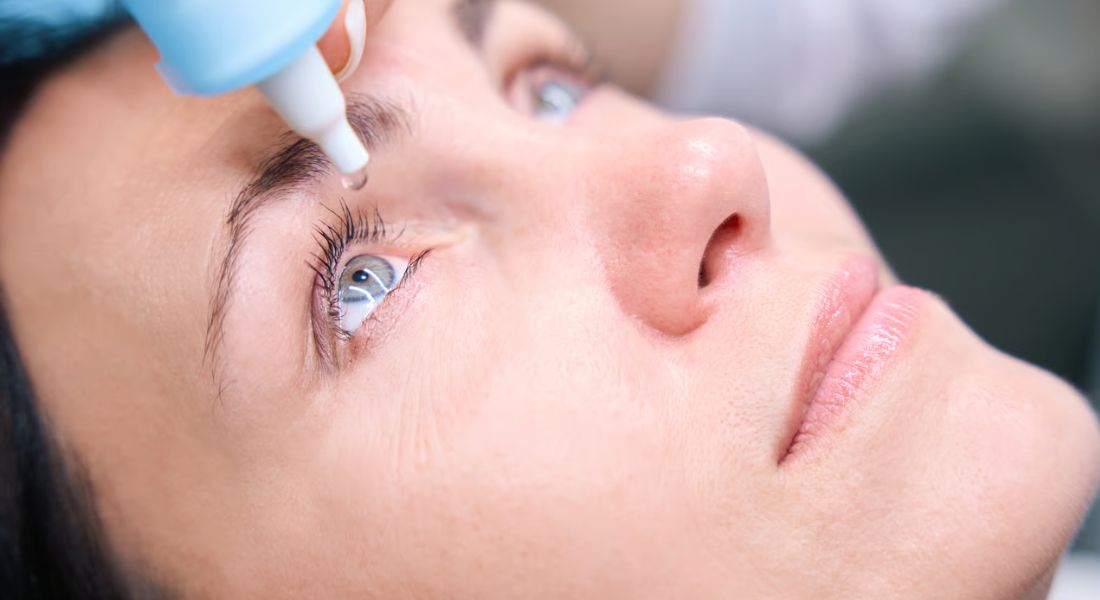
Treatment for heat-related eye burns depends on how severe the injury is. If the burn is mild, treatment usually focuses on helping your eye heal naturally while reducing discomfort and lowering the risk of infection. In many cases, the surface of the eye can recover well with simple supportive care.
For mild to moderate burns, doctors may recommend lubricating eye drops to keep your eye comfortable and support healing. Antibiotic drops or ointments may also be used to reduce the risk of infection, and some patients may need anti-inflammatory treatment to control swelling. In certain cases, a protective bandage contact lens may be used to help the surface of your eye heal more comfortably.
Severe burns need urgent specialist treatment because deeper structures of the eye may be affected. This can involve intensive lubrication, more advanced medications, or procedures to support tissue healing if there is serious damage to the cornea. The main aim is to protect your vision, reduce scarring, and give your eye the best possible chance of recovery.
Can Heat or Steam Eye Burns Cause Permanent Damage?
The short answer is yes heat or steam burns to the eye can sometimes cause permanent damage. Whether this happens depends on several factors, including how hot the source was, how long your eye was exposed, how deeply the burn affected the tissues, and how quickly you received treatment. The overall health of your eye before the injury can also make a difference to recovery.
Mild burns that affect only the outer surface of the cornea often heal well because this layer can regenerate quickly. However, deeper burns can leave permanent scarring on the cornea, which may appear as a cloudy or white area and can affect your vision depending on where the damage is located. If the injury affects the limbal stem cells, which help renew the corneal surface, healing can become much more difficult and long-term problems may develop.
In more severe cases, heat injuries can damage deeper parts of the eye, not just the cornea. This may include structures involved in controlling eye pressure or maintaining clear vision, which can increase the risk of long-term complications such as Glaucoma or permanent vision loss. This is why ongoing pain, blurred vision, or worsening symptoms after a burn should always be checked by an eye specialist.
The Role of the Eyelids in Protecting the Eye
It’s worth acknowledging that your eyelids do an extraordinary job of protecting your eyes in the vast majority of threatening situations. The blink reflex is one of the fastest involuntary actions the body performs typically occurring within 150 to 400 milliseconds of a perceived threat. In many cases of heat exposure, this reflex prevents the eye itself from sustaining any significant injury.
However, the blink reflex has its limitations. When someone is caught off-guard stepping into a cloud of steam, for example, or having a pressurised container release unexpectedly the reflex may not activate quickly enough. Additionally, the eyelids themselves can sustain burns, which is clinically significant because eyelid scarring or contracture can expose the cornea to chronic dryness and trauma even after the initial injury has healed.
Burns to the eyelids that cause significant swelling, blistering, or structural damage should always be assessed alongside the eye injury itself, and specialist involvement may be needed to manage both.
Occupational Risk: Who Is Most Vulnerable?
Whilst heat and steam eye injuries can happen to anyone in everyday settings, certain occupational groups face significantly elevated risk. Being aware of whether your work places you in a higher-risk category is important for both prevention and response preparedness.
Chefs and kitchen workers are exposed to steam and hot splatter regularly. Welders and metalworkers face risks from radiant heat, sparks, and molten metal. Plumbers and heating engineers can encounter pressurised steam and hot water. Industrial workers in chemical plants, paper mills, and food processing facilities are also frequently at risk. Even beauty professionals using facial steamers or hot tools can encounter unexpected burns in the facial and eye area.
If you work in any of these environments, familiarise yourself with your workplace’s eye wash station and emergency protocols before you need them. Protective eyewear appropriate to your specific hazard profile should always be worn standard safety glasses offer radiant heat protection, whilst specific shields or goggles are needed for steam and splash risks.
Protecting Your Eyes at Home
The home is actually where a significant proportion of heat-related eye injuries occur, and many of them are easily preventable. Cooking is the most common domestic source, with steam from pots and pans, pressure cookers, and microwaved food all posing a risk.
When cooking, get into the habit of tilting lids away from you as you remove them, and standing to the side rather than directly above a pot when you stir. Be cautious with microwave cooking the steam that erupts when you pierce film lids or open containers can be surprisingly forceful and concentrated. Pressure cookers and steam ovens deserve particular respect, and following manufacturer guidance on safe venting and opening is non-negotiable.
Beyond cooking, be mindful of other domestic steam sources: clothing steamers, steam mops, steam irons, and even certain personal care devices. Protective eyewear isn’t just for industrial settings for some tasks at home, a simple pair of safety glasses is a sensible precaution.
Children and Heat Eye Injuries
Children are at particular risk of heat and steam eye injuries, both because of their natural curiosity and their height, which places them closer to table-top level with hot surfaces and steam sources. A child reaching up to a worktop where a kettle has just boiled, or pulling on a tablecloth beneath a hot dish, can be exposed to severe thermal injury in a fraction of a second.
If a child sustains a heat or steam burn to the eye, the first aid principles are the same gentle, prolonged irrigation with cool water but keeping a child calm and cooperative during this process can be challenging. Try to explain what you’re doing in simple, reassuring terms and enlist another adult to help if possible. Don’t delay the irrigation because the child is distressed; the discomfort of the water is far less significant than the damage that continued tissue exposure may cause.
Children should always be seen by a medical professional after any heat injury to the eye, regardless of how minor it may appear. Young eyes are still developing, and even relatively modest injuries deserve careful assessment.
Long-Term Follow-Up After an Eye Burn
Even when the initial injury seems to have resolved well, heat and steam eye burns can have long-term implications that make ongoing monitoring important. It’s not uncommon for problems to emerge weeks or months after the original injury, particularly in moderate to severe cases.
Corneal scarring may become more apparent as the acute inflammation settles. Limbal stem cell function may deteriorate progressively, leading to delayed surface instability. Dry eye disease is a common sequela of eye burns, caused by damage to the goblet cells in the conjunctiva and the meibomian glands in the eyelids, which together contribute to a stable tear film.
Follow-up appointments with an ophthalmologist allow these developments to be identified and managed early. If you’ve had a significant heat or steam burn to your eye, don’t assume that the absence of immediate symptoms means you’re fully in the clear scheduled reviews are a prudent part of your recovery plan.
Corneal Scarring: What It Means for Vision
Corneal scarring is one of the most important long-term complications that can happen after a deep heat burn to the eye. Your cornea needs to stay clear to focus light properly, so any scar that affects its transparency can change how well you see. Because the cornea plays a major role in focusing images, damage to this area can directly affect the sharpness of your vision.
Scars that are located away from the centre of the cornea may have little or no noticeable effect on your sight, even though they can still be seen during an eye examination. However, scars in the central part of the cornea, directly in your line of vision, can cause blurred sight, glare, halos, or a more significant drop in visual clarity. In some cases, specialised contact lenses may help improve vision by smoothing out surface irregularities caused by the scar.
If scarring is severe and your vision is significantly affected, surgery may sometimes be considered. This can involve a corneal transplant, where part or all of the damaged cornea is replaced to improve clarity. Modern surgical techniques have improved outcomes greatly, but results can still vary, which is why preventing deeper burns and seeking early treatment is always so important.
Psychological Impact of Eye Injuries
An aspect of heat and steam eye injuries that’s often overlooked in clinical discussions is the psychological impact they can have particularly in cases where the injury is severe, recovery is prolonged, or there is lasting visual impairment. This is worth acknowledging openly, because it’s a real and valid dimension of living through this type of trauma.
Fear of losing vision, or the distress of having already lost some, can lead to anxiety, sleep disturbance, and in some cases depression. People who sustain visible changes to their eye whether through corneal opacity, eyelid scarring, or altered appearance may also experience effects on their confidence and how they feel about their appearance in social settings.
If you’re struggling psychologically following a significant eye injury, please do raise this with your eye care team. Many specialist clinics have access to psychological support, and some hospitals have dedicated services for patients adjusting to visual impairment. You shouldn’t have to navigate the emotional side of this alone.
The Importance of Acting Quickly Time Matters
When it comes to heat or steam burns to the eye, acting quickly can make a real difference to how well your eye recovers. With many medical emergencies, there is a short window where early action can reduce the severity of the injury, and eye burns are no exception. The moment the burn happens, the priority is to limit further damage as quickly as possible.
Rinsing your eye immediately with clean water can help reduce the amount of heat affecting the tissues and may lessen the extent of the injury. Getting assessed by an eye specialist as soon as possible also means treatment can begin early, while the damage may still be more manageable. Prompt care can help reduce complications such as inflammation, infection, and longer-term problems that could affect your vision.
If you are ever unsure how serious a heat or steam eye injury is, it is safest not to wait and see if it improves on its own. Start first aid straight away and seek professional medical assessment without delay. Quick action can sometimes make the difference between a temporary injury and lasting damage to your sight.
Preventing Heat Eye Burns: Simple Habits That Make a Difference
Prevention is always preferable to treatment, and the good news is that the majority of heat and steam eye injuries are avoidable with relatively modest precautions. The following habits are worth building into your daily routine, whether in the kitchen, the workplace, or any setting involving heat.
Always open hot containers, lids, and packaging away from your face and body, not towards you. Wear appropriate eye protection in any work environment where heat, sparks, or steam are present. If you use personal care devices that generate steam or heat near the face, follow the manufacturer’s guidance on safe distances and usage. Be aware of your surroundings, particularly in busy kitchens where someone else’s actions can create unexpected hazards.
For those in high-risk occupations, investing in high-quality, properly fitted protective eyewear is not an extravagance it’s a professional essential. No visual convenience is worth the risk of a preventable burn.
When to See a Specialist vs. A&E

One practical question many people face after an eye injury is whether to go to a hospital accident and emergency department or to seek out a specialist eye clinic directly. Both routes can provide appropriate care, but there are some useful distinctions to bear in mind.
For severe injuries significant vision loss, extensive burns, industrial exposures your nearest A&E is the right first port of call, particularly out of hours or if you’re unable to safely travel further. They can begin initial management and refer you to ophthalmology. For injuries that feel serious but not immediately life-threatening, and particularly during clinic hours, a specialist emergency eye clinic may offer faster access to the specific expertise and equipment needed to fully assess and treat a corneal burn.
If you’re in London, seeking out a dedicated emergency eye doctor in London who can assess your injury promptly is well worth doing specialist assessment tools, including slit-lamp examination and limbal grading, simply aren’t available in the same way at a general A&E.
FAQs:
- Can a steam burn to the eye cause permanent blindness?
Yes, in severe cases it can. Deep thermal burns may damage the cornea, limbal stem cells, or other internal eye structures, potentially leading to permanent vision loss or blindness if treatment is delayed. - How long does a mild heat burn to the eye usually take to heal?
Minor surface burns affecting only the corneal epithelium often heal within 24 to 72 hours. However, symptoms should still be monitored carefully, as some injuries worsen after the initial incident. - Should I rinse my eye immediately after a heat or steam burn?
Absolutely. Immediate irrigation with cool, clean water is the most important first aid step. The eye should be rinsed continuously for at least 15 to 20 minutes to reduce ongoing tissue damage. - Is steam more dangerous to the eyes than dry heat?
Often, yes. Steam transfers heat very efficiently and releases additional thermal energy as it condenses on the eye surface, which can make steam burns more severe than dry heat burns at the same temperature. - Can I use eye drops after a steam burn?
You should only use lubricating or medicated eye drops recommended by a clinician. Avoid using redness-relief drops or any unprescribed medication immediately after an eye burn. - What symptoms mean I need urgent emergency eye treatment?
Seek urgent medical attention if you experience blurred vision, severe pain, increasing redness, swelling that prevents you opening the eye, a cloudy or white cornea, or worsening symptoms after rinsing. - Should I remove contact lenses after a heat eye injury?
Yes. Contact lenses should be removed as soon as safely possible because they can trap heat and interfere with healing. If removal is difficult or painful, seek professional help promptly. - Can children recover fully from heat or steam eye burns?
Many children recover well from mild injuries with prompt treatment, but all eye burns in children should be assessed by a medical professional because developing eyes are particularly vulnerable to complications. - Can a heat burn cause long-term dry eye problems?
Yes. Thermal injuries may damage tear-producing structures and the eyelids, increasing the risk of chronic dry eye symptoms, irritation, and ongoing discomfort after the initial injury heals. - When should I see an eye specialist instead of waiting for symptoms to improve?
You should seek specialist assessment immediately if symptoms are anything more than very mild irritation. Delaying treatment can increase the risk of infection, scarring, and permanent vision damage.
Final Thoughts: Why Prompt Treatment Matters After a Heat or Steam Eye Burn
Heat and steam eye burns should never be dismissed as “just a minor accident,” particularly when symptoms involve pain, blurred vision, light sensitivity, or persistent redness. While many mild surface burns heal well with prompt first aid and careful monitoring, deeper injuries can lead to infection, corneal scarring, chronic dry eye problems, and in some cases permanent vision loss. Acting quickly with immediate irrigation and timely medical assessment can make a significant difference to both healing and long-term visual outcomes.
If symptoms persist, vision changes develop, or the injury appears more serious than simple irritation, seeking urgent professional assessment is always the safest course of action. Speaking with an experienced emergency eye doctor in London may help ensure that potentially serious complications are identified and treated as early as possible. If you’d like to find out whether emergency eye doctor in London is suitable for you, feel free to contact us at Eye Clinic London to arrange a consultation.
References:
- Yorston, D. (2018) Emergency management: retinal detachment, Community Eye Health, 31(103), p. 63. Available at: https://pmc.ncbi.nlm.nih.gov/articles/PMC6253314/
- Kang, E. Y. C., Chen, T. H., Garg, S. J., Sun, C. C., Kang, J. H., Wu, W. C. and Lai, C. C. (2021) Association of ocular emergency department visits with retinal diseases and symptoms, International Journal of Environmental Research and Public Health, 18(18), p. 9687. Available at: https://www.mdpi.com/1648-9144/61/7/1163
- Shinar, Z., Chan, L. and Orlinsky, M. (2011) Use of Ocular Ultrasound for the Evaluation of Retinal Detachment, The Journal of Emergency Medicine, 40(1), pp. 53–57. Available at: https://www.sciencedirect.com/science/article/abs/pii/S0736467909004132
- Gelston, C. D. and Deitz, G. A. (2020) Eye Emergencies, American Family Physician, 102(9), pp. 539–545. Available at: https://pubmed.ncbi.nlm.nih.gov/33118787/
- Channa, R., Zafar, S. N., Canner, J. K., Haring, R. S., Schneider, E. B. and Friedman, D. S. (2016) Epidemiology of eye-related emergency department visits, JAMA Ophthalmology, 134(3), pp. 312–319. Available at: https://pubmed.ncbi.nlm.nih.gov/30487683/