


What Should You Do If You Suddenly See Halos Around Lights?

If you suddenly notice halos around lights, you shouldn’t panic straight away, but you also shouldn’t ignore them. In some cases, you might see these glowing rings when your eyes are tired, dry, or when you’re in low light conditions. They can come and go and may not point to anything serious, especially if they settle quickly.
Halos usually look like bright circles or hazy rings around headlights, street lamps, or indoor lighting. You see them when light entering your eye is scattered instead of focusing clearly on the retina. This can happen for simple reasons like dry eyes or minor changes in your tear film, but it can also sometimes be linked to more significant eye conditions that affect how your eye processes light.
However, if you notice sudden or persistent halos, especially alongside symptoms like eye pain, redness, blurred vision, or headache, you should treat it as urgent. These combinations can sometimes indicate raised eye pressure or other conditions that need prompt assessment. Getting your eyes checked quickly ensures you stay on the safe side and protects your vision.
What Are Halos Around Lights?
Halos around lights are visual effects where you see bright rings or glowing outlines surrounding light sources. You’ll often notice them more at night, especially when looking at headlights, streetlights, or illuminated signs. These halos can appear white, hazy, or sometimes even rainbow-coloured, and they can make lights look blurred or overly bright.
You see halos when light entering your eye is not focused properly onto the retina and instead becomes scattered along the way. This can happen due to changes in different parts of your eye, including the cornea, lens, tear film, or even variations in internal eye pressure. Because so many structures are involved in focusing light, there are multiple possible reasons you might experience this symptom.
Occasional mild halos aren’t always a sign of something serious, especially if they come and go. However, if you notice sudden, persistent, or worsening halos, you should get your eyes checked. When it comes to your vision, the full pattern of symptoms is important, and any change that feels unusual to you deserves proper attention.
Why Sudden Halos Can Sometimes Be Serious
Sudden halos around lights can sometimes be more than just a harmless visual effect. In certain situations, they may be linked to raised eye pressure, corneal swelling, or inflammation inside your eye. Some of these conditions can affect your vision quickly if they are not treated in time, and acute glaucoma is one of the more serious causes that needs urgent attention.
What really matters is not just the presence of halos, but whether you notice them alongside other symptoms. If you’re also experiencing eye pain, redness, blurred vision, headache, or nausea, the situation becomes much more concerning. When these signs appear together, it can suggest a more urgent underlying problem that needs immediate assessment.
Because some eye conditions can progress rapidly, you should never ignore sudden changes in your vision. Getting checked promptly helps ensure any serious cause is identified early and treated without delay. The sooner you seek help, the better your chances of protecting your vision and avoiding complications.
Acute Angle-Closure Glaucoma
Acute angle-closure glaucoma is one of the most serious causes of sudden halos around lights, and it needs urgent attention. It happens when the fluid inside your eye cannot drain properly, which causes the pressure inside the eye to rise very quickly. This increased pressure can affect both the cornea and the optic nerve, which are essential for clear vision.
If you develop this condition, you may notice strong halos around lights along with other severe symptoms. You might experience intense eye pain, redness, blurred vision, headache, and sometimes nausea or vomiting. Your vision can worsen rapidly, and the symptoms often appear quite suddenly rather than gradually building up over time.
Because of how quickly it can affect your sight, acute angle-closure glaucoma is treated as a medical emergency. If it is not managed quickly, there is a risk of permanent vision loss. That’s why you should seek emergency eye care immediately if you notice these symptoms, without waiting to see if they improve.
Why Raised Eye Pressure Causes Halos
When your eye pressure rises suddenly, it can cause fluid to build up within the cornea, which is normally completely clear. This swelling disrupts the cornea’s smooth structure, and as a result, light entering your eye gets scattered instead of passing through cleanly. That’s why you may start to see halos or glowing rings around lights, especially in bright or low-light conditions.
You can think of the cornea as a clear window that helps focus light precisely onto your retina. When it becomes swollen, that “window” is no longer perfectly smooth, so light is bent and distorted as it passes through. This distortion is what creates the hazy, rainbow-like effect around lights and can also make your overall vision feel less sharp.
Because raised eye pressure can also affect the optic nerve, it shouldn’t be ignored. If corneal swelling is linked to pressure changes, it needs urgent medical attention to prevent permanent damage. Early treatment is important for you because lowering the pressure quickly helps protect your vision and reduces the risk of long-term complications.
Halos with Eye Pain
Seeing halos around lights on their own can sometimes be linked to minor or temporary issues, but when they occur alongside eye pain, it becomes much more concerning. This combination can suggest that something more serious is affecting your eye rather than just a simple focusing problem. Because pain usually indicates irritation, inflammation, or raised pressure inside the eye, it should always prompt careful assessment. You should never ignore this pattern of symptoms.
- Possible Serious Underlying Conditions: In conditions such as Acute angle-closure glaucoma, halos may appear alongside significant eye pain due to a sudden rise in eye pressure. Other causes can include corneal disease, eye infection, or inflammation inside the eye. These conditions can affect vision and require prompt attention.
- Pain as a Warning Sign: When halos are accompanied by pain, it often suggests that more than a simple optical disturbance is happening. The discomfort may feel sharp, aching, or pressure-like depending on the cause. Pain is an important signal that the eye is under stress.
- Associated Symptoms to Watch For: You may also notice redness, headache, light sensitivity, or tenderness around the eye. In some cases, bright lights may feel uncomfortable or overwhelming. These symptoms can vary in severity but often appear together.
- Why Urgent Assessment Is Important: Sudden onset of painful halos should always be treated as urgent until examined by an eye specialist. Early assessment helps identify serious causes and ensures treatment is started quickly if needed. This can be crucial in preventing long-term vision problems.
Halos with eye pain should never be dismissed as simple eye strain or tiredness. While less serious causes are possible, the combination of symptoms warrants prompt evaluation. Early diagnosis helps protect your vision and ensures that any underlying condition is treated appropriately. Acting quickly is the safest approach when these symptoms occur.
Blurred Vision and Halos Together
If you notice blurred vision together with halos around lights, it can suggest that something is affecting the way your eye focuses light. You might experience this as hazy or foggy vision, or find it harder to see clearly at night, especially around bright lights. This combination of symptoms often means the eye’s normal optical system isn’t working as smoothly as it should.
There are several possible causes for this, including corneal swelling, changes in eye pressure, cataracts, or inflammation inside the eye. When any of these affect the clarity of the eye’s structures, light doesn’t focus properly on the retina, which can lead to both blurring and halo effects. You may also notice that your vision feels less sharp overall, particularly in low-light settings.
If these symptoms appear suddenly or start getting worse, you should have your eyes checked promptly. When blurred vision and halos occur together, especially with other symptoms, it can sometimes point to a more urgent issue. Getting a proper examination ensures you get an accurate diagnosis and helps protect your vision from any potential long-term damage.
Dry Eye and Temporary Halos
If you have dry eye, you may sometimes notice temporary halos around lights because your tear film isn’t staying smooth and stable. The tear film sits on the surface of your eye and helps light enter and focus clearly, so when it becomes uneven, it can scatter light and create glare or halo effects.
You might find that these symptoms become more noticeable when you’ve been looking at screens for a long time, sitting in air-conditioned environments, or when you’re feeling tired. Blinking often helps, at least for a short while, because it temporarily restores a more even tear layer. That’s why your symptoms may seem to come and go throughout the day.
Even though dry eye is usually less serious than conditions like glaucoma, you still shouldn’t ignore persistent or sudden halos. If your symptoms feel unusual, severe, or don’t improve with simple measures, it’s important for you to get them checked. A proper eye examination ensures the correct cause is identified and gives you the right treatment and reassurance.
Corneal Problems That Cause Halos
The cornea is the clear front surface of your eye, and it plays a key role in focusing light properly onto the retina. When the cornea is affected by disease or damage, it can disrupt how light enters your eye, which may lead to halos around lights. This happens because the smooth surface needed for clear vision becomes irregular or swollen.
Several corneal conditions can cause this effect, including swelling, infections, abrasions, ulcers, keratoconus, or inflammatory eye conditions. Alongside halos, you might also notice symptoms like eye pain, redness, watering, or sensitivity to light, depending on what’s affecting the cornea. These additional signs often help indicate that the issue is more than just a mild visual disturbance.
Corneal problems usually need proper medical treatment to protect your vision and support healing. Getting an early diagnosis is important because it can significantly improve your outcome and prevent complications. Keeping your cornea healthy is essential for maintaining clear, sharp vision.
Contact Lens-Related Problems
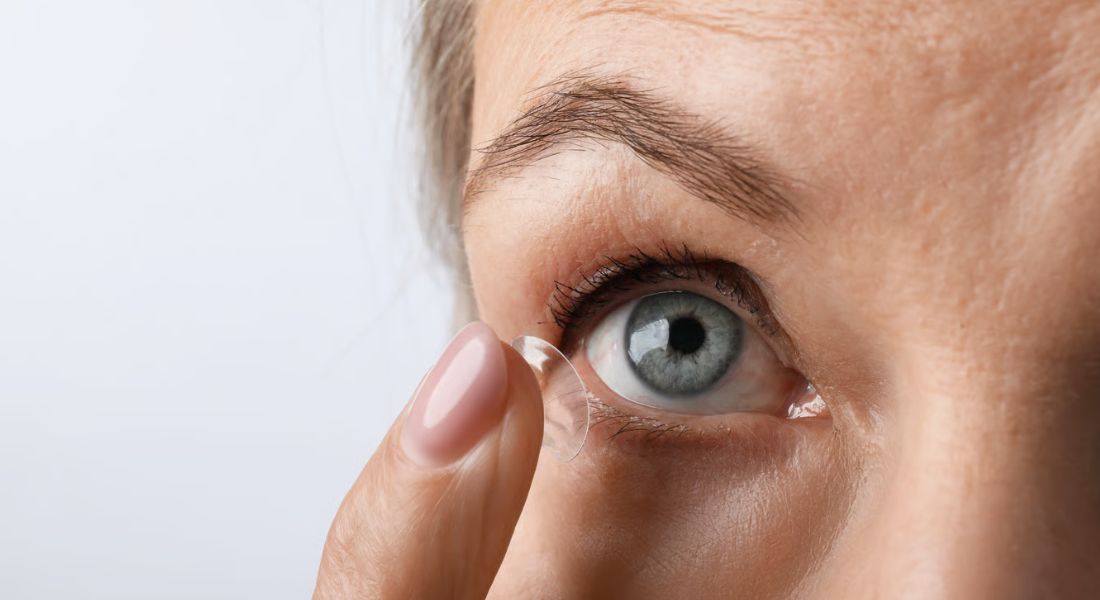
If you wear contact lenses, you may sometimes notice halos around lights because of changes affecting the surface of your eye. This can happen due to dryness, mild corneal swelling, an infection, or simply because the lenses aren’t fitting your eye properly. In some cases, wearing lenses for too long or sleeping in them can increase the risk of these problems.
You might also experience other symptoms at the same time, such as redness, irritation, blurred vision, or sensitivity to light. When these signs appear together, it can suggest that your cornea is under stress or potentially inflamed. Because contact lens wear can sometimes mask or worsen underlying issues, it’s important to take these symptoms seriously.
If you suddenly notice halos or any unusual visual changes while wearing contact lenses, you should remove them straight away. Continuing to wear them could make the problem worse. You should also seek prompt eye assessment, especially if symptoms don’t settle quickly, as infections or corneal issues need early treatment to protect your vision.
Cataracts and Halos Around Lights
Cataracts can also lead to halos around lights, especially when you’re driving at night. This happens because the natural lens inside your eye gradually becomes cloudy, which means light entering your eye gets scattered instead of focusing cleanly. As a result, you may notice glare, reduced contrast, and more obvious halo effects over time.
Unlike more urgent conditions such as acute glaucoma, cataract-related halos usually develop slowly and tend to worsen gradually. You typically won’t feel any pain, but you might find that night vision becomes increasingly difficult, and bright lights feel more glaring than they used to. These changes often build up in a steady, progressive way rather than appearing suddenly.
Even though cataracts are common and treatable, you shouldn’t ignore any sudden changes in your vision. It’s still important for you to get checked so more serious conditions can be ruled out. The key difference is that cataracts progress slowly, while emergency eye problems tend to come on quickly and worsen more abruptly, so timing really does matter.
Halos After Laser Eye Surgery
If you notice halos after laser eye surgery, it’s often part of the normal healing process. As your cornea begins to recover and adjust, you might experience temporary night vision changes, including glare or halo effects around lights. This can happen due to natural healing responses, tear film instability, or the way your eye is adapting after the procedure.
The intensity of these symptoms can vary from person to person. Factors such as your pupil size, the type of laser procedure you had, and how your cornea heals can all influence what you experience. For most people, these halos gradually reduce over time as the eye stabilises and the healing process continues.
However, you shouldn’t ignore any sudden or worsening symptoms after surgery. If you notice changes that feel unexpected or more intense, it’s important for you to get them reviewed promptly. This helps rule out complications such as infection or raised eye pressure and ensures your recovery stays on track.
Halos and Light Sensitivity
Halos around lights can sometimes appear alongside light sensitivity, which is known as photophobia. When this happens, you may find bright environments uncomfortable because inflammation or irritation in your eye affects how light is processed. The combination of these symptoms can make everyday lighting feel harsh or overwhelming.
Several eye conditions can cause both halos and increased light sensitivity, including corneal infections, uveitis, and acute glaucoma. In these situations, your eye may struggle to handle normal light levels, and you might feel discomfort even indoors. These symptoms often occur together because they reflect an underlying problem affecting the eye’s surface or internal pressure.
If you notice persistent or severe light sensitivity along with sudden visual changes like halos, you shouldn’t ignore it. You should seek prompt eye assessment so the cause can be identified quickly. Early review is important because these symptoms together can sometimes indicate conditions that need urgent treatment to protect your vision.
Migraines and Visual Disturbances
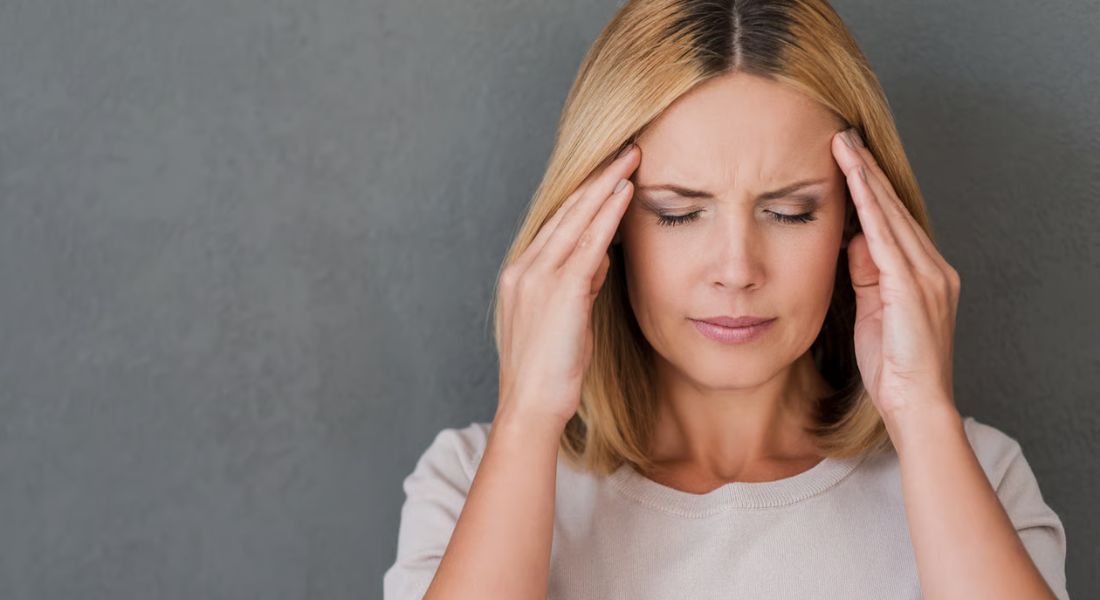
Migraine aura can sometimes cause visual disturbances that feel quite dramatic, and you might describe them as shimmering lights, glowing patterns, or even halo-like effects around objects. These symptoms usually affect both eyes and tend to move slowly across your field of vision rather than staying fixed in one spot.
You may also notice that these visual changes come with other migraine symptoms, such as a headache, nausea, or sensitivity to light and sound. In most cases, the visual disturbance builds up gradually and then settles within a short period of time, often followed by a headache phase. Even though this can be unsettling, migraine-related symptoms are typically reversible.
However, you shouldn’t assume every visual change is a migraine, especially if it’s your first time experiencing it. If the symptoms are sudden, painful, associated with eye redness, or don’t fully resolve, you should get them checked. It’s important for you to have a proper assessment so more serious eye conditions can be ruled out and the correct cause identified.
Diabetes and Corneal Swelling
Diabetes can affect several parts of your eye, and one area that is sometimes overlooked is the cornea. Changes in blood sugar levels can influence how the cornea and tear film behave, which may lead to fluctuating vision or visual distortions such as halos. These changes can be more noticeable in low light or at night, when your eyes rely more heavily on clear optical quality.
- Blood Sugar Fluctuations Affect Vision: In Diabetes mellitus, changes in blood glucose levels can temporarily alter the shape and hydration of the cornea. This can affect how light enters your eye, leading to blurred or fluctuating vision. You may notice that your sight varies from day to day depending on your blood sugar control.
- Corneal Swelling and Tear Film Changes: Diabetes can sometimes contribute to corneal swelling and instability of the tear film. This may cause halos around lights, especially at night, and a general reduction in visual clarity. These symptoms can feel intermittent and may improve when your blood sugar stabilises.
- Possible Retinal Involvement: Diabetes can also affect the retina, leading to conditions such as diabetic retinopathy, which can impact overall vision quality. Because multiple structures in the eye can be affected at the same time, regular monitoring is very important. Early detection helps reduce the risk of long-term damage.
- Need for Prompt Assessment of Sudden Changes: If you notice sudden or significant visual changes, it’s important that you get your eyes checked promptly. Not all symptoms are due to blood sugar fluctuations alone, and some may indicate more serious eye involvement. Early assessment helps ensure you receive the right care at the right time.
Diabetes-related eye changes can affect vision in several ways, from temporary corneal effects to more serious retinal complications. Regular eye examinations are essential to monitor these changes and protect your vision over time. If symptoms become sudden or persistent, prompt evaluation is always the safest approach. Good diabetic control combined with ongoing eye care plays a key role in maintaining long-term visual health.
Night Driving and Halos
You may first notice halos when you’re driving at night because bright headlights and streetlights stand out much more against a dark background. In these conditions, even small imperfections in how your eye focuses light can become more noticeable. Mild halos can sometimes happen in otherwise healthy eyes, especially when you’re tired or exposed to dry air.
However, if you suddenly find that night glare or halos are getting worse, you shouldn’t ignore it. When these symptoms start to interfere with your ability to see clearly or feel safe while driving, it can indicate an underlying issue that needs checking. Progressive changes in night vision are always worth paying attention to, especially if they feel new or unusual for you.
If your vision becomes significantly uncomfortable or unclear, you should avoid driving until it’s been assessed. Your safety and the safety of others come first. Getting a proper eye examination can help identify the cause and ensure you get the right treatment or reassurance.
Halos with Nausea or Vomiting
Halos around lights combined with nausea, vomiting, or a severe headache are especially concerning symptoms. When they occur together, they can sometimes suggest a sudden rise in eye pressure, such as in acute angle-closure glaucoma. This increase in pressure inside your eye can happen quickly and may affect both your vision and your overall wellbeing.
You might feel very unwell at the same time as noticing visual changes and eye pain. The condition can progress rapidly, sometimes over just a few hours, which is why these symptoms are taken very seriously in eye care. It’s not just about the halos themselves, but the combination of signs that points towards a more urgent problem.
If you experience this combination of symptoms, you should treat it as a medical emergency and seek immediate care. You shouldn’t wait to see if it settles, as delaying treatment can increase the risk of permanent vision loss. Prompt ophthalmic attention is essential to protect your sight and manage the underlying cause quickly.
Children and Halo Symptoms
Children may not always be able to explain visual symptoms like halos clearly, which can make it harder to recognise what they’re experiencing. Instead, you might notice indirect signs such as your child squinting, complaining that lights look blurry or uncomfortable, rubbing their eyes, or struggling more than usual to see at night.
In some cases, conditions such as paediatric glaucoma, corneal problems, or refractive errors can contribute to these kinds of visual changes. Because a child’s vision is still developing, early detection and treatment are especially important to support normal visual development and prevent long-term issues.
If you notice that your child’s symptoms are persistent, sudden, or associated with pain or discomfort, you should have them assessed by an eye specialist. Paying attention early and getting a proper examination helps ensure any underlying problem is identified quickly and managed appropriately, protecting their vision as they grow.
How Eye Specialists Investigate Halos
When you see an eye specialist for halos, they’ll usually start with a detailed eye examination to understand what’s causing your symptoms. This often includes vision tests, a slit-lamp examination, and checks of your eye pressure, along with a careful look at your cornea, lens, and retina. These steps help build a clear picture of how your eye is focusing light and whether anything is affecting its normal function.
Measuring eye pressure is especially important if your halos have appeared suddenly or are accompanied by pain or blurred vision. In some cases, the specialist may also use additional imaging tests to get a more detailed view of the internal structures of your eye. This helps identify whether the cause is related to pressure changes, corneal issues, cataracts, or other underlying conditions.
A proper examination is essential because symptoms like halos alone don’t always reveal the full cause. Some causes are harmless and temporary, while others need urgent treatment. By assessing your eyes directly, a specialist can distinguish between these possibilities and make sure you receive the right care at the right time.
When Emergency Assessment Is Needed
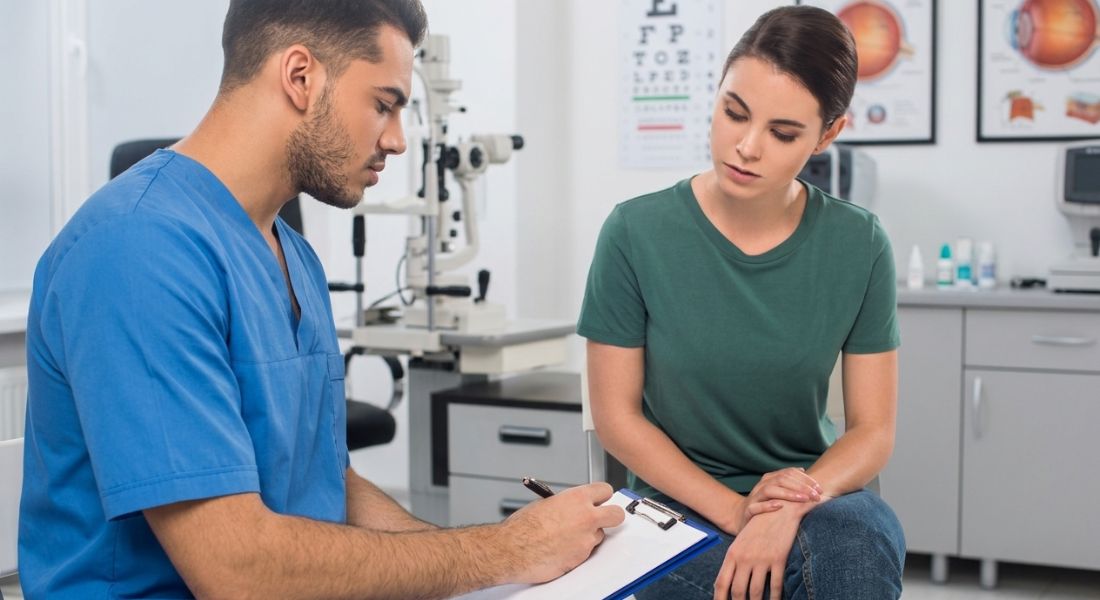
There are certain symptoms that mean you should seek urgent eye assessment without delay. If you notice sudden halos around lights along with pain, blurred vision, redness, headache, nausea, or vomiting, it could indicate a serious condition such as acute glaucoma that needs to be ruled out quickly. When these symptoms appear together, you shouldn’t wait to see if they improve.
You should also treat it as urgent if halos are accompanied by noticeable vision loss, strong light sensitivity, or if they occur after an eye injury. These combinations can sometimes suggest more significant eye problems that may progress rapidly without treatment. In these situations, timing is very important because early care can make a real difference to the outcome.
If anything about your visual symptoms feels sudden, severe, or unusual for you, it’s always safer to get checked promptly. Even if you’re unsure, an urgent assessment helps rule out serious causes and ensures your vision is properly protected.
Why Early Diagnosis Protects Vision
Early diagnosis plays a major role in protecting your vision when you experience halos around lights. Many of the conditions that can cause halos such as acute glaucoma, corneal swelling, or significant inflammation can potentially harm your eyesight if they aren’t treated quickly. When these issues are identified early, treatment is often much more effective and the chances of preserving vision are significantly higher.
Eye specialists rely on detailed examinations to find the exact cause of your symptoms. This may include measuring eye pressure, assessing the cornea, and examining the internal structures of your eye. These tests are important because symptoms like halos alone don’t always reflect how serious the underlying problem is, so a proper clinical assessment is needed to make an accurate diagnosis.
If you notice sudden or unexpected halos, especially alongside other warning signs, you should seek urgent eye care. Acting quickly gives you the best chance of preventing complications and protecting your sight. When it comes to your vision, early treatment is always the safest and most effective approach.
FAQs:
- What should you do if you suddenly notice halos around lights?
If you suddenly notice halos around lights, you shouldn’t panic, but you also shouldn’t ignore them. Sometimes they can happen due to dry eyes, tiredness, or low light conditions. However, if they appear suddenly and feel unusual for you, it’s important to take them seriously. Especially if you also have pain, redness, or blurred vision, you should get your eyes checked urgently. - Are halos around lights always a serious problem?
No, halos around lights are not always serious and can sometimes be temporary. You might notice them when your eyes are dry, tired, or exposed to bright lights in the dark. In many cases, they settle on their own without treatment. However, if they persist or worsen, you should get your eyes examined. - Why do halos around lights happen?
Halos happen when light is not focused properly onto the retina and gets scattered inside your eye. This can be due to dry eyes, corneal changes, cataracts, or changes in eye pressure. Your eye normally focuses light clearly, so anything that disturbs this process can cause halos. That’s why there are multiple possible causes. - When should you worry about sudden halos?
You should worry if halos appear suddenly and are accompanied by symptoms like eye pain, redness, headache, or blurred vision. This combination can sometimes suggest a more serious eye condition. It is especially important if the symptoms are new or getting worse. In such cases, you should seek prompt eye assessment. - Can dry eyes cause halos?
Yes, dry eyes can cause temporary halos around lights. This happens when your tear film becomes unstable and light gets scattered. You may notice it more after screen use or in dry environments. The symptoms often improve when you blink or use lubricating drops. - How are halos linked to glaucoma?
In acute angle-closure glaucoma, eye pressure rises quickly and can cause halos around lights. This pressure affects how your cornea handles light, leading to glare and distortion. You may also experience severe eye pain, redness, and blurred vision. It is a medical emergency that needs urgent treatment. - Can cataracts cause halos?
Yes, cataracts can cause halos because the lens of your eye becomes cloudy over time. This causes light to scatter instead of focusing clearly. You may notice more glare and difficulty seeing at night. However, cataracts usually develop slowly rather than suddenly. - Can migraines cause halo-like vision?
Yes, migraines can cause visual disturbances that may look like halos or flashing lights. These symptoms usually affect both eyes and develop gradually. They often settle within a short time and may be followed by a headache. However, new or unusual visual changes should always be checked. - Can contact lenses cause halos?
Yes, contact lenses can cause halos if your eyes become dry or irritated. This may happen if lenses are worn too long or not cleaned properly. You might also notice redness or blurred vision. Removing the lenses usually helps, but persistent symptoms should be checked. - When is emergency care needed for halos?
You need emergency care if halos appear suddenly with pain, blurred vision, redness, or nausea. This can sometimes indicate a serious rise in eye pressure. It is important not to wait if symptoms are severe or worsening. Immediate assessment helps protect your vision.
Final Thoughts: Wrapping Up: Sudden Halos Around Lights and When to Take Them Seriously
Sudden halos around lights can sometimes be linked to harmless causes such as dry eyes, fatigue, or temporary tear film changes, especially if they come and go. However, the key thing you should remember is that halos are a symptom, not a diagnosis, and in some cases they can be an early warning sign of more serious eye conditions. This is particularly important when halos appear suddenly or are accompanied by other changes in your vision.
You should take extra care if halos occur alongside symptoms such as eye pain, redness, blurred or reduced vision, headache, or nausea. These combinations can sometimes indicate urgent conditions like acute angle-closure glaucoma, where timely treatment is essential to protect your sight. Getting your eyes assessed quickly helps ensure any serious cause is identified early and managed appropriately. If you’re considering an emergency eye doctor in London and want to know if it’s the right option, you’re welcome to reach out to us at Eye Clinic London to book a consultation.
References:
- Gelston, C. D. and Deitz, G. A. (2020) Eye Emergencies, American Family Physician, 102(9), pp. 539–545. Available at: https://pubmed.ncbi.nlm.nih.gov/33118787/
- Yorston, D. (2018) Emergency management: retinal detachment, Community Eye Health, 31(103), p. 63. Available at: https://pmc.ncbi.nlm.nih.gov/articles/PMC6253314/
- Kang, E. Y. C., Chen, T. H., Garg, S. J., Sun, C. C., Kang, J. H., Wu, W. C. and Lai, C. C. (2021) Association of ocular emergency department visits with retinal diseases and symptoms, International Journal of Environmental Research and Public Health, 18(18), p. 9687. Available at: https://www.mdpi.com/1648-9144/61/7/1163
- Channa, R., Zafar, S. N., Canner, J. K., Haring, R. S., Schneider, E. B. and Friedman, D. S. (2016) Epidemiology of eye-related emergency department visits, JAMA Ophthalmology, 134(3), pp. 312–319. Available at: https://pubmed.ncbi.nlm.nih.gov/30487683/
- Shinar, Z., Chan, L. and Orlinsky, M. (2011) Use of Ocular Ultrasound for the Evaluation of Retinal Detachment, The Journal of Emergency Medicine, 40(1), pp. 53–57. Available at: https://www.sciencedirect.com/science/article/abs/pii/S0736467909004132