


What Should You Do If You Suddenly Cannot Open Your Eye Properly?

If you suddenly find it difficult or impossible to open one or both of your eyes properly, it can feel quite unsettling. In some cases, it may be due to something relatively simple like irritation, swelling, tiredness, or mild inflammation. Even so, when this happens suddenly, you shouldn’t ignore it because it can sometimes point to something more significant.
You should remember that your eyelids, eye muscles, nerves, and surrounding tissues all work together to help you open and close your eyes normally. If any part of this system is affected, even briefly, you may notice a sudden change in how easily you can open your eye. You might also experience symptoms like pain, redness, blurred vision, or heaviness, which can help indicate what’s going on.
If you’re unable to open your eye properly and especially if it’s accompanied by pain, swelling, vision changes, or weakness, you should seek prompt medical attention. Getting it checked early helps identify the cause quickly and ensures you receive the right treatment, particularly if there’s an infection, injury, or nerve-related issue involved.
What Does Difficulty Opening the Eye Mean?
Difficulty opening your eye can mean different things depending on what’s causing it. You might notice that swelling physically prevents your eyelid from opening properly, or you may feel that the lid is drooping, weak, or unusually heavy. In some cases, pain or irritation can also make you instinctively keep the eye closed because opening it feels uncomfortable.
You may also experience a sensation where your eyelid feels hard to lift, even if there isn’t obvious swelling. Light sensitivity can play a role too, causing you to keep your eye closed reflexively in bright environments. Because these symptoms can feel quite different from person to person, the exact pattern often gives important clues about the underlying cause.
Since eyelid movement depends on a combination of muscles, nerves, and surrounding tissues, there are many possible reasons this problem can occur. That’s why you shouldn’t rely on a single symptom alone. A proper assessment helps identify the cause more accurately, especially when other symptoms like pain, redness, or vision changes are also present.
Why Sudden Symptoms Should Be Taken Seriously
Sudden difficulty opening your eye properly should always be taken seriously because it can sometimes point to more significant underlying problems. In certain cases, it may be linked to neurological conditions, infections, trauma, or even raised pressure inside the eye. Some of these issues can progress quickly if they are not assessed and treated in time.
You should remember that your eyes are closely connected to your brain, nerves, muscles, and surrounding blood vessels. Because of this, a sudden change in eyelid function or eye movement can sometimes reflect a problem affecting one of these systems. Even if the symptom seems isolated at first, it can still be an important warning sign.
Not every case will turn out to be serious, but you shouldn’t ignore sudden or severe symptoms. Getting prompt medical evaluation helps ensure that any underlying cause is identified early. Acting quickly protects both your vision and your overall health, and it gives you the best chance of avoiding complications.
Swelling Around the Eye
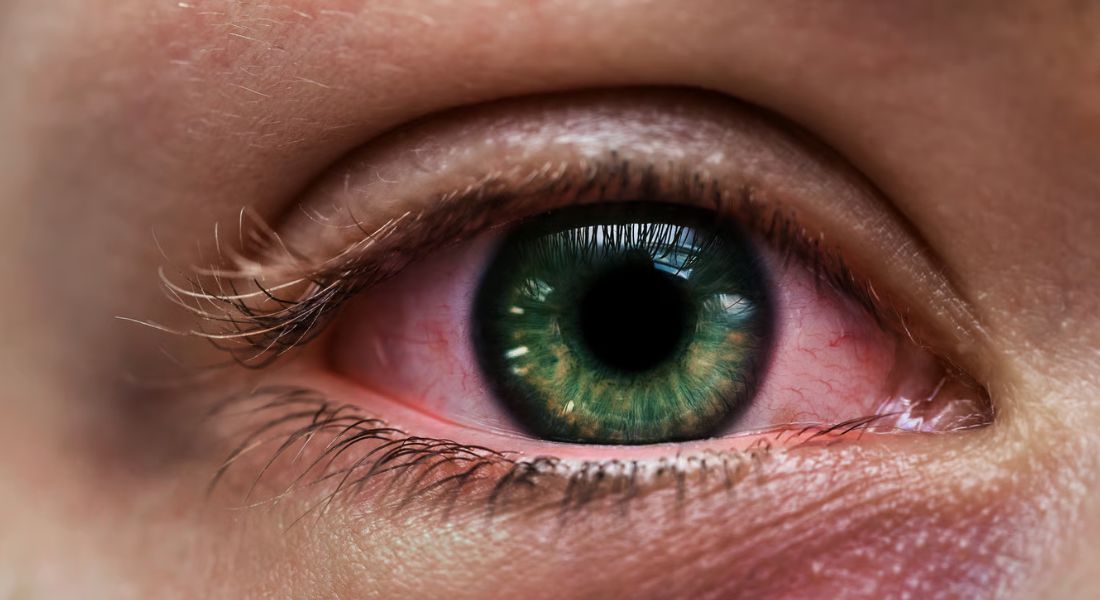
Swelling around your eye is one of the most common reasons you might suddenly struggle to open it properly. You may experience this due to inflammation, allergies, infection, trauma, or even something as simple as an insect bite. Because the eyelid tissues are very delicate, they can become puffy quite quickly in response to irritation.
You might notice puffiness, redness, tenderness, or a warm feeling around the eye. In more severe cases, the swelling can become so pronounced that it physically stops you from opening your eyelid normally. Depending on the cause, these symptoms can develop or worsen quite rapidly, which can understandably feel worrying.
While mild swelling may settle on its own, you shouldn’t ignore swelling that is significant, painful, or getting worse. Some cases may involve infection or deeper tissue involvement that needs prompt treatment. Keeping an eye on how your symptoms change is important, and getting checked early helps make sure anything serious is treated quickly.
Eye Infections and Severe Swelling
Eye infections can sometimes cause quite severe swelling around your eye, and this may make it difficult for you to open it properly. Conditions such as cellulitis, abscesses, or more serious infections affecting the surface of the eye can all lead to these symptoms. You may also notice pain alongside the swelling, which often suggests an active infection rather than mild irritation.
You might experience additional signs such as fever, redness, warmth, discharge, or tenderness around the affected area. If the infection involves deeper structures, you may also notice vision changes or pain when moving your eye, which can be more concerning and needs prompt attention. In some cases, doctors may need to rule out orbital infection to ensure there is no deeper spread.
Because some infections can progress quickly, you shouldn’t delay seeking help if symptoms are severe or worsening. Early treatment, which may include antibiotics or hospital care, can make a significant difference. Getting assessed promptly helps protect your vision and prevents complications from developing.
Orbital Cellulitis: A Medical Emergency
Orbital cellulitis is a serious infection that affects the deeper tissues inside your eye socket, and it should always be treated as a medical emergency. It can cause significant swelling around your eye, making it very difficult for you to open it properly. You may also notice redness, fever, and increasing pain as the infection develops.
You might experience additional symptoms such as pain when moving your eye, reduced eye movement, double vision, or even a noticeable bulging of the eye. These signs often worsen quickly, and children can be particularly vulnerable to this type of infection. Because it affects deeper structures, it can also impact your vision if not treated promptly.
If orbital cellulitis is suspected, you would need urgent hospital assessment and immediate treatment. This usually involves intravenous antibiotics and close monitoring. Delaying care can increase the risk of serious complications, so rapid medical attention is essential to protect both your vision and overall health.
Trauma and Eye Injuries
Eye trauma can cause a wide range of symptoms, depending on how severe the impact is and which structures are affected. Even a relatively mild blow to the eye or surrounding area can lead to noticeable swelling, bruising, and pain. In some cases, the eyelids may become so swollen that it’s difficult to open the eye properly. Because trauma can also affect deeper structures, it’s important to take any injury seriously and seek assessment if symptoms are significant.
- Swelling, Bruising, and Pain After Impact: Blunt trauma often causes immediate swelling and bruising around the eye. The area may feel tender, sore, or tight due to inflammation and tissue damage. Even small injuries can sometimes look quite dramatic externally.
- Possible Vision and Visual Disturbances: After injury, you may notice blurred vision, double vision, flashes of light, or new floaters. These symptoms can indicate that internal eye structures such as the retina or vitreous have been affected. Any change in vision after trauma should always be carefully assessed.
- Risk of Orbital Fractures and Deeper Injury: In more significant impacts, fractures of the bones around the eye socket can occur. This may lead to restricted eye movement, double vision, or changes in eye position. Internal damage to the eye itself is also possible, even if the outside looks relatively normal.
- Need for Prompt Specialist Assessment: After significant trauma, professional examination is essential, especially if you notice vision changes, severe swelling, or difficulty moving the eye. Some injuries may not be immediately obvious without a detailed eye examination. Early assessment helps identify hidden damage and protects your vision.
Eye injuries from trauma can range from mild to sight-threatening, so careful evaluation is always important. Even if symptoms seem to settle, underlying damage may still be present. Prompt specialist review ensures that any complications are detected early and managed appropriately. Acting quickly after an eye injury gives you the best chance of protecting long-term vision.
Corneal Injuries and Reflex Eye Closure

The cornea is extremely sensitive, so even small injuries to its surface can make it very difficult for you to keep your eye open. Problems like corneal abrasions, foreign bodies, ulcers, or chemical exposure can trigger a strong protective response where your eye naturally wants to stay closed. This reflex helps protect the eye, but it can also make symptoms feel quite intense.
You may notice sharp pain, excessive watering, light sensitivity, or a gritty feeling as if something is stuck in your eye. Blinking can feel uncomfortable and may even make the pain worse, which often leads to reflex eyelid spasm. This is your body’s way of trying to reduce irritation, but it can significantly affect how easily you’re able to open your eye.
Because corneal injuries can potentially affect your vision if they aren’t treated, you shouldn’t ignore severe pain or strong light sensitivity. Getting your eye checked early helps ensure the right treatment is given and supports proper healing. Keeping the surface of your eye healthy is essential for clear, comfortable vision.
Light Sensitivity and Blepharospasm
Blepharospasm is a condition where your eyelids close involuntarily or spasm, making it difficult for you to open your eye normally. It can be triggered by severe light sensitivity, irritation, dryness, or inflammation in the eye. In some cases, neurological conditions may also play a role, so the severity and cause can vary quite a bit.
You might feel unable to tolerate bright light, or notice that your eyelids squeeze shut without you meaning to. This can be quite distressing, especially if it happens repeatedly or lasts for longer periods. Conditions like dry eye, corneal problems, or ongoing inflammation often contribute to these symptoms and make the reflex more noticeable.
If eyelid spasms persist or keep interfering with your ability to open your eyes, you should get them checked by a specialist. Identifying the underlying cause is important because treatment depends on what’s triggering the problem. Early assessment can help improve your comfort and give you better control over the symptoms.
Drooping Eyelid (Ptosis)
Ptosis is the medical term for a drooping upper eyelid, and it can sometimes make it difficult for you to open your eye fully. You may notice that one eyelid sits lower than usual, which can partially block your vision or make the eye feel heavy and harder to keep open. This can be caused by muscle weakness, nerve issues, trauma, or other neurological conditions.
You might feel tiredness around the eye, a sense of heaviness, or even visual obstruction from the drooping lid itself. In some cases, ptosis develops slowly over time, but when it appears suddenly, it can be more concerning. Sudden changes are particularly important because they may indicate an underlying problem that needs prompt attention.
If you notice rapid onset ptosis, especially alongside other symptoms like double vision, weakness, or pain, you should seek medical assessment without delay. A proper evaluation helps identify the cause and ensures you receive the right treatment early, particularly if there is a neurological or nerve-related issue involved.
Third Cranial Nerve Palsy
Third cranial nerve palsy is an important neurological condition that can cause sudden drooping of your eyelid and difficulty opening your eye properly. This nerve controls several of the muscles that move your eye, as well as the muscle that lifts your upper eyelid. When the nerve is affected, symptoms can appear quite suddenly and may noticeably change how your eye looks and functions.
You might also experience double vision, an unusual eye position, or changes in the size of your pupil. In some situations, these symptoms can be linked to serious neurological problems, including aneurysms, which is why they need urgent medical attention. Doctors may arrange emergency imaging scans to identify the underlying cause quickly and safely.
If you suddenly develop a drooping eyelid along with double vision or unequal pupils, you should treat it as potentially serious until proven otherwise. Prompt professional assessment is essential because early diagnosis can make a major difference to both treatment and overall safety. In some cases, emergency evaluation is necessary to rule out life-threatening conditions.
Myasthenia Gravis
Myasthenia gravis is an autoimmune condition that affects how your nerves communicate with your muscles. When this communication becomes disrupted, certain muscles can become weak more easily, especially after repeated use. The muscles controlling your eyelids and eye movements are commonly affected, which is why many people first notice symptoms involving their eyes. Because the condition fluctuates, symptoms can vary quite a lot throughout the day.
- Drooping Eyelids and Difficulty Keeping the Eyes Open: In Myasthenia gravis, the muscles responsible for lifting your eyelids may become weak, causing drooping that can affect one or both eyes. You may find it harder to keep your eyes open as the day goes on. This weakness often improves temporarily after rest.
- Symptoms Often Worsen with Fatigue: A common feature of the condition is that symptoms become more noticeable when you are tired or after prolonged activity. You might feel relatively well earlier in the day but notice increasing eyelid drooping or eye strain later on. The fluctuating nature of symptoms is an important clue in diagnosis.
- Double Vision Can Also Develop: The muscles controlling eye movement may also be affected, leading to double vision that changes throughout the day. Eye alignment can shift unpredictably depending on muscle fatigue. These visual symptoms may improve after resting your eyes.
- Importance of Neurological and Eye Assessment: Professional assessment is essential because the condition can sometimes affect muscles involved in swallowing or breathing, not just the eyes. Neurological testing and ophthalmic examination help confirm the diagnosis and guide treatment safely. Ongoing monitoring is often needed to manage symptoms effectively.
Myasthenia gravis is a treatable condition, but early diagnosis is very important for both safety and long-term management. If you notice fluctuating eyelid drooping, double vision, or symptoms that worsen with fatigue, it’s important to seek medical assessment. Careful monitoring helps identify changes early and supports safer treatment decisions. Prompt specialist care gives you the best chance of controlling symptoms effectively.
Chemical Exposure and Eye Closure
Chemical exposure can make it suddenly very difficult for you to open your eye because the irritation often triggers intense burning, watering, swelling, and reflex eye closure. Your eye naturally tries to protect itself by staying shut when the surface becomes injured or inflamed. These injuries can feel extremely painful and should always be treated seriously.
If a chemical gets into your eye, the most important thing you should do immediately is flush it thoroughly with clean water. Prompt irrigation helps remove the chemical and reduces the risk of further damage. Waiting too long before rinsing the eye can significantly increase the chance of permanent injury, which is why acting quickly is so important.
Even if your symptoms seem to improve after flushing, you should still seek urgent ophthalmic assessment. Some chemical injuries can affect deeper layers of the eye that are not obvious straight away. A professional examination helps ensure hidden damage is identified early and treated properly to protect your vision.
Foreign Bodies in the Eye
If dust, sand, metal fragments, or another foreign body gets trapped on the surface of your eye, it can cause intense irritation very quickly. You may feel as though something is stuck inside your eye, and your natural reaction may be to keep the eye partly closed because opening it feels uncomfortable. Blinking can also become painful as the object rubs against the sensitive surface of the eye.
You might notice symptoms such as watering, redness, pain, or strong light sensitivity. In some cases, the foreign body can scratch the cornea, which may make the discomfort even worse and increase the urge to keep your eye closed. Even tiny particles can feel surprisingly severe because the eye surface is so delicate.
If you think something is stuck in your eye, you shouldn’t rub it or try to remove it forcefully yourself. Improper handling can sometimes push the object deeper or worsen the injury. Getting professional assessment and treatment early helps protect the eye, supports healing, and improves comfort more safely.
Severe Dry Eye and Eye Closure
Although dry eye is often thought of as a minor irritation, severe dryness can sometimes make it genuinely uncomfortable for you to open your eyes, particularly when you first wake up. Your tear film is essential for keeping the surface of your eye smooth and protected, and when it becomes unstable, the cornea can become irritated quite easily.
You might notice burning, stinging, watering, blurred vision, or a gritty sensation alongside the discomfort. Symptoms often become worse in dry or air-conditioned environments, after long periods of screen use, or when you haven’t blinked enough. Many people also find that mornings are especially difficult because the eyes may dry out overnight.
If your symptoms are persistent or becoming more severe, you shouldn’t ignore them. Advanced dry eye can sometimes lead to damage on the surface of the cornea if left untreated. Getting a proper assessment helps identify the cause of the dryness and ensures you receive the right treatment to improve comfort and protect your eye health.
Difficulty Opening the Eye After Sleep
Some people notice temporary difficulty opening their eyes after waking, often because of dryness, crusting, mild swelling, or irritation that develops overnight. In milder cases, the eye may feel stuck briefly but improve after blinking a few times or gently cleaning the eyelids. This can happen when the tear film becomes unstable during sleep or when small amounts of discharge collect around the lashes.
However, you should pay attention if the symptoms are more pronounced or keep returning. Redness, significant discharge, pain, or noticeable swelling may suggest infection or inflammation rather than simple dryness. The exact pattern of symptoms, including whether one or both eyes are affected, can provide important clues about the underlying cause.
If the problem happens frequently, becomes more uncomfortable, or seems to worsen over time, you should have it assessed professionally. Ongoing symptoms shouldn’t be ignored, especially if they begin affecting your comfort or vision. Early evaluation helps identify the cause properly and supports safer, more effective treatment.
Neurological Causes Beyond the Eye
Not all problems with opening your eye properly are caused by the eye itself. In some situations, neurological conditions such as stroke, nerve palsies, brain inflammation, or other disorders affecting the nervous system can interfere with eyelid movement and eye control. These changes can sometimes appear quite suddenly and should always be taken seriously.
You may also notice other neurological symptoms at the same time, including facial drooping, weakness, numbness, speech difficulty, or problems with balance and coordination. When symptoms like these occur together, they can suggest that the issue involves the brain or nerves rather than just the eye alone. This combination requires immediate medical attention.
Because your eyes and nervous system are so closely connected, sudden neurological eye symptoms should never be ignored. Early diagnosis is extremely important and, in some cases, may even be life-saving. Prompt assessment helps identify the cause quickly and gives you the best chance of effective treatment and recovery.
Children and Difficulty Opening the Eye
When a child has trouble opening one eye, it can sometimes be difficult to work out exactly what is wrong because young children may not be able to describe their symptoms clearly. Instead of explaining pain or blurred vision directly, they may simply keep the eye closed, rub it frequently, or become upset in bright light. Because children’s eye problems can occasionally worsen quite quickly, careful observation by parents and carers is extremely important.
- Common Causes of Keeping One Eye Closed: Children may close one eye because of swelling, infection, trauma, a foreign body, or light sensitivity. Even mild irritation can make them reluctant to open the eye fully. In some cases, discomfort may develop suddenly and become more noticeable over a short period.
- Signs Parents Should Watch For: You should look for redness, discharge, watering, swelling, fever, or obvious signs of pain. Some children may repeatedly rub the eye or avoid bright environments because of discomfort. These clues can help identify whether the problem may need medical attention.
- Infections Around the Eye Can Progress Quickly: Conditions such as Preseptal cellulitis or Orbital cellulitis can sometimes cause swelling and difficulty opening the eye. Infections around the eye socket can become more serious if left untreated. Early recognition is therefore very important.
- Importance of Prompt Assessment: If symptoms are severe, worsening, or associated with fever or vision concerns, your child should be assessed promptly by a healthcare professional. Early examination helps identify the cause and start treatment if needed. Quick action can help protect both comfort and visual development.
Children’s eye problems should never be ignored simply because they struggle to explain what they are feeling. Careful observation often provides the first important clues that something is wrong. Because some conditions can progress rapidly, especially infections around the eye, early assessment is the safest approach. Prompt care helps protect your child’s vision, comfort, and long-term eye health.
How Eye Specialists Assess These Symptoms
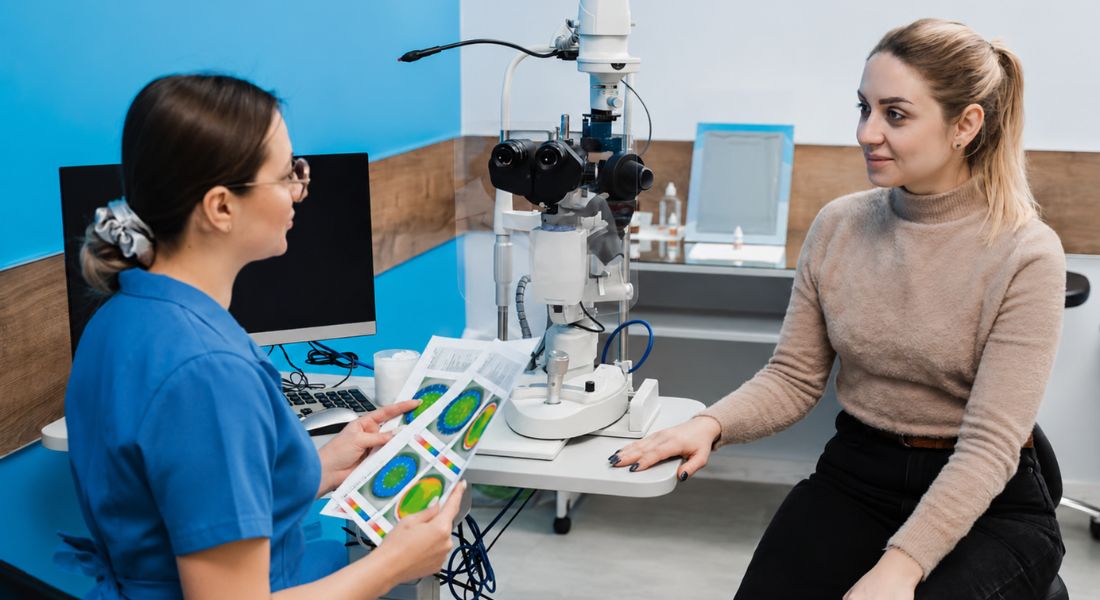
When you see an eye specialist for difficulty opening your eye, they’ll usually carry out a detailed examination to understand exactly what’s causing the problem. This often includes checking your eyelids, testing your vision, assessing your pupils, and evaluating how your eyes move. A slit-lamp examination may also be used to look closely at the surface and front structures of your eye.
The aim is to determine whether the issue involves the eyelid itself, the cornea, the eye muscles, the nerves, or deeper tissues around the eye socket. Depending on your symptoms, additional tests or imaging may sometimes be needed, particularly if there is swelling, drooping of the eyelid, trauma, or concern about neurological involvement.
A professional assessment is important because symptoms alone do not always reveal how serious the underlying problem may be. Some causes are relatively mild, while others may require urgent treatment to protect your vision or neurological health. Accurate diagnosis helps ensure you receive the safest and most effective care as quickly as possible.
When Emergency Assessment Is Needed
Certain symptoms suggest that difficulty opening your eye may require urgent or emergency medical attention. If you’re unable to open your eye properly and also experience severe pain, fever, vision loss, trauma, double vision, chemical exposure, or rapidly worsening swelling, you should seek help immediately. These combinations of symptoms can sometimes indicate serious conditions that need fast treatment to protect your vision and overall health.
You should also treat sudden eyelid drooping as urgent if it occurs alongside unequal pupils, facial weakness, speech difficulty, or other neurological symptoms. Problems involving the nerves or brain can sometimes affect the eyes very quickly, and delaying assessment may increase the risk of complications. In these situations, emergency evaluation may be necessary.
If you notice sudden severe eye symptoms or unexpected visual changes, it’s always safer to get checked promptly rather than wait to see if things improve. Early assessment helps doctors identify the cause quickly and start the right treatment as soon as possible. Acting early often leads to much better outcomes and can help prevent permanent damage.
Why Early Treatment Protects Vision
Many causes of difficulty opening your eye can be treated much more effectively when they are identified early. Conditions such as orbital infections, neurological disorders, corneal injuries, or pressure-related problems may threaten your vision or even your general health if treatment is delayed. Acting quickly often improves the chances of recovery and reduces the risk of long-term complications.
When you’re assessed, eye specialists may use detailed examinations, imaging scans, or neurological testing to understand exactly what’s causing the problem. These investigations help determine whether the issue involves the eye itself, the surrounding tissues, or the nervous system. A proper diagnosis is essential because the safest treatment depends on identifying the underlying cause accurately.
If your eye symptoms feel sudden, severe, or unusual, you shouldn’t hesitate to seek urgent medical advice. Prioritising early assessment helps protect your vision and supports faster, safer treatment. In many situations, prompt intervention can make a significant difference to both your recovery and long-term eye health.
FAQs:
- What should you do if you suddenly cannot open your eye properly?
If you suddenly cannot open your eye properly, you shouldn’t ignore it, especially if it happens quickly. Sometimes it may be caused by swelling, irritation, or tiredness, but it can also point to infection or nerve-related problems. You should pay attention to symptoms like pain, redness, or blurred vision. Getting medical assessment early helps identify the cause and protect your vision. - Can eye swelling stop you from opening your eye?
Yes, severe swelling around the eye can physically make it difficult to open your eyelid properly. This may happen due to allergies, infections, trauma, or inflammation. You might also notice redness, warmth, or tenderness around the eye. If the swelling is severe or worsening, you should seek prompt medical care. - When is difficulty opening the eye considered serious?
It becomes more serious if you also experience pain, fever, vision changes, or weakness. These symptoms can sometimes suggest infection, neurological problems, or deeper eye involvement. Sudden worsening symptoms should never be ignored. In these situations, urgent medical assessment is important. - Can an eye infection make it hard to open your eye?
Yes, eye infections can cause swelling, pain, and inflammation that make opening the eye uncomfortable or difficult. You may also notice redness, discharge, or tenderness around the eye. Some infections can spread quickly into deeper tissues if untreated. Early treatment helps prevent complications and supports faster recovery. - What is orbital cellulitis?
Orbital cellulitis is a serious infection affecting the tissues inside the eye socket. It can cause severe swelling, redness, fever, and pain when moving the eye. You may also notice double vision or reduced vision. This condition is a medical emergency and needs urgent hospital treatment. - Can an eye injury stop you from opening your eye?
Yes, trauma or injury around the eye can lead to swelling, bruising, and pain that make it difficult to open the eye. You might also notice blurred vision or sensitivity to light after the injury. Some damage may not be obvious from the outside. That’s why any significant eye injury should be checked promptly. - Why does light sensitivity make you keep your eye closed?
Light sensitivity can trigger a protective reflex where your eyelids close to reduce discomfort. This often happens with corneal injuries, infections, or severe dryness. Bright light may feel painful or overwhelming for you. If the sensitivity is severe or persistent, you should have your eyes examined. - Can a drooping eyelid suddenly become an emergency?
Yes, sudden eyelid drooping can sometimes be linked to nerve or neurological problems. You may also experience double vision, unequal pupils, or weakness alongside the drooping. In some cases, it can indicate serious conditions that need urgent investigation. Sudden ptosis should always be assessed quickly. - Can severe dry eye make it difficult to open your eyes?
Yes, severe dry eye can make your eyes feel painful, sticky, or difficult to open, especially in the morning. You may also notice burning, watering, or a gritty sensation. Symptoms often become worse after screen use or in dry environments. Proper treatment can help improve comfort and protect the eye surface. - When should you seek emergency help for difficulty opening the eye?
You should seek emergency help if you cannot open your eye and also have severe pain, fever, vision loss, trauma, or double vision. It is also urgent after chemical exposure or sudden neurological symptoms. These signs can indicate serious underlying problems needing immediate treatment. Early care helps protect both your vision and overall health.
Final Thoughts: Difficulty Opening the Eye
Sudden difficulty opening your eye properly should never be ignored, especially if it happens alongside pain, swelling, redness, blurred vision, double vision, or fever. While some causes may be relatively mild, others such as infections, corneal injuries, or neurological conditions can require urgent treatment to protect your vision and overall health.
Because eye symptoms can sometimes worsen quickly, early assessment is always the safest approach. Prompt diagnosis helps identify the underlying cause and ensures you receive the right treatment before complications develop. If you’re considering emergency eye doctor in London and want to know if it’s the right option, you’re welcome to reach out to us at Eye Clinic London to book a consultation.
References:
- Kyari, F. (2018) Emergency management: orbital cellulitis, Community Eye Health, 31(103), p. 60. Available at: https://pmc.ncbi.nlm.nih.gov/articles/PMC6253316/
- Hatami, H., Ghaffari Jolfayi, A., Ebrahimi, A., Golmohammadi, S., Zangiabadian, M. and Nasiri, M.J. (2021) Contact lens associated bacterial keratitis: Common organisms, antibiotic therapy, and global resistance trends: A systematic review, Frontiers in Ophthalmology, 1, p. 759271. Available at: https://pmc.ncbi.nlm.nih.gov/articles/PMC11182260/
- Long, B., Koyfman, A. and Gottlieb, M. (2018) Ocular emergencies, Medicine, 46(12), pp. 754–759. Available at: https://www.sciencedirect.com/science/article/abs/pii/S1357303918302378
- Yorston, D. (2018) Emergency management: retinal detachment, Community Eye Health, 31(103), p. 63. Available at: https://pubmed.ncbi.nlm.nih.gov/30487683/
- Said, S., Knecht-Bösch, M., Alder, M., Zweifel, S., Barthelmes, D. and Blaser, F. (2026) ‘The danger of overnight contact lenses orthokeratology-related infectious keratitis’, Klinische Monatsblätter für Augenheilkunde, 243(4), pp. 376–384. Available at: https://pubmed.ncbi.nlm.nih.gov/41844188/