


Can a Sudden Dark Curtain Across Your Vision Be an Emergency?
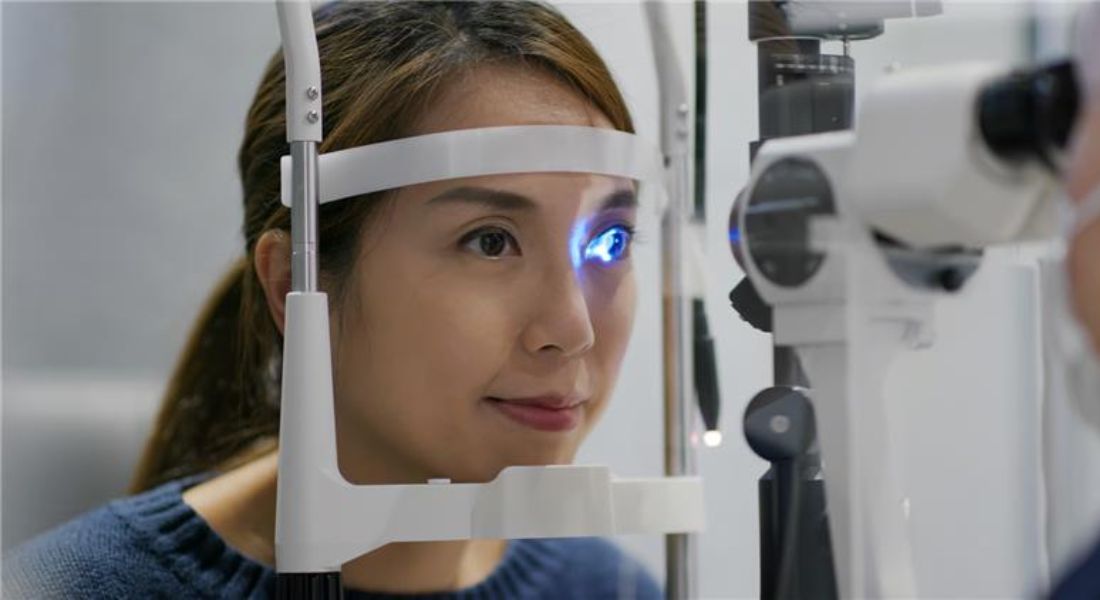
A sudden dark curtain moving across your vision can be a serious warning sign, and you should treat it as an emergency. It may appear without warning and affect part of your sight or even a large section of your visual field. Many people describe it as a shadow slowly spreading over their vision or a dark area growing in from the side.
You shouldn’t ignore this symptom or wait to see if it improves on its own. In many cases, it can be linked to urgent eye conditions affecting the retina, which is the light-sensitive layer at the back of your eye. Because this part of your eye is very delicate, any disruption can quickly impact how clearly you see, and delays in treatment can make the situation worse.
Understanding what this symptom could mean is important, but the most critical step is acting quickly. If you notice a curtain-like shadow, you should seek immediate eye assessment so the cause can be identified and treated as early as possible. Prompt action gives you the best chance of protecting your vision and preventing permanent damage.
What a Dark Curtain in Vision Actually Means
A “dark curtain” in your vision isn’t a medical diagnosis, but rather a way you might describe a particular type of vision loss. You may notice part of your visual field becoming shaded, dimmed, or completely blocked, almost as if something is slowly covering your sight. It can feel quite distinct compared to general blurriness or tired eyes.
This type of symptom can appear suddenly or develop gradually over a few hours. You might only notice it in one eye, or you may only become aware of it when you cover the other eye and realise part of your vision is missing. Because it affects a specific area of your visual field, it often feels more structured and noticeable than everyday visual changes.
Since this kind of vision change usually reflects something happening within the eye itself, you should always treat it as a warning sign. Even if it seems to come and go, it still needs urgent professional assessment to rule out serious underlying causes and protect your eyesight.
The Retina and Its Role in Vision

Your retina is the thin, light-sensitive layer at the back of your eye that helps you see clearly. It works by converting light into electrical signals, which are then sent to your brain so you can interpret shapes, colours, and movement. When it’s healthy, your vision feels seamless and complete, but when it’s affected, your sight can quickly become disrupted.
Even a small change in the retina’s position or structure can have a noticeable impact on your vision. Because it plays such a central role in how you see, problems in this area often cause strong or unusual symptoms, such as dark shadows, flashing lights, or missing patches in your visual field. These signs can feel quite sudden and are often difficult to ignore.
One of the most serious conditions affecting the retina is retinal detachment. This happens when the retina starts to pull away from the back of the eye, which can lead to significant vision loss if not treated quickly. That’s why any symptoms suggesting retinal involvement should always be assessed urgently to protect your eyesight.
Why Retinal Problems Create a “Curtain” Effect
When the retina begins to separate from the back wall of your eye, it can no longer function properly in that area. This means the part of your vision linked to that section of retina starts to fade, creating a dark or grey shadow that you may notice in your sight. It can feel quite sudden and unusual because it affects a specific region rather than your whole vision.
The exact area of the shadow depends on where the retina has become affected. As the separation progresses, you may notice the shadow gradually expanding or shifting across your visual field. This can make it feel as though your vision is being partially covered or “drawn over” from one side.
That’s why this symptom is often described as a curtain effect. It isn’t something physically blocking your eye, but rather your retina not processing visual information in the affected region. Because of this, it should always be treated seriously and checked urgently to protect your sight.
Early Warning Signs You Should Not Ignore
Before a retinal “curtain” or shadow appears, your eyes can sometimes give you early warning signs that something is changing inside the eye. These symptoms often relate to movement or changes in the vitreous gel, which sits inside the eye. While some cases are harmless, sudden or new symptoms should always be taken seriously. Acting early can make a big difference in protecting your vision.
- Sudden Flashes of Light: You might notice brief flashes of light, especially in your peripheral vision. These can look like camera flashes or streaks and often happen when the vitreous tugs on the retina. Even if they come and go, new flashes should never be ignored.
- New or Increasing Floaters: Floaters may appear as small specks, dots, cobwebs, or drifting shadows in your vision. In Posterior vitreous detachment, you may suddenly notice a significant increase in floaters as the vitreous gel changes or separates. A sudden surge in floaters is particularly important to get checked.
- Sensation of Movement or Shadowing: You might feel like something is moving in your vision or notice subtle shadow-like areas. This can be a sign of changes occurring at the back of the eye. These symptoms may appear before any more obvious vision loss develops.
- Why Early Symptoms Matter: These early warning signs can sometimes appear before a retinal tear or detachment develops. Conditions such as Retinal detachment may begin with flashes and floaters before progressing to more serious vision changes. Early assessment gives you the best chance of preventing further damage.
Early warning signs should always be taken seriously, even if your vision still feels mostly normal. If you notice sudden flashes, a burst of floaters, or any new shadowing, it’s important to get your eyes checked promptly. These symptoms can be the first indication of a developing retinal problem. Acting quickly helps protect your vision and improves treatment outcomes.
Flashes of Light and Vitreous Changes
Flashes of light can happen when the vitreous gel inside your eye starts to pull on the retina. This tugging can stimulate the retina in a way that sends false signals to your brain, which you perceive as brief flashes or streaks of light. It often becomes more noticeable in darker settings or when you move your eyes quickly.
On their own, flashes don’t always mean something serious is happening, but you shouldn’t ignore them if they appear suddenly. If you notice them alongside a new increase in floaters or any changes in your vision, it becomes more important to get your eyes checked. These combinations can sometimes suggest that the vitreous is exerting more traction on the retina.
In some cases, these early symptoms can come before more significant retinal problems develop. That’s why paying attention to sudden changes matters. If anything feels new, unusual, or worsening, you should seek an eye examination promptly to rule out anything serious and protect your vision.
How Retinal Tears Develop
A retinal tear can develop when the vitreous gel inside your eye pulls too strongly on the retina. This tugging can create a small break or hole in the delicate retinal tissue. You might not always notice pain, but you can sometimes experience symptoms like flashes or a sudden increase in floaters.
Once a tear has formed, it becomes easier for fluid inside the eye to pass underneath the retina. This fluid can start to separate the retina from the back wall of the eye, gradually lifting it away from its normal position. If this process continues, it may progress into a retinal detachment, which is more serious and can affect your vision significantly.
This is why early detection is so important for you. If a retinal tear is identified quickly, treatment can often stop it from progressing further. Acting at this stage can make a major difference in preventing more serious vision loss and protecting your long-term sight.
Not All Shadows Are Retinal Detachment
Not every shadow or dark area you notice in your vision means retinal detachment, even though that is one of the more serious possibilities. There are other conditions that can create similar symptoms, and it’s important not to jump to conclusions straight away. Your vision can be affected in different ways depending on the underlying cause.
For example, you might experience temporary visual disturbances due to migraines or changes in blood flow to the eye or brain. These episodes can sometimes cause flickering, blind spots, or shimmering patterns, but they usually settle completely once the trigger passes. In these cases, your vision typically returns to normal without lasting effects.
The key thing for you to watch is whether the symptom persists or progresses. Retinal problems tend to worsen over time rather than disappear on their own. If a shadow is getting bigger, staying present, or accompanied by flashes and floaters, you should treat it as urgent and get your eyes checked promptly.
Ocular Migraine vs Serious Eye Emergency
Ocular migraines can cause temporary visual disturbances, and you might notice shimmering zig-zag lines, flickering patterns, or small blind spots in your vision. These episodes usually last around 10 to 30 minutes and then fully settle, with your vision returning to normal afterwards. They can feel strange or unsettling, but they are often short-lived and reversible.
Unlike retinal problems, ocular migraines typically don’t lead to a permanent dark shadow or gradual loss of part of your vision. The symptoms tend to move or change shape rather than steadily blocking one area. You may also notice that both eyes are affected in some way, even if it feels like it’s coming from one side.
However, you should never assume new or unusual symptoms are just a migraine. If your vision changes persist, worsen, or don’t fully resolve, you need to treat it as a potential emergency. It’s always safer for you to get a proper eye examination so that more serious causes can be ruled out quickly.
Why Time Is Critical in Retinal Conditions
Time really matters when it comes to retinal conditions because your retina depends on being properly attached to the back of your eye to work effectively. When it starts to detach, the affected area stops receiving normal support and nourishment. As a result, that part of your vision begins to fail, which is why symptoms can progress quite quickly.
The longer the retina stays detached, the higher the risk that the damage becomes permanent. You may find that vision loss starts spreading, and in some cases central vision can also become affected if the condition continues to worsen. At that stage, recovery becomes more difficult, even with treatment.
This is exactly why eye emergencies involving retinal symptoms are treated as time-sensitive. You’re always better off seeking urgent assessment rather than waiting to see if things improve. Quick action gives you the best chance of preserving vision and preventing long-term complications.
What Happens If You Wait Too Long
If you wait too long before getting your eyes checked, a retinal detachment can gradually spread. You might notice that the shadow or missing area in your vision becomes larger over time as more of the retina becomes affected. This can lead to a steady increase in vision loss, even if things seem stable at first.
If the central part of your retina, known as the macula, becomes involved, it can have a much bigger impact on your sight. This area is responsible for your detailed vision, so you may find it harder to read, recognise faces, or see fine details clearly. Once central vision is affected, it can sometimes be more difficult to fully recover even after treatment.
That’s why you shouldn’t ignore even small or early symptoms. If you notice flashes, floaters, or any shadow in your vision, you should get it assessed urgently. Acting quickly gives you the best chance of protecting your sight and preventing more serious, permanent damage.
Emergency Eye Examination Process
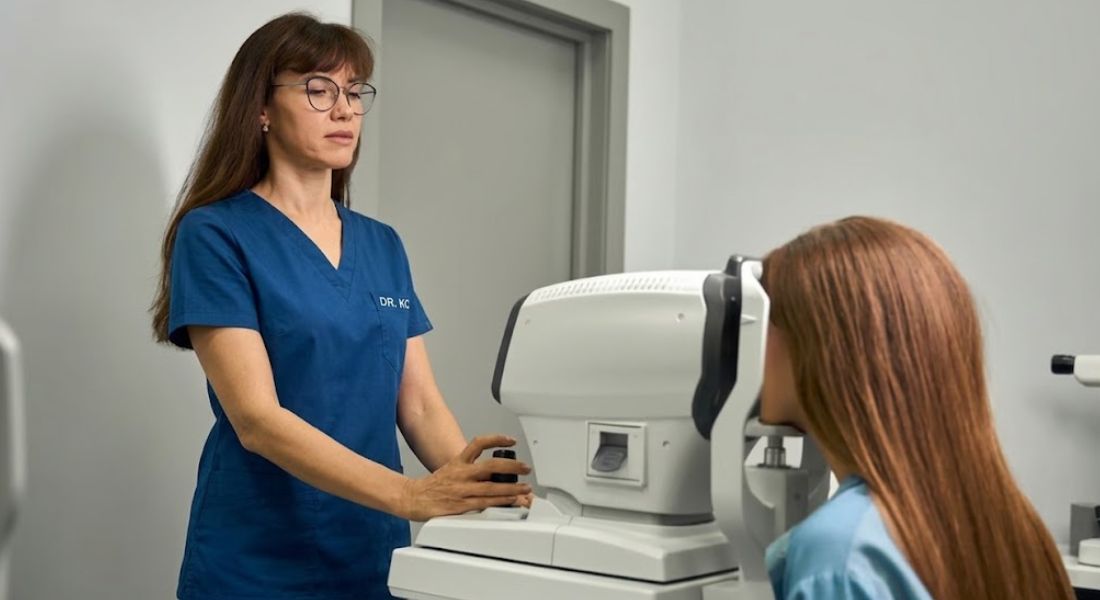
If you attend an urgent eye service, the first thing you can expect is a careful examination of your retina. Your pupil will usually be dilated with eye drops so the specialist can get a much clearer view inside your eye. This helps them properly assess the back of your eye where any retinal problems may be occurring.
At an emergency eye clinic, including services in London, the clinician may also use additional tests such as imaging or ultrasound. These tools help them see deeper structures of your eye more clearly, especially if the view is limited during the examination. It allows them to build a more accurate picture of what is going on.
All of this testing helps determine whether you have a retinal tear, detachment, or another underlying condition causing your symptoms. Once the cause is identified, the specialist can quickly decide the most appropriate treatment. The aim is always to act fast to protect your vision and prevent further damage.
Retinal Imaging and Diagnostic Tools
When you’re being assessed for flashes, floaters, or sudden vision changes, one of the most important steps is a detailed examination of the retina. This helps your eye specialist check for serious conditions such as retinal tears or detachment. Even if your symptoms feel mild, these tests are essential because some problems can only be seen during a proper eye examination.
- Dilated Fundus Examination: The main test is a dilated fundus examination, where eye drops are used to widen your pupils so the back of your eye can be seen clearly. This allows the specialist to carefully inspect your retina for any tears, holes, or signs of detachment. It is the most common and important method of retinal assessment.
- Ultrasound for Difficult-to-See Retinas: In some cases, your view of the retina may be limited due to bleeding, inflammation, or cloudiness in the eye. When this happens, an ultrasound scan can be used to help visualise deeper structures. This ensures that a hidden retinal detachment is not missed.
- Supporting Imaging Techniques: Additional imaging tools may also be used depending on your symptoms and findings. These can help provide more detailed information about the retina and surrounding structures. They are often used alongside the clinical examination to improve accuracy.
- Fast but Essential Diagnostic Process: These investigations are usually quick, but they play a critical role in diagnosis. They help your specialist decide whether urgent treatment is needed or if monitoring is appropriate. Accurate assessment at this stage is key to protecting your vision.
Retinal imaging and diagnostic tools are therefore essential when evaluating sudden visual symptoms. They allow your eye specialist to detect problems that may not be obvious from symptoms alone. Early and accurate diagnosis ensures that treatment can be started quickly if needed. This careful approach is one of the most important ways to preserve your sight.
Laser Treatment for Early Retinal Tears

If a retinal tear is detected before it progresses into a detachment, laser treatment is often used as an early intervention. During this procedure, small, precise laser burns are applied around the tear to create a protective barrier. This helps “seal” the area so it doesn’t worsen.
The main purpose of this treatment is to stop fluid from passing through the tear and lifting the retina away from the back of the eye. By doing this, the risk of a full retinal detachment is significantly reduced. When the tear is treated early, the outcome is usually very good.
This is why urgent assessment is so important. If you seek help as soon as symptoms appear, there’s a much better chance that a simple laser procedure can protect your vision and prevent more serious complications.
Surgical Treatment for Retinal Detachment
If a retinal detachment has already happened, you’ll usually need surgery to repair it. The exact procedure depends on how severe the detachment is and where it’s located in your eye. Your specialist will choose the most suitable approach based on your individual condition.
One common option is a vitrectomy, where the vitreous gel is removed and replaced to allow the retina to be repositioned. In some cases, a gas bubble is placed inside your eye to gently hold the retina back in place while it heals. Another technique is a scleral buckle, where a small band is placed around the outside of the eye to support the retina and reduce pulling forces.
The timing of surgery is very important for you. The sooner the retina is repaired, the better the chances of restoring useful vision and limiting permanent damage. Early intervention often leads to more positive outcomes, especially when treatment is carried out before the central vision becomes affected.
Recovery After Treatment
After treatment for a retinal detachment, your recovery will depend a lot on how quickly the condition was diagnosed and managed. If it was treated early, and the central part of your retina (the macula) wasn’t affected, you may regain most of your vision over time. In these cases, outcomes are generally more favourable.
If the detachment was more advanced, you may still experience some improvement, but your vision might not fully return to how it was before. Recovery can be gradual, and you may notice changes continuing over several weeks or even months as your eye heals and adapts.
Follow-up care is really important for you during this time. Regular check-ups help your specialist monitor healing, ensure the retina stays in place, and reduce the risk of it happening again. Staying consistent with follow-up appointments gives you the best chance of a stable and safe recovery.
Risk Factors That Increase Likelihood
Certain factors can make you more likely to develop retinal problems, and one of the most common is high myopia, which means being very short-sighted. When your eye is longer than usual, it can place extra strain on the retina, making it more vulnerable to tears or detachment over time.
You may also be at higher risk if you’ve had previous eye surgery, experienced an eye injury, or are going through natural ageing changes in the vitreous gel. As the vitreous becomes more liquid and starts to shrink, it can pull on the retina, increasing the chance of traction and small tears forming.
Being aware of these risk factors helps you stay more alert to early warning signs. While they don’t mean you will definitely develop a retinal problem, they do mean you should take symptoms like flashes, floaters, or shadowing more seriously and seek prompt assessment if they appear.
Can It Ever Be Harmless?
Sometimes, what feels like a curtain in your vision may turn out not to be caused by retinal detachment. You might experience temporary visual disturbances that can mimic similar symptoms, and these can occasionally be linked to less serious issues. However, from your perspective, it’s not possible to safely distinguish between harmless and serious causes on your own.
Even if your symptoms seem to improve or disappear, you shouldn’t assume everything is fine. Some underlying eye conditions can still be present even when the visual disturbance settles. That’s why relying on symptoms alone can be misleading, especially when it comes to retinal health.
For this reason, you should always treat a curtain-like shadow or sudden vision change as urgent until a specialist has examined your eye. Getting a proper assessment is the only reliable way to rule out serious causes and give you reassurance about your vision.
What You Should Do Immediately
If you notice a sudden dark curtain in your vision, you should treat it as an emergency and act straight away. You shouldn’t wait to see if it improves on its own, as delays can increase the risk of permanent vision loss. Getting assessed quickly gives you the best chance of protecting your eyesight.
You should also avoid rubbing your eyes or doing anything physically strenuous, as this won’t help the situation. Instead, try to keep your movements calm and steady while you arrange urgent eye care. The priority is to get your eyes examined by a specialist as soon as possible.
Quick action really does make a difference in these situations. The sooner you’re seen, the higher the chances of identifying the cause early and preserving as much vision as possible. Acting promptly is the safest step you can take for your eye health.
FAQs:
- What does a sudden dark curtain in your vision mean?
A sudden dark curtain in your vision is a warning sign that something may be affecting your retina or visual pathways. It can appear as a shadow or missing area in part of your sight. This is not a normal symptom and should always be treated seriously. You should get urgent eye assessment to rule out serious conditions like retinal detachment. - Is a dark curtain in vision always an emergency?
Yes, you should treat it as an eye emergency until proven otherwise by a specialist. It often indicates a problem with the retina, which can lead to permanent vision loss if not treated quickly. Even if it comes and goes, it still needs immediate evaluation. Delaying can increase the risk of irreversible damage. - What causes a dark curtain effect in your vision?
The most common cause is a retinal detachment, where the retina pulls away from the back of the eye. This prevents part of your vision from being processed properly, creating a shadow or curtain effect. Other causes can include retinal tears or bleeding inside the eye. All of these conditions need urgent assessment. - Can a dark curtain in vision go away on its own?
Sometimes symptoms may seem to improve temporarily, but you should not assume the problem has resolved. Retinal conditions usually worsen over time rather than fix themselves. Even if the shadow disappears, the underlying issue may still be present. You should still seek immediate eye examination. - What should you do if you notice a curtain in your vision?
You should seek emergency eye care immediately without waiting. Avoid rubbing your eyes or delaying treatment to see if it improves. The sooner you are assessed, the better the chance of protecting your vision. Quick action is essential to prevent permanent damage. - Are flashes and floaters related to a dark curtain in vision?
Yes, flashes and floaters can often appear before or alongside a dark curtain. They may indicate changes in the vitreous gel or early retinal traction. If they suddenly increase, it becomes more concerning. You should get your eyes checked urgently if these symptoms appear together. - Can migraines cause similar vision problems?
Yes, ocular migraines can sometimes cause temporary visual disturbances like flashing lights or blind spots. However, these usually last a short time and fully resolve. A retinal problem tends to persist or worsen over time. If you are unsure, you should always get an eye examination. - Why is retinal detachment so serious?
Retinal detachment is serious because it prevents the retina from functioning properly, leading to vision loss. If not treated quickly, it can become permanent. The longer it is left untreated, the higher the risk of losing central vision. Early treatment significantly improves outcomes. - How is a dark curtain in vision diagnosed?
An eye specialist will examine your retina using dilating eye drops to get a clear view. They may also use imaging or ultrasound if needed. These tests help detect retinal tears or detachment. This assessment is quick but essential for protecting your sight. - Can treatment restore vision after a dark curtain symptom?
Treatment can often help, especially if it is done early. Laser treatment may seal retinal tears, while surgery can repair detachment. The outcome depends on how quickly you receive care. Early treatment gives you the best chance of saving your vision.
Final Thoughts: A Dark Curtain Across Vision Should Always Be Treated as Urgent
A sudden dark curtain or shadow moving across your vision is not something you should ever ignore or wait out. While some vision changes can be harmless, this particular symptom is often linked to serious retinal conditions such as retinal tears or retinal detachment. These conditions can progress quickly, and the longer they are left untreated, the higher the risk of permanent vision loss.
You should be especially alert if the curtain effect is accompanied by flashes of light, a sudden increase in floaters, or any loss of peripheral vision. Even if the symptom seems to come and go, it still requires immediate assessment because retinal damage can continue underneath even when vision briefly improves. Acting early gives you the best chance of preserving your sight and avoiding long-term complications.
If you’re considering an emergency eye doctor in London and want to know if it’s the right step, you’re welcome to reach out to us at Eye Clinic London to book a consultation. Early evaluation can provide reassurance, confirm the cause quickly, and ensure you receive prompt treatment if needed to protect your vision.
References:
- Dumitrascu, O.M. et al. (2024) Aetiology, Diagnosis and Treatment of Arterial Occlusions of the Retina A Narrative Review. Available at: https://www.mdpi.com/1648-9144/60/4/526
- Fraser, J.A., Son, M. & Vinokurtseva, A. (2025) Sudden Vision Loss: A Diagnostic Approach. American Family Physician, 111(1), pp.54–61. Available at: https://pubmed.ncbi.nlm.nih.gov/39823616/
- Keane, P.A. and Shah, V.A. (2021) Neuro-ophthalmologic emergencies. Journal of Neuro-Ophthalmology Available at: https://pmc.ncbi.nlm.nih.gov/articles/PMC8081067/
- Bagheri, N. & Mehta, S. (2015) Acute Vision Loss. Primary Care: Clinics in Office Practice, 42(3), pp.347–361. Available at: https://pubmed.ncbi.nlm.nih.gov/26319342/
- Noble, J., Weizblit, N., Baerlocher, M.O. and Eng, K.T. (2008) Intra-arterial thrombolysis for central retinal artery occlusion: a systematic review. British Journal of Ophthalmology, 92(5), pp.588–593. Available at: https://pubmed.ncbi.nlm.nih.gov/18441166/