


Can Sudden Eye Swelling Be an Emergency?
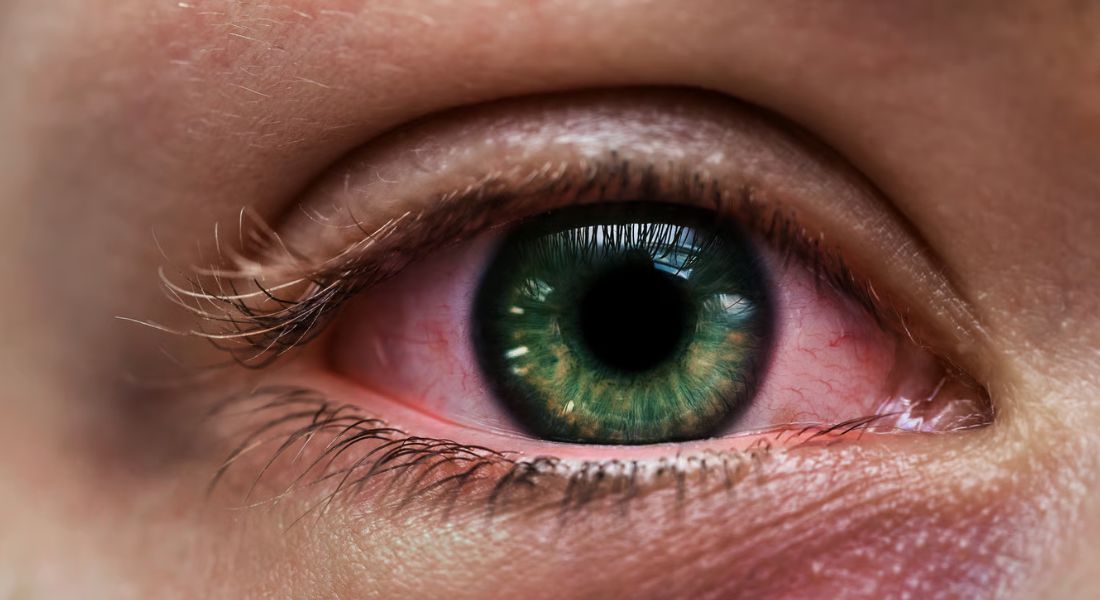
Sudden swelling around your eye can feel quite worrying, especially if it appears quickly or starts to affect how comfortably you can see or open your eye. In some cases, it may be caused by something fairly mild like an allergy, an insect bite, or minor irritation. Even so, when swelling comes on suddenly, you should always pay attention to it rather than brushing it off.
You also need to be aware that not all eye swelling is harmless. In some situations, it can be linked to infections, inflammation, trauma, or deeper problems within the tissues around your eye. Because this area is closely connected to your sinuses and other important structures, certain conditions can spread quickly and may affect your vision if they are not treated promptly.
If you notice swelling alongside pain, redness, reduced vision, fever, or difficulty moving your eye, you should treat it as urgent and seek medical attention. Even if you are unsure, it’s always safer for you to get it checked early. Prompt assessment helps identify the cause and ensures you get the right treatment before the problem becomes more serious.
What Is Sudden Eye Swelling?
Sudden eye swelling is when you notice a rapid increase in puffiness or enlargement around your eye, affecting the eyelids, surrounding tissues, or sometimes even deeper structures. It can happen in one eye or both, and it may develop quite quickly sometimes within minutes or over the course of a few hours. The appearance can range from mild puffiness to significant swelling that makes it difficult for you to open your eye properly.
Along with swelling, you might also experience other symptoms such as redness, discomfort or pain, watering, itching, or even changes in your vision. In some cases, the swelling is quite mild and settles on its own, but in others it can be more pronounced and uncomfortable. The range of symptoms depends entirely on what is causing the swelling in the first place.
Because there are many possible causes, it isn’t always easy to know how serious it is just by looking at it. That’s why paying attention to associated symptoms is important. If the swelling is sudden, severe, or linked with vision changes or pain, you should get it checked so the underlying cause can be properly identified and treated.
Why Rapid Swelling Can Sometimes Be Dangerous
Rapid swelling around your eye can sometimes be more than just a minor irritation. In certain cases, it may be linked to infections that spread into the deeper tissues around the eye socket, known as the orbit. These types of infections can become serious because they may affect your vision or, in rare but severe cases, spread further if not treated promptly.
You should also be aware that sudden swelling can have several other causes, including trauma, allergic reactions, inflammation, or problems affecting blood vessels or deeper structures behind the eye. Some of these conditions can develop quickly and may worsen without timely treatment, which is why paying attention to how fast the swelling appears is so important.
Not every case of a swollen eye is dangerous, but you shouldn’t ignore sudden or severe changes. If your swelling is rapid, painful, or affecting your vision, you should get it checked without delay. Early assessment helps identify the cause quickly and ensures you receive the right treatment to protect both your eye health and your overall wellbeing.
Allergic Reactions and Eye Swelling
Allergies are one of the most common reasons you might notice sudden swelling around your eyes. You could react to things like pollen, cosmetics, medications, animal dander, certain foods, or environmental irritants, and the swelling can develop quite quickly. In many cases, both eyes are affected at the same time, which can help point towards an allergic cause.
You may also notice other symptoms alongside the swelling, such as watery eyes, redness, itching, sneezing, or irritation in other areas of your face. Allergic swelling is often soft and more uncomfortable than painful, and it can come and go depending on your exposure to the trigger. This fluctuation is quite typical in allergy-related reactions.
However, you should always take allergic symptoms seriously if they become severe. If you experience facial swelling along with breathing difficulty, throat tightness, or widespread symptoms, you should seek emergency medical care immediately. While many allergic reactions are mild, some can escalate quickly, so it’s important for you to assess symptoms in context and act promptly when needed.
Eye Infections and Swelling
Eye infections can sometimes lead to sudden swelling around your eye, and you may notice redness, pain, warmth, and visible puffiness. These symptoms often suggest inflammation or infection in the eyelid or surrounding tissues. In some cases, the swelling can start mildly but gradually become more noticeable as the infection develops.
You might be dealing with conditions such as cellulitis, an infected stye, or even an abscess. Bacterial infections are especially important because they can worsen fairly quickly if not treated. Alongside the swelling, you may also feel tenderness, increasing discomfort, or even develop a fever or general feeling of being unwell, which can make the situation more concerning.
Because infections around the eye can sometimes spread to deeper tissues, you shouldn’t delay getting them checked. If your symptoms are worsening or painful, you should seek prompt medical assessment. Early diagnosis and treatment help prevent complications and support faster recovery, protecting both your eye health and overall wellbeing.
Preseptal Cellulitis
Preseptal cellulitis is an infection that affects the eyelid and the surrounding skin around your eye. It usually causes noticeable swelling, redness, warmth, and tenderness in the eyelid area. Although it can look quite alarming, the eye itself is typically not involved, so your vision usually remains normal and eye movements are unaffected. Even so, it still needs prompt medical attention to prevent complications.
- Common Signs and Symptoms: In Preseptal cellulitis, you’ll often notice redness and swelling of the eyelid, along with warmth and tenderness when touched. The swelling can develop quite quickly and may make it difficult to open your eye fully. Despite the inflammation, your vision is usually not directly affected.
- Possible Causes of Infection: This condition can develop after a sinus infection, minor skin injury, insect bite, or local infection around the eyelid. Bacteria can enter through small breaks in the skin and spread into the surrounding tissues. Children are more commonly affected, but it can occur at any age.
- Eye Function Usually Remains Normal: One important feature is that your eye movements are usually normal, and you don’t typically experience pain when moving the eye itself. Vision also remains unaffected in most cases. This helps distinguish it from more serious deeper infections.
- Need for Prompt Treatment and Monitoring: Although it is generally less serious than deeper eye infections, preseptal cellulitis still requires medical treatment. Antibiotics are often needed to control the infection and prevent it from spreading. Careful monitoring is important because, in rare cases, the infection can progress to more serious conditions.
Preseptal cellulitis should always be assessed by a healthcare professional, even if symptoms seem mild at first. Early treatment helps reduce swelling, control infection, and prevent complications. While the condition is usually manageable, prompt care ensures it does not spread to deeper structures around the eye. Acting early is the safest approach for protecting your eye health.
Orbital Cellulitis: A True Emergency
Orbital cellulitis is a serious infection that affects the deeper tissues inside your eye socket, and it should always be treated as a medical emergency. It can develop quickly and may threaten your vision if it isn’t treated promptly. In some cases, the infection can also spread to nearby areas, which is why urgent care is so important.
You may notice symptoms such as severe swelling around the eye, redness, fever, pain when moving your eye, double vision, or even bulging of the eye. Your vision might also become reduced, and you may feel generally very unwell. These symptoms often progress quickly, which is what makes this condition particularly concerning.
If orbital cellulitis is suspected, you would need immediate hospital assessment and treatment with intravenous antibiotics. Delaying care can significantly increase the risk of complications, including permanent vision problems. That’s why urgent medical attention is essential if these symptoms appear.
Eye Swelling with Fever
If you notice eye swelling alongside a fever, it can be a sign that your body is dealing with an infection or significant inflammation. Fever often suggests that the issue isn’t just localised irritation, but something your immune system is actively responding to. When these symptoms appear together, it usually means you should take it more seriously.
You might also experience other symptoms at the same time, such as tiredness, facial pain, sinus pressure, or increasing redness around the eye. In children especially, eye swelling with fever should always be assessed carefully, as infections in this area can sometimes progress more quickly than expected.
If you have this combination of symptoms, you should seek prompt medical review rather than waiting to see if it improves. Early assessment helps identify the cause and ensures that any infection is treated quickly, reducing the risk of complications and supporting a better recovery.
Trauma and Sudden Eye Swelling
Trauma to the eye or face can often lead to sudden swelling, especially after a blow or direct impact. This happens because blood vessels and soft tissues around the eye can be damaged, leading to bruising, inflammation, and rapid puffiness. The swelling may appear quite quickly, even within minutes of the injury.
You might also notice other symptoms such as pain, blurred or double vision, flashes, floaters, or difficulty moving your eye normally. In some cases, injuries can also involve fractures around the eye socket, and there may be internal damage that isn’t immediately visible from the outside. That’s why symptoms don’t always match how the eye looks externally.
If you experience eye swelling after trauma, you should always get it checked, especially if your vision is affected. Some injuries can be more serious than they initially appear. Prompt assessment helps identify hidden damage early and protects your vision from potential long-term complications.
Insect Bites and Localised Reactions
Insect bites near the eye can often cause sudden swelling because the eyelid tissues are very sensitive and tend to react strongly to irritation. Even a small bite can lead to noticeable puffiness, and in some cases it can look quite dramatic within a short period of time. Children are especially likely to develop this kind of reaction.
You may also notice symptoms such as itching, mild redness, or slight discomfort rather than severe pain. The swelling can sometimes get a bit worse before it gradually starts to settle down. This is usually due to a local allergic reaction, which is fairly common and often temporary.
However, you should keep an eye on how the symptoms develop. If the redness spreads, pain increases, or you develop a fever, it may suggest an infection rather than a simple bite reaction. In that situation, you should get it checked so you can be sure nothing more serious is developing.
Styes and Eyelid Gland Infections
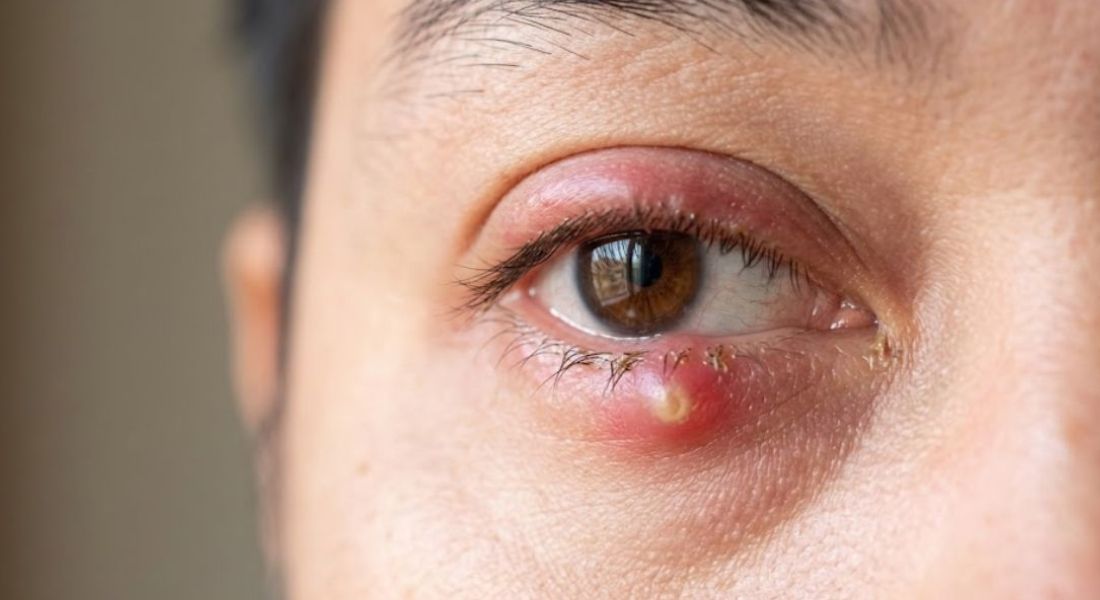
A stye is a small infection that affects one of the oil glands in your eyelid. You’ll usually notice it as a tender, red lump along the eyelash line, and it can cause local swelling, redness, and discomfort around the area. In some cases, it stays fairly small, but in others the inflammation can become more noticeable and spread across part of the eyelid.
You might find that the swelling makes your eyelid feel heavy or sore, and it can sometimes look worse before it starts to improve. Warm compresses are often used at the beginning to help the area drain naturally and ease discomfort. Most uncomplicated styes tend to settle gradually on their own over time.
However, you should be aware of warning signs that suggest the infection may be more significant. If the pain increases, swelling becomes extensive, or you develop symptoms like fever, it could indicate a deeper infection that needs medical treatment. In that situation, you should get it checked, as persistent or worsening symptoms shouldn’t be ignored.
Swelling with Vision Changes
Eye swelling on its own can sometimes be related to minor issues, but when it is accompanied by changes in vision, it becomes much more concerning. Symptoms such as blurred vision, double vision, reduced vision, or difficulty moving the eye may suggest that the problem is affecting deeper structures rather than just the eyelid or skin. In these situations, prompt assessment is very important because vision-related symptoms can indicate a more serious underlying cause.
- Signs That Suggest Deeper Involvement: When swelling is linked with changes in vision, it may indicate that structures inside or around the eye are affected. Conditions such as Orbital cellulitis can cause inflammation or infection within the eye socket, leading to more serious symptoms. This is different from superficial eyelid infections, where vision is usually unaffected.
- Impact on Eye Movement and Function: You may notice difficulty moving your eye in certain directions or discomfort when trying to look around. This can suggest pressure or inflammation affecting the muscles or tissues that control eye movement. These symptoms are more concerning than swelling alone.
- Vision Changes as a Warning Sign: Blurred or reduced vision alongside swelling indicates that important structures involved in sight may be under strain. This could be due to pressure, infection, or inflammation affecting the eye itself. Any change in vision should always be taken seriously.
- Need for Urgent Medical Assessment: When swelling is combined with visual symptoms, you should seek urgent ophthalmic review. Early diagnosis helps identify whether the cause is superficial or more serious and guides appropriate treatment. Acting quickly is essential to protect your vision and prevent complications.
Swelling with vision changes should never be ignored or assumed to be minor. While some causes are less serious, the presence of visual symptoms significantly increases urgency. Prompt specialist assessment ensures that any deeper or more serious condition is identified early. Early treatment offers the best chance of protecting both your vision and overall eye health.
Painful vs Painless Swelling
When you notice swelling around your eye, whether it feels painful or painless can sometimes give clues about what might be causing it. Painful swelling is more often linked to things like infection, inflammation, trauma, or pressure-related problems. You may also find that the area feels tender or warm, which can suggest that an active process is going on in the tissues.
Painless swelling, on the other hand, is more commonly associated with allergies, mild irritation, or fluid retention. In these cases, you might notice puffiness without much discomfort, and it can sometimes fluctuate depending on exposure to triggers or environmental factors. However, even painless swelling isn’t always harmless, especially if it appears suddenly or comes with other symptoms.
Because there’s so much overlap between different causes, you shouldn’t rely on pain alone to judge how serious the problem is. Even if the swelling doesn’t hurt, it may still need assessment depending on what else you’re experiencing. A proper examination helps make sure the underlying cause is identified accurately and managed appropriately.
Thyroid Eye Disease and Swelling
Thyroid eye disease can cause swelling around your eyes because inflammation affects the tissues and muscles behind the eye. This inflammation can make the area look puffy or feel tight, and in some cases it can develop gradually over time. However, during active phases of the condition, symptoms may also flare up more noticeably or change more quickly.
You might notice signs such as redness, irritation, bulging of the eyes, or even double vision. In some cases, eye movements can feel restricted or uncomfortable. This condition is often linked with thyroid problems, particularly Graves’ disease, and it can affect both how your eyes look and how they function.
If you have swelling or other symptoms that suggest thyroid eye disease, it’s important for you to get a proper assessment. A specialist can check whether the inflammation is active and whether treatment is needed. Early management helps reduce discomfort, protect your vision, and prevent the condition from progressing further.
Chemical Exposure and Swelling
If a chemical gets into your eye, it can quickly cause swelling and irritation because the delicate tissues of your eyelids and eye surface react almost immediately. You might come into contact with things like cleaning products, sprays, cosmetics, or industrial chemicals, and in these situations, the reaction can be quite intense. This type of exposure should always be treated seriously.
You’ll often notice symptoms such as burning, redness, watering, pain, and blurred vision, along with swelling around the eye. The most important thing you should do straight away is flush your eye thoroughly with clean water to help remove the chemical. Even if it feels slightly better afterwards, that doesn’t always mean the eye is fully safe.
You should still seek urgent medical assessment after any significant chemical exposure. Some damage may not be obvious straight away, even if your symptoms improve after rinsing. Getting checked ensures any hidden injury is identified early and helps protect your vision from long-term harm.
Swelling Around Only One Eye
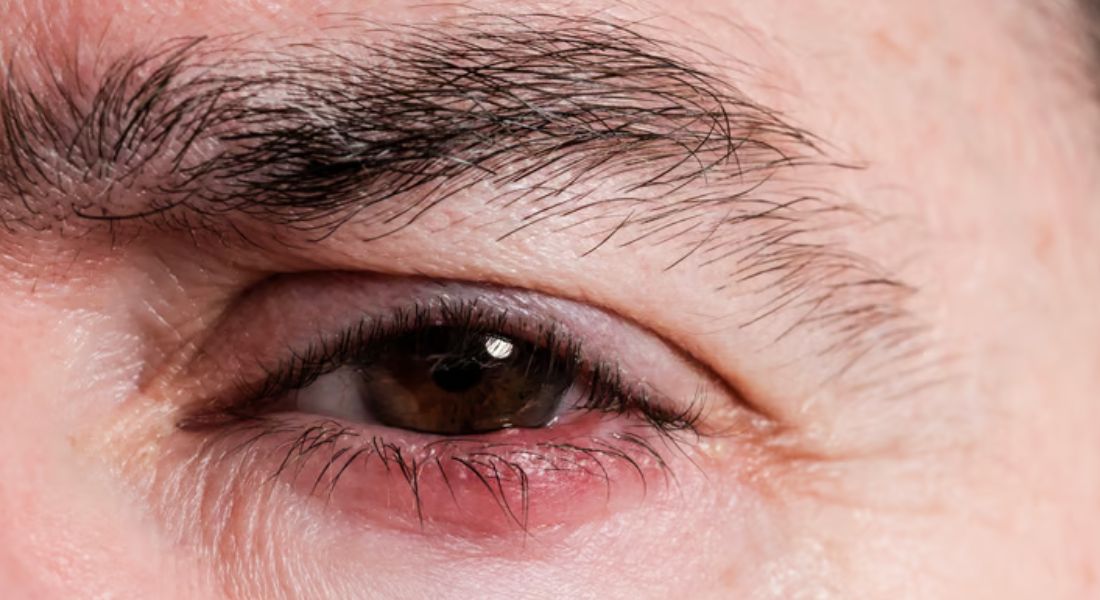
Swelling that affects only one eye often points towards a more localised cause. You might be dealing with things like an infection, minor injury, insect bite, blocked eyelid gland, or some form of trauma. Because it’s on just one side, it can sometimes help doctors narrow down what might be going on.
When you’re assessed, a specialist will usually check whether the swelling is limited to the eyelid or whether it extends deeper into the eye socket. They’ll also look at how your eye moves, your vision, and your pupil response to make sure there are no signs of more serious involvement. This detailed examination helps them work out the exact cause more accurately.
Even if it’s only one eye, you shouldn’t ignore swelling if it’s severe, painful, or linked with vision changes. Some more serious conditions can start on just one side at first. Getting it checked early ensures you receive the right treatment and helps prevent complications from developing.
Children and Sudden Eye Swelling
Children can develop sudden eye swelling for a number of reasons, and in many cases it’s due to common causes like allergies, insect bites, minor infections, or sinus issues. These are often mild, but it’s not always easy to tell at home what’s causing it, especially when the swelling appears quickly.
You should pay close attention to how your child is behaving alongside the swelling. Signs such as fever, tiredness, reduced eye movement, complaints about vision, or increasing redness can suggest something more serious may be developing. Children often can’t clearly describe what they’re feeling, so observing their overall condition becomes really important.
If your child looks unwell or the swelling is significant, you should seek prompt medical assessment. Some eye infections, particularly those involving deeper tissues, can progress quickly in younger patients. Early review helps make sure your child gets the right treatment and protects both their vision and general health.
Swelling with Difficulty Moving the Eye
If you notice swelling around your eye along with difficulty moving it normally, this is a sign you should take seriously. It can sometimes point to deeper problems affecting the tissues around the eye, such as orbital cellulitis, inflammation, muscle entrapment after trauma, or other conditions within the eye socket. You may also feel pain when trying to move your eye, which can make the symptoms more concerning.
You might notice double vision or discomfort when looking in certain directions. When eye movement becomes restricted, it usually suggests that the issue is affecting more than just the surface of the eyelid. Instead, it may involve deeper structures, which is why this combination of symptoms needs careful attention.
If you experience swelling with limited eye movement, you should seek urgent medical assessment. In some cases, scans or specialist review may be needed quickly to understand what’s going on. Getting help early gives you the best chance of effective treatment and helps protect your vision and overall eye health.
How Eye Specialists Assess Sudden Swelling
When you develop sudden swelling around your eye, an eye specialist will carry out a structured examination to understand what’s causing it and how serious it is. The key aim is to work out whether the swelling is limited to the eyelids and skin, or whether it involves deeper structures around or inside your eye. This distinction is important because the level of urgency and treatment can vary significantly. Careful assessment helps ensure nothing serious is missed.
- Detailed External and Eye Examination: Your ophthalmologist will examine the eyelids for redness, warmth, tenderness, and the extent of swelling. They will also check how well your eyes move in different directions and assess your vision. This helps determine whether the eye itself is being affected.
- Checking Internal Eye Health: The cornea, pupil responses, and back of the eye (retina) may also be examined. These checks help identify whether inflammation, pressure changes, or infection is affecting internal structures. Even if the swelling looks external, internal involvement must be ruled out.
- Additional Tests if Needed: Depending on your symptoms, further investigations such as blood tests, imaging scans, or eye pressure measurements may be required. If there are concerns about infection, trauma, or neurological symptoms, these tests help provide a clearer diagnosis. The approach is always tailored to your individual situation.
- Identifying Urgency and Serious Conditions: In conditions such as Orbital cellulitis, swelling can extend deeper into the eye socket and may require urgent treatment. Features like fever, pain with eye movement, or reduced vision increase concern. These signs help specialists decide whether immediate intervention is needed.
Eye swelling can range from mild irritation to a medical emergency, so symptoms alone are not always enough to judge severity. A full specialist examination helps distinguish between minor and serious causes. Early assessment ensures you receive the right treatment at the right time. This careful approach is essential for protecting both your vision and overall eye health.
When Emergency Assessment Is Needed
If you notice eye swelling along with symptoms like fever, severe pain, changes in vision, double vision, reduced eye movement, trauma, bulging of the eye, or rapidly worsening redness, you should treat it as urgent. These signs can sometimes suggest a deeper infection or orbital involvement that needs to be ruled out quickly, as conditions like orbital cellulitis can become serious if delayed.
You should also seek emergency care if swelling is part of a severe allergic reaction, especially if you experience breathing difficulty, throat tightness, or widespread facial swelling. When symptoms affect more than just the eye, it can indicate a systemic reaction that requires immediate attention. In these situations, timing is really important for your safety.
If anything feels sudden, severe, or is getting worse quickly, you shouldn’t wait to see if it settles on its own. Getting prompt medical assessment helps ensure the cause is identified early and reduces the risk of complications. Acting quickly is the safest approach when it comes to sudden eye swelling.
Why Early Treatment Protects Vision
Early treatment plays a really important role in protecting your vision when you experience sudden eye swelling. Many of the conditions that can cause swelling such as orbital infections, trauma-related complications, pressure changes, or severe inflammation can become more serious if they are not treated quickly. When these issues are identified early, they are usually much easier to manage and the outcomes are often significantly better.
You can’t always tell how serious the problem is just from symptoms alone, which is why a proper eye examination is so important. Eye specialists may use detailed clinical checks and, in some cases, imaging to understand exactly what’s causing the swelling. This helps ensure you receive the right treatment as quickly and safely as possible.
If you ever experience sudden swelling around your eyes, you shouldn’t hesitate to seek urgent care. Acting early helps reduce the risk of complications and protects both your vision and overall eye health. When it comes to your eyes, getting checked promptly really can make a major difference.
FAQs:
- Can sudden eye swelling be an emergency?
Yes, sudden eye swelling can sometimes be an emergency, depending on what is causing it. In mild cases, it may be due to allergies, insect bites, or minor irritation. However, if it appears quickly with pain, redness, fever, or vision changes, it could be more serious. In such situations, you should get it checked urgently. - What are the common causes of sudden eye swelling?
Sudden eye swelling can be caused by allergies, infections, insect bites, or minor injuries. Sometimes it may also be linked to inflammation or sinus-related issues. The swelling can affect one or both eyes depending on the cause. Because there are many possibilities, it’s important to look at other symptoms too. - How do you know if eye swelling is serious?
You should be concerned if the swelling is sudden, severe, or getting worse quickly. It becomes more serious if you also notice pain, fever, blurred vision, or difficulty moving your eye. These signs may suggest infection or deeper eye involvement. In that case, you should seek prompt medical care. - Can allergies cause sudden eye swelling?
Yes, allergies are one of the most common causes of sudden eye swelling. You might react to pollen, dust, cosmetics, or animal dander. The swelling is often itchy, watery, and affects both eyes. It usually improves once the trigger is removed or treated. - What is the difference between preseptal and orbital cellulitis?
Preseptal cellulitis affects the eyelid and usually doesn’t impact your vision or eye movement. Orbital cellulitis is deeper and much more serious, affecting tissues inside the eye socket. With orbital cellulitis, you may experience pain, fever, and reduced vision. Orbital cellulitis always needs emergency treatment. - Can an insect bite cause eye swelling?
Yes, insect bites near the eye can cause sudden and noticeable swelling. This happens because the eyelid tissue reacts strongly to irritation. You may also feel itching or mild discomfort rather than severe pain. It usually settles on its own but should be monitored for infection. - When should you worry about swelling with fever?
You should worry if eye swelling happens along with fever because it often suggests infection. This combination means your body is fighting something more than simple irritation. You may also feel tired, unwell, or have facial pain. In this case, you should seek medical attention quickly. - Can trauma cause sudden eye swelling?
Yes, trauma or a blow to the eye can cause sudden swelling almost immediately. This happens due to bruising and tissue damage around the eye. You might also notice pain, blurred vision, or double vision. Any swelling after injury should be checked to rule out hidden damage. - Why is swelling with vision changes concerning?
Swelling with vision changes suggests that deeper parts of your eye may be affected. You may notice blurred vision, double vision, or difficulty focusing. This can sometimes indicate infection, pressure changes, or inflammation. It should always be assessed urgently to protect your vision. - When should you seek emergency help for eye swelling?
You should seek emergency help if swelling is sudden and comes with severe pain, fever, vision loss, or eye movement problems. It is also urgent if swelling happens after trauma or with breathing difficulty in allergic reactions. These symptoms can indicate serious underlying conditions. Early treatment is important to prevent complications.
Final Thoughts: Sudden Eye Swelling and When to Act Quickly
Sudden eye swelling can be caused by a wide range of issues, from mild allergic reactions and insect bites to infections, trauma, or deeper inflammatory conditions. While many cases are not serious and may settle with simple treatment or even on their own, the speed at which swelling appears is an important clue. Rapid onset swelling should always be taken seriously, especially when it feels unusual for you or affects how your eye functions.
What really matters is the combination of symptoms. Swelling alongside pain, fever, redness, vision changes, or difficulty moving the eye can sometimes indicate a more serious underlying condition that needs urgent attention. In these situations, early assessment is essential because some eye infections and orbital conditions can progress quickly and may affect vision if treatment is delayed. If you’d like to find out whether emergency eye doctor in London’ is suitable for you, feel free to contact us at Eye Clinic London to arrange a consultation.
References:
- Yorston, D. (2018) Emergency management: retinal detachment, Community Eye Health, 31(103), p. 63. Available at: https://pubmed.ncbi.nlm.nih.gov/30487683/
- Kyari, F. (2018) Emergency management: orbital cellulitis, Community Eye Health, 31(103), p. 60. Available at: https://pmc.ncbi.nlm.nih.gov/articles/PMC6253316/
- Said, S., Knecht-Bösch, M., Alder, M., Zweifel, S., Barthelmes, D. and Blaser, F. (2026) ‘The danger of overnight contact lenses orthokeratology-related infectious keratitis’, Klinische Monatsblätter für Augenheilkunde, 243(4), pp. 376–384. Available at: https://pubmed.ncbi.nlm.nih.gov/41844188/
- Hatami, H., Ghaffari Jolfayi, A., Ebrahimi, A., Golmohammadi, S., Zangiabadian, M. and Nasiri, M.J. (2021) Contact lens associated bacterial keratitis: Common organisms, antibiotic therapy, and global resistance trends: A systematic review, Frontiers in Ophthalmology, 1, p. 759271. Available at: https://pmc.ncbi.nlm.nih.gov/articles/PMC11182260/
- Long, B., Koyfman, A. and Gottlieb, M. (2018) Ocular emergencies, Medicine, 46(12), pp. 754–759. Available at: https://www.sciencedirect.com/science/article/abs/pii/S1357303918302378