


Can Sudden Loss of Vision in One Eye Be an Emergency?

Sudden loss of vision in one eye should always be treated as a medical emergency until a specialist confirms otherwise. Even if the change seems mild or temporary, it could still point to a serious issue affecting your retina, optic nerve, blood vessels, or eye pressure. Delaying treatment may increase the risk of permanent sight damage. Acting quickly gives you the best possible chance of protecting your vision.
You might experience complete darkness in one eye, but symptoms are often more subtle than people expect. Some people notice blurred vision, flashing lights, blind spots, shadows, or a curtain-like effect across part of their field of vision. These symptoms can appear suddenly within seconds or develop gradually over several hours. The way your vision changes can provide important clues about the underlying cause.
In this article, you’ll understand why sudden vision loss should never be ignored and which conditions may be responsible. You’ll also learn why rapid diagnosis is so important for protecting your long-term eye health. Early assessment allows treatment to begin as quickly as possible, which can significantly improve visual outcomes. When it comes to sudden changes in vision, timing often makes all the difference.
What Counts as Sudden Vision Loss?
Sudden vision loss refers to any rapid change in your sight that develops over minutes, hours, or sometimes a few days. You may experience complete loss of vision, severe blurring, dimness, or missing areas within your field of view. In most cases, only one eye is affected. Even if the change seems small at first, it should never be ignored.
You might wake up and notice the symptoms immediately, or they may begin while you’re carrying out normal daily activities. The experience often feels alarming because the visual change happens without warning. Some people describe a shadow, curtain, or dark patch affecting part of their vision, while others notice sudden distortion or difficulty focusing. Even mild symptoms can signal a more serious underlying issue.
Understanding what qualifies as sudden vision loss is important because many causes require urgent medical attention. Conditions affecting the retina, optic nerve, or blood supply to the eye can worsen quickly without treatment. Early diagnosis may significantly improve your chances of protecting your sight. When it comes to sudden changes in vision, timing can be absolutely critical.
Why Sudden Vision Loss Is an Emergency
Your eyes rely on healthy blood flow, proper nerve function, and a stable retina to maintain clear vision. If any of these systems become damaged or interrupted, your sight can decline very quickly. In some situations, the damage may become permanent if treatment is delayed. This is why sudden vision changes should always be taken seriously.
Sudden visual symptoms can also point to wider health problems affecting your body beyond the eyes themselves. Issues involving circulation, inflammation, or blood vessels may first appear through changes in your vision. In some cases, your eyes act as an early warning sign of a more serious underlying condition. That’s one of the main reasons urgent medical assessment is so important.
Treating sudden vision loss as an emergency is always the safest approach, even if the symptoms improve after a short time. Temporary changes can still indicate serious problems that require immediate attention. Acting quickly may help preserve your vision and reduce the risk of long-term complications. When it comes to sudden sight changes, rapid action can make a major difference.
Retinal Detachment

A retinal detachment happens when your retina separates from the supportive tissue at the back of your eye. Once this separation occurs, the retina can no longer function properly, which puts your vision at serious risk. If treatment is delayed, permanent sight loss may develop. This is why retinal detachment is considered a true eye emergency.
You may notice warning signs such as sudden flashing lights, a rapid increase in floaters, or a dark shadow affecting part of your vision. Many people describe the sensation as a curtain slowly moving across one eye. In some cases, symptoms worsen gradually over hours or days. Even if the changes seem mild at first, they should never be ignored.
Retinal detachment requires urgent assessment and specialist treatment as quickly as possible. The sooner the retina is repaired, the better the chances of preserving your vision. Delaying care can allow the detachment to spread and increase the risk of permanent damage. Emergency treatment is often essential for achieving the best possible outcome.
Retinal Artery Occlusion
A retinal artery occlusion occurs when the blood supply to your retina becomes blocked. This condition is often referred to as an “eye stroke” because the retina suddenly loses the oxygen it needs to function properly. As a result, vision loss is usually severe and painless. Without rapid treatment, permanent damage can develop very quickly.
Symptoms often appear within seconds or minutes, making the change feel sudden and alarming. You may lose most or all of the vision in one eye almost instantly. Unlike some other eye conditions, there is usually no discomfort to warn you that something serious is happening. Because the retina is highly sensitive to oxygen loss, lasting damage can occur in a short period of time.
This condition requires immediate medical assessment, not only to evaluate your eye but also to investigate your wider health. A retinal artery occlusion may indicate an increased risk of stroke or other vascular problems elsewhere in your body. Rapid investigation can help identify underlying circulation issues before they cause further complications. Urgent care is extremely important for protecting both your vision and overall health.
Retinal Vein Occlusion
A retinal vein occlusion happens when the normal drainage of blood from your retina becomes blocked. This can lead to swelling, bleeding, and disruption of retinal function, which may cause sudden blurring or distortion of your vision. The retina is highly sensitive, so even small changes in blood flow can affect how clearly you see.
- Blocked blood flow affects retinal function: When a retinal vein becomes blocked, blood and fluid can build up inside the retina. This interferes with the retina’s ability to process visual information properly.
- Vision changes can vary in severity: Some people notice only mild blurring, while others experience more significant visual loss. The impact depends on the size and location of the affected vein.
- Central vision may be especially affected: If the blockage involves the central part of the retina, activities such as reading or recognising faces can become more difficult.
- Underlying health conditions often contribute: Conditions like high blood pressure or diabetes can increase the risk of retinal vein occlusion by affecting blood vessel health and circulation.
Early diagnosis is important because it helps guide treatment and ongoing monitoring. Careful follow-up allows your eye specialist to manage complications, monitor retinal health, and support the best possible long-term visual outcome.
Optic Neuritis
Optic neuritis is a condition where inflammation affects your optic nerve, which carries visual information from your eye to your brain. When this nerve becomes inflamed, your vision may start to appear blurred, dim, or washed out. The symptoms often develop gradually over several hours or days rather than instantly. In most cases, only one eye is affected.
You may also notice pain when moving your eye, which is one of the more common warning signs. Colours can begin to look faded, and brightness may seem noticeably reduced compared to normal. Many people find that their visual clarity worsens progressively over time. These changes can feel unsettling, particularly when they appear without an obvious explanation.
Optic neuritis is important to investigate properly because it can sometimes be linked to neurological conditions such as multiple sclerosis. This doesn’t mean every case is connected to a wider condition, but specialist assessment is often necessary to understand the cause. Early evaluation can help guide treatment and monitor your long-term eye and neurological health. Prompt medical attention is strongly recommended whenever these symptoms appear.
Vitreous Haemorrhage
A vitreous haemorrhage happens when bleeding occurs inside the gel-like vitreous cavity of your eye. The blood interferes with the way light reaches your retina, which can cause your vision to become dark, cloudy, or partially blocked. In some cases, the change happens very suddenly and can feel quite alarming. The severity of the vision loss often depends on how much bleeding is present.
You may notice floaters, cobweb-like shapes, haze, or smoke-like shadows drifting across your vision. Some people describe it as looking through a fog or dirty glass. If the bleeding is more severe, your sight can reduce significantly in the affected eye. These symptoms can appear without warning and should always be assessed promptly.
A vitreous haemorrhage may be linked to conditions such as diabetes, retinal tears, or eye trauma. Because some underlying causes can threaten your vision, an urgent retinal examination is very important. Early diagnosis helps identify where the bleeding is coming from and guides the most appropriate treatment. Quick assessment also reduces the risk of more serious complications developing later on.
Acute Angle-Closure Glaucoma
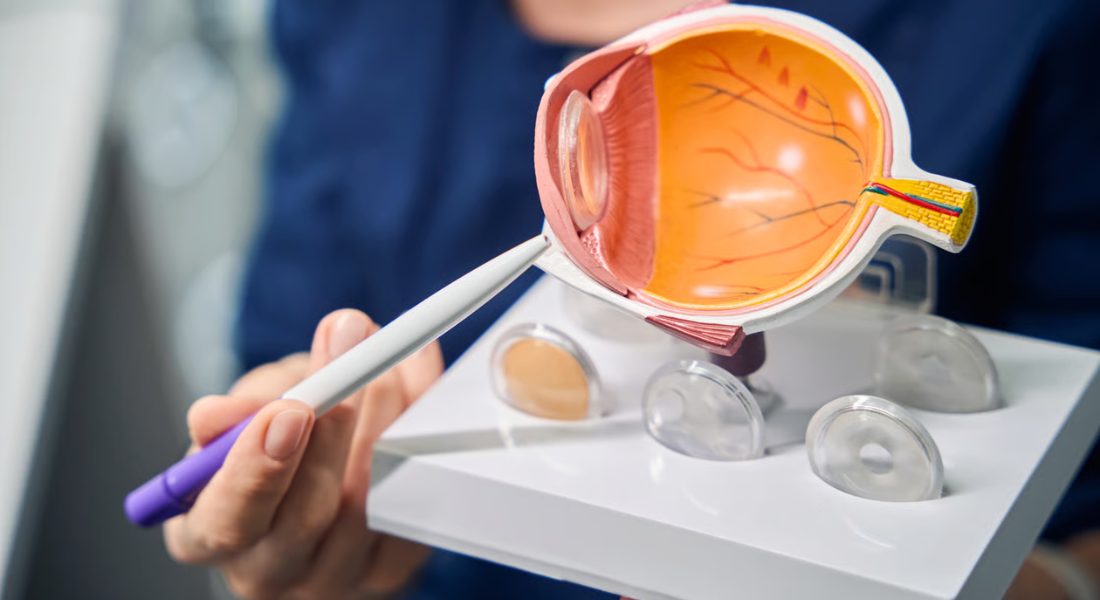
Acute angle-closure glaucoma is a serious eye emergency caused by a sudden and dangerous rise in pressure inside your eye. When this pressure increases rapidly, it can begin damaging your optic nerve within a short period of time. As the nerve becomes affected, your vision may quickly become blurred or reduced. Without urgent treatment, permanent sight loss can occur.
You may experience severe eye pain, redness, blurred vision, and intense discomfort that develops very suddenly. Many people also notice headaches, nausea, vomiting, or rainbow-coloured halos around lights. The symptoms often become intense within hours and can feel extremely distressing. Because the condition progresses quickly, it should never be ignored or monitored at home.
Immediate treatment is needed to lower the pressure inside your eye and protect your vision. Delaying medical care increases the risk of permanent optic nerve damage and lasting sight problems. Emergency assessment allows specialists to confirm the diagnosis and begin treatment as quickly as possible. Rapid action is essential for achieving the best possible outcome.
Eye Stroke and Circulation Problems
Your retina and optic nerve rely on a constant supply of oxygen-rich blood to function properly. If circulation is interrupted, even briefly, vision can become impaired very quickly. This is why circulatory problems are considered a major cause of sudden visual symptoms and require urgent medical attention.
- Vision depends on healthy blood flow: The retina and optic nerve are highly sensitive to changes in circulation. Reduced blood supply can rapidly affect how well visual signals are processed.
- Circulatory problems can cause sudden vision loss: Conditions sometimes referred to as an “eye stroke” may lead to blurred, dimmed, or suddenly lost vision. Symptoms can appear very quickly and should never be ignored.
- Eye changes may reflect wider vascular disease: Problems affecting circulation in the eye can sometimes indicate cardiovascular issues elsewhere in the body. High blood pressure, raised cholesterol, and vascular disease may all increase risk.
- Systemic assessment is often important: Because these conditions may be linked to broader health concerns, doctors may recommend additional medical investigations alongside eye treatment.
Understanding the connection between circulation and eye health highlights why rapid assessment is so important. Protecting your overall vascular health not only supports your heart and circulation but also plays a major role in preserving long-term vision.
Painless Vision Loss Can Still Be Serious
Many serious eye conditions can develop without causing any pain at all. Problems such as retinal detachments, retinal artery blockages, and certain optic nerve conditions may progress silently in the background. Because there is no discomfort, you might assume the issue is less urgent than it really is. Unfortunately, this often causes dangerous delays in seeking medical attention.
The absence of pain does not mean your condition is harmless. Sudden changes in vision always require urgent assessment, even if your eye feels completely normal otherwise. Conditions affecting the retina or blood supply can still cause rapid and permanent damage without any warning pain. This is why doctors treat painless vision loss just as seriously as painful symptoms.
Understanding this point is extremely important when protecting your sight. Waiting for symptoms to become painful before seeking help can place your vision at greater risk. Early assessment gives specialists the best opportunity to diagnose the cause and begin treatment quickly. In many cases, rapid action offers the strongest chance of preserving long-term vision.
Painful Vision Loss
Painful vision loss can sometimes indicate serious problems such as inflammation, glaucoma, infection, or corneal disease. Pain usually suggests that sensitive structures inside or on the surface of your eye are being affected by irritation, pressure, or swelling. In many cases, the change in vision develops alongside increasing discomfort. Because several of these conditions can worsen quickly, urgent medical attention is important.
You may also notice additional symptoms such as redness, excessive tearing, headache, nausea, or sensitivity to light. Blurred vision often appears at the same time, making the experience feel particularly alarming. Some people find the pain mild at first, while others experience intense discomfort very suddenly. Regardless of the severity, these symptoms should never be ignored.
Although pain can help doctors narrow down the possible causes, it does not always reflect how serious the condition is. Some dangerous eye problems cause severe pain, while others cause none at all. This is why both painful and painless vision loss require prompt assessment. Immediate care remains essential for protecting your sight and identifying the underlying problem quickly.
Temporary Vision Loss Episodes
Some people experience temporary episodes of vision loss that improve after a short time. Even when your sight returns fully, these symptoms can still point to serious problems involving blood flow or nerve function. Because the change is temporary, it’s easy to dismiss it or assume the issue has resolved on its own. However, temporary vision loss should never be ignored.
One important example is amaurosis fugax, a form of transient vision loss linked to reduced circulation affecting the retina. Many people describe the sensation as a curtain briefly descending across their vision before lifting again. These episodes may only last a few minutes, but they can feel sudden and unsettling. Even short-lived symptoms like these can provide important clues about your overall health.
Temporary vision loss may act as an early warning sign for future strokes or other vascular complications. This is why proper medical assessment is extremely important, even if your symptoms disappear quickly. Early investigation can help identify circulation problems before they lead to more serious events. In many cases, prompt assessment supports both prevention and long-term protection of your vision and health.
Flashing Lights and Floaters
Flashing lights and sudden floaters can sometimes appear before a retinal tear or retinal detachment develops. These symptoms often happen when the vitreous gel inside your eye pulls against the retina. While not every case is serious, sudden changes should always be assessed promptly. Ignoring them may increase the risk of permanent sight problems later on.
You might notice black dots, cobweb-like shapes, sparkles, or lightning-style flashes appearing in your vision. Some people describe it as seeing tiny insects, drifting smoke, or brief flickers of light at the edge of their sight. If a dark shadow or curtain starts moving across your vision afterwards, a retinal detachment becomes more likely. In some cases, your vision may gradually worsen over time.
Although many floaters are harmless and become more common with age, a sudden increase is different and should never be ignored. An urgent eye examination helps rule out retinal tears or other damage that may threaten your vision. Early assessment allows treatment to begin quickly if needed. Acting promptly gives you the best chance of protecting your sight.
Sudden Blind Spots or Distorted Vision
Not all vision loss involves complete darkness or total blindness. You may notice blind spots, wavy lines, missing areas, or distortion affecting only part of your vision instead. In some cases, straight lines may appear bent or objects may look unusually warped. Even though these symptoms can seem subtle at first, they may still indicate serious problems affecting your retina or optic nerve.
Sometimes your central vision becomes blurred while your side vision stays relatively normal, or the opposite may happen. The exact pattern of the visual change often gives important clues about the underlying cause. This is why eye specialists pay close attention to how your symptoms develop and which areas of vision are affected. Careful assessment is essential for reaching the correct diagnosis quickly.
Even partial changes in your vision deserve urgent medical attention. Early retinal disease or optic nerve problems can initially appear mild before becoming more severe over time. Waiting to see if the symptoms improve on their own may increase the risk of permanent damage. Professional evaluation remains extremely important whenever sudden visual distortion or blind spots appear.
Diabetes and Sudden Vision Loss
Diabetes can increase your risk of several eye conditions that may lead to sudden changes in vision. Problems such as bleeding inside the eye, retinal swelling, damage to blood vessels, or traction on the retina can all affect how clearly you see. In many cases, diabetic eye disease develops gradually and silently before symptoms become noticeable.
- Diabetes can damage retinal blood vessels: High blood sugar levels may weaken or damage the small vessels in your retina over time. This can lead to leakage, bleeding, or reduced retinal function.
- Sudden vision changes require urgent attention: If your vision becomes blurred, distorted, or suddenly reduced, you should seek prompt assessment. Delaying care may increase the risk of permanent visual damage.
- Blood sugar control plays an important role: Keeping diabetes well managed helps reduce stress on the blood vessels in your eyes and lowers the risk of progression.
- Regular retinal monitoring helps detect problems early: Routine eye examinations can identify diabetic eye changes before major symptoms develop. Early detection often leads to better treatment outcomes.
Preventive eye care is a key part of managing diabetes effectively. By combining regular retinal monitoring with good blood sugar control and timely treatment, you give yourself the best chance of protecting your long-term vision and overall eye health.
Eye Trauma and Vision Changes
Eye injuries can affect several important parts of your eye, including the retina, cornea, lens, or optic nerve. Even what seems like a relatively minor knock or accident can sometimes trigger sudden visual symptoms. In some cases, serious internal damage develops without obvious signs on the outside of the eye. This is why you should never assume an injury is harmless simply because the eye looks normal.
After an injury, you may notice flashing lights, floaters, blurred vision, pain, or dark areas affecting your sight. Some symptoms appear immediately, while others may develop gradually over the following hours or days. Changes in your vision after trauma should always be taken seriously, even if they seem mild at first. A careful eye examination is essential for identifying hidden damage.
Any sudden change in your vision following eye trauma should be treated as urgent. Early diagnosis and treatment may help reduce the risk of long-term complications or permanent sight loss. Delaying assessment can allow retinal damage or internal bleeding to worsen over time. Wearing proper eye protection during high-risk activities is also extremely important for preventing avoidable injuries.
Migraines and Visual Symptoms

Migraines can sometimes cause temporary visual disturbances that feel quite alarming when they appear suddenly. You may notice flashing lights, zigzag patterns, shimmering shapes, or blind spots affecting your vision. Although the symptoms can seem stronger on one side, migraine-related visual changes usually involve both eyes rather than just one. In most cases, your vision gradually returns to normal afterwards.
Even so, you should never automatically assume that sudden vision changes are “just a migraine”. Persistent symptoms, severe visual loss, or changes affecting only one eye may point to a more serious problem that needs urgent medical attention. Conditions involving the retina, optic nerve, or blood supply to the eye can sometimes mimic migraine symptoms. This is why proper assessment is so important.
Understanding the difference between migraine aura and a genuine eye emergency can help you respond more safely. A professional eye examination allows specialists to identify the true cause of your symptoms and rule out serious disease. It also provides reassurance when the symptoms are migraine-related rather than dangerous. When sudden visual changes occur, it’s always safer to seek medical advice promptly.
Why Rapid Diagnosis Matters
Timing plays a crucial role when it comes to protecting your vision. Some eye conditions respond far better when treatment begins quickly, especially those involving the retina, optic nerve, or blood supply to the eye. If assessment is delayed, the chances of visual recovery may reduce permanently. In many cases, acting early can make the difference between temporary symptoms and lasting sight loss.
An emergency eye assessment allows specialists to examine important structures inside your eye without delay. This may include checking your retina, optic nerve, blood vessels, and eye pressure to identify the underlying problem quickly. You may also need imaging tests or specialised scans to provide a clearer picture of what is happening. These investigations help guide urgent treatment decisions as accurately as possible.
Quick intervention can sometimes preserve vision that might otherwise be permanently lost. The earlier the problem is identified, the greater the chance of reducing damage and improving recovery. Even if your symptoms seem mild or temporary, rapid assessment remains extremely important. When it comes to sudden vision changes, urgency truly matters.
What Happens During Emergency Eye Assessment
During an emergency eye assessment, your vision and overall eye health are checked in a structured and efficient way. You’ll usually have your visual acuity tested first, followed by an examination of your pupil responses, eye pressure, and general retinal health. In many cases, dilating drops are used so the specialist can get a clear view of the back of your eye. Additional imaging or scans may also be carried out depending on your symptoms.
You’ll also be asked detailed questions about what you’ve experienced. This includes when your symptoms started, whether you’ve had pain, and if you’ve noticed flashing lights, floaters, or changes in your vision. Your medical history is also important, as it can help identify possible underlying causes more quickly. The more accurate information you can provide, the easier it becomes to reach a prompt diagnosis.
Understanding what happens during the assessment can help reduce anxiety when you attend an emergency appointment. The main priority is to quickly identify any serious conditions that may threaten your vision. A thorough and careful evaluation ensures nothing important is missed. This approach helps protect your sight and allows treatment to begin as soon as possible.
When You Should Seek Immediate Help
You should seek immediate medical attention if you experience sudden blurred vision, flashing lights accompanied by shadows, a sudden dark area in your vision, severe eye pain, or rapid loss of sight in one eye. Even if the symptoms come and go, they still need urgent evaluation. Sudden changes in your vision are never something to monitor at home without proper assessment.
Waiting to see if things improve on their own can put your vision at risk. Some causes of sudden vision loss can progress quickly and may become irreversible if treatment is delayed. Even short delays can sometimes affect how much vision can be recovered. That’s why early action is so important when symptoms first appear.
Fast assessment by an eye specialist is essential whenever you notice sudden visual changes. Emergency eye care can be sight-saving in many situations, especially when treatment is started early. You should never ignore or downplay sudden changes in your vision, even if they seem mild or temporary. Acting quickly gives you the best possible chance of protecting your sight.
FAQs:
- Can sudden loss of vision in one eye be an emergency?
Yes, sudden loss of vision in one eye should always be treated as an emergency until an eye specialist confirms otherwise. Even if the change feels mild or temporary, it could still involve the retina, optic nerve, or blood supply to your eye. urgent medical attention gives you the best chance of protecting your vision. - What are the first signs of sudden vision loss?
You may notice blurred vision, flashing lights, floaters, blind spots, shadows, or a curtain-like effect across your sight. Some people experience complete darkness in one eye, while others only notice distortion or dimming at first. Any rapid change in your vision should be assessed urgently. - Can painless vision loss still be serious?
Yes, painless vision loss can still be very serious and should never be ignored. Conditions such as retinal detachment or retinal artery occlusion often develop without causing discomfort. Sudden changes in your sight always require prompt medical assessment. - What causes retinal detachment?
Retinal detachment happens when your retina separates from the tissue supporting it at the back of your eye. You may notice flashing lights, a sudden increase in floaters, or a dark shadow moving across your vision. Emergency retinal treatment is often needed to repair the problem. - What is an eye stroke?
An eye stroke, also called retinal artery occlusion, happens when blood flow to your retina becomes blocked. This can cause sudden and severe vision loss, usually without pain. Because the retina depends on oxygen-rich blood, damage can happen very quickly. Immediate medical assessment is extremely important for both your eye health and overall circulation. - Can flashing lights and floaters mean something serious?
Yes, sudden flashing lights and floaters can sometimes signal a retinal tear or retinal detachment. While mild floaters are common with ageing, a sudden increase should never be ignored. A prompt retinal examination helps rule out serious complications. - Can diabetes lead to sudden vision loss?
Yes, diabetes can damage the blood vessels inside your retina and increase the risk of sudden vision changes. Bleeding, swelling, or retinal damage linked to diabetic eye disease can affect how clearly you see. Regular eye checks and good blood sugar control help reduce the risk. - What happens during an emergency eye examination?
During an emergency eye assessment, your specialist will examine your vision, pupils, retina, eye pressure, and optic nerve. Dilating drops are often used so the back of your eye can be examined properly. The aim is to diagnose the problem quickly and begin treatment as soon as possible. - Can migraines cause temporary vision changes?
Yes, migraines can sometimes cause flashing lights, blind spots, or shimmering visual patterns. However, you should never assume sudden vision changes are only related to migraines without proper assessment. Professional evaluation helps rule out dangerous causes safely. - When should you seek urgent help for sudden vision changes?
You should seek urgent medical attention if you notice sudden blurred vision, flashing lights, a dark curtain across your sight, severe eye pain, or rapid vision loss in one eye. Even temporary symptoms should still be taken seriously. Fast assessment gives you the best possible chance of preserving your vision.
Final Thoughts: Sudden Vision Loss in One Eye Should Never Be Ignored
Sudden vision loss in one eye should always be treated seriously, even if the symptoms seem mild, painless, or temporary at first. Problems affecting the retina, optic nerve, eye pressure, or blood circulation can sometimes progress very quickly, and delaying assessment may increase the risk of permanent sight damage. In many cases, early treatment offers the best possible chance of preserving your vision and preventing long-term complications.
You should be particularly alert if the vision change is accompanied by flashing lights, floaters, a curtain-like shadow, severe eye pain, distortion, or sudden darkening of your sight. Even brief episodes of temporary vision loss can sometimes act as warning signs for more serious vascular or neurological conditions. Because the causes vary widely, professional examination is the safest and most reliable way to identify what’s happening and begin appropriate treatment quickly. If you’re considering an appointment with an emergency eye doctor in London and want to know if it’s the right option, you’re welcome to reach out to Eye Clinic London to book a consultation.
References:
- Dumitrascu, O.M. et al. (2024) Aetiology, Diagnosis and Treatment of Arterial Occlusions of the Retina A Narrative Review. Available at: https://www.mdpi.com/1648-9144/60/4/526
- Fraser, J.A., Son, M. & Vinokurtseva, A. (2025) Sudden Vision Loss: A Diagnostic Approach. American Family Physician, 111(1), pp.54–61. Available at: https://pubmed.ncbi.nlm.nih.gov/39823616/
- Keane, P.A. and Shah, V.A. (2021) Neuro-ophthalmologic emergencies. Journal of Neuro-Ophthalmology Available at: https://pmc.ncbi.nlm.nih.gov/articles/PMC8081067/
- Bagheri, N. & Mehta, S. (2015) Acute Vision Loss. Primary Care: Clinics in Office Practice, 42(3), pp.347–361. Available at: https://pubmed.ncbi.nlm.nih.gov/26319342/
- Noble, J., Weizblit, N., Baerlocher, M.O. and Eng, K.T. (2008) Intra-arterial thrombolysis for central retinal artery occlusion: a systematic review. British Journal of Ophthalmology, 92(5), pp.588–593. Available at: https://pubmed.ncbi.nlm.nih.gov/18441166/