


What Happens If Glaucoma Treatment Doesn’t Work?

When you first start learning about glaucoma, one thing quickly becomes clear: the fear of treatment failure can weigh heavily on your mind. It is not just about managing a medical condition in a routine way. It is about protecting something deeply personal your vision which makes the uncertainty feel much more intense. That sense of not knowing what might happen next can understandably feel overwhelming.
You may also find yourself worrying that if your current treatment stops working, you could run out of options. This concern is very common and completely understandable given how glaucoma is often described. It is known as a silent condition, which means it can progress without clear or noticeable warning signs. Because of this, the thought that it might continue even with treatment can feel quite unsettling.
However, what becomes clearer over time is that “treatment failure” is not always as simple or final as it sounds. It does not necessarily mean that nothing is working or that vision loss is certain. In many cases, it simply indicates that your current treatment plan needs to be adjusted or improved. This could involve refining what you are already doing or moving towards a more effective approach.
In this article, you will be guided through what actually happens when glaucoma treatment does not produce the expected results. You will also learn about the options that may still be available to you. In most situations, there are still ways to manage the condition effectively and protect your eyesight. Understanding this can help you feel more informed, reassured, and better prepared for the next steps.
Understanding the Fear Behind Treatment Failure
When you talk to people about glaucoma, one concern tends to come up again and again: what happens if the treatment does not work? It is a very real and understandable worry that many people share. After all, glaucoma affects your vision in a serious way, and in some cases, the damage can be irreversible. Knowing this can make the uncertainty feel even more difficult to cope with.
It is important to be honest with yourself from the very beginning. While glaucoma treatments are highly effective for many people, they do not always work perfectly in every situation. You might find that your treatment needs changes over time or does not give the expected results straight away. However, this does not mean that all hope is lost or that nothing more can be done.
In reality, there are usually several different paths you can take moving forward. The situation is rarely as final as it may first seem. Understanding what “treatment failure” actually means can make a big difference in how you view your options. Once you have that clarity, you can focus on what steps can be taken next to continue protecting your vision.
What Does It Mean for Glaucoma Treatment to “Fail”?
When you hear that glaucoma treatment has “failed”, it does not usually mean that nothing is working at all. In most cases, it simply means the treatment is not lowering your eye pressure enough or is not fully preventing further damage to the optic nerve. This can happen even when you are following your treatment plan carefully. Understanding this can help you see that it is often about effectiveness, not complete failure.
You might notice that your eye pressure improves at first, which can feel reassuring. However, over time, it may begin to rise again, even while you continue with the same treatment. In other situations, your pressure readings may appear normal, yet your vision still gradually worsens. This can feel confusing, but it highlights how glaucoma does not always behave in a straightforward way.
It is important for you to recognise that glaucoma is a complex condition. It does not always follow predictable patterns or respond the same way in every person. Because of this, regular monitoring and check-ups are essential to track any changes. Staying consistent with follow-up care helps ensure that any issues are identified early and managed in the most effective way possible.
Why Glaucoma Control Is So Important
Glaucoma causes damage to your optic nerve slowly over time, often without obvious symptoms in the early stages. Once this damage occurs, it cannot be reversed or repaired. This is why early detection and consistent treatment are so important for protecting your vision. Understanding this can help you take the condition more seriously and stay committed to your care.
Because the damage cannot be undone, treatment focuses on slowing down or stopping the progression of the disease. The goal is not to restore vision that has already been lost, but to preserve the vision you still have. If your treatment is not working effectively, there is a risk that the condition may continue to progress. This is why regular monitoring and timely adjustments to your treatment are essential.
It can help to think of glaucoma as a long-term condition that requires ongoing attention. It is not something that can be fixed with a single treatment or short-term solution. Instead, it needs consistent management over time to keep it under control. By staying proactive and engaged with your care, you give yourself the best chance of maintaining your eyesight.
Common Reasons Treatment May Not Work
There are several reasons why your glaucoma treatment may not be as effective as expected. One of the most common issues is that eye drops are not used consistently or in the correct way. It can be easy to miss doses or apply them incorrectly, especially when you are managing a daily routine. Even small inconsistencies can reduce how well the treatment controls your eye pressure.
In some cases, the medication itself may simply not be strong enough for your specific condition. Everyone responds differently to treatment, so what works well for one person may not be as effective for you. You might find that your eye pressure does not reduce as much as needed, even when you follow the instructions carefully. This does not mean you have done anything wrong, but it may mean your treatment needs to be adjusted.
There are also other factors that can influence how well your treatment works. The type of glaucoma you have and how advanced it is at the time of diagnosis can make a significant difference. Some forms of glaucoma are more challenging to control than others. All of these factors play a role in determining how successful your treatment will be over time.
The Role of Eye Drops in Treatment
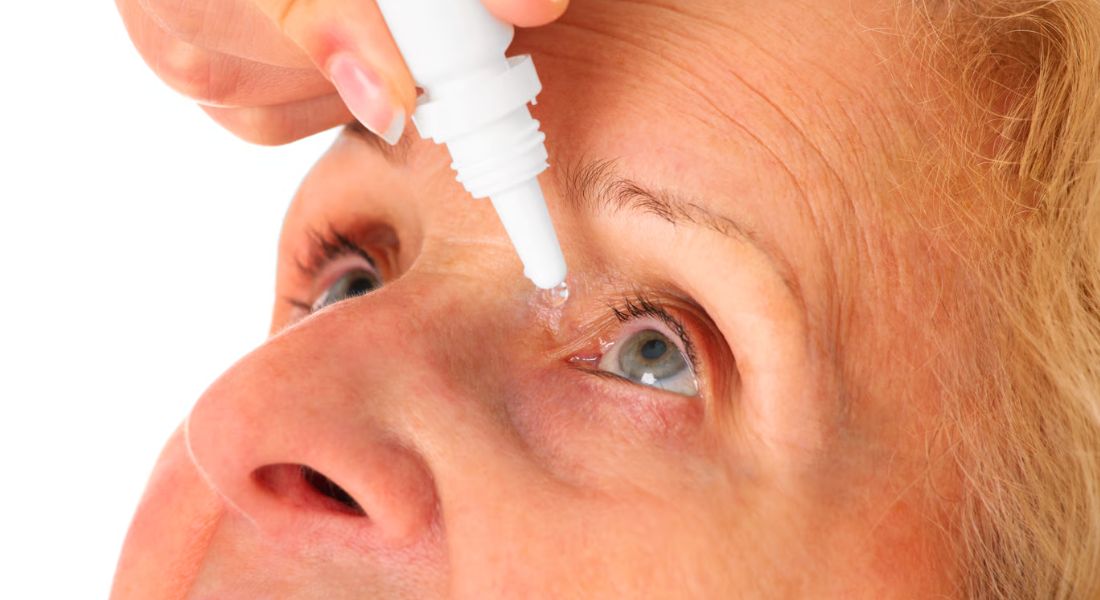
Eye drops are typically the first and most widely used treatment for managing glaucoma. They are designed to lower the pressure inside the eye, which is crucial in preventing further damage to the optic nerve. While they are effective for many patients, their success depends heavily on how consistently and correctly they are used. Understanding their role and proper usage can make a significant difference in treatment outcomes.
- How Eye Drops Work: Eye drops help reduce intraocular pressure either by decreasing fluid production in the eye or by improving fluid drainage. This reduction in pressure helps protect the optic nerve from further damage. Different types of drops may be prescribed depending on how your eye responds.
- Importance of Consistency: Using eye drops regularly as prescribed is essential for them to work effectively. Missing doses can lead to fluctuations in eye pressure, which may worsen the condition over time. Establishing a daily routine can help ensure you don’t forget your medication.
- Correct Application Matters: Applying eye drops incorrectly can limit their effectiveness and reduce the amount of medication that actually reaches the eye. Simple mistakes, such as missing the eye or blinking too quickly, can impact results. Learning the proper technique can significantly improve treatment success.
- Review Before Assuming Failure: If it feels like your eye drops aren’t working, it’s important to first review how you’re using them. Issues like inconsistent use or improper technique are common and can often be corrected. Consulting your eye specialist can help identify and resolve these problems before changing treatment.
In conclusion, eye drops play a vital role in the management of glaucoma and are often highly effective when used properly. Their success relies not just on the medication itself but also on consistent and correct use. Before assuming that treatment has failed, it’s important to evaluate your routine and technique. With the right approach, eye drops can remain a reliable and effective part of glaucoma care.
What Happens If Eye Drops Stop Working?
If your eye drops are no longer as effective as they once were, your specialist will usually look at adjusting your treatment plan. This may involve trying a different combination of medications that work in slightly different ways. Each type of eye drop targets eye pressure differently, so changing them can often improve results. You are not limited to just one option, and there is often room to adapt your treatment.
In some situations, your specialist may recommend increasing the dosage or using the drops more frequently. This can sometimes help bring your eye pressure back under better control. In other cases, switching to a completely new medication may be the more effective approach. The decision will depend on how your eyes are responding and what is most suitable for your condition.
Many people are surprised at how much of a difference a small adjustment can make. Even a simple change in medication or routine can lead to better control of glaucoma. It is important to stay in regular contact with your specialist so these changes can be made at the right time. This ongoing approach helps ensure your treatment continues to work as effectively as possible.
Laser Treatment as the Next Step
When your eye drops are no longer enough to control glaucoma, laser treatment is often considered as the next step. This type of treatment works by helping fluid drain more effectively from your eye, which can reduce pressure. Lowering this pressure is essential for protecting your optic nerve from further damage. For many people, this approach offers a useful step forward when medication alone is not sufficient.
Laser procedures are usually quick and do not involve major surgery, which can make them feel less daunting. They are typically carried out on an outpatient basis, meaning you can go home the same day. Many people find the process relatively comfortable and straightforward. Because of this, it is often seen as a practical and effective option to try next.
However, it is important for you to understand that laser treatment is not always a permanent solution. In some cases, the effects may gradually wear off over time. This means you may need further treatment or additional support to keep your eye pressure under control. Even so, it can still play an important role in managing glaucoma as part of a long-term plan.
What If Laser Treatment Doesn’t Work?
If your laser treatment does not achieve the results you were hoping for, it does not mean you have run out of options. There are still other effective approaches available to help manage your glaucoma. In many cases, surgical treatment may be considered as the next step. This is simply part of adjusting your care to better control your eye pressure.
It is completely natural for you to feel uneasy about the idea of surgery. Many people worry about what it involves and what the outcome might be. However, modern surgical techniques are far more advanced, precise, and safer than many people expect. Understanding this can help ease some of the concern you may be feeling.
The main goal of any surgical treatment remains exactly the same as before. It is focused on lowering the pressure inside your eye to protect your optic nerve. By doing this, the aim is to slow down or prevent further vision loss. Even if earlier treatments have not worked as expected, there are still ways to move forward and protect your eyesight.
Surgical Options for Glaucoma
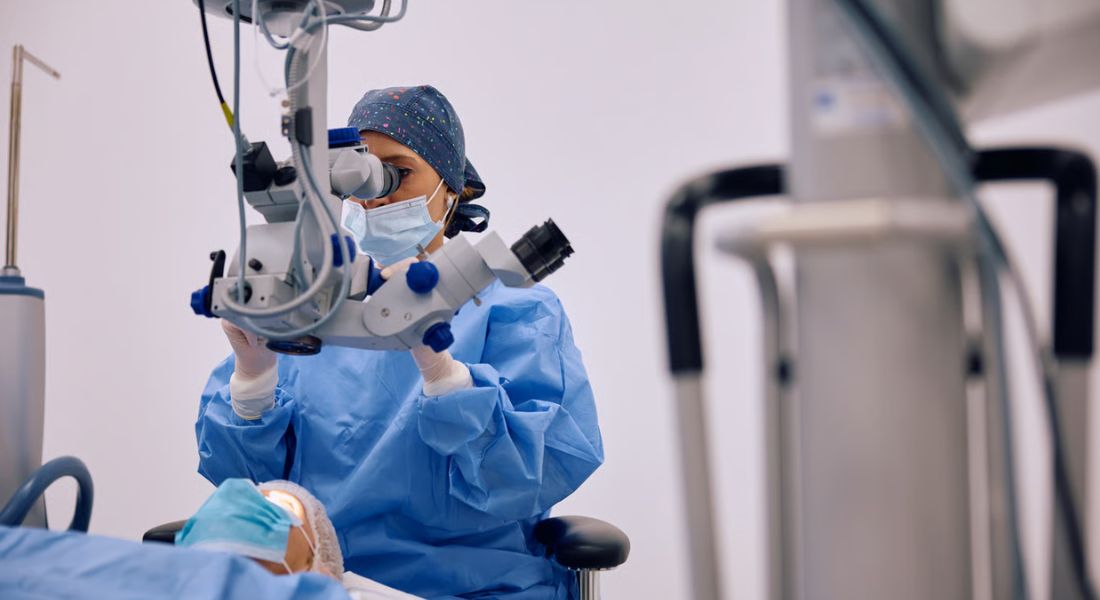
There are several types of glaucoma surgery available, and each one is designed to help reduce the pressure inside your eye. Traditional procedures, such as trabeculectomy, work by creating a new pathway for fluid to drain more effectively. This helps lower eye pressure and protect your optic nerve from further damage. These procedures have been used for many years and can be very effective in the right situation.
In recent years, newer techniques have become available, often known as minimally invasive glaucoma surgeries or MIGS. These procedures are generally less invasive and are designed to be safer with quicker recovery times. You may find that they cause less discomfort and allow you to return to normal activities sooner. Because of these benefits, they are becoming an increasingly popular option for suitable patients.
However, it is important to understand that each surgical option comes with its own advantages and limitations. What works well for one person may not be the best choice for someone else. The right decision depends on factors such as the type of glaucoma you have and how advanced it is. Your specialist will guide you towards the option that best fits your individual needs and long-term care plan.
Risks of Uncontrolled Glaucoma
When glaucoma is not properly controlled, it can lead to serious and irreversible damage to vision. The condition often progresses quietly, without obvious symptoms in the early stages. This makes it easy to overlook until noticeable vision loss has already occurred. Understanding the risks highlights why ongoing monitoring and timely treatment are so important.
- Permanent Vision Loss: The most significant risk of uncontrolled glaucoma is permanent damage to vision. Once vision is lost due to optic nerve damage, it cannot be restored. This makes early detection and consistent treatment essential to preserving sight.
- Loss of Peripheral Vision: Glaucoma typically affects side vision first, which can go unnoticed for a long time. People may not realise anything is wrong until the condition has progressed significantly. Over time, this loss can begin to interfere with daily activities such as driving or navigating spaces.
- Gradual Progression: The condition often worsens slowly, which can create a false sense of security. Because changes happen gradually, they may not be immediately noticeable. This delay in recognising symptoms can lead to more advanced damage before action is taken.
- Importance of Regular Check-Ups: Regular eye examinations are critical in detecting changes early, even when no symptoms are present. These check-ups allow eye specialists to monitor eye pressure and adjust treatment as needed. Staying consistent with appointments can significantly reduce the risk of severe vision loss.
In conclusion, uncontrolled glaucoma poses a serious threat to long-term vision and overall quality of life. Its slow and often silent progression makes it particularly dangerous if not properly managed. Regular monitoring and adherence to treatment are key to preventing irreversible damage. Taking a proactive approach can help protect your vision for the future.
Can Vision Be Restored?
This is often one of the most difficult things for you to come to terms with. Vision that has been lost due to glaucoma cannot be restored once the damage has occurred. This can feel frustrating and upsetting, especially if the changes have happened gradually. Understanding this reality is important, even though it is not easy to accept.
Because of this, the main focus of treatment is on preserving the vision you still have. The goal is to slow down or stop further damage rather than trying to reverse what has already been lost. This is why staying consistent with your treatment plan is so important. Every step you take helps protect your remaining eyesight.
It is also why early detection and effective management can make such a significant difference. The sooner glaucoma is identified and controlled, the better your chances of maintaining good vision over time. Regular check-ups and timely treatment adjustments play a key role in this. By staying proactive, you give yourself the best possible chance of long-term stability.
Monitoring Progress Over Time
Even if your treatment seems to be working well, ongoing monitoring remains essential. Your eye pressure, visual field tests, and optic nerve imaging all provide important information about how your condition is progressing. These checks help build a clearer picture of what is happening over time. By keeping track of these results, your specialist can ensure your treatment stays on the right course.
At times, the changes in your eyes may be very subtle and not immediately noticeable to you. However, these small shifts can still indicate that your treatment needs to be adjusted. This is why regular appointments are so important, even when everything feels stable. Early detection of these changes allows for quicker and more effective responses.
It is helpful for you to think of glaucoma care as an ongoing process rather than a one-off treatment. Managing the condition requires consistent attention and regular follow-up. Your needs may change over time, and your treatment plan may need to evolve with them. Staying engaged with your care gives you the best chance of maintaining your vision in the long term.
The Importance of Personalised Treatment
There is no one-size-fits-all approach when it comes to managing your glaucoma. Each person’s condition is different, and your eyes may respond in their own unique way. Factors such as the type of glaucoma, its severity, and your overall health all play a role. Because of this, your treatment needs to be carefully tailored to suit your specific situation.
You might find that a treatment which works well for someone else does not have the same effect for you. This can feel frustrating at times, but it is a completely normal part of managing glaucoma. Your response to medication or procedures can vary, and adjustments may be needed along the way. What matters most is finding what works best for your eyes over time.
A personalised treatment plan gives you the best chance of keeping your condition under control. This plan should be reviewed regularly so that any necessary changes can be made at the right time. Small adjustments can often lead to better outcomes and improved stability. By working closely with your specialist, you can ensure your treatment continues to meet your needs.
When to Seek a Second Opinion
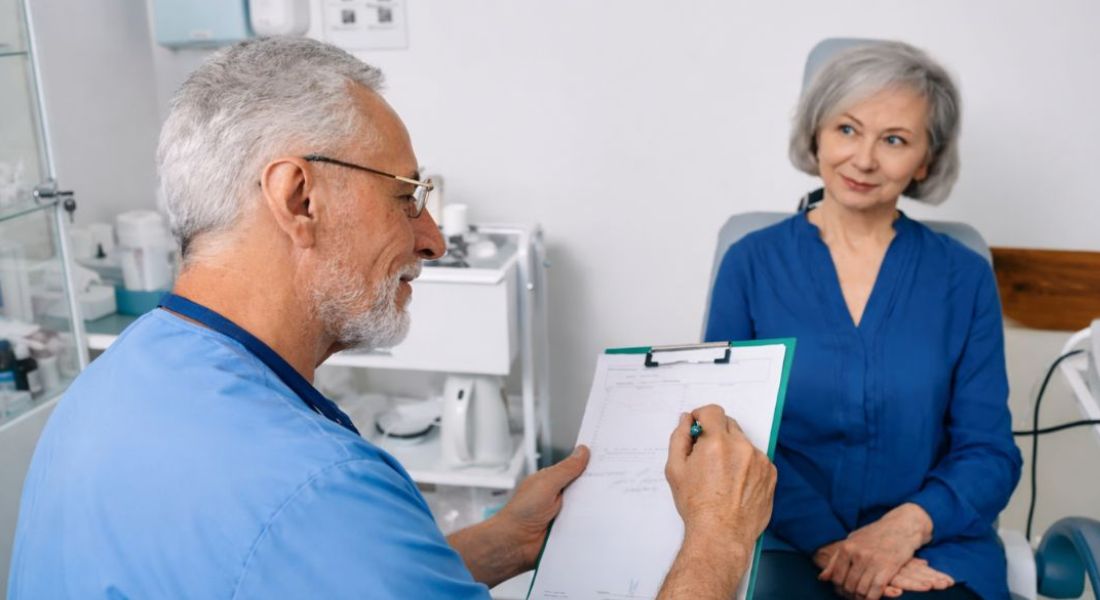
If you feel that your treatment is not working as expected, or you are uncertain about the next steps, seeking a second opinion can be a sensible choice. It allows you to gain more clarity about your condition and your current treatment plan. You may also feel more confident after hearing another professional perspective. Taking this step can help you feel more in control of your decisions.
Another specialist may look at your situation differently and suggest alternative approaches. They might recommend a different combination of treatments or highlight options that have not yet been considered. This does not mean your current care is wrong, but rather that there may be other ways to manage your condition. Exploring these possibilities can give you a broader understanding of what is available.
If you are considering more advanced care, looking into options such as glaucoma treatment in London with experienced specialists may be helpful. This can give you access to a wider range of expertise, techniques, and technologies. For some people, this opens up additional treatment possibilities that may not be available elsewhere. Having more options can make a meaningful difference in how your condition is managed moving forward.
Emotional Impact of Treatment Failure
It is not only the physical effects of glaucoma that you need to think about. The emotional side can be just as important and sometimes even more challenging. Living with uncertainty about your vision can affect how you feel day to day. Recognising this impact is an important part of managing the condition as a whole.
You may find yourself worrying about vision loss, which can lead to stress or anxiety. At times, these feelings can become overwhelming, especially if your treatment is not going as expected. It is completely natural to feel this way when something so important is at stake. Acknowledging these emotions can help you deal with them more effectively.
It is always helpful to keep open and honest communication with your doctor. Talking about your concerns can provide reassurance and help you understand what to expect next. Support from family or friends can also make a big difference during this time. Having people around you who understand your situation can help you feel less alone and more supported.
Lifestyle Factors That Can Help
While your medical treatment remains the most important part of managing glaucoma, your lifestyle choices can also make a difference. The way you look after your overall health can have an impact on your eye health as well. Small, consistent habits can support your treatment and help you feel more in control. It is about working alongside your treatment rather than replacing it.
Maintaining a balanced and healthy diet can provide your body with the nutrients it needs to function well. Regular exercise can support good circulation, which may benefit your eyes over time. Avoiding smoking is also important, as it can have a negative effect on both your general and eye health. These steps may seem simple, but they can contribute to better long-term wellbeing.
It is important to remember that these lifestyle changes are not a substitute for medical treatment. You should continue to follow your prescribed plan and attend regular check-ups. However, combining healthy habits with proper care can offer additional support. Taking this approach can help you manage your condition in a more complete and balanced way.
Staying Proactive in Your Care
If there is one thing you should always keep in mind, it is the importance of staying proactive with your care. You should not wait for symptoms to worsen before taking action or seeking advice. Glaucoma can progress quietly, so early and consistent attention is essential. Taking an active role in your care can make a meaningful difference over time.
You can do this by asking questions whenever you are unsure about something. Attending your regular appointments ensures your condition is monitored properly and any changes are picked up early. It is also important to follow your treatment plan as closely as possible, even when things seem stable. These steps help you stay on top of your condition and avoid unnecessary complications.
The more involved you are in your care, the better your chances of managing glaucoma effectively. Being engaged helps you understand what is happening and why certain decisions are made. It also allows you to respond quickly if something changes. This proactive approach gives you greater control and supports better long-term outcomes.
Looking Ahead: There Are Always Options
Even if your current glaucoma treatment isn’t delivering the results you expected, it’s far from the end of the road. Glaucoma management has evolved significantly, offering a wide range of alternatives tailored to individual needs. What may not work for one person can often be adjusted or replaced with a more suitable approach. Staying positive and proactive can open the door to better outcomes and improved long-term control.
- Alternative Treatment Options: If eye drops or initial treatments are not effective, there are other options available such as laser therapy or surgical procedures. These alternatives can help lower eye pressure more effectively in certain cases. Your specialist can recommend the most appropriate next step based on your condition.
- Advancements in Glaucoma Care: Medical research continues to improve the way glaucoma is treated and managed. New medications, refined surgical techniques, and innovative technologies are making treatment more effective and safer. These advancements provide hope for better control and preservation of vision.
- Personalised Treatment Plans: Glaucoma treatment is not one-size-fits-all, and plans can be tailored to suit individual needs. Factors such as the type and stage of glaucoma influence the approach taken. Regular assessments allow your specialist to adjust treatment for the best possible results.
- Importance of Specialist Guidance: Working closely with an eye specialist ensures that your condition is monitored carefully over time. They can identify when changes are needed and guide you through different treatment options. Open communication and regular follow-ups are key to maintaining control of the condition.
In conclusion, not seeing results from your current treatment does not mean there are no solutions left. With continuous advancements and a range of available options, there is always a path forward. Staying informed and engaged with your care can make a meaningful difference. By working closely with your specialist, you can take confident steps towards protecting your vision.
FAQs:
- What does it mean if glaucoma treatment is not working?
It usually means that your current treatment is not lowering your eye pressure enough or fully protecting the optic nerve from further damage. It does not mean that all treatments have failed or that vision loss is inevitable. In many cases, it simply indicates that your treatment plan needs to be adjusted, refined, or changed to better suit your condition. - Can glaucoma still progress even with treatment?
Yes, glaucoma can sometimes continue to progress despite treatment, particularly if the pressure inside the eye is not reduced to a safe level. Some types of glaucoma are more aggressive or respond differently to treatment. This is why regular monitoring is essential, as it allows your specialist to detect changes early and adapt your treatment accordingly. - What should I do if my eye drops are not effective?
If your eye drops do not seem to be working, the first step is to consult your eye specialist. They may review how you are using the drops, adjust the dosage, or prescribe a different type or combination of medications. Sometimes, even small changes in your routine or medication can significantly improve results. - Are there alternatives to eye drops for glaucoma?
Yes, there are several alternatives if eye drops alone are not effective. These include laser treatments that help improve fluid drainage and lower eye pressure, as well as surgical procedures. Your specialist will recommend the most suitable option based on the type and severity of your glaucoma. - Is laser treatment for glaucoma permanent?
Laser treatment can be very effective, but it is not always permanent. In some cases, its effects may gradually reduce over time, meaning additional treatment or repeat procedures may be needed. However, it can still play an important role in managing glaucoma and delaying the need for surgery. - When is surgery recommended for glaucoma?
Surgery is usually recommended when medications and laser treatments are not sufficient to control eye pressure. It may also be considered in more advanced cases where there is a higher risk of vision loss. The goal of surgery is to create a more effective way for fluid to drain from the eye. - Can lost vision from glaucoma be restored?
No, vision loss caused by glaucoma is permanent because the damage to the optic nerve cannot be reversed. This is why early detection and consistent treatment are so important. The main aim of treatment is to preserve the remaining vision and prevent further deterioration. - How often should I have my eyes checked if I have glaucoma?
The frequency of check-ups depends on how stable your condition is and how well your treatment is working. Some people may need more frequent visits, while others with well-controlled glaucoma may require fewer appointments. Your specialist will recommend a schedule tailored to your needs. - Why is it important to follow my treatment plan strictly?
Following your treatment plan consistently is crucial because missed doses or incorrect use of medication can lead to fluctuations in eye pressure. These fluctuations can increase the risk of optic nerve damage over time. Sticking to your routine helps maintain stable pressure and better long-term outcomes. - Should I get a second opinion if my treatment is not working?
Yes, seeking a second opinion can be very helpful if you feel uncertain or concerned about your current treatment. Another specialist may offer a different perspective or suggest alternative approaches. This can give you greater confidence in your decisions and help you explore all available options.
Final Thoughts: Moving Forward with Confidence
Even if your glaucoma treatment is not working as expected, it does not mean you have run out of options. In many cases, it simply means your treatment needs to be adjusted as your condition changes over time. Staying consistent with your care, attending regular check-ups, and being open to new approaches can make a significant difference in protecting your vision. Exploring options like glaucoma treatment in London with experienced specialists can also provide reassurance and access to a wider range of advanced treatments.
If you’d like to find out whether glaucoma treatment in London is suitable for you, feel free to contact us at Eye Clinic London to arrange a consultation. With ongoing advancements in glaucoma care and a proactive approach to your treatment, there are always ways to move forward and maintain better long-term control of your eye health.
References:
- Weinreb, R.N., Aung, T. and Medeiros, F.A. (2021) Improving medication adherence in glaucoma: clinical approaches and patient-centred strategies. Available at: https://academic.oup.com/book/33123/chapter-abstract/284173332/
- Almidani, L. et al. (2026) The effect of medication adherence on intraocular pressure and glaucoma progression. Ophthalmology and Glaucoma. Available at: https://www.sciencedirect.com/science/article/abs/pii/S2589419626000189/
- Sharma, N. et al. (2023) Adherence to glaucoma medication and its impact on intraocular pressure control and disease progression. Available at: https://pmc.ncbi.nlm.nih.gov/articles/PMC10539375/
- Kassam, F. et al. (2020) Medication adherence in glaucoma patients: barriers, outcomes, and clinical implications. Journal of Ophthalmology. Available at: https://pubmed.ncbi.nlm.nih.gov/32607093/
- Bourne, R.R.A. et al. (2021) Global burden of glaucoma and importance of treatment adherence in preventing vision loss. International Journal of Environmental Research and Public Health, 18(14). Available at: https://www.mdpi.com/1660-4601/18/14/7654/