


Can Glaucoma Damage Be Reversed? (What Patients Need to Know)
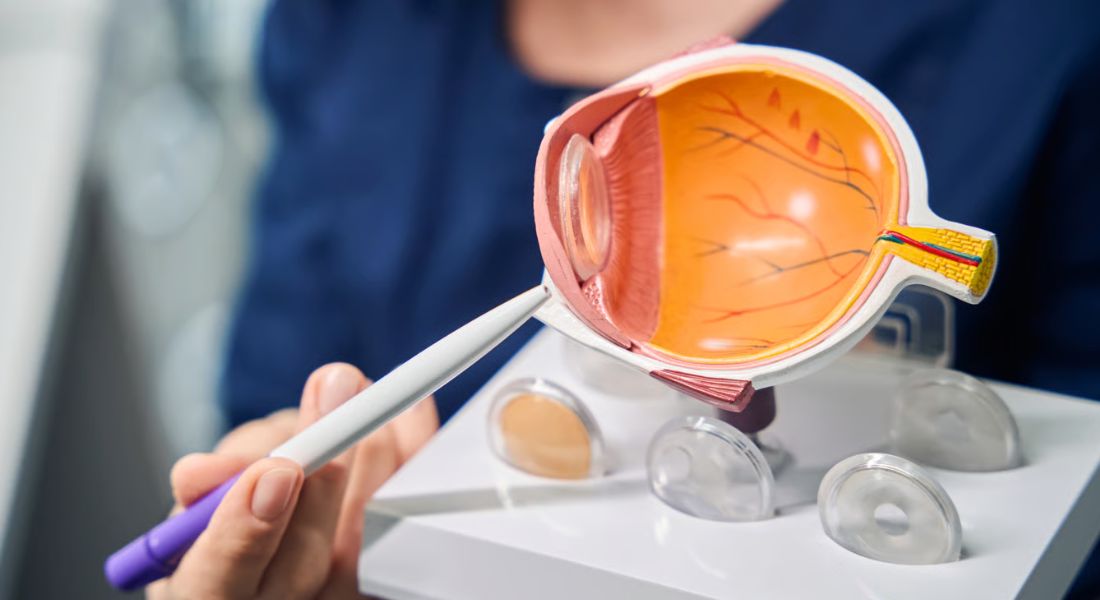
You may be hoping that vision lost from glaucoma can be restored, but in most cases, the damage is permanent. Glaucoma affects the optic nerve, which carries visual information from the eye to the brain. Once these nerve fibres are damaged, they do not regenerate, which means lost vision cannot usually be recovered.
This is why glaucoma is considered a progressive condition. Vision loss often happens gradually and without obvious symptoms at first, as it typically begins in the peripheral vision. Many people are unaware of any problem until the condition has already advanced.
Understanding this shifts the focus from reversal to prevention. The goal of treatment is to slow or stop further damage, preserving the vision you still have. With early detection, consistent treatment, and regular monitoring, it is often possible to maintain stable vision and protect your long-term eye health.
What Causes Vision Loss in Glaucoma
You should know that glaucoma causes vision loss by damaging the optic nerve. This damage is most often linked to increased pressure inside the eye, although reduced blood flow to the nerve can also play a role. Over time, this pressure or reduced circulation can harm the delicate nerve fibres responsible for transmitting visual information to the brain.
As these fibres become damaged or lost, parts of your visual field begin to disappear. This usually starts with peripheral (side) vision, which is why many people don’t notice symptoms in the early stages. Gradually, if left untreated, the loss can progress towards central vision.
The process is typically slow but continuous without treatment. This is why early detection and consistent management are so important. By controlling eye pressure and monitoring changes, it’s often possible to significantly slow or prevent further vision loss.
Why Early Detection Is Critical
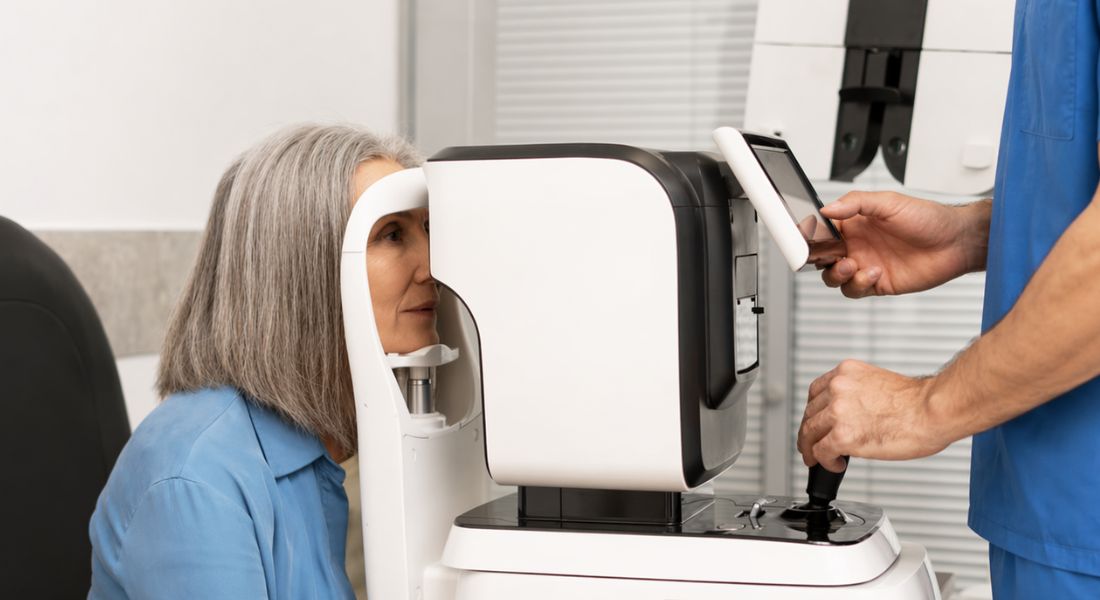
You may not notice any symptoms in the early stages of glaucoma. That’s because vision loss often starts in your peripheral (side) vision and develops slowly, without obvious warning signs. By the time your central vision is affected, a significant amount of damage may already have occurred. This makes early detection far more important than waiting for symptoms to appear.
- Early stages often have no clear symptoms: Glaucoma can progress quietly, without pain or noticeable vision changes. This means you could have the condition without realising it.
- Peripheral vision is affected first: The initial damage usually occurs at the edges of your vision. Because central vision remains clear at first, it’s easy to miss these early changes.
- Routine tests can detect hidden changes: Eye examinations can pick up increased eye pressure and early optic nerve damage before you notice any difference. This allows action to be taken at the right time.
- Early treatment protects long-term vision: Starting treatment sooner helps slow or prevent further damage. This gives you a much better chance of maintaining useful vision over time.
Regular eye checks play a crucial role in protecting your sight. When glaucoma is detected early, you have far more options to manage it effectively. Acting at the right time can make a significant difference to your long-term visual health and quality of life.
What Treatment Can Actually Do
You should understand that treatment for glaucoma does not reverse damage that has already occurred. Once the optic nerve is affected, that loss is usually permanent. Instead, the focus of treatment is on slowing or stopping further progression.
Treatment works by lowering intraocular pressure or improving the drainage of fluid from the eye. By reducing this pressure, less stress is placed on the optic nerve, helping to preserve its remaining function. This can be achieved through eye drops, laser procedures, or surgery, depending on your individual needs.
The goal is to protect the vision you still have. With consistent treatment and regular monitoring, many people are able to maintain stable vision and prevent significant further loss over time.
Eye Drops as First-Line Treatment

You may be prescribed eye drops as the initial treatment for glaucoma. These medications work by either reducing the amount of fluid your eye produces or helping it drain more efficiently, which lowers pressure inside the eye.
Consistent use is essential for them to be effective. Missing doses can allow eye pressure to rise again, even if you don’t notice immediate symptoms. Over time, this can increase the risk of further damage to the optic nerve.
Adherence plays a key role in long-term control. Using your drops exactly as prescribed, even when your vision feels stable, helps protect your eyesight and maintain better outcomes over time.
Laser Treatment Options
You might be offered laser treatment if eye drops are not sufficient to control pressure in glaucoma. These procedures are designed to improve the flow of fluid within the eye, helping to lower intraocular pressure more effectively.
Laser treatments are typically quick and performed on an outpatient basis, meaning you can go home the same day. They are generally well tolerated and involve minimal discomfort. In some cases, they can reduce your reliance on daily medications, although ongoing monitoring is still essential.
Laser therapy is an important part of modern glaucoma management. It offers a balance between effectiveness and convenience, and can be used at different stages of the condition depending on your individual needs.
Surgical Interventions for Glaucoma
You may need surgery if other treatments aren’t enough to control eye pressure in glaucoma. When medications or laser procedures don’t achieve the desired results, surgery can help lower pressure more effectively by improving how fluid drains from your eye. This step is usually considered when your condition requires stronger, more consistent control.
- Improves fluid drainage from the eye: Surgical procedures are designed to help fluid leave your eye more efficiently. This reduces pressure and helps protect the optic nerve from further damage.
- Different options depending on your condition: You may be offered traditional procedures like trabeculectomy or newer minimally invasive techniques. The choice depends on how advanced your glaucoma is and how you’ve responded to previous treatments.
- Minimally invasive options offer quicker recovery: Newer techniques often involve smaller incisions and faster healing times. These can be suitable if your condition is less advanced or if a gentler approach is appropriate.
- Aimed at stabilising, not reversing damage: Surgery won’t restore vision that has already been lost. Instead, it focuses on preventing further deterioration by keeping eye pressure under control.
Surgery is typically recommended for more complex or difficult-to-manage cases. While it may sound like a big step, it plays a crucial role in preserving the vision you still have. By maintaining lower and more stable pressure, it helps protect your long-term eye health and quality of life.
Can Vision Ever Improve?
You might notice slight improvements in vision after treatment for glaucoma, particularly when eye pressure is successfully reduced. These changes can make vision feel clearer or more stable, but they are usually the result of improved function in the remaining healthy nerve fibres rather than true reversal of damage.
In most cases, vision that has already been lost does not return. Glaucoma affects the optic nerve, and this type of damage is generally permanent. This is why early detection and consistent management are so important they help preserve the vision you still have.
Managing expectations is an essential part of starting treatment. While restoring lost vision is unlikely, preventing further loss is highly achievable with the right care. Focusing on stability and protection helps you approach treatment with clarity and confidence.
The Role of Neuroprotection Research
You may be interested to know that research into neuroprotection is an important and evolving area in the management of glaucoma. Neuroprotection focuses on preserving and potentially restoring the health of nerve cells, particularly the optic nerve, which is affected in glaucoma.
While this area shows promise, these therapies are still largely in development and not yet widely available in routine clinical practice. Researchers are exploring ways to protect nerve cells from damage and, in some cases, encourage regeneration, but more evidence is needed before these treatments become standard.
For now, prevention and early management remain the priority. Controlling eye pressure and monitoring the condition closely are still the most effective ways to protect vision. However, ongoing research offers hope for more advanced treatment options in the future.
Lifestyle Factors and Eye Health
You should consider lifestyle factors that support your eye health, especially when managing conditions like glaucoma. While medical treatment is essential, your overall health can influence how well your eyes are supported over time.
Maintaining good circulation is particularly important. Regular exercise, a balanced diet rich in nutrients, and managing conditions such as high blood pressure can all contribute to healthier blood flow to the optic nerve. These factors may help reduce additional strain on your eyes and support more stable outcomes.
These steps work alongside your prescribed treatment rather than replacing it. Healthy habits create a stronger foundation for long-term vision preservation, helping you take a more proactive role in protecting your eyesight.
Monitoring Disease Progression
You will need regular follow-up appointments to monitor glaucoma effectively. These typically include eye pressure measurements, visual field tests, and detailed assessments of the optic nerve. Each of these tests provides important information about how your condition is progressing.
Tracking these results over time allows your doctor to identify even subtle changes. If needed, your treatment can be adjusted promptly to maintain control and reduce the risk of further damage. This proactive approach is key to preserving your vision.
Ongoing monitoring is essential for long-term success. By attending appointments consistently and staying engaged in your care, you give yourself the best chance of keeping the condition stable and protecting your eyesight.
Understanding Peripheral Vision Loss
You may not notice the early stages of glaucoma straight away because it usually affects your peripheral (side) vision first. This type of vision loss develops gradually and often without obvious symptoms. As a result, many people aren’t aware that any change is happening in the beginning, which is why it can go undetected for some time.
- Peripheral vision is affected first: Glaucoma typically starts by reducing your side vision rather than your central sight. This makes early changes harder to detect during everyday activities.
- Changes happen slowly over time: The progression is usually gradual, so your brain may adapt without you realising anything is different. This can delay awareness of the condition.
- Vision can narrow as the condition advances: As glaucoma progresses, your field of vision may become more restricted. In later stages, this can begin to affect central vision as well.
- Daily activities may eventually be impacted: Tasks like reading, recognising faces, or driving can become more challenging if the condition is not managed in time.
Awareness plays a key role in protecting your vision. By having regular eye examinations and paying attention to subtle changes, you give yourself the best chance of detecting any issues early. This allows for timely management and helps preserve your vision for as long as possible.
Why Consistency in Treatment Matters
You should take your treatment exactly as prescribed when managing glaucoma. Inconsistent use of medication can allow eye pressure to fluctuate, which increases the risk of further damage to the optic nerve. Even small gaps in treatment can have a cumulative effect over time.
Even if you feel fine, the condition may still be progressing silently. Glaucoma often develops without noticeable symptoms in its early and moderate stages, so relying on how your eyes feel is not a reliable indicator of stability.
Consistency is essential for protecting your vision. Following your routine, attending check-ups, and using medications as directed form the foundation of effective long-term management. This steady approach gives you the best chance of preserving your remaining vision.
When Symptoms Become Noticeable
You may begin to notice symptoms of glaucoma only in its later stages. These can include tunnel vision, reduced peripheral awareness, or difficulty seeing in low-light conditions. Because the changes are gradual, they can be easy to miss at first.
By the time these symptoms become noticeable, some degree of vision loss has often already occurred. This is because glaucoma typically progresses silently, without early warning signs. As a result, relying on symptoms alone can delay diagnosis and treatment.
This is why early detection and regular eye check-ups are so important. Routine monitoring allows any changes to be identified before significant damage happens. Waiting for symptoms is not a reliable approach when it comes to protecting your vision.
Emotional Impact of Vision Loss
You should not overlook the emotional impact of glaucoma. Concerns about vision loss can understandably affect your confidence, independence, and overall quality of life. Even the uncertainty around how the condition may progress can create ongoing stress.
Support from healthcare professionals, as well as family and friends, can make a meaningful difference. Having clear information about your condition and knowing what to expect often helps reduce anxiety. Open conversations and reassurance can make the experience feel more manageable.
Managing your emotional wellbeing is an important part of overall care. Taking steps to stay informed, seeking support when needed, and focusing on what you can control all help you cope more effectively. A balanced approach supports both your mental health and your long-term eye health.
Advances in Glaucoma Management
You may be reassured that treatment for glaucoma continues to improve with ongoing advances in medical care. New medications are being developed to better control eye pressure with fewer side effects, making long-term management more comfortable and effective for patients.
Surgical techniques have also become more refined. Minimally invasive procedures now offer safer options with quicker recovery times, allowing treatment to be tailored more precisely to each individual’s needs. In addition, modern monitoring tools enable earlier detection of changes, helping specialists respond before significant damage occurs.
These advances are making it easier to control the condition and reduce the risk of progression. Early intervention is increasingly successful, and ongoing research continues to improve outcomes. This progress offers real reassurance for long-term vision care.
Individual Response to Treatment
You should remember that everyone responds differently to glaucoma treatment. What works well for one person may not be as effective for you, as factors like your eye structure, how advanced the condition is, and your overall health all play a role. This is why your care is never based on a fixed plan it’s designed to adapt to your specific needs.
- Treatment response varies from person to person: Your eyes may react differently to medications or procedures compared to someone else. This means finding the right approach can take a bit of adjustment.
- Plans are adjusted based on your progress: Your specialist may change medications, adjust dosages, or explore other options depending on how your eye pressure and optic nerve respond over time.
- Regular monitoring guides decisions: Ongoing check-ups allow your condition to be tracked closely. This helps ensure any changes are picked up early and managed appropriately.
- Flexibility improves long-term outcomes: A treatment plan that evolves with your condition is more effective than a fixed approach. It allows your care to stay aligned with your needs at every stage.
This personalised approach is key to protecting your vision over the long term. By adapting your treatment as needed, your specialist can manage the condition more effectively and help maintain your visual health with greater precision and confidence.
Protecting Your Remaining Vision
You should focus on preserving the vision you currently have, as this is the main goal when managing glaucoma. While existing damage cannot usually be reversed, further loss can often be slowed or prevented with the right approach.
This involves following your treatment plan consistently, attending regular eye appointments, and staying alert to any changes in your vision. Even small symptoms such as blurred vision or changes in peripheral sight should be reported promptly. These steps allow your specialist to act early if adjustments are needed.
Taking an active role in your care makes a real difference. Early action is far more effective than waiting for symptoms to worsen. By staying consistent and engaged, you give yourself the best chance of protecting your remaining vision over the long term.
When to Seek Specialist Care
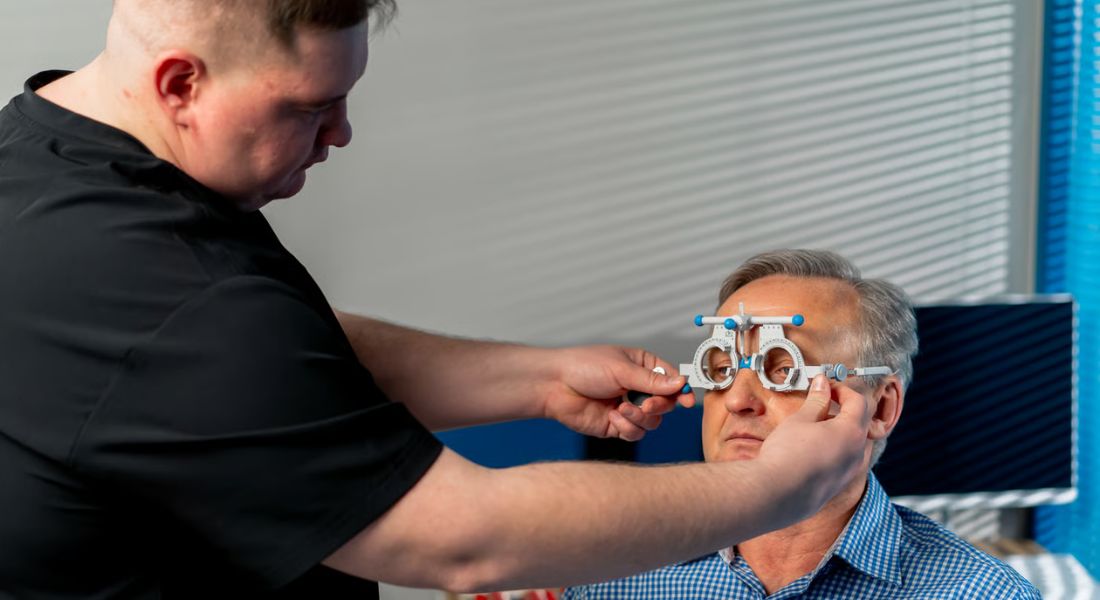
You should seek specialist care if you are diagnosed with glaucoma or are at increased risk of developing it. Early and expert management can make a significant difference in protecting your vision and slowing progression.
A specialist can carry out detailed assessments, monitor changes in eye pressure and optic nerve health, and recommend treatment tailored to your specific condition. This may include prescription eye drops, laser treatment, or surgical options depending on your needs.
Professional guidance is essential for long-term success. With regular monitoring and the right treatment plan, many people are able to manage glaucoma effectively and maintain stable vision over time.
FAQs:
- Can glaucoma damage be reversed?
In most cases, no glaucoma damage cannot be reversed. The condition affects the optic nerve, and once those nerve fibres are damaged, they do not regenerate. This means lost vision is usually permanent. Treatment focuses on preventing further loss rather than restoring what’s already gone. - Why can’t vision loss from glaucoma be restored?
Glaucoma damages the optic nerve, which carries visual signals to your brain. Unlike some other tissues, these nerve fibres do not repair themselves once injured. This makes the vision loss permanent in most cases. That’s why early detection is so important. - What does glaucoma treatment actually do?
Treatment is designed to lower the pressure inside your eye. This helps reduce stress on the optic nerve and slows further damage. While it won’t restore lost vision, it can protect the vision you still have. With proper care, many people maintain stable eyesight for years. - Can glaucoma be stopped from getting worse?
It can often be slowed or stabilised with the right treatment. Eye drops, laser therapy, or surgery are used to control eye pressure. Consistency with treatment is key to preventing progression. Regular monitoring helps ensure the condition stays under control. - What are the early signs of glaucoma?
In most cases, there are no obvious early symptoms. Vision loss usually starts in your peripheral vision, which is easy to miss. This is why many people don’t realise they have glaucoma at first. Routine eye tests are the best way to detect it early. - How important is early diagnosis?
Early diagnosis is critical for protecting your vision. The sooner glaucoma is detected, the more effectively it can be managed. Starting treatment early helps slow or prevent further damage. This greatly improves your long-term visual outcome. - Can your vision improve after glaucoma treatment?
You may notice slight improvements in clarity once eye pressure is reduced. However, this is usually due to better function of remaining healthy nerve fibres. It’s not a reversal of damage. The main goal is to maintain stability rather than restore lost vision. - Do you need lifelong treatment for glaucoma?
In most cases, yes. Glaucoma is a long-term condition that requires ongoing management. Treatment helps keep eye pressure controlled over time. Stopping treatment can increase the risk of further vision loss. - What happens if glaucoma is left untreated?
Without treatment, glaucoma will usually continue to progress. This can lead to worsening peripheral vision loss and eventually affect central vision. In advanced stages, it can result in significant visual impairment. Early and consistent treatment helps prevent this. - Can lifestyle changes help manage glaucoma?
Lifestyle changes can support your overall eye health but won’t replace medical treatment. Regular exercise, a balanced diet, and good circulation can be beneficial. Managing conditions like high blood pressure also helps. These steps work alongside your prescribed care to protect your vision.
Final Thoughts: Focusing on Protection, Not Reversal
When you’re dealing with glaucoma, it’s natural to hope that lost vision can be restored. In reality, the focus needs to shift towards protecting what you still have. With the right treatment, consistent monitoring, and early intervention, you can often slow progression and maintain stable vision for many years.
The most important step is staying proactive. Regular check-ups, following your treatment plan, and acting early when changes occur all play a vital role in preserving your sight. Rather than waiting for symptoms, taking control early gives you the best chance of long-term visual stability. If you’d like to find out whether glaucoma treatment in London is suitable for you, feel free to contact us at Eye Clinic London to arrange a consultation.
References:
- Heijl, A., Leske, M.C., Bengtsson, B., Hyman, L., Bengtsson, B. and Hussein, M. (2002) Reduction of intraocular pressure and glaucoma progression: results from the Early Manifest Glaucoma Trial, Archives of Ophthalmology, 120(10), pp. 1268–1279. Available at: https://pubmed.ncbi.nlm.nih.gov/12365904/
- Kass, M.A., Heuer, D.K., Higginbotham, E.J., Johnson, C.A., Keltner, J.L., Miller, J.P., Parrish, R.K., Wilson, M.R. and Gordon, M.O. (2002) The Ocular Hypertension Treatment Study: a randomized trial determines that topical ocular hypotensive medication delays or prevents the onset of primary open-angle glaucoma, Archives of Ophthalmology, 120(6), pp. 701–713. Available at: https://pubmed.ncbi.nlm.nih.gov/24825645/
- Tham, Y.C., Li, X., Wong, T.Y., Quigley, H.A., Aung, T. and Cheng, C.Y. (2014) Global prevalence of glaucoma and projections of glaucoma burden through 2040, Ophthalmology, 121(11), pp. 2081-2090. Available at: https://www.sciencedirect.com/science/article/pii/S0161642014004308
- Kassam, F. et al. (2020) Medication adherence in glaucoma patients: barriers, outcomes, and clinical implications. Journal of Ophthalmology. Available at: https://pubmed.ncbi.nlm.nih.gov/32607093/
- Bourne, R.R.A. et al. (2021) Global burden of glaucoma and importance of treatment adherence in preventing vision loss. International Journal of Environmental Research and Public Health, 18(14). Available at: https://www.mdpi.com/1660-4601/18/14/7654/