


What Happens If You Miss Your Glaucoma Eye Drops?

You may already know that treatment for glaucoma relies heavily on keeping eye pressure under control. Prescribed eye drops are designed to maintain this stability and protect the optic nerve from ongoing damage. When used consistently, they are highly effective at slowing disease progression.
However, even small interruptions in your routine can affect pressure control. Missing a dose occasionally is quite common, but it may still lead to temporary increases in eye pressure. These short fluctuations are usually not immediately noticeable, but over time they can place added stress on the optic nerve.
This is why consistency is so important in long-term management. Regular use helps maintain steady pressure levels and reduces the risk of further damage. Understanding the impact of missed doses can help you stay more proactive and committed to your treatment plan, supporting better long-term vision outcomes.
What Happens When You Miss a Dose
You might think missing one dose is harmless, but when managing glaucoma, even a single missed application can allow eye pressure to rise temporarily. Glaucoma eye drops are designed to maintain a steady level of pressure control, and skipping a dose disrupts this carefully balanced effect.
In most cases, one missed dose will not cause immediate or noticeable damage. However, repeated missed doses can lead to fluctuations in eye pressure over time. These fluctuations may place additional stress on the optic nerve, which increases the long-term risk of damage if they happen frequently.
This is why consistent use is essential. Regularly taking your eye drops as prescribed helps maintain stable pressure levels and provides the best protection for preserving your vision over time.
How Quickly Eye Pressure Can Change
You may not realise how quickly your eye pressure can respond if you miss a dose of glaucoma medication. In some people, intraocular pressure can begin to rise within hours, depending on the type of eye drops used and how their individual eyes respond. This is why consistency with treatment is so important in daily management.
- Pressure can rise within hours: If a dose is missed, some medications wear off relatively quickly. This can allow eye pressure to start increasing sooner than you might expect.
- Different drops last for different durations: Not all glaucoma medications work for the same length of time. Some provide longer-lasting pressure control, while others require more precise timing to stay effective.
- Individual response varies: Your eye’s sensitivity to pressure changes depends on factors like the stage of glaucoma and your overall eye health. Some people experience more noticeable fluctuations than others.
- Consistency helps protect the optic nerve: Regular use of your prescribed drops helps maintain stable pressure levels. This reduces stress on the optic nerve and supports long-term vision protection.
Keeping to your medication schedule is a key part of managing glaucoma effectively. Even small gaps can influence pressure control, so maintaining consistency plays a major role in preserving your vision over time.
The Risk of Long-Term Vision Damage
You should understand that damage from glaucoma is often gradual and irreversible. Missing eye drops occasionally may not cause noticeable changes, but repeated interruptions in treatment can contribute to long-term disease progression.
The optic nerve is particularly sensitive to fluctuations in eye pressure. Once it has been damaged, it cannot repair itself. This is why even small but repeated inconsistencies in treatment can increase the risk of further vision loss over time.
The main goal of treatment is prevention. Maintaining stable eye pressure through consistent use of medication helps protect the optic nerve and preserve your vision for as long as possible.
Why You Might Miss Drops
You may miss eye drops for glaucoma for many simple and very common reasons. Busy daily routines, forgetfulness, or changes in your schedule can easily disrupt regular dosing, especially when drops need to be taken at specific times each day.
Some patients also find it challenging to manage multiple medications or complex dosing instructions. When treatment involves more than one drop or different timings throughout the day, it can become harder to stay completely consistent.
Recognising these challenges is an important first step. Once you understand why doses are being missed, it becomes easier to find practical solutions such as reminders, routines, or simplified regimens to improve adherence and support better long-term eye health.
What You Should Do If You Miss a Dose
You should not panic if you miss a single dose of medication for glaucoma. In most cases, you can simply take your next dose at the usual scheduled time and continue with your routine as prescribed.
It is generally not recommended to double up on eye drops to make up for a missed dose unless your doctor specifically advises you to do so. Using extra drops can sometimes increase the risk of side effects such as irritation or discomfort without providing additional benefit.
The most important approach is to return to your regular dosing schedule as soon as possible. Following your prescribed instructions carefully helps maintain stable eye pressure and supports long-term protection of your vision.
The Importance of Routine
You may find it much easier to manage glaucoma eye drops if you build them into a consistent daily routine. Linking your drops to regular activities such as brushing your teeth, having meals, or going to bed can help you remember them naturally, without relying on memory alone.
- Helps you stay consistent without effort: When drops are tied to daily habits, they become part of your routine rather than something extra to remember. This makes it less likely that you’ll miss a dose.
- Improves long-term pressure control: Even small improvements in consistency can help maintain more stable eye pressure. This is important for slowing the progression of glaucoma over time.
- Reduces the risk of missed doses: A fixed routine lowers the chance of forgetting your medication, especially on busy or unpredictable days.
- Supports better long-term vision protection: Over time, regular use of your drops plays a key role in protecting your optic nerve and preserving your sight.
Consistency is one of the most powerful tools in glaucoma management. When your routine is stable, your treatment becomes more reliable, and your long-term outcomes are generally better.
Different Types of Glaucoma Drops

You might be prescribed different types of eyes drops for glaucoma depending on your specific condition and how your eye pressure needs to be controlled. Some medications work by reducing the amount of fluid the eye produces, while others help improve drainage to lower pressure more effectively.
Each type of drop has its own mechanism and duration of action, meaning they do not all work in exactly the same way or last for the same amount of time. Because of this, missing doses can affect each medication differently and may lead to variations in how well your eye pressure is controlled.
Understanding your specific treatment plan is important for effective management. Knowing what each medication does and why it has been prescribed helps you stay more consistent, follow your routine correctly, and maintain better long-term control of your eye health.
Why Eye Pressure Fluctuations Matter
You should know that in glaucoma, it is not only consistently high eye pressure that is a concern. Fluctuations in pressure repeated rises and drops can also place stress on the optic nerve over time.
Even if your eye pressure returns to a normal range later, repeated short-term spikes may still contribute to cumulative damage. The optic nerve is sensitive to these changes, and ongoing instability can increase the risk of progression even when readings occasionally appear normal.
This is why consistent treatment is so important. The goal of glaucoma management is not just lowering pressure, but keeping it stable over time. Maintaining steady eye pressure helps reduce stress on the optic nerve and supports better long-term protection of your vision.
The Role of Monitoring
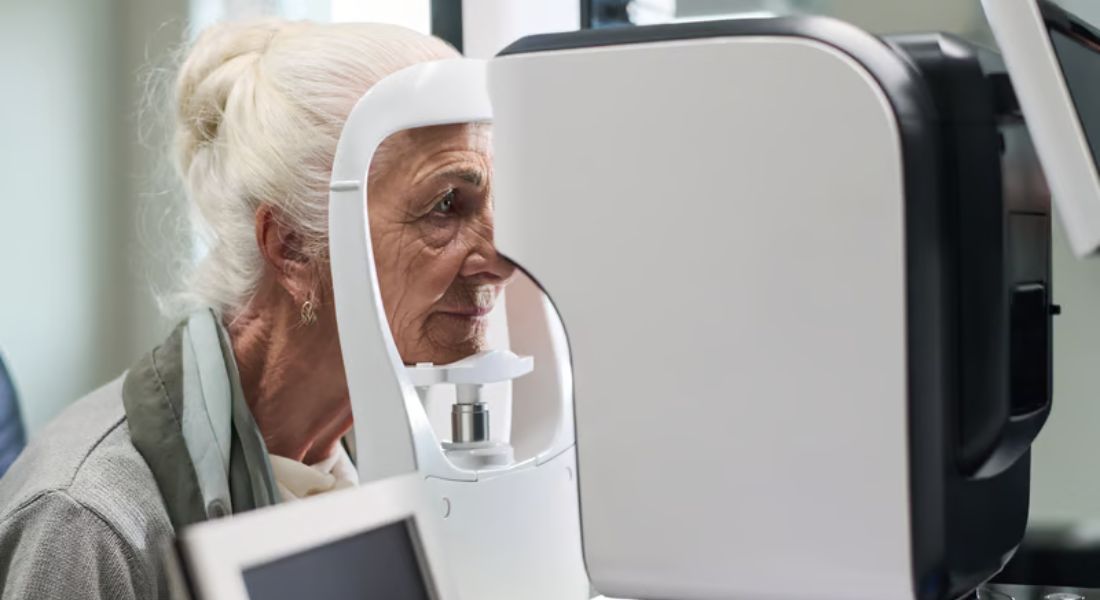
You may be asked to attend regular check-ups to monitor your eye pressure in glaucoma. These appointments are an important part of treatment, as they help your specialist assess how effectively your current eye drops are controlling pressure over time.
If missed doses or other factors are affecting your pressure levels, your doctor can make timely adjustments to your treatment plan. This might include changing the type of medication, altering the dosage, or simplifying your routine to improve adherence.
Regular monitoring also allows early detection of any changes before they lead to significant damage. This proactive approach plays a key role in preventing long-term vision loss and maintaining stable eye health.
When Missing Drops Becomes a Pattern
You should be cautious if missing doses becomes a frequent pattern when managing glaucoma. While an occasional missed drop is usually manageable, regular inconsistency can significantly reduce how effectively treatment controls eye pressure over time.
When eye drops are not used consistently, pressure may fluctuate more often, making it harder to maintain stable control. These repeated variations can increase the risk of disease progression, even if individual missed doses do not cause immediate noticeable changes.
Addressing the underlying reason for missed doses is important for long-term care. Whether it’s a busy routine, difficulty remembering, or a complicated schedule, finding practical solutions can help improve consistency and support better protection of your vision over time.
How to Improve Adherence
You might find it helpful to use simple, practical strategies to stay consistent with your glaucoma eye drops. Building reliable habits can make your treatment much easier to follow and reduce the chances of missing doses. Even small changes to your routine can have a big impact over time.
- Use reminders to stay consistent: Setting daily alarms or phone notifications is one of the easiest ways to remember your drops. These prompts help take the pressure off remembering everything yourself.
- Link drops to daily habits: You can connect your eye drops to routines you already do every day, such as brushing your teeth or going to bed. Over time, this turns treatment into an automatic habit.
- Keep drops in a visible place: Storing your medication somewhere you regularly see it can act as a natural reminder. This reduces the chance of forgetting, especially during busy days.
- Use organisers or tracking tools: If you’re using more than one medication, a simple chart or app can help you keep track. This makes your routine clearer and reduces confusion.
These small adjustments can make a meaningful difference to how consistently you use your treatment. When you stay on track, you help maintain more stable eye pressure, which plays a key role in protecting your vision in the long term.
The Importance of Early Action
You should act quickly if you notice frequent missed doses or signs of rising eye pressure in glaucoma. Early intervention is important because consistent pressure control is key to slowing disease progression and protecting long-term vision.
If adherence is becoming difficult, your specialist can reassess your treatment plan. In many cases, adjustments can be made to better suit your daily routine, such as simplifying dosing schedules, changing medications, or exploring alternative treatment options.
Taking early action helps prevent ongoing fluctuations in eye pressure and reduces the risk of long-term complications. Addressing the issue sooner rather than later supports more stable control and better overall vision outcomes.
Emotional Impact of Glaucoma Management
You may sometimes feel overwhelmed by the responsibility of daily treatment for glaucoma. This is completely understandable, especially when managing a long-term condition that requires ongoing attention and consistency.
However, it’s important to remember that consistent treatment plays a major role in preserving vision and slowing progression. Even when it feels routine or repetitive, each dose contributes to protecting your optic nerve over time.
Support is available from your care team, and they can help you find ways to make your treatment easier to manage, whether through simplified regimens, reminders, or regular reassurance during check-ups. You are not managing this alone, and seeking help when needed is part of effective long-term care.
Why Personalised Treatment Matters
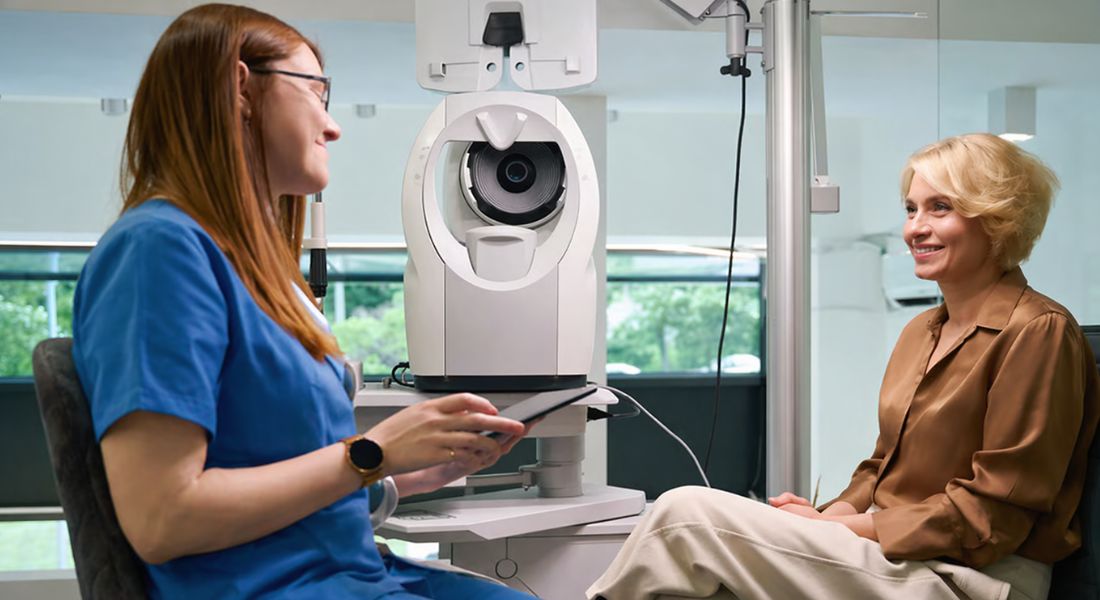
You should remember that glaucoma treatment isn’t one-size-fits-all. Your medication plan is carefully designed based on your individual eye pressure, the health of your optic nerve, and your overall risk of disease progression. This means your treatment is tailored specifically to your eyes rather than following a standard approach.
- Based on your individual eye health: Your treatment plan takes into account how high your eye pressure is, how your optic nerve is responding, and how advanced your condition may be. This ensures the approach is appropriate for your situation.
- Adjustments can be made if needed: If you experience side effects or find it difficult to stick to your routine, your specialist can often make changes. This might include switching medications or adjusting how often you need to use them.
- Simplified routines improve consistency: In some cases, treatments can be combined or adjusted to better fit your daily life. A simpler routine often makes it easier for you to stay consistent with your drops.
- Better long-term control of eye pressure: When treatment is tailored to your needs, it’s easier to maintain stable eye pressure over time. This plays a key role in slowing progression and protecting your vision.
A personalised approach makes glaucoma management more practical and effective for you. When your treatment fits your lifestyle and eye health needs, you’re more likely to stay consistent and that consistency is what helps protect your vision in the long term.
Long-Term Outlook with Consistent Use
You may be reassured to know that with consistent treatment for glaucoma, many people are able to maintain stable vision for many years. When used correctly and regularly, eye drops are highly effective at controlling eye pressure and slowing disease progression.
The most important factor is ongoing commitment to your treatment plan. Even when vision feels stable, continued use of medication is necessary to protect the optic nerve from further damage. Glaucoma is a long-term condition, so steady management over time makes a real difference.
Consistency supports better long-term outcomes. By keeping eye pressure stable and attending regular check-ups, you significantly improve your chances of preserving your vision and maintaining quality of life over the long term.
FAQs:
- What happens if you miss a glaucoma eye drop?
Missing a single dose may cause your eye pressure to rise temporarily. In most cases, you won’t notice any immediate symptoms. However, repeated missed doses can reduce how well your pressure is controlled. Over time, this may increase the risk of optic nerve damage. - Is it dangerous to miss one dose of glaucoma drops?
Missing one dose is usually not immediately dangerous. Your eye pressure may rise slightly for a short period, depending on your medication. The real concern comes from repeated or frequent missed doses. Consistency is what protects your vision long term. - How quickly can eye pressure rise after missing drops?
Eye pressure can begin to rise within hours in some cases. This depends on the type of eye drops you use and how your body responds. Some medications wear off faster than others. That’s why sticking to your schedule is so important. - What should you do if you forget your glaucoma drops?
If you forget a dose, take your next one at the usual time. Do not double up unless your doctor has specifically told you to do so. Doubling drops can sometimes cause irritation without extra benefit. The key is to return to your normal routine as soon as possible. - Can missed eye drops cause permanent vision loss?
A single missed dose is very unlikely to cause permanent damage. However, frequent missed doses over time can lead to uncontrolled eye pressure. This increases the risk of gradual optic nerve damage. Glaucoma-related vision loss is usually irreversible, which is why consistency matters. - Why is consistency so important in glaucoma treatment?
Glaucoma treatment works by keeping eye pressure stable. Even small fluctuations can stress the optic nerve. Regular use of drops helps prevent these pressure changes. This significantly reduces the risk of disease progression. - What are common reasons people miss glaucoma drops?
Busy routines, forgetfulness, and complex dosing schedules are common reasons. Some people also struggle when taking multiple medications. Travel or changes in daily habits can also disrupt routines. These challenges are very common and can usually be managed. - How can you avoid missing glaucoma eye drops?
You can use reminders like phone alarms or apps to help you stay consistent. Linking drops to daily habits, like brushing your teeth, also helps. Keeping drops in visible places makes them harder to forget. Simple routines often make the biggest difference. - Do different glaucoma drops work differently if you miss them?
Yes, different drops last for different lengths of time. Some wear off quickly, while others provide longer pressure control. Missing a dose may affect each medication differently. This is why following your exact prescription schedule is important. - What happens if you keep missing your eye drops regularly?
Frequent missed doses can lead to unstable eye pressure. Over time, this increases the risk of optic nerve damage and vision loss. Your treatment becomes less effective when not used consistently. If this happens, your doctor may adjust your treatment plan to help you manage it better.
Final Thoughts: Why Consistency Protects Your Sight
When you’re managing glaucoma, missing an eye drop now and then might feel harmless, but the reality is that your eye pressure can respond quickly and unpredictably. Over time, even small inconsistencies can place extra stress on your optic nerve, which is why regular use of your medication is such a critical part of protecting your vision.
The good news is that glaucoma is highly manageable when you stay consistent. Simple habits, reminders, and routine check-ups can make a big difference in keeping your eye pressure stable and reducing the risk of progression. It’s not about perfection, but about maintaining steady control over time. If you’d like to find out whether glaucoma treatment in London is suitable for you, feel free to contact us at Eye Clinic London to arrange a consultation.
References:
- Weinreb, R.N., Aung, T. and Medeiros, F.A. (2021) Improving medication adherence in glaucoma: clinical approaches and patient-centred strategies. Available at: https://academic.oup.com/book/33123/chapter-abstract/284173332/
- Almidani, L. et al. (2026) The effect of medication adherence on intraocular pressure and glaucoma progression. Ophthalmology and Glaucoma. Available at: https://www.sciencedirect.com/science/article/abs/pii/S2589419626000189/
- Sharma, N. et al. (2023) Adherence to glaucoma medication and its impact on intraocular pressure control and disease progression. Available at: https://pmc.ncbi.nlm.nih.gov/articles/PMC10539375/
- Kassam, F. et al. (2020) Medication adherence in glaucoma patients: barriers, outcomes, and clinical implications. Journal of Ophthalmology. Available at: https://pubmed.ncbi.nlm.nih.gov/32607093/
- Bourne, R.R.A. et al. (2021) Global burden of glaucoma and importance of treatment adherence in preventing vision loss. International Journal of Environmental Research and Public Health, 18(14). Available at: https://www.mdpi.com/1660-4601/18/14/7654/