


Can Glaucoma Eye Drops Stop Working Over Time?
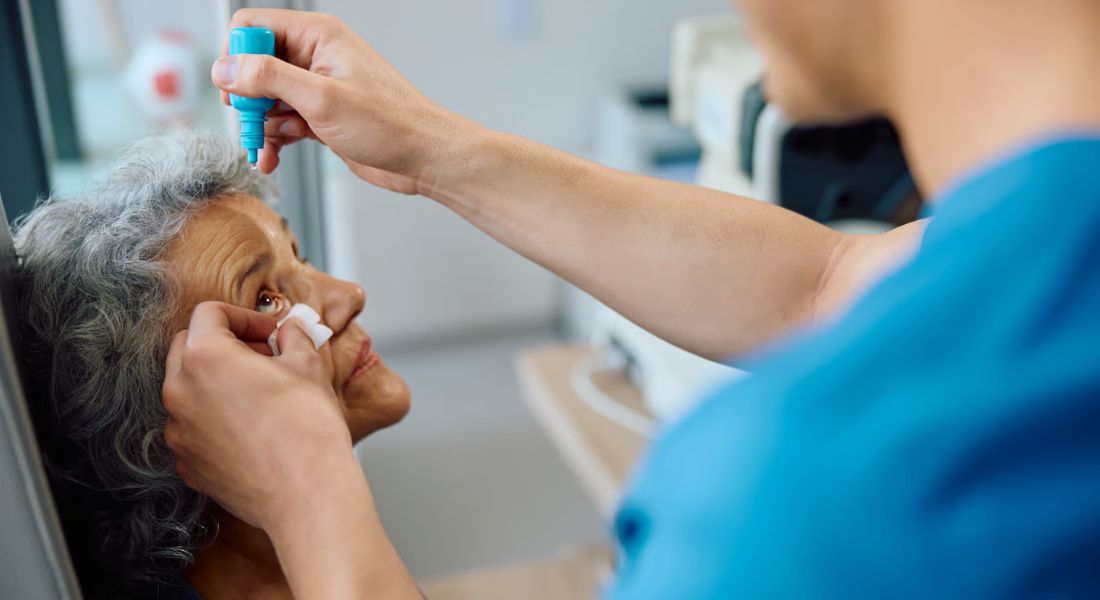
When you are diagnosed with glaucoma, one of the first treatments you are usually given is medicated eye drops. At the beginning, they can feel reassuring because they actively help to lower eye pressure and protect your vision. This often gives you a sense of control over the condition. However, it is natural to start questioning their long-term effectiveness over time.
A common concern is whether these eye drops can become less effective or even stop working altogether. This worry tends to grow as glaucoma is a long-term condition that requires ongoing management. Any change in how well treatment seems to work can feel unsettling. It is important to understand what is actually happening in these situations.
In most cases, eye drops do not suddenly stop working in a complete sense. What can happen is that your eye pressure may become harder to control over time with the same medication. This is not usually a failure of the drops, but rather a change in how your body responds or how the condition progresses. Because of this, your treatment often needs to be adjusted rather than replaced entirely.
This is why regular monitoring is so important in glaucoma care. Your eye specialist will check your eye pressure and overall eye health at routine visits. If needed, they can change the type of drops, adjust the dosage, or add additional treatments. The goal is always to maintain stable pressure and protect your vision for the long term.
Understanding What Glaucoma Eye Drops Actually Do
To understand whether glaucoma eye drops can stop working, it is important to first understand what they are designed to do. These drops are not a cure for glaucoma, but a long-term treatment to manage the condition. Their main role is to control the pressure inside your eye. This pressure is known as intraocular pressure.
High intraocular pressure is one of the main risk factors for damage to the optic nerve. Over time, this pressure can gradually affect your vision if it is not controlled properly. By lowering it, eye drops help reduce the risk of further damage. This is why they are so commonly prescribed as a first-line treatment.
Different types of glaucoma eye drops work in different ways. Some reduce the amount of fluid your eye produces, while others help improve the drainage of fluid from the eye. In both cases, the aim is the same: to keep eye pressure at a safe level. This helps protect your optic nerve and slow the progression of vision loss.
The Big Question: Can They Stop Working?
The short answer is yes, but not in the way most people usually imagine. Glaucoma eye drops do not typically fail suddenly or stop working completely overnight. There is usually no dramatic moment where the treatment simply becomes useless. Instead, changes tend to happen gradually over time.
What often occurs is that the drops may become less effective at controlling eye pressure as your condition progresses. This does not always mean the medication has stopped working entirely. It may simply mean that your eyes now need more support than before to maintain a safe pressure level. In some cases, the same treatment is no longer enough on its own.
It is also important to understand that sometimes it is not the medication itself that changes, but how your eye responds to it. Your body and eye condition can evolve over time, which may affect how well a particular treatment performs. This is a natural part of long-term disease management and not necessarily a cause for alarm. Regular monitoring helps identify these changes early so treatment can be adjusted appropriately.
Disease Progression, Not Medication Failure
One of the most common misunderstandings is the belief that worsening glaucoma automatically means the eye drops have stopped working. In most cases, this is not true. It can feel like a treatment failure, but glaucoma is more complex than that. The medication may still be working as intended.
Glaucoma is a progressive condition, which means it can slowly change over time even when treatment is effective. The eye drops may still be lowering your eye pressure, but the disease itself can continue to develop. This is why ongoing monitoring is essential. It helps track both the condition and the response to treatment.
As the condition evolves, your target eye pressure may also need to change. What was once an acceptable level in the early stages may not be enough later on. This means your treatment plan may need adjusting over time, rather than the drops simply “failing.”
The Body’s Response Over Time
In some cases, the eye can become less responsive to certain glaucoma medications over long periods. This is known as reduced responsiveness or tolerance. It does not happen to everyone, but it can develop gradually in some patients. When it does occur, the same eye drop may not lower eye pressure as effectively as it once did.
This change is not usually sudden, and it is not the same as the medication completely stopping its effect. Instead, the response may become weaker over time, meaning your eye pressure is not controlled as well as before. This can be influenced by changes in the eye, the condition itself, or how the body responds to long-term treatment.
This is why regular monitoring is essential in glaucoma care. Routine check-ups allow your eye specialist to detect any changes in pressure control early. If needed, your treatment can be adjusted to restore better control. This ongoing review helps ensure your vision remains protected over the long term.
Adherence: The Most Common Hidden Factor
When glaucoma treatment does not seem to be working as expected, one of the first things I consider is how consistently the medication is being used. In many cases, the issue is not the medication itself but how regularly it is applied. Glaucoma eye drops are highly effective, but only when they are used correctly and without interruption. This makes adherence one of the most important factors in managing eye pressure successfully.
- Consistency of Use Matters Most: Glaucoma drops are designed to maintain a steady level of pressure control in the eye. If doses are missed or taken irregularly, this balance can be disrupted. Even occasional missed applications can reduce the overall effectiveness of the treatment.
- Timing and Routine Are Critical: Using drops at inconsistent times can also affect how well they work. These medications are often prescribed to be taken at specific intervals to ensure stable pressure control. Without a fixed routine, the drug may not maintain its intended therapeutic effect throughout the day.
- Correct Application Technique: How the drops are administered is just as important as when they are used. Incorrect application, such as missing the eye or not allowing enough time between multiple drops, can reduce absorption. Proper technique ensures the medication reaches the eye and works as intended.
- Small Gaps Can Still Affect Eye Pressure: Even minor inconsistencies in usage can lead to fluctuations in intraocular pressure. Over time, these variations may impact overall disease control. This is why regular and accurate use is essential for long-term stability.
In conclusion, adherence is often the most overlooked but crucial factor in glaucoma management. Before changing treatment, it is important to ensure that drops are being used consistently and correctly. Small variations in routine can significantly influence outcomes. Ultimately, good adherence forms the foundation of effective and stable eye pressure control.
How You Might Notice a Change
Unlike some medications, glaucoma eye drops do not usually cause obvious sensations when they are working properly. This means you may not feel any direct difference in your eyes day to day, even if the drops are controlling your eye pressure effectively. Because of this, any change in effectiveness can be difficult to notice on your own. Most issues are picked up during routine eye check-ups.
However, some people may notice subtle signs that their treatment needs review. These can include more frequent fluctuations in eye pressure, a feeling of heaviness in the eyes, or vision that seems less stable than before. These changes are often mild and can develop gradually over time. They do not always mean something is wrong, but they are worth paying attention to.
Another possible sign is needing additional drops or adjustments more often than before. While this does not confirm that the medication has stopped working, it may suggest that pressure control is not as consistent as it once was. This is why regular monitoring with your eye specialist is so important. It helps ensure your treatment remains effective and appropriate.
The Role of Regular Monitoring
One of the most important parts of glaucoma management is ongoing monitoring over time. Glaucoma is a long-term condition, and its progression can be gradual, even when treatment seems stable. Regular check-ups allow your eye specialist to track changes in a controlled and consistent way. This helps ensure your condition is always being properly managed.
At each visit, your eye pressure is measured to confirm it remains within a safe range. These readings show whether your current eye drops are still providing effective control. If there are any fluctuations or increases, they can be identified early. This helps reduce the risk of unnoticed progression.
Your optic nerve health is also closely monitored over time to detect any subtle changes. These checks help identify early signs of damage that may not affect your vision immediately. Even if eye drops become less effective, regular monitoring ensures treatment can be adjusted before any significant harm occurs.
Different Types of Eye Drops and Their Longevity
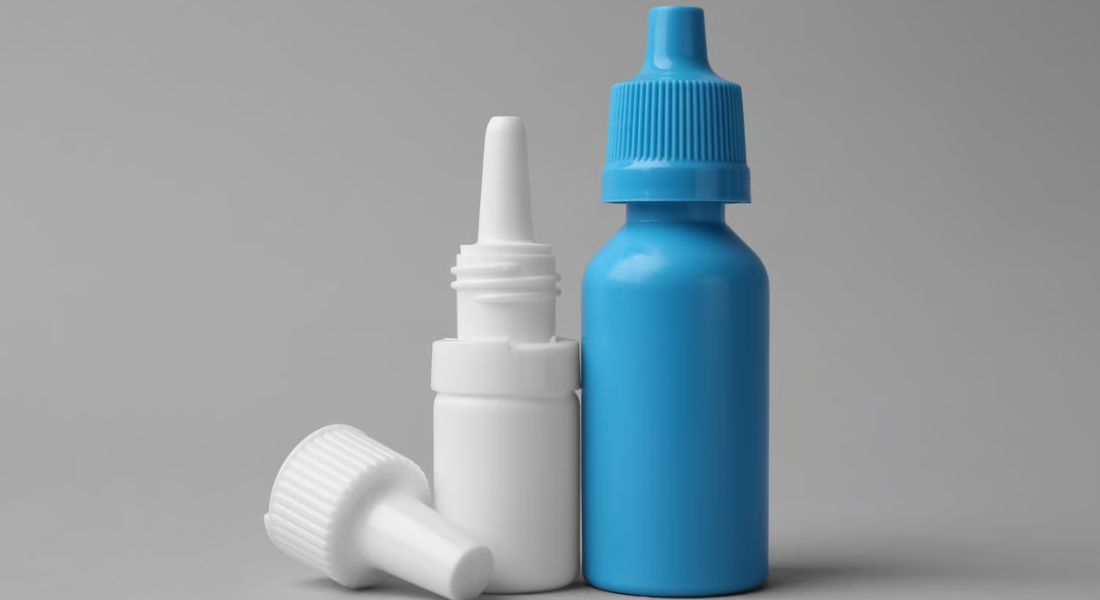
Glaucoma treatment often involves different types of eye drops, and each category works in a slightly different way. These medications help lower intraocular pressure, but their effectiveness and long-term performance can vary depending on the drug class. Understanding these differences is important when managing treatment over time. In some cases, patients may respond better to one type than another, especially if pressure control changes.
- Prostaglandin Analogues: Prostaglandin analogues are commonly used as a first-line treatment because they are highly effective at lowering eye pressure. They work by increasing the outflow of fluid from the eye, helping to maintain steady pressure levels. In many patients, they continue to work well long-term with once-daily use.
- Beta Blockers: Beta blockers reduce eye pressure by decreasing the production of fluid inside the eye. They are often used in combination with other drops for better control. However, their effectiveness may vary depending on individual response and overall health conditions.
- Carbonic Anhydrase Inhibitors: These drops lower pressure by reducing fluid production within the eye through enzyme inhibition. They are frequently used as an additional therapy when single medications are not sufficient. While effective, they are usually part of a combination treatment plan rather than standalone long-term therapy.
- Alpha Agonists: Alpha agonists work by both reducing fluid production and increasing drainage from the eye. They can be useful for short-term or additional pressure control. However, some patients may experience reduced effectiveness or tolerance over extended use.
In conclusion, different glaucoma eye drops have different mechanisms and long-term behaviours. Some remain highly effective for many years, while others may need to be adjusted or combined with additional treatments. If one medication becomes less effective, alternatives are often available to maintain proper eye pressure control. Ultimately, treatment is tailored to each patient to ensure long-term stability and protection of vision.
Combination Therapy: When One Drop Is Not Enough
As glaucoma progresses, many patients eventually require more than one type of eye drop to maintain safe eye pressure levels. This is a very common part of long-term glaucoma management and does not mean treatment has failed. Instead, it reflects the need for stronger or more comprehensive pressure control over time.
Combination therapy is often used when a single medication is no longer enough on its own. Different eye drops work in different ways, so using them together can improve overall effectiveness. Some reduce fluid production in the eye, while others help improve drainage. By combining these actions, eye pressure can be controlled more effectively.
This multi-target approach helps manage glaucoma from different angles at the same time. It allows your specialist to fine-tune treatment based on how your eye responds. In many cases, this adjustment is enough to restore good pressure control. It provides a flexible way to adapt treatment as the condition changes.
When Drops Seem Less Effective: What Your Doctor Checks
If there is a concern that your glaucoma eye drops are not working as well as before, your specialist does not rely on a single measurement. Instead, they carry out a detailed review of several different factors to understand the full situation. This helps avoid unnecessary changes and ensures decisions are based on complete information.
They will first look at your current eye pressure readings and compare them with previous results. This helps determine whether there has been any change in control over time. Your optic nerve condition is also carefully assessed to check for any signs of ongoing damage or progression. These two factors together give a clear picture of how stable your condition is.
Your doctor will also review how consistently you are using your drops, as routine plays a major role in effectiveness. In some cases, issues such as missed doses or incorrect application can affect results. Possible side effects or irritation are also considered, as they may influence how well the treatment is tolerated. Additionally, results from visual field tests are checked for any signs of change in vision function.
Can the Eye Become Resistant?
True resistance to glaucoma medication is relatively uncommon, but reduced responsiveness can sometimes occur over time. This means the eye does not respond to the same drop as strongly as it once did. It is important to understand that this is not the same as the treatment completely failing.
When responsiveness decreases, the medication may still have some effect, but it may not lower eye pressure to the same degree as before. This can happen gradually and is usually picked up during routine monitoring rather than through sudden symptoms. Because glaucoma is a long-term condition, small changes in response can become more noticeable over time.
When this situation occurs, the treatment plan is not abandoned. Instead, your eye specialist will adjust your therapy to restore better control. This may involve changing the type of drops or combining treatments for improved effectiveness. The aim is always to maintain safe eye pressure and protect your vision in the long term.
The Importance of Correct Drop Technique
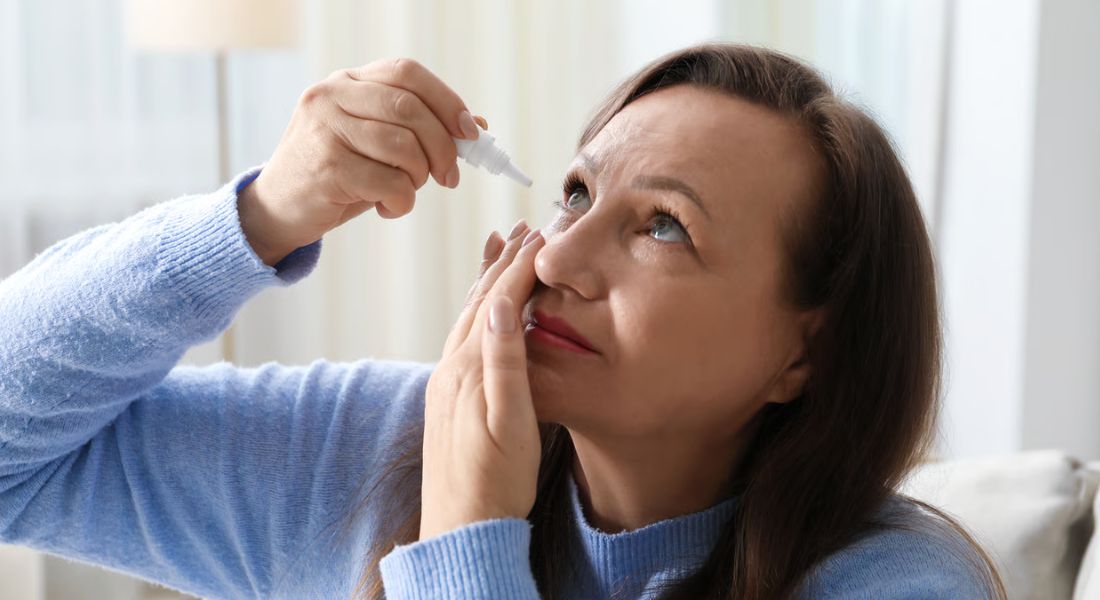
How glaucoma eye drops are applied is just as important as the medication itself. Even the most effective treatment can underperform if it does not properly reach and absorb into the eye. Many patients assume the issue is the drug, when in reality it is often the technique being used. Small adjustments in application can significantly improve treatment consistency and overall eye pressure control.
- Waiting Between Multiple Drops: When more than one type of eye drop is prescribed, timing between applications becomes important. Applying drops too quickly one after another can cause the first medication to be washed out before it is absorbed. A short gap between drops allows each one to properly enter the eye and begin working effectively.
- Ensuring the Drop Enters the Eye: One of the most common issues is missing the eye during application. If the drop lands on the eyelid or cheek, it will not provide any therapeutic benefit. Careful positioning and steady application help ensure the medication reaches the surface of the eye as intended.
- Avoiding Immediate Blinking: Blinking straight after applying drops can reduce how much medication is absorbed. It may cause the drop to drain away too quickly through the tear duct. Keeping the eye gently closed for a short period helps improve absorption and effectiveness.
- Gently Closing the Eye After Use: After applying drops, closing the eye softly helps retain the medication on the ocular surface. This allows more time for absorption into the eye tissues. Pressing too hard or rubbing the eye should be avoided as it can reduce effectiveness.
In conclusion, correct eye drop technique plays a crucial role in the success of glaucoma treatment. Even small errors in application can reduce how well the medication works. By using the drops carefully and consistently, patients can significantly improve treatment outcomes. Ultimately, proper technique ensures that the prescribed medication delivers its full intended benefit.
Side Effects That Affect Long-Term Use
Sometimes glaucoma eye drops remain effective at lowering eye pressure, but patients find them increasingly difficult to tolerate over time. This is an important distinction because the issue is not always the medication’s performance. In many cases, it is about comfort during long-term use. Even effective treatment can become challenging if side effects persist.
Common side effects such as redness, dryness, stinging, or irritation can gradually affect daily use. When these symptoms continue, patients may unintentionally miss doses or use drops less consistently. Over time, this irregular use can reduce overall pressure control. This is why comfort plays such a key role in long-term treatment success.
In these situations, the main concern is not that the drops have stopped working, but that adherence is affected. If a treatment is uncomfortable, it becomes harder to maintain a consistent routine. Your specialist can address this by adjusting the prescription to improve tolerability. The goal is always to ensure both effective treatment and sustainable long-term use.
What Happens If Drops Are No Longer Enough?
If eye drops alone are not controlling your eye pressure effectively, there are several next steps available. This does not mean treatment has failed, but rather that your condition needs a different or stronger approach. Glaucoma management is designed to be flexible so it can be adjusted as needed over time.
These next steps may include adding additional medications to improve pressure control. In some cases, your specialist may switch you to a different type of eye drop that works more effectively for your eyes. Combining treatments is also common when a single drop is no longer sufficient on its own.If medication adjustments are not enough, laser treatment may be recommended.
One commonly used option is laser trabeculoplasty, which helps improve the drainage of fluid from the eye. By improving fluid outflow, it can help reduce eye pressure and support better long-term control. In more advanced cases, surgical options may be considered if necessary. The goal in every situation is the same: to maintain safe eye pressure levels and protect your vision for the long term. Treatment is always tailored to ensure the best possible outcome for your condition.
The Role of Laser Treatment
Laser treatment is often considered when glaucoma eye drops are no longer sufficient on their own. It is not usually the first line of treatment, but it becomes an important option when additional pressure control is needed. The aim is to help manage eye pressure more effectively without relying solely on medication.
In many cases, laser treatment can reduce the need for multiple eye drops or improve how well existing medications work. By improving fluid drainage within the eye, it helps lower intraocular pressure in a different way to drops. This can make overall management more stable and easier to maintain in the long term.
One commonly used procedure is laser trabeculoplasty, which targets the eye’s drainage system to enhance fluid outflow. It is typically used as part of a stepwise treatment plan rather than an immediate solution. This makes it a valuable option in long-term glaucoma management when additional support is required.
Surgical Options for Long-Term Control
In more advanced cases of glaucoma, surgery may be recommended when eye drops and laser treatments are no longer enough to control eye pressure. This does not happen for everyone, but it becomes an important option when other methods cannot maintain safe and stable pressure levels. The decision is always based on careful assessment of your eye health.
Surgical procedures for glaucoma are designed to help fluid drain more effectively from the eye. They may work by creating a new drainage pathway or improving how existing drainage structures function. This helps reduce intraocular pressure and lowers the risk of further optic nerve damage. The main goal is long-term protection of vision.
Although the idea of surgery can feel significant, modern techniques are highly refined and widely used. Advances in ophthalmic surgery have made these procedures more precise and generally more predictable than in the past. Many patients achieve good long-term pressure control following treatment.
Why Treatment Is Always Individualised
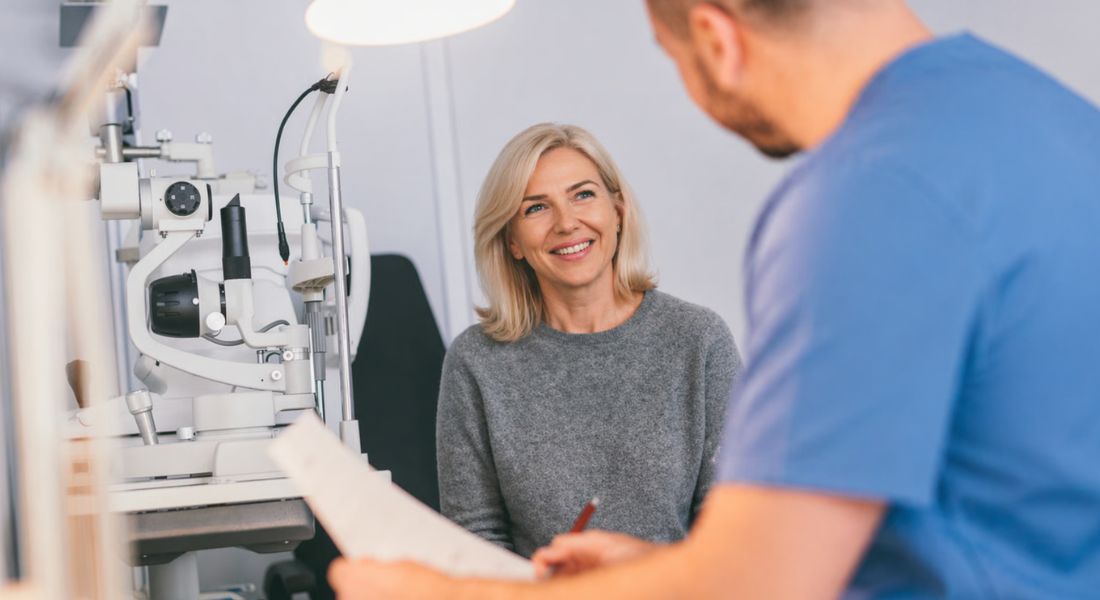
Glaucoma management is never a one-size-fits-all approach because every patient’s eyes respond differently to treatment. The condition itself varies in severity, progression rate, and response to medication from person to person. For this reason, surgeons and eye specialists design treatment plans that are tailored specifically to each individual. The goal is always to maintain safe eye pressure while preserving vision for the long term.
- Personal Eye Pressure Targets: Each patient has a different “safe” eye pressure level depending on their condition and risk factors. This target is not universal and is carefully calculated by your specialist. Treatment is adjusted to keep pressure consistently within this personalised range.
- Stage of Disease Progression: The severity of glaucoma plays a major role in determining treatment strategy. Early-stage cases may require minimal intervention, while advanced stages often need more aggressive management. As the disease changes over time, so does the treatment approach.
- Response to Medication: Not all patients respond to eye drops in the same way. Some may achieve excellent pressure control with a single medication, while others may need a combination of treatments. Regular monitoring helps identify how well the current plan is working.
- Need for Ongoing Review and Adjustment: Glaucoma is a long-term condition that requires continuous observation. Even when treatment is effective, changes in eye pressure or disease progression can occur over time. This is why regular follow-ups are essential to ensure the plan remains appropriate.
In conclusion, glaucoma treatment is highly individualised because every patient’s condition is unique. Factors such as pressure targets, disease stage, and medication response all influence the management plan. Regular monitoring ensures that treatment remains effective and safe over time. Ultimately, personalised care is key to protecting vision and maintaining long-term eye health.
Long-Term Perspective on Glaucoma Management
glaucoma is not a condition that can be “fixed” once and then forgotten. Instead, it is a long-term condition that requires ongoing care, regular monitoring, and sometimes adjustments to treatment over time. This continuous approach is essential because the condition can slowly change, even when things appear stable.
The positive aspect is that with proper management, most people are able to maintain useful vision for their entire lives. The key is consistent follow-up and timely adjustments when needed. This helps ensure that eye pressure remains within a safe range and that any changes in the condition are detected early.
Eye drops remain a cornerstone of treatment, even if they need to be modified or supported with additional therapies over time. In some cases, this may include laser treatment or surgery, depending on how the condition progresses. The overall goal is always the same: long-term protection of vision through steady and carefully managed care.
FAQs:
- Can glaucoma eye drops stop working completely?
In most cases, glaucoma eye drops do not suddenly stop working altogether. Instead, what usually happens is a gradual reduction in how well they control eye pressure. The medication may still have some effect, but it might no longer be strong enough on its own to keep pressure within the target range. When this happens, your eye specialist will usually adjust your treatment rather than replace everything completely. - Why do glaucoma eye drops seem less effective over time?
This is typically due to the natural progression of glaucoma rather than the drops failing. As the condition changes, your eye may require stronger or additional pressure control. In some cases, your body’s response to the medication can also change slightly over time, meaning the same drop does not produce the same level of effect as it once did. - How will I know if my glaucoma drops are not working?
Most people will not notice obvious symptoms because glaucoma often progresses silently. The only reliable way to detect reduced effectiveness is through regular eye checks, where your intraocular pressure and optic nerve health are monitored. Sometimes subtle changes, such as fluctuating pressure readings or changes in test results, may prompt your specialist to review your treatment. - Do I need to take glaucoma eye drops for life?
In most cases, yes. Glaucoma is a long-term condition that requires ongoing management rather than a one-time treatment. Eye drops help keep pressure under control and protect your optic nerve from damage. While the type or number of drops may change over time, continuous treatment is usually needed to maintain stable vision. - Can missing doses affect how well glaucoma drops work?
Yes, even occasional missed doses can affect how well your eye pressure is controlled. Glaucoma drops work best when used consistently, as they are designed to maintain steady pressure throughout the day. Missing doses or using them irregularly can lead to fluctuations in pressure, which may increase the risk of long-term damage. - What happens if one type of eye drop is not enough?
If a single medication is not controlling your eye pressure effectively, your specialist may add another type of drop or switch you to a different medication. In some cases, combination therapy is used to target eye pressure from different angles. If drops alone are still not enough, laser treatment or other procedures may be considered. - Can the eye become resistant to glaucoma drops?
True resistance is uncommon, but reduced responsiveness can happen in some patients over time. This means the eye does not respond as strongly to the medication as it once did. It does not mean the drops have completely stopped working, but rather that they may need to be supported with additional treatments or adjustments. - How often should glaucoma be monitored?
Monitoring frequency depends on how stable your condition is. Many patients are reviewed every 3–6 months, although some may need more frequent checks if the condition is advanced or changing. Regular monitoring is essential because it allows your specialist to detect small changes early and adjust treatment before vision is affected. - Are combination eye drops common in glaucoma treatment?
Yes, very common. Many patients eventually need more than one type of eye drop to maintain safe pressure levels. Each medication works in a different way, so combining them can improve overall effectiveness. This approach allows better long-term control without relying on a single treatment alone. - What should I do if I think my drops are not working?
You should not stop using your drops without medical advice. Instead, contact your eye specialist so your eye pressure and optic nerve can be checked. They may adjust your dosage, change your medication, or add another treatment if needed. Early review helps ensure your vision remains protected.
Final Thoughts: Long-Term Control of Glaucoma Treatment
Glaucoma eye drops rarely “stop working” in a sudden or absolute way. More often, what changes is how well they continue to control eye pressure as the condition evolves or as your body responds differently over time. This is why ongoing monitoring is so important, because treatment is always about adjustment rather than replacement. The aim is steady, long-term protection of your vision through careful management.
If pressure control becomes more difficult, it does not automatically mean the drops have failed. It usually means your treatment plan needs refining, whether through improved adherence, a change in medication, combination therapy, or additional options such as laser treatment. Glaucoma care is designed to adapt with you, ensuring your eye health remains stable at every stage. If you’d like to find out whether glaucoma treatment in London is suitable for you, feel free to contact us at Eye Clinic London to arrange a consultation.
References:
- Nüssle, S., Reinhard, T. and Lübke, J. (2021) Acute closed-angle glaucoma an ophthalmological emergency, Deutsches Ärzteblatt International, 118, pp. 771-780. Available at: https://pmc.ncbi.nlm.nih.gov/articles/PMC8841641/
- Weinreb, R.N., Aung, T. and Medeiros, F.A. (2014) The pathophysiology and treatment of glaucoma: a review, JAMA, 311(18), pp. 1901-1911. Available at: https://pmc.ncbi.nlm.nih.gov/articles/PMC4523637/
- StatPearls Publishing (2024) Refractive lens exchange. In: StatPearls [Internet]. Treasure Island (FL): StatPearls Publishing. Available at: https://www.ncbi.nlm.nih.gov/books/NBK430857/
- Chan, E., Varma, S. (2021) Refractive lens exchange the evidence behind the practise, Eye, 39(2), pp. 208-209. Available at: https://pubmed.ncbi.nlm.nih.gov/33926643/
- Ang, M., Mehta, J.S., Schallhorn, J.M. & Trattler, W.B. (2023) Refractive lens exchange in modern practice: indications, outcomes and patient selection, Journal of Cataract & Refractive Surgery, 49(11), pp. 1421-1430. Available at: https://pubmed.ncbi.nlm.nih.gov/37373884/