


What Is Wavefront-Guided Laser Eye Surgery? (Explained Simply)
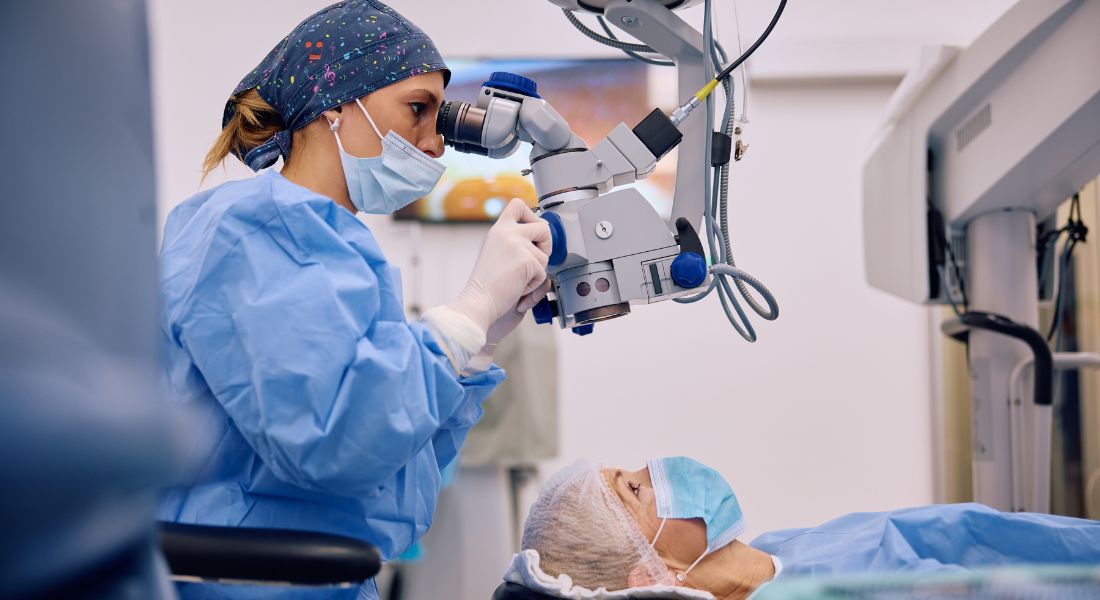
You may think all laser eye surgery is the same, but wavefront-guided treatment takes a far more personalised approach. Instead of relying only on a basic prescription, it creates a detailed map of your eye’s unique optical imperfections. This allows the treatment to be customised specifically to you, improving precision compared to standard methods.
Every eye has tiny irregularities beyond short-sightedness, long-sightedness, or astigmatism. These are known as higher-order aberrations, and they can affect how clearly and sharply you see especially in low-light conditions. Wavefront technology measures these subtle distortions and uses that data to guide the laser during surgery.
This level of detail makes the treatment highly tailored. By correcting both common vision errors and these finer imperfections, wavefront-guided laser eye surgery aims to enhance overall visual quality, not just clarity on a chart.
How Standard Laser Surgery Differs
You might already know that traditional laser eye surgery focuses on correcting common vision problems such as short-sightedness, long-sightedness, and astigmatism. It is based on your standard glasses or contact lens prescription, which addresses lower-order vision errors.
However, this approach does not take into account the more subtle optical imperfections in your eyes, known as higher-order aberrations. These small irregularities can still affect the quality of your vision, particularly in low-light conditions where issues like glare, halos, or reduced contrast may become more noticeable.
Wavefront-guided surgery goes a step further by identifying and correcting these finer details. By using a highly detailed map of your eye, it aims to improve not just basic clarity but the overall quality and sharpness of your vision.
What Wavefront Mapping Measures
You should understand that wavefront technology measures how light travels through your eye in a highly detailed way. Instead of only identifying basic prescription errors, it analyses how light waves are distorted as they pass through your eye’s optical system.
These distortions are known as higher-order aberrations. They are subtle imperfections that are not typically corrected with standard glasses or contact lenses. Even though they are small, they can still affect visual sharpness, contrast, and clarity especially in low-light conditions.
By mapping these irregularities, wavefront-guided treatment can correct them with much greater precision. This allows for a more customised procedure that aims to improve not just how clearly you see, but the overall quality of your vision.
The Role of Higher-Order Aberrations
You may not have heard of higher-order aberrations, but they can play an important role in how clearly and comfortably you see. These are subtle optical imperfections in your eye that go beyond simple short- or long-sightedness. They can lead to visual symptoms such as glare, halos around lights, starbursts, or reduced contrast sensitivity, especially in more demanding visual conditions.
- They affect overall visual quality, not just clarity: Higher-order aberrations don’t usually blur your vision in a simple way. Instead, they can reduce how crisp and clean things look, particularly around bright lights or fine details.
- More noticeable in low-light conditions: You’re more likely to experience these effects at night or in dim lighting. This is because your pupils widen, allowing lighter and more imperfections to enter your visual system.
- Can cause glare, halos, and starbursts: Common symptoms include seeing rings around lights, streaks from headlights, or a “flaring” effect. These can be more noticeable when driving at night.
- Wavefront-guided treatment can help reduce them: Wavefront-guided surgery is designed to map and correct these finer irregularities. This can improve the overall quality of your vision, not just sharpness, particularly in challenging lighting conditions.
Understanding higher-order aberrations helps explain why some people still notice visual disturbances even after standard correction. By addressing these subtle imperfections where possible, treatment can focus on improving both clarity and visual comfort in everyday life.
Creating a Custom Treatment Plan
You will have a detailed scan of your eyes before surgery, using advanced wavefront technology to create a precise digital map. This map captures how light travels through your eye and highlights even the smallest irregularities.
The laser treatment is then guided by this personalised data rather than a standard prescription. This means the procedure is tailored specifically to your eye’s unique structure, allowing for a higher level of accuracy during correction.
Customisation is the key advantage of wavefront-guided surgery. By treating your individual visual profile, it aims to deliver sharper, more refined results and improve overall visual quality.
Improved Visual Quality
You may notice sharper and clearer vision after wavefront-guided laser eye surgery. By correcting subtle imperfections that standard treatments often miss, it enhances overall visual performance rather than just basic eyesight.
This can include improved contrast sensitivity, making it easier to distinguish objects in low-light or low-contrast situations. Many patients also experience fewer visual disturbances such as glare, halos, or starbursts, particularly at night.
The focus is on quality, not just clarity. These refinements can make everyday activities like driving at night, using screens, or reading in dim lighting feel more comfortable and natural.
Reducing Night Vision Problems

You might be concerned about glare or halos after laser eye surgery, especially in low-light situations. Wavefront-guided treatment is designed to reduce these effects by identifying and correcting higher-order aberrations that contribute to visual disturbances.
By refining how light is focused within your eye, this approach can improve night vision and make activities like driving in the dark more comfortable. Many patients notice clearer, more stable vision in challenging lighting conditions compared to standard treatments.
However, some adjustment is still normal. Your brain may need time to adapt to the new visual signals, and mild symptoms can occur during the early recovery period. Results can vary between individuals, but overall, the goal is to minimise these issues and enhance visual quality.
Who Is Suitable for Wavefront Treatment
You may be a good candidate for wavefront-guided laser eye surgery if you’re looking for a more personalised and precise approach to vision correction. It’s often recommended if you have higher visual demands in daily life, such as frequently driving at night, using screens for long periods, or simply wanting the best possible quality of vision rather than just basic clarity.
- Best for higher visual demands: You may benefit more from wavefront treatment if your lifestyle relies heavily on sharp, high-quality vision. Night driving, detailed work, or extended screen use can make small visual imperfections more noticeable.
- Helps reduce subtle visual disturbances: This approach is designed to target fine irregularities in your vision, which can help reduce issues like glare, halos, or reduced contrast sensitivity, especially in low-light conditions.
- Not essential for everyone: If your eyes don’t show significant higher-order aberrations, standard laser treatment may still give you excellent results. In many cases, you don’t necessarily need the added customisation.
- Based on detailed eye measurements: Suitability isn’t guesswork it’s determined through a thorough eye assessment. Your surgeon will evaluate your cornea, overall eye health, and visual profile before recommending the most suitable option.
Ultimately, wavefront treatment is about tailoring your vision correction more precisely to your eyes. When it’s appropriate, it can enhance visual quality in subtle but meaningful ways. But the most important factor is choosing the option that best matches your individual eye structure and visual needs.
The Importance of Pre-Surgical Testing
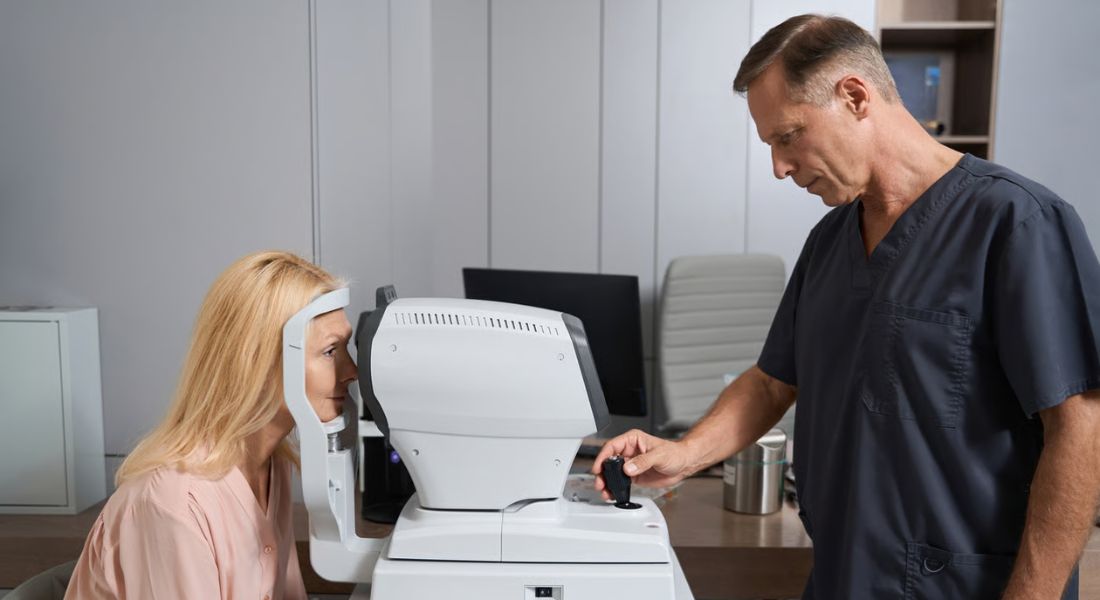
You will undergo advanced testing before wavefront-guided laser eye surgery to ensure the treatment is both safe and effective. This typically includes detailed wavefront mapping, corneal scans, and comprehensive vision assessments to evaluate how your eyes function.
These tests confirm whether your eyes are suitable for customised treatment and help identify any factors that may influence the outcome. They also provide the precise data needed to plan your procedure, ensuring the laser correction is tailored accurately to your eye’s unique structure.
Thorough testing plays a vital role in achieving the best possible results. By understanding every detail of your eye beforehand, your surgeon can optimise the treatment for improved precision, safety, and overall visual quality.
Does It Replace Standard Surgery?
You might wonder whether wavefront-guided surgery replaces traditional laser eye surgery. In reality, both approaches are still widely used, and neither is universally “better” for everyone.
Standard treatments remain highly effective for correcting common vision problems like short-sightedness, long-sightedness, and astigmatism. Many patients achieve excellent results with these methods, especially if they do not have significant higher-order aberrations.
Wavefront-guided surgery is typically chosen when additional precision and customisation are likely to provide a clear benefit. The decision depends on your eye’s unique characteristics, your visual needs, and the findings from your pre-surgical assessment. This ensures you receive the most suitable option rather than a one-size-fits-all approach.
The Procedure Itself
You should know that the surgical process for wavefront-guided laser eye surgery is very similar to standard procedures. The overall steps, environment, and duration remain largely the same, so the experience itself is familiar and straightforward.
The key difference lies in how the laser is guided. Instead of using only a general prescription, the system uses your personalised wavefront data to direct the laser with a much higher level of precision. This ensures that the customised treatment plan is followed accurately during the procedure.
Despite this added level of detail, the surgery remains quick and controlled. Most patients find the experience comfortable, with the advanced guidance simply working in the background to refine the outcome.
Safety and Reliability
You may feel reassured to know that wavefront-guided laser eye surgery is a well-established and widely used procedure. It combines advanced imaging with precise laser technology to tailor treatment to the unique characteristics of your eyes, improving both accuracy and consistency in results.
- Advanced mapping improves precision: Wavefront technology creates a highly detailed map of your eye’s optical system. This allows the treatment to be customised more precisely to your individual visual profile.
- Strict safety protocols are followed: The procedure is carried out under carefully controlled medical standards. From assessment to surgery, each step is designed to prioritise safety and accuracy.
- Thorough pre-operative assessment: Before treatment, your eyes are fully evaluated to ensure suitability. This helps identify any factors that could affect outcomes and allows for appropriate planning.
- Experienced specialists reduce risk further: When performed by a skilled surgeon, the procedure has a strong safety record. Experience plays a key role in maintaining predictable and well-managed outcomes.
Technology is a major part of what makes wavefront-guided surgery both safe and effective. By using detailed measurements to guide treatment, it supports highly precise correction while maintaining a strong safety profile. Overall, it offers a reliable option for achieving consistent and high-quality visual results when appropriately selected for your eyes.
Recovery After Wavefront Surgery
You can expect a recovery process similar to standard laser eye surgery after wavefront-guided treatment. Your vision may be slightly blurred or fluctuate in the first few days, but it typically improves steadily as your eyes begin to heal.
Following post-operative instructions is essential for a smooth recovery. This usually includes using prescribed eye drops to prevent infection and reduce dryness, avoiding eye rubbing, and attending scheduled follow-up appointments so your progress can be monitored.
Recovery is generally smooth and predictable for most patients. While minor symptoms like dryness or light sensitivity can occur initially, these usually settle with time, allowing your vision to stabilise and reach its full potential.
Long-Term Results
You may experience long-term stability in your vision after wavefront-guided laser eye surgery. The procedure is designed to provide consistent and lasting results by precisely correcting both standard vision errors and subtle optical imperfections.
While minor changes in vision can occur over time due to natural ageing or eye health changes, the overall outcome is generally stable for most patients. Many people continue to enjoy improved visual quality for years after treatment.
Regular eye care plays an important role in maintaining these results. Routine check-ups help monitor your eye health and ensure any changes are addressed early. Long-term success depends not only on the procedure itself but also on ongoing care and attention to your eyes.
Limitations of Wavefront Technology
You should understand that wavefront-guided surgery, while highly advanced, is not perfect. Although it improves precision by mapping your eye’s unique characteristics, it may not completely eliminate every visual imperfection.
Some patients may still experience mild symptoms such as dryness, glare, or slight visual fluctuations after the procedure. These effects are usually temporary and tend to improve as the eyes heal and adapt over time. In most cases, they become less noticeable within weeks to months.
Setting realistic expectations is important. The goal of wavefront-guided technology is to enhance overall visual quality and reduce imperfections as much as possible not to guarantee flawless vision. Understanding this helps you feel more prepared and satisfied with the outcome.
Cost and Availability
You may notice that wavefront-guided laser eye surgery can be more expensive than standard treatments. This is largely due to the advanced diagnostic equipment and customised planning involved in creating a highly personalised procedure.
For some patients, the potential improvements in visual quality such as sharper clarity, better contrast, and fewer visual disturbances can make the additional cost worthwhile. Others may find that standard treatments meet their needs effectively without the added expense.
Ultimately, value depends on your individual priorities. Factors such as your lifestyle, visual demands, and expectations all play a role in deciding whether this level of customisation is the right investment for you.
The Role of Surgeon Expertise

You should remember that technology alone does not guarantee results. Even with advanced systems like wavefront mapping, the experience and judgement of the surgeon play a crucial role in the final outcome.
An expert specialist will accurately interpret your eye data, determine whether you are a suitable candidate, and apply the treatment with precision. They also know how to adjust the approach based on subtle variations in your eye structure, which can make a meaningful difference in visual quality.
Choosing the right specialist is essential. A skilled surgeon not only improves the likelihood of a successful procedure but also ensures you receive appropriate guidance before, during, and after treatment for the best overall results.
Comparing Outcomes with Standard Surgery
You might be wondering whether wavefront-guided surgery actually delivers noticeably better results than standard laser eye surgery. In many cases, the main difference isn’t just about how sharp your vision is, but about the overall quality and smoothness of what you see in everyday life.
- Improved visual quality rather than just clarity: Wavefront-guided treatment is designed to enhance the finer details of vision. You may notice better visual comfort, especially in situations where lighting is less than ideal.
- Reduced night-time visual disturbances: You can experience fewer issues such as glare, halos, or starbursts around lights. This is particularly helpful when driving at night or being in low-light environments.
- More precise correction of subtle imperfections: The technology targets higher-order aberrations that standard surgery may not fully correct. This can lead to a more refined visual experience overall.
- Benefits vary from person to person: If your eyes don’t have significant higher-order aberrations to begin with, the difference compared to standard surgery may be quite subtle. Your individual eye structure plays a major role in the outcome.
Ultimately, both approaches can deliver excellent results in terms of vision correction. Wavefront-guided surgery simply adds an extra layer of refinement for certain patients. The most suitable option depends on your eye measurements, visual needs, and lifestyle, which is why a personalised assessment is essential before making a decision.
Is It Worth It for You?
You should consider your lifestyle, daily visual demands, and personal expectations when deciding if wavefront-guided laser eye surgery is right for you. If achieving the highest possible level of visual refinement such as improved night vision, reduced glare, and enhanced clarity is important, then wavefront-guided treatment may be worth exploring.
For many others, standard laser eye surgery already delivers excellent results with strong clarity and independence from glasses. In these cases, additional customisation may not provide a noticeable enough difference to justify the extra cost or complexity.
Ultimately, the right choice depends on your individual goals and eye characteristics. A personalised consultation with a specialist will help determine which option is most suitable for your vision needs and lifestyle.
FAQs:
- What is wavefront-guided laser eye surgery?
Wavefront-guided laser eye surgery is a highly personalised form of vision correction. It uses detailed mapping of your eye to identify even the smallest optical imperfections. The laser is then guided using this information for greater precision. This helps improve overall visual quality, not just basic clarity. - How is wavefront surgery different from standard laser eye surgery?
Standard laser eye surgery corrects common issues like short-sightedness, long-sightedness, and astigmatism. Wavefront-guided treatment goes further by also correcting subtle imperfections in your vision. These are known as higher-order aberrations. The result can be improved clarity and better visual quality, especially in low light. - What are higher-order aberrations?
Higher-order aberrations are small optical imperfections in your eye. They can affect how light is focused, even if your prescription is corrected. This may lead to glare, halos, or reduced contrast. Wavefront technology is designed to measure and reduce these issues where possible. - Will wavefront surgery improve night vision?
It can improve night vision for many patients by reducing glare and halos. This is especially helpful when driving or being in low-light environments. However, some mild visual effects may still occur during early healing. Over time, your brain usually adapts and symptoms often reduce. - Who is suitable for wavefront-guided surgery?
You may be suitable if you want highly refined visual quality or have demanding visual needs. It is often recommended for people who drive at night or use screens frequently. Suitability depends on detailed eye measurements and corneal health. Your surgeon will confirm if it is right for you. - Does wavefront surgery replace standard laser eye surgery?
No, both options are still widely used and effective. Standard surgery works very well for most common prescriptions. Wavefront-guided treatment is chosen when extra precision may offer added benefits. The best option depends on your individual eye assessment. - Is the procedure itself different from standard laser eye surgery?
The surgical process is very similar in terms of time and steps. The main difference is how the laser is guided during treatment. Wavefront data is used to customise the correction more precisely. Otherwise, the experience is almost the same for you. - Are there any side effects after wavefront surgery?
You may experience temporary dryness, light sensitivity, or mild visual fluctuations. These are common after most laser eye procedures. In wavefront surgery, visual disturbances like halos are often reduced but not always eliminated. Most symptoms improve as your eyes heal. - How long does recovery take?
Initial recovery usually takes a few days, with vision improving gradually. You may notice fluctuations in the first week or so. Full stabilisation can take a few weeks to a few months. Following aftercare instructions helps support smoother healing. - Is wavefront-guided surgery worth it?
It depends on your visual needs and expectations. If you want the highest level of refinement and reduced visual disturbances, it may be worth it. However, standard laser surgery already delivers excellent results for many people. A consultation will help determine what suits you best.
Final Thoughts: Choosing the Right Level of Precision for Your Vision
When you look at wavefront-guided laser eye surgery, the key idea isn’t that it replaces standard treatment, but that it refines it. You’re essentially getting a more detailed, personalised approach that goes beyond correcting your prescription to also address subtle optical imperfections that can affect visual quality. For the right candidate, this can mean sharper vision, improved contrast, and fewer night-time disturbances.
That said, standard laser eye surgery already delivers excellent results for many people, so the real decision comes down to your individual eye measurements, lifestyle, and visual expectations. The most important step is a thorough assessment so your treatment is tailored properly rather than chosen generically. If you’d like to find out whether laser surgery in London is suitable for you, feel free to contact us at Eye Clinic London to arrange a consultation.
References:
- The Lancet (2018) Refractive surgery and visual outcomes in modern laser procedures. Available at: https://www.sciencedirect.com/science/article/abs/pii/S0140673618332094
- British Medical Bulletin (2021) Advances in refractive surgery and laser vision correction: clinical perspectives. Available at: https://academic.oup.com/bmb/article-abstract/83/1/325/384535
- Kim, H. and Joo, C.K. (2005) Visual quality after wavefront-guided LASIK for myopia. Journal of Korean Medical Science, 20(5), pp. 860–865. Available at: https://pubmed.ncbi.nlm.nih.gov/26703498/
- Shetty, R. et al. (2025) Wavefront-guided LASIK outcomes and corneal aberrations in myopic eyes. Journal of Refractive Surgery. Available at: https://www.sciencedirect.com/science/article/pii/S2589845025000284
- Liang, J. et al. (2025) Wavefront excimer laser refractive surgery for adults with refractive errors: systematic review. Available at: https://pubmed.ncbi.nlm.nih.gov/40296467/