


Can Glaucoma Be Completely Cured or Only Managed?
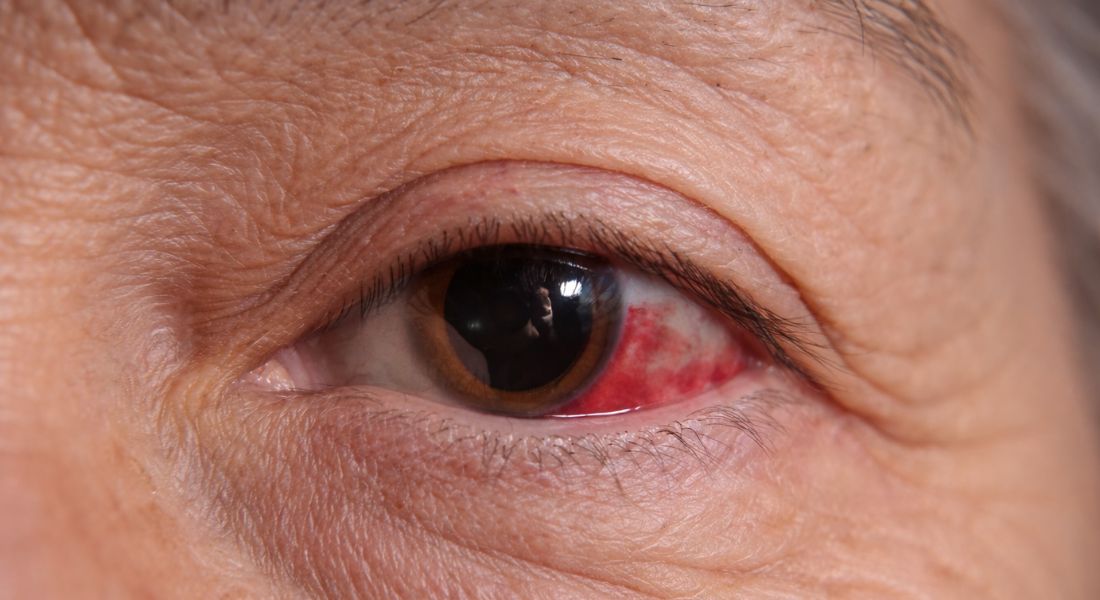
Glaucoma is a condition that often raises concern at the time of diagnosis, especially when patients learn that it may affect vision in the long term. It is completely natural to wonder whether it can be cured, as any threat to sight can feel worrying. Understanding how the condition works helps you approach it with more clarity and confidence.
Glaucoma is a chronic eye disease that affects the optic nerve, which is responsible for transmitting visual information from the eye to the brain. Once damage occurs to this nerve, it is irreversible and cannot be repaired. However, this does not mean that vision cannot be protected or that nothing can be done after diagnosis.
In this article, the focus is on clarifying whether glaucoma can be cured, why it is considered a lifelong condition, and how modern treatments are designed to control its progression. With the right management, many people are able to maintain stable and useful vision for many years.
What Glaucoma Actually Does to Your Eyes
Glaucoma affects the optic nerve, which is responsible for carrying visual information from the eye to the brain. This nerve plays a crucial role in how you see the world, and any damage to it can have a lasting impact on vision. The damage usually occurs due to increased intraocular pressure or, in some cases, reduced blood flow to the optic nerve.
As the condition progresses, the optic nerve fibres gradually become damaged and are lost over time. Because these nerve fibres do not regenerate, any vision that has already been affected cannot be restored. This makes the condition progressive in nature if it is not treated or properly managed.
One of the biggest challenges with glaucoma is that early stages often have no noticeable symptoms. Many people only become aware of the condition once some vision loss has already occurred. This is why regular eye examinations are essential, as they allow early detection and help prevent further damage through timely treatment.
Can Glaucoma Be Fully Cured?
Glaucoma currently has no known cure. Once damage to the optic nerve has occurred, it cannot be reversed with existing medical treatments. This applies to all major types of glaucoma, regardless of how they develop or progress.
Although it cannot be cured, glaucoma can still be managed very effectively. The main goal of treatment is to slow or stop further damage to the optic nerve by controlling eye pressure. By doing this, doctors aim to preserve the remaining vision for as long as possible.
With early diagnosis and consistent long-term treatment, many patients are able to maintain stable vision and continue living full, independent lives. Ongoing monitoring and adherence to treatment play a crucial role in keeping the condition under control and preventing significant vision loss.
Why Glaucoma Cannot Be Reversed
The reason glaucoma cannot be reversed is related to how the optic nerve functions and heals. Unlike some other tissues in the body, the nerve fibres in the eye do not regenerate once they are damaged. This means that any loss of nerve function is permanent. Because of this, glaucoma is considered a condition that can be controlled but not cured.
- Irreversible optic nerve damage: When glaucoma damages the optic nerve, those nerve fibres cannot grow back. As a result, any vision loss in that area is permanent.
- Permanent blind spots: Any blind spots that develop due to glaucoma cannot be restored. This is why early detection is so important in preserving vision.
- Focus of treatment is prevention: Since existing damage cannot be repaired, treatment is aimed at preventing further loss by lowering eye pressure and protecting the remaining optic nerve function.
- Biological limitations remain unchanged: Despite advances in eye care and treatment methods, the fundamental inability of optic nerve fibres to regenerate remains a key limitation.
Overall, glaucoma cannot be reversed because the damage it causes is permanent. This is why early diagnosis and ongoing management are essential to protect vision and prevent further deterioration.
The Goal of Glaucoma Treatment
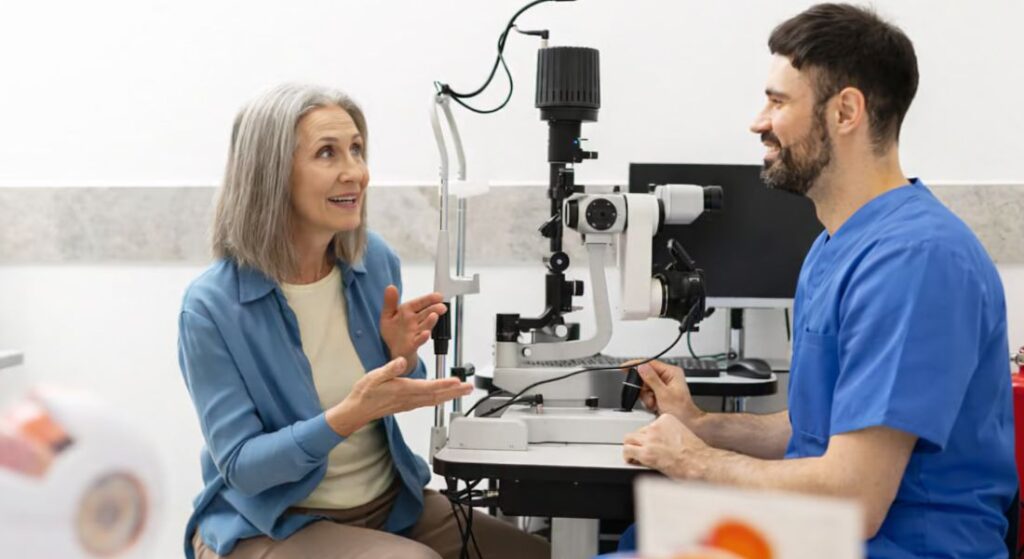
Glaucoma treatment is primarily focused on lowering intraocular pressure in order to protect the optic nerve from further damage. By reducing this pressure, stress on the delicate nerve fibres is decreased, which helps slow the progression of vision loss. The overall aim is to preserve as much existing vision as possible for as long as possible.
Treatment is not designed to restore vision that has already been lost, as damage to the optic nerve is irreversible. Instead, it focuses on maintaining stability and preventing further deterioration. Understanding this helps patients develop realistic expectations and better appreciate the importance of ongoing care.
With consistent and appropriate management, progression can often be significantly slowed, and in some cases, effectively stabilised for long periods. This makes long-term treatment and regular monitoring essential components of successful glaucoma care.
Common Treatment Options
Glaucoma is usually managed using a stepwise approach, starting with the least invasive treatments first. In most cases, treatment begins with medicated eye drops. These drops work either by reducing the amount of fluid produced inside the eye or by helping fluid drain more effectively. They are typically used on a daily basis to maintain stable eye pressure and protect the optic nerve over time.
If eye drops alone are not sufficient to control the condition, laser treatment may be recommended. Laser procedures help improve the eye’s natural fluid drainage system, allowing pressure to be reduced more effectively. In some cases, this can also reduce or delay the need for long-term medication, depending on how the patient responds.
In more advanced or resistant cases, surgical treatment may be necessary. Surgery aims to create new drainage pathways to help control eye pressure more reliably. These procedures are generally considered when other treatments are not enough to prevent progression and are an important option for preserving vision in more severe cases.
Why Long-Term Management Is Necessary
Glaucoma requires long-term management because it is a chronic condition that can change slowly over time. Even when treatment is working well, regular monitoring is essential to ensure that eye pressure remains controlled and the optic nerve is protected. This ongoing assessment helps confirm that the current treatment plan is still effective.
In many cases, the condition may remain stable for years without noticeable changes. However, despite this stability, continued follow-up is still necessary because eye pressure and nerve health can gradually shift. These changes are often subtle and cannot be detected without professional testing.
Long-term care is important because it helps prevent silent progression of the disease. Without regular monitoring, damage to the optic nerve could occur without obvious symptoms or warning signs. Consistent follow-up appointments ensure that any changes are identified early and managed promptly to protect long-term vision.
How Effective Is Treatment in Preventing Vision Loss?
Glaucoma treatment is highly effective at preventing severe vision loss when the condition is detected early. In many cases, early diagnosis combined with appropriate therapy allows people to maintain good functional vision for most of their lives. The key factor is consistent use of treatment and regular monitoring to ensure eye pressure remains controlled.
The effectiveness of treatment is strongly influenced by how early the condition is identified. When glaucoma is caught in its early stages, there is less optic nerve damage, making it easier to slow or stabilise progression. In contrast, advanced glaucoma is more challenging to manage because a portion of vision has already been permanently lost.
This is why routine eye examinations are so important for long-term eye health. Regular screening enables early detection before significant damage occurs, allowing treatment to begin at the most effective stage. Early intervention consistently provides the best outcomes for preserving vision and reducing the risk of long-term impairment.
Can Lifestyle Changes Cure Glaucoma?
Lifestyle changes alone cannot cure glaucoma. The condition is caused by damage to the optic nerve, and this damage cannot be reversed through diet, exercise, or other lifestyle adjustments. However, healthy habits can still play a supportive role in overall eye health and general well-being. While they are not a substitute for medical treatment, they may help support long-term stability when used alongside prescribed therapy.
- Support for overall eye and body health: Maintaining good cardiovascular health, eating a balanced diet, and avoiding smoking can contribute to better overall circulation and general health, which may indirectly support eye health.
- Role of regular exercise: In some cases, regular moderate exercise may help slightly reduce eye pressure. However, the effect is usually mild and not strong enough to act as a treatment on its own.
- Not a replacement for medical treatment: Lifestyle changes cannot control glaucoma progression on their own. Prescribed treatments such as eye drops, laser therapy, or surgery remain essential for managing eye pressure.
- Supportive, not curative role: Healthy habits are best seen as complementary measures that work alongside medical care rather than replacing it.
Overall, while lifestyle changes cannot cure glaucoma, they can support overall health and complement medical treatment, helping to maintain long-term stability when combined with proper clinical care.
What Happens If Treatment Is Stopped?
Glaucoma can worsen if treatment is stopped, as eye pressure may gradually rise again. This increase in pressure places renewed stress on the optic nerve, which can accelerate damage over time. Even small but sustained increases in pressure can become harmful if left unmanaged.
Because glaucoma is a progressive condition, stopping treatment can lead to further and irreversible vision loss. This deterioration may not be immediately noticeable, as it often occurs slowly and without obvious symptoms in the early stages. As a result, damage can continue silently until significant vision has already been affected.
This is why adherence to treatment is extremely important in long-term care. Consistently using prescribed medication and attending regular follow-up appointments helps keep eye pressure under control. Maintaining this routine is key to protecting remaining vision and preventing avoidable progression.
Living With a Chronic Eye Condition
Glaucoma can feel overwhelming at the time of diagnosis, but most people gradually adjust and adapt to managing it as part of their daily routine. Over time, treatments such as eye drops and regular check-ups become familiar habits rather than a constant source of stress. This routine helps bring structure and stability to long-term care.
Once treatment becomes part of everyday life, many patients find that it becomes easier to manage without significantly disrupting daily activities. Regular medication use and scheduled monitoring appointments help keep the condition under control. These consistent steps play a key role in reducing uncertainty about disease progression and supporting long-term eye health.
Understanding the condition also helps patients feel more confident and in control of their care. When people are informed about how glaucoma behaves and why treatment is necessary, it often reduces anxiety and improves cooperation with treatment plans. Education and awareness therefore play an important role in helping individuals live well with a chronic eye condition.
Emotional Impact of a Lifelong Diagnosis
Glaucoma is a lifelong condition, and it is completely normal to feel concerned or overwhelmed when first told that it cannot be cured. Many people naturally worry about the possibility of future vision loss and how it may affect their independence, daily activities, and quality of life. These emotional reactions are valid and commonly experienced by patients at the time of diagnosis.
However, it is important to recognise that although glaucoma cannot be cured, it can often be managed very effectively with modern treatment. With regular monitoring and consistent use of prescribed therapy, many patients are able to maintain stable and useful vision for decades. This long-term control helps reduce the risk of severe vision impairment in most cases.
Support from an eye specialist plays a key role in helping patients adjust to the diagnosis. Clear explanations about the condition, treatment plan, and expected outcomes help reduce uncertainty and build confidence. Ongoing communication and reassurance from healthcare professionals can significantly ease anxiety and help patients feel more in control of their long-term eye health.
Importance of Early Detection
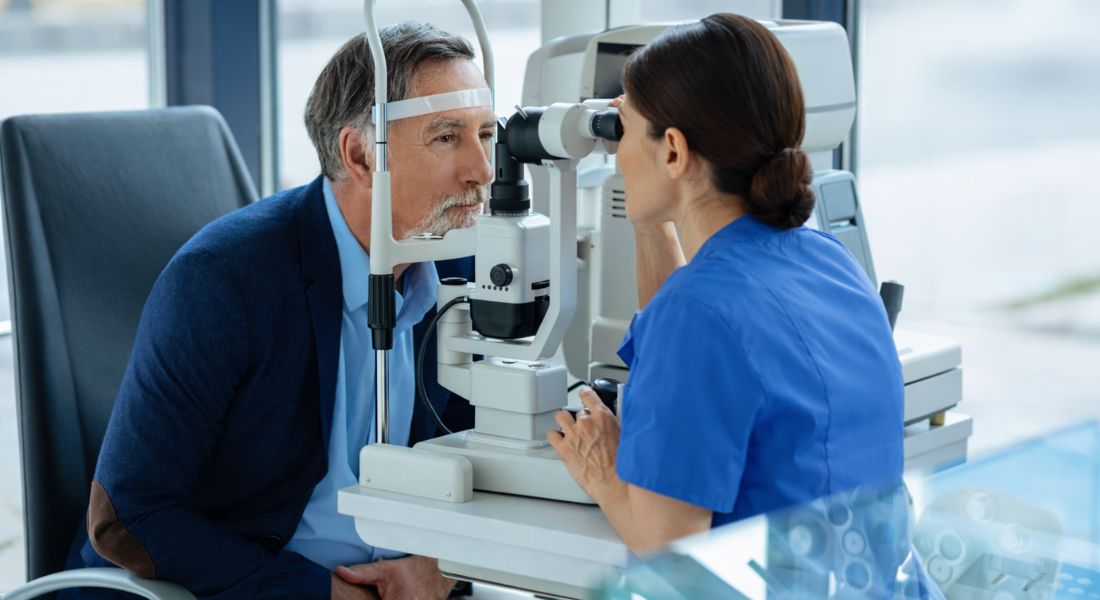
Glaucoma is best managed when it is detected early, as early identification allows treatment to begin before significant optic nerve damage occurs. At this stage, treatment can often slow or greatly reduce the rate of progression, which helps preserve vision for much longer. This makes early detection one of the most important factors in protecting long-term sight.
Routine eye examinations play a key role in identifying glaucoma before symptoms develop. This is especially important for individuals with risk factors such as older age, a family history of glaucoma, or certain underlying medical conditions. These regular checks allow eye specialists to detect subtle changes in eye pressure, optic nerve health, or visual fields at an early stage.
The earlier treatment begins, the better the long-term outcome is likely to be. Starting management before significant damage has occurred provides the best chance of maintaining stable vision. In glaucoma care, prevention and early intervention are always more effective than treating the condition at an advanced stage.
Monitoring Progress Over Time
Glaucoma requires ongoing monitoring because it is a long-term condition that can change gradually, even when there are no obvious symptoms. Regular follow-up appointments allow eye specialists to track how well treatment is working and whether the condition remains stable. This continuous assessment is essential for preventing unnoticed progression.
A range of tests is used during monitoring, including eye pressure measurements, optic nerve scans, and visual field testing. Together, these provide a detailed picture of eye health and help determine whether any changes are occurring over time. These results are compared across visits to identify even subtle signs of progression.
Even when everything appears stable, regular monitoring is still necessary because glaucoma can progress slowly without noticeable symptoms. Routine follow-ups ensure that any changes are detected early, allowing treatment to be adjusted if needed. This proactive approach helps protect long-term vision and maintain disease control.
Can Vision Be Protected Long-Term?
Glaucoma can often be managed in a way that preserves vision for many years, and in many cases for life. This largely depends on how early the condition is diagnosed and how consistently treatment is followed. When detected early and properly controlled, most patients do not go on to experience severe vision loss.
Long-term protection of vision relies heavily on ongoing commitment to treatment and regular monitoring. Taking prescribed medication as directed and attending follow-up appointments are essential, because missing doses or delaying reviews can allow eye pressure to rise and increase the risk of progression. Even small interruptions in care can affect long-term outcomes.
With modern diagnostic tools and effective treatments, long-term outcomes for glaucoma are significantly better than in the past. Many patients are able to maintain stable vision for decades when their condition is well managed. For a large number of people, stability is a realistic and achievable goal with consistent care and follow-up.
Advances in Glaucoma Treatment
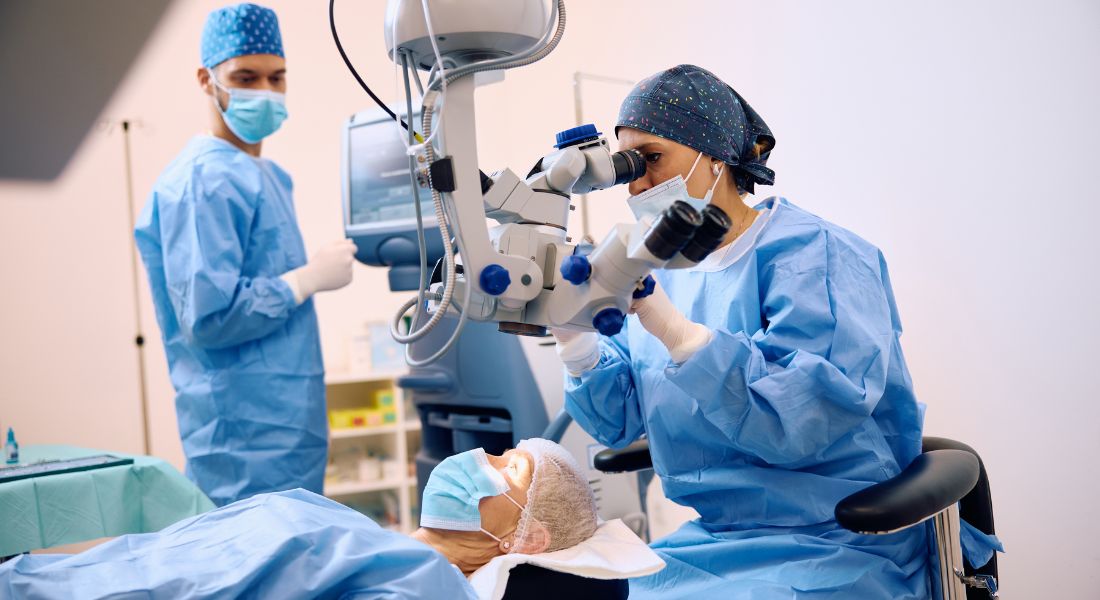
Although there is still no cure for glaucoma, treatment options have improved significantly in recent years. Advances in both medication and surgical techniques have made it easier to control eye pressure more effectively and with fewer side effects than in the past. These developments have helped improve long-term disease management and patient experience.
- Improved eye drops: Modern glaucoma eye drops are generally more effective and better tolerated compared to older medications. Many are designed to provide stronger pressure control with fewer side effects.
- Advances in laser treatment: Laser procedures have become more precise and widely used. They can help improve fluid drainage and, in some cases, reduce the need for long-term medication.
- Safer and more effective surgical options: Surgical techniques have also evolved, offering better safety profiles and improved outcomes for patients with more advanced or difficult-to-control glaucoma.
- Better long-term pressure control: These advancements allow for more consistent and reliable control of eye pressure, which is key to slowing disease progression and protecting vision.
- Ongoing research and future treatments: Research continues into new therapies and technologies that may further improve outcomes in the future, including novel drug delivery systems and neuroprotective approaches.
Overall, while glaucoma still cannot be cured, modern treatments are highly effective at controlling the condition and preserving vision when managed properly.
Difference Between Cure and Control
Glaucoma is not a condition that can currently be cured, which means there is no treatment available that can fully reverse optic nerve damage or restore vision that has already been lost. A true cure would involve completely eliminating the disease and repairing any existing damage, which is not possible with current medical knowledge.
Control, on the other hand, refers to managing the condition in order to prevent it from worsening. In glaucoma, this is achieved mainly by lowering eye pressure and protecting the optic nerve from further damage. The goal is to preserve the vision that remains rather than restore what has already been lost.
Understanding this difference is important because it helps set realistic expectations for treatment. It also reinforces why long-term monitoring and consistent care are essential. With proper management, many people are able to keep their vision stable and maintain a good quality of life despite having a lifelong condition.
FAQs:
- Can glaucoma be completely cured?
No, glaucoma cannot be completely cured because the optic nerve damage it causes is permanent. Once nerve fibres are lost, they cannot regenerate. However, the condition can be effectively managed with treatment. The main goal is to prevent further vision loss rather than restore damaged vision. - Why is there no cure for glaucoma?
There is currently no cure because the optic nerve does not have the ability to repair itself. Any damage caused by increased eye pressure or reduced blood flow is irreversible. Medical treatment focuses on slowing or stopping further progression. Research is ongoing, but no cure exists yet. - Can glaucoma vision loss be reversed?
No, vision loss from glaucoma cannot be reversed once it has occurred. This is because the affected nerve fibres do not regrow. Treatment can only preserve the remaining vision. Early detection is key to avoiding irreversible damage. - How is glaucoma treated if it cannot be cured?
Glaucoma is treated by lowering eye pressure to reduce stress on the optic nerve. This is usually done using eye drops, laser therapy, or surgery. These treatments help slow or stop progression. Regular monitoring ensures treatment remains effective over time. - Can glaucoma be controlled long-term?
Yes, glaucoma can often be controlled very effectively with consistent treatment. Many people maintain stable vision for life when they follow their treatment plan. Regular eye checks are essential to ensure eye pressure stays under control. Long-term management is the standard approach. - What happens if glaucoma is not treated?
If left untreated, glaucoma will continue to damage the optic nerve over time. This leads to gradual and irreversible vision loss, often starting with peripheral vision. Eventually, it can progress to severe visual impairment or blindness. Early treatment is essential to prevent this outcome. - Can lifestyle changes cure glaucoma?
No, lifestyle changes cannot cure glaucoma or stop it completely. However, healthy habits like exercise and avoiding smoking can support overall eye health. They may help slightly with eye pressure control in some cases. Medical treatment is still required. - Is surgery a cure for glaucoma?
No, surgery is not a cure for glaucoma. It helps improve fluid drainage from the eye and lowers eye pressure. This reduces the risk of further damage but does not reverse existing vision loss. Patients still need long-term monitoring after surgery. - Can you live a normal life with glaucoma?
Yes, many people live completely normal lives with glaucoma when it is well managed. Treatment helps maintain stable vision for many years. Regular follow-ups and adherence to medication are important. Early diagnosis greatly improves long-term quality of life. - Will glaucoma ever have a cure in the future?
Research is ongoing into nerve regeneration and new treatment approaches. While promising developments exist, no definitive cure is available yet. Current therapies focus on controlling progression rather than reversing damage. Future advancements may improve treatment outcomes further.
Final Thoughts: Glaucoma Is Not Curable, But It Is Highly Manageable
Glaucoma cannot be cured with current medical treatment because damage to the optic nerve is permanent. Once nerve fibres are lost, they do not regenerate, which is why early detection and ongoing care are so important. However, this does not mean vision loss is inevitable. With timely diagnosis and consistent treatment, the condition can often be slowed or stabilised significantly, helping many people retain useful vision throughout their lives.
The key to long-term success lies in control rather than cure. Treatments such as eye drops, laser procedures, and surgery are designed to lower eye pressure and protect the remaining optic nerve function. When combined with regular monitoring, these approaches help prevent further damage and reduce the risk of progression. In many cases, patients maintain stable vision for decades when they follow their treatment plan properly. If you’d like to find out whether glaucoma treatment in London is suitable for you, feel free to contact us at Eye Clinic London to arrange a consultation.
References:
- Moshirfar, M., Mifflin, M.D., Chang, D.T., Stagg, B.C. & McCaughey, M.V. (2012) ‘Refractive lens exchange: a review of patient selection, outcomes, and complications’, Survey of Ophthalmology, 57(5), pp. 386-399. https://pubmed.ncbi.nlm.nih.gov/22562849/
- Lee, J.S. & Oshima, Y. (2005) ‘Refractive lens exchange in high myopia’, Journal of Cataract & Refractive Surgery, 31(12), pp. 2195-2203. https://pubmed.ncbi.nlm.nih.gov/15790795/
- StatPearls Publishing (2024) Refractive lens exchange. In: StatPearls [Internet]. Treasure Island (FL): StatPearls Publishing. https://pmc.ncbi.nlm.nih.gov/articles/PMC11409099/
- Baur, I.D., Mueller, A., Labuz, G., Naujokaitis, T., Auffarth, G.U. & Khoramnia, R. (2024) ‘Refractive lens exchange: indications, techniques and outcomes’, Klinische Monatsblätter für Augenheilkunde, 241(8), pp. 893-904. https://pmc.ncbi.nlm.nih.gov/articles/PMC10810888/
- Ang, M., Mehta, J.S., Schallhorn, J.M. & Trattler, W.B. (2024) ‘Refractive lens exchange in modern practice: indications, outcomes and patient selection’, Journal of Cataract & Refractive Surgery, 50(1), pp. 1-10. https://www.sciencedirect.com/science/article/pii/S2162098924000033