


What Happens If Glaucoma Is Left Untreated?
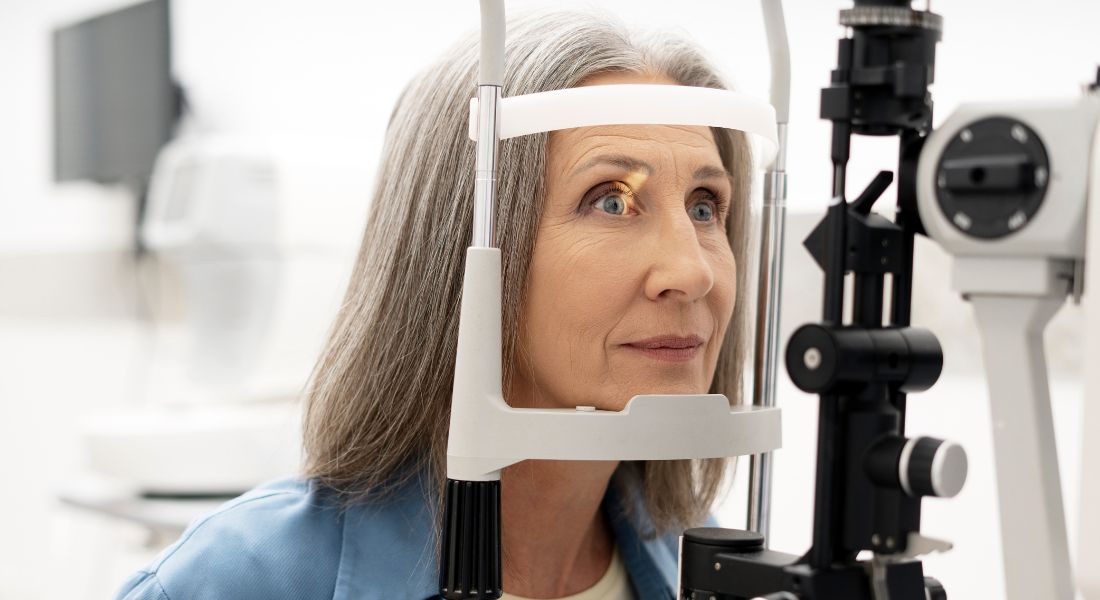
Glaucoma is often a silent condition in its early stages, which means many people do not notice symptoms until damage has already begun. If left untreated, it can gradually and permanently affect vision over time. This makes early detection and consistent treatment extremely important for preserving sight.
The condition primarily damages the optic nerve, which is responsible for transmitting visual information from the eye to the brain. As pressure inside the eye remains uncontrolled, the optic nerve becomes progressively damaged. This leads to gradual vision loss that typically starts in the peripheral vision and slowly worsens if no treatment is given.
Without proper management, this damage continues to accumulate and cannot be reversed. Over time, the field of vision becomes increasingly restricted, and in advanced cases, significant or complete vision loss may occur. This is why timely diagnosis, regular monitoring, and ongoing treatment are essential to protect long-term visual function.
How Glaucoma Progresses Without Treatment
Glaucoma progresses gradually when it is left untreated, mainly due to ongoing exposure of the optic nerve to elevated eye pressure or reduced blood flow. Over time, this leads to the slow loss of nerve fibres, which are essential for transmitting visual signals to the brain. Because this damage is usually painless, it often develops unnoticed in the early stages.
The first signs of progression typically involve small areas of peripheral (side) vision loss. These changes are often subtle and may not interfere noticeably with daily activities, making them easy to overlook. However, any vision that is lost at this stage is permanent and cannot be recovered.
As the condition continues without treatment, the visual field gradually narrows further. This can eventually lead to tunnel vision, where only central vision remains. In advanced stages, significant sight impairment or severe vision loss can occur, highlighting the importance of early diagnosis and consistent management.
Early Stages of Untreated Glaucoma
In the early stages of glaucoma, most people do not notice any obvious symptoms. Vision often feels completely normal, even though subtle damage to the optic nerve may already be occurring. This silent progression is one of the key challenges of the condition. Because changes are so gradual, they can be difficult to detect without regular eye examinations.
- No noticeable symptoms at first: In the early phase, vision usually remains clear. Many people are unaware that any changes are happening inside the eye.
- Early peripheral vision changes: Small blind spots may begin to develop in the side (peripheral) vision. These changes are often very subtle and may go unnoticed in daily life.
- Brain compensation for missing vision: The brain can adapt to gradual vision loss by “filling in” missing areas. This compensation makes it even harder for individuals to recognise early changes.
- Importance of regular eye tests: Because symptoms are not obvious, routine eye examinations are essential for detecting glaucoma early, before significant vision loss occurs.
- Gradual progression without treatment: If left untreated, these early changes slowly expand over time. Eventually, they may begin to affect everyday activities such as driving, reading, or moving safely through unfamiliar spaces.
Overall, early-stage glaucoma is often symptom-free, which is why regular monitoring is critical for early detection and long-term protection of vision.
Importance of Early Diagnosis
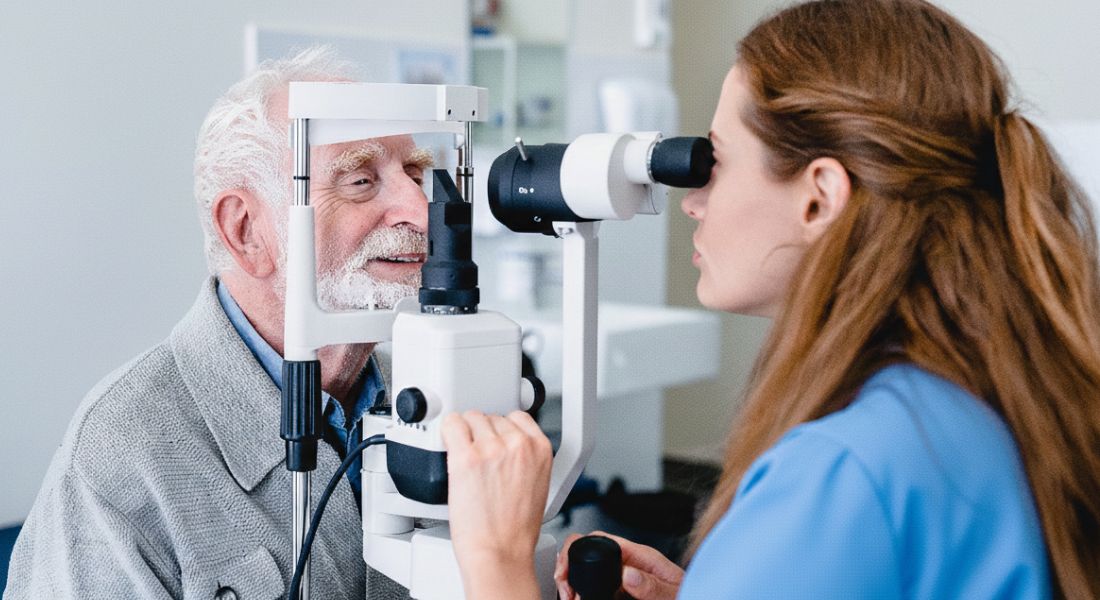
Glaucoma is most effectively managed when it is diagnosed early, as timely detection allows treatment to begin before significant optic nerve damage occurs. When identified at an early stage, progression can often be slowed or stabilised, which helps preserve vision for a much longer period. This makes early diagnosis one of the most important factors in long-term eye health outcomes.
Routine eye examinations are essential, particularly for individuals who are at higher risk due to age, family history, or other medical conditions. These check-ups can detect subtle changes in eye pressure, optic nerve structure, or visual fields even before any noticeable symptoms develop. This allows for early intervention, which is critical in preventing avoidable vision loss.
Delaying diagnosis increases the likelihood of irreversible damage, as any vision lost due to glaucoma cannot be restored. Once optic nerve fibres are damaged, they do not regenerate, making prevention far more effective than treatment at later stages. This is why regular screening and prompt assessment of any concerns are strongly recommended.
Why Vision Loss Is Gradual and Silent
Glaucoma is often described as a “silent thief of sight” because it usually progresses without clear warning signs in its early and chronic stages. Unlike many other eye conditions, it typically does not cause pain or sudden changes in vision, which makes it difficult to detect without regular eye examinations.
The condition damages the optic nerve slowly, affecting individual nerve fibres over time. Central vision is often preserved until the later stages of the disease, which can create a false sense of security. As a result, a person may still feel that their vision is normal even though peripheral vision is gradually being lost.
In addition, the brain is able to adapt to slow changes in vision by compensating for missing areas, which further delays awareness of the problem. Because of this adaptation, many people only notice significant visual impairment when the disease is already advanced. By that point, a considerable amount of irreversible damage may have already occurred, highlighting the importance of regular eye checks.
Mid-Stage Glaucoma Without Treatment
Glaucoma becomes more noticeable in its mid stages, as peripheral vision loss starts to affect daily life more clearly. At this point, people may begin to bump into objects, misjudge distances, or miss movement occurring at the edges of their visual field. These changes can gradually impact independence and confidence in routine activities.
Tasks such as reading, driving, and navigating crowded or unfamiliar environments may become increasingly difficult. As the visual field continues to narrow, awareness of the disease often increases because the changes begin to interfere with normal functioning. This stage is often when many people first recognise that something is seriously affecting their vision.
Although treatment is still effective at this stage in slowing further progression, any vision that has already been lost cannot be restored. This highlights the importance of early diagnosis and intervention, as managing the condition earlier can significantly reduce the risk of reaching more advanced and disabling stages.
Advanced Glaucoma and Severe Vision Loss
Glaucoma in its advanced stages can lead to a significant reduction in the overall visual field when left untreated. At this point, many individuals are left with only central vision, often referred to as “tunnel vision.” This severely limits what can be seen in the surrounding environment and makes everyday activities much more difficult.
As the condition progresses further, mobility and spatial awareness become increasingly affected. Walking in unfamiliar places, navigating stairs, or recognising obstacles such as steps, curbs, or objects at the edges of vision can become challenging. This reduction in functional vision can have a major impact on independence and quality of life.
If untreated progression continues, even central vision may eventually be affected. At this stage, severe visual impairment can occur, and in the most advanced cases, it may lead to blindness. This highlights the critical importance of early detection, consistent treatment, and ongoing monitoring to prevent long-term vision loss.
The Role of Eye Pressure in Progression
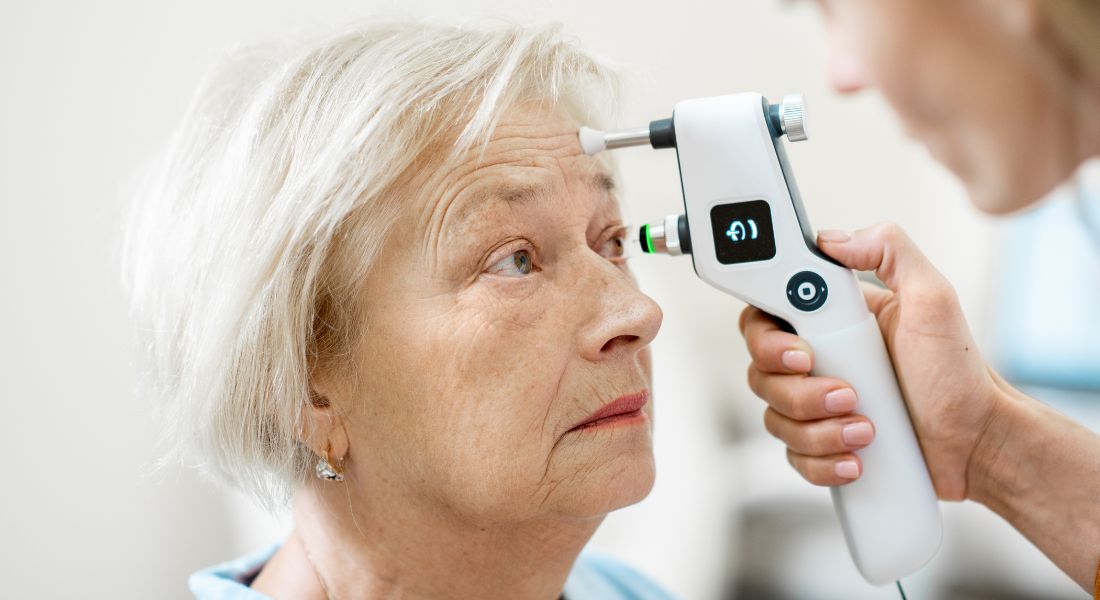
Glaucoma is most commonly associated with increased intraocular pressure, which plays a key role in damaging the optic nerve over time. When eye pressure remains elevated for long periods, it can gradually compress and weaken the optic nerve fibres, leading to progressive and irreversible vision loss if left untreated.
However, glaucoma is not always caused solely by high eye pressure. In some cases, known as normal-tension glaucoma, optic nerve damage can still occur even when pressure levels are within the normal range. This highlights the complexity of the condition and explains why a single measurement is not enough for diagnosis.
Because of this variation, comprehensive eye assessments are essential for accurate diagnosis and monitoring. Despite these differences, lowering eye pressure remains the primary goal of treatment in all types of glaucoma, as effective pressure control significantly reduces the risk of further progression and helps protect long-term vision.
Can Blindness Happen From Untreated Glaucoma?
Yes, untreated glaucoma can eventually lead to permanent vision loss and, in severe cases, blindness. However, this typically develops slowly over many years rather than occurring suddenly. The main concern is ongoing, untreated damage to the optic nerve over time. Understanding how this happens highlights why early detection and treatment are so important.
- Gradual optic nerve damage: Glaucoma causes continuous, progressive damage to the optic nerve when it is not treated. Over time, this leads to increasing loss of vision.
- Permanent nature of vision loss: Vision lost due to glaucoma cannot be restored because the optic nerve fibres do not regenerate. Once they are damaged, that portion of vision is permanently affected.
- Slow progression over time: In most cases, blindness does not occur quickly. It is the result of long-term, untreated disease rather than sudden change.
- Prevention through early treatment: With early diagnosis and appropriate treatment, progression can usually be slowed significantly. This makes blindness largely preventable in many cases.
- Importance of regular monitoring: Routine eye examinations are essential for detecting glaucoma early and ensuring that treatment is started before significant damage occurs.
Overall, while untreated glaucoma can lead to blindness, timely diagnosis and consistent treatment make this outcome much less likely.
Why the Optic Nerve Cannot Heal Itself
Glaucoma causes damage to the optic nerve, which is made up of delicate nerve fibres responsible for carrying visual signals from the eye to the brain. Unlike many other tissues in the body, these nerve fibres have very limited ability to repair or regenerate once they are damaged.
When optic nerve fibres are lost, the corresponding visual information is also permanently lost. This means that any vision that has already been affected cannot be restored. For this reason, treatment for glaucoma is focused on preventing further damage rather than reversing existing vision loss.
The primary goal of management is therefore preservation of remaining vision. By lowering eye pressure and monitoring disease progression, treatment aims to protect the healthy nerve fibres that are still functioning. This is why early detection and timely intervention are so important in reducing long-term vision impairment.
How Quickly Does Glaucoma Worsen?
Glaucoma progresses at different rates depending on the individual, meaning there is no single fixed timeline for how quickly vision loss occurs. In many people, changes develop slowly over several years, while in others the condition may advance more rapidly depending on risk factors such as eye pressure levels, age, and genetic predisposition.
When left untreated, the damage to the optic nerve is continuous and accumulative. Even if the progression feels slow or unnoticeable on a day-to-day basis, small amounts of damage build up over time. This gradual nature is one of the main reasons glaucoma is often diagnosed at a later stage, when some vision loss has already occurred.
Regular monitoring is essential to track these subtle changes. Through routine eye pressure checks, visual field testing, and optic nerve assessments, progression can be detected early. This allows timely adjustments in treatment, which can significantly slow the disease and help preserve vision for longer.
Risk Factors That Make Untreated Glaucoma Worse
Glaucoma progression can become faster or more severe when certain risk factors are present. One of the most important is consistently high eye pressure, as prolonged elevation places ongoing stress on the optic nerve and increases the likelihood of progressive damage. The longer this pressure remains uncontrolled, the greater the risk of significant vision loss over time.
Family history is another key risk factor. Individuals with close relatives who have glaucoma are more likely to develop the condition themselves, and in some cases, it may also influence how quickly it progresses. Age is also significant, with risk increasing particularly after the age of 60, as the eye becomes more vulnerable to pressure-related damage.
Other health conditions, such as diabetes and disorders affecting blood circulation, may further contribute to optic nerve vulnerability. These factors can reduce the eye’s ability to tolerate stress and may accelerate progression in some individuals. Because of these combined risks, early detection and regular monitoring are especially important for protecting long-term vision.
Daily Life Impact of Untreated Glaucoma
As glaucoma progresses without treatment, its impact on daily life gradually becomes more noticeable. Because the condition often affects peripheral vision first, everyday tasks that rely on full visual awareness can become increasingly difficult over time. These changes usually develop slowly, which can make them harder to recognise at first.
- Difficulty with spatial awareness: As peripheral vision reduces, activities such as walking through crowded places or navigating unfamiliar environments may feel more challenging and less safe.
- Impact on driving ability: Reduced visual fields can make driving unsafe, particularly when it becomes harder to notice vehicles, pedestrians, or hazards from the side.
- Changes in reading and object recognition: In more advanced stages, central vision may also become affected, making reading, recognising faces, or identifying objects more difficult.
- Reduced independence: As vision declines, some people may begin to rely more on others for support with daily tasks, which can affect confidence and independence.
- Gradual adaptation to vision loss: Because the progression is often slow, people may unconsciously adapt to changes without realising how much vision has been lost. This is why routine eye checks are so important.
Overall, untreated glaucoma can have a significant impact on quality of life over time, but early detection and treatment can help preserve vision and maintain independence for much longer.
Emotional and Psychological Effects
Glaucoma can have a significant emotional and psychological impact, particularly as it is a long-term condition that may involve gradual vision changes. Many people experience anxiety or worry about the possibility of vision loss and how it might affect their independence. This can influence confidence, daily functioning, and overall quality of life.
Because the condition often progresses slowly, it may initially be difficult to fully recognise or accept what is happening. Over time, as vision becomes more limited, awareness of these changes can increase, which may feel overwhelming without appropriate support. Emotional responses such as stress or uncertainty are common in people adjusting to a chronic eye condition.
Early diagnosis and effective treatment can help reduce these psychological effects. When patients understand that the condition is being monitored and controlled, it often provides reassurance and a sense of stability. Regular follow-up and clear communication with eye care professionals play an important role in improving both emotional wellbeing and long-term coping.
How Treatment Prevents Progression
Glaucoma treatment is mainly focused on lowering eye pressure to protect the optic nerve from further damage. This helps slow down or, in many cases, stabilise the progression of the condition. Treatment options may include eye drops, laser procedures, or surgery, depending on the severity and type of glaucoma. While treatment cannot reverse any vision that has already been lost, it plays a key role in preserving the vision that remains.
- Lowering eye pressure to protect the optic nerve: Most treatments work by reducing intraocular pressure, which helps reduce stress on the optic nerve and limits further damage.
- Multiple treatment options available: Eye drops are often used as the first line of treatment, while laser therapy or surgery may be recommended if additional pressure control is needed.
- Preserving existing vision: Although lost vision cannot be restored, treatment is highly effective at protecting remaining sight and slowing further deterioration.
- Importance of early intervention: Starting treatment early significantly improves long-term outcomes and helps maintain vision for a longer period.
- Ongoing monitoring and follow-up: Regular check-ups are essential to ensure that eye pressure remains controlled and that treatment continues to be effective over time.
Overall, glaucoma treatment is highly effective in preventing progression when managed properly, helping many people maintain useful vision throughout their lives.
Monitoring and Long-Term Care
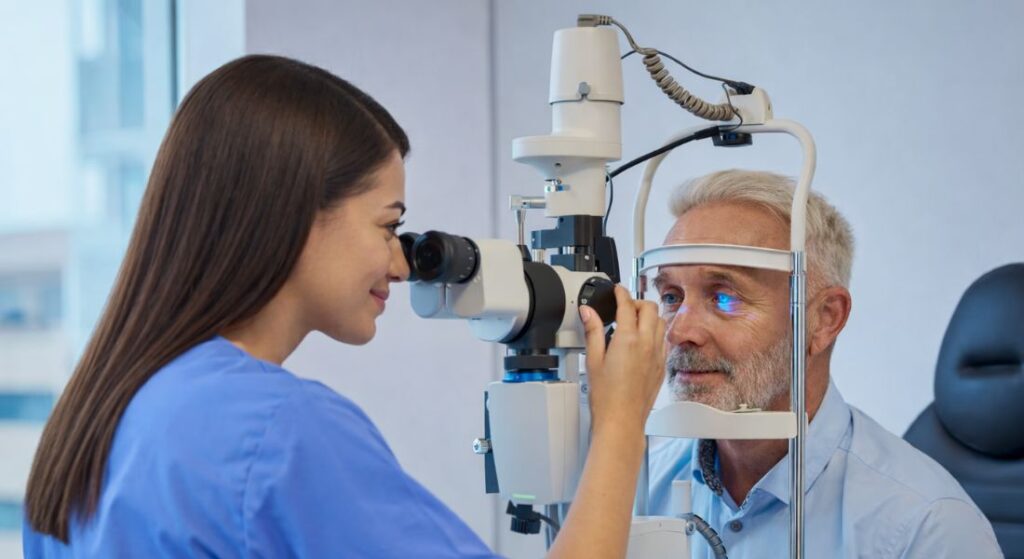
Glaucoma requires continuous monitoring even after diagnosis because it is a long-term condition that can change gradually over time. Regular eye pressure measurements, optic nerve imaging, and visual field tests are used together to track any subtle progression. These assessments help specialists understand how the condition is developing and whether treatment needs to be adjusted.
In most cases, glaucoma management is lifelong. Consistency with both follow-up appointments and prescribed treatment, such as eye drops or other therapies, is essential for maintaining stable eye pressure and protecting the optic nerve. Missing medication or skipping check-ups can increase the risk of unnoticed progression and further vision loss.
With proper and ongoing care, most patients are able to significantly reduce the risk of severe vision impairment. Early diagnosis combined with regular monitoring plays a crucial role in maintaining long-term vision stability and preventing avoidable deterioration.
Can Damage Be Reversed?
Glaucoma causes damage to the optic nerve that cannot currently be reversed. Once the delicate nerve fibres are lost, they do not regenerate or heal, which means any vision that has already been affected is permanent. This is why glaucoma management focuses on prevention rather than reversal.
Although research is ongoing into nerve protection and regeneration therapies, there is currently no treatment available that can restore vision already lost due to glaucoma. Advances in science may improve future options, but at present the primary approach remains controlling the disease and preventing further damage.
The main goal of treatment is therefore to preserve existing vision for as long as possible. By lowering eye pressure and monitoring progression closely, specialists aim to protect the remaining healthy optic nerve fibres. This makes early detection and consistent management essential for long-term visual outcomes.
FAQs:
- What happens if glaucoma is left untreated?
If glaucoma is left untreated, the optic nerve continues to be damaged over time, leading to gradual and irreversible vision loss. It usually starts with peripheral vision loss and slowly progresses toward central vision. Most people do not notice changes in the early stages because the condition is painless. Eventually, it can lead to severe visual impairment or blindness. - How fast does untreated glaucoma progress?
The progression of untreated glaucoma varies from person to person. In some cases, it develops slowly over many years, while in others it may progress more quickly depending on eye pressure and risk factors. Even slow progression is dangerous because damage accumulates over time. Without treatment, vision loss is continuous and irreversible. - Can untreated glaucoma make you blind?
Yes, untreated glaucoma can lead to permanent blindness if optic nerve damage becomes severe. This usually happens gradually rather than suddenly. Once nerve fibres are lost, they cannot be restored. Early detection and treatment are essential to prevent this outcome. - What is the first sign of untreated glaucoma?
The first sign is often subtle loss of peripheral vision. Many people do not notice it because central vision remains clear in the early stages. The brain can also compensate for missing areas of vision. This makes regular eye checks very important for early detection. - Why is glaucoma called the “silent thief of sight”?
Glaucoma is called the “silent thief of sight” because it develops slowly without noticeable symptoms in most cases. Vision loss happens gradually and painlessly, so many people are unaware of damage until it becomes advanced. By the time symptoms appear, significant vision may already be lost. This is why routine eye exams are crucial. - Can vision lost from glaucoma be restored?
No, vision lost from glaucoma cannot be restored because the optic nerve does not regenerate. Once nerve fibres are damaged, the loss is permanent. Treatment focuses on preventing further damage rather than reversing existing loss. Early intervention is key to preserving remaining vision. - What part of vision is affected first in glaucoma?
Peripheral or side vision is usually affected first in glaucoma. Central vision typically remains intact until later stages of the disease. This is why many people do not notice early changes in their sight. As the condition progresses, the visual field gradually narrows. - Does untreated glaucoma cause pain?
Chronic glaucoma usually does not cause pain, which is why it often goes unnoticed. However, acute angle-closure glaucoma can cause severe eye pain along with sudden vision changes. This type is a medical emergency and requires immediate treatment. Most long-term glaucoma cases remain painless. - What increases the risk of glaucoma getting worse?
Several factors can increase progression risk, including high eye pressure, older age, and family history. Conditions like diabetes or poor blood circulation may also contribute. If glaucoma is left untreated, these factors can accelerate vision loss. Regular monitoring helps manage these risks effectively. - How can untreated glaucoma be prevented from causing blindness?
Blindness from glaucoma can usually be prevented with early diagnosis and consistent treatment. Lowering eye pressure through drops, laser, or surgery helps protect the optic nerve. Regular eye exams are essential for detecting changes early. Following treatment plans strictly is key to preserving vision.
Final Thoughts: Why Early Action Matters in Glaucoma
Glaucoma is a progressive eye condition that can cause permanent and irreversible vision loss if it is left untreated. One of the most challenging aspects of the disease is that it often develops silently, without pain or obvious symptoms in the early stages. As a result, many people are unaware of the damage occurring until their peripheral vision has already been significantly affected. This makes early diagnosis and regular eye examinations essential for protecting long-term sight.
Once glaucoma-related damage to the optic nerve occurs, it cannot be reversed. However, progression can often be slowed or controlled effectively with timely treatment and consistent monitoring. Treatments such as eye drops, laser therapy, or surgery are aimed at lowering eye pressure and preserving the remaining vision. The earlier these interventions begin, the better the chances of maintaining useful vision throughout life. If you’d like to find out whether glaucoma treatment in London is suitable for you, feel free to contact us at Eye Clinic London to arrange a consultation.
References:
- Weinreb, R.N., Aung, T. and Medeiros, F.A. (2014) ‘The pathophysiology and treatment of glaucoma: a review’, JAMA, 311(18), pp. 1901-1911. https://pubmed.ncbi.nlm.nih.gov/24825645/
- Tham, Y.C. et al. (2014) ‘Global prevalence of glaucoma and projections of glaucoma burden through 2040’, Ophthalmology, 121(11), pp. 2081-2090. https://pubmed.ncbi.nlm.nih.gov/24974815/
- Ang, M., Mehta, J.S., Schallhorn, J.M. & Trattler, W.B. (2023) ‘Refractive lens exchange in modern practice: indications, outcomes and patient selection’, Journal of Cataract & Refractive Surgery, 49(11), pp. 1421-1430. https://pmc.ncbi.nlm.nih.gov/articles/PMC10539375/
- Baur, I.D., Mueller, A., Labuz, G., Naujokaitis, T., Auffarth, G.U. & Khoramnia, R. (2022) ‘Refractive lens exchange: a review of indications, techniques and outcomes’, Klinische Monatsblätter für Augenheilkunde, 239(2), pp. 208-219. https://pmc.ncbi.nlm.nih.gov/articles/PMC8837292/
- Baur, I.D., Mueller, A., Labuz, G., Naujokaitis, T., Auffarth, G.U. & Khoramnia, R. (2025) ‘Refractive lens exchange: indications, outcomes and modern intraocular lens technology’, Surveys of Ophthalmology. https://www.sciencedirect.com/science/article/pii/S0014483525005809