


Can You Have ICL Surgery If You Have Psoriasis?
If you are living with psoriasis and considering vision correction, it is completely natural to wonder whether ICL surgery is a safe option for you. Because psoriasis is linked to inflammation and immune system activity, it can raise questions about how well your body will heal after a procedure. These concerns are valid, especially when it comes to eye surgery. However, having psoriasis does not automatically mean you cannot have treatment.
Many people assume that a chronic inflammatory condition makes surgery too risky, but this is not always the case. What matters most is how well your condition is controlled at the time of the procedure. If your psoriasis is stable and not flaring, your body is generally better prepared to heal. Stable disease often behaves very differently compared to active or severe psoriasis.
In this article, you will learn how psoriasis is assessed before ICL surgery, what potential risks are taken into account, and how doctors decide whether the procedure is suitable for you. Understanding these factors can help you feel more confident and informed. With the right guidance, you can approach your treatment with clarity rather than uncertainty.
What Is ICL Surgery?
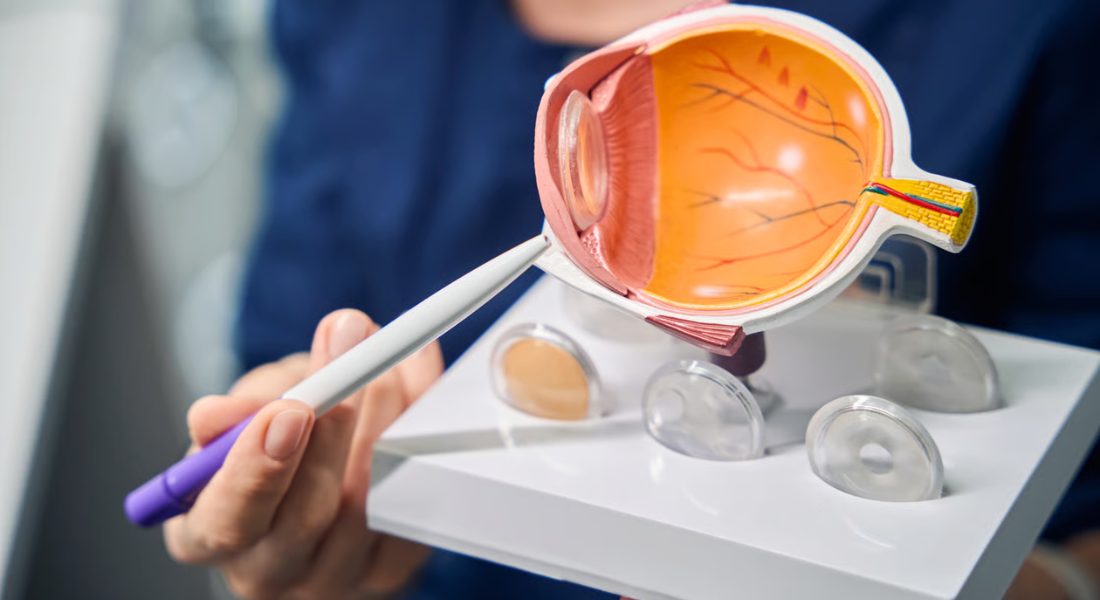
ICL surgery, or implantable contact lens surgery, is a procedure designed to improve your vision by placing a specially made lens inside your eye. The lens sits behind your iris and in front of your natural lens, helping light focus more clearly on your retina. Unlike laser eye surgery, it does not reshape your cornea. Instead, it works alongside your eye’s natural structure to correct refractive errors such as short-sightedness.
This approach can be particularly suitable if you have a higher prescription or if your corneas are not ideal for laser treatment. The procedure is known for being precise and, importantly, reversible if needed. Many people find reassurance in the fact that it preserves the natural shape of the eye. It is designed to provide stable, long-term vision correction.
Because the lens is placed inside your eye, the healing process needs to be well managed. Your body’s response to the procedure plays an important role in recovery. This is why conditions such as psoriasis are considered during assessment. Understanding how your body handles inflammation helps your doctor plan a safe and effective treatment.
Understanding Psoriasis as a Systemic Condition
psoriasis is more than just a skin condition. It is a systemic inflammatory disorder, which means it involves your immune system and can affect more than just the surface of your skin. While the visible signs often appear as patches or plaques, the underlying process is happening throughout your body. This broader impact is why it is considered a whole-body condition rather than only a skin issue.
Inflammation sits at the centre of psoriasis. When your condition is active, your immune system can become over-responsive, leading to ongoing inflammation. This heightened immune activity may influence how your body responds to procedures, including eye surgery. In particular, it can affect how smoothly and quickly your body heals.
That said, psoriasis does not behave the same way in everyone. You may have mild symptoms that are well controlled, or you may experience more frequent flare-ups that need closer management. This variation is important when considering surgery. A personalised assessment helps your doctor understand how your specific condition may affect treatment and recovery.
How Psoriasis Can Affect Healing
Healing after any procedure relies on a well-balanced immune response. Your body needs to repair tissue efficiently without triggering excessive inflammation. With psoriasis, this balance can sometimes be affected, especially if your condition is active. This is why your overall health and inflammation levels are carefully considered before surgery.
If inflammation is higher than normal, healing may take a little longer or feel less predictable. You might also have a slightly increased risk of irritation or post-operative inflammation. However, this risk is not the same for everyone and is closely linked to how active your psoriasis is at the time. When inflammation is controlled, your body is generally better able to heal.
When your psoriasis is stable, your recovery is often very similar to someone without the condition. This is why timing plays such an important role in planning surgery. Doctors aim to schedule the procedure when your condition is well managed. With careful preparation and monitoring, potential risks can be significantly reduced.
Does Psoriasis Affect the Eyes?
Although psoriasis mainly affects your skin, it can sometimes involve your eyes as well. You might notice symptoms such as dryness, irritation, or inflammation around the eyelids. These issues aren’t always severe, but they can affect your comfort and may influence how your eyes respond to procedures like ICL surgery. Understanding this link helps you prepare properly and avoid unnecessary complications.
- You may experience dryness and irritation in your eyes: Psoriasis can disrupt the normal tear film, leading to dry, uncomfortable eyes. You might notice a gritty sensation, redness, or sensitivity to light. This is important because a stable tear film is essential for healing after eye procedures. Treating dryness beforehand helps create a healthier environment for surgery.
- Eyelid inflammation and conditions like blepharitis can occur: In some cases, psoriasis affects the eyelids, leading to inflammation or conditions such as blepharitis. This can cause crusting, swelling, or irritation along the lash line. If present, it should be managed before surgery to reduce the risk of discomfort or post-operative irritation. Keeping the eyelids healthy supports better outcomes.
- A healthy tear film is important for recovery: Your tear film plays a key role in protecting and healing the surface of your eye. If it’s unstable due to dryness or inflammation, recovery after ICL surgery may be less comfortable. Your doctor may recommend lubricating drops or other treatments to improve tear quality. Preparing your eyes in advance makes a noticeable difference.
- Rarely, deeper inflammation inside the eye may occur: In uncommon cases, psoriasis can be associated with internal eye inflammation that requires specialist care. While this is not typical, it’s important to rule out before surgery. A thorough eye examination helps detect any underlying issues. Identifying these early ensures your treatment plan is safe and appropriate.
If you have psoriasis and are considering eye surgery, a detailed eye assessment is essential. Managing any dryness or inflammation beforehand helps improve comfort and recovery. With the right preparation and care, most patients can still proceed safely
Pre-Surgical Eye Assessment

Before going ahead with ICL surgery, you will have a detailed eye assessment to make sure the procedure is suitable for you. This includes checking your corneal health, tear film stability, and the internal structures of your eye. These tests help your clinician understand how well your eyes can support the implanted lens. They also ensure that everything is in the best possible condition before surgery.
During the assessment, your doctor will also look closely for any signs of inflammation or surface irregularities. Even mild dryness or irritation can affect how your eyes heal afterwards if it is not addressed. Treating these issues in advance can make your recovery smoother and more predictable. Early attention to small concerns often leads to better overall outcomes.
If you have psoriasis, your assessment will be even more personalised. Your clinician will pay extra attention to factors that could influence healing, particularly those linked to inflammation. This tailored approach helps reduce potential risks and ensures your treatment is planned as safely as possible.
Evaluating Psoriasis Stability
One of the most important factors in deciding whether you are suitable for ICL surgery is how stable your psoriasis is. Your clinician will ask about any recent flare-ups, how severe your symptoms have been, and how well your condition is currently controlled. When your psoriasis is stable, your body is generally better prepared to heal after surgery. This stability helps reduce the risk of complications.
If your condition has remained calm for several months, this is usually a very positive sign. On the other hand, if you are experiencing active flare-ups, your doctor may recommend delaying the procedure. This allows time for your symptoms to settle and for inflammation to come under control. Choosing the right moment is an important part of ensuring a safe outcome.
It is also worth remembering that consistency matters more than perfection. You may still be suitable for surgery even if you occasionally experience mild symptoms. What your doctor looks for is an overall pattern of stability rather than complete absence of symptoms. This balanced view helps ensure that decisions are made in a way that prioritises both safety and effectiveness.
Biologic Treatments and Surgery
Biologic therapies are commonly used to treat moderate to severe psoriasis. These medications work by targeting specific parts of your immune system to reduce inflammation more precisely. For many people, biologics have made it much easier to keep symptoms under control. Better disease control often means your body is in a stronger position to handle procedures like ICL surgery.
If you are currently on biologic treatment, it does not automatically mean you cannot have surgery. In many cases, the procedure can still go ahead safely. However, your doctor may consider the timing of your medication carefully. Sometimes, surgery is planned around your treatment cycle to support optimal healing and reduce any potential risks.
Your care team will guide you on what approach is safest based on how your body responds to treatment. This decision is always tailored to your individual situation rather than following a fixed rule. Close coordination between your specialists helps ensure that both your psoriasis and your eye care are managed effectively. With thoughtful planning, you can move forward with greater confidence and a smoother recovery.
Risk of Infection and Inflammation
All surgical procedures carry a small risk of infection and inflammation, and this is something your doctor will always consider. If you have psoriasis, your immune activity may slightly influence how your body responds. However, when your condition is well controlled, the overall risk remains low. With the right preparation, complications are uncommon.
To keep you safe, your care team will use preventive measures before and after the procedure. These include strict sterile techniques during surgery and the use of anti-inflammatory or antibiotic eye drops afterwards. You will also be monitored closely so that any early signs of irritation or infection can be managed quickly. This proactive approach helps ensure a smooth recovery.
Most people with stable psoriasis heal well without any significant issues. Being aware of potential risks allows you and your doctor to plan effectively. Careful preparation and regular follow-up appointments play an important role in reducing complications. With the right support, you can approach surgery with greater confidence.
The Role of Medications

If you’re managing psoriasis, your treatment plan may include a range of medications to control inflammation and keep symptoms stable. These can vary from topical creams to oral medicines and advanced biologic therapies. While these treatments are important for your overall health, they can also influence how your body responds to procedures like ICL surgery. That’s why your medications are always carefully considered as part of the planning process.
- Different types of treatments can affect your body in different ways: You might be using topical treatments, tablets, or biologic injections depending on the severity of your condition. Each of these works differently, and some can influence how your immune system behaves. This can affect how your body heals after surgery. Understanding your current treatment helps your doctor plan safely.
- Some medications may impact healing and infection risk: Certain drugs, particularly those that modify the immune system, can slightly alter your healing response. This doesn’t mean you can’t have surgery, but it does mean extra care is needed. Your clinician will assess whether your current medication could increase the risk of inflammation or infection. This ensures any potential concerns are addressed early.
- Adjustments, if needed, are made very carefully: In some cases, your doctor may consider minor adjustments to your medication before surgery. However, this is always done cautiously to avoid triggering a flare-up of your psoriasis. The goal is to maintain stability while reducing any surgical risks. Decisions are made on an individual basis, with your overall health in mind.
- Coordination between specialists helps ensure safe care: Your dermatologist and eye specialist may work together to review your treatment plan. This collaborative approach ensures that both your skin condition and eye health are managed effectively. Clear communication between your healthcare providers reduces risks and improves outcomes. It also gives you confidence that every aspect of your care is aligned.
With the right planning and coordination, most patients can continue their psoriasis treatment while preparing for surgery. The focus is always on keeping your condition stable while supporting safe healing. A personalised approach ensures the best possible balance for your health.
Dry Eye and Surface Health
Dry eye is an important factor to consider when you’re planning ICL surgery. If you have psoriasis, it can sometimes contribute to inflammation on the surface of your eyes. This may not always be obvious, but it can affect how comfortable your eyes feel during recovery. Addressing any dryness early helps create the best possible conditions for surgery.
- Dry eye can affect how your eyes heal after surgery: A stable tear film is essential for protecting the surface of your eye and supporting recovery. If your eyes are dry, you may experience more irritation, blurred vision, or slower healing. This is why dryness is taken seriously during pre-surgical planning. Treating it in advance helps reduce these risks.
- Your tear film will be carefully assessed before surgery: As part of your evaluation, your doctor will check the quality and stability of your tear film. This may involve specialised tests to understand how well your eyes stay lubricated. Identifying any issues early allows for a more tailored treatment plan. It ensures your eyes are properly prepared.
- Treatment may include lubricating drops and supportive therapies: If dryness is detected, you may be advised to use artificial tears or other treatments to improve moisture levels. In some cases, additional therapies may be recommended to reduce inflammation and support the eye surface. Following these recommendations consistently can make a noticeable difference. It helps create a healthier environment for surgery.
- Improving surface health enhances comfort and outcomes: When your ocular surface is in good condition, you’re more likely to have a smoother and more comfortable recovery. It can also improve the overall results of the procedure. Taking the time to optimise your eye health beforehand is a key part of successful treatment. Small steps at this stage can have a big impact later.
Focusing on dry eye and surface health before surgery helps set you up for the best possible experience. With the right preparation and care, your eyes can heal more comfortably and effectively.
Who Is a Suitable Candidate?
You are more likely to be a suitable candidate for ICL surgery if your psoriasis is stable and well managed. This usually means you have minimal inflammation and have not experienced any recent severe flare-ups. When your condition is under control, your body is better prepared to heal safely after the procedure. Stability plays a key role in reducing potential risks.
Your eye health is just as important. Your clinician will ensure that your eyes are free from active inflammation, dryness, or surface issues that could affect recovery. A thorough examination helps confirm that all aspects of your eye health are suitable for surgery. Every factor is carefully reviewed before making a decision.
It is important to remember that having psoriasis does not automatically rule you out. Many people with the condition successfully undergo ICL surgery with good results. The decision is always based on your individual health rather than the diagnosis alone. With careful assessment and planning, you can achieve a safe and positive outcome.
When Surgery May Be Delayed
In some situations, your surgery may need to be postponed, particularly if your psoriasis is active or unstable. This is because increased inflammation can affect how your body responds to the procedure. Delaying surgery gives your condition time to settle into a more stable state. Although it may feel frustrating, this step is taken to protect your overall outcome.
Having surgery during a flare-up can increase the risk of complications, including slower healing or post-operative irritation. Waiting until your inflammation is under control creates a more favourable environment for recovery. Timing is a key factor in ensuring the procedure is as safe and effective as possible. A well-timed surgery often leads to smoother healing.
Your clinician will guide you on when it is best to move forward based on your current condition. This decision is always tailored to your individual situation rather than following a fixed timeline. In many cases, a short delay can make a significant difference to your results. Careful planning helps ensure the safest and most successful outcome.
Preparing for Surgery

Getting ready for ICL surgery involves more than just your eyes it’s about making sure your overall health is in the best possible condition. If you have psoriasis, your clinician will want to ensure it’s stable before moving forward. This helps reduce risks and supports smoother healing. Good preparation can make a real difference to both your comfort and your results.
- Your eye health and general condition will be carefully reviewed: Before surgery, you’ll undergo a thorough eye examination alongside a review of your overall health. This includes checking for any signs of inflammation or dryness that could affect recovery. If your psoriasis is well controlled, you’re more likely to have a predictable healing process. Stability is a key factor in planning.
- You may be advised to optimise your skin and reduce inflammation: Simple steps, such as following your prescribed skincare routine or adjusting treatments, can help bring inflammation under control. Even small improvements in your skin condition can positively influence healing. Your doctor may guide you on how to manage flare-ups or maintain remission. These adjustments help create the best environment for surgery.
- Preparation focuses on reducing risks as much as possible: Every step taken before surgery is aimed at minimising potential complications. This might include treating dry eye, reviewing medications, or ensuring there are no active symptoms. A proactive approach helps prevent issues rather than reacting to them later. It’s all about setting you up for success.
- Open communication with your care team is essential: Keeping your doctor informed about any changes in your condition is very important. If you notice new symptoms or a flare-up, sharing this early allows your care team to adjust the plan if needed. This collaborative approach ensures that decisions are made with the most up-to-date information. It helps keep your treatment safe and well coordinated.
Taking the time to prepare properly gives you the best chance of a smooth and comfortable experience. When your condition is stable and your eyes are well cared for, you can move forward with greater confidence.
What to Expect After Surgery
After ICL surgery, your recovery is usually quick and comfortable, with many people noticing an improvement in their vision within just a few days. Even so, if you have psoriasis, a little extra attention is given to how your eyes heal. Your doctor will monitor your progress closely to ensure everything is settling as expected. This added care helps keep your recovery on track.
You will be prescribed eye drops to reduce inflammation and support healing. It is important that you use these exactly as instructed, even if your eyes start to feel better quickly. Staying consistent with your aftercare routine helps prevent complications and promotes smoother healing. Small steps like this can make a big difference to your overall result.
Most people are able to return to their normal daily activities quite soon after the procedure. You will also have regular follow-up appointments so your doctor can check your progress and address any concerns early. These visits provide reassurance and allow for quick adjustments if needed. With proper care and monitoring, your recovery can be both safe and successful.
Long-Term Outcomes With Psoriasis
Long-term results after ICL surgery are generally very positive, even if you have psoriasis. Once your eyes have fully healed, your vision is typically stable and reliable. As long as your psoriasis remains well controlled, it is unlikely to affect the implanted lens or your visual outcome. Ongoing stability continues to play an important role in maintaining these results.
Looking after your overall health helps support long-term success. This includes keeping inflammation under control, following your treatment plan, and attending regular check-ups. These steps ensure that both your general health and your eye health remain in good condition. Consistency in care makes a meaningful difference over time.
Many people with psoriasis go on to achieve excellent and lasting visual outcomes after ICL surgery. With careful planning and the right medical guidance, the procedure can be both safe and effective. Knowing that your condition is well managed can give you greater confidence in your results. Proper preparation and follow-up care are key to long-term success.
Importance of Specialist Care
Psoriasis management benefits greatly from specialist care, as it is a complex condition that can vary widely between individuals. Choosing an experienced clinician ensures that all relevant factors such as disease severity, triggers, lifestyle, and medical history are carefully considered. This comprehensive approach helps improve both safety and treatment outcomes.
Your clinician will tailor a treatment plan specifically to your needs, rather than using a one-size-fits-all approach. This may include selecting the right therapy, planning timing of treatments, advising on skin preparation, and organising appropriate follow-up care. Personalisation is central to achieving the best possible results and maintaining long-term control.
A thorough assessment also helps build confidence in your treatment decisions. When you understand that every factor has been evaluated and a clear plan is in place, it reduces uncertainty and anxiety. Specialist care not only improves clinical outcomes but also enhances your overall experience of managing the condition.
FAQs:
- Can you have ICL surgery if you have psoriasis?
Yes, you can often have ICL surgery if your psoriasis is stable and well controlled. The key factor is not the diagnosis itself but how active your condition is at the time of surgery. When inflammation is minimal, healing tends to be more predictable. Your clinician will assess your individual situation before confirming suitability. - Is ICL surgery safe for people with psoriasis?
ICL surgery can be safe for you if your psoriasis is under control. The main concern is how your immune system responds during healing. With careful planning and monitoring, risks are usually low. Your specialist will take extra precautions to ensure safety. - Does psoriasis affect healing after eye surgery?
Psoriasis can influence healing if the condition is active, as inflammation may be higher. This could slightly slow recovery or increase irritation. However, if your psoriasis is stable, healing is often similar to someone without the condition. Proper timing plays an important role. - Can psoriasis affect your eyes before surgery?
Yes, psoriasis can sometimes affect the eyes, causing dryness or eyelid inflammation. These issues may impact comfort and recovery after surgery. Your eye specialist will check for any signs of ocular involvement. Treating these conditions beforehand improves outcomes. - Should you stop psoriasis medication before ICL surgery?
You should never stop your medication without medical advice. Some treatments, especially biologics or immunosuppressants, may influence healing. Your doctors will decide if any adjustments are needed. This is done carefully to avoid triggering a flare-up. - What happens if you have a psoriasis flare-up before surgery?
If you experience a flare-up, your surgery may be postponed. Active inflammation can increase the risk of complications. Waiting until your condition settles helps ensure safer healing. Your clinician will guide you on the best timing. - Are you at higher risk of infection with psoriasis?
There may be a slightly increased risk if your immune response is affected by psoriasis or its treatment. However, this risk is generally low when the condition is well managed. Strict surgical hygiene and aftercare reduce complications. Close follow-up ensures any issues are addressed early. - How do doctors decide if you are suitable for ICL surgery?
Doctors assess your eye health, tear film, and the stability of your psoriasis. They also review your medical history and current medications. This comprehensive evaluation ensures the procedure is safe for you. Personalised assessment is essential for good outcomes. - Can ICL surgery trigger a psoriasis flare-up?
There is no strong evidence that ICL surgery directly triggers psoriasis flare-ups. However, stress or changes in your body can sometimes influence your condition. Keeping your psoriasis well controlled before surgery helps reduce this risk. Your care team will support you throughout the process. - What can you do to prepare for ICL surgery with psoriasis?
You should aim to keep your psoriasis stable in the weeks leading up to surgery. Follow your treatment plan and attend all medical appointments. Inform your eye specialist about any changes in your condition. Good preparation helps ensure a smoother recovery and better results.
Final Thoughts: Is ICL Surgery a Safe Option with Psoriasis?
Living with psoriasis does not automatically prevent you from having ICL surgery. The most important factor is how well your condition is controlled at the time of treatment. When inflammation is stable and your overall health is well managed, the procedure can be performed safely with outcomes comparable to those without psoriasis.
A personalised approach is essential. Careful pre-surgical assessment, collaboration between your specialists, and proper timing all play a key role in reducing risks and supporting smooth healing. By addressing factors such as ocular surface health and medication use, your clinician can create a treatment plan tailored specifically to you. If you’d like to find out whether ICL surgery in London is suitable for you, feel free to contact us at Eye Clinic London to arrange a consultation.
References:
- Alio, J.L. et al. (2025) Clinical applications of anterior segment optical coherence tomography in managing phakic intraocular lenses. Diagnostics, 15(18), 2385. https://www.mdpi.com/2075-4418/15/18/2385
- Kamiya, K. et al. (2021) Implantable collamer lens versus SMILE for high myopia: A systematic review and meta-analysis, Ophthalmology. https://pubmed.ncbi.nlm.nih.gov/34961514/
- Fernandes, P. et al. (2011) Implantable collamer posterior chamber intraocular lenses: A review of potential complications, Journal of Refractive Surgery. https://pubmed.ncbi.nlm.nih.gov/21710954/
- Alfonso, J.F. et al. (2017) Refractive outcomes and safety of the implantable collamer lens in myopia, Clinical Ophthalmology. https://pmc.ncbi.nlm.nih.gov/articles/PMC5298816/
- Packer, M. (2016) Meta-analysis of ICL safety and effectivenes, Clinical Ophthalmology. https://pmc.ncbi.nlm.nih.gov/articles/PMC4907705/