


Can Sudden Eye Pain Be an Emergency?

Sudden eye pain can absolutely be an emergency in some situations, and it’s something you shouldn’t ignore if it comes on quickly or feels severe. You might sometimes experience mild discomfort from dryness, eye strain, or minor irritation, but sharp or rapidly worsening pain can also be linked to more serious conditions that need urgent attention.
You’ll want to be particularly alert if the pain is accompanied by symptoms such as blurred vision, sudden vision loss, redness, sensitivity to light, nausea, halos around lights, or swelling. These can sometimes indicate conditions like acute glaucoma, corneal injury, infection, or inflammation inside the eye. Because your eyes are closely connected to the brain and nervous system, certain eye problems can progress quickly if not treated in time.
For you, the key point is not to wait if something feels significantly wrong. Sudden or intense eye pain, especially with changes in vision, should be assessed urgently by an eye specialist or emergency medical service. Early diagnosis and treatment can make a major difference in protecting your vision and preventing complications.
Why Sudden Eye Pain Should Never Be Ignored
Sudden eye pain should never be ignored because it can feel very different from the mild irritation you might get from dryness or screen strain. When pain appears quickly, it can sometimes point to pressure changes inside the eye, inflammation, infection, injury, or even nerve-related issues. Some of these conditions can progress rapidly, so early attention really matters.
You also can’t rely on how intense the pain feels to judge how serious the problem is. You might have a relatively mild sensation with something more serious, or strong pain from a less dangerous issue like surface irritation. That’s why symptoms need to be looked at as a whole, not in isolation, especially when vision changes are involved.
For you, the most important point is that delaying assessment can sometimes risk your eyesight. Certain eye conditions can cause permanent damage if they aren’t treated quickly. So if sudden eye pain comes on, especially with blurred vision, redness, or sensitivity to light, it’s always safer to get it checked promptly rather than waiting to see if it settles on its own.
Not All Eye Pain Comes from the Eye Itself
Not all eye pain actually comes from your eye itself, which can make things a bit confusing when you’re trying to understand what’s going on. You might feel discomfort around or behind your eye, but the source can sometimes be nearby structures rather than the eyeball. This includes your eyelids, surrounding muscles, nerves, or even your sinuses.
You’ll also find that sinus issues can create a pressure-like pain around your eyes, especially when there’s inflammation or congestion. Migraines and tension headaches can also cause pain that feels like it’s coming from deep behind your eyes. In some cases, nerve-related pain can be sharp or sudden, even without visible redness or obvious eye changes.
For you, this is exactly why proper assessment is so important. Because eye pain can come from so many different causes, it isn’t always possible to figure it out on your own. A professional examination helps identify whether the issue is coming from the eye itself or from surrounding structures, which is essential for making sure you get the right treatment quickly.
Sudden Eye Pain with Vision Loss
Sudden eye pain together with blurred vision, reduced vision, or any loss of vision is something you should treat as urgent. When these symptoms appear together, it can suggest that something more serious is affecting the internal structures of your eye. In these situations, it’s important not to wait and see if it improves on its own.
You’ll find that several serious conditions can present this way, including acute glaucoma, severe eye infections, optic nerve problems, or retinal issues. These conditions can sometimes progress quickly, and if treatment is delayed, there is a risk of long-term or even permanent vision damage. That’s why early assessment is so important when vision changes are involved.
For you, the key warning sign is any sudden change in sight combined with pain. Even if the symptoms seem to come and go, they still need prompt attention from an eye specialist. Getting checked quickly gives you the best chance of protecting your vision and preventing complications from developing further.
Acute Angle-Closure Glaucoma

Acute angle-closure glaucoma is a serious eye condition where pressure inside your eye rises very quickly due to blocked fluid drainage. When this happens, it can lead to sudden and severe symptoms that often feel alarming and painful. You may notice changes in your vision alongside intense discomfort in and around the eye. Because the pressure builds up rapidly, it is considered a medical emergency that needs urgent attention.
- Sudden Rise in Eye Pressure: In Acute angle-closure glaucoma, fluid inside your eye cannot drain properly, causing a rapid increase in pressure. This pressure can damage the optic nerve if not treated quickly. The condition often comes on suddenly and can worsen within hours.
- Severe Eye Pain and Headache: You may experience intense eye pain that can spread to your head, often described as severe and throbbing. This pain is usually not relieved by simple painkillers. It can also make you feel generally unwell.
- Changes in Vision and Eye Appearance: Your vision may become blurred, and you might see halos around lights, especially in low lighting. The eye can appear red and feel hard or tender to touch. These visual changes are important warning signs that something is seriously wrong.
- Associated Symptoms Like Nausea:You might also feel sick, with nausea or even vomiting occurring alongside the eye symptoms. Because these signs can resemble other conditions, they are sometimes mistaken at first. However, when combined with eye pain and vision changes, they strongly suggest an urgent eye problem.
Acute angle-closure glaucoma is an ophthalmic emergency, which means you need immediate medical attention to protect your vision. If treatment is delayed, there is a risk of permanent sight loss due to sustained high pressure in the eye. Rapid pressure reduction is essential to prevent damage to the optic nerve. If you ever experience these symptoms, seeking urgent care straight away is critical for preserving your vision.
Corneal Abrasions and Eye Injuries
A corneal abrasion is basically a scratch on the surface of your eye, and it can feel surprisingly intense. You might notice sudden sharp pain, excessive watering, light sensitivity, and a gritty or “something stuck in your eye” sensation. It can happen quite easily from something as simple as rubbing your eye, a fingernail, dust, or even contact lenses.
You’ll also find that these injuries feel so painful because your cornea has a very high number of nerve endings. That’s why even a small scratch can make your eye feel extremely irritated, and you may struggle to keep it open, especially in bright light. Symptoms usually appear quickly and can feel quite alarming, even if the injury itself is minor.
For you, the important thing is not to ignore it, even if it seems like a small scratch. While many corneal abrasions heal well with proper treatment, there is still a risk of infection or deeper damage if it’s not assessed. Getting your eye checked helps ensure healing is on track and protects your vision from any complications.
Foreign Bodies in the Eye
Foreign bodies in the eye can cause sudden, sharp discomfort that often feels like something is constantly scratching or stuck inside your eye. You might notice watering, redness, and increased pain when you blink, which can make it really difficult to keep the eye open comfortably. Even tiny particles like dust can feel surprisingly irritating.
You’ll also find that the severity depends on what has entered the eye and how deeply it has gone in. Sometimes the object sits on the surface and can be removed easily, but in other cases it may become lodged in the cornea or cause more serious injury. Metal fragments, glass, or high-speed particles from tools are especially concerning and should always be treated as urgent.
For you, the key thing is to avoid trying to remove anything deeply embedded on your own, as this can make the injury worse. Professional assessment is the safest option, as it allows proper removal and checks for any damage to the eye. Wearing protective eyewear in high-risk environments can significantly reduce the chance of these injuries happening in the first place.
Eye Infections That Cause Pain
Eye infections can sometimes cause sudden pain, and you’ll often notice this alongside redness, swelling, watering, or discharge from the eye. Mild infections like conjunctivitis may feel more irritating than painful, but deeper or more serious infections can cause significant discomfort that should never be ignored.
You’ll find that conditions such as keratitis, which is an infection of the cornea, can be particularly painful. This may come with strong light sensitivity, blurred vision, and a feeling that something is stuck in your eye. If you wear contact lenses, your risk of certain corneal infections can be higher, especially if lenses aren’t cleaned or used properly.
For you, the key point is that infections affecting deeper parts of the eye can sometimes threaten your vision if left untreated. That’s why persistent pain, especially when combined with redness or vision changes, should always be checked promptly. Early treatment helps control the infection quickly and reduces the risk of complications.
Corneal Ulcers
A corneal ulcer is a serious condition where an open sore develops on the surface of your eye, usually the cornea. You might experience significant pain, redness, excessive watering, blurred vision, and strong sensitivity to light. In many cases, symptoms can worsen quite quickly, which is why it’s not something to ignore.
You’ll also find that corneal ulcers can develop due to infection, injury, or severe dryness, but contact lens misuse is one of the most common risk factors. Sleeping in your lenses, not cleaning them properly, or wearing them for too long can all increase your risk. Because lenses sit directly on the cornea, they can also trap bacteria and make infections more likely.
For you, the most important point is that corneal ulcers need urgent attention. If they are not treated quickly, they can lead to permanent scarring of the cornea and potentially affect your vision. Early diagnosis and treatment make a big difference in recovery, so prompt assessment is essential if you notice these symptoms.
Uveitis and Internal Eye Inflammation
Uveitis is inflammation inside your eye, and it can feel quite different from surface irritation. You might notice a deep aching pain rather than a sharp scratchy feeling, along with redness, blurred vision, floaters, and strong sensitivity to light. Some people also experience headaches or discomfort around the brow, which can make it feel like the pain is coming from deeper within the head.
You’ll also find that uveitis can be linked to autoimmune conditions, infections, or other inflammatory disorders, although in some cases the exact cause isn’t identified. Because it affects internal structures of your eye, it’s not something you can assess on your own. A proper examination is needed to understand the severity and to start the right treatment.
For you, the key concern is that untreated uveitis can lead to serious complications, including glaucoma, cataracts, or retinal damage. That’s why early diagnosis and treatment are so important. When it’s identified quickly, treatment can help control inflammation and protect your vision before long-term damage develops.
Severe Dry Eye Can Sometimes Be Painful
Severe dry eye is often underestimated, but when it becomes more advanced it can cause real discomfort rather than just mild irritation. If your tear film isn’t stable, the surface of your eye can become dry, inflamed, and more sensitive than usual. This can lead to episodes where symptoms suddenly feel much worse, especially in certain environments or during prolonged visual tasks. Although it’s common, persistent or painful symptoms shouldn’t be ignored.
- Burning, Stinging, and Grittiness: With severe dryness, you may feel a persistent burning or stinging sensation on the eye surface. It can also feel like there’s sand or grit in your eye, even when nothing is physically there. This happens because the protective tear layer is not functioning properly.
- Light Sensitivity and Fluctuating Vision: You might notice increased sensitivity to light, particularly in bright environments. Your vision can also fluctuate throughout the day, becoming clearer after blinking and then blurring again. These changes are linked to an unstable tear film.
- Environmental Triggers Can Make It Worse: Factors like air conditioning, wind, pollution, and long hours on screens can significantly worsen symptoms. Reduced blinking during screen use is a common reason why discomfort increases. Over time, these triggers can make dryness feel more persistent.
- Important to Rule Out Other Conditions: Even though dry eye can be painful, severe or unusual discomfort should always be assessed properly. Some other eye conditions can mimic similar symptoms, so a professional evaluation is important. This ensures you receive the correct diagnosis and treatment.
Severe dry eye can therefore have a real impact on your daily comfort and quality of life. If symptoms persist or worsen, it’s worth getting your eyes checked rather than assuming it’s just dryness. Proper assessment helps identify the cause and guide effective treatment. With the right care, you can significantly improve comfort and protect your eye health over time.
Sudden Light Sensitivity with Pain
Sudden light sensitivity with eye pain, also known as photophobia, can be quite distressing and is often a sign that something more significant is affecting your eye. You might find that normal daylight or even indoor lighting feels uncomfortably bright, and you may instinctively want to keep your eye closed. When this happens alongside pain, it usually points to irritation or inflammation of sensitive structures in your eye. You’ll see this symptom in a range of conditions, including corneal injuries, infections, uveitis, and even acute glaucoma.
In these cases, the eye becomes more reactive to light because of inflammation or internal pressure changes. It’s not just discomfort it can be an important clue that your eye needs proper assessment rather than simple self-care. For you, the key message is that pain combined with strong light sensitivity should never be ignored. It often needs a professional examination to identify the exact cause and start appropriate treatment. Getting checked early helps protect your comfort and, more importantly, your vision.
Pain After Contact Lens Use
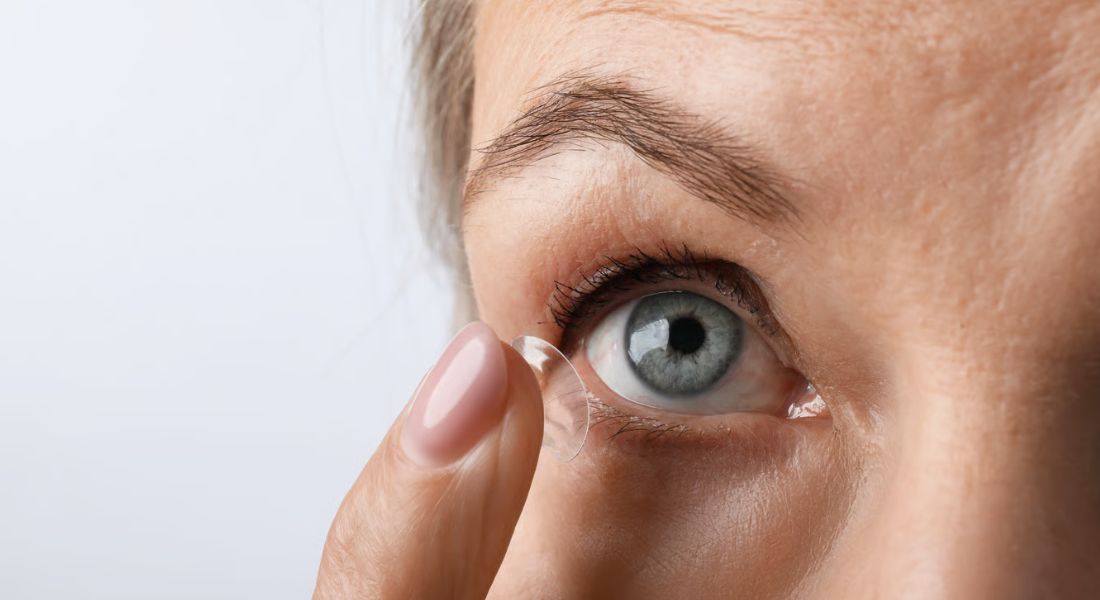
Pain after contact lens use is something you should always take seriously, especially if it appears suddenly. You might notice discomfort, redness, watering, blurred vision, or even a gritty, burning sensation after putting your lenses in or taking them out. While minor irritation can sometimes happen, sudden pain often suggests something more than simple dryness.
You’ll also find that contact lens-related problems can escalate quickly if hygiene isn’t ideal. Overwearing lenses, sleeping in them, or not cleaning them properly can increase your risk of infection or corneal injury. In some cases, these issues can progress rapidly and lead to more serious conditions affecting the surface of your eye.
For you, the safest approach is to stop wearing your lenses straight away if you develop sudden pain. It’s important not to “push through” the discomfort. Getting a professional eye assessment early helps identify the cause quickly and reduces the risk of complications that could affect your vision.
Chemical Injuries to the Eye
Chemical injuries to the eye are among the most serious causes of sudden eye pain, and you should always treat them as an emergency. You might experience intense burning, stinging, redness, tearing, and blurred vision immediately after exposure to substances like cleaning products, industrial chemicals, or laboratory materials. Some chemicals can cause rapid and ongoing damage to the delicate tissues of your eye.
You’ll also find that alkali substances, such as those found in some cleaning agents, are particularly dangerous because they can penetrate deeper into the eye and cause more extensive injury. Even if the initial pain seems to settle, damage may still continue beneath the surface, which is why early action is critical rather than waiting to see how things develop.
For you, the most important step is immediate and continuous rinsing of the eye with clean water while seeking urgent medical attention. Time plays a crucial role in reducing damage. Even if symptoms improve after flushing, a professional eye examination is still essential to ensure there is no hidden injury and to protect your vision long-term.
Headaches and Eye Pain Together
Headaches and eye pain occurring together can sometimes feel confusing because the discomfort may seem like it’s coming from your eye, when in reality it could be linked to neurological or vascular causes. You might experience pain behind the eye, around the brow, or deep within the head, and conditions such as migraine, cluster headaches, optic nerve inflammation, or even acute glaucoma can all present in this way.
You’ll also notice that the accompanying symptoms often help provide important clues. For example, nausea, visual disturbances, flashing lights, double vision, or changes in vision can point towards different underlying causes. Because the symptoms overlap between eye conditions and neurological issues, it’s not always possible to tell the cause without a proper clinical examination.
For you, the key point is that sudden or severe eye pain with headache should always be assessed carefully. Some serious conditions can look similar at first, so professional evaluation is important to rule out anything urgent. Getting checked early helps ensure the correct diagnosis and protects both your vision and your overall neurological health.
Optic Neuritis and Eye Movement Pain
Optic neuritis is a condition where the optic nerve becomes inflamed, and it can sometimes cause a distinctive type of pain that worsens when you move your eyes. Alongside discomfort, you may also notice changes in vision, which can appear quite suddenly and feel worrying. Because the optic nerve is responsible for transmitting visual information to the brain, any inflammation can have a noticeable impact on how you see. This is why early assessment is so important.
- Pain That Worsens with Eye Movement:In Optic neuritis, one of the key features is pain that becomes more noticeable when you move your eyes. This happens because the inflamed optic nerve is stretched or irritated during movement. It’s a very characteristic symptom that helps doctors suspect the condition.
- Changes in Vision: You may experience blurred vision, dimming of sight, or difficulty seeing colours clearly. Colours can appear less vivid, especially reds, which may seem washed out. These visual changes can develop over hours or days and may vary in severity.
- Sudden or Rapid Onset of Symptoms: Symptoms often develop relatively quickly, which can feel alarming. You might notice vision changes first, followed by discomfort or pain. This sudden change is a key reason why prompt medical evaluation is needed.
- Possible Link to Neurological Conditions: Optic neuritis can sometimes be associated with neurological conditions such as multiple sclerosis, so further investigation may be required. This is why assessment often includes both eye and neurological examinations. Identifying the underlying cause helps guide longer-term management.
Pain that worsens with eye movement should never be ignored, especially when it is combined with visual changes. It can indicate inflammation of the optic nerve that requires proper investigation. Early diagnosis helps guide treatment and improves outcomes. If you experience these symptoms, timely medical review is essential to protect your vision and overall neurological health.
Pain After Eye Surgery or Procedures
Some discomfort after eye surgery or procedures can be completely normal, and you might expect mild soreness, watering, or a gritty feeling as your eye heals. However, sudden or worsening pain is something you should never ignore, as it can sometimes point to complications such as infection, raised eye pressure, or significant inflammation.
You’ll also want to watch closely for other warning signs like increasing redness, worsening vision, unusual discharge, or strong sensitivity to light. If these symptoms appear or become more intense after a procedure, they should be assessed urgently rather than waiting for a routine follow-up. Changes like these can sometimes indicate that the eye is not healing as expected.
For you, the key message is that while some post-procedure discomfort is normal, anything severe or getting worse needs prompt attention. Following your aftercare instructions carefully helps reduce risks, but if something feels wrong, it’s always safer to get your eye checked quickly. Early review helps protect healing and reduces the chance of complications affecting your vision.
Pain with Double Vision
Sudden eye pain with double vision is something you should always take seriously, because it can point to problems affecting the eye muscles, nerves, or even the brain. You might notice that your eyes don’t seem to work together properly, making it hard to focus, and this can sometimes be accompanied by dizziness or a feeling that your vision is misaligned.
You’ll also find that this combination of symptoms can be linked to a range of causes, from eye muscle strain or inflammation to more complex neurological conditions. Because double vision appearing suddenly is a key warning sign, it’s important not to assume it will settle on its own. The context of your other symptoms helps guide how urgent the situation may be.
For you, the safest approach is to seek prompt professional assessment if this happens. Depending on what’s causing it, you may need either an ophthalmic or neurological evaluation. Getting checked early helps rule out serious conditions and ensures you receive the right treatment without delay.
Children and Sudden Eye Pain

Children may not always be able to explain eye pain clearly, so you often need to rely on what you observe. If you notice sudden redness, excessive tearing, frequent eye rubbing, sensitivity to light, or your child refusing to open one eye, these can all be signs that something is wrong and shouldn’t be dismissed.
You’ll also find that children can experience the same types of eye problems as adults, such as infections, foreign bodies, or corneal abrasions. Because their eyes are more sensitive and they may not communicate discomfort well, even small issues can sometimes appear more dramatic. Rapid changes in behaviour or comfort around light are often important clues.
For you as a parent, the key is to take these signs seriously and seek prompt professional advice if symptoms seem severe or persistent. Early assessment helps identify the cause quickly and ensures your child gets appropriate treatment, protecting both their comfort and their vision.
When to Seek Emergency Assessment Immediately
There are certain situations where you should seek emergency eye assessment immediately, and it’s important not to wait things out if these symptoms appear. If you experience sudden eye pain along with vision loss, severe redness, strong light sensitivity, nausea, chemical exposure, trauma, or rapidly worsening symptoms, these are clear warning signs that something serious could be going on. You’ll also want to be alert if you notice pain with halos around lights, marked swelling, or difficulty opening your eye.
These symptoms can sometimes be linked to conditions that affect eye pressure, the cornea, or internal structures of the eye. In these cases, even a short delay can make a difference, which is why prompt assessment is so important. For you, the key message is to trust your instincts. If something feels severe, unusual, or out of proportion to what you’d normally expect, it’s always safer to get checked straight away. Emergency evaluation helps protect your vision and ensures that any serious condition is treated as quickly as possible.
Why Early Diagnosis Is So Important
Early diagnosis is so important because many serious eye conditions respond much better when they’re picked up quickly. You might not realise it at first, but delays in treatment can sometimes increase the risk of permanent issues like vision loss, corneal scarring, optic nerve damage, or ongoing complications that are harder to manage later on.
You’ll also find that identifying the exact cause of eye pain isn’t always straightforward. Eye specialists use detailed tools such as slit-lamp microscopes, pressure checks, retinal imaging, and fluorescein staining to get a clear picture of what’s happening. Because different conditions can cause very similar symptoms, this level of examination is often necessary to reach an accurate diagnosis.
For you, the key point is that there’s never any need to feel unsure about seeking urgent care for sudden eye pain. Protecting your vision is always the priority. When conditions are diagnosed early, treatment is usually more effective, recovery is often smoother, and the risk of long-term damage is significantly reduced.
FAQs:
- Can sudden eye pain always be an emergency?
Sudden eye pain isn’t always an emergency, but you should never ignore it. Sometimes it may come from something simple like dryness, irritation, or eye strain. However, if the pain is severe or comes with vision changes, it could signal something more serious. You should get it checked quickly if anything feels unusual or intense. - What symptoms should you worry about with eye pain?
You should be concerned if your eye pain comes with blurred vision, vision loss, redness, or sensitivity to light. Nausea or seeing halos around lights can also be warning signs. These symptoms may suggest a more serious eye condition that needs urgent care. If they appear suddenly, you should seek medical attention straight away. - Can eye pain come from something outside the eye?
Yes, not all eye pain actually starts in the eye itself. You might feel discomfort from nearby areas like your sinuses, nerves, or muscles around the eye. Headaches and migraines can also create pain that feels like it’s coming from your eye. That’s why proper assessment is important to find the real cause. - Is sudden eye pain with vision loss serious?
Yes, sudden eye pain with any change in vision is considered serious. It could be linked to conditions like acute glaucoma, infection, or retinal problems. These conditions can worsen quickly if not treated. You should seek emergency care immediately if this happens. - Can contact lenses cause sudden eye pain?
Yes, contact lenses can sometimes trigger sudden eye pain if they’re worn too long or not cleaned properly. You might feel irritation, redness, or a gritty sensation. In some cases, it could even lead to infection or corneal injury. If pain starts while wearing lenses, you should remove them straight away and get your eyes checked. - What is acute angle-closure glaucoma?
Acute angle-closure glaucoma is a sudden rise in pressure inside your eye. It can cause severe pain, blurred vision, halos around lights, and even nausea. It is considered a medical emergency because it can damage your vision quickly. You need urgent treatment to prevent permanent sight loss. - Can dry eyes cause severe pain?
Yes, severe dry eye can sometimes cause burning, stinging, and significant discomfort. It can also make your vision fluctuate throughout the day. Things like screens, wind, or air conditioning can make it worse. If symptoms persist or feel severe, you should get it assessed. - When should you seek emergency help for eye pain?
You should seek emergency help if eye pain is sudden and severe or comes with vision loss, chemical exposure, trauma, or strong redness. Pain with light sensitivity or halos around lights is also a warning sign. These symptoms can indicate serious conditions that need immediate treatment. It’s always safer to get checked quickly. - Can eye infections cause sudden pain?
Yes, some eye infections can cause sudden pain, especially if they affect deeper parts of the eye. You might also notice redness, discharge, and blurred vision. Conditions like keratitis can be particularly painful and serious. Early treatment helps prevent complications and protects your vision. - Why is early diagnosis so important in eye pain?
Early diagnosis is important because many eye conditions can worsen quickly if left untreated. Delays may increase the risk of long-term damage or vision loss. Eye specialists use detailed tests to find the exact cause of pain. Getting checked early gives you the best chance of full recovery and protection of your sight.
Final Thoughts: Sudden Eye Pain and When You Should Act
Sudden eye pain can feel alarming, and while not every case is an emergency, you should never ignore it when it appears suddenly or becomes severe. In some situations, it may be something minor like dryness or irritation, but it can also be linked to more serious conditions that need urgent treatment to protect your vision.
You should be especially cautious if eye pain comes with symptoms like blurred vision, redness, light sensitivity, halos around lights, nausea, or any sudden change in sight. These signs can sometimes indicate conditions such as acute glaucoma, corneal injury, infection, or internal eye inflammation. Because some of these conditions can progress quickly, early assessment really does make a difference. If you’re considering an emergency eye doctor in London and want to know if it’s the right option, you’re welcome to reach out to us at Eye Clinic London to book a consultation.
References:
- Hatami, H., Ghaffari Jolfayi, A., Ebrahimi, A., Golmohammadi, S., Zangiabadian, M. and Nasiri, M.J. (2021) Contact lens associated bacterial keratitis: Common organisms, antibiotic therapy, and global resistance trends: A systematic review, Frontiers in Ophthalmology, 1, p. 759271. Available at: https://pmc.ncbi.nlm.nih.gov/articles/PMC11182260/
- Said, S., Knecht-Bösch, M., Alder, M., Zweifel, S., Barthelmes, D. and Blaser, F. (2026) ‘The danger of overnight contact lenses orthokeratology-related infectious keratitis’, Klinische Monatsblätter für Augenheilkunde, 243(4), pp. 376–384. Available at: https://pubmed.ncbi.nlm.nih.gov/41844188/
- Yorston, D. (2018) Emergency management: retinal detachment, Community Eye Health, 31(103), p. 63. Available at: https://pubmed.ncbi.nlm.nih.gov/30487683/
- Long, B., Koyfman, A. and Gottlieb, M. (2018) Ocular emergencies, Medicine, 46(12), pp. 754–759. Available at: https://www.sciencedirect.com/science/article/abs/pii/S1357303918302378
- Kyari, F. (2018) Emergency management: orbital cellulitis, Community Eye Health, 31(103), p. 60. Available at: https://pmc.ncbi.nlm.nih.gov/articles/PMC6253316/