


What Should You Do If You Accidentally Scratch Your Eye?
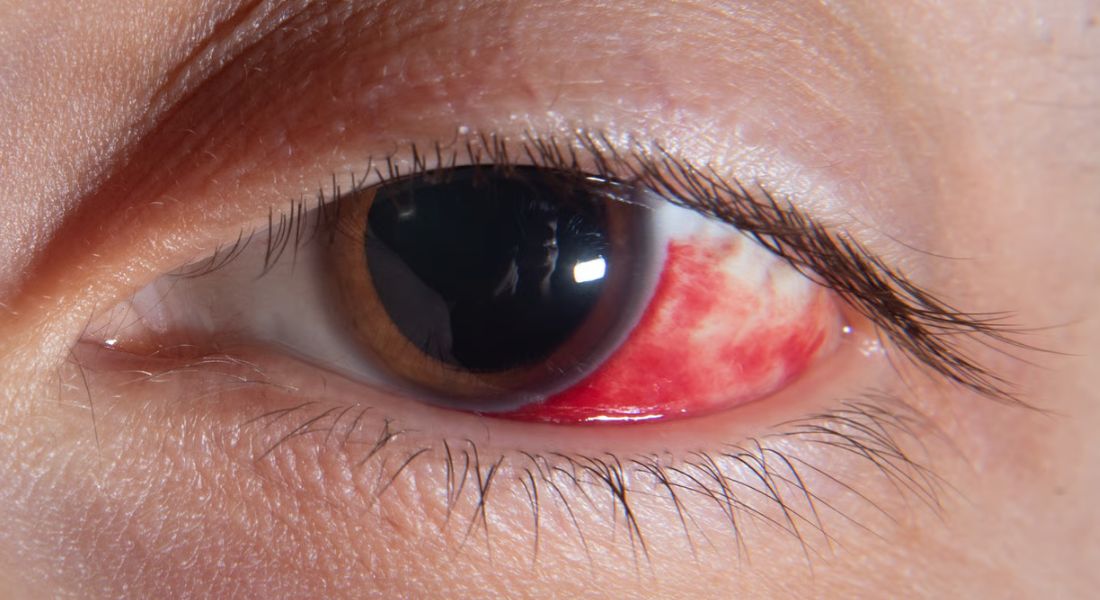
A scratched eye is a very common injury that can happen without warning. One moment your eye feels completely normal, and the next you are dealing with pain, watering, and irritation that is difficult to ignore. It can happen from a fingernail, dust, sand, or even a small piece of grit carried by the wind. Because the surface of the eye is highly sensitive, even a small scratch can feel extremely uncomfortable.
Many people believe a scratched eye is only a minor problem that will heal quickly on its own. However, a corneal abrasion, which is the medical term for a scratch on the eye, can sometimes lead to infection or inflammation if it is not treated properly. In deeper injuries, there may also be a risk of scarring that affects vision for a longer period. This is why it is important to take the injury seriously from the beginning.
Knowing what to do immediately after scratching your eye can make a big difference to recovery. Although rubbing the eye may feel tempting, it can make the scratch worse and increase irritation. Gently rinsing the eye with clean water and avoiding contact lenses may help prevent further damage. Taking the right steps early can support faster healing and reduce complications.
In this article, you will learn what a corneal abrasion actually is and how to recognise the symptoms. You will also discover what you should do after scratching your eye, what mistakes you should avoid, and when medical treatment may be necessary. Understanding these steps can help you protect your eye and recover more safely.
What Is a Corneal Abrasion?
A corneal abrasion is a scratch or scrape to the cornea the clear, dome-shaped tissue that covers the front of the eye, sitting over the iris and pupil. The cornea is your eye’s primary optical surface and its first line of physical defence against the outside world, which makes it both essential and inherently exposed to potential injury.
Despite how robust it needs to be, the cornea is extraordinarily sensitive. It contains more nerve endings per square millimetre than almost any other tissue in the human body, which is why even a tiny scratch produces pain that feels disproportionate to the apparent injury. A superficial abrasion affecting only the outermost epithelial layer can be agonising.
The good news is that the corneal epithelium is one of the fastest-healing tissues we have. A small to moderate abrasion that doesn’t penetrate beyond the surface layer can often heal within 24 to 72 hours, provided it’s managed correctly and remains free of infection. Deeper abrasions those that reach the stromal layer of the cornea take longer to heal and carry a higher risk of scarring and complications.
How Corneal Abrasions Happen
Corneal abrasions are remarkably common, and the causes are as varied as everyday life itself. Understanding how they typically occur helps with both recognition and prevention particularly for people who find themselves repeatedly affected.
The most frequent culprits include fingernails (your own or someone else’s, as anyone who has been accidentally scratched by a child or a pet will know), particles of sand, grit, sawdust, or soil blown into the eye, contact lens misuse or poorly fitting lenses, foreign bodies such as metal shavings or wood splinters that graze the corneal surface on entry, and paper edges or plant material including grass, twigs, and leaves. Sports injuries particularly in contact sports or outdoor activities are another common source.
Rubbing the eye when a foreign body is present is also a significant cause of corneal damage. The instinct to rub is powerful, but if there’s a particle sitting on or near the corneal surface, rubbing can drag it across the tissue and turn a minor contact into a significant abrasion. This is one of the most important habits to break when dealing with any eye irritation.
Recognising the Symptoms
The symptoms of a corneal abrasion are usually difficult to ignore, although they can vary depending on how large or deep the scratch is. Understanding what to look out for can help you recognise when a simple irritation may actually need medical attention. In many cases, the symptoms start suddenly and can feel much more uncomfortable than expected from a small surface injury.
The most common symptom is pain, which may feel like mild stinging, a gritty sensation, or sharp discomfort that makes it hard for you to keep the eye open. Excessive watering is also very common because your eye naturally tries to flush out whatever caused the injury. Sensitivity to light can develop quickly as well, and you may find bright rooms or sunlight especially uncomfortable until the surface begins to heal.
Other symptoms can include redness, a constant feeling that something is still in your eye even after the object has been removed, and blurred vision if the scratch affects the centre of the cornea. Some people may also develop a headache or find that the eyelid closes tightly because of pain. If you notice reduced vision, severe pain, or symptoms that are getting worse rather than improving, it is important to have your eye assessed promptly.
The Very First Thing to Do
If you’ve scratched your eye or believe a foreign body has grazed the corneal surface, the most important first step is irrigation gently rinsing the eye with clean, cool water or sterile saline solution. This serves two purposes: it helps flush out any residual debris that may still be present, and it begins to soothe the inflamed surface.
Tilt your head so that the affected eye is lower than the unaffected one, and allow a gentle, continuous flow of water to run across the open eye. If you have access to an eye wash cup or a sterile saline eyewash, use it but don’t delay irrigation waiting for the ideal solution if tap water is all that’s available. The priority is flushing the eye promptly.
Continue the rinse for several minutes, blinking gently during the process to help clear any debris from beneath the eyelids. After rinsing, allow the eye to settle and assess how it feels. If the pain, tearing, and photophobia begin to ease, a superficial abrasion is likely and careful monitoring at home may be appropriate for a short period. If symptoms persist, worsen, or are accompanied by any change in vision, professional assessment is the right next step.
Checking for a Foreign Body
One of the key questions after any eye injury is whether the object that caused the scratch has fully left the eye, or whether a fragment remains. A retained foreign body on the corneal surface or embedded in the conjunctiva is a separate concern from the abrasion itself it will continue to cause damage and dramatically increases the risk of infection.
After irrigation, gently examine the eye in good light, looking in a mirror if possible. Carefully check the inner surface of the lower eyelid by pulling it downward, and ask someone to help you check the inner surface of the upper eyelid by gently everting it. If you can see a visible foreign body that is clearly sitting on the surface and not embedded in the tissue, you can attempt to remove it by blinking into a cup of clean water, or by very gently wiping the inner surface of the lower lid with the corner of a clean, damp cotton swab but never on the corneal surface itself.
If you suspect a foreign body is still present but cannot see it clearly, or if anything appears to be embedded in the corneal surface, do not attempt to remove it yourself. This requires clinical instruments and trained hands. Attempting to remove an embedded foreign body at home risks deepening the injury and causing further damage.
What You Should Never Do
First aid instincts aren’t always right, and in the case of eye injuries, some of the most natural impulses can actively make things worse. There are several things you should actively avoid after scratching your eye, and being aware of them in advance means you’re far less likely to act on them in the heat of the moment.
The most important thing to avoid is rubbing the eye. I’ve already mentioned this, but it deserves repeating because the urge is so strong and so counterproductive. Rubbing can worsen the abrasion, introduce infection from the hands, and if a foreign body is still present, grind it further into the corneal tissue. Don’t rub, no matter how overwhelming the impulse feels.
Don’t apply any topical anaesthetic drops that haven’t been prescribed by a clinician. Over-the-counter numbing drops are not recommended for ongoing use after eye injury because they interfere with the normal pain signals that help you monitor the healing process, and some formulations can actually slow epithelial healing. Similarly, don’t use eye drops prescribed for a previous, different eye condition without clinical guidance they may be entirely inappropriate for a corneal abrasion.
Contact Lenses and Scratched Eyes
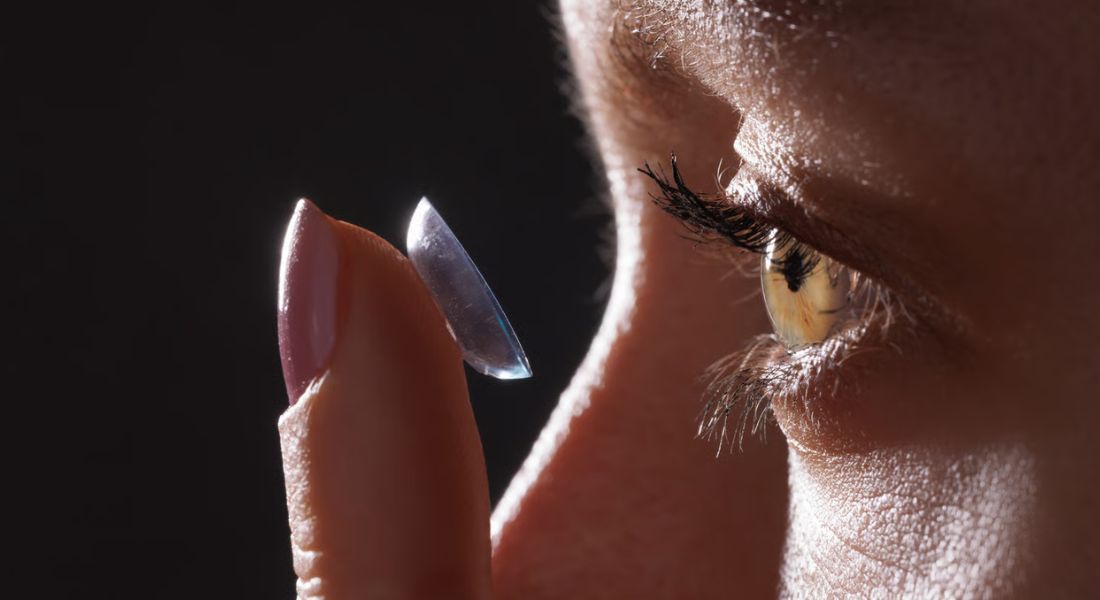
If you wear contact lenses, a corneal abrasion raises specific additional concerns that non-lens-wearers don’t face. It’s important to understand these, because contact lens-related corneal abrasions carry a higher risk of serious infection than those caused by other mechanisms.
If you were wearing contact lenses when the injury occurred, remove them as soon as possible after the initial rinse gently and with clean hands. Do not put them back in until you have been assessed by a clinician and told it is safe to do so. Even if the injury seems minor, wearing a contact lens over a corneal abrasion creates an environment that dramatically increases the risk of bacterial infection, including with aggressive organisms such as Pseudomonas aeruginosa, which can cause rapid and severe corneal damage.
Contact lens-related corneal abrasions should always be seen by an eye care professional. The risk profile is simply higher, and the consequences of an unmanaged infection in a contact lens wearer can be severe. If you develop any symptoms of infection increasing pain, discharge, a white or grey spot on the cornea seek emergency care immediately, regardless of how the injury initially appeared.
When to Seek Emergency Assessment
For a very minor, superficial scratch with no foreign body, manageable discomfort, and no change in vision, careful home monitoring for the first few hours is reasonable. But there are clear circumstances in which seeking urgent professional assessment is the only appropriate response.
You should seek emergency care without delay if your vision is blurred or reduced in any way, if the pain is severe and not improving with irrigation and rest, if you can see a white or grey area on the cornea, if there is significant discharge from the eye, if the injury was caused by a high-speed projectile (such as a metal fragment from grinding or drilling), if a foreign body may still be present, or if you wear contact lenses and sustained the injury whilst wearing them. Any of these factors significantly elevates the risk of serious complications.
Similarly, if you’ve attempted basic first aid and your symptoms are not improving or are getting worse after an hour or two, that’s a signal to seek help rather than continuing to wait. The eye is not an area where the “wait and see” approach should be applied liberally.
Finding the Right Help Quickly
Knowing when to seek help is one thing knowing where to go is another. Many people default to their GP or to a hospital A&E in an eye emergency, and whilst both can begin an assessment, neither is necessarily the fastest or most clinically equipped route for a specialist eye injury.
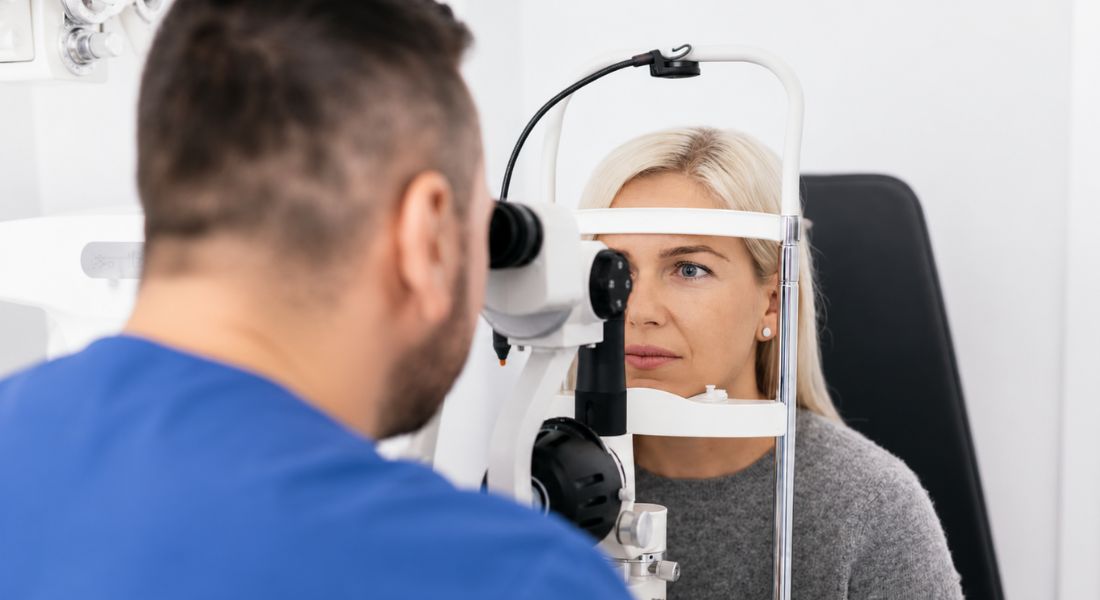
A dedicated emergency eye clinic offers the most targeted, efficient pathway for a corneal abrasion particularly one with complicating factors. These clinics have slit-lamp biomicroscopes, fluorescein staining, appropriate ophthalmic medications, and clinicians specifically trained to assess and treat corneal injuries. They can confirm the diagnosis, assess the depth and extent of the abrasion, check for retained foreign bodies, rule out penetrating injuries, and initiate appropriate treatment all in one visit.
If you’re based in or near the capital, being seen by an emergency eye doctor in London who specialises in urgent corneal injuries is the most direct route to expert assessment and appropriate management. Don’t let uncertainty about where to go become a reason to delay care.
How Corneal Abrasions Are Diagnosed
A Corneal Abrasion is usually diagnosed through a straightforward eye examination, but it does require specialist equipment that most general settings do not have. Understanding what happens during the appointment can help you feel more prepared if you need urgent assessment. The examination is usually quick, but it gives the doctor a clear view of the injury and whether any further treatment is needed.
One of the main tools used is fluorescein staining along with a slit-lamp examination. Fluorescein is a safe dye placed on the surface of your eye, usually using a small paper strip touched gently to the lower eyelid. Under a blue light, areas where the cornea has been scratched absorb the dye and appear bright green, making even very small abrasions easy for the doctor to see.
The slit lamp also allows the clinician to check how deep the scratch is, whether there is anything still trapped in your eye, and whether there are early signs of infection or more serious injury. This full assessment usually only takes a few minutes, but it provides important information that cannot be checked properly at home.
Treatment Options for a Corneal Abrasion
A corneal abrasion can be very painful, but most cases heal well when treated promptly. The right treatment depends on how large or deep the scratch is, where it is located on the cornea, and whether there is any risk of infection. In many cases, treatment focuses on protecting the surface of your eye, reducing discomfort, and allowing the cornea to heal naturally.
- Antibiotic Eye Drops or Ointment: These are often prescribed to reduce the risk of infection while the surface of your eye heals. Because the protective outer layer is damaged, bacteria can enter more easily, so preventing infection is an important part of treatment.
- Lubricating Eye Drops: These help keep your eye moist and can reduce irritation caused by blinking. They also support healing by protecting the sensitive surface and making you more comfortable during recovery.
- Cycloplegic Drops for Pain Relief: In some cases, doctors may prescribe drops that relax the muscles inside the eye. This can help reduce light sensitivity and ease the painful spasms that sometimes happen with deeper abrasions.
- Bandage Contact Lens: A soft protective contact lens may be used to cover the injured area and reduce friction from blinking. This can be especially helpful for larger scratches and may require follow-up visits to monitor healing.
Most corneal abrasions improve within a few days when treated properly by an eye specialist. Even if your symptoms start to settle, it is important not to rub the eye or stop treatment too early. Getting professional advice quickly can reduce the risk of complications and help restore comfort and clear vision more safely.
Pain Management During Recovery
The pain from a corneal abrasion can be genuinely debilitating in the early stages, and managing it effectively is an important part of recovery not just for comfort, but because severe pain can cause protective eyelid spasm that paradoxically slows healing by increasing mechanical pressure on the corneal surface.
Oral analgesics such as paracetamol or ibuprofen (where clinically appropriate for the individual) can help manage the systemic pain component. Your clinician may also prescribe topical non-steroidal anti-inflammatory eye drops, which provide localised pain relief without the healing-inhibiting risks associated with topical anaesthetics. These are safe for short-term use under clinical supervision.
Keeping the eye closed, wearing an eye patch or dark glasses to reduce light-induced discomfort, and resting in a dim environment can all help during the most uncomfortable phase. Avoid screens if they increase your discomfort the combination of bright light and the focusing effort required can exacerbate photophobia. Most people find that the pain begins to ease significantly within 24 to 48 hours as the epithelium starts to regenerate.
How Long Does Healing Take?
One of the most common questions after a corneal abrasion diagnosis is simply: how long will this take to heal? The honest answer is that it varies but the corneal epithelium is genuinely one of the body’s most efficient self-repair systems, and most people are pleasantly surprised by how quickly things improve.
Small, superficial abrasions the kind caused by a fingernail graze or a tiny piece of grit typically heal within 24 to 48 hours. Moderate abrasions covering a larger surface area may take 48 to 72 hours, or up to a week for particularly extensive injuries. Deeper abrasions that penetrate into the corneal stroma take longer potentially several weeks and are more likely to leave some degree of residual haziness or scarring.
During healing, it’s normal for symptoms to improve and then have a temporarily worse period this can happen as the regenerating epithelium migrates across the wound surface and the nerve endings become transiently more sensitive. If your symptoms significantly worsen after an initial improvement, particularly if there’s increasing pain, redness, or discharge, contact your clinician promptly as this may indicate the onset of infection.
The Risk of Infection What to Watch For
Infection is the most serious complication of a corneal abrasion, and it’s one that can develop quickly and cause significant harm if not identified and treated promptly. A corneal infection known as microbial keratitis can progress from a superficial irritation to a vision-threatening ulcer within days in severe cases.
The signs of developing infection are distinct from the normal healing process and should never be assumed to be just a normal part of recovery. Watch for increasing pain rather than improving pain, a white, grey, or yellow spot or opacity appearing on the cornea, increased redness that spreads rather than settles, a thick or coloured discharge from the eye, worsening photophobia, or a general sense that things are getting worse rather than better.
If you notice any of these signs, seek emergency eye care that day. Corneal infections require intensive topical antibiotic treatment often with drops applied every hour in the initial stages and sometimes inpatient management in severe cases. Early identification and aggressive treatment give the best chance of resolution without permanent corneal scarring or vision loss.
Recurrent Corneal Erosion Syndrome
For most people, a corneal abrasion heals completely and is never a problem again. But for a subset of individuals, a single corneal scratch can set in motion a longer-term condition known as recurrent corneal erosion syndrome and it’s worth being aware of this, because it can catch people completely off-guard months or even years after the original injury.
Recurrent corneal erosion occurs when the healing epithelium doesn’t bond properly to the underlying basement membrane. As a result, the surface becomes fragile and prone to spontaneous breakdown most commonly on waking, when the eyelid opening can shear away a poorly adherent epithelial layer. People affected by this condition wake suddenly with intense eye pain, tearing, and photophobia that mirrors the original injury, often without any obvious cause.
Treatment options for recurrent corneal erosion include hypertonic saline drops and ointment (which help draw fluid out of the epithelium and improve adherence), bandage contact lenses, anterior stromal puncture, and laser surface treatment (PTK phototherapeutic keratectomy) in more persistent cases. If you’ve had a previous corneal abrasion and begin experiencing episodes of sudden eye pain on waking, this is the likely explanation and is worth discussing with an ophthalmologist.
Penetrating Eye Injuries Knowing the Difference
Not every eye injury that feels like a scratch is simply a Corneal Abrasion. In some cases, an object may pass through the full thickness of the cornea and enter the inside of the eye. This is called a penetrating eye injury, and it is a medical emergency. The treatment is completely different from a surface scratch, which is why recognising the difference is so important.
Certain signs can suggest that the injury may be more serious than a simple abrasion. These include an injury caused by something moving at high speed, such as metal grinding, hammering, or an explosion. You may also notice obvious changes to the shape of the eye, severe loss of vision, or a visible object stuck in the eye. In these situations, the injury should always be treated as an emergency until an eye specialist has assessed it.
If there is any possibility of a penetrating injury, you should not rub the eye, press on it, try to remove anything, or cover it tightly. The safest approach is to protect the eye loosely, for example with a clean cup or shield, and seek emergency specialist care immediately. In these cases, getting treatment quickly can make a major difference to your visual outcome.
Corneal Abrasions in Children
Children are particularly prone to corneal abrasions their naturally active and exploratory behaviour, combined with their proximity in height to other people’s hands, pets, and low-lying plant material, makes eye scratches a fairly common childhood injury. Managing a corneal abrasion in a child requires the same clinical approach as in an adult, but with some practical considerations.
Young children often cannot reliably describe their symptoms, which means a parent or carer has to read the signs: unusual rubbing of the eye, squinting or keeping one eye closed, crying and holding the eye, sensitivity to light, or visible redness. If your child has been in a situation where an eye scratch may have occurred and they are clearly distressed and favouring the eye, assume an abrasion until proven otherwise.
First aid is the same gentle irrigation, keeping them from rubbing, and seeking assessment. Getting a young child to cooperate with eye drops and examination can be challenging, and the clinician will know how to manage this, often with specific techniques to examine very young or anxious patients. Don’t let anticipated difficulty with a child’s cooperation put you off seeking an assessment it’s too important.
Prevention: Protecting Your Eyes Every Day
The best corneal abrasion is the one that never happens, and while some eye injuries are genuinely unavoidable, a significant proportion can be prevented with simple, consistent habits. Given how much discomfort and disruption even a minor scratch can cause, prevention is well worth the small effort it requires.
Wearing appropriate protective eyewear is the single most effective preventive measure for those in higher-risk environments. Anyone working with power tools, grinding equipment, flying debris, or chemical substances should be wearing safety glasses or goggles as standard not as an optional extra. In domestic settings, safety glasses during DIY projects, gardening, or cutting with power tools are an entirely reasonable precaution.
Handling contact lenses carefully washing hands thoroughly before insertion and removal, never sleeping in daily lenses, and replacing lenses on schedule significantly reduces the risk of lens-related corneal injuries. Being mindful around children and pets, trimming nails carefully, and being cautious when walking in wooded or heavily planted environments are all small habits that meaningfully reduce everyday risk.
When a Scratch Affects Your Vision Long-Term
Most corneal abrasions heal completely without causing permanent vision problems. However, a small number of cases can lead to longer-term complications, especially when the scratch is deep, becomes infected, or does not heal properly. Delayed treatment and recurrent corneal erosion may also increase the risk of ongoing visual disturbance. While these situations are less common, they sometimes require more specialised treatment and long-term care.
- Corneal Scarring: Deep abrasions can occasionally leave scars on the cornea after healing. If the scar forms in the centre of the visual axis, it may cause blurred vision, glare, or reduced contrast sensitivity that affects daily activities.
- Location of the Scar Matters: Peripheral corneal scars often have little effect on vision because they sit outside the main line of sight. Central scars, however, can interfere more significantly with visual clarity and may become more noticeable in bright light or while driving at night.
- Specialised Contact Lens Treatment: Rigid gas-permeable or scleral contact lenses may help improve vision in people with irregular corneal surfaces. These lenses create a smoother optical surface over the cornea and can restore clearer vision even when some scarring remains.
- Surgical Treatment Options: In more severe cases where scarring is dense and vision cannot be corrected with contact lenses, procedures such as PRK or corneal transplantation may be considered. These treatments are generally reserved for complex, longstanding cases rather than routine corneal scratches.
Although long-term complications from a corneal abrasion are uncommon, they can occur when healing is disrupted or treatment is delayed. Early assessment and proper management greatly reduce the risk of permanent damage and help support a smoother recovery. Even in cases where scarring affects vision, modern contact lens technology and surgical treatments can provide meaningful improvement. Most importantly, seeking professional eye care quickly after an injury gives the best chance of protecting long-term vision and comfort.
Follow-Up Care Don’t Skip It

Once the acute phase of a corneal abrasion has been managed, follow-up care is an important part of ensuring a complete and uncomplicated recovery. It’s tempting, once the pain has settled and vision has returned to normal, to consider the matter closed and skip any scheduled review appointments. This is a mistake worth avoiding.
Follow-up allows your clinician to confirm that the epithelium has healed fully and correctly, to check that there is no residual foreign body that wasn’t identified initially, to assess whether there are any early signs of infection or epithelial irregularity, and to remove any bandage contact lens that was placed to support healing. It also provides an opportunity to discuss any ongoing symptoms including dryness, mild light sensitivity, or intermittent discomfort that may indicate the beginning of recurrent erosion or dry eye disease secondary to the injury.
Attending your follow-up is a small investment of time that protects the larger investment you’ve already made in getting appropriate treatment. If your abrasion was assessed and managed by a specialist such as an emergency eye doctor in London experienced in corneal injury management follow the review schedule they recommend, even if you feel completely recovered beforehand.
FAQ:
- How do I know if I have scratched my eye?
A scratched eye, also called a corneal abrasion, usually causes sudden pain, watering, redness, and a gritty sensation. Many people feel as though something is still trapped in the eye even after rinsing it. Light sensitivity and blurred vision may also develop depending on the depth and location of the scratch. - What should I do immediately after scratching my eye?
The first step is to gently rinse the eye with clean water or sterile saline solution to remove any debris. Avoid rubbing the eye, as this can worsen the scratch. Remove contact lenses if you are wearing them and allow the eye to rest in a comfortable, low-light environment. - Can a scratched eye heal on its own?
Many small superficial corneal abrasions heal naturally within 24 to 72 hours because the cornea repairs itself very quickly. However, deeper scratches, contact lens-related injuries, or abrasions complicated by infection may require medical treatment and closer monitoring to prevent long-term damage. - Should I keep my eye closed after scratching it?
Keeping the eye closed for short periods may reduce discomfort and light sensitivity, but you should not tightly patch the eye unless advised by a clinician. Excessive pressure or incorrect patching can sometimes interfere with healing or hide worsening symptoms. - Is blurred vision normal after a corneal abrasion?
Mild temporary blurring can occur, especially if the scratch is near the centre of the cornea. However, significant vision loss, worsening blur, or persistent visual changes should always be assessed urgently because they may indicate a deeper injury or developing complication. - Can I wear contact lenses after scratching my eye?
No. You should stop wearing contact lenses immediately after a corneal abrasion until a clinician confirms the eye has healed fully. Wearing lenses over a scratch increases the risk of serious corneal infection, particularly with aggressive bacteria linked to contact lens use. - When should I seek emergency treatment for a scratched eye?
You should seek urgent eye assessment if you have severe pain, blurred vision, increasing redness, discharge, a visible white spot on the cornea, sensitivity to light that is worsening, or if the injury involved metal, glass, or another high-speed object. Contact lens wearers should also seek prompt professional assessment. - Can rubbing my eye make the scratch worse?
Yes. Rubbing the eye can deepen the abrasion, spread debris across the corneal surface, and increase irritation and inflammation. If a foreign body is still present, rubbing may also push it further into the tissue and increase the risk of infection. - How are corneal abrasions treated?
Treatment often includes antibiotic eye drops or ointment to prevent infection, lubricating drops to improve comfort, and sometimes specialised pain-relieving medication. Larger abrasions may require a bandage contact lens or closer follow-up with an ophthalmologist to monitor healing properly. - Can a scratched eye cause permanent vision problems?
Most corneal abrasions heal without lasting damage, especially when treated promptly. However, deeper scratches or infections can occasionally cause corneal scarring, recurrent corneal erosion, or long-term blurred vision. Early assessment and correct treatment greatly reduce the risk of permanent complications.
Final Thoughts: Why Prompt Treatment for a Scratched Eye Matters
A scratched eye may seem like a small injury at first, but it should never be ignored. Even a minor corneal abrasion can become extremely painful and, in some situations, may lead to infection, scarring, or longer-term vision problems if it is not managed properly. Taking the right first steps such as gently rinsing the eye, avoiding rubbing, and removing contact lenses can help protect the cornea and support faster healing.
Most superficial corneal abrasions recover well within a few days, especially when treated early and monitored correctly. However, symptoms such as blurred vision, severe pain, discharge, increasing redness, or persistent light sensitivity should always be assessed urgently by an eye specialist. Prompt treatment greatly reduces the risk of complications and helps preserve both comfort and long-term visual clarity. If you’d like to find out whether seeing an emergency eye doctor in London is suitable for you, feel free to contact us at the Eye Clinic London to arrange a consultation.
References:
- Pickles, K. et al. (2021) Assessing the Performance of a Novel Bayesian Algorithm at Point of Care for Red Eye Complaints, Vision, 6(4), p. 64. Available at: https://www.mdpi.com/2411-5150/6/4/64
- Ferreira, C.S., Beheregaray, S., Romão, E. and Rocha, E.M. (2024) Treatment of Corneal Epithelium Lesions with Plasma Rich in Growth Factors: A Case Series and Implications, Healthcare, 13(17), p. 2184. Available at: https://www.mdpi.com/2227-9032/13/17/2184
- Hart, A., White, S., Conboy, P. and Quinton, D. (1997) The management of corneal abrasions in accident and emergency, Injury, 28(8), pp. 527–529. Available at: https://pubmed.ncbi.nlm.nih.gov/9616389/
- Evans, J.R. and Hoyt, K.S. (2023) Ophthalmologic Emergencies: Assessment and Management, Advanced Emergency Nursing Journal, 45(4), pp. 1–12. Available at: https://pubmed.ncbi.nlm.nih.gov/37885088/
- McGhee, C.N.J. (2008) Contact lens-related corneal infections, Clinical and Experimental Ophthalmology, 36(5), pp. 448–449. Available at: https://pmc.ncbi.nlm.nih.gov/articles/PMC2636120/