


The Ocular Hypertension Treatment Study (OHTS): Can Glaucoma Be Prevented?
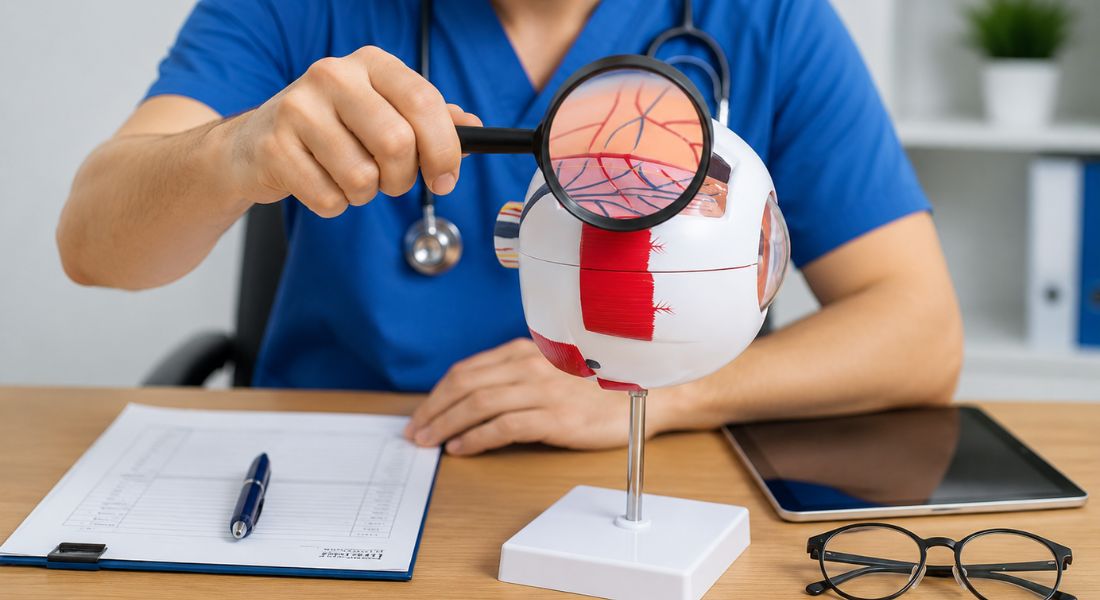
Glaucoma is one of the leading causes of irreversible vision loss worldwide, but it often develops gradually without noticeable symptoms during its early stages. If you have been told that your eye pressure is higher than normal, you may not experience any changes in your vision, even though you could be at an increased risk of developing glaucoma. This is why researchers have long searched for ways to identify people at risk before permanent damage occurs.
One of the most influential studies in glaucoma research is the Ocular Hypertension Treatment Study (OHTS). This landmark clinical trial investigated whether lowering eye pressure in people with ocular hypertension could reduce their risk of developing primary open-angle glaucoma, the most common form of the disease. The study has provided valuable evidence that continues to guide clinical practice today.
More than two decades after it first began, the findings from OHTS continue to shape how ophthalmologists assess your glaucoma risk, recommend appropriate monitoring, and decide when treatment should begin. The study has also helped identify additional risk factors that influence whether someone with raised eye pressure is likely to develop glaucoma, allowing treatment decisions to become more personalised rather than relying on eye pressure measurements alone.
If you have been diagnosed with ocular hypertension, understanding the OHTS can help you appreciate why regular eye examinations, careful monitoring, and early intervention may be so important. By identifying those most likely to benefit from treatment, the study has played a major role in improving glaucoma prevention strategies and helping protect long-term vision.
What Is Ocular Hypertension?
Ocular hypertension refers to higher-than-normal pressure inside the eye without evidence of glaucoma-related damage to the optic nerve. If you have been diagnosed with ocular hypertension, you should know that this does not mean you have glaucoma. However, elevated eye pressure is considered one of the most significant risk factors for developing the condition in the future.
In most cases, ocular hypertension does not cause noticeable symptoms. You may have increased eye pressure without experiencing any changes in your vision or discomfort, which is why the condition is often discovered during a routine comprehensive eye examination.
Regular monitoring is essential because it helps your eye specialist assess whether you are at increased risk of developing glaucoma over time. By tracking your eye pressure, examining your optic nerve, and performing additional tests when needed, your clinician can decide whether careful observation or treatment is the most appropriate approach for your individual circumstances.
Why Was the OHTS Conducted?
Before the Ocular Hypertension Treatment Study (OHTS), doctors knew that raised eye pressure increased the risk of developing glaucoma. However, it was not clear whether treating ocular hypertension before glaucoma developed would actually reduce your risk of the disease or whether careful monitoring alone would be sufficient for you.
Researchers conducted the OHTS to determine whether lowering eye pressure at an early stage could delay or prevent damage to the optic nerve. Understanding this was important because it could help you receive treatment at the right time, avoid unnecessary medication if you were at low risk, and better protect your vision over the long term.
The study had major implications for millions of people with ocular hypertension worldwide. Its goal was to provide clear scientific evidence that would help ophthalmologists decide when you may benefit from pressure-lowering treatment and when regular monitoring might be the most appropriate approach for you. Today, the findings continue to guide personalised glaucoma care and support treatment decisions based on your individual level of risk.
Study Design
The Ocular Hypertension Treatment Study (OHTS) was a large, multicentre, randomised clinical trial conducted across the United States to determine the best approach for managing ocular hypertension. If you had elevated intraocular pressure but no signs of glaucoma, you could have been eligible to participate in this landmark study.
Participants had raised eye pressure but showed no evidence of optic nerve damage or visual field loss at the beginning of the trial. They were randomly assigned either to receive pressure-lowering treatment or to undergo careful observation without immediate treatment. This allowed researchers to compare whether early intervention offered greater protection for your vision than regular monitoring alone.
Researchers followed participants for several years, carrying out regular eye examinations, measuring intraocular pressure, assessing the optic nerve, and testing visual fields. By comparing outcomes between the two groups, the study provided high-quality scientific evidence on whether lowering eye pressure could reduce your risk of developing glaucoma and help guide future treatment decisions for you.
Who Took Part?
The Ocular Hypertension Treatment Study (OHTS) included adults with consistently raised intraocular pressure who met strict eligibility criteria. If you had elevated eye pressure but no evidence of glaucoma, you may have met the type of profile researchers were looking to study.
Before entering the trial, participants underwent comprehensive eye examinations to confirm that they had ocular hypertension without signs of optic nerve damage or visual field loss. These detailed assessments ensured that researchers could accurately evaluate whether early treatment would reduce your risk of developing glaucoma over time.
Throughout the study, participants attended regular follow-up appointments where clinicians measured eye pressure, examined the optic nerve, and performed visual field tests. These ongoing assessments helped detect the earliest signs of glaucoma while allowing researchers to monitor changes in your eye health consistently. The long-term follow-up was a major strength of the OHTS, providing reliable evidence that continues to influence how ophthalmologists manage patients with ocular hypertension today.
The Main Aim of Treatment
The main aim of treatment in the Ocular Hypertension Treatment Study (OHTS) was to reduce intraocular pressure by approximately 20 percent from each participant’s baseline level. If you have ocular hypertension, you should know that even a moderate reduction in eye pressure may help lower your risk of developing glaucoma.
Researchers wanted to determine whether this level of pressure reduction would be enough to protect the optic nerve and delay or prevent the onset of glaucoma. By comparing treated participants with those who were carefully monitored without immediate treatment, they were able to assess whether lowering your eye pressure before glaucoma developed offered a meaningful long-term benefit.
The study showed that pressure-lowering treatment significantly reduced the risk of developing primary open-angle glaucoma during the initial five-year follow-up period.These findings became an important reference point for ophthalmologists and continue to help guide treatment decisions, allowing your eye specialist to determine whether pressure-lowering therapy is appropriate based on your individual level of risk.
Key Findings
The Ocular Hypertension Treatment Study (OHTS) demonstrated that lowering eye pressure significantly reduced the likelihood of developing primary open-angle glaucoma. If you have ocular hypertension, these findings show that early pressure-lowering treatment may help reduce your risk of developing glaucoma, particularly if you are considered to be at higher risk.
Participants who received treatment developed glaucoma less frequently than those who were monitored without immediate therapy. This provided strong scientific evidence that reducing your intraocular pressure before damage occurs can help protect your optic nerve and preserve your vision over the long term.
The results of the OHTS transformed glaucoma management worldwide and continue to influence modern clinical practice. Today, your ophthalmologist can use the study’s findings, together with your eye pressure, optic nerve appearance, corneal thickness, and other individual risk factors, to decide whether treatment or careful monitoring is the most appropriate approach for you.
Evidence Note: What Did the OHTS Actually Find?
The original Ocular Hypertension Treatment Study included 1,636 people with raised intraocular pressure but no evidence of glaucoma at the beginning of the trial. After five years, the cumulative probability of developing primary open-angle glaucoma was 4.4% among participants receiving pressure-lowering treatment compared with 9.5% among those initially assigned to observation.
For you as a patient, this means that lowering eye pressure can substantially reduce the likelihood of developing glaucoma when you have ocular hypertension. However, the results also explain why treatment should be personalised. Most untreated participants did not develop glaucoma during the first five years, so the greatest potential benefit from early treatment is likely to be in people with a higher individual risk profile.
Why Eye Pressure Matters

Although glaucoma causes damage to the optic nerve, elevated intraocular pressure remains the most important modifiable risk factor for the disease. If you have raised eye pressure, you should know that reducing it is currently the most effective way to lower your risk of developing glaucoma or slowing its progression.
High eye pressure can place mechanical stress on the delicate optic nerve fibres at the back of your eye, gradually leading to irreversible damage if left untreated. Even a modest reduction in your intraocular pressure may help protect your optic nerve and preserve your vision over the long term.
The findings of the Ocular Hypertension Treatment Study (OHTS) reinforced the importance of pressure control as the foundation of glaucoma care. Today, your ophthalmologist will assess your individual level of risk and recommend treatment or monitoring aimed at maintaining your eye pressure within a range that best protects your long-term eye health.
Not Everyone Needs Immediate Treatment
Not everyone with ocular hypertension will develop glaucoma or need immediate treatment. Your ophthalmologist will assess your individual risk before deciding whether pressure-lowering medication or careful monitoring is more appropriate. This helps avoid unnecessary treatment while still protecting your vision.
- Individual Risk Matters: Treatment decisions depend on your overall risk of developing glaucoma, not eye pressure alone.
- Monitoring May Be Suitable: Some people with ocular hypertension may remain stable for years with regular observation.
- Several Factors Are Considered: Age, corneal thickness, optic nerve appearance, family history, and visual field results help guide decisions.
- Treatment Is Personalised: Medication may be recommended for higher-risk patients, while lower-risk patients may be monitored carefully.
Overall, ocular hypertension does not automatically mean that immediate treatment is necessary. Careful risk assessment helps your ophthalmologist decide whether treatment or regular monitoring is the better approach. The aim is to protect your vision while ensuring that your care matches your individual level of risk.
Identifying High-Risk Patients
Researchers also analysed which participants were more likely to develop glaucoma during the Ocular Hypertension Treatment Study (OHTS). If you have ocular hypertension, understanding your individual risk factors can help determine whether you are more likely to benefit from early treatment.
The study identified several important predictors of glaucoma development, including higher intraocular pressure, thinner corneas, increasing age, and changes in the appearance of the optic nerve. Rather than relying on a single measurement, your ophthalmologist can combine these factors to build a more complete picture of your overall risk.
Today, this personalised risk assessment allows clinicians to make more informed treatment decisions. By evaluating your individual risk profile, your eye specialist can decide whether pressure-lowering treatment is appropriate for you or whether careful monitoring is the most suitable approach to help protect your long-term vision.
Clinical Insight: OHTS Changed How Glaucoma Risk Is Assessed
One of the most important lessons from OHTS is that a single eye pressure reading does not tell the whole story. Two people with similar intraocular pressure may have very different risks of developing glaucoma.
The OHTS and later validated prediction models showed that factors including age, intraocular pressure, central corneal thickness, vertical cup-to-disc ratio and visual field pattern standard deviation can be considered together when estimating five-year glaucoma risk.
For you, this means that a personalised assessment is more informative than simply asking whether your eye pressure is “high”. Your ophthalmologist can use several measurements together to decide how closely you should be monitored and whether early treatment is likely to provide worthwhile benefit.
Importance of Corneal Thickness
One of the most influential discoveries of the Ocular Hypertension Treatment Study (OHTS) was the importance of central corneal thickness in assessing glaucoma risk. If you have ocular hypertension, measuring the thickness of your cornea can provide valuable information about your likelihood of developing glaucoma.
The study found that people with thinner corneas were more likely to develop primary open-angle glaucoma than those with thicker corneas. Corneal thickness can also influence the accuracy of your intraocular pressure measurements, making it an important factor when interpreting the results of your eye examination.
Because of these findings, measuring central corneal thickness has become a routine part of glaucoma assessment. Your ophthalmologist can combine this measurement with your eye pressure, optic nerve appearance, age, and other risk factors to better estimate your individual risk and decide whether you would benefit from treatment or ongoing monitoring.
Visual Field Testing
Participants in the Ocular Hypertension Treatment Study (OHTS) underwent regular visual field testing throughout the trial. If you have ocular hypertension, these tests can help detect subtle changes in your peripheral vision that may be caused by the earliest stages of glaucoma, often before you notice any symptoms yourself.
By monitoring your visual field over time, your ophthalmologist can identify small changes that may indicate damage to the optic nerve and determine whether your condition is remaining stable or beginning to progress. Regular testing provides valuable information that complements measurements of your eye pressure and detailed examinations of your optic nerve.
Today, visual field analysis remains an essential part of monitoring patients with ocular hypertension and glaucoma. Routine testing allows your eye specialist to detect early changes, assess the effectiveness of your treatment if required, and make timely decisions to help protect your long-term vision.
Optic Nerve Assessment
Careful examination of the optic nerve formed another key part of the Ocular Hypertension Treatment Study (OHTS). If you have ocular hypertension, regular assessment of your optic nerve helps your ophthalmologist identify the earliest structural changes that may indicate the development or progression of glaucoma.
During the study, researchers closely monitored participants for subtle changes in the appearance of the optic nerve, as these changes often occur before noticeable vision loss develops. By combining optic nerve examinations with eye pressure measurements and visual field testing, they were able to detect glaucoma at an earlier stage.
Today, modern imaging technologies allow even more detailed evaluation of your optic nerve than was possible during the original OHTS. Advanced scans can detect early structural changes before your vision is affected, helping your ophthalmologist monitor your eye health more accurately and make timely treatment decisions to protect your long-term vision.
Long-Term Follow-Up
The Ocular Hypertension Treatment Study (OHTS) continued with extended follow-up after the original trial ended, allowing researchers to gain valuable information about the long-term risk of developing glaucoma. If you have ocular hypertension, this long-term research provides a clearer understanding of how your risk may change over time.
The extended follow-up showed that treatment decisions should not be based on your eye pressure alone. Instead, your ophthalmologist should consider a combination of factors, including your age, corneal thickness, optic nerve appearance, visual field results, and overall glaucoma risk before recommending treatment or continued monitoring.
This long-term evidence strengthened the study’s original conclusions and reinforced the importance of personalised care. Today, the findings continue to help your eye specialist decide whether early pressure-lowering treatment is likely to benefit you or whether careful observation remains the most appropriate approach for protecting your long-term vision.
Long-Term Evidence Note:
Long-term follow-up from OHTS showed that the risk associated with ocular hypertension can continue for many years. Across the study population, the estimated cumulative incidence of primary open-angle glaucoma in one or both eyes reached 45.6% at 20 years.
This does not mean that every person with ocular hypertension has the same long-term risk or that everyone requires immediate treatment. Instead, it highlights why continued monitoring and repeated risk assessment remain important. Your risk can be influenced by several factors, including age, eye pressure, optic nerve findings, visual field results and other clinical measurements.
Impact on Clinical Guidelines
The findings from the Ocular Hypertension Treatment Study (OHTS) have had a major influence on glaucoma guidelines around the world. If you have ocular hypertension, you are likely to benefit from an approach that is based on your individual level of risk rather than a single eye pressure measurement.
Many professional organisations now recommend a formal glaucoma risk assessment before deciding whether you require pressure-lowering treatment. Your ophthalmologist will consider factors such as your intraocular pressure, age, central corneal thickness, optic nerve appearance, visual field results, and family history to determine the most appropriate management plan for you.
This evidence-based approach allows your care to be tailored to your individual circumstances, helping to ensure that you receive treatment when the potential benefits outweigh the risks. The OHTS continues to shape modern clinical practice, supporting personalised decision-making and helping protect your long-term eye health and vision.
UK Clinical Practice Note:
In the UK, the principles established by OHTS continue to support risk-based glaucoma care, but treatment options have evolved. NICE recommends considering your risk of future visual impairment when deciding how ocular hypertension should be managed. For suitable people with newly diagnosed ocular hypertension and an intraocular pressure of 24 mmHg or more, 360° selective laser trabeculoplasty may be offered as an initial treatment option. Pressure-lowering eye drops remain important when laser treatment is unsuitable, declined, delayed or does not achieve sufficient pressure reduction.
One useful nuance: NICE states that central corneal thickness is no longer required specifically to decide whether OHT should be treated under its threshold-based pathway, although CCT remains important historically and clinically in OHTS risk-prediction research.
Importance of Regular Eye Examinations
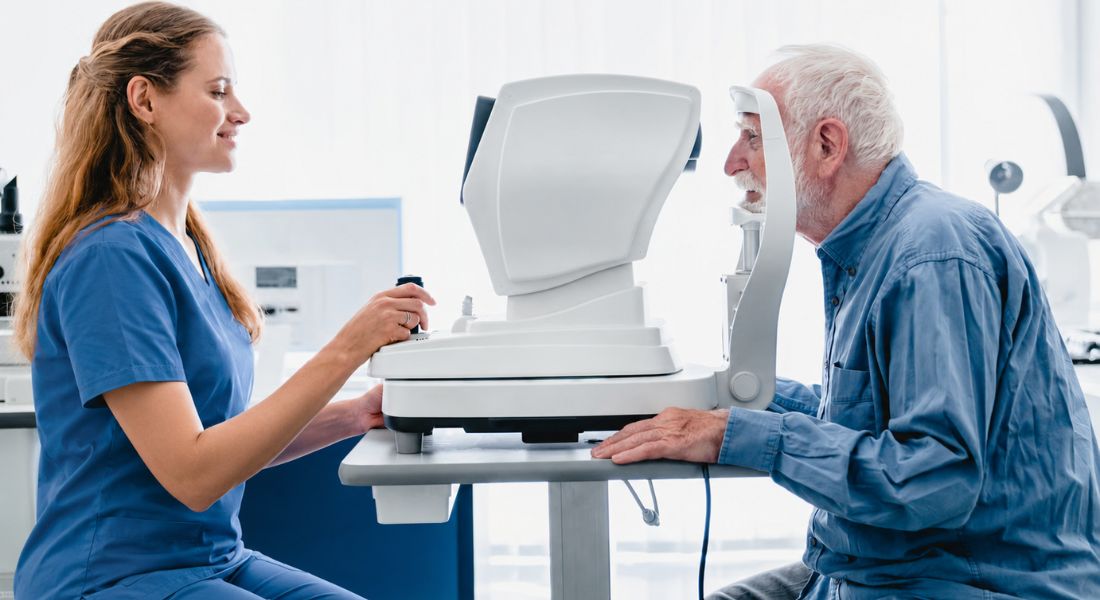
Because ocular hypertension usually causes no noticeable symptoms, regular eye examinations remain one of the most important ways to protect your vision. If you have raised eye pressure or are at risk of glaucoma, you may not notice any changes until permanent damage has already occurred.
Routine monitoring allows your ophthalmologist to measure your eye pressure, examine your optic nerve, and assess your visual fields over time. By comparing these results at each visit, your eye specialist can detect early signs of glaucoma promptly and determine whether your condition remains stable or whether you would benefit from treatment.
The findings of the Ocular Hypertension Treatment Study (OHTS) reinforced the importance of ongoing monitoring and personalised care. Regular eye examinations provide the best opportunity to detect glaucoma at an early stage, preserve your vision, and ensure that you receive the most appropriate management based on your individual level of risk.
Balancing Benefits and Risks
Although pressure-lowering treatment can reduce your risk of developing glaucoma, it is important to remember that medications may also cause side effects or may not be necessary for every person with ocular hypertension. If you have raised eye pressure, your ophthalmologist will carefully weigh the potential benefits of treatment against any possible disadvantages before recommending a management plan.
The Ocular Hypertension Treatment Study (OHTS) showed that treatment decisions should not be based solely on eye pressure. Instead, your overall glaucoma risk, age, corneal thickness, optic nerve health, medical history, lifestyle, and personal preferences should all be considered when deciding whether treatment is appropriate for you.
This personalised approach supports shared decision-making between you and your ophthalmologist. By discussing the potential benefits, risks, and available options, you can make an informed decision together that is based on the best available evidence and your individual circumstances, helping to protect your long-term vision.
Advances Since the OHTS
Since the Ocular Hypertension Treatment Study (OHTS) began, glaucoma diagnosis and monitoring have improved considerably. If you are being assessed for ocular hypertension or glaucoma today, you can benefit from technologies that were not widely available when the original study was conducted.
Modern tools such as optical coherence tomography (OCT), artificial intelligence, and advanced imaging systems allow your ophthalmologist to detect subtle changes in the optic nerve and retinal nerve fibre layer much earlier than before. These innovations provide more detailed information about your eye health and help identify early signs of glaucoma before noticeable vision loss occurs.
While technology has advanced significantly, the core principles established by the OHTS remain just as relevant today. Your ophthalmologist continues to combine these modern diagnostic tools with personalised risk assessment to decide whether you would benefit from treatment or careful monitoring, ensuring that your care is based on both the latest technology and strong scientific evidence.
How Ocular Hypertension Is Monitored Over Time
| Assessment | What It Evaluates | Why It Is Repeated Over Time |
| Intraocular Pressure Measurement | Measures the pressure inside the eye | Helps identify changes or persistent pressure elevation and assess the effect of treatment |
| Optic Nerve Examination | Assesses the appearance and health of the optic nerve | Helps detect structural changes that may suggest glaucoma development |
| Visual Field Testing | Measures areas of central and peripheral vision | Can identify functional changes and determine whether vision remains stable |
| OCT Imaging | Produces detailed images of the optic nerve and retinal nerve fibre layer | Helps detect and track subtle structural changes over time |
| Central Corneal Thickness Measurement | Measures the thickness of the cornea | Provides useful context for glaucoma risk assessment and interpretation of eye pressure measurements |
| Review of Risk Factors | Considers factors such as age, family history and previous clinical findings | Helps the ophthalmologist reassess whether monitoring or treatment remains appropriate |
| Treatment Response Review | Assesses whether eye pressure management is achieving its intended goal | Helps determine whether the current plan should be continued or adjusted |
What the Study Means for Patients Today
The Ocular Hypertension Treatment Study (OHTS) showed that glaucoma can often be delayed or prevented in carefully selected high-risk patients through early reduction of intraocular pressure. If you have ocular hypertension, these findings mean that early treatment may help protect your vision if your individual risk of developing glaucoma is considered high.
However, treatment recommendations are not the same for everyone. Your ophthalmologist will assess factors such as your eye pressure, age, central corneal thickness, optic nerve appearance, visual field results, family history, and overall eye health before deciding whether treatment or careful monitoring is the most appropriate approach for you.
The OHTS highlighted the importance of personalised care rather than a one-size-fits-all strategy. By evaluating your individual risk profile, your eye specialist can recommend a management plan that is tailored to your specific needs, helping to preserve your vision while avoiding unnecessary treatment where appropriate.
Continuing Influence of the OHTS
More than twenty years after its publication, the Ocular Hypertension Treatment Study (OHTS) remains one of the most influential glaucoma studies ever conducted. If you are diagnosed with ocular hypertension today, there is a strong chance that your assessment and treatment plan are still influenced by the evidence generated by this landmark research.
The study’s findings continue to guide glaucoma research, everyday clinical practice, and international treatment recommendations. By demonstrating the value of personalised risk assessment and early pressure-lowering treatment for selected patients, the OHTS has helped shape the way your ophthalmologist evaluates and manages your long-term glaucoma risk.
Although diagnostic technologies have advanced considerably since the study began, the core principles established by the OHTS remain highly relevant. Its lasting influence continues to support evidence-based, patient-centred care, helping your eye specialist make informed decisions that are tailored to your individual risk factors and focused on protecting your long-term vision.
Seeking Specialist Glaucoma Assessment
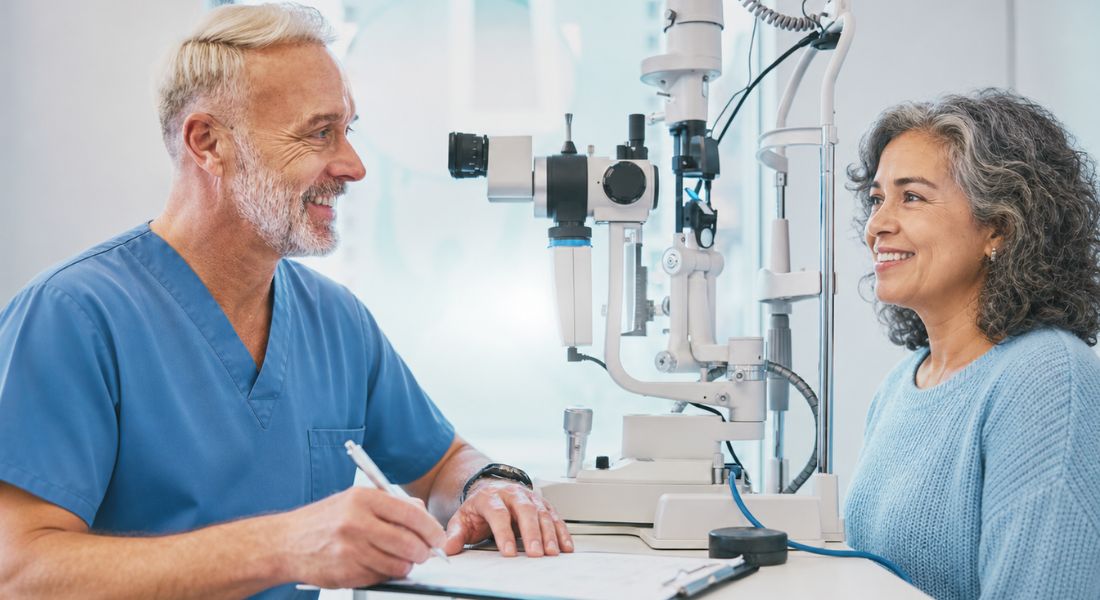
If you have been diagnosed with ocular hypertension or are concerned about your risk of glaucoma, regular specialist assessment is essential. Early diagnosis gives you the best opportunity to protect your vision, as glaucoma often develops without noticeable symptoms until permanent damage has already occurred.
During your appointments, your ophthalmologist will assess your eye pressure, examine your optic nerve, measure your visual fields, and consider other important risk factors to determine your individual likelihood of developing glaucoma. These assessments help ensure that you receive the most appropriate management, whether that involves regular monitoring or pressure-lowering treatment.
The findings of the Ocular Hypertension Treatment Study (OHTS) have shown that timely assessment and personalised care can significantly reduce the risk of vision loss in selected patients. By attending regular eye examinations and following your ophthalmologist’s recommendations, you can help preserve your long-term eye health and reduce the likelihood of permanent vision loss.
Myth vs Fact:
| Myth | Fact |
| High eye pressure means you already have glaucoma. | Ocular hypertension means pressure is raised without established glaucoma-related optic nerve or visual field damage. |
| Everyone with ocular hypertension needs treatment immediately. | Some people can be monitored, while others benefit from early pressure lowering based on their individual risk. |
| Lowering pressure guarantees glaucoma will never develop. | Treatment significantly reduces risk but does not eliminate it completely. |
| Eye pressure is the only important risk factor. | Age, corneal thickness, optic nerve measurements and visual field findings also contribute to risk assessment. |
| OHTS proved that all patients should use eye drops. | OHTS demonstrated the benefit of pressure lowering, but modern management includes personalised monitoring, medicines and, in current UK practice, SLT for selected patients. |
Key Takeaways
- Ocular hypertension means raised eye pressure without established glaucomatous damage.
- OHTS included 1,636 participants and remains one of the most influential glaucoma prevention studies.
- At five years, glaucoma developed in 4.4% of the treatment group compared with 9.5% of the observation group.
- Pressure lowering significantly reduces risk, but it does not guarantee complete prevention.
- Not everyone with ocular hypertension requires immediate treatment.
- OHTS helped establish the importance of personalised risk assessment using multiple clinical factors.
- Long-term follow-up shows that the risk of glaucoma can continue over decades.
- Current UK management includes monitoring, medicines and selective laser trabeculoplasty, depending on IOP and lifetime risk of visual impairment.
FAQs:
- What was the Ocular Hypertension Treatment Study (OHTS)?
The Ocular Hypertension Treatment Study (OHTS) was a landmark clinical trial that investigated whether lowering eye pressure could reduce the risk of developing glaucoma. It followed people with ocular hypertension who had no signs of glaucoma at the start of the study. Its findings continue to influence glaucoma care and treatment decisions today. - What is ocular hypertension?
Ocular hypertension is a condition where the pressure inside the eye is higher than normal without any damage to the optic nerve or loss of vision. Although it does not always lead to glaucoma, it is one of the most significant risk factors. Regular eye examinations are important to monitor the condition over time. - What did the OHTS discover?
The study found that lowering intraocular pressure significantly reduced the risk of developing primary open-angle glaucoma. People who received pressure-lowering treatment developed glaucoma less often than those who were only monitored. This provided strong evidence that early treatment can benefit selected high-risk patients. - Does everyone with ocular hypertension need treatment?
No, the OHTS showed that not everyone with ocular hypertension develops glaucoma. Some people remain stable for many years without requiring medication. Treatment decisions are based on an individual’s overall risk rather than eye pressure alone. - What factors increase the risk of developing glaucoma?
The study identified several important risk factors, including higher eye pressure, thinner corneas, increasing age, and changes in the optic nerve. These factors help ophthalmologists estimate a person’s likelihood of developing glaucoma. A personalised risk assessment is now a key part of glaucoma management. - Why is corneal thickness important in glaucoma assessment?
The OHTS found that people with thinner corneas had a greater risk of developing glaucoma. As a result, measuring central corneal thickness has become a routine part of glaucoma assessments. This information helps specialists make more accurate treatment decisions. - How is glaucoma monitored in people with ocular hypertension?
Monitoring usually includes measuring eye pressure, examining the optic nerve, and performing regular visual field tests. Modern imaging technologies also help detect subtle structural changes before noticeable vision loss occurs. Regular follow-up appointments are essential for identifying early signs of glaucoma. - How has the OHTS changed glaucoma care?
The findings of the OHTS have influenced glaucoma guidelines around the world by encouraging personalised risk assessment. Instead of treating everyone with raised eye pressure, doctors now consider multiple risk factors before recommending treatment. This approach helps balance the benefits and potential side effects of therapy. - Can glaucoma be prevented?
The OHTS showed that lowering eye pressure can delay or reduce the risk of glaucoma in carefully selected high-risk individuals. However, it cannot completely prevent the disease in every person. Early diagnosis, regular monitoring, and appropriate treatment remain the best ways to protect long-term vision. - Why are regular eye examinations important for ocular hypertension?
Ocular hypertension usually causes no symptoms, so many people are unaware they have it until it is detected during an eye examination. Regular check-ups allow ophthalmologists to monitor eye pressure, optic nerve health, and vision over time. Early detection and timely treatment can significantly reduce the risk of permanent vision loss.
Final Thoughts: Why the OHTS Still Shapes Modern Glaucoma Care
The Ocular Hypertension Treatment Study remains one of the most important milestones in glaucoma research. Its findings showed that lowering eye pressure can significantly reduce the risk of developing glaucoma in carefully selected individuals, while also highlighting that not everyone with ocular hypertension requires immediate treatment.
Today, ophthalmologists use the principles established by the OHTS alongside advanced diagnostic technologies to provide personalised care based on your individual risk factors. This approach helps ensure that treatment decisions are evidence-based, balancing the benefits of early intervention with the need to avoid unnecessary medication. If you’d like to find out whether glaucoma treatment in London is suitable for you, feel free to contact us at Eye Clinic London to arrange a consultation.
References:
- Kass et al. (2002) ‘The Ocular Hypertension Treatment Study: A randomized trial determines that topical ocular hypotensive medication delays or prevents the onset of primary open-angle glaucoma’, Archives of Ophthalmology, 120(6), pp. 701–713. Available at: https://pubmed.ncbi.nlm.nih.gov/12049574/
- Gordon et al. (2002) ‘The Ocular Hypertension Treatment Study: Baseline factors that predict the onset of primary open-angle glaucoma’, Archives of Ophthalmology, 120(6), pp. 714–720. Available at: https://pubmed.ncbi.nlm.nih.gov/12049575/
- Gordon, M.O. and Kass, M.A. (2018) ‘What we have learned from the Ocular Hypertension Treatment Study’, American Journal of Ophthalmology, 189, pp. xxiv–xxvii. Available at: https://pmc.ncbi.nlm.nih.gov/articles/PMC5915899/
- Kass, M.A. et al. (2021) ‘Assessment of cumulative incidence and severity of primary open-angle glaucoma among participants in the Ocular Hypertension Treatment Study after 20 years of follow-up’, JAMA Ophthalmology, 139(5), pp. 558–566. Available at: https://pmc.ncbi.nlm.nih.gov/articles/PMC8050785/
- García-Villanueva, C. et al. (2022) ‘Impact of systemic comorbidities on ocular hypertension and open-angle glaucoma, in a population from Spain and Portugal’, Journal of Clinical Medicine, 11(19), 5649. Available at: https://www.mdpi.com/2077-0383/11/19/5649