


The Early Manifest Glaucoma Trial (EMGT): Does Early Treatment Make a Difference?
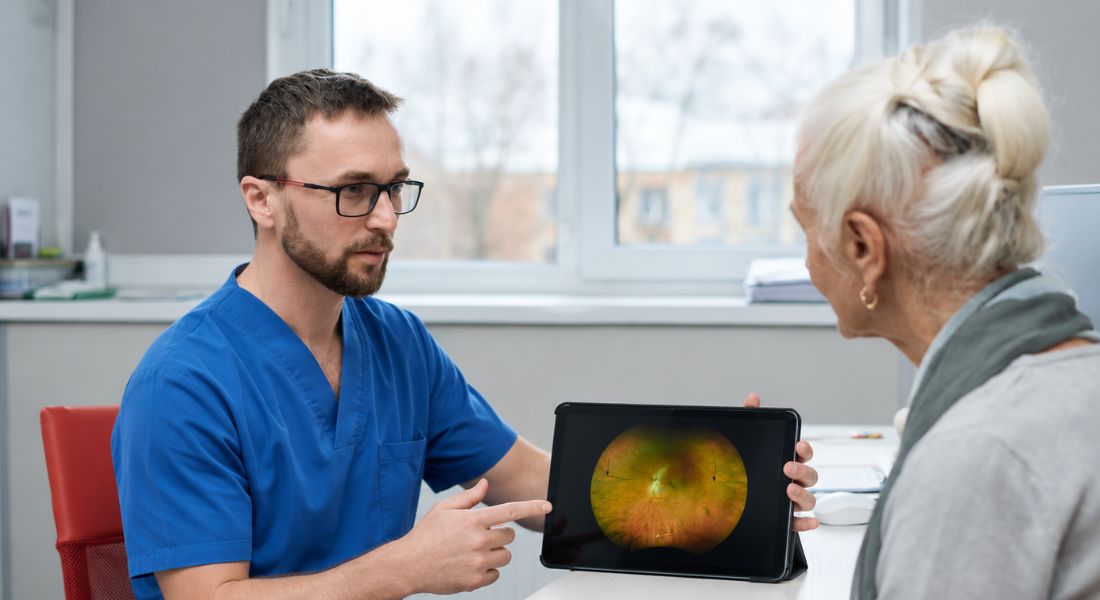
Glaucoma is one of the leading causes of irreversible blindness worldwide, often progressing slowly and without obvious symptoms during its earliest stages. If you develop glaucoma, you may not notice any changes in your vision until significant and permanent damage has already occurred. Because vision lost to glaucoma cannot usually be restored, early diagnosis and timely treatment are essential for protecting your long-term eyesight.
One of the most influential studies in glaucoma research is the Early Manifest Glaucoma Trial (EMGT). This landmark clinical trial investigated whether lowering intraocular pressure in people with newly diagnosed glaucoma could reduce the risk of disease progression. The study aimed to determine whether starting treatment early could help preserve your vision and slow the damage caused by glaucoma.
The results transformed the way glaucoma is managed around the world. They showed that early pressure-lowering treatment can make a meaningful difference for many patients by reducing the rate at which glaucoma progresses. If you are diagnosed with glaucoma, these findings support the importance of beginning appropriate treatment before substantial vision loss occurs.
Today, the EMGT continues to influence international glaucoma guidelines and remains one of the most frequently referenced studies in ophthalmology. Its findings help your ophthalmologist make evidence-based decisions about when to begin treatment and how best to protect your vision over the long term through personalised glaucoma care.
What Was the Early Manifest Glaucoma Trial?
The Early Manifest Glaucoma Trial (EMGT) was a large, long-term clinical study designed to determine whether starting treatment soon after a diagnosis of glaucoma could slow the progression of the disease. If you are diagnosed with glaucoma, one of the most important questions is whether early treatment can help protect your vision, and this landmark trial was created to answer exactly that.
Researchers investigated whether lowering intraocular pressure immediately after diagnosis offered measurable benefits compared with delaying treatment. The study focused on people with newly diagnosed open-angle glaucoma who had early-stage disease and had not previously received glaucoma treatment. This allowed researchers to assess how early intervention affected the long-term health of your optic nerve and your risk of vision loss.
The findings demonstrated that reducing eye pressure at an early stage can significantly slow glaucoma progression in many patients. More than two decades after its publication, the EMGT continues to influence glaucoma research, clinical practice, and international treatment guidelines, helping your ophthalmologist make evidence-based decisions that are tailored to your individual needs and risk profile.
Why Was the Study Needed?
Before the Early Manifest Glaucoma Trial (EMGT), many eye specialists believed that lowering intraocular pressure was beneficial for people with glaucoma. However, there was limited high-quality scientific evidence showing exactly how much early treatment could slow disease progression in patients who had been newly diagnosed.
Researchers launched the EMGT to answer one of the most important questions in glaucoma care: would starting treatment soon after diagnosis help preserve your vision by slowing damage to the optic nerve? If you are diagnosed with glaucoma, understanding the value of early intervention is essential because any vision lost to the disease is usually permanent.
The study was designed to provide clear scientific evidence about the benefits of lowering eye pressure at an early stage of glaucoma. Its findings showed that early treatment can significantly reduce the risk of disease progression for many patients, helping your ophthalmologist make evidence-based decisions about when to begin treatment and how best to protect your long-term vision.
Study Design
The Early Manifest Glaucoma Trial (EMGT) was a prospective, randomised clinical trial designed to evaluate the effects of early treatment on glaucoma progression. If you had been newly diagnosed with open-angle glaucoma and met the study criteria, you could have been eligible to participate in this landmark research.
After diagnosis, participants were randomly divided into two groups. One group received immediate pressure-lowering treatment, while the other group was initially observed without treatment. This study design allowed researchers to compare whether starting treatment straight away offered greater protection for your vision than delaying treatment.
Researchers monitored both groups over several years using regular eye examinations, intraocular pressure measurements, visual field testing, and optic nerve assessments. By comparing the long-term outcomes, the EMGT provided strong scientific evidence that early pressure-lowering treatment can slow glaucoma progression and help preserve your vision over time.
Who Took Part?
The EMGT involved patients with newly detected, previously untreated open-angle glaucoma, including people with primary open-angle glaucoma and some with exfoliation glaucoma. If you had recently been diagnosed with one of these forms of glaucoma and had not yet started treatment, you would have represented the type of patient the researchers wanted to study.
Before entering the trial, participants underwent comprehensive eye examinations to confirm their diagnosis and establish a baseline for future comparisons. These assessments included visual field testing, careful examination of the optic nerve, and measurement of intraocular pressure, providing researchers with a detailed picture of each participant’s eye health.
Throughout the study, participants attended regular follow-up visits so researchers could monitor changes in their condition over time. These ongoing assessments allowed clinicians to detect glaucoma progression accurately and evaluate how early treatment affected long-term outcomes, helping your ophthalmologist better understand the benefits of timely intervention for patients like you.
Treatment Used During the Study
Participants assigned to immediate treatment in the Early Manifest Glaucoma Trial received argon laser trabeculoplasty together with topical betaxolol. This treatment strategy produced an average intraocular pressure reduction of 5.1 mmHg, equivalent to approximately 25% from baseline. Researchers then monitored whether this reduction delayed glaucoma progression compared with initial observation. This treatment strategy produced an average intraocular pressure reduction of 5.1 mmHg, equivalent to approximately 25% from baseline to help slow the progression of glaucoma.
Researchers closely monitored how effectively this combination of laser treatment and eye drops reduced eye pressure and protected the optic nerve over time. At the time the study was conducted, this approach reflected the standard treatment options available for patients with newly diagnosed glaucoma.
Pressure reduction was the primary objective of the EMGT because elevated intraocular pressure is the most important modifiable risk factor for glaucoma progression. The study demonstrated that lowering your eye pressure through appropriate treatment can significantly reduce the rate at which glaucoma worsens, helping to preserve your vision and support your long-term eye health.
The Main Findings
The Early Manifest Glaucoma Trial (EMGT) clearly demonstrated that lowering intraocular pressure reduces the risk of glaucoma progression. If you have been diagnosed with glaucoma, these findings show that starting treatment early can help slow the disease and protect your vision over time.
Patients who received pressure-lowering treatment experienced significantly slower disease progression than those who were initially observed without treatment. This provided strong scientific evidence that reducing your eye pressure soon after diagnosis can help limit further damage to your optic nerve and preserve your visual function.
The EMGT became a landmark study in glaucoma research because it confirmed the value of early intervention using high-quality clinical evidence. Today, its findings continue to guide your ophthalmologist when deciding the most appropriate time to begin treatment, helping ensure that your care is based on your individual needs and the best available scientific evidence.
Evidence Note: What Did the EMGT Actually Find?
The Early Manifest Glaucoma Trial included 255 people with early, previously untreated open-angle glaucoma. After a median follow-up of six years, treatment reduced intraocular pressure by an average of 5.1 mmHg, equivalent to approximately 25%.
Glaucoma progression occurred in 45% of participants receiving immediate treatment compared with 62% of those assigned to no initial treatment. Progression also occurred significantly later in the treated group.
For you as a patient, this means that lowering eye pressure soon after a confirmed glaucoma diagnosis can meaningfully delay disease progression. However, treatment does not guarantee that progression will completely stop, which is why regular visual field testing, optic nerve assessment and review of your treatment response remain essential.
Why Intraocular Pressure Matters
Intraocular pressure remains the only major glaucoma risk factor that can currently be modified through treatment. If you have glaucoma or are at risk of developing it, lowering your eye pressure is the most effective way to slow damage to your optic nerve and help preserve your vision.
When eye pressure is reduced, the stress placed on the delicate optic nerve fibers also decreases. This helps protect the nerve from further damage and supports the preservation of your visual function over time. The Early Manifest Glaucoma Trial (EMGT) showed that even moderate reductions in your intraocular pressure can provide meaningful benefits by slowing the progression of glaucoma.
This principle continues to guide glaucoma management today. Your ophthalmologist will assess your individual condition and recommend a target eye pressure that is appropriate for you, using treatments such as eye drops, laser therapy, surgery, or a combination of these approaches to help protect your long-term eye health and vision.
Disease Progression Still Occurred
One important observation from the Early Manifest Glaucoma Trial (EMGT) was that glaucoma sometimes continued to progress despite successful lowering of intraocular pressure. If you are receiving treatment for glaucoma, this means that reducing your eye pressure is highly beneficial, but it may not completely stop the disease in every case.
EMGT analyses identified several factors associated with progression beyond treatment assignment alone, including age, exfoliation, bilateral disease and measures related to disease severity. Wider glaucoma research has also investigated vascular, genetic and other biological contributors to disease progression. This is why your ophthalmologist will continue to monitor your eye health regularly, even if your eye pressure is well controlled.
Although treatment cannot guarantee that glaucoma will never progress, the EMGT demonstrated that lowering your intraocular pressure significantly reduces the overall risk of disease progression. For this reason, pressure control remains the cornerstone of modern glaucoma management and continues to play a central role in protecting your long-term vision.
Clinical Insight: Every Millimeter of Mercury Can Matter
Further analysis of EMGT data found that each 1 mmHg greater reduction in intraocular pressure from baseline to the first follow-up visit was associated with approximately a 10% lower risk of glaucoma progression.
This does not mean that every patient should be treated to the same pressure. Your appropriate target pressure depends on factors such as the severity of your glaucoma, your existing visual field damage, rate of progression, age and overall risk of future sight loss.
The practical lesson from EMGT is that the size of the pressure reduction matters. Your ophthalmologist will therefore assess not only whether your pressure has fallen, but whether the reduction appears sufficient to protect your vision over time.
Measuring Glaucoma Progression
Monitoring glaucoma progression requires regular assessment of both vision and the structure of the optic nerve. Tests such as visual field testing, optic nerve examination, and OCT imaging can help detect subtle changes before you notice symptoms yourself.
- Visual Field Testing: Regular visual field tests help identify changes in peripheral and central vision over time.
- Optic Nerve Examination: Careful examination allows your ophthalmologist to look for signs of structural damage or progression.
- OCT Imaging: Optical coherence tomography can detect early changes in the optic nerve and retinal nerve fiber layer.
- Regular Comparison of Results: Comparing results over time helps identify progression early and guides timely treatment decisions.
Overall, glaucoma progression is measured through consistent testing rather than symptoms alone. Regular monitoring helps your ophthalmologist detect small changes early and adjust treatment when needed. This approach supports better protection of your long-term vision.
Importance of Early Diagnosis
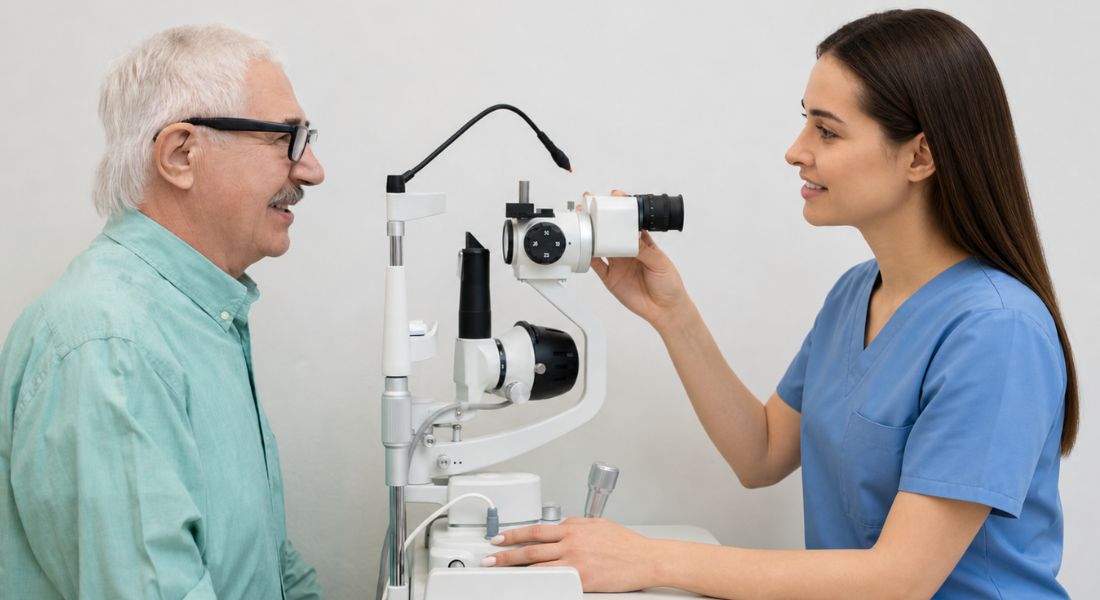
The Early Manifest Glaucoma Trial (EMGT) highlighted the importance of diagnosing glaucoma before significant vision loss occurs. If you are diagnosed at an early stage, treatment can begin sooner, helping to slow the progression of the disease and protect your long-term vision.
Because glaucoma often develops silently, you may not notice any symptoms until irreversible damage has already affected your optic nerve. Regular comprehensive eye examinations are therefore essential, especially if you have risk factors such as increasing age, a family history of glaucoma, elevated eye pressure, or certain medical conditions.
The EMGT demonstrated that earlier diagnosis provides a greater opportunity to preserve your eyesight through timely pressure-lowering treatment and ongoing monitoring. Today, early detection remains one of the most effective strategies for reducing the risk of permanent vision loss and ensuring that you receive the most appropriate care for your individual needs.
Risk Factors Identified
The Early Manifest Glaucoma Trial (EMGT) also identified several factors associated with faster glaucoma progression. If you have glaucoma, understanding your individual risk factors can help your ophthalmologist determine how closely your condition should be monitored and how aggressively it should be treated.
The study found that higher intraocular pressure, older age, glaucoma affecting both eyes, and the presence of exfoliation syndrome were all associated with a greater likelihood of disease progression. By considering these factors together, your ophthalmologist can better estimate your risk of vision loss and develop a treatment plan that is tailored to your individual needs.
These findings continue to influence glaucoma risk assessment today. Rather than using a one-size-fits-all approach, your eye specialist will consider your overall clinical picture, including your eye pressure, optic nerve health, visual field results, and other personal risk factors, to help protect your long-term vision and preserve your quality of life.
Factors Associated with Faster Glaucoma Progression
| Factor | Why It Matters | How It May Influence Care |
| Higher Intraocular Pressure | Greater pressure can increase the risk of ongoing glaucomatous damage | May support a lower target pressure or more intensive treatment |
| Older Age | Age was associated with a greater risk of progression in EMGT analyses | May influence monitoring frequency and long-term treatment planning |
| Glaucoma in Both Eyes | Bilateral disease may indicate a broader disease burden | Both eyes require careful and regular assessment |
| Exfoliation Syndrome | Exfoliation glaucoma was associated with a higher risk of progression | May require closer surveillance and more active pressure management |
| Existing Visual Field Damage | The extent of functional damage helps indicate disease severity | More advanced damage may justify a more intensive treatment approach |
| Rate of Change Over Time | Repeated evidence of deterioration suggests that current control may be insufficient | Treatment targets or management strategies may need to be reviewed |
| Response to Pressure-Lowering Treatment | The degree of IOP reduction can influence future progression risk | Your ophthalmologist assesses whether the achieved pressure reduction is sufficient |
Impact on Clinical Decision-Making
The Early Manifest Glaucoma Trial (EMGT) encouraged ophthalmologists to begin treatment earlier in appropriate patients rather than waiting for obvious signs of disease progression. If you are diagnosed with glaucoma, your ophthalmologist may recommend starting treatment promptly to help slow damage before significant vision loss occurs.
The study provided strong scientific evidence that early pressure-lowering treatment can reduce the risk of glaucoma progression. As a result, treatment decisions became increasingly evidence-based and tailored to each patient’s individual circumstances, rather than relying on a delayed treatment approach.
Today, your ophthalmologist considers factors such as your intraocular pressure, age, optic nerve health, visual field results, and overall risk profile when developing your treatment plan. The EMGT continues to guide modern glaucoma management, supporting personalised care that aims to preserve your vision and maintain your quality of life over the long term.
Advances Since the EMGT
Since the Early Manifest Glaucoma Trial (EMGT) was completed, glaucoma diagnosis and monitoring have improved significantly through advances in imaging and digital technology. If you are being assessed for glaucoma today, you can benefit from diagnostic tools that provide far more detailed information than was available when the original study was conducted.
One of the most important developments has been the introduction of optical coherence tomography (OCT), which allows your ophthalmologist to obtain highly detailed images of the optic nerve and retinal nerve fibre layer. These scans can detect subtle structural changes long before noticeable vision loss occurs, making earlier diagnosis and closer monitoring increasingly achievable.
Modern technologies, including advanced imaging, digital visual field analysis, and artificial intelligence-assisted assessment, complement the original findings of the EMGT. While these innovations have enhanced the way glaucoma is diagnosed and monitored, the study’s central message remains unchanged: identifying glaucoma early and lowering your intraocular pressure promptly can play a vital role in preserving your long-term vision.
Personalised Glaucoma Care
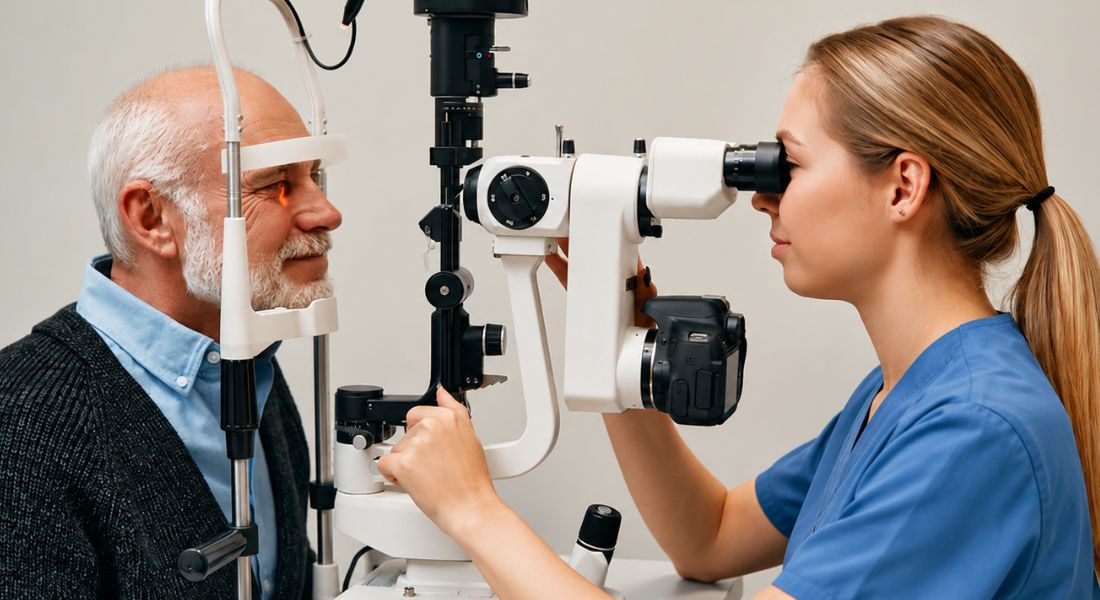
Not every patient experiences glaucoma in the same way, so modern management increasingly focuses on personalised treatment based on your individual risk factors and disease characteristics. If you are diagnosed with glaucoma, your care plan is designed around your specific needs rather than a standardised approach.
Your ophthalmologist will consider several important factors, including your eye pressure, age, optic nerve appearance, visual field results, life expectancy, and the severity of your disease. By combining these details, they can better understand how your glaucoma is likely to progress and how aggressively it should be treated in your case.
This personalised approach helps improve long-term outcomes by ensuring that you receive the right level of treatment at the right time. It also helps avoid unnecessary treatment in lower-risk cases while ensuring closer monitoring and earlier intervention for higher-risk patients. This strategy reflects key lessons learned from major clinical trials such as the EMGT, which highlighted the importance of tailored, evidence-based glaucoma care.
Modern Glaucoma Medications
Since the Early Manifest Glaucoma Trial (EMGT) was conducted, glaucoma medications have continued to improve considerably. If you are receiving treatment for glaucoma today, you have access to a wider range of pressure-lowering therapies that are generally more effective and better tolerated than many of the treatments available during the original study.
Modern eye drops work in different ways to reduce your intraocular pressure, allowing your ophthalmologist to select the most appropriate medication based on your type of glaucoma, treatment response, lifestyle, and overall eye health. In some cases, combination therapies can provide greater pressure reduction while reducing the number of eye drops you need each day.
These advances have made glaucoma treatment more personalised than ever before. While the EMGT demonstrated the importance of lowering intraocular pressure, today’s expanded range of medications enables your ophthalmologist to tailor your treatment plan to your individual needs, helping to preserve your vision while minimising side effects and improving long-term treatment adherence.
Role of Laser Treatment Today
Laser trabeculoplasty remains an important treatment option for many people with open-angle glaucoma. If you have glaucoma, your ophthalmologist may recommend laser treatment to help lower your intraocular pressure, either as an initial treatment or alongside glaucoma medication, depending on your individual circumstances.
Modern laser techniques are more precise, safer, and more effective than those available when the Early Manifest Glaucoma Trial (EMGT) was conducted. The procedure is typically performed in an outpatient setting and can help improve the drainage of fluid from your eye, reducing eye pressure without the need for invasive surgery.
The EMGT helped establish pressure-lowering treatment, including laser therapy, as an effective strategy for slowing glaucoma progression. Today, laser trabeculoplasty continues to play an important role in glaucoma management, giving your ophthalmologist another evidence-based option to help protect your optic nerve and preserve your long-term vision.
Importance of Long-Term Monitoring
Glaucoma is a lifelong condition that requires ongoing follow-up to help protect your vision. If you have glaucoma, regular monitoring is essential even after treatment has begun, as the disease can still progress over time in some cases.
Routine appointments allow your ophthalmologist to check your eye pressure, assess your optic nerve through examination and imaging, and carry out visual field testing. These assessments help detect any signs of progression as early as possible, often before you notice changes in your vision.
The Early Manifest Glaucoma Trial (EMGT) and subsequent research have reinforced the importance of continuous monitoring alongside treatment. Long-term care ensures that your treatment remains effective and can be adjusted when needed, helping to preserve your vision and maintain your quality of life over time.
Long-Term Research Note:
A later analysis followed EMGT participants for up to 21 years and examined whether delaying initial treatment produced a long-term penalty in visual function. The study did not find a statistically significant difference between the original study groups in serious visual impairment or blindness.
This finding needs careful interpretation. Participants assigned to initial observation were not necessarily left untreated indefinitely; treatment could be introduced after progression was detected. Therefore, the long-term findings do not contradict the original result that immediate pressure lowering delayed progression.
For patients, the combined message is that pressure-lowering treatment is effective, but glaucoma care should also be personalised. Confirming the diagnosis accurately, assessing disease severity, identifying progression and adjusting treatment when required are all important parts of protecting vision over a lifetime.
Influence on International Guidelines
The Early Manifest Glaucoma Trial (EMGT) has had a significant impact on glaucoma treatment recommendations worldwide. If you are being treated for glaucoma today, your care is likely influenced by the principles established through this landmark study.
Many professional organisations continue to reference the EMGT when developing clinical guidelines, particularly in relation to the importance of early diagnosis and timely pressure-lowering treatment. Its findings remain highly relevant, even with the introduction of newer diagnostic technologies and more advanced treatment options.
Few glaucoma studies have had such a wide and lasting impact on clinical practice. The EMGT continues to support evidence-based decision-making, helping your ophthalmologist choose treatment strategies that are based on strong scientific evidence and tailored to your individual risk of disease progression.
UK Clinical Practice Note:
The EMGT treatment protocol used argon laser trabeculoplasty together with betaxolol eye drops, but glaucoma management has changed since the original trial.
In current UK practice, NICE recommends offering 360° selective laser trabeculoplasty to people with newly diagnosed chronic open-angle glaucoma that is not advanced, except in specified circumstances such as glaucoma associated with pigment dispersion syndrome. Eye drops remain important when SLT is unsuitable, declined, delayed or insufficient to control pressure.
For people presenting with advanced chronic open-angle glaucoma, NICE recommends glaucoma surgery with pharmacological augmentation as indicated rather than applying the same initial treatment pathway used for earlier disease.
For you as a patient, this means the central lesson of EMGT remains relevant that lowering eye pressure reduces progression risk but the way pressure is lowered today may differ according to the severity and characteristics of your glaucoma.
Lasting Legacy of the EMGT
More than twenty years after its publication, the Early Manifest Glaucoma Trial (EMGT) remains one of the most important studies ever conducted in glaucoma research. If you are diagnosed with glaucoma today, many of the treatment decisions made for you are still guided by the evidence generated by this landmark trial.
The study provided strong and convincing evidence that lowering intraocular pressure slows disease progression in patients with newly diagnosed glaucoma. This finding helped confirm that early and sustained pressure reduction is one of the most effective ways to protect your optic nerve and preserve your vision over time.
The conclusions of the EMGT continue to shape both modern research and everyday clinical practice. It remains a cornerstone of evidence-based glaucoma care, supporting your ophthalmologist in making informed, personalised treatment decisions aimed at reducing your risk of vision loss and maintaining your long-term eye health.
Seeking Specialist Glaucoma Care

If you have recently been diagnosed with glaucoma or identified as being at increased risk, early assessment and regular monitoring are essential for protecting your vision. If you attend routine eye examinations, your ophthalmologist can track changes in your eye pressure, optic nerve, and visual fields over time, helping detect any progression as early as possible.
Prompt treatment can significantly reduce the likelihood of disease progression and help preserve your long-term vision. If you begin therapy, your care will be tailored to your individual needs, with adjustments made based on how your condition responds over time.
The findings of major studies such as the Early Manifest Glaucoma Trial (EMGT) continue to support this approach, showing that timely intervention and consistent follow-up play a key role in maintaining your eye health and reducing the risk of permanent vision loss.
Myth vs Fact
| Myth | Fact |
| Early treatment means glaucoma will never progress. | EMGT showed that treatment reduces and delays progression, but some treated patients still progressed. |
| Eye pressure must be very high for treatment to help. | EMGT included patients with moderately elevated and normal-range IOP, and treatment benefits were seen across pressure groups. |
| One normal pressure result means treatment is working perfectly. | Glaucoma monitoring considers pressure trends, visual fields, optic nerve findings and structural imaging over time. |
| The EMGT treatment protocol is exactly the same as current UK first-line treatment. | Modern UK care includes SLT, contemporary medicines and surgery according to glaucoma type and severity. |
| Once treatment starts, monitoring is less important. | Continued monitoring remains essential because glaucoma can progress even when pressure has been reduced. |
| Early glaucoma always causes noticeable symptoms. | Early disease may not produce symptoms that you recognise, which is why clinical testing is important. |
Key Takeaways:
- The EMGT was a landmark randomised trial involving 255 people with newly detected, untreated open-angle glaucoma.
- Immediate treatment reduced IOP by an average of 5.1 mmHg, or approximately 25%.
- Glaucoma progressed in 45% of treated participants compared with 62% of controls during the original main follow-up period.
- Further EMGT analysis found that each additional 1 mmHg of initial IOP reduction was associated with approximately 10% lower progression risk.
- Treatment reduces risk but does not guarantee that glaucoma progression will stop completely.
- Regular visual field testing and optic nerve assessment remain essential even when eye pressure appears controlled.
- Current UK treatment differs from the original EMGT regimen and includes selective laser trabeculoplasty as an initial option for suitable people with newly diagnosed non-advanced chronic open-angle glaucoma.
- Long-term EMGT follow-up adds nuance to the timing of treatment, reinforcing the importance of accurate diagnosis, individual risk assessment and continued monitoring.
FAQs:
- What was the Early Manifest Glaucoma Trial (EMGT)?
The Early Manifest Glaucoma Trial (EMGT) was a landmark clinical study that investigated whether starting treatment soon after a glaucoma diagnosis could slow disease progression. It focused on people with newly diagnosed open-angle glaucoma who had not previously received treatment. The study has had a lasting impact on glaucoma care worldwide. - Why was the EMGT conducted?
Before the EMGT, there was limited evidence showing how much early treatment could affect the progression of glaucoma. Researchers wanted to determine whether lowering intraocular pressure immediately after diagnosis would help preserve vision. The findings provided strong scientific support for early intervention. - What did the EMGT discover?
The study found that lowering intraocular pressure significantly reduced the risk of glaucoma progression. Patients who received treatment experienced slower disease worsening than those who were initially observed without treatment. These results helped establish early treatment as an important part of glaucoma management. - Why is early treatment important for glaucoma?
Glaucoma causes permanent damage to the optic nerve, and any vision that is lost cannot usually be restored. Starting treatment early can slow the progression of the disease and help preserve vision for longer. Early diagnosis and timely treatment provide the best opportunity to protect long-term eye health. - How was glaucoma progression monitored during the study?
Researchers regularly monitored participants using visual field tests, optic nerve examinations, and intraocular pressure measurements. These assessments helped identify subtle signs of disease progression before noticeable symptoms appeared. Today, advanced imaging technologies make monitoring even more accurate. - Does glaucoma always progress despite treatment?
The EMGT showed that some patients experienced disease progression even after successful pressure reduction. This suggests that glaucoma is influenced by factors beyond eye pressure alone. However, lowering intraocular pressure still significantly reduces the overall risk of progression. - What risk factors for glaucoma progression were identified?
The study found that higher eye pressure, older age, disease affecting both eyes, and exfoliation syndrome increased the likelihood of glaucoma worsening. These factors are still used today to assess an individual’s risk. They help ophthalmologists develop personalised treatment plans. - How has glaucoma treatment changed since the EMGT?
Since the study, glaucoma care has advanced with improved medications, modern laser treatments, and sophisticated imaging technologies such as optical coherence tomography (OCT). These innovations allow earlier diagnosis and more personalised treatment. However, the EMGT’s core findings remain highly relevant. - What is the role of long-term monitoring in glaucoma?
Glaucoma is a lifelong condition that requires regular follow-up, even after treatment has begun. Routine eye pressure checks, optic nerve imaging, and visual field-testing help detect any signs of progression early. Ongoing monitoring allows treatment to be adjusted when necessary to better protect vision. - How has the EMGT influenced modern glaucoma care?
The EMGT has shaped international glaucoma guidelines by demonstrating the value of early pressure-lowering treatment. It encouraged specialists to adopt a more proactive and evidence-based approach to managing newly diagnosed glaucoma. More than two decades later, it remains one of the most influential studies in ophthalmology.
Final Thoughts: Why the Early Manifest Glaucoma Trial Still Matters
The Early Manifest Glaucoma Trial fundamentally changed the way glaucoma is managed by providing clear evidence that early treatment can slow disease progression and help preserve vision. Its findings reinforced the importance of lowering intraocular pressure as the most effective way to reduce the risk of ongoing optic nerve damage in people with newly diagnosed glaucoma.
Although advances in imaging, medications, and laser technology have transformed glaucoma care since the study was first published, the EMGT’s core message remains just as relevant today. Early diagnosis, personalised treatment, and regular monitoring continue to be the foundations of effective glaucoma management, helping clinicians tailor care to each patient’s individual needs and level of risk. If you’d like to find out whether glaucoma treatment in London is suitable for you, feel free to contact us at Eye Clinic London to arrange a consultation.
References:
- Leske, M.C., Heijl, A., Hussein, M., Bengtsson, B., Hyman, L. and Komaroff, E. (2003) ‘Factors for glaucoma progression and the effect of treatment: The Early Manifest Glaucoma Trial’, Archives of Ophthalmology, 121(1), pp.48–56. Available at: https://pubmed.ncbi.nlm.nih.gov/12523884/
- Heijl, A., Peters, D. and Bengtsson, B. (2023) ‘Long-term impact of immediate versus delayed treatment of early glaucoma: Results from the Early Manifest Glaucoma Trial’, American Journal of Ophthalmology, 252, pp.286–294. Available at: https://pubmed.ncbi.nlm.nih.gov/37142174/
- Öhnell, H.M., Heijl, A., Brenner, L., Anderson, H. and Bengtsson, B. (2016) ‘Structural and Functional Progression in the Early Manifest Glaucoma Trial’, Ophthalmology, 123(6), pp. 1173–1180. Available at: https://pubmed.ncbi.nlm.nih.gov/26949119/
- Salvetat, M.L., Pellegrini, F., Spadea, L., Salati, C. and Zeppieri, M. (2023) ‘Pharmaceutical Approaches to Normal Tension Glaucoma’, Pharmaceuticals, 16(8), 1172. Available at: https://www.mdpi.com/1424-8247/16/8/1172
- Hung, S.-H., Yen, W.-T. and Lu, D.-W. (2025) ‘Advances in Glaucoma Diagnosis and Treatment: Integrating Innovations for Enhanced Patient Outcomes’, Biomedicines, 13(4), 850. Available at: https://www.mdpi.com/2227-9059/13/4/850