


Laser Eye Surgery After 40: Is It Still Worth It?
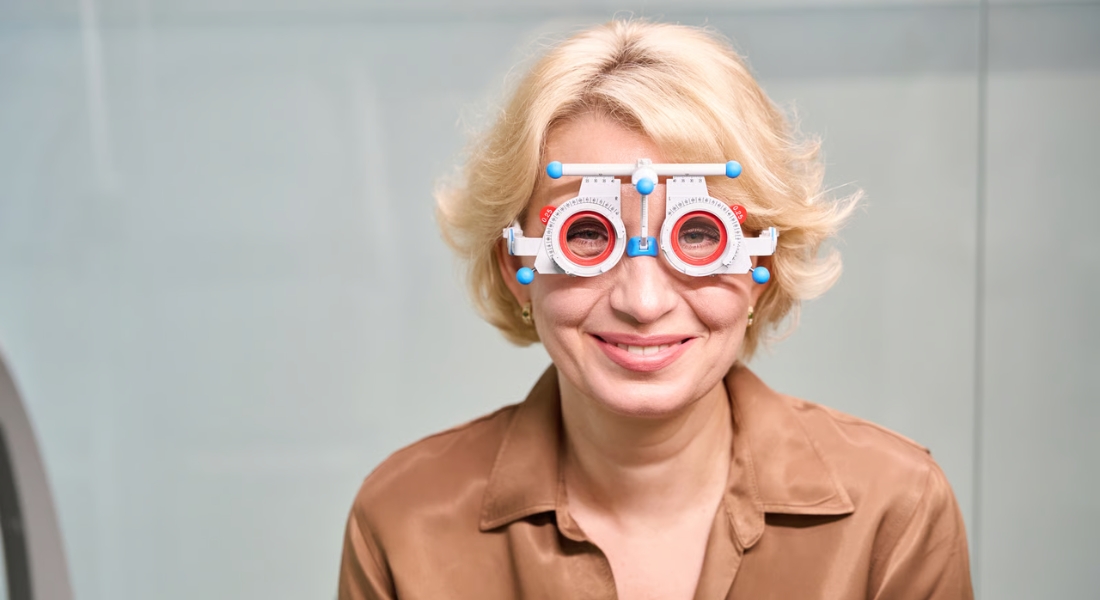
If you are over 40 and considering laser eye surgery, you may wonder whether you have missed the ideal window. Vision changes naturally with age, and many people begin noticing difficulty with reading or near work. This can raise questions about whether laser correction will still provide long-term benefit.
Turning 40 does not automatically exclude you from treatment. However, age-related changes such as presbyopia must be carefully considered. Suitability depends on your visual needs and long-term goals.
In this guide, we explain how ageing affects vision, when laser eye surgery may still be worthwhile, and when lens-based alternatives might offer better outcomes. Clear understanding helps you choose the most appropriate solution. Strategic planning becomes more important as you get older.
What Changes in Vision After 40?
Once you reach around 40, you might start noticing changes in your near vision. Most people develop presbyopia, which is a natural decline in the eye’s ability to focus on close objects. This can make reading small print or looking at your phone more difficult.
Presbyopia happens because your natural lens becomes less flexible over time. It struggles to change shape to focus on things up close, which is completely normal. This isn’t a disease just part of the natural ageing process of your eyes.
While your distance vision may still be clear initially, near tasks can become increasingly tricky. Reading labels, checking your phone, or working at a computer can feel more challenging. These changes are important to consider if you’re thinking about laser eye surgery after 40.
Can Laser Eye Surgery Correct Presbyopia?
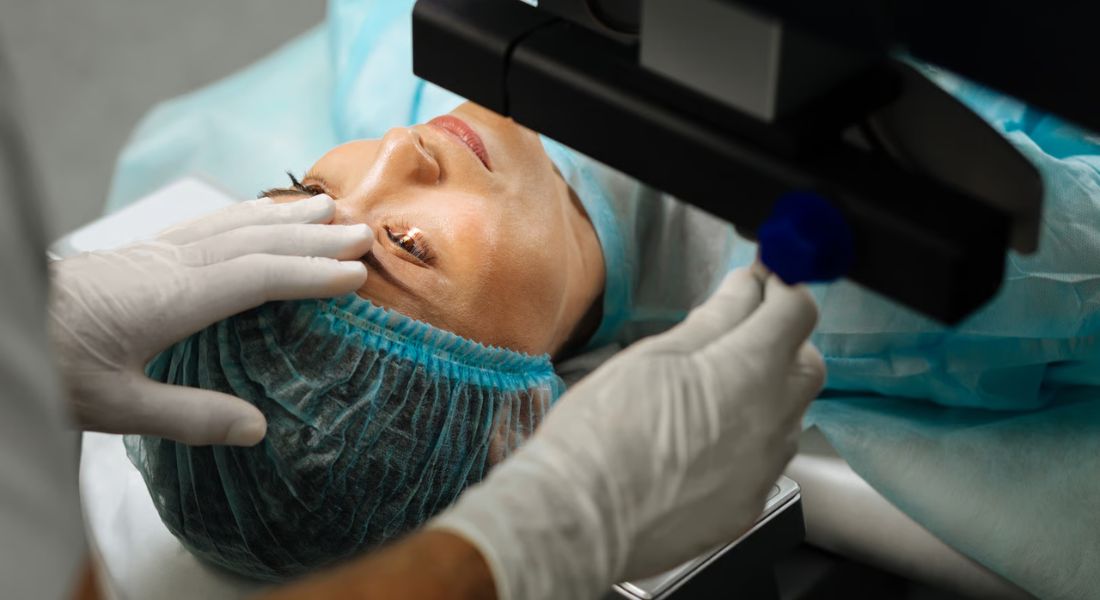
Traditional laser eye surgery works by reshaping your cornea to correct distance vision. However, it cannot restore the flexibility of your natural lens, so it won’t completely eliminate presbyopia. This means you may still need reading glasses for close-up tasks.
Some techniques, like monovision, can help compensate for presbyopia. In this approach, one eye is corrected for near vision while the other is set for distance. It takes some time for your brain to adapt, so careful consideration is needed before choosing this option.
Monovision isn’t suitable for everyone. It can affect depth perception and night vision, which might take some getting used to. Using trial lenses beforehand allows you to see whether this approach will work comfortably for you.
If You Are Short-Sighted After 40
If you’re short-sighted, you may already take off your glasses to read up close. After laser correction for distance vision, you’ll probably still need reading glasses for near tasks. This can catch some patients by surprise if they weren’t expecting it.
Correcting your distance vision doesn’t stop presbyopia from progressing. The natural lens continues to lose flexibility over time, so near blur can still occur. Knowing this beforehand helps avoid disappointment after surgery.
Finding the right balance between freedom from distance glasses and managing near vision is important. Your personal priorities whether reading, driving, or hobbies should guide your decisions. Having a clear discussion with your surgeon ensures you understand what to expect.
Hyperopia and Ageing
If you’re long-sighted, you may notice that presbyopia makes near tasks feel difficult sooner than others. Tasks like reading or using your phone can become challenging earlier. Laser eye surgery can improve your distance vision, giving you more freedom from glasses for those activities.
However, even after correcting distance vision, you may still rely on reading glasses for close-up tasks. Presbyopia affects the lens inside your eye, not the shape of your cornea, so it can’t be fully corrected with traditional laser surgery. It’s important to discuss these limitations clearly with your surgeon.
Suitability for surgery varies from person to person. Your prescription needs to be stable, and your eyes healthy, to achieve the best results. A comprehensive assessment ensures you know what to expect and helps plan the safest approach.
When Laser Surgery Still Makes Sense After 40
If your main goal is clear distance vision, laser eye surgery can still be a worthwhile option after 40. Many people enjoy the freedom it provides from glasses while driving, exercising, or playing sports. Improving distance clarity can have a significant positive impact on your daily life.
It’s important to understand that you’ll probably still need reading glasses for close-up tasks. Having realistic expectations helps you feel satisfied with the results. Honest discussions with your surgeon ensure you know exactly what the procedure can and cannot achieve.
Your suitability for surgery depends on the health of your corneas and the stability of your prescription. Being over 40 doesn’t automatically rule you out. A personalised assessment will determine whether laser surgery is right for you and when the timing is best.
The Role of Presbyopia Progression
Even after laser eye surgery, your near vision will continue to change as you get older. Presbyopia, the age-related decline in close-up focus, progresses into your mid-fifties and beyond. Understanding this helps you plan realistically for your future visual needs.
- Near vision gradually worsens: As your eyes age, reading and other close-up tasks may become more difficult. You’ll likely need reading glasses or other support at some stage, even if your distance vision remains clear.
- Laser surgery cannot stop presbyopia: Surgery corrects your current refractive error but doesn’t prevent the natural changes of ageing. Being aware of this helps you set realistic expectations.
- Planning ahead improves satisfaction: Discussing your lifestyle, work, and visual priorities with your surgeon allows for long-term planning. Considering both current and future needs ensures your treatment aligns with what you’ll require in the years ahead.
While laser surgery can significantly improve your distance vision, presbyopia will continue its natural course. Being prepared for near vision changes prevents disappointment later. Early discussion with your surgeon helps you make informed choices. Planning with a long-term perspective ensures your results meet both your current and future visual needs.
What Is Refractive Lens Exchange?

Refractive lens exchange (RLE) is a procedure where your natural lens is replaced with an artificial one. Unlike laser surgery, this addresses both your existing refractive error and presbyopia, and it also prevents cataracts from developing in the future. Knowing how RLE works can help you decide whether it’s the right option for your eyes.
- Suitable for patients over 40: Lens-based surgery may be more appropriate if you’re over 40, particularly if there are early changes in your natural lens. It provides a more comprehensive solution for both near and distance vision.
- Addresses multiple vision issues: By replacing the lens, RLE corrects refractive error while also managing age-related decline in near vision. You get the benefit of clear vision and reduced risk of cataracts down the line.
- More invasive than laser surgery: While highly effective, lens replacement is a surgical procedure and carries a different risk profile compared with laser treatments. Detailed discussion with your surgeon is essential to understand benefits, risks, and recovery expectations.
RLE offers a long-term solution for people seeking freedom from glasses and protection against cataracts. While more invasive than laser surgery, it can be ideal for patients with early lens changes or presbyopia. Understanding both the advantages and risks allows you to make a confident choice. Careful planning ensures your vision correction is safe, effective, and tailored to your needs.
Early Cataracts After 40
Some people over 40 start to develop early signs of cataracts. At first, these changes might not noticeably affect your vision, but they can influence your long-term treatment options. Understanding this early helps you plan the best approach for your eyes.
If there is any lens opacity, laser eye surgery may not be the ideal choice. In some cases, lens replacement surgery could offer better value and longer-lasting results. Removing a lens that is beginning to deteriorate can also prevent the need for additional procedures later on.
Assessing the clarity of your lens is an essential part of your consultation. Even subtle changes can change what your surgeon recommends. A comprehensive examination ensures your treatment plan is safe, effective, and tailored to your eyes.
Comparing LASIK and SMILE After 40
Both LASIK and SMILE are options for patients over 40, but the best choice depends on your corneal anatomy and lifestyle. Your near vision, affected by presbyopia, remains a separate consideration when planning surgery. Understanding how each procedure works helps you make an informed decision.
SMILE can sometimes reduce the risk of dry eye compared with LASIK, which may be beneficial if you already experience dryness. LASIK, on the other hand, offers more customisation options to fine-tune your vision. When your eyes are suitable, both procedures are safe and effective for improving distance vision.
Technology in laser eye surgery continues to evolve, offering better precision and safety. Being over 40 doesn’t automatically increase surgical risk. Careful screening and personalised planning are what really protect your results and ensure a smooth outcome.
Dry Eye and Age
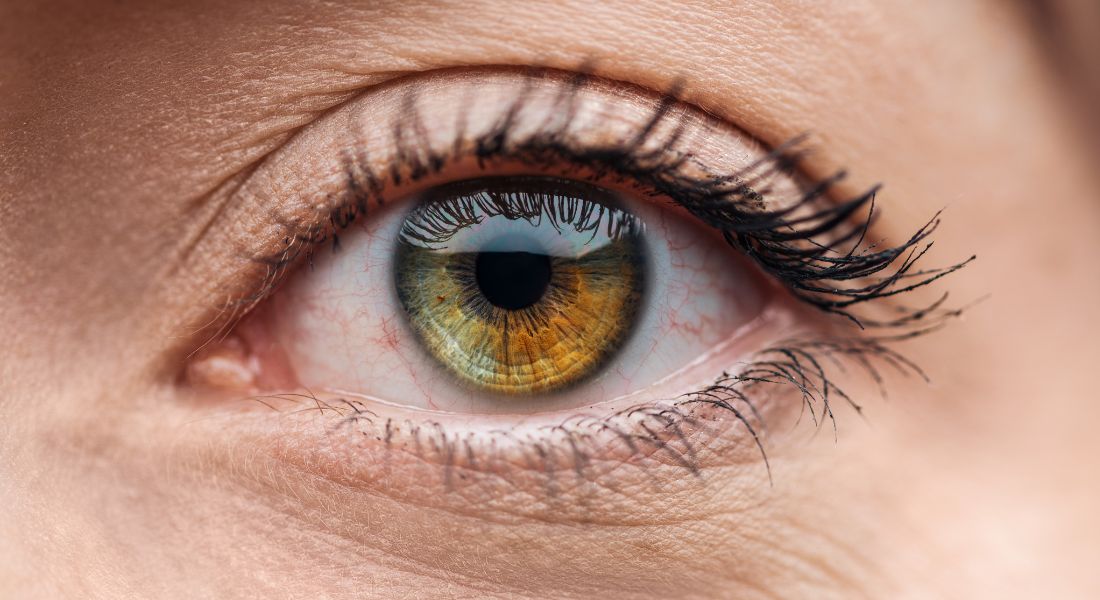
You may notice dry eye symptoms becoming more common as you get older. Hormonal changes and natural ageing can affect tear stability, making your eyes feel irritated or gritty. Because of this, screening for dryness is especially important before any procedure.
If you already have dry eyes, it’s crucial to manage them before surgery. Optimising your ocular surface can improve both the comfort and the quality of your results. Proper preparation makes a noticeable difference during recovery.
Modern laser techniques aim to preserve corneal nerves, which helps reduce the risk of long-term dryness. Following your surgeon’s guidance ensures that your eyes remain comfortable after surgery. Thoughtful planning before and after the procedure is key to the best experience.
Is Recovery Different After 40?
If you’re over 40, you might wonder whether your recovery will be slower after laser eye surgery. While healing can be a little more gradual than in younger patients, most people experience a straightforward recovery and return to normal routines quickly. Understanding what to expect can help you stay patient and confident during the process.
- Healing may take slightly longer: Your eyes might take a few extra days or weeks to stabilise compared with younger patients. Visual clarity often improves steadily, but patience is key during this period.
- Follow-up care provides reassurance: Routine appointments allow your surgeon to monitor progress and ensure everything is healing as expected. These check-ins help you feel confident and supported throughout recovery.
- Age does not significantly increase risk: Being over 40 doesn’t inherently raise the likelihood of complications. Your suitability and overall eye health remain the main factors in a safe and successful procedure.
While recovery may be a little slower, most patients over 40 regain clear vision without difficulty. Following aftercare instructions and attending follow-ups ensures smooth healing. Understanding the typical timeline helps set realistic expectations. With proper preparation, you can enjoy a safe and effective recovery.
Long-Term Stability
Laser eye correction can provide stable vision for many years, often giving you freedom from glasses or contacts. However, changes in your natural lens due to ageing may still affect your vision over time. Cataracts can develop naturally, even after a successful procedure, and this is part of normal eye health.
This doesn’t mean your laser surgery was unsuccessful. It simply reflects the natural ageing process of your eyes. If cataracts do develop later, modern lens replacement surgery can still be performed to restore clarity.
Planning with the long term in mind is always wise. Understanding that your eyes will continue to change helps prevent surprises and sets realistic expectations. Being informed in advance supports satisfaction and confidence in your results.
Lifestyle Considerations After 40
Many people over 40 lead active lives, juggling work, travel, and hobbies. Clear distance vision can make a big difference in your day-to-day convenience. Being less reliant on glasses for driving or sports can feel incredibly freeing.
You’ll probably still need reading glasses for close-up tasks, and that’s normal. Accepting this balance helps you set realistic expectations. For many, the convenience of clear distance vision outweighs the need for near vision correction.
Your personal priorities should guide your decision. Discussing your goals with your surgeon during consultation ensures that surgery fits your lifestyle. Choosing the right approach helps you get the most benefit from your procedure while matching your daily needs.
When Waiting May Be Better
If you’re approaching the age when cataracts often begin to develop, it can sometimes make sense to wait before having laser surgery. Undergoing a procedure only to need lens replacement shortly after isn’t ideal. Choosing the right timing now can save you from additional interventions later.
If your lens clarity is already borderline, your surgeon may recommend a refractive lens exchange instead. This approach can correct your vision and eliminate the risk of future cataracts in one procedure. Planning ahead like this provides long-term stability and reduces the need for multiple surgeries.
Decisions should always be based on an individual analysis of your eyes and lifestyle. Honest evaluation by your surgeon protects both your vision and your expectations. Exercising patience now can save time, cost, and stress in the future.
The Role of Comprehensive Assessment
If you’re over 40 and considering laser eye surgery, a thorough eye assessment is essential. Your surgeon needs to evaluate corneal health, tear film quality, and lens clarity to ensure your eyes are suitable and stable. Understanding what this assessment involves helps you appreciate the care and precision behind the recommendations.
- Advanced imaging supports precise planning: Detailed scans of your cornea and ocular structures allow the surgeon to plan treatment accurately. This technology ensures your correction is tailored to your individual eyes.
- Presbyopia and expectation counselling: Discussing age-related near vision changes is central to planning. Knowing how presbyopia may affect your results helps you set realistic expectations and improves satisfaction.
- Personalised advice reduces uncertainty: Every patient’s eyes are different, and comprehensive consultation ensures that your treatment plan is customised for safety and effectiveness. Expertise in evaluation protects both short- and long-term outcomes.
A comprehensive assessment is the foundation of a safe, successful procedure. By taking the time to evaluate all aspects of your eyes, your surgeon can tailor treatment to your needs. Honest discussion about presbyopia and future vision changes prevents unrealistic expectations. With this thorough approach, you can proceed confidently and protect your long-term visual clarity.
Emotional Considerations
It’s normal for you to feel a little disappointed if you realise that reading glasses may still be needed after surgery. Presbyopia, the natural age-related decline in near vision, continues despite laser correction. Understanding this helps reduce frustration and sets realistic expectations.
- Focus on overall lifestyle improvement: Even if you still need reading glasses, clear distance vision can significantly enhance your daily life, from driving to outdoor activities. Appreciating these benefits helps you keep perspective.
- Balance your expectations: Recognising that no procedure can fully stop the natural ageing process allows you to plan wisely. Setting realistic goals improves satisfaction and prevents regret.
- Open discussion builds confidence: Talking through your concerns with your surgeon helps you feel informed and emotionally ready. Honest explanations about outcomes support decision-making and peace of mind.
Accepting the limits of presbyopia doesn’t diminish the benefits of surgery. By focusing on the improvements you will gain, you can enjoy enhanced vision for daily activities. Emotional readiness and realistic expectations are key to a positive experience. Being informed and prepared allows you to make confident, well-considered decisions about your eyes.
Is It Too Late After 40?
It’s definitely not too late to consider laser eye surgery once you’re over 40. Many people in this age group achieve excellent results and enjoy reduced dependence on glasses or contact lenses. Whether you’re suitable depends on your eye anatomy and realistic expectations for the procedure.
After 40, the conversation shifts more toward long-term strategy. The health of your natural lens becomes increasingly important, and planning needs to take presbyopia and potential cataract development into account. This makes your consultation more nuanced, focusing on both current vision and future needs.
A thorough consultation provides clarity and reassurance. There isn’t a universal cut-off age for surgery what matters are your individual factors and eye health. Your surgeon will guide you on the safest and most effective approach based on your unique situation.
Risk Profile After 40
When you’re over 40 and your eyes are suitable, complication rates for laser eye surgery remain very low. Age by itself doesn’t significantly increase risk, so being older shouldn’t automatically rule out treatment. Careful screening is still essential to ensure your procedure is safe and effective.
Lens health plays a bigger role in planning than age-related surgical risk. Early signs of cataracts or other lens changes can influence which procedure your surgeon recommends. Being transparent about your eye health allows your surgeon to tailor the plan to protect your vision.
Understanding your personal risk profile can give you confidence going into surgery. Accurate assessment and clear communication help protect your results. Keeping safety as the top priority ensures you get the best possible outcome.
Is It Worth It?
Whether laser eye surgery is worthwhile after 40 really depends on what matters most to you. If your priority is clear distance vision for driving, sports, or daily life, laser correction can make a significant difference. However, if being independent of reading glasses is your main goal, other options like multifocal lenses or monovision may be more suitable.
Balancing your expectations is essential to avoid disappointment. Understanding both the benefits and the limitations of surgery helps you make an informed choice. Thinking about your long-term vision needs ensures you’re making a decision that truly enhances your lifestyle.
Ultimately, the value of surgery is personal. A detailed consultation with your surgeon helps determine what’s right for your eyes and your goals. Individualised planning ensures you can move forward with confidence, knowing your choice aligns with your needs.
FAQs:
- Can I have laser eye surgery if I’m over 40?
Yes, you can still be a candidate for laser eye surgery after 40, but suitability depends on your prescription stability, corneal health, and long-term visual goals. Age alone does not automatically exclude you from treatment. - Will laser surgery correct presbyopia?
Laser eye surgery cannot restore the flexibility of your natural lens, so it does not eliminate presbyopia completely. Techniques like monovision can help balance near and distance vision, but adaptation may take time and not everyone finds it comfortable. - If I’m short-sighted, will I still need reading glasses after surgery?
Even if laser surgery corrects your distance vision, presbyopia usually continues to progress. You will likely need reading glasses for near tasks, so understanding this balance beforehand is important to set realistic expectations. - Can laser surgery improve long-sightedness after 40?
For hyperopia, laser surgery can enhance distance vision, but near vision may still be affected by presbyopia. A thorough assessment is required to determine whether laser correction is suitable for your specific prescription and lifestyle needs. - Is refractive lens exchange better than laser surgery for older patients?
Refractive lens exchange replaces your natural lens with an artificial one, addressing both distance and near vision while eliminating future cataract risk. It is more invasive than laser surgery, but may be more appropriate if early lens changes are present. - Will I develop cataracts sooner if I have laser surgery after 40?
Laser surgery does not accelerate cataract formation. However, if you already have subtle lens changes, these may influence the choice of treatment, and lens-based options could provide better long-term outcomes. - Does age affect recovery from laser surgery?
While healing may be slightly slower compared to younger patients, most individuals over 40 experience a straightforward recovery. Post-operative care, corneal health, and compliance with instructions are more important factors than age alone. - How long will the results last?
Laser correction can remain stable for many years, but natural lens changes and presbyopia may alter your near vision over time. Planning for these age-related changes ensures realistic expectations and long-term satisfaction. - Can lifestyle influence suitability after 40?
Yes, your lifestyle and visual priorities play a key role. Active individuals who rely on clear distance vision for driving or professional tasks may benefit most, while those prioritising near vision may need alternative approaches. - Should I wait or proceed with surgery immediately?
If early cataract changes are present or presbyopia is progressing rapidly, it may be wise to wait or consider lens-based procedures. Patience and comprehensive assessment help ensure you achieve the best long-term results.
Final Thoughts: Considering Laser Surgery After 40
Deciding on laser eye surgery after 40 requires balancing your current vision needs with realistic expectations for the future. While distance vision can often be significantly improved, presbyopia and age-related lens changes mean you may still need reading glasses. Understanding these factors helps you make an informed choice and avoid disappointment later.
If you’re considering laser surgery in London and want to know if it’s the right option, you’re welcome to reach out to us at Eye Clinic London to book a consultation. Our team will review your prescription history, evaluate corneal and lens health, and discuss all suitable treatment options to ensure the best possible outcome for your vision.
References:
- Pajic, B., Pajic‑Eggspuehler, B., Mueller, J., Cvejic, Z. & Studer, H., 2017. A novel laser refractive surgical treatment for presbyopia: optics‑based customization for improved clinical outcome, Sensors, 17(6), p.1367. https://www.mdpi.com/1424-8220/17/6/1367
- Wierzbowska, J., Pniakowska, Z. & Roszkowska, A.M., 2025. Contrast sensitivity and stereopsis outcomes following LASIK presbyopia correction based on the corneal aberration modulation or corneal multifocality induction methods, Journal of Clinical Medicine, 14(3), p.871. https://www.mdpi.com/2077-0383/14/3/871
- Ghanem, R.C., de la Cruz, J., Tobaigy, F.M., Ang, L.P.K. & Azar, D.T., 2007. LASIK in the presbyopic age group: safety, efficacy, and predictability in 40‑ to 69‑year‑old patients, Ophthalmology, 114(7), pp.1303–1310. https://www.sciencedirect.com/science/article/abs/pii/S0161642006014631
- Garcia‑Gonzalez, M. et al., 2019. Effect of age on visual and refractive results after laser‑assisted subepithelial keratomileusis (LASEK) with adjuvant mitomycin C, Journal of Optometry, 12(4). https://www.sciencedirect.com/science/article/pii/S1888429619300044
- Alarcón, A., 2011. Visual quality after monovision correction by laser in situ keratomileusis, Journal of Cataract & Refractive Surgery, 37(9). https://www.sciencedirect.com/science/article/abs/pii/S0886335011008753