


Can You Have ICL Surgery If You Have Thyroid Disease?

Thyroid disease is a common hormonal condition that can affect various parts of the body, including the eyes. If you are considering vision correction, you may naturally wonder whether a thyroid condition could affect your eligibility for ICL surgery. In most cases, the answer depends on how well your thyroid levels are controlled and whether your condition is stable.
ICL surgery is a procedure used to correct refractive errors by placing a lens inside the eye without removing corneal tissue. Because it involves an internal eye procedure, overall health and systemic conditions like thyroid disease are carefully assessed before proceeding. Eye health stability and general medical control are important factors in determining suitability.
The most important consideration is whether your thyroid condition is well-managed and stable over time. If your hormone levels are controlled and there are no active complications affecting the eyes, many patients can still be suitable candidates for ICL surgery. A thorough pre-operative assessment ensures that the procedure is both safe and appropriate for your individual situation.
Understanding Thyroid Disease
Thyroid disease affects the production and regulation of hormones in your body. It can result in either an overactive thyroid (hyperthyroidism) or an underactive thyroid (hypothyroidism). Both conditions can have a wide impact on your overall health and wellbeing. The severity and symptoms can vary from person to person.
The thyroid gland plays an important role in controlling metabolism, energy levels, and many essential bodily functions. When thyroid hormone levels are not balanced, you may experience symptoms such as fatigue, weight changes, or changes in heart rate. These effects can influence multiple systems in the body over time. This is why proper diagnosis and management are important.
Because thyroid disease is a systemic condition, it can sometimes affect eye health as well. In certain cases, it may cause dryness, irritation, or changes in how the eyes function. For this reason, thyroid conditions are carefully considered before any eye surgery. This helps ensure patient safety and stable outcomes.
How Thyroid Disease Affects the Eyes
Thyroid conditions, particularly an overactive thyroid, can sometimes affect the eyes. These changes occur because thyroid-related inflammation and hormonal imbalance can influence the tissues and muscles around the eyes. As a result, some people may notice visible or functional changes in eye comfort and appearance. The impact can vary from mild symptoms to more noticeable eye involvement, depending on the individual.
- Dryness and irritation: One of the most common symptoms is dry, irritated eyes. This happens when the tear film becomes unstable, leading to discomfort, a gritty sensation, or a feeling that the eyes are not well lubricated.
- Changes in eye appearance: In some cases, the eyes may appear more prominent or slightly bulging. This is due to swelling and inflammation in the tissues behind the eyes, which can push the eyeball forward.
- Fluctuating vision and tear film instability: When the tear film is affected, vision may become inconsistent or blurry at times. This can improve temporarily with blinking but may return throughout the day, especially in dry environments.
- Variation in severity: Not everyone with thyroid disease experiences eye symptoms. Some patients have no noticeable eye involvement, while others may have more significant changes. The severity depends on the individual and the activity of the condition.
These symptoms are important considerations in any eye-related assessment or surgical planning. Understanding how thyroid disease affects the eyes helps ensure that patients receive appropriate evaluation and care tailored to their specific condition.
Why It Matters for ICL Surgery
ICL surgery requires stable eye conditions to ensure safe and effective outcomes. The health of your tear film and ocular surface plays an important role in both the surgery and the healing process afterwards. Because thyroid disease can sometimes affect these areas, it is an important factor to consider during assessment.
If your thyroid condition is not well controlled, it may potentially influence recovery and overall eye comfort after surgery. Active thyroid imbalance can sometimes contribute to dryness or irritation, which may affect healing. For this reason, achieving stable hormone levels before surgery is essential. Well-managed thyroid function helps reduce these risks.
A thorough pre-surgical evaluation ensures that all factors are taken into account before proceeding. This helps your specialist determine whether the timing is right for surgery. Careful assessment supports both safety and optimal visual outcomes. Ultimately, stability is key when planning ICL surgery.
What Is ICL Surgery?
ICL surgery involves placing a soft artificial lens inside the eye to correct refractive errors such as short-sightedness. This lens works by helping light focus correctly on the retina, improving overall vision. It is a minimally invasive procedure designed to enhance visual clarity. Because it is performed inside the eye, it is carefully planned and precisely executed.
Unlike laser eye surgery, ICL surgery does not involve removing any corneal tissue. Instead, the lens is added to work alongside your natural eye structure. This makes it a suitable option for patients who may not be ideal candidates for laser procedures. In many cases, the lens can also be removed or replaced if needed, making it a flexible option.
The procedure itself is relatively quick and is usually completed in a short surgical session. Most patients experience a smooth recovery with gradual improvement in vision over time. Healing is generally well tolerated with proper aftercare. Overall, it is considered a safe and effective method for vision correction.
Pre-Surgery Eye Assessment

Before ICL surgery, a detailed eye examination is carried out to assess whether you are a suitable candidate. This includes checking the overall health and structure of your eyes, such as corneal thickness, eye pressure, and lens position. These measurements help ensure the procedure can be performed safely and effectively. A full assessment is essential for planning accurate treatment.
Your tear film quality is also carefully evaluated during the examination. Any signs of dryness or instability in the tear layer are noted, as this can affect both comfort and healing after surgery. If needed, treatment may be recommended beforehand to improve eye surface health. This helps create better conditions for recovery and visual outcomes.
Your medical history, including any thyroid disease, is also reviewed as part of the assessment. All factors are considered together to get a complete picture of your eye and overall health. This combined evaluation helps your specialist determine the safest and most appropriate course of action. It ensures that every aspect is taken into account before proceeding with surgery.
Importance of Hormonal Stability
Stable hormone levels are very important before undergoing ICL surgery. When thyroid function is balanced, your body is generally in a better state for healing and recovery. Thyroid imbalance, on the other hand, can sometimes affect how the body responds after surgery. This is why achieving stability is a key part of the pre-operative assessment.
Patients with well-managed thyroid disease usually have good surgical outcomes. When hormone levels are controlled, the risk of complications is significantly reduced. It also helps support smoother healing of the eye after the procedure. Overall stability plays a major role in ensuring predictable recovery.
For this reason, doctors generally prefer to perform surgery when the thyroid condition is stable. Operating during a stable phase helps improve both safety and effectiveness. It allows the eye to heal under more consistent conditions. This approach helps achieve the best possible visual results.
Hyperthyroidism and Eye Effects
Hyperthyroidism can sometimes have a more noticeable impact on the eyes. It may lead to symptoms such as dryness, irritation, or mild swelling around the eye area. These changes can affect overall eye comfort and may need to be managed before considering surgery. Because of this, eye symptoms are carefully assessed during consultation.
In some cases, hyperthyroidism can also cause changes in eye movement or appearance. This is often associated with inflammation around the eye tissues and may vary in severity from person to person. These symptoms are important to evaluate because they can influence both surgical timing and suitability. A stable and healthy eye environment is essential before proceeding.
Once the condition is well controlled, many of these symptoms can improve significantly. As inflammation reduces and hormone levels stabilise, the eyes often return closer to normal function. At this stage, surgery may be reconsidered if the patient is otherwise suitable. Careful monitoring ensures the safest possible timing for ICL surgery.
Hypothyroidism and Eye Health
Hypothyroidism can also have an impact on eye health, although the effects are often milder compared to other thyroid conditions. It may cause symptoms such as dryness, tired or heavy-feeling eyes, and general visual discomfort. These symptoms can vary depending on how well the condition is controlled. In most cases, they are manageable with proper treatment.
One of the main effects of hypothyroidism is reduced tear production. This can lead to dry eye symptoms, which may affect comfort and sometimes vision clarity. Artificial tears or lubricating eye drops are often recommended to help manage this issue. Keeping the eyes well-hydrated is important for overall eye health, especially when considering surgery.
With appropriate medical management, most symptoms of hypothyroidism can be well controlled. Once the condition is stable and the eyes are healthy, surgery may still be an option. A careful assessment is always carried out before proceeding with ICL surgery to ensure safety and suitability.
Medical History Review
Your full medical history plays an important role in the assessment process before ICL surgery. Any existing conditions, including thyroid disease, should be clearly disclosed to your specialist. This information helps ensure that all potential risks are properly identified and managed. A complete medical history allows for a safer and more accurate evaluation.
Your current medications will also be carefully reviewed as part of the consultation. Some medications can influence healing, inflammation, or overall eye health, so they may need to be adjusted before or after surgery. If necessary, your doctor may discuss safe alternatives or temporary changes to your treatment plan. This helps optimise conditions for a smooth recovery.
A thorough review of your medical background helps improve overall surgical outcomes. It ensures that your treatment plan is tailored specifically to your needs and health status. By considering all relevant factors together, your specialist can provide more personalised and safer care. This comprehensive approach supports better long-term results.
Medication Effects
Thyroid medications usually do not prevent you from having ICL surgery, as long as your condition is well controlled. The most important factor is that your medication regimen is stable and your hormone levels are consistently managed. This stability helps ensure that your body is in a good state for surgery and recovery.
Some thyroid medications, or the condition itself, may contribute to symptoms such as dry eyes. This is an important consideration during pre-surgical planning, as tear film quality plays a role in both comfort and healing. If needed, your specialist may recommend additional treatments like lubricating drops to improve eye surface health before surgery. These steps help create a more stable environment for the procedure.
Your doctor will carefully review all medications you are taking as part of your assessment. They will ensure that nothing interferes with healing or increases surgical risk. Any necessary adjustments will be discussed in advance to support the best possible outcome. Throughout the process, patient safety remains the top priority.
Eye Surface Stability
A stable eye surface is essential before undergoing ICL surgery, as it plays a major role in both surgical precision and post-operative healing. The surface of the eye needs to be healthy, well-lubricated, and free from significant irritation. When the eye surface is stable, the procedure is generally safer and more predictable.
Thyroid disease can sometimes affect eye surface stability, with dryness being one of the most common concerns. Reduced tear production or inflammation can lead to discomfort and an irregular tear film. These issues are carefully assessed during the pre-surgery evaluation. Ensuring a healthy tear film is important for both comfort and visual clarity.
If the eye surface is found to be unstable, treatment is usually recommended before surgery. This may include lubricating drops or other therapies to improve eye hydration and comfort. Once the surface is stabilised, healing after surgery tends to be smoother with fewer complications. Proper preparation is therefore a key step in achieving safe and successful outcomes.
Dry Eye Considerations

Dry eye symptoms are common in people with thyroid disease, and this is an important factor when considering procedures such as ICL surgery. A stable and healthy tear film is essential for both eye comfort and proper healing after any surgical treatment. Careful assessment and management of dryness can help improve overall suitability for surgery.
- Impact of dry eyes on eye health: Thyroid-related dry eye can lead to irritation, discomfort, and fluctuating vision. When the tear film is unstable, the surface of the eye becomes more vulnerable, which can affect both comfort and visual quality.
- Importance of a stable tear film for surgery: A healthy tear film supports the eye’s natural surface and plays a key role in healing after surgery. If dryness is present, it may need to be addressed before proceeding to ensure the best possible outcomes.
- Pre-treatment for severe dryness: In cases where dryness is more significant, treatment may be recommended before surgery. This can include lubricating eye drops, anti-inflammatory therapy, or other supportive measures to improve tear quality and comfort.
- Improved suitability after stabilisation: Once dry eye symptoms are properly managed and stabilised, many patients can still proceed safely with ICL surgery. Proper preparation helps reduce risks and supports smoother recovery.
Overall, managing dry eye symptoms is an essential step in pre-surgical planning. With appropriate treatment and careful evaluation, patients can often achieve a stable ocular surface that allows for safe and effective surgical outcomes.
Timing of Surgery
Timing is a very important factor when considering ICL surgery, especially if you have thyroid disease. The procedure is ideally performed when your thyroid hormone levels are well controlled and stable. This ensures that your body and eyes are in the best possible condition for both surgery and recovery. Stability plays a key role in achieving safe and predictable results.
If your thyroid condition is currently active or not well managed, surgery may be postponed. This delay allows time for your condition to stabilise with appropriate medical treatment. Once hormone levels are balanced and symptoms are under control, the surgical risk is generally reduced. This approach prioritises your overall safety and long-term outcome.
Choosing the correct timing for surgery can significantly improve healing and visual results. It helps minimise complications and supports a smoother recovery process. Careful planning ensures that the procedure is only carried out when conditions are optimal. Ultimately, proper timing leads to safer and more effective outcomes.
Role of Eye Lubrication
Artificial tears are often recommended before surgery, especially for patients who experience dryness or tear film instability. They play an important role in improving overall eye comfort and helping to maintain a healthy ocular surface. By supporting natural moisture levels, they can make the eyes feel more comfortable and stable in preparation for surgery. Lubrication is a simple but effective part of pre-treatment care.
- Improving eye comfort: Artificial tears help reduce dryness, irritation, and a gritty sensation in the eyes. This makes the eyes feel more comfortable in the days and weeks leading up to surgery.
- Stabilising the tear film: A stable tear film is essential for clear vision and a healthy eye surface. Lubricating drops help maintain this stability, reducing fluctuations in vision caused by dryness.
- Preparing the eye surface: Regular use of artificial tears helps condition the eye surface before surgery. This creates a more optimal environment for surgical planning and improves overall suitability.
- Supporting recovery: Well-lubricated eyes tend to recover more comfortably after surgery. Proper hydration of the ocular surface can help reduce post-operative dryness and promote smoother healing.
Eye lubrication is often a key part of pre-treatment preparation. Although simple, it plays a valuable role in improving comfort, stabilising the tear film, and supporting both surgical readiness and recovery.
Risk of Inflammation
Thyroid disease can sometimes be associated with increased inflammation in the body, which may also affect the eyes. This is important when planning ICL surgery, as inflammation can influence how well the eye heals after the procedure. For this reason, any signs of inflammation are carefully monitored during the pre-surgical assessment.
If inflammation is detected, it is usually managed and treated before proceeding with surgery. This may involve medication or other treatments to help stabilise the eye and improve overall ocular health. In some cases, surgery may be delayed until the inflammation has fully settled. This ensures that the eye is in an optimal condition for the procedure.
Keeping inflammation under control is essential for improving safety and surgical outcomes. A stable, quiet eye environment supports better healing and reduces the risk of complications. Careful management before surgery helps ensure a smoother recovery process. Ultimately, controlling inflammation is an important step in achieving successful results.
Surgical Safety Measures
ICL surgery is performed in a highly controlled, sterile surgical environment to minimise any risk of infection or complications. Strict safety protocols are followed throughout the procedure to ensure the highest standards of care. Every step is carefully planned to protect the eye and support a smooth surgical experience.
Advanced surgical technology is used to ensure precision during lens placement. The procedure is highly accurate and performed under magnification, allowing the surgeon to work with great detail and control. Continuous monitoring is carried out throughout the surgery to ensure everything remains stable. This level of control helps improve both safety and effectiveness.
These safety measures are designed to protect your eyes at every stage of the process. From preparation to completion, each aspect of the procedure is closely managed. This reduces risks and supports predictable outcomes. Overall, these protocols help ensure that the surgery is both safe and successful.
Procedure Experience
ICL surgery is generally a quick and comfortable procedure. Anaesthetic eye drops are used to numb the eye, so you should not feel pain during the surgery. You remain awake throughout the process, but you are usually relaxed and comfortable. The procedure is carefully controlled by the surgical team.
During the operation, a soft artificial lens is gently inserted into your eye through a small incision. The lens is then positioned precisely to correct your vision. The entire process typically takes around 20 to 30 minutes per eye. It is considered minimally invasive compared to many other surgical procedures.
Most patients are able to go home on the same day after a short observation period. Recovery begins almost immediately, although vision may take a short time to fully stabilise. You will be given aftercare instructions to support healing. Overall, the experience is designed to be safe, efficient, and straightforward.
Early Recovery Phase
After surgery, it is common for your vision to feel slightly blurry or unclear at first. This is a normal part of the early healing process and usually improves quite quickly as your eyes begin to adjust and recover. During this phase, you may also experience mild discomfort, but this is typically temporary and manageable with prescribed eye drops.
- Temporary blurry vision: Your vision may not be perfectly clear immediately after surgery. This is expected, and clarity usually improves over the first few days as the eye settles and heals.
- Mild discomfort and sensitivity: Some patients notice slight irritation, light sensitivity, or a gritty feeling in the eyes. These symptoms are generally mild and reduce as healing progresses. Eye drops are used to keep the eyes comfortable and supported.
- Start of the healing process: Healing begins straight after the procedure. The eye starts to adjust naturally, and the surgical changes stabilise gradually over time.
- Rapid early improvement: Most patients begin to notice clear improvement in vision within a few days. Although full recovery may take longer, the early phase is usually smooth and reassuring.
Overall, the early recovery phase is typically straightforward, with gradual and steady improvement in vision and comfort over the first few days following surgery.
Importance of Follow-Up
Follow-up visits are essential after ICL surgery to ensure that your eyes are healing properly. During these appointments, your specialist will check your vision, eye pressure, and overall eye health. These reviews help confirm that the lens is functioning as expected and that recovery is progressing well.
If you have thyroid disease, you may require closer or more frequent monitoring as a precaution. This is not necessarily because of a complication, but to ensure that any changes in eye surface health or healing are identified early. Thyroid-related conditions can sometimes affect dryness or inflammation, so extra attention helps maintain safety. This careful approach supports a more stable recovery process.
Regular follow-up checks play an important role in achieving the best long-term results. They allow your doctor to track progress and address any concerns promptly. These visits also provide reassurance and help you feel confident throughout your recovery. Overall, follow-up care is a key part of ensuring safe and successful outcomes.
Eye Pressure Monitoring
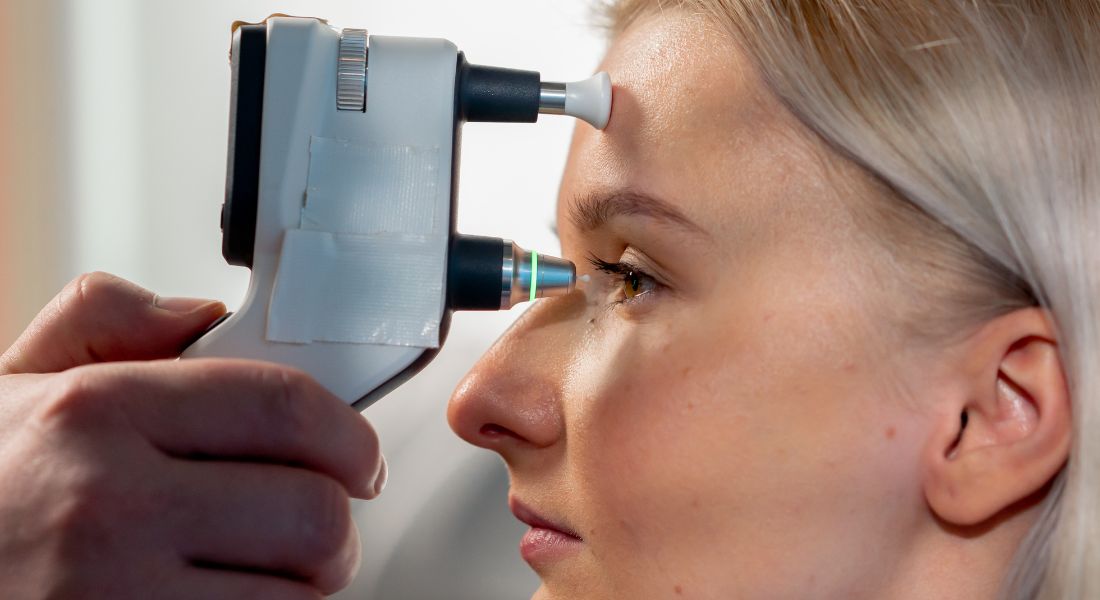
After ICL surgery, regular eye pressure checks are carried out as part of standard post-operative care. This helps ensure that the pressure inside your eye remains stable during the healing process. It is a routine and important part of monitoring recovery and overall eye health.
Thyroid disease does not usually have a direct impact on eye pressure, but careful monitoring is still essential for all patients. This is done as a precaution to ensure that no unexpected changes occur after surgery. Consistent checks help your specialist detect and manage any issues early, even if the risk is low. This supports a safe and well-managed recovery.
Maintaining stable eye pressure is important for proper healing and long-term eye health. It helps protect the internal structures of the eye and ensures the implanted lens continues to function correctly. Regular monitoring provides reassurance that recovery is progressing as expected. Overall, it plays a key role in achieving safe and successful surgical outcomes.
Long-Term Vision Outcomes
ICL surgery is designed to provide long-term correction of refractive errors, helping most patients achieve clear and stable vision. Once the eye has fully healed, many people find they no longer need glasses or contact lenses for everyday activities. The results are typically very stable over time, offering lasting visual improvement.
Thyroid disease does not usually affect the long-term success of the procedure once healing is complete and the condition is well controlled. After recovery, vision tends to remain stable, provided there are no other underlying eye changes. Routine follow-up appointments may still be recommended to ensure ongoing eye health and monitor overall stability. This helps maintain confidence in long-term outcomes.
Overall patient satisfaction with ICL surgery is generally very high. Many individuals experience a significant improvement in quality of life due to reduced dependence on corrective lenses. The outcomes are considered reliable and effective for suitable candidates. With proper assessment and care, long-term results are typically excellent.
Lifestyle After Surgery
After ICL surgery, it is important to avoid heavy physical activity for a short period. This helps protect your eyes during the early healing phase. Giving your eyes enough time to recover is essential for a smooth and stable outcome. Your doctor will guide you on when you can safely return to normal activities.
Maintaining good hygiene is also very important after surgery. You should avoid rubbing your eyes, as this can cause irritation or interfere with healing. Keeping your hands clean and following aftercare instructions helps reduce the risk of infection. These simple precautions support a comfortable recovery process.
Adopting healthy habits during the recovery period can further improve healing and comfort. This includes following your prescribed eye drop routine and attending follow-up appointments. Gradually, you will be able to return to your normal lifestyle. Overall, careful aftercare plays a key role in achieving the best surgical results.
Emotional Considerations
It is completely natural to feel some concern or anxiety before undergoing eye surgery, especially if you are also managing a medical condition such as thyroid disease. These feelings are common and understandable, but they often reduce once you have a clear understanding of the process. Being well-informed plays an important role in helping you feel more at ease and confident about your decision.
- Normal feelings of anxiety: Many patients feel nervous before surgery, particularly when it involves their vision. This is a normal emotional response and does not indicate that something is wrong.
- Reassurance through understanding: Learning about each stage of the procedure, including preparation, surgery, and recovery, can provide reassurance. When you know what to expect, the unknown becomes more familiar and less stressful.
- Reduced anxiety through knowledge: Understanding how the surgery works and how conditions like thyroid disease are managed helps reduce fear and uncertainty. This knowledge allows you to feel more in control of the situation.
- Improved confidence and comfort: Most patients feel significantly more comfortable once they are fully informed. Clear explanations from your practitioner can help build trust and confidence in the process.
Overall, education is a key part of the patient experience. When you understand the procedure and feel supported, anxiety tends to decrease, making the journey smoother and more reassuring.
Individual Risk Assessment
Every patient is different, so a personalised assessment is essential before ICL surgery. Thyroid disease can vary widely in severity and stability, and this plays an important role in surgical planning. Because of this variation, no two patients are assessed in exactly the same way. Individual factors must always be carefully considered.
A detailed risk assessment helps ensure that the procedure is both safe and appropriate for you. Your specialist will review your thyroid control, eye health, tear film stability, and overall medical history. This thorough evaluation helps identify any potential risks before surgery. It also ensures that the timing and approach are suitable for your specific condition.
No assumptions are made during this process, as each case is unique. Your surgeon carefully evaluates all relevant information to create a tailored treatment plan. This personalised approach helps improve both safety and visual outcomes. Ultimately, it ensures the best possible decision is made for your individual needs.
Communication Between Doctors
In some cases, coordination between different healthcare specialists is important before ICL surgery. Your eye surgeon may communicate with your endocrinologist to better understand your thyroid condition and overall health status. This ensures that all aspects of your care are considered together. A team-based approach helps create a more complete picture of your suitability for surgery.
Your medication regimen and thyroid control are often reviewed collaboratively by your doctors. This combined evaluation helps ensure that there are no conflicts or risks that could affect healing or surgical outcomes. It also supports more accurate and informed decision-making. When specialists work together, treatment planning becomes more precise and personalised.
This type of coordinated care improves both safety and confidence in the surgical process. It ensures that all medical factors are properly aligned before proceeding. By involving multiple experts when needed, the overall quality of care is enhanced. Ultimately, teamwork between doctors leads to better and safer outcomes for patients.
Managing Expectations
Understanding the limitations and requirements of treatment is an important part of preparing for ICL surgery. Having thyroid disease does not automatically prevent you from having surgery, but it does mean that additional care and planning may be needed. Each case is assessed individually to ensure the safest possible approach.
It is important to maintain realistic expectations about the process. Healing may require closer monitoring, especially if your thyroid condition affects eye health or tear stability. While this may involve extra follow-up visits, it is done to ensure that recovery is progressing properly. Even with these considerations, most patients still achieve excellent visual outcomes.
Clear communication between you and your specialist plays a key role throughout the journey. When you understand the process, risks, and recovery plan, it becomes easier to feel confident about the decision. This transparency helps reduce uncertainty and improves overall satisfaction with the treatment experience.
Warning Signs After Surgery
After ICL surgery, it is important to be aware of any unusual symptoms during the recovery period. Signs such as increasing pain, sudden vision changes, or persistent discomfort should be reported to your specialist as soon as possible. Early attention helps ensure that any potential issues are identified and managed quickly.
Patients with thyroid disease may need to be especially attentive to eye-related symptoms during recovery. Dryness, irritation, or fluctuations in comfort can sometimes occur and should be monitored closely. While these symptoms are often mild, they can affect healing if not properly managed. Using prescribed eye drops and following aftercare instructions is important.
In most cases, any post-surgery symptoms are minor and temporary. However, reporting changes early helps prevent complications and supports a smoother recovery. Regular follow-up visits also ensure that your eyes are healing as expected. Prompt care and monitoring are key to achieving safe and successful outcomes.
When to Contact a Doctor
It is important to stay attentive to how your eyes feel after surgery and to contact your doctor if anything seems unusual. Even if symptoms appear mild, seeking early advice is always helpful. It allows your medical team to assess the situation and provide reassurance or treatment if needed. Being cautious and communicating promptly helps ensure a safe and smooth recovery.
- Unusual or unexpected symptoms: If you notice anything that feels different from what you were told to expect, it is best to check with your doctor. This includes persistent discomfort, worsening symptoms, or any sudden changes in vision.
- Do not ignore mild concerns: Even small or mild symptoms should not be overlooked. Early assessment can help prevent complications and ensures that any issues are managed quickly and effectively.
- Reassurance and peace of mind: Sometimes symptoms are part of normal healing, but confirming this with your doctor can provide reassurance and reduce anxiety during recovery.
- Ongoing support from your medical team: Your healthcare team is there to guide and support you throughout the recovery process. Open communication is encouraged so that you feel confident and well cared for at every stage.
Overall, contacting your doctor when in doubt is always the safest approach. Early communication helps ensure proper healing, peace of mind, and the best possible outcome.
Long-Term Eye Care
Regular eye check-ups are important after ICL surgery to ensure your eyes remain healthy over the long term. These routine visits help monitor vision stability, eye pressure, and overall eye health. Ongoing assessments are usually straightforward but play an important role in maintaining good outcomes.
If you have thyroid disease, long-term management of your condition is also essential. Keeping thyroid levels stable helps support overall eye comfort and reduces the risk of symptoms such as dryness or irritation. Because systemic health can influence eye health, both areas need to be managed together. Stability in your general health contributes positively to your visual results.
Consistent care from both your eye specialist and medical doctor helps protect your vision over time. Regular monitoring ensures that any changes are identified early and managed appropriately. This combined approach supports lasting results and long-term eye health. Ultimately, ongoing care is key to maintaining the success of your surgery.
FAQs:
- Can I have ICL surgery if I have thyroid disease?
Yes, many patients with thyroid disease can still have ICL surgery, provided their condition is well controlled and stable. The key factor is ensuring that your thyroid levels are managed and not actively affecting your eye health. Your surgeon will assess your overall eye condition, including dryness and tear film stability. If everything is stable, ICL surgery may still be a safe and effective option. - Does thyroid disease affect eligibility for ICL surgery?
Thyroid disease does not automatically disqualify you from ICL surgery, but it does require careful evaluation. Active thyroid imbalance can affect the eyes, particularly by causing dryness or inflammation. These issues need to be managed before surgery to ensure safe healing. Once controlled, most patients can proceed safely. - Why does thyroid disease matter for eye surgery?
Thyroid disease can affect the eyes by causing dryness, irritation, or changes in tear film stability. These factors are important because a healthy eye surface is essential for ICL surgery and recovery. If the eye surface is unstable, it may increase the risk of complications. This is why proper assessment is always carried out beforehand. - Can dry eyes from thyroid disease affect ICL results?
Yes, dry eyes can affect comfort and visual stability after surgery if not managed properly. Thyroid-related dry eye is common, so it is carefully treated before proceeding with ICL surgery. Lubricating eye drops or other treatments may be recommended to improve eye surface health. Once stable, surgery outcomes are usually very good. - Should thyroid levels be stable before ICL surgery?
Yes, stable thyroid levels are very important before undergoing ICL surgery. When hormone levels are controlled, the risk of eye-related complications is reduced significantly. Stability also supports better healing and recovery after surgery. Surgeons typically prefer to operate only when the condition is well managed. - Can hyperthyroidism affect ICL surgery outcomes?
Hyperthyroidism can sometimes cause more noticeable eye symptoms such as dryness, irritation, or swelling. These symptoms may need to be treated before surgery can safely proceed. Once the condition is under control, patients can often still undergo ICL surgery successfully. Proper timing is key to achieving good results. - Can hypothyroidism affect eye surgery?
Hypothyroidism may lead to mild dryness or fatigue in the eyes, which can influence comfort during recovery. However, these symptoms are usually manageable with proper treatment and lubrication. With stable thyroid control, most patients can safely proceed with ICL surgery. Your surgeon will assess your individual situation carefully. - Will I need extra tests before ICL surgery if I have thyroid disease?
Yes, you may require additional eye tests to check tear film quality and overall eye surface health. Your medical history and thyroid condition will also be reviewed in detail. These assessments help ensure that your eyes are suitable for surgery. This thorough evaluation improves safety and outcomes. - Can ICL surgery worsen thyroid-related eye symptoms?
ICL surgery does not typically worsen thyroid disease, but existing dry eye symptoms may temporarily feel more noticeable during recovery. This is usually managed with eye drops and proper aftercare. In most cases, symptoms improve as the eyes heal. Careful monitoring helps ensure a smooth recovery. - Is ICL surgery safe for patients with thyroid disease?
Yes, ICL surgery can be safe for patients with thyroid disease if their condition is stable and properly managed. The most important factor is ensuring the eyes are healthy enough for surgery, especially regarding dryness and inflammation. A detailed consultation is essential to assess suitability. With proper care, outcomes are generally excellent.
Final Thoughts: Key Takeaways on Thyroid Disease and ICL Surgery
Thyroid disease does not automatically rule you out from having ICL surgery, but your condition needs to be well controlled before treatment is considered. When thyroid levels are stable, most patients can still achieve excellent and predictable results. The main concern is not the diagnosis itself, but how active or balanced the condition is at the time of surgery. A thorough assessment helps ensure your eyes are in the right condition for safe treatment.
Your surgeon will carefully evaluate your eye health, including tear film stability, dryness, and any signs of inflammation. Thyroid conditions can sometimes affect the eyes, so these factors are checked in detail before proceeding. If any issues are found, they are usually treated first to improve the surface of the eye. This step is important because a healthy eye surface supports smoother healing and better visual outcomes after surgery. If you’d like to find out whether ICL surgery in London is suitable for you, feel free to contact us at Eye Clinic London to arrange a consultation.
References:
- Sanders, D.R., Doney, K. and Poco, M., 2004. United States Food and Drug Administration clinical trial of the implantable contact lens (ICL) for moderate to high myopia. Ophthalmology, 111(9), pp.1683-1692. https://pubmed.ncbi.nlm.nih.gov/15350323/
- Kubik, P., Gruszczyński, W. & Filipowska, M. (2025) ‘Comparative analysis of reconstitution and solubility of two poly‑L‑lactic acid fillers for medical applications’, Polymers, 17(13), p.1778. https://www.sciencedirect.com/science/article/abs/pii/S0181551225003559
- Zhang, Y., Li, X., Chen, H., Wang, Q. and Liu, Y. (2025) ‘Recent advances in implantable collamer lens technology and clinical outcomes’, Journal of Optometry. https://www.sciencedirect.com/science/article/pii/S2451993625001987
- Li, B., Cheng, M., Lei, Y., Lin, I-C., Chen, X. and Wang, X. (2025) ‘Haptics and axis stability of customized vertical implantable collamer lens implantation’, Journal of Cataract & Refractive Surgery, 51(11), pp. 1004-1010. https://pmc.ncbi.nlm.nih.gov/articles/PMC12582595/
- Chaudhari, P.B. and Banga, A. (2023) ‘Writing strategies for improving the access of medical literature’, World Journal of Experimental Medicine, 13(3), pp. 50-58. https://pmc.ncbi.nlm.nih.gov/articles/PMC11005927/