


Is ICL Surgery Suitable for Black Patients?
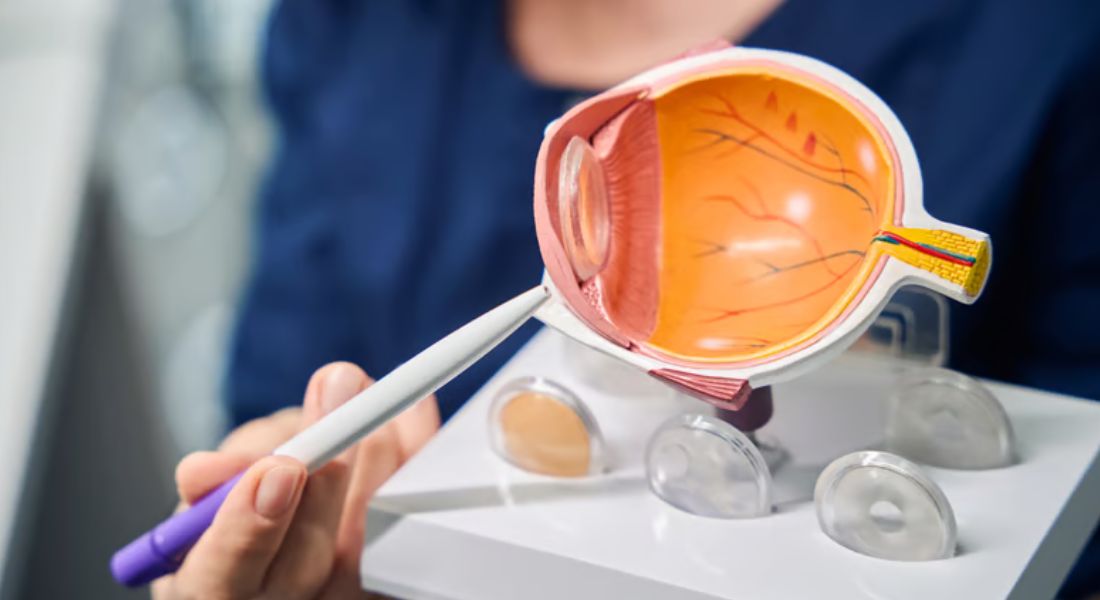
ICL surgery, also known as implantable collamer lens surgery, can be suitable for patients of all ethnic backgrounds, including Black patients. The decision is not based on race alone. Instead, it depends on factors such as your prescription, corneal health, eye anatomy, eye pressure, retinal health, and whether there is enough safe internal space for the lens to be implanted.
The important point is that ICL surgery is an intraocular procedure. This means the lens is placed inside your eye, usually behind the iris and in front of the natural lens. Because the procedure takes place within the eye, your surgeon must carefully assess the internal anatomy to ensure that the lens can sit safely and function as intended over the long term.
There is currently limited research that looks exclusively at ICL outcomes in Black patients as a separate group. Much of the available evidence focuses on factors such as prescription strength, lens design, eye anatomy, and surgical outcomes rather than ethnicity alone. This means treatment decisions should be guided by your individual measurements rather than assumptions based on background.
The wider evidence on phakic intraocular lenses shows that safety depends primarily on factors such as anterior chamber depth, endothelial cell count, vault, lens sizing, eye pressure, and ongoing follow-up care. For you as a patient, the key message is that a thorough assessment and personalised treatment plan are far more important than ethnicity when determining whether ICL surgery is suitable.
What Is ICL Surgery?
ICL surgery involves placing a thin prescription lens inside your eye to correct refractive errors such as myopia and astigmatism. Your natural lens remains in place, which is why ICL is known as a phakic intraocular lens procedure. The implanted lens is designed to work alongside your eye’s natural focusing system to improve the clarity of your vision.
Unlike LASIK, ICL surgery does not reshape or remove corneal tissue. This can make it a useful option for selected patients with higher prescriptions, thinner corneas, dry eye concerns, or other factors that may make laser vision correction less suitable. Because the cornea is preserved, ICL may be considered when maintaining corneal structure is an important part of treatment planning.
The lens works with your natural eye structures to focus light more accurately onto the retina. When the procedure is carefully planned and the eye is suitable, ICL can provide effective vision correction while maintaining the natural shape of the cornea.
Is ICL Suitable for Black Patients?
Yes, ICL surgery can be suitable for Black patients, provided your eye measurements meet the necessary safety requirements. Your ethnic background alone does not determine whether you are a good candidate for treatment. Instead, the decision is based on the individual characteristics and health of your eyes.
- Ethnicity Does Not Determine Suitability: Being Black does not automatically make you more or less suitable for ICL surgery. The focus should always be on your individual eye measurements.
- Eye Anatomy Is Most Important: Factors such as anterior chamber depth, lens sizing measurements, and the amount of space inside your eye play a key role in assessing suitability.
- Overall Eye Health Matters: Your surgeon will evaluate endothelial cell health, eye pressure, corneal condition, and retinal health before recommending surgery.
- Prescription Requirements Must Be Met: ICL is typically considered for patients with moderate to high refractive errors who fall within the approved treatment range.
- Personalised Assessment Is Essential: A thorough consultation should assess your eyes individually rather than making assumptions based on ethnicity or background.
Overall, ICL suitability is determined by detailed clinical measurements and eye health rather than race or ethnicity. A comprehensive assessment allows your surgeon to decide whether the procedure is safe and appropriate for you, ensuring that the recommendation is based on your eyes and your visual needs.
Why Individual Eye Anatomy Matters
ICL surgery depends heavily on your individual eye anatomy. Before recommending treatment, your surgeon needs to confirm that there is enough space inside your eye for the lens to sit safely and function properly without affecting surrounding structures. This is one of the most important parts of determining whether ICL is a suitable option for you.
Key measurements include anterior chamber depth, white-to-white distance, sulcus anatomy, crystalline lens position, pupil size, endothelial cell count, and eye pressure. Together, these measurements help your surgeon select the correct lens size and assess the safety of the procedure.
These anatomical features can vary significantly from one person to another. Two patients from the same ethnic background may have completely different eye measurements and therefore very different levels of suitability for ICL surgery. This is why treatment decisions should always be based on your own scans and clinical findings rather than assumptions about ethnicity or background.
Anterior Chamber Depth
Anterior chamber depth is the distance between the back surface of your cornea and the front surface of your natural lens. This measurement is particularly important because the ICL needs sufficient space to sit safely inside the eye without affecting nearby structures.
A review of phakic intraocular lens safety highlights anterior chamber depth and endothelial cell count as two of the most important factors to assess before phakic IOL implantation. These measurements help surgeons evaluate whether there is enough room inside the eye for the lens and whether the procedure can be performed safely.
If your anterior chamber is too shallow, ICL surgery may not be recommended, or your surgeon may need to assess the case with extra caution. In these situations, patient safety is the priority, and another vision correction option may sometimes be more appropriate.
Endothelial Cell Count
The corneal endothelium is the thin inner layer of cells lining the back surface of your cornea. These cells play an essential role in keeping the cornea clear by helping to regulate fluid levels within the corneal tissue. Unlike many other cells in the body, endothelial cells do not regenerate effectively if they are lost.
Before ICL surgery, your surgeon will usually measure your endothelial cell count to confirm that your cornea has a healthy reserve of cells for an intraocular procedure. This assessment helps ensure that the eye can continue to maintain a clear cornea both immediately after surgery and in the years that follow.
A diagnostic safety review of phakic intraocular lenses explains that endothelial cell density should be monitored regularly and that both endothelial reserve and patient age should be considered when assessing long-term safety. This is one reason why a comprehensive ICL assessment involves much more than checking your prescription alone.
Eye Pressure and Drainage Angle

Because ICL is placed inside your eye, assessing eye pressure and the drainage angle is an important part of the pre-operative evaluation. Your surgeon needs to determine whether there is enough space inside the eye and whether the implanted lens could affect the normal flow of fluid that helps maintain healthy eye pressure.
If you have raised eye pressure, narrow drainage angles, glaucoma, or other pressure-related concerns, ICL surgery may require additional caution and investigation. In some situations, your surgeon may recommend a different vision correction option if it is considered safer for your long-term eye health.
This is why a proper ICL consultation should involve much more than checking your prescription. A thorough assessment should include detailed anatomical measurements, pressure testing, and evaluation of the drainage angle to ensure the procedure can be performed as safely as possible.
Vault After ICL Surgery
Vault is the space between the implanted ICL and your natural lens. It is one of the most important measurements assessed after surgery because it helps indicate whether the lens is sitting in a safe position inside your eye.
If the vault is too low, the ICL may sit too close to your natural lens, which can raise concerns about long-term lens contact. If the vault is too high, it may affect the drainage angle of the eye or contribute to pressure-related issues. This is why vault is monitored during follow-up appointments after surgery.
Good ICL planning aims to select the most appropriate lens size before the procedure so that the postoperative vault falls within a safe and stable range. Careful measurements, accurate sizing, and ongoing monitoring all help support the long-term safety and effectiveness of the treatment.
Lens Sizing Is Personalised

ICL sizing is not determined by your ethnicity. Instead, it is based on detailed measurements taken from your individual eye to ensure the lens fits safely and performs as intended. Every eye is different, which is why careful planning is such an important part of the process.
To calculate the most appropriate lens size, your surgeon may use measurements such as white-to-white distance, anterior chamber depth, sulcus-to-sulcus dimensions, lens rise, and other advanced imaging data. Some clinics also use newer sizing formulas and AI-supported tools to help improve the accuracy of vault prediction and lens selection.
The goal is to choose a lens that not only corrects your vision effectively but also sits safely inside your eye for the long term. Personalised sizing helps reduce the risk of complications and supports stable, predictable visual outcomes after surgery.
ICL for High Myopia
ICL is often considered if you have moderate to high myopia, particularly when your prescription is beyond the range that may be ideal for laser vision correction. This can be relevant for patients from all ethnic backgrounds, including Black patients. One study of adult African Americans reported a myopia prevalence of 29.0% and a high myopia prevalence of 5.2% within the population studied, highlighting that significant levels of myopia can occur across different communities.
For patients with high myopia, ICL may offer an alternative when laser eye surgery would require the removal of too much corneal tissue or when corneal measurements make laser treatment less suitable. Because the lens is placed inside the eye rather than reshaping the cornea, it can preserve corneal structure while still providing effective vision correction.
However, having a high prescription alone does not automatically mean ICL is the right choice for you. Your surgeon will still need to assess important factors such as anterior chamber depth, eye pressure, retinal health, endothelial cell count, and overall eye anatomy to determine whether the procedure can be performed safely.
ICL and Astigmatism
If you have both myopia and astigmatism, a toric ICL may be able to correct both conditions at the same time. These specialised lenses are designed to address the spherical component of your prescription as well as the astigmatism, potentially reducing your dependence on glasses or contact lenses. In suitable eyes, toric ICLs can provide clear, stable vision while preserving the natural structure of the cornea.
Toric ICL treatment requires careful planning because the lens must be positioned at a specific angle inside the eye. If the lens rotates after surgery, the astigmatism correction may become less effective. This is a technical consideration related to lens positioning and stability rather than an ethnicity-specific issue.
Before recommending a toric ICL, your surgeon should carefully assess your prescription, corneal shape, astigmatism pattern, and expected lens position. These measurements help ensure that the lens is appropriately selected and aligned to achieve the best possible visual outcome.
Thin Corneas and ICL
ICL may be considered if your cornea is too thin or borderline for LASIK. Because ICL corrects vision using a lens placed inside the eye rather than reshaping the cornea, it can be an attractive option for patients who may not be suitable candidates for laser eye surgery.
One advantage of this approach is that it preserves corneal tissue while still providing effective vision correction. This can be particularly helpful if you have a high prescription or corneal measurements that make laser treatment less suitable from a safety perspective.
However, having thin corneas alone does not automatically mean you are suitable for ICL surgery. Your surgeon must still assess important internal eye measurements, including anterior chamber depth, eye pressure, and overall eye anatomy, to ensure the procedure can be performed safely.
Keratoconus Screening Before ICL
If you are considering ICL surgery, careful screening for corneal conditions such as keratoconus is important whenever symptoms or risk factors are present. Keratoconus can affect the shape and stability of the cornea, which may influence vision correction planning and overall suitability for refractive surgery.
Recent US research has reported higher keratoconus prevalence in Black populations in some datasets, and one study suggested that diagnosis may be delayed in Black patients. While these findings do not mean that every Black patient is at higher risk, they highlight the importance of thorough assessment and early detection when concerns arise.
If you have irregular astigmatism, frequent prescription changes, unexplained reductions in vision quality, or suspicious corneal scan results, your surgeon should investigate carefully before recommending any refractive procedure. A detailed corneal assessment can help identify potential problems early and ensure that the safest and most appropriate treatment is chosen for your eyes.
Dry Eye Considerations

You may consider ICL surgery if you have dry eye symptoms or struggle with contact lens intolerance. Because ICL does not require the creation of a LASIK flap or the reshaping of the cornea, it is sometimes discussed when dry eye makes laser vision correction a less attractive option.
However, dry eye should never be overlooked during the assessment process. A healthy ocular surface plays an important role in providing clear, comfortable vision and can influence your overall experience before and after any refractive procedure.
During your consultation, the surgeon should ask about symptoms such as irritation, watering, redness, allergy, contact lens discomfort, and screen-related eye strain. Identifying and managing these issues beforehand can help ensure your eyes are as healthy as possible before treatment and support a better visual outcome afterwards.
Retinal Health in Myopic Patients
If you have high myopia, your retina may be more prone to certain changes, including retinal thinning, lattice degeneration, or an increased risk of retinal tears. These issues are related to the elongated shape of the highly myopic eye rather than to ICL surgery itself.
Before ICL surgery, you should usually undergo a thorough retinal examination. This allows your surgeon to identify any areas of concern that may require treatment, monitoring, or further assessment before proceeding with vision correction surgery.
This step is important regardless of your ethnic background. A careful retinal assessment helps ensure that any underlying retinal issues are recognised early and managed appropriately, supporting both the safety of the procedure and your long-term eye health.
ICL Outcomes and Safety Evidence
The wider phakic intraocular lens literature shows that ICL surgery can provide good visual outcomes in suitable patients, particularly if you have moderate to high myopia. Studies evaluating phakic intraocular lenses have examined visual performance, safety, complications, predictability, and long-term stability, with many reporting favourable results when patients are carefully selected.
However, good outcomes do not happen automatically. They depend on proper patient selection, accurate lens sizing, surgical expertise, and appropriate follow-up care. Every stage of the process, from pre-operative measurements to long-term monitoring, plays an important role in maintaining both vision and eye health.
Although ICL is often described as reversible or removable, it should not be viewed as a casual procedure. It is still surgery performed inside the eye, which is why thorough safety planning, careful assessment, and ongoing monitoring are essential for achieving the best possible outcome.
Why There Is Limited Black-Specific ICL Research
There appears to be limited published research that focuses exclusively on ICL outcomes in Black patients as a separate group. Much of the available ICL evidence is organised by factors such as prescription strength, lens type, eye anatomy, age, or geographic region rather than race or ethnicity.
This does not mean ICL is unsuitable for Black patients or that outcomes are necessarily different. Instead, it highlights the importance of avoiding broad assumptions and relying on a detailed assessment of your individual eye anatomy, prescription, and overall eye health when considering treatment.
Future studies that include more diverse patient populations could provide clearer information about outcomes across different groups. Until then, the most important factor remains personalised care, with treatment decisions based on your own measurements and clinical findings rather than ethnicity alone.
Does Black Background Change ICL Treatment?
Your Black background does not automatically change how ICL surgery is performed. The same core safety checks and planning principles apply to all patients, regardless of ethnicity. The procedure is based on the specific characteristics of your eyes rather than your ethnic background.
Your surgeon will still need to assess important factors such as your prescription, anterior chamber depth, endothelial cell count, vault prediction, eye pressure, retinal health, corneal shape, and overall eye health. These measurements help determine whether ICL is suitable and how the procedure should be planned safely.
The practical message is that ICL treatment should be personalised, not ethnicity-based. Your suitability depends on your individual measurements, eye anatomy, and visual needs, which are far more important than broad ethnic categories.
Comparing ICL With LASIK
LASIK and ICL are both effective vision correction procedures, but they work in very different ways. LASIK reshapes the cornea using a laser, while ICL corrects vision by placing a specialist lens inside the eye. Because of these differences, each procedure has its own suitability criteria and potential advantages.
ICL may be considered if you have a high prescription, thin corneas, significant dry eye concerns, or other factors that make laser treatment less suitable. However, this does not mean LASIK is unsuitable for everyone. If your corneal thickness, prescription, and overall eye health are appropriate, LASIK may still be an excellent option.
If you are considering ICL surgery in London, your consultation should include a clear comparison of all suitable treatment options. A good surgeon will explain why a particular procedure is recommended for your eyes and discuss the benefits, limitations, and safety considerations of each approach.
The goal is not simply to choose the newest or most advanced treatment. The goal is to find the option that is safest and most effective for your individual eye anatomy, prescription, and long-term visual needs.
What Tests Are Needed Before ICL?
Before you can have ICL surgery, you will need a detailed eye assessment rather than just a standard sight test. These examinations help your surgeon determine whether ICL is suitable for you, identify any potential risks, and select the safest lens size for your eye anatomy. Careful testing is one of the most important parts of successful ICL planning.
- Vision and Prescription Assessment: Your refraction will be measured to confirm your prescription and determine the amount of correction required.
- Corneal Imaging: Corneal topography and tomography create detailed maps of your cornea, helping to identify conditions such as keratoconus or other abnormalities.
- Anterior Segment Measurements: Special imaging is used to assess the internal structures of your eye and provide measurements needed for ICL sizing.
- Endothelial Cell Count: This test checks the health of the cells that keep your cornea clear and is an important safety assessment before surgery.
- Eye Pressure and Retinal Examination: Your eye pressure will be measured, and the retina at the back of your eye will be examined to identify any issues that may need attention before treatment.
Overall, ICL planning involves much more than a simple prescription check. A thorough assessment helps ensure the procedure is both safe and personalised to your eye anatomy. The more detailed the testing, the better informed your surgeon can be when recommending the most appropriate treatment for you.
When ICL May Not Be Suitable
ICL surgery may not be suitable if your eye anatomy does not meet important safety requirements. This can include a shallow anterior chamber, a low endothelial cell count, a narrow drainage angle, uncontrolled eye pressure, or other significant eye health concerns that could increase surgical risk.
It may also not be recommended if your retinal health needs treatment or monitoring before surgery can be considered. In some cases, your surgeon may advise delaying the procedure or choosing a different vision correction option that is better suited to your eyes and long-term eye health.
It is also important to have realistic expectations about what ICL surgery can achieve. A responsible surgeon will always prioritise safety over proceeding with treatment. Sometimes a careful “no” or a recommendation to wait is a sign of good clinical judgement and responsible refractive care.
What Black Patients Should Ask During Consultation
If you are considering ICL surgery, it is important to ask questions that help you understand whether the procedure is suitable for your eyes. You may want to ask whether your anterior chamber depth is within a safe range, whether your endothelial cell count is healthy, and what vault your surgeon expects after the lens is implanted.
You can also ask whether your retina has been thoroughly examined, whether a toric ICL may be needed to correct astigmatism, and how your eye pressure will be monitored after surgery. These questions can help you better understand your treatment plan and the factors that may affect your outcome.
Good ICL care should provide clear, detailed answers rather than rushed reassurance. A thorough consultation should help you understand your measurements, the reasons behind any recommendations, and what you can realistically expect before, during, and after the procedure.
The Future of ICL Research in Diverse Patients
Future ICL research is likely to include more diverse patient groups. This may help specialists understand whether outcomes, eye anatomy, vault prediction, sizing formulas, or complication patterns differ between populations and how these factors affect long-term results.
As more data becomes available, researchers may be able to improve the accuracy of ICL planning and develop better prediction tools. This could help ensure that you receive recommendations based on evidence that reflects a wider range of patients and eye characteristics.
For now, the most important factor is still personalised assessment. Your eye anatomy, prescription, and overall eye health matter far more than broad ethnicity labels when deciding whether ICL is suitable for you. Better representation in future studies may make patient counselling more accurate, personalised, and inclusive.
FAQs:
- Is ICL surgery suitable for Black patients?
Yes. ICL surgery can be suitable for Black patients just as it is for any other ethnic group. Suitability depends entirely on individual eye health and anatomical measurements such as anterior chamber depth, endothelial cell count, and retinal condition. Ethnicity does not determine eligibility or safety on its own. - Does ethnicity affect ICL surgery outcomes?
Current research shows that outcomes are not directly determined by ethnicity. Instead, success depends on accurate lens sizing, surgical technique, and pre-operative eye health. Variations in eye anatomy can occur in all populations, but these are assessed individually rather than by race. - Why is there limited research specifically on Black patients and ICL?
Most clinical studies on implantable collamer lenses group participants based on refractive error, age, and eye measurements rather than ethnicity. This means race-specific datasets are limited. However, existing evidence suggests that the key safety parameters apply universally across all patient groups. - What eye tests are needed before ICL surgery?
A full pre-operative assessment includes corneal topography, anterior segment imaging, endothelial cell count, intraocular pressure measurement, and a detailed retinal examination. These tests ensure there is enough space inside the eye and that the cornea and retina are healthy enough for surgery. Without these tests, suitability cannot be safely determined. - Can people with high myopia have ICL surgery?
Yes, ICL is commonly recommended for patients with moderate to high myopia. It is often considered when laser procedures may not be ideal due to thin corneas or very strong prescriptions. ICL can correct high levels of refractive error while preserving corneal tissue, making it a preferred option in selected cases. - Is ICL better than LASIK for everyone?
No, neither procedure is universally better. LASIK reshapes the cornea, while ICL involves placing a lens inside the eye without removing corneal tissue. LASIK may suit patients with healthy, thick corneas and mild to moderate prescriptions, while ICL may be preferred for higher prescriptions or thinner corneas. The choice depends on individual assessment. - What is the biggest safety factor in ICL surgery?
The most important safety factors include anterior chamber depth, endothelial cell health, correct lens sizing, and stable intraocular pressure. These ensure the lens sits safely without affecting natural eye structures. Poor planning in any of these areas can increase the risk of complications, which is why detailed pre-surgical testing is essential. - Can ICL surgery affect eye pressure?
Yes, in some cases ICL can influence eye pressure if the lens affects fluid drainage inside the eye. This is why surgeons carefully assess drainage angles before surgery and monitor pressure afterwards. When properly sized and placed, the risk is generally low, but ongoing follow-up is important. - Is ICL surgery reversible?
Yes, one of the advantages of ICL is that the lens can be removed or exchanged if necessary. However, it should not be considered a “simple” procedure because it still involves intraocular surgery. Careful planning and long-term follow-up remain essential even though the procedure is technically reversible. - What should Black patients specifically ask during consultation?
Patients should ask about anterior chamber depth, endothelial cell count, expected vault, and whether their retina is healthy enough for surgery. It is also important to ask how lens sizing is determined and whether ICL is truly the safest option compared to alternatives. A good consultation should provide personalised answers based on your own eye measurements rather than general assumptions.
Final Thoughts: Personalised Assessment Is the Key to Safe ICL Surgery
ICL surgery can be a highly effective vision correction option for suitable candidates, including Black patients. However, the most important message from current evidence is that suitability is never determined by ethnicity alone. Instead, it depends entirely on detailed individual eye measurements, overall eye health, and careful pre-operative assessment.
Every eye is different, and even within the same ethnic group there can be significant variation in anterior chamber depth, endothelial cell health, retinal status, and lens positioning. This is why modern refractive surgery relies so heavily on diagnostic testing and personalised planning rather than general assumptions.
When performed on appropriately selected patients with accurate lens sizing and thorough follow-up, ICL can deliver excellent visual outcomes, particularly for those with moderate to high myopia or corneal limitations that make laser surgery less suitable. At the same time, it remains an intraocular procedure, so safety must always come first.
A structured consultation should always compare all suitable options, explain the risks clearly, and base recommendations on your specific eye profile rather than broad demographic factors. If you’d like to find out whether ICL surgery in London is suitable for you, feel free to contact us at Eye Clinic London to arrange a consultation.
References:
- Packer, M. (2016) Meta-analysis and review: effectiveness, safety, and central port design of the intraocular collamer lens, Clinical Ophthalmology, 10, pp. 1059–1077. Available at: https://pmc.ncbi.nlm.nih.gov/articles/PMC4907705/
- Montés-Micó, R., Ruiz-Mesa, R., Rodríguez-Prats, J.L. and Tañá-Rivero, P. (2021) Posterior-chamber phakic implantable collamer lenses with a central port: a review, Acta Ophthalmologica, 99(3), pp. e288–e301. Available at: https://pmc.ncbi.nlm.nih.gov/articles/PMC8246543/
- Wei, Q., Ding, X., Chang, W., Zhou, X., Jiang, R., Zhou, X. and Yu, Z. (2024) Corneal Sub-Basal Nerve Plexus Regeneration Pattern Following Implantable Collamer Lens Implantation for Myopia: A Prospective Longitudinal In Vivo Confocal Microscopy Study, Biomedicines, 12(3), 555. Available at: https://www.mdpi.com/2227-9059/12/3/555
- Nakamura, T., Isogai, N., Kojima, T., Yoshida, Y. and Sugiyama, Y. (2018) Implantable Collamer Lens Sizing Method Based on Swept-Source Anterior Segment Optical Coherence Tomography, American Journal of Ophthalmology, 187, pp. 99–107. Available at: https://pubmed.ncbi.nlm.nih.gov/29294311/
- Pérez-Santonja, J.J., Iradier, M.T., Benítez del Castillo, J.M., Serrano, J.M. and Zato, M.A. (2002) Implantable contact lens for high myopia, Journal of Cataract & Refractive Surgery, 28(1), pp. 29–36. Available at: https://www.sciencedirect.com/science/article/abs/pii/S0886335001012184