


Why Do Your Eyes Feel Gritty or Sandy With Dry Eye?
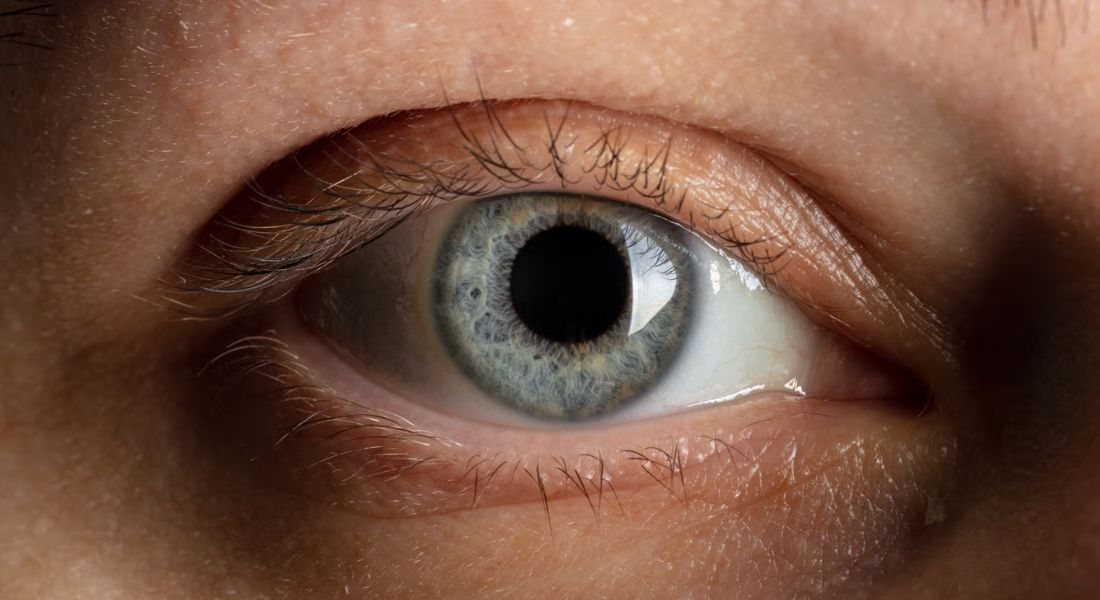
A gritty or sandy feeling in your eyes can be extremely irritating. You may feel as though there is dust, sand, an eyelash, or a tiny particle trapped under your eyelid, even when nothing is actually there. You may blink repeatedly, rub your eyes, rinse them, or look in the mirror, but the sensation keeps coming back. This feeling is one of the most common symptoms of dry eye.
The NHS lists gritty eyes as one of the symptoms of dry eyes, along with soreness, itchiness, redness, blurred vision, light sensitivity, and watery eyes. The reason dry eye can feel gritty is that your tear film is not protecting the surface of your eye properly. When the surface becomes exposed, irritated, or uneven, the nerves in the eye can send discomfort signals that feel like sand or grit. This does not always mean there is something physically stuck in your eye. It often means the front surface of your eye is dry, inflamed, unstable, or poorly lubricated.
Dry eye can happen when your eyes do not make enough tears, when the tears evaporate too quickly, or when the tears are not the right quality. The American Academy of Ophthalmology explains that dry eye can occur when the eyes do not produce enough tears, do not make the right type of tears, or when tears dry out too quickly.
That is why the gritty feeling is not always solved by simply splashing water on your face or using random eye drops. Your eyes may need proper assessment to understand whether the issue is tear volume, tear quality, eyelid gland function, inflammation, screen habits, contact lenses, allergy, or another factor. In this article, I’ll explain why dry eyes can feel gritty or sandy, what this sensation may indicate about your tear quality, and what can be done to relieve the discomfort.
What Does a Gritty Eye Sensation Feel Like?
A gritty eye sensation can feel like fine sand under the eyelid.You may feel scratchiness when you blink. You may also feel burning, stinging, soreness, watering, redness, or a sense that your eyes are tired and heavy. Some people describe it as a foreign body sensation. This means your eye feels as though something is inside it, even when there is no visible particle, eyelash, or dust.
The surface nerves are reacting to irritation rather than an actual object. The feeling may affect one eye or both eyes. It may be mild in the morning and worse by evening. It may also become more noticeable when reading, using a screen, driving, wearing contact lenses, or sitting in air conditioning.
You may also notice blurred vision that comes and goes. Blinking may briefly clear your vision, then the blur returns as the tear film breaks up again. Moorfields Private notes that common dry eye complaints can include pain, gritty sensation, watery reflex tearing, sticky eyelids, and blurred vision. So, if your eyes feel gritty and your vision also fluctuates, dry eye may be a likely cause.
Why Dry Eye Feels Like Sand in the Eye
Your eye surface is very sensitive. The cornea, which is the clear front window of the eye, has many nerve endings. These nerves help protect the eye by detecting irritation, dryness, injury, or foreign material. When your tear film is healthy, it coats the eye surface smoothly. This reduces friction when you blink and helps the eyelid move comfortably over the eye.
When the tear film is unstable, thin, or poor quality, the eye surface becomes less protected. Your eyelid may then move over a drier, more irritated surface. This can create the sensation of scratchiness, friction, or grit. The eye may react as if something is trapped there.
In reality, the problem may be that the eye surface is exposed and irritated. This is why you may check your eye repeatedly and find nothing. The sensation is real, but the cause may be dryness rather than debris.
The Tear Film and Why It Matters
Your tear film is the thin layer of tears that coats the front of your eye. It may seem simple, but it plays a very important role in keeping your eyes moist, smooth, clear, and protected. It also helps your vision stay sharp because light passes through the tear film before entering the eye.
A healthy tear film has different parts that work together. The oily layer helps reduce evaporation, the watery layer provides moisture, and the mucus layer helps tears spread evenly across the eye surface. If any part of this system is not working well, your eyes may feel dry, gritty, sandy, irritated, or blurry.
This is why tear quality matters as much as tear quantity. You can have tears in your eyes and still feel dry if those tears evaporate too quickly, do not spread evenly, or break up too soon between blinks. When the tear film is unstable, the eye surface can become irritated, which is why dry eye can affect both comfort and vision.
Poor Tear Quality Can Cause Grittiness
Many people assume dry eye only means your eyes are not making enough tears. That is not always true, because sometimes your eyes do produce tears, but the quality of those tears is poor. They may not spread evenly, stay on the eye long enough, or protect the surface properly.
When your tears are unstable, your eyes can feel gritty, scratchy, dry, or irritated. You may even notice watery eyes at the same time, which can feel confusing. This happens because irritation can trigger reflex tearing, but those watery tears may not lubricate the eye surface well.
This is why watery eyes do not rule out dry eye. Your eyes can water and still feel dry if the tear film is not stable or protective enough. If you feel grittiness, watering, and irritation together, poor tear quality may be part of the problem.
Friction Between the Eyelid and Eye Surface
Every time you blink, your eyelid moves across the surface of your eye. When your eye is well lubricated, this movement feels smooth and comfortable. However, when the surface is dry, blinking can feel rough, scratchy, or as if there is sand in your eye.
This friction can become more noticeable as the day goes on. Screens, dry air, wind, and contact lenses can all make your eye surface feel more irritated. The more sensitive the surface becomes, the stronger the gritty or dragging sensation may feel.
You may feel tempted to blink harder or rub your eyes when they feel sandy, but this can make irritation worse. Rubbing may damage or inflame the already sensitive surface and increase discomfort. Lubrication, proper diagnosis, and targeted treatment are safer ways to manage the problem.
Why Symptoms May Be Worse Later in the Day
Many people notice gritty eyes more in the evening. This happens because your eyes have been working all day. You may have spent hours reading, using screens, driving, wearing contact lenses, or sitting in dry indoor air. Your tear film may gradually become less stable as the day continues.
By evening, the eye surface may be more irritated. The gritty feeling may become harder to ignore. The Hull University Teaching Hospitals NHS leaflet notes that feelings of dryness, grittiness, or soreness may get worse throughout the day as the eye is not getting enough moisture.
This is why you may feel relatively comfortable in the morning, then struggle at night. It does not necessarily mean something new has happened. It may mean your tear film has been under pressure for hours and can no longer keep the eye surface comfortable.
Screen Use and Gritty Eyes
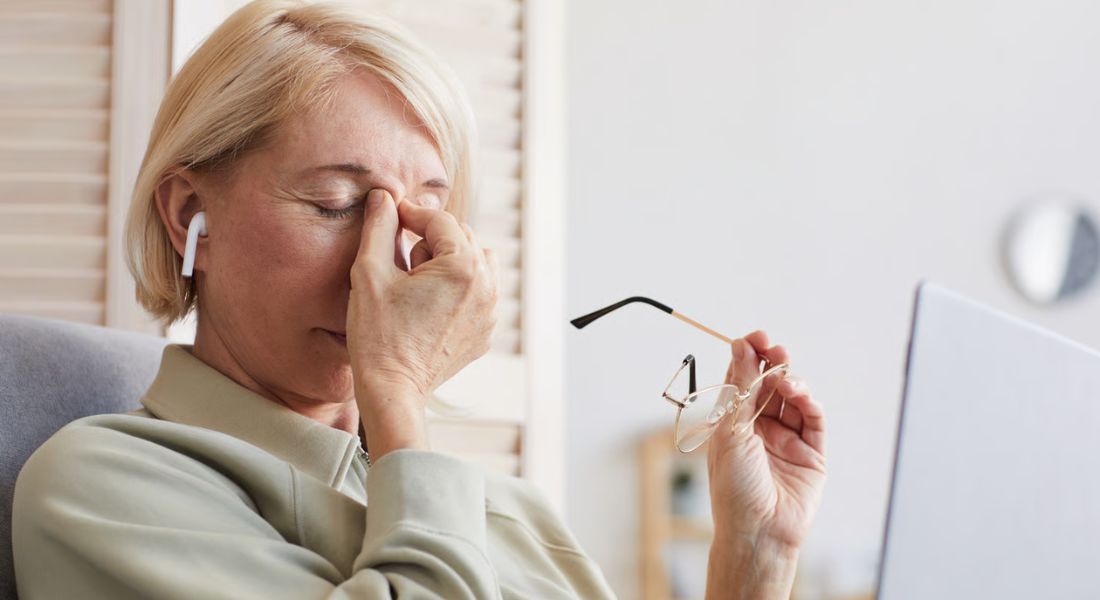
Screen use is a major trigger for gritty dry eye symptoms. When you look at a screen, you usually blink less often, and your blinks may also be incomplete. This means your eyelids may not fully spread tears across the eye surface.
When your tears are not refreshed properly, they can evaporate more quickly. Dry patches may form on the eye surface, making your eyes feel scratchy, sandy, tired, or irritated. You may notice this after using a laptop, scrolling on your phone, reading documents, editing images, or watching television.
If your eyes feel gritty after screen use, it does not always mean the screen has damaged your eyes. It may simply mean your tear film is not being refreshed often enough while you focus. Regular breaks, conscious blinking, better screen position, and suitable dry eye treatment may help reduce the discomfort.
Contact Lenses and Sandy Eyes
Contact lenses can make gritty eyes more noticeable because they sit directly on your tear film and eye surface. If your tear film is unstable, the lens may start to feel dry, tight, scratchy, or uncomfortable. You may notice that your lenses feel fine in the morning but become irritating by the afternoon.
Your vision may also become blurry between blinks if the lenses are drying out on your eyes. This can increase friction and make you feel as though there is something under the lens. Sometimes the problem may be debris or a damaged lens, but at other times it may be dryness, poor tear quality, or an unsuitable wearing schedule.
You should remove your lenses if your eyes feel painful, red, light-sensitive, or if your vision becomes reduced. Do not push through severe contact lens discomfort, as this may make the problem worse. An eye doctor or contact lens specialist can check whether your lenses, tear film, eyelids, or wearing routine are contributing to the sandy feeling.
Meibomian Gland Dysfunction and Gritty Eyes
Meibomian gland dysfunction is one of the most common reasons your dry eyes may feel gritty. The meibomian glands are small oil-producing glands in your eyelids, and they help create the oily layer of your tear film. This oily layer is important because it slows tear evaporation and helps keep your eyes comfortable.
If these glands become blocked or produce poor-quality oil, your tears may evaporate too quickly. This can lead to evaporative dry eye, where your eyes may feel gritty, burning, watery, sore, or tired. You may also notice blurred vision that improves briefly after blinking.
This shows why the meibomian glands are so important for tear quality. If gland dysfunction is causing your gritty eyes, artificial tears may give temporary relief, but they may not treat the main problem. You may also need eyelid-focused treatment to improve oil flow, support tear stability, and reduce ongoing discomfort.
Blepharitis and Eyelid Inflammation
Blepharitis is inflammation of the eyelid margins, and it can make your eyes feel gritty, burning, itchy, sticky, or sore. You may notice crusting around your eyelashes, redness along the lid margin, or irritation that feels worse in the morning. It can also affect the meibomian glands, which play an important role in keeping your tear film stable.
When your eyelids are inflamed, your tear film may not work as well as it should. This can make dry eye symptoms worse and leave your eyes feeling sandy, irritated, or uncomfortable. The gritty feeling may come from both tear film instability and eyelid inflammation.
If blepharitis is involved, treatment often needs to focus on the eyelids, not just the eye surface. Eyelid hygiene, warm compresses, and other measures recommended by an eye care professional may be needed. An eye examination can help show whether your symptoms are mainly caused by dry eye, eyelid inflammation, gland dysfunction, allergy, or a mixture of these problems.
Dry Eye Can Feel Like Something Is Stuck in Your Eye
One of the most confusing symptoms of dry eye is the feeling that something is stuck in your eye. You may keep checking your eye, blinking, or rubbing gently, but still find nothing there. This happens because dryness can irritate the surface nerves of the eye. Your brain may then interpret that irritation as a foreign body sensation, making it feel like dust, sand, or an eyelash is trapped in the eye.
- Why Dryness Can Feel Like a Foreign Body: When the eye surface becomes dry or irritated, the nerves can become more sensitive. This can create a gritty, scratchy, or sandy feeling even when there is nothing physically stuck in the eye.
- The Sensation Can Be Misleading: Dry eye may make you feel as though you need to remove something from the eye, even though repeated checking shows nothing. The discomfort may come and go, or it may feel worse during screen use, in dry environments, or later in the day.
- When It May Not Be Dry Eye: Not every gritty sensation is caused by dryness. Sometimes there may actually be a foreign body, scratch, infection, or another eye problem that needs proper assessment.
- Warning Signs Need Urgent Attention: You should seek urgent help if you have sudden severe pain, reduced vision, chemical exposure, injury, metal grinding exposure, or a clear history of something entering the eye. A persistent, one-sided, painful sensation or symptoms linked with vision changes should also be checked.
A gritty or stuck-in-the-eye feeling can be very frustrating, especially when you cannot see anything causing it. Dry eye is a common reason for this sensation, but it is not the only possible cause. If the symptom is mild and linked to dryness, an eye doctor can help identify the best treatment. However, if the feeling is sudden, painful, one-sided, or associated with reduced vision, it is safer to arrange prompt assessment.
Why Gritty Eyes Can Also Water
Watery eyes can be part of dry eye, even though this may seem confusing at first. You may wonder how your eyes can be dry if they are watering so much. The reason is that irritated eyes can produce reflex tears as a response to discomfort. These tears may run from the eye, but they may not have the right quality to protect the surface properly.
- Reflex Tears Are a Reaction to Irritation: When your eye surface becomes dry or irritated, your eyes may respond by producing extra tears. These reflex tears are the body’s way of reacting to discomfort, but they do not always solve the underlying dryness.
- Watery Tears May Not Protect the Eye Well: Reflex tears can be too watery and unstable to keep the eye surface comfortable. Instead of staying in place and forming a smooth tear film, they may run off the eye quickly.
- Grittiness and Watering Can Happen Together: You may feel burning, grittiness, redness, or blurred vision while your eyes are also watering. This happens because the surface can still be irritated even when excess tears are present.
- Environmental Triggers Can Make It Worse: Symptoms may become worse in wind, dust, smoke, central heating, or air conditioning. These conditions can disturb the tear film further and make both watering and gritty discomfort more noticeable.
Watering does not always mean your eyes are well lubricated. In many cases, the real issue is the quality and stability of your tear film, not simply the amount of water your eyes produce. If your eyes feel gritty and watery at the same time, dry eye may still be involved. An eye doctor can check your tear film and help identify whether dryness, irritation, or another cause is responsible.
Gritty Eyes and Blurry Vision
Dry eye can affect your vision because the tear film forms part of the eye’s focusing surface. When your tear film becomes uneven or breaks up too quickly, light may not pass through smoothly. This can make your vision blur, fluctuate, or feel less clear, especially when your eyes also feel gritty.
You may notice that blinking clears your vision for a few seconds before the blur returns. This often happens because blinking temporarily smooths the tear film across the eye surface. Once the tear film breaks up again, the haziness can come back and make reading, screen use, or evening activities more uncomfortable.
If you have gritty eyes and intermittent blur, dry eye may be part of the problem. However, blurred vision should not be ignored, especially if it comes on suddenly, becomes significantly reduced, or is linked with pain, flashes, floaters, halos, severe headache, or a red painful eye. In those situations, you should seek urgent medical help because dry eye is common, but it is not the only possible cause of blurry vision.
Environmental Triggers for Gritty Eyes
Your surroundings can make gritty dry eye symptoms worse, especially if your tear film is already unstable. Wind, fans, air conditioning, and heating can increase tear evaporation or reduce humidity around your eyes. Smoke, pollution, and dust can also irritate the eye surface and make your eyes feel sandy or sore.
Office environments are common triggers because they often combine long screen use with dry indoor air. You may also notice symptoms in the car if heaters or air vents blow towards your face during long drives. Plane travel can make your eyes feel gritty too, as cabin air is usually very dry.
Environmental triggers do not always cause dry eye on their own, but they can make an existing problem much more noticeable. You may find relief by changing airflow, avoiding direct air to your face, using protective eyewear outdoors, and taking regular screen breaks. Small changes in your environment can help reduce irritation and support better eye comfort.
Makeup, Skincare, and Gritty Eyes
Makeup and skincare products can sometimes contribute to gritty eyes. Mascara, eyeliner, eyeshadow, makeup remover, face creams, sunscreen, serums, and fragranced products may irritate your eyelids or the surface of your eyes. Applying eyeliner along the inner eyelid margin may also affect the oil glands in some people.
If you notice symptoms after wearing eye makeup, pay attention to the pattern. Your eyes may feel gritty by the evening, after removing makeup, or when certain products are used. You may also notice redness, watering, itching, or a burning feeling around the eyes.
Try removing makeup gently and thoroughly, without using harsh cleansers near your eyes. You should avoid sharing eye makeup and replace products regularly to reduce irritation or contamination risk. If symptoms continue, an eye doctor can check whether eyelid irritation, allergy, dry eye, or gland blockage is contributing to the problem.
Allergies and Gritty Eyes
Allergies can sometimes feel similar to dry eye because both can irritate your eyes. Allergy may cause itching, watering, redness, swelling, and discomfort, while dry eye can cause burning, grittiness, watering, redness, and fluctuating vision. The two problems can also overlap, making your symptoms feel stronger or more confusing.
If you have both allergy and dry eye, rubbing your eyes can make things worse. It may feel tempting when your eyes itch, but rubbing can irritate the surface and make the gritty feeling more intense. Allergy-related symptoms may be triggered by pollen, dust, pets, mould, cosmetics, or skincare products.
If itching is one of your main symptoms, you should mention this to your eye doctor. You may need allergy treatment as well as dry eye care to control the problem properly. Proper diagnosis matters because using the wrong drops or treating only one cause may not give you enough relief.
Medication and Gritty Eyes
Some medicines can contribute to dry eye symptoms and make your eyes feel gritty, dry, or irritated. These may include certain antihistamines, antidepressants, acne medicines, blood pressure medicines, hormone-related treatments, and other types of medication. However, medication may not be the only cause, and it is often just one part of the wider picture.
You should not stop any medication without medical advice. Instead, it is important to tell your eye doctor what you take, including prescription medicines, over-the-counter treatments, and supplements. This helps them understand whether your medication could be contributing to your symptoms.
Your eye doctor may suggest dry eye treatment or advise you to speak with your GP or specialist about a medication review if needed. A full history is useful because dry eye is often multifactorial, meaning several causes may be working together. Understanding these factors can help you receive treatment that is more suitable for your situation.
Hormonal Changes and Tear Quality
Hormonal changes can affect your eyes and may contribute to dry eye symptoms. Some people notice burning, dryness, grittiness, or fluctuating vision around menopause, during certain life stages, or while using hormone-related medication. These changes may affect tear production, tear quality, or the function of the meibomian glands.
Hormones are not always the main cause of gritty eyes, but they can be part of the problem. If your tear film becomes less stable, your eyes may feel irritated, sandy, or uncomfortable, especially later in the day. You may also notice that your vision clears when you blink, then becomes blurry again.
If your gritty eyes started around a major health or hormonal change, you should mention this during your appointment. Your eye doctor will consider your symptoms alongside your age, medical history, medication, and examination findings. This helps them understand whether hormonal changes may be contributing and what treatment may suit you best.
Why You Should Avoid Rubbing Gritty Eyes
When your eyes feel gritty, rubbing them may feel like the quickest way to get relief. It might make the discomfort feel better for a few moments, but it can also make the irritation worse. Rubbing can disturb the tear film, irritate the eye surface, increase redness, and worsen inflammation. If there is actually a foreign body, scratch, or injury, rubbing may make the problem more serious.
- Rubbing Can Worsen Irritation: The surface of your eye is delicate, so repeated rubbing can make it more inflamed and uncomfortable. It can also disturb the tear film, which may leave your eyes feeling even drier or more gritty afterwards.
- It May Make an Injury Worse: If the gritty feeling is caused by a scratch, trapped particle, or foreign body, rubbing can increase the damage. This is especially important if the discomfort is sudden, one-sided, painful, or linked with blurred vision.
- Safer Ways to Ease Discomfort: Instead of rubbing, try blinking slowly, resting your eyes, avoiding known triggers, and using suitable lubricating drops if they have been recommended. These steps are gentler on the eye surface and may help reduce discomfort without adding irritation.
- Avoid Unverified Home Remedies: You should avoid putting unverified home remedies into your eyes. What feels soothing at first may irritate the eye further or increase the risk of infection.
Gritty eyes can be frustrating, but rubbing is usually not the safest response. The eye surface needs gentle care, especially when it is already irritated or dry. If the gritty feeling is strong, persistent, one-sided, or associated with pain or vision changes, it is better to get your eyes checked. A proper assessment can help identify whether the cause is dry eye, irritation, a scratch, or something else that needs treatment.
When Gritty Eyes Need Urgent Attention
Most gritty eye symptoms are not emergencies, but some signs should be taken seriously. You should seek urgent advice if your symptoms are severe, sudden, or linked with eye pain, reduced vision, strong light sensitivity, injury, chemical exposure, discharge, or a red painful eye. Contact lens-related pain also needs prompt attention, especially if your eye feels sore, sensitive, or your vision changes.
You should also get urgent help if you feel that something has entered your eye and will not come out. Sudden vision loss, new flashes or floaters, or a curtain-like shadow in your vision should never be ignored. These symptoms may not be caused by dry eye and need proper medical assessment.
Dry eye is common, but it should not be used to explain every eye symptom. If something feels unusual, intense, one-sided, or very different from your normal dry eye discomfort, it is safer to be checked. Getting assessed early can help protect your vision and make sure you receive the right care.
How an Eye Doctor Diagnoses Gritty Eyes
An eye doctor will usually begin by asking about your symptoms and when the grittiness started. They may ask whether one or both eyes are affected, and whether your symptoms feel worse in the morning, evening, during screen use, or while wearing contact lenses. They may also ask about watering, redness, blurred vision, light sensitivity, itching, pain, medication, allergies, skincare, makeup, and your medical history.
After this, they will examine your eyes carefully. They may look at your eyelids, lashes, tear film, cornea, conjunctiva, and meibomian glands to understand what may be causing the irritation. A slit lamp microscope may also be used to examine the surface of your eyes in more detail.
Special dyes may be used to show dry patches, surface staining, or tear film instability. Your tear break-up time may also be checked to see how quickly your tear film becomes unstable after blinking. These tests help your eye doctor understand whether your gritty feeling is caused by dry eye, eyelid disease, allergy, contact lenses, inflammation, or another issue.
What Gritty Eyes Say About Tear Quality
Gritty eyes often suggest that your tear film is not protecting the eye surface properly. This may mean your eyes are not making enough tears, the tears are evaporating too quickly, or the tears are poor quality. It may also mean your eyelids or oil glands are not supporting the tear film as they should, which can leave the surface feeling exposed and irritated.
In many cases, the oily layer of the tear film is especially important. If this layer is weak or uneven, your tears may evaporate faster, and the surface of your eye can dry out between blinks. This can create a rough, sandy, or scratchy feeling, even if your eyes sometimes water.
This is why treatment should not only focus on adding moisture with eye drops. You may also need support for tear stability, eyelid health, inflammation, or meibomian gland function. Understanding your tear quality helps your eye doctor choose treatment that targets the real cause of your gritty symptoms, rather than only giving short-term relief.
Treatment With Lubricating Eye Drops

Lubricating eye drops are often used to relieve gritty dry eye symptoms and improve daily comfort. They help support the tear film and reduce friction between the eyelid and the eye surface. Some drops are thin and light, while others are thicker and designed to last longer. The best option depends on your symptoms, how often you need drops, and the type of dry eye you have.
- How Lubricating Drops Help: Lubricating drops help smooth the eye surface and reduce the scratchy feeling caused by dryness. They can make blinking more comfortable and may temporarily improve blurry vision linked to an unstable tear film.
- Different Drops Work in Different Ways: Some drops mainly replace moisture, while others are designed to support evaporative dry eye. Thicker drops may last longer, but they can sometimes blur vision briefly after use.
- Preservative-Free Drops May Be Better for Frequent Use: If you need drops several times a day, preservative-free options may be more suitable. This is especially important if your eyes are sensitive or become irritated with regular drop use.
- Drops May Not Be Enough for Every Case: The American Academy of Ophthalmology lists artificial tears as a common dry eye treatment, along with options such as punctal plugs, medicines, and avoiding dry or windy environments. If eyelid inflammation or gland dysfunction is involved, additional treatment may be needed.
Lubricating eye drops can be very helpful, but they are not always a complete solution. They may reduce symptoms and support the tear film, yet they may not treat the underlying cause of dry eye. If your gritty symptoms keep returning despite regular drops, it is worth having your eyes checked properly. An eye doctor can identify whether you need a different type of drop or additional treatment for eyelid or gland-related dryness.
Warm Compresses and Eyelid Care
Warm compresses may help if your gritty eyes are linked to meibomian gland dysfunction. The warmth can help soften the oils in your eyelid glands so they flow more easily into the tear film. This may reduce tear evaporation and help your eyes feel more comfortable over time.
Eyelid hygiene may also be recommended if blepharitis or eyelid inflammation is part of the problem. This usually involves gently cleaning your eyelid margins using safe products or techniques advised by an eye care professional. You should avoid harsh soaps or strong cleansers near your eyes, as they may irritate the surface further.
The goal is to reduce debris, inflammation, and blocked glands without making your eyes more sensitive. Warm compresses and eyelid care need consistency, so they may not work instantly. However, when used properly, they can be a helpful part of a longer-term plan for managing gritty dry eye symptoms.
Treating Inflammation
Dry eye can involve inflammation, especially when the eye surface or eyelids are irritated. If inflammation is present, lubricating drops alone may not be enough to control your symptoms. You may still feel gritty, sore, or uncomfortable even if you are adding moisture regularly.
Your eye doctor may recommend anti-inflammatory treatment depending on your symptoms and examination findings. This should always be guided by a professional because some eye medicines can have side effects if they are used incorrectly. The right treatment depends on the type and severity of your dry eye.
When inflammation is controlled, the gritty feeling may improve because the eye surface becomes calmer and less irritated. This is why proper diagnosis matters before choosing treatment. You want to treat the cause of the problem, not just mask the discomfort for a short time.
Contact Lens Changes
If contact lenses are contributing to gritty eyes, your eye doctor may suggest changes to make lens wear safer and more comfortable. Grittiness can happen when lenses dry out, irritate the eye surface, or no longer suit your tear film. Sometimes the issue is linked to the lens material, wearing time, cleaning routine, or underlying dry eye. A proper contact lens check can help identify what needs to change.
- Changing the Lens Type: You may need a different contact lens material if your current lenses are causing dryness or irritation. Some lenses are designed to hold moisture better or feel more comfortable for people with sensitive or dry eyes.
- Trying Daily Disposable Lenses: Daily disposable lenses may be recommended if deposits, cleaning solutions, or lens build-up are contributing to discomfort. Because you use a fresh pair each day, they may reduce irritation for some contact lens wearers.
- Reducing Wearing Time: If your eyes become gritty after several hours of lens wear, your eye doctor may suggest shorter wearing times. Giving your eyes more regular breaks can help reduce dryness, friction, and surface irritation.
- Using Suitable Lubricants or Taking a Break: You may need preservative-free lubricating drops that are safe to use with contact lenses. In some cases, treating dry eye first or taking a temporary break from lenses may be needed before your eyes feel comfortable again.
You should not ignore gritty discomfort if you wear contact lenses. Contact lens-related irritation can sometimes become more serious, especially if you develop pain, redness, light sensitivity, discharge, or reduced vision. These symptoms should be checked promptly rather than treated as normal dryness. With the right lens choice, wearing routine, and eye surface care, contact lenses can often become more comfortable and safer to use.
Lifestyle Changes That May Help
Small daily changes can help support your tear film and reduce gritty eye symptoms. You can take regular screen breaks, blink fully when concentrating, and keep your screen slightly below eye level. These habits may help your tears spread more evenly and reduce dryness during the day.
Your environment also matters. Try to avoid direct airflow from fans, heaters, or air vents, and consider using a humidifier if your room feels dry. Wearing sunglasses outdoors in windy conditions and removing makeup gently can also help protect your eyes from irritation.
These steps may reduce discomfort, but they are not a substitute for proper assessment if symptoms continue. If your eyes feel gritty most days, you should find out what is causing the problem. Once the cause is clear, your eye doctor can guide you towards treatment that suits your eyes.
Why Treatment Should Be Personalised

Dry eye is not the same for everyone, so treatment should be personalised to your eyes. One person may have poor tear production, while another may have tears that evaporate too quickly. You may also have eyelid inflammation, allergy, contact lens irritation, or medication-related dryness contributing to your symptoms.
This is why the same eye drops do not work for everyone. A personalised plan may include lubricating drops, eyelid hygiene, warm compresses, contact lens changes, environmental adjustments, prescription treatment, or in-clinic therapy. The right approach depends on what is actually causing your gritty, dry, or irritated eyes.
An eye doctor can assess your tear film, eyelids, glands, and eye surface before recommending treatment. This helps make sure you are not just masking the symptoms, but addressing the cause. With the right plan, you have a better chance of longer-lasting relief and more comfortable eyes.
Can Gritty Eyes Be Fully Relieved?
Many people can get significant relief from gritty dry eye symptoms. The aim is to improve your tear stability, reduce irritation, and protect the surface of your eyes. Some people improve quickly with lubricating drops, better screen habits, and simple environmental changes.
Others may need ongoing eyelid care or treatment for meibomian gland dysfunction, inflammation, or another underlying cause. If your dry eye is chronic, management may need to continue long term. This does not mean you have to live with constant discomfort, but it may mean your eyes need regular care.
With the right diagnosis and treatment, the gritty feeling can often become less frequent, less intense, and easier to control. You may need a plan that suits your tear film, eyelids, lifestyle, and triggers. When the cause is properly managed, your eyes can feel more comfortable and stable day to day.
FAQs:
- Why do my eyes feel gritty or sandy?
Your eyes may feel gritty or sandy when the tear film is not protecting the eye surface properly. This can create friction between the eyelid and eye surface, making it feel like dust, sand, or an eyelash is trapped in your eye. - Can dry eye feel like something is stuck in the eye?
Yes, dry eye can create a foreign body sensation, where it feels like something is stuck in your eye even when nothing is there. This happens because dryness and irritation can trigger the sensitive nerves on the eye surface. - Why do gritty eyes get worse later in the day?
Gritty eyes may worsen later in the day because your eyes have been working for hours. Screen use, reading, contact lenses, dry air, wind, and reduced blinking can make the tear film less stable as the day goes on. - Can poor tear quality cause gritty eyes?
Yes, poor tear quality can cause gritty eyes. Even if your eyes produce tears, they may not spread evenly, stay on the surface long enough, or protect your eyes properly. - Why do my eyes water if they feel dry and gritty?
Dry eyes can water because irritation triggers reflex tears. These tears may run down your face, but they may not have the right quality to lubricate and protect the eye surface properly. - Can screen use cause gritty eyes?
Yes, screen use can make gritty eyes worse because you blink less when concentrating. This allows the tear film to evaporate more quickly, leaving the eye surface dry and irritated. - Can contact lenses make eyes feel sandy?
Yes, contact lenses can make sandy or gritty eyes more noticeable, especially if your tear film is unstable. If your lenses feel painful, your eyes become red, or your vision is reduced, you should remove them and seek advice. - What conditions can cause gritty eyes?
Gritty eyes may be caused by dry eye, meibomian gland dysfunction, blepharitis, allergy, contact lens irritation, medication-related dryness, environmental triggers, or poor tear quality. - How are gritty eyes treated?
Treatment may include lubricating eye drops, preservative-free drops, warm compresses, eyelid hygiene, contact lens changes, anti-inflammatory treatment, screen breaks, and avoiding dry or windy environments. - When should I see an eye doctor for gritty eyes?
You should see an eye doctor if gritty eyes are persistent, painful, one-sided, linked with redness, blurred vision, light sensitivity, discharge, or contact lens discomfort. Urgent help is needed if you have sudden vision loss, severe pain, injury, chemical exposure, flashes, floaters, or a curtain-like shadow in your vision.
Final Thoughts on Gritty Eyes and Dry Eye Symptoms
A gritty or sandy sensation in the eyes is often your body’s way of signalling that the tear film is not doing its job properly. In most cases, it reflects dryness, instability of the tears, or irritation of the eye surface rather than anything physically stuck in the eye. While it can be uncomfortable and persistent, it is also usually manageable once the underlying cause is properly identified.
What I find most important to emphasise is that dry eye is rarely caused by a single factor. It is often a combination of tear quality, eyelid gland function, environment, screen habits, or even medications. Because of this, simply using occasional eye drops may offer temporary relief, but it does not always address the root of the problem.
A proper assessment helps clarify what is really happening on the surface of your eyes and guides treatment that is tailored to your specific situation. With the right approach, many people experience a meaningful reduction in grittiness, improved comfort, and more stable vision throughout the day. If you’re trying to understand your symptoms further, you may find it helpful to explore see if dry eyes treatment in London is right for you. If you’d like to find out whether dry eyes treatment in London is suitable for you, feel free to contact us at Eye Clinic London to arrange a consultation.
References:
- Chauhan, S.K., El Annan, J., Ecoiffier, T., Goyal, S., Zhang, Q., Saban, D.R. and Dana, R. (2009) Autoimmunity in dry eye is due to resistance of Th17 to Treg suppression, The Journal of Immunology, 182(3), pp. 1247–1252. Available at: https://academic.oup.com/jimmunol/article-abstract/182/3/1247/8004464
- Sánchez-González, J.-M., Silva-Viguera, C., Sánchez-González, M.C., Capote-Puente, R., De-Hita-Cantalejo, C., Ballesteros-Sánchez, A., Ballesteros-Durán, L. and Gutiérrez-Sánchez, E. (2023) Tear film stabilization and symptom improvement in dry eye disease: The role of hyaluronic acid and trehalose eyedrops versus carmellose sodium, Journal of Clinical Medicine, 12(20), p. 6647. Available at: https://pubmed.ncbi.nlm.nih.gov/37892784/
- Betz, J. and Galor, A. (2025) Navigating the dry eye therapeutic puzzle: A mechanism-based overview of current treatments, Pharmaceuticals, 18(7), p. 994. Available at: https://www.mdpi.com/1424-8247/18/7/994
- McCann, P., Kruoch, Z., Lopez, S., Malli, S., Qureshi, R. and Li, T. (2024) Interventions for dry eye: An overview of systematic reviews, JAMA Ophthalmology, 142(1), pp. 58–74. Available at: https://pmc.ncbi.nlm.nih.gov/articles/PMC11613798/
- Jones, L., Downie, L.E., Korb, D., Benitez-del-Castillo, J.M., Dana, R., Deng, S.X., Dong, P.N., Geerling, G., Hida, R.Y., Liu, Y., Seo, K.Y., Tauber, J., Wakamatsu, T.H., Xu, J., Wolffsohn, J.S. and Craig, J.P. (2017) TFOS DEWS II management and therapy report, The Ocular Surface, 15(3), pp. 575–628. Available at: https://www.sciencedirect.com/science/article/abs/pii/S1542012413000517