


Can Dry Eyes Cause Light Sensitivity?

Many people associate dry eyes with symptoms such as burning, grittiness, or blurred vision, but light sensitivity is also a very common and often overlooked feature. You may notice discomfort in bright sunlight, difficulty tolerating indoor lighting, or increased irritation when using digital screens. For some people, even car headlights at night can feel unusually harsh. This sensitivity can become tiring and frustrating as it affects normal daily activities.
Light sensitivity linked to dry eyes occurs because the surface of your eyes becomes irritated and less stable when the tear film is not functioning properly. The tear film normally acts as a smooth, protective layer that helps maintain clear and comfortable vision. When this protection is reduced, the nerves on the surface of the cornea become more exposed and reactive. As a result, even normal levels of light may start to feel uncomfortable or overwhelming.
Understanding this connection can help explain why light sensitivity often appears alongside other dry eye symptoms. A disrupted tear film not only causes dryness but also affects how your eyes respond to visual stimuli. If symptoms persist or become more severe, further assessment may be needed to rule out other underlying causes and ensure appropriate treatment.
What Is Light Sensitivity?
Light sensitivity, also known as photophobia, refers to discomfort or pain caused by exposure to light. It does not always mean that the light is excessively bright; rather, your eyes become unusually sensitive to normal lighting conditions. Even everyday indoor lights or computer screens can start to feel irritating or overwhelming when this sensitivity develops.
The severity of light sensitivity can vary from mild discomfort to more intense reactions such as stinging, watering, or even pain in bright environments. You may notice symptoms outdoors in sunlight, while using digital screens, or when driving at night and facing headlights. This variability means that light sensitivity can affect people differently depending on the underlying cause and eye health.
Understanding photophobia is important because it helps explain how eye conditions like dry eye disease can affect more than just basic comfort. When your tear film is unstable, your eyes may react more strongly to light, making daily tasks more difficult and tiring. This can have a noticeable impact on your quality of life, which is why proper assessment and diagnosis are essential.
What Is Dry Eye Disease?
Dry eye disease occurs when your eyes do not produce enough tears or when your tears evaporate too quickly. Tears are essential for keeping the surface of your eyes lubricated, smooth, and properly protected. When the tear film becomes unstable, the eye surface is left more exposed, which can lead to irritation and ongoing discomfort.
Dry eye disease can cause a range of symptoms, including burning, redness, soreness, gritty sensations, and fluctuating or blurred vision throughout the day. You may notice that your comfort levels change depending on your environment or activities. Symptoms often become worse in dry indoor spaces, air-conditioned rooms, or after long periods of screen use. It is also common to experience more than one symptom at the same time.
Understanding dry eye disease helps explain why light sensitivity can develop alongside other symptoms. The tear film plays a vital role in protecting the sensitive nerve endings on the cornea. When tear stability is reduced, these nerves become more exposed and reactive to environmental triggers such as light. This increased vulnerability can make normal lighting feel uncomfortable or even painful in some cases.
How the Tear Film Protects the Eyes
The tear film is a thin but highly important layer that coats the surface of your eye. It keeps the cornea smooth, maintains moisture, and supports clear vision throughout the day. Without a healthy tear film, the eye surface becomes more vulnerable to dryness, irritation and discomfort. This makes it an essential part of overall eye health and function.
- Creates a Smooth Optical Surface: The tear film forms an even, protective layer over the cornea that helps light focus properly. This smooth surface is essential for maintaining clear and stable vision. When it is disrupted, vision may become blurry or fluctuate.
- Protects and Hydrates the Eye Surface: Healthy tears keep the eye surface moist and comfortable throughout the day. They also help protect sensitive nerve endings from irritation and environmental exposure. This reduces discomfort and supports overall eye comfort.
- Made Up of Three Essential Layers: The tear film consists of oil, water and mucus layers that work together to maintain balance. The oil layer reduces evaporation, the water layer provides hydration, and the mucus layer helps tears spread evenly. If any of these layers are disrupted, tear stability can be affected.
- Prevents Excessive Evaporation: One of the main functions of the tear film is to slow down tear evaporation. When all layers are working properly, the eyes stay lubricated for longer periods. If the balance is disturbed, dryness and irritation can develop more easily.
When the tear film becomes unstable, the protective barrier over the eye weakens, leaving the surface exposed. This can increase sensitivity to light, airflow and environmental changes. Tear quality is therefore just as important as tear quantity in maintaining eye comfort. A stable tear film is essential for clear vision, hydration and long-term eye health.
Why Dry Eyes Increase Light Sensitivity
Dry eyes can significantly increase sensitivity to light, a symptom often referred to as photophobia. When the tear film becomes unstable, the protective layer over the cornea is reduced, leaving the eye surface more exposed. The corneal nerves are highly sensitive, so even normal levels of light can begin to feel uncomfortable. This is why light sensitivity is a common feature of dry eye disease.
- Exposed Corneal Nerves Become More Reactive: When the tear film is disrupted, the protective coating over the cornea weakens. This exposes sensitive nerve endings on the eye surface. These nerves can then react more strongly to everyday light exposure, leading to discomfort or irritation.
- Inflammation Amplifies Sensitivity: Dry eye is often associated with mild inflammation of the ocular surface. This inflammation can make the corneal nerves even more reactive than usual. As a result, light that would normally feel comfortable may start to cause stinging or discomfort.
- A Cycle of Irritation and Sensitivity Develops: As irritation increases, nerve sensitivity also tends to rise. This creates a cycle where dryness leads to inflammation, which then increases light sensitivity further. Over time, this can make symptoms more persistent and noticeable.
- Even Normal Lighting Can Feel Uncomfortable: With an unstable tear film, even everyday lighting such as indoor bulbs or natural daylight may feel too bright. This heightened sensitivity is a common but often underestimated symptom of dry eye disease. It can affect comfort during reading, screen use and outdoor activities.
Light sensitivity in dry eye is therefore closely linked to both tear instability and surface inflammation. When the protective tear layer is compromised, the eye becomes more reactive to environmental stimuli. Understanding this connection helps explain why symptoms can feel more intense than expected. Managing tear health is key to reducing both dryness and light sensitivity over time.
Corneal Nerves and Pain Signals

The cornea contains one of the highest concentrations of nerve endings in your entire body. These nerves play an important protective role by detecting irritation, dryness, and potential damage, helping to keep your eyes safe and healthy. However, when the eye surface becomes dry or the tear film is unstable, these nerves can become more sensitive and reactive than normal.
When tears are not adequately protecting the cornea, the nerve endings become more exposed to environmental triggers such as wind, air conditioning, or light. This increased exposure can lead to stronger pain signals being sent to the brain. As a result, you may experience heightened discomfort, burning sensations, or increased light sensitivity. Even normal lighting conditions may start to feel harsh or overwhelming.
Understanding the role of corneal nerves helps explain why dry eye symptoms can sometimes feel more intense than expected. Nerve sensitivity is a key factor in both discomfort and photophobia associated with dry eye disease. When this sensitivity increases, symptoms can have a greater impact on daily activities. Proper management is important to help calm the ocular surface and improve overall comfort.
Tear Instability and Visual Disturbance
The tear film is essential for maintaining both clear vision and overall visual comfort. It creates a smooth optical surface that allows light to pass through the eye properly. When this tear layer becomes unstable or breaks up too quickly, vision can become inconsistent. This instability is a key reason why dry eye disease often leads to both blurred vision and increased light sensitivity.
- Unstable Tears Cause Fluctuating Vision: When the tear film breaks apart too quickly, the surface of the eye becomes uneven. This can cause vision to blur or fluctuate throughout the day. You may notice that clarity improves briefly after blinking but then quickly worsens again.
- Increased Sensitivity to Glare and Bright Lights: Tear instability affects how light enters the eye, often increasing sensitivity to glare. Bright lights may appear harsher or more uncomfortable than usual. This is especially noticeable in environments with strong artificial lighting or sunlight.
- Halos, Glare and Night-Time Discomfort: Some people experience visual disturbances such as halos or glare around lights. Night driving can become particularly difficult due to reduced contrast and increased light scatter. These symptoms are commonly linked to an unstable tear film.
- Symptoms Worsen with Prolonged Visual Tasks: Extended reading, screen use or other focused visual activities can worsen tear evaporation. As the tear film becomes less stable, both vision and comfort are affected. This often leads to increased eye strain and fatigue.
Stable tears are therefore essential for both clear vision and comfortable sight. When tear quality is compromised, multiple symptoms can appear at the same time, including blur, glare and sensitivity. This is why dry eye treatment often improves not just comfort, but also visual stability. Supporting tear balance helps restore clearer and more consistent vision throughout the day.
Bright Sunlight and Dry Eyes
Bright sunlight can feel particularly uncomfortable when you have dry eye disease. This is because an already unstable tear film leaves the eye surface more exposed and sensitive. When the ocular surface is inflamed or irritated, even normal outdoor brightness may feel harsh or painful. This increased sensitivity can make everyday outdoor activities more difficult than usual.
- Increased Light Sensitivity Outdoors: Dry eye disease can heighten sensitivity to sunlight, making bright environments feel overwhelming. The exposed corneal nerves react more strongly when the tear film is unstable. As a result, natural daylight may cause discomfort or even pain.
- Wind Can Worsen Tear Evaporation: Outdoor conditions often include wind, which speeds up tear evaporation from the eye surface. This further destabilises the tear film and increases dryness. Combined with bright sunlight, this can intensify irritation significantly.
- Impact on Daily Outdoor Activities: Many people with dry eyes find themselves squinting frequently or avoiding bright outdoor settings. Activities such as walking, driving or spending time outside may become less comfortable. This can affect overall quality of life and daily routine.
- Sunglasses and Protection Can Help: Wearing sunglasses can reduce exposure to bright light and help protect the eyes from wind. This provides a physical barrier that supports tear stability and reduces irritation. Simple protective measures can make outdoor environments much more tolerable.
Sensitivity to bright sunlight is therefore closely linked to tear film instability and ocular surface irritation. When the eyes are dry, they become more reactive to environmental factors such as light and wind. Understanding this connection helps explain why outdoor brightness can feel unusually uncomfortable. Proper eye protection plays an important role in improving comfort and managing symptoms.
Why Screens Make Light Sensitivity Worse
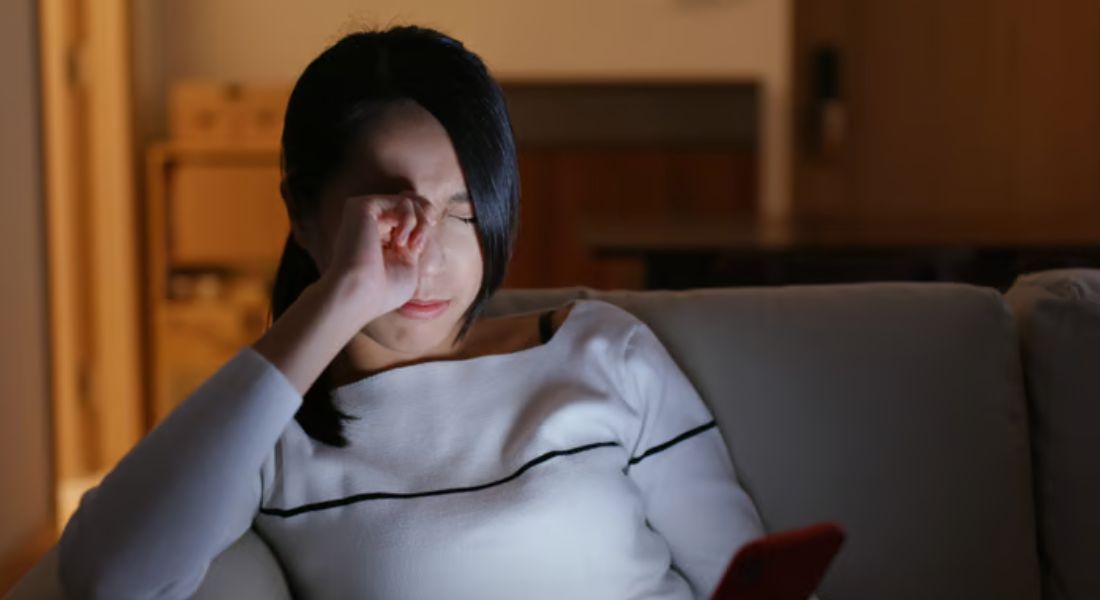
Digital screens can significantly worsen both dry eye symptoms and light sensitivity. When you focus on a screen, your blink rate naturally decreases, which means your tears are not spread across the eye surface as often as they should be. This leads to faster tear evaporation and leaves your eyes more exposed, dry, and irritated over time.
As your tear film becomes less stable, bright screens may start to feel more uncomfortable than usual. You might notice soreness, headaches, eye strain, or a dull aching sensation around your eyes after prolonged use. In some cases, visual fatigue can also make it harder to concentrate or keep your eyes open comfortably. While blue light is often discussed, the main issue is usually reduced blinking and prolonged visual focus rather than light alone.
Taking regular breaks and using artificial tears when needed can help reduce these symptoms. Simple changes, such as following the 20-20-20 rule, adjusting screen brightness, and maintaining good blinking habits, can make a noticeable difference. Managing your screen use effectively is an important part of controlling both dry eye discomfort and light sensitivity, and prevention often leads to better long-term comfort.
Indoor Lighting Discomfort
Photophobia is not limited to sunlight, and many people with dry eye disease also find indoor lighting uncomfortable. Fluorescent lights, bright LED bulbs, and harsh office lighting can all trigger symptoms. When your tear film is unstable, your eyes become more sensitive to visual stimuli, so even normal indoor lighting may start to feel irritating or overwhelming.
In these environments, your eyes may feel sore, tired, or strained, especially after prolonged exposure. You might also notice increased dryness, a gritty sensation, or difficulty focusing comfortably. Symptoms often become more noticeable later in the day as tear instability and eye fatigue gradually build up. This can make workplaces, schools, or other indoor settings feel more challenging to tolerate.
Simple environmental adjustments can often help reduce discomfort. Adjusting lighting intensity, avoiding direct glare, or using softer, more diffused lighting can make a significant difference. Taking regular breaks and managing dry eye symptoms alongside lighting changes can further improve comfort. Even small adjustments in your surroundings can have a meaningful impact on how your eyes feel throughout the day.
Night Driving Difficulties
Dry eyes can make night driving more challenging because an unstable tear film affects how light is focused on the surface of your eyes. When tears are not evenly spread, light from headlights and streetlights can scatter more easily, making them appear brighter or more glaring than usual. This can feel uncomfortable, distracting, and sometimes even overwhelming when driving in low-light conditions.
You may also notice visual disturbances such as halos around lights or intermittent blurring while driving at night. These symptoms are often caused by both dryness and reduced contrast sensitivity, which makes it harder for your eyes to adapt to dark environments. Eye fatigue after a long day can add to the problem, making your vision feel less sharp and increasing overall discomfort.
If night driving becomes difficult, it is important to have your eyes assessed to determine whether dry eye disease is a contributing factor. With the right treatment, including improving tear stability and reducing inflammation, visual comfort can often be significantly enhanced. Maintaining safe and clear vision is essential, and proper management of dry eye symptoms can make driving at night more comfortable and secure.
Inflammation and Photophobia
Inflammation plays a major role in dry eye disease and is one of the key reasons light sensitivity becomes more noticeable. When the surface of your eyes is inflamed, the corneal nerves become more reactive than normal. This heightened sensitivity means that even regular indoor lighting or mild sunlight can feel uncomfortable or overly bright.
As inflammation continues over time, the ocular surface remains in a state of irritation, which can make symptoms progressively worse. You may notice that light sensitivity becomes more persistent, rather than appearing only occasionally. Chronic inflammation can also contribute to ongoing discomfort, including burning, soreness, and visual fatigue, which may affect your daily activities.
Managing inflammation is an important part of reducing photophobia and improving overall eye comfort. Many modern dry eye treatments focus on both improving tear stability and reducing inflammation at the same time. When these factors are addressed together, patients often experience a significant reduction in light sensitivity and a noticeable improvement in day-to-day visual comfort.
Meibomian Gland Dysfunction
Meibomian gland dysfunction (MGD) is one of the most common underlying causes of dry eye disease. The meibomian glands, located along the edges of your eyelids, produce the oily layer of the tear film. This oil layer is essential because it slows down tear evaporation and helps keep the eyes comfortable throughout the day. When these glands become blocked or inflamed, tear stability is reduced and dry eye symptoms often worsen.
- Reduced Oil Production Leads to Faster Evaporation: When the meibomian glands are not functioning properly, the oily layer of tears becomes insufficient or poor in quality. This allows tears to evaporate more quickly from the eye surface. As a result, dryness and irritation become more noticeable.
- Common Symptoms Include Burning and Irritation: MGD often causes symptoms such as burning, stinging, redness and a gritty sensation in the eyes. Light sensitivity is also common, especially in more advanced or long-standing cases. These symptoms may gradually worsen if left untreated.
- Symptoms Often Worsen During the Day: Many people notice that discomfort increases as the day progresses. This is because tear evaporation builds up over time, especially with screen use or environmental exposure. By evening, the eyes may feel more tired and irritated.
- Environmental Factors Can Make It Worse: Dry environments, air conditioning and wind can all intensify symptoms of MGD. These conditions further increase tear evaporation, making the eyes more sensitive. Managing environmental triggers is often an important part of symptom control.
Treating meibomian gland dysfunction is key to improving tear stability and reducing dry eye symptoms, including light sensitivity. Proper diagnosis helps identify whether gland blockage or inflammation is contributing to the problem. With long-term care and targeted treatment, tear quality and eye comfort can often be significantly improved.
Reflex Tearing and Light Sensitivity
Some people with dry eyes are surprised to experience excessive watering even though their eyes feel dry and irritated. This happens because the eye responds to irritation by producing reflex tears. These extra tears are the eye’s way of trying to protect itself from dryness, inflammation, or surface damage. However, these reflex tears are often poor in quality and do not properly stabilise the tear film.
Even though your eyes may appear watery, the underlying tear film can still remain unstable. This means the surface of your eyes is not being properly lubricated or protected, so symptoms like dryness, burning, and light sensitivity can continue. In some cases, photophobia may even feel more noticeable because the eye surface is still inflamed and sensitive despite the excess tearing.
Understanding reflex tearing is important because it explains why watery eyes do not always mean your eyes are healthy. It is not just the amount of tears that matters, but the quality and stability of the tear film. Accurate assessment by an eye specialist can help identify the true cause of symptoms and guide appropriate treatment to improve both comfort and vision.
Why Symptoms Often Feel Worse at Night
It is very common for dry eye symptoms, including light sensitivity, to feel worse in the evening. This happens because the eyes are exposed to continuous stress throughout the day. Tear evaporation, inflammation and visual strain gradually build up over time, leaving the ocular surface more irritated and fatigued by night-time. As a result, symptoms often feel more intense when you finally stop active visual tasks.
- Cumulative Tear Evaporation Throughout the Day: Throughout the day, your tear film is constantly challenged by screen use, reduced blinking and environmental exposure. These factors cause gradual tear evaporation and instability. By evening, this cumulative effect makes the eyes feel drier and more sensitive.
- Increased Ocular Fatigue and Inflammation: Prolonged visual focus can lead to eye strain and mild surface inflammation. This makes the corneal nerves more reactive, increasing both discomfort and light sensitivity. As fatigue builds, even normal lighting may feel more irritating.
- Environmental and Digital Stress Add Up: Air conditioning, heating systems and long hours of screen use all contribute to tear instability. These effects may seem minor individually, but together they create a significant impact over time. Bright lights may therefore feel harsher as the day progresses.
- Night-Time Relief and Recovery During Sleep: Symptoms often improve during sleep as the eyes are closed and tear evaporation is reduced. This allows the ocular surface to recover and reset overnight. However, the cycle of daily exposure often leads to repeated evening flare-ups.
Understanding this pattern helps explain why dry eye symptoms are not constant but fluctuate throughout the day. Evening worsening is usually the result of accumulated strain rather than sudden deterioration. Recognising these triggers can help you manage symptoms more effectively. With proper care and awareness, daily discomfort can often be reduced over time.
Contact Lenses and Photophobia
Contact lenses can sometimes worsen both dry eye symptoms and light sensitivity, especially if your tear film is already unstable. Because lenses sit directly on the surface of your eye, they interact with your natural tears and can disrupt their balance. Over time, this may lead to increased dryness and make your eyes more sensitive to light and glare.
Many people notice that symptoms such as soreness, burning, blurred vision, or increased glare sensitivity become more noticeable after wearing contact lenses for several hours. Dry indoor environments, such as air-conditioned offices or heated rooms, can make this discomfort even worse. As the day progresses, lens comfort may gradually decrease, making it harder to keep your eyes feeling comfortable and stable.
If you are experiencing these issues, an eye doctor can assess whether your contact lenses are contributing to your symptoms. In some cases, changing the lens material, adjusting the wearing schedule, or improving lens care can significantly improve comfort. Proper fitting is also essential to ensure your lenses are supporting your eye health rather than increasing dryness and photophobia.
When Light Sensitivity May Suggest Another Problem
Although dry eye disease is a very common cause of light sensitivity, it is not the only possible explanation. Photophobia can sometimes be linked to other eye conditions, including corneal infections, uveitis (inflammation inside the eye), migraines, or more serious inflammatory problems. Because these conditions can present in similar ways, a proper eye examination is often needed to identify the exact cause.
It is especially important not to ignore more severe symptoms. If you experience sudden vision changes, significant eye pain, or marked redness alongside light sensitivity, these signs may suggest something beyond routine dry eye disease. In such cases, prompt medical attention is essential to ensure the underlying problem is diagnosed and treated appropriately. Early assessment can help prevent complications and protect long-term eye health.
Understanding these warning signs helps you recognise when light sensitivity may need further investigation. While dry eye is often the most likely cause, not all cases of photophobia are due to tear instability alone. Seeking timely professional advice ensures you receive the correct diagnosis and appropriate care, which is key to maintaining healthy and comfortable vision.
Dry Eyes After Eye Surgery
Dry eyes and increased light sensitivity are common temporary symptoms after eye procedures such as laser eye surgery. This happens because the corneal nerves are slightly disrupted during treatment, which can affect normal tear production and eye surface sensitivity. As the eye heals, these nerves gradually recover and tear function improves. In most cases, symptoms reduce steadily over time with proper care and monitoring.
- Temporary Nerve Changes Affect Tear Production: During healing, the corneal nerves responsible for signalling tear production can become temporarily altered. This may reduce natural lubrication and increase dryness. As a result, the eyes may feel more sensitive than usual.
- Increased Light Sensitivity During Recovery: Many patients experience heightened sensitivity to light after surgery. Bright environments, headlights or screen exposure may feel uncomfortable during the early healing phase. This is linked to both nerve sensitivity and tear film instability.
- Discomfort Around Screens and Bright Lights: Daily activities such as using digital devices or being outdoors in sunlight may feel more difficult during recovery. These symptoms are usually temporary and improve as the eye surface stabilises. Lubricating eye drops are often recommended to support comfort.
- Gradual Healing and Symptom Improvement: Post-surgical dry eye is typically manageable and improves as healing progresses. Most symptoms reduce over weeks to months as the corneal nerves recover. Regular follow-up appointments help ensure proper healing and guide ongoing care.
Dry eye symptoms after eye surgery are therefore usually part of the normal healing process rather than a long-term issue. While they can feel uncomfortable, they are generally temporary and improve with time and appropriate treatment. Supporting the eyes with lubrication and avoiding excessive strain can help during recovery. Professional guidance is important to ensure a smooth healing process and optimal visual outcome.
Managing Light Sensitivity at Home
Simple strategies at home can make a noticeable difference in managing light sensitivity, especially when it is linked to dry eye disease. Wearing sunglasses outdoors helps reduce direct exposure to bright light, while adjusting screen brightness and contrast can make digital devices more comfortable to use. Regular use of artificial tears can also help stabilise the tear film and reduce irritation-related sensitivity.
Taking frequent screen breaks is another important habit, as it encourages more natural blinking and helps reduce visual fatigue. This allows your tear film to rebuild and remain more stable throughout the day. At the same time, adjusting indoor lighting such as avoiding harsh glare or overly bright bulbs can also help reduce discomfort in daily environments. Small environmental changes often have a cumulative positive effect.
Using tools like humidifiers can further support comfort by reducing tear evaporation in dry indoor air. Consistent daily habits are key, as they help prevent symptoms from flaring up rather than just reacting to discomfort after it appears. Over time, these simple adjustments can significantly improve overall eye comfort and make light sensitivity easier to manage.
Why Professional Assessment Matters
Persistent light sensitivity should not be ignored, especially if it is getting worse or beginning to affect your daily activities. While dry eye disease is a common cause, photophobia can also be linked to other underlying eye conditions. An eye doctor can carry out a detailed examination of your tear quality, inflammation levels, and overall eye health to help identify what is driving your symptoms.
Further tests may be recommended to assess tear production, the stability of your tear film, corneal surface health, and meibomian gland function. These evaluations help build a clearer picture of how your eyes are functioning and where the problem is originating. With an accurate diagnosis, treatment can be more targeted rather than based only on symptom relief, which often leads to better and more consistent results.
Professional assessment also provides reassurance by clarifying whether your symptoms are due to dry eye disease or another condition. Early intervention is particularly important because it can prevent symptoms from becoming more severe or long-lasting. With the right care plan, many people experience a significant improvement in both comfort and light sensitivity over time.
How Dry Eye Treatment Helps

Modern dry eye treatments are designed to address the underlying causes of the condition, rather than just temporarily relieving symptoms. The main goals are to improve tear stability, reduce inflammation, and protect the surface of your eyes. Depending on your specific needs, treatment may include artificial tears, warm compresses, eyelid hygiene, meibomian gland therapies, or prescription medications that target inflammation and tear production. The most effective approach often involves a combination of treatments tailored to your condition.
As tear quality and stability improve, irritation of the eye surface gradually reduces. This means the corneal nerves become less exposed and less reactive over time. As a result, symptoms such as burning, discomfort, and light sensitivity (photophobia) often decrease significantly. Many people also notice that their vision feels clearer and more consistent as the tear film becomes more stable.
Understanding the importance of proper treatment encourages you to take a proactive approach rather than simply coping with symptoms. Healthy, stable tears are essential for maintaining comfortable and functional vision throughout the day. With consistent long-term care, many patients experience meaningful improvements in both eye comfort and overall quality of life.
Frequently Asked Questions:
- Why do your eyes become sensitive to light when they are dry?
When your eyes are dry, your tear film is no longer stable enough to protect the surface properly. This exposes the sensitive nerves on your cornea, making normal light feel uncomfortable or even painful. You may notice this more in bright sunlight, office lighting, or when using screens. Over time, this irritation can make your eyes more reactive to light. - Is light sensitivity a common symptom of dry eyes?
Yes, light sensitivity is actually a very common symptom if you have dry eye disease. You might find that everyday lighting feels harsher than it used to, even indoors. This happens because the eye surface becomes irritated and less well protected. As a result, normal light levels can start to feel uncomfortable for you. - Can screens make your light sensitivity worse?
Yes, spending long periods on screens can definitely make light sensitivity worse. When you focus on screens, you naturally blink less, which leads to more dryness and irritation. This makes your eyes more sensitive to brightness over time. You may also notice eye strain and tiredness building up as the day goes on. - Why does sunlight bother your eyes when they are dry?
Sunlight can feel much more intense when your tear film is unstable. Without enough moisture and protection, your eyes become more sensitive to glare and brightness. You may find yourself squinting or avoiding direct sunlight because it feels uncomfortable. This is a common experience in dry eye conditions. - Can dry eyes cause headaches or eye strain with light exposure?
Yes, dry eyes can sometimes contribute to headaches and eye strain, especially in bright environments. When your eyes are irritated, they have to work harder to cope with light and focus clearly. This can create discomfort around your eyes and forehead. You may notice it gets worse after long periods of visual activity. - Why do indoor lights sometimes feel uncomfortable too?
It is not just sunlight that can bother you indoor lighting can also feel uncomfortable. Bright LEDs or fluorescent lights may feel harsh when your eyes are dry and inflamed. This is because your tear film is not stable enough to protect your eye surface properly. As a result, even normal indoor lighting can feel too strong for you. - Does wearing contact lenses make light sensitivity worse?
Yes, contact lenses can sometimes make light sensitivity worse if your eyes are already dry. They can reduce tear stability and increase evaporation throughout the day. This can leave your eyes feeling more irritated and sensitive to light. You may notice discomfort building up the longer you wear them. - Can treating dry eyes improve light sensitivity?
Yes, treating dry eyes can often help reduce light sensitivity. When your tear film becomes more stable, your eyes are better protected from irritation and light exposure. This can make both indoor and outdoor lighting feel more comfortable for you. Many people notice an overall improvement in visual comfort with treatment. - Why is light sensitivity worse later in the day?
Light sensitivity often gets worse later in the day because your eyes have been exposed to screens, airflow, and environmental stress for hours. This causes tear evaporation and builds up irritation over time. By the evening, your eyes are more tired and less able to cope with light. That’s why lighting may feel harsher at night. - When should you see an eye doctor for light sensitivity?
You should see an eye doctor if your light sensitivity is persistent, worsening, or affecting your daily life. It could be linked to dry eye disease or another underlying condition that needs attention. A proper assessment can help identify the exact cause. Early treatment can make a big difference to your comfort and eye health.
Final Thoughts: Managing Light Sensitivity Linked to Dry Eyes
Light sensitivity can be one of the more frustrating symptoms of dry eye disease because it often affects your everyday life in unexpected ways. When your tear film becomes unstable, your eyes lose their natural protection, which makes normal lighting feel sharper and more uncomfortable. This is why you may notice symptoms worsening in bright sunlight, at your computer screen, or even under indoor lighting as the day goes on.
The good news is that once the underlying dry eye condition is properly identified and managed, light sensitivity often improves too. Simple changes such as improving tear stability, reducing environmental triggers, and using appropriate lubricating treatments can make a noticeable difference to your comfort. However, if your symptoms persist or begin to interfere with your daily activities, a professional assessment is important to understand what is driving the problem and how best to treat it. If you’d like to find out whether dry eyes treatment in London is suitable for you, feel free to contact us at Eye Clinic London to arrange a consultation.
References:
- Sánchez-González, J.-M., Silva-Viguera, C., Sánchez-González, M.C., Capote-Puente, R., De-Hita-Cantalejo, C., Ballesteros-Sánchez, A., Ballesteros-Durán, L. and Gutiérrez-Sánchez, E. (2023) Tear film stabilization and symptom improvement in dry eye disease: The role of hyaluronic acid and trehalose eyedrops versus carmellose sodium, Journal of Clinical Medicine, 12(20), p. 6647. Available at: https://pubmed.ncbi.nlm.nih.gov/37892784/
- McCann, P., Kruoch, Z., Lopez, S., Malli, S., Qureshi, R. and Li, T. (2024) Interventions for dry eye: An overview of systematic reviews, JAMA Ophthalmology, 142(1), pp. 58–74. Available at: https://pmc.ncbi.nlm.nih.gov/articles/PMC11613798/
- Betz, J. and Galor, A. (2025) Navigating the dry eye therapeutic puzzle: A mechanism-based overview of current treatments, Pharmaceuticals, 18(7), p. 994. Available at: https://www.mdpi.com/1424-8247/18/7/994
- Jones, L., Downie, L.E., Korb, D., Benitez-del-Castillo, J.M., Dana, R., Deng, S.X., Dong, P.N., Geerling, G., Hida, R.Y., Liu, Y., Seo, K.Y., Tauber, J., Wakamatsu, T.H., Xu, J., Wolffsohn, J.S. and Craig, J.P. (2017) TFOS DEWS II management and therapy report, The Ocular Surface, 15(3), pp. 575–628. Available at: https://www.sciencedirect.com/science/article/abs/pii/S1542012413000517
- Jones, L., Downie, L.E., Korb, D., Benitez-del-Castillo, J.M., Dana, R., Deng, S.X., Dong, P.N., Geerling, G., Hida, R.Y., Liu, Y., Seo, K.Y., Tauber, J., Wakamatsu, T.H., Xu, J., Wolffsohn, J.S. and Craig, J.P. (2017) TFOS DEWS II management and therapy report, The Ocular Surface, 15(3), pp. 575–628. Available at: https://www.sciencedirect.com/science/article/abs/pii/S1542012413000517