


Can Flashes and Floaters Be an Eye Emergency?

Flashes and floaters are quite common visual symptoms, and you might notice them as small specks, threads, or cobweb-like shapes drifting across your vision, sometimes accompanied by brief flashes of light. In many cases, especially as you get older, these can be harmless and simply related to natural changes inside the eye. However, what matters most is whether they appear suddenly or change quickly.
You’ll want to be more cautious if you notice a sudden increase in floaters or new flashes, particularly if they come on together or seem more noticeable in dim lighting. In some cases, these symptoms can be linked to changes in the vitreous gel inside your eye pulling on the retina. While this can be harmless, it can sometimes lead to retinal tears or even retinal detachment, which need urgent treatment.
For you, the key point is that new or sudden flashes and floaters should never be ignored. Even if they don’t cause pain, they can sometimes be an early warning sign of a serious retinal issue. Getting a prompt eye examination helps ensure anything important is picked up early and treated quickly, protecting your vision in the best possible way.
What Are Floaters?
Floaters are small shapes that drift across your vision, and you might notice them as black dots, cobweb-like strands, threads, specks, or even faint transparent shadows. They often seem to move when your eyes move, which can make them feel quite distracting even though they’re inside your eye rather than on the surface.
You’ll usually find that floaters are caused by tiny clumps or strands within the vitreous gel, which fills the inside of your eye. As light enters your eye, these small particles cast shadows onto your retina, which is what creates the appearance of floating shapes in your vision. It’s a normal part of how the eye ages, and mild floaters are very common.
For you, the key thing to remember is that floaters are often more noticeable when you look at bright, plain backgrounds like a blue sky or a white wall. While occasional floaters can be harmless, a sudden increase or a noticeable change in what you’re seeing should always be checked promptly, as it can sometimes indicate a more serious underlying eye condition.
What Are Flashes of Light?
Flashes of light are brief visual sensations that you might notice as streaks, sparks, or flickers in your vision. You may describe them as looking like lightning bolts or a sudden camera flash, often appearing off to the side of your vision rather than directly in front. They can be more noticeable in dim lighting or when you move your eyes quickly.
You’ll usually find that flashes are caused when the vitreous gel inside your eye gently pulls or tugs on the retina. This mechanical stimulation sends a signal that your brain interprets as light, even though no actual light is entering your eye. It’s essentially a “false signal” created by movement or traction within the eye itself.
For you, the key point is that occasional flashes can sometimes be harmless, especially with age-related changes in the eye. However, if flashes appear suddenly, increase in frequency, or occur alongside floaters or blurred vision, they should always be checked promptly. It’s important to rule out retinal issues early to protect your vision.
Why Flashes and Floaters Occur Together

Flashes and floaters often occur together because they can both come from changes happening inside the vitreous gel of your eye. As you get older, this gel naturally becomes more liquid and can start to shrink or pull away from the retina. This normal age-related process is known as a posterior vitreous detachment.
You’ll also find that during this process, two different things can happen at the same time. The pulling or traction on the retina can create flashes of light, while small clumps or strands forming in the vitreous can cast shadows, which you see as floaters. This is why the two symptoms often appear together, especially during sudden changes inside the eye.
For you, the important point is that although this can be a normal part of ageing, it isn’t always harmless. In some cases, the same pulling process can lead to a retinal tear, which may increase the risk of retinal detachment. That’s why any sudden new flashes or floaters should always be checked promptly, so serious problems can be ruled out early and treated if needed.
Ageing and Vitreous Changes
The vitreous is a clear, gel-like substance that fills the middle of your eye and helps maintain its shape. As you get older, this gel naturally starts to change consistency and slowly shrink. This is a very common process, especially after middle age, and in most cases it happens without causing any serious problems. However, these changes can sometimes lead to noticeable visual symptoms.
- Natural Age-Related Changes in the Vitreous: With age, the vitreous begins to liquefy and lose its smooth, gel-like structure. This gradual process is completely normal and happens in most people over time. As the structure changes, you may start noticing new visual sensations.
- Floaters Becoming More Noticeable: In Posterior vitreous detachment, small collagen fibres within the vitreous can clump together and cast shadows on the retina. These appear as floaters, which may look like spots, threads, or cobweb-like shapes drifting in your vision. While often harmless, they can be more noticeable in well-lit environments.
- Flashes of Light from Vitreous Pulling: As the vitreous shrinks, it can sometimes pull gently on the retina, creating brief flashes of light in your vision. This is usually linked to normal age-related changes in the eye. However, new or increasing flashes should always be taken seriously.
- Important to Rule Out Retinal Tears: Although vitreous changes are common and often harmless, they can occasionally lead to retinal tears. Because of this, any sudden increase in floaters or flashes should be assessed by an eye specialist. Careful examination helps ensure that more serious conditions are not missed.
Age-related vitreous changes are a normal part of ageing, but they still need proper evaluation when symptoms are new or changing. While many cases are harmless, distinguishing them from more serious retinal problems is essential. If you notice sudden floaters or flashes, getting your eyes checked promptly provides reassurance and protects your vision. Early assessment is the safest approach when these symptoms appear.
Posterior Vitreous Detachment
Posterior vitreous detachment, often called PVD, is one of the most common reasons you may suddenly notice flashes and floaters in your vision. It happens when the vitreous gel inside your eye naturally shrinks and separates from the retina over time. This is a very common part of the ageing process and becomes more likely as you get older.
You’ll often find that many cases of PVD are uncomplicated and do not cause permanent damage to vision. The floaters may seem very noticeable at first, but over time your brain often adapts and they become less distracting. However, the separation process can sometimes place traction on the retina, which is why flashes may occur during this stage.
For you, the important thing is that retinal tears can occasionally develop while the vitreous is pulling away. Because it’s impossible to tell the difference between a simple PVD and a more serious retinal problem without an eye examination, sudden new flashes or floaters should always be assessed promptly. A professional retinal evaluation helps ensure your vision is properly protected.
Retinal Tears
A retinal tear happens when the vitreous gel inside your eye pulls strongly enough on the retina to create a small break or tear. You might suddenly notice flashes of light, a rapid increase in floaters, or areas of blurred vision appearing without warning. Some people describe it as seeing a sudden shower of spots drifting across their vision.
You’ll also find that if tiny retinal blood vessels are damaged during the tear, bleeding can occur inside the eye. This may create dark specks, cobweb-like shapes, or even a smoky haze in your vision. The main concern is that fluid can then pass through the tear and start lifting the retina away from the back of the eye, which can lead to retinal detachment.
For you, the key point is that retinal tears are very treatable when they’re found early. Prompt diagnosis and treatment can often stop the problem progressing further and help protect your vision. Because delays increase the risk of retinal detachment, any sudden flashes, floaters, or visual changes should always be assessed urgently by an eye specialist.
Retinal Detachment
Retinal detachment is one of the most serious conditions linked to flashes and floaters, and it should always be treated as an emergency. It happens when the retina separates from the supportive tissue beneath it, which can interrupt both its blood supply and its ability to function properly. If treatment is delayed, permanent vision loss can occur.
You might notice warning signs such as sudden flashes of light, a rapid increase in floaters, blurred vision, or a dark shadow spreading across part of your sight, often described as a curtain moving over the visual field. These symptoms usually worsen progressively rather than improving on their own, which is why they should never be ignored.
For you, the most important point is that retinal detachment needs urgent ophthalmic assessment and usually requires emergency treatment or surgery. Acting quickly gives you the best chance of preserving vision and preventing long-term damage. In retinal emergencies, timing can make a major difference to the final outcome.
Sudden Increase in Floaters
Many people have a few stable floaters for years without any serious problems, and over time the brain often learns to ignore them. However, a sudden large increase in floaters is very different and should always be taken seriously. What matters most is not just the presence of floaters, but how quickly they change.
You might suddenly notice dozens or even hundreds of tiny spots, strands, or cobweb-like shapes appearing in your vision within a short period of time. Some people also describe a cloudy, smoky, or misty effect drifting across their sight. In some cases, this can happen because of bleeding inside the eye or traction affecting the retina.
For you, the key point is that any sudden worsening in floaters needs prompt professional assessment until retinal tears or detachment have been ruled out. Even if the symptoms are painless, they can still indicate a serious retinal problem. Getting examined quickly helps protect your vision and allows early treatment if complications are found.
Flashes in Peripheral Vision
Flashes of light often appear in your peripheral vision rather than directly in the centre, and this is actually quite typical of retinal traction. As the vitreous gel inside your eye changes with age, it can pull on the outer areas of the retina during a posterior vitreous detachment, which is why flashes are commonly noticed at the edges of your sight.
You might find that these flashes become more noticeable when you move your eyes quickly or enter darker environments, where small flickers are easier to detect. Some people describe them as brief lightning streaks or camera flashes appearing off to the side. If these peripheral flashes keep recurring or suddenly increase, they deserve careful attention because they can sometimes suggest ongoing traction on the retina.
For you, the important thing to remember is that flashes do not need to be painful to be serious. Retinal tears and other retinal problems are often painless in the early stages, which is why professional retinal assessment may still be necessary. Early examination helps identify problems before they progress and gives you the best chance of protecting your vision.
Floaters After Eye Injury
Eye injuries can sometimes cause sudden floaters and flashes, even when the trauma initially seems mild. A blow to the eye may disturb the vitreous gel inside the eye or directly affect the retina. In some cases, this can lead to retinal tears or other internal complications that are not immediately obvious. Because of this, any new visual symptoms after eye trauma should be taken seriously.
- Trauma Can Disturb the Vitreous: A blunt injury can cause the vitreous gel inside your eye to shift or pull suddenly. This may lead to new floaters or flashes appearing in your vision. Even minor trauma can sometimes trigger noticeable symptoms.
- Risk of Retinal Tears or Damage: Eye injuries can occasionally create tears in the retina, particularly if the vitreous pulls forcefully during the impact. Retinal damage may not always cause severe symptoms straight away. This is why professional assessment is important even if the injury seems relatively mild.
- Other Symptoms May Also Develop: Alongside floaters and flashes, you may notice blurred vision, pain, redness, or increased sensitivity to light. The severity of symptoms often depends on the type and extent of the injury. Any sudden change in vision following trauma deserves careful attention.
- Internal Damage May Not Be Visible Externally: Sometimes the outside of the eye can appear normal even when internal structures have been affected. Problems involving the retina or vitreous are not always obvious without a detailed eye examination. Specialist assessment helps identify hidden complications early.
Floaters and flashes after an eye injury should never be ignored, especially if they appear suddenly or worsen over time. Although some symptoms may settle without serious consequences, retinal complications can develop after trauma and threaten your vision if left untreated. Early examination helps detect hidden damage and guide appropriate treatment. Protecting your eyesight always takes priority after any significant eye injury.
Flashes and Floaters in Highly Short-Sighted Patients
If you are highly short-sighted, also known as having high myopia, flashes and floaters can be more concerning because your retina may be naturally thinner and more stretched. In highly myopic eyes, the eyeball is longer than usual, which can place additional stress on the delicate retinal tissue and increase the risk of retinal tears or detachment.
You’ll also find that sudden new flashes or floaters in highly short-sighted patients deserve especially careful assessment compared to someone without significant myopia. The underlying risk profile is different, which means retinal symptoms are taken more seriously even if they initially seem mild. A proper retinal examination is important to make sure there are no tears, weak areas, or early detachment developing.
For you, the key point is that regular eye monitoring may sometimes be recommended if you have high myopia, particularly if you’ve already had retinal problems before. Early detection and prevention play a major role in protecting vision long-term. Because myopia increases retinal vulnerability, it’s always safer to have sudden changes assessed promptly.
Diabetes and Vitreous Bleeding
Diabetes can sometimes cause bleeding inside your eye, particularly when diabetic retinopathy affects the small blood vessels in the retina. If this happens, you might suddenly notice floaters, dark spots, cobweb-like shadows, or blurred vision appearing quite quickly. These symptoms can feel alarming because the change often happens unexpectedly.
You’ll also find that bleeding into the vitreous gel may occur when damaged or abnormal blood vessels leak inside the eye. In more advanced diabetic eye disease, retinal traction or even retinal detachment can develop as scar tissue forms and pulls on the retina. Because these complications can affect vision permanently, prompt retinal assessment is very important.
For you, the key point is that sudden visual symptoms should never be ignored if you have diabetes. Even painless changes can indicate significant retinal problems that need treatment. Regular diabetic eye care, alongside early assessment when symptoms appear, plays a major role in protecting your long-term vision.
Migraines vs Retinal Flashes

Migraine aura can sometimes cause flashing lights, zigzag lines, or shimmering patterns that look quite similar to retinal flashes at first. However, migraine-related visual symptoms usually affect both eyes and often move gradually across your visual field over several minutes. You may also notice other symptoms such as headache, nausea, tingling, or difficulty concentrating alongside the visual disturbance.
Retinal flashes tend to behave differently. They are more often brief, localised to one eye, and linked to traction on the retina from changes in the vitreous gel inside the eye. People commonly describe them as sudden flickers or lightning-like flashes appearing at the edge of their vision, especially in darker environments. Distinguishing between migraine aura and retinal flashes is not always straightforward without a proper assessment.
For you, the important thing is that first-time visual symptoms should always be taken seriously, particularly if they appear suddenly or feel unusual compared to anything you’ve experienced before. While many causes are harmless, not every flashing light is related to migraine. Careful evaluation helps ensure retinal or neurological problems are not missed.
Are Floaters Always Permanent?
Floaters are not always permanent in the way people often fear. You may still technically have them, but over time your brain frequently adapts and starts to ignore them more effectively. In some cases, floaters also settle lower within the vitreous gel, making them less noticeable during everyday activities.
You’ll also find that some floaters, especially larger or denser ones, can remain visible long-term. The key issue is not always whether they disappear completely, but whether they remain stable without causing new symptoms or affecting retinal health. Many people live comfortably with mild, stable floaters once serious retinal problems have been excluded.
For you, the important thing to remember is that any sudden increase in floaters or change in symptoms still needs proper assessment, even if you’ve previously been told older floaters were harmless. New flashes, blurred vision, or rapidly worsening floaters should never be ignored. Monitoring changes over time is an important part of protecting your vision.
When Blurred Vision Occurs with Floaters
Blurred vision occurring alongside flashes or floaters is more concerning than floaters alone because it can sometimes indicate a more serious problem inside the eye. You might be dealing with conditions such as retinal detachment, vitreous bleeding, inflammation, or other retinal disorders that can affect vision quite quickly. When visual clarity changes as well, the urgency of assessment increases significantly.
You may also notice additional symptoms such as shadows, distortion, patchy vision, or a curtain-like effect moving across part of your sight. These combinations are important because doctors often look at the overall pattern of symptoms rather than a single symptom in isolation. Multiple symptoms appearing together can provide stronger clues that the retina or other internal eye structures are involved.
For you, the key point is that blurred vision should never be ignored when it appears with new floaters or flashes. Even if the symptoms seem mild initially, early diagnosis can make a major difference in protecting your sight and preventing permanent damage. Prompt ophthalmic assessment is always the safest approach.
Children and Flashes or Floaters
Flashes and floaters are much less common in children than in adults, which is why new symptoms in younger patients should always be assessed carefully. While some causes may be harmless, doctors may also need to rule out problems such as trauma, inflammation, retinal disease, or neurological conditions. For you as a parent, it’s important to take these complaints seriously, even if your child seems otherwise well.
You’ll also find that children may struggle to explain exactly what they are seeing. They might describe spots, shadows, flashing lights, or “funny shapes” in vague ways, or simply seem unsettled by their vision. Changes in behaviour, squinting, covering one eye, or difficulty focusing can sometimes provide useful clues when children cannot describe symptoms clearly.
For you, the key point is that professional eye examination helps determine whether urgent retinal assessment or further investigation is needed. Early diagnosis is especially important during childhood because vision plays a major role in learning and development. Careful evaluation helps protect both long-term eyesight and overall visual development.
Eye Examination for Flashes and Floaters
If you develop new flashes or floaters, an eye examination is important to make sure there isn’t a serious problem affecting your retina. Although many cases are harmless and linked to normal ageing changes, symptoms alone cannot reliably confirm this. Ophthalmologists therefore perform detailed examinations to check for retinal tears, bleeding, or retinal detachment. Identifying these conditions early is essential for protecting your vision.
- Dilated Retinal Examination: During the appointment, eye drops are usually used to widen your pupils so the retina can be examined more clearly. This allows the ophthalmologist to carefully inspect the back of your eye for any tears, bleeding, or signs of retinal detachment. Although your vision may stay blurry for a few hours afterwards, the examination itself is generally painless.
- Checking for Serious Retinal Problems: The main purpose of the examination is to identify potentially dangerous retinal conditions as early as possible. Retinal tears can sometimes develop alongside flashes and floaters, particularly after vitreous changes. Detecting these problems early greatly improves treatment outcomes.
- Additional Imaging or Ultrasound if Needed: In some situations, extra tests such as retinal imaging or ultrasound scans may be required. This is especially helpful if the retina cannot be seen clearly because of bleeding or other visual obstruction. These investigations help provide a more complete assessment of the eye.
- Symptoms Alone Are Not Enough for Diagnosis: Flashes and floaters can occur in both harmless and serious conditions, which is why self-diagnosis is not reliable. Two people may experience similar symptoms but have very different underlying causes. A professional examination is the only way to determine whether urgent treatment is needed.
An eye examination for flashes and floaters is therefore an important step in protecting your vision. Even when symptoms seem mild, retinal tears and detachments can only be confirmed through proper assessment. Early detection allows treatment to begin before more serious damage develops. If you notice sudden changes in your vision, seeking prompt professional evaluation is always the safest approach.
Treatment for Retinal Tears
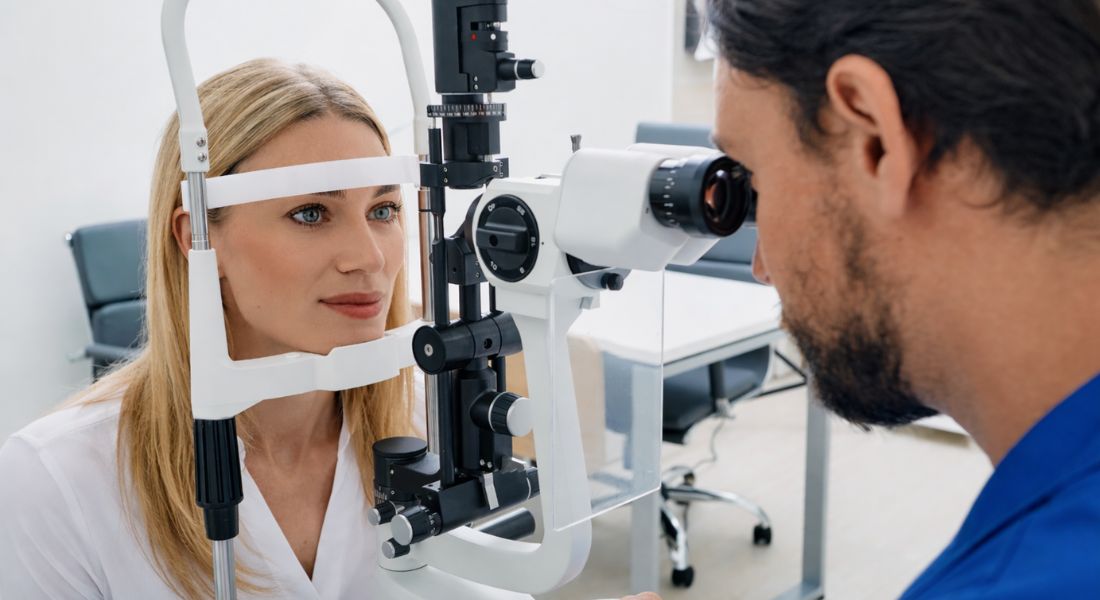
If a retinal tear is found before the retina fully detaches, treatment can often be performed quickly to reduce the risk of more serious damage. You may be offered laser treatment or freezing therapy, known as cryotherapy, to seal the tear and help stabilise the retina. When treated early, these procedures are often very effective at preventing progression to retinal detachment.
You’ll also find that the goal of treatment is to create a secure seal around the tear so fluid cannot pass underneath the retina. This helps keep the retina attached to the back of the eye and reduces the chance of vision-threatening complications developing later. Because retinal problems can progress quickly, timing plays a very important role in the overall outcome.
For you, the key point is that patients usually recover far better when retinal tears are identified and treated early. Delayed diagnosis increases the risk of retinal detachment, which often requires more complex surgery and carries a greater risk to vision. Prompt preventive treatment offers the best chance of protecting long-term eyesight.
When Emergency Assessment Is Needed
Certain symptoms strongly suggest that you need urgent ophthalmic assessment rather than waiting to see if things settle on their own. A sudden shower of floaters, ongoing flashes of light, blurred vision, shadows in your vision, or a curtain-like loss of sight can all point towards serious retinal problems. Symptoms that appear after eye trauma are also especially important and should be reviewed quickly.
You’ll need to be even more cautious if you already have risk factors such as high myopia, diabetes, or a previous history of retinal tears or detachment. In these situations, the retina may be more vulnerable, so sudden visual changes deserve particularly urgent attention. Doctors also look closely at associated symptoms because the combination of flashes, floaters, and visual loss can help indicate how serious the problem may be.
For you, the safest approach is always to seek early assessment rather than waiting for symptoms to improve naturally. Retinal emergencies can sometimes progress very quickly, and delays may increase the risk of permanent vision loss. Prompt examination gives you the best chance of protecting your sight and receiving treatment early if needed.
Why Early Diagnosis Protects Vision
Retinal tears and retinal detachment are often far more treatable when they are identified early. If treatment is delayed, the retina can become increasingly damaged, which may lead to permanent visual loss or more complicated surgery later on. In retinal conditions, timing can make a major difference to how much vision is ultimately preserved.
You’ll also find that symptoms alone cannot reliably show how serious the problem is. Two people may experience similar flashes or floaters, but one may have a harmless vitreous change while the other has a retinal tear. That’s why eye specialists use detailed retinal examinations, imaging, and specialised equipment to assess the retina properly and identify the exact cause of the symptoms.
For you, the most important thing is not to hesitate or feel embarrassed about seeking urgent care for sudden visual changes. Protecting your eyesight is always worth taking seriously. Early diagnosis and prompt treatment often provide the best chance of preserving vision safely and reducing the risk of long-term complications.
FAQs:
- Are flashes and floaters always an emergency?
Flashes and floaters are not always an emergency because they are often linked to normal age-related changes inside the eye. However, you should take them more seriously if they appear suddenly, increase quickly, or happen alongside blurred vision, shadows, or a curtain-like effect across your sight. These symptoms can sometimes be linked to retinal tears or retinal detachment, which need urgent treatment to protect your vision. - What do floaters usually look like?
Floaters can look like black dots, cobwebs, threads, squiggly lines, or transparent drifting shapes moving across your vision. You’ll often notice them more clearly when looking at bright backgrounds like a white wall or blue sky. They may seem to move away slightly when you try to look directly at them. - What causes flashes of light in the eye?
Flashes usually happen when the vitreous gel inside your eye pulls on the retina. Your brain interprets this pulling sensation as light, even though no real light is entering the eye. You might notice them as brief flickers, sparks, or lightning-like streaks, particularly in your side vision or in darker environments. - Why do flashes and floaters often happen together?
Flashes and floaters commonly occur together because they are both linked to changes in the vitreous gel inside your eye. As the vitreous naturally shrinks with age, it can form small clumps that appear as floaters while also tugging on the retina and creating flashes. - When should you worry about flashes and floaters?
You should seek urgent assessment if you suddenly notice a large increase in floaters, persistent flashes, blurred vision, shadows in your vision, or a curtain-like loss of sight. Even though these symptoms are often painless, they can sometimes indicate serious retinal problems. - Can retinal detachment cause permanent vision loss?
Yes, retinal detachment can cause permanent vision loss if treatment is delayed. The retina needs to stay attached to function properly, and once it separates, vision can become permanently damaged over time. Early treatment gives you the best chance of preserving your eyesight. - Are flashes and floaters painful?
Most flashes and floaters are not painful, even when they are caused by retinal problems. This is one reason why people sometimes delay seeking help. The absence of pain does not mean the condition is harmless, so sudden changes in your vision should still be assessed promptly. - Do floaters ever go away completely?
Some floaters become much less noticeable over time because your brain gradually adapts to them. Others may settle lower inside the eye and drift away from your central vision. However, some floaters can remain visible long-term, especially larger or denser ones. - Can migraines cause flashing lights as well?
Yes, migraine aura can sometimes cause flashing lights, shimmering patterns, or zigzag shapes in your vision. These visual effects usually affect both eyes and often move gradually across your sight over several minutes. Because the symptoms can sometimes overlap, first-time visual disturbances should still be assessed properly. - Are highly short-sighted people at greater risk of retinal problems?
Yes, if you are highly short-sighted, your retina may be thinner and more stretched, which increases the risk of retinal tears and retinal detachment. Because of this, sudden flashes or floaters in highly myopic eyes should always be taken seriously and assessed promptly.
Final Thoughts: Flashes and Floaters and When You Should Seek Urgent Help
Flashes and floaters are very common, particularly as you get older, and in many cases they may simply be linked to normal changes inside the eye. However, you should never ignore them if they appear suddenly, become more noticeable quickly, or happen alongside blurred vision, shadows, or a curtain-like effect across your sight. Even painless symptoms can sometimes point towards serious retinal conditions that need urgent treatment to protect your vision.
You should be especially cautious if you experience a sudden shower of floaters, repeated flashes of light, or any change in your peripheral vision. Conditions such as retinal tears and retinal detachment can progress quickly, and early diagnosis often makes a major difference to treatment outcomes and long-term vision preservation.
If you’re considering an emergency eye doctor in London and want to know if it’s the right option, you’re welcome to reach out to us at Eye Clinic London to book a consultation. Early assessment provides reassurance, helps identify serious retinal problems promptly, and gives you the best chance of protecting your eyesight.
References:
- Kyari, F. (2018) Emergency management: orbital cellulitis, Community Eye Health, 31(103), p. 60. Available at: https://pmc.ncbi.nlm.nih.gov/articles/PMC6253316/
- Long, B., Koyfman, A. and Gottlieb, M. (2018) Ocular emergencies, Medicine, 46(12), pp. 754–759. Available at: https://www.sciencedirect.com/science/article/abs/pii/S1357303918302378
- Hatami, H., Ghaffari Jolfayi, A., Ebrahimi, A., Golmohammadi, S., Zangiabadian, M. and Nasiri, M.J. (2021) Contact lens associated bacterial keratitis: Common organisms, antibiotic therapy, and global resistance trends: A systematic review, Frontiers in Ophthalmology, 1, p. 759271. Available at: https://pmc.ncbi.nlm.nih.gov/articles/PMC11182260/
- Said, S., Knecht-Bösch, M., Alder, M., Zweifel, S., Barthelmes, D. and Blaser, F. (2026) ‘The danger of overnight contact lenses orthokeratology-related infectious keratitis’, Klinische Monatsblätter für Augenheilkunde, 243(4), pp. 376–384. Available at: https://pubmed.ncbi.nlm.nih.gov/41844188/
- Yorston, D. (2018) Emergency management: retinal detachment, Community Eye Health, 31(103), p. 63. Available at: https://pubmed.ncbi.nlm.nih.gov/30487683/