


What Should You Do If Your Eye Suddenly Becomes Extremely Sensitive to Touch?

When your eye suddenly becomes extremely sensitive to touch, it can feel alarming. You may notice pain when you blink, wash your face, press gently near the eyelid, apply eye drops, or even move your eye. Sometimes the tenderness feels as though it is on the surface. At other times, it may feel deeper, almost like pressure behind the eye.
Mild eye irritation is common, but sudden extreme tenderness is not something you should ignore. Your eye is a delicate structure, and pain when touching or moving it can sometimes be linked with inflammation, infection, corneal injury, trauma, eyelid infection, or pressure-related problems. In some cases, urgent assessment is important because certain eye conditions can worsen quickly if they are not treated.
You may be tempted to wait, especially if the eye does not look very red from the outside. However, a painful eye can sometimes look less dramatic than it feels. A scratch on the cornea, inflammation inside the eye, or early infection may cause severe tenderness before obvious visible changes appear.
This article will help you understand why your eye may suddenly feel extremely sensitive to touch, what symptoms need urgent attention, what you should avoid doing, and when it is safest to seek emergency eye care.
What Does It Mean When Your Eye Is Sensitive to Touch?
Eye sensitivity to touch means the eye, eyelid, or surrounding area hurts when pressure is applied. This may happen when you gently touch the eyelid, blink, rub your eye, remove contact lenses, or move your eye in different directions. The pain may feel sharp, burning, aching, bruised, gritty, or pressure-like. Some people describe it as feeling as though the eye is “raw”, “scratched”, “swollen”, or “too sore to touch”.
It is important to notice where the tenderness seems to come from. If the eyelid is tender, the cause may involve a stye, chalazion, eyelid infection, or inflammation. If the surface feels painful, the cornea may be irritated, scratched, dry, or infected. If the pain feels deep inside the eye, inflammation, pressure changes, or infection may need to be considered. You do not need to diagnose the exact cause yourself. The important thing is to recognise when tenderness is mild and when it is strong enough to need urgent assessment.
Is Sudden Eye Tenderness an Emergency?
Sudden eye tenderness is not always an emergency, but it can be. The level of urgency depends on the severity of pain and whether other warning signs are present. You should treat sudden eye tenderness as urgent if it comes with vision changes, severe redness, light sensitivity, headache, nausea, injury, chemical exposure, swelling around the eye, discharge, or contact lens use.
The NHS advises urgent action for a red eye when there are sight changes, pain when looking at light, severe headache with sickness, injury, chemical exposure, something stuck in the eye, very dark redness, or one pupil larger than the other.
Tenderness can sometimes be caused by a mild eyelid problem, such as a stye. But if the eye itself feels painful, especially when vision is affected, you should not simply wait for it to settle. Eye pain with vision loss should be treated seriously. Medical guidance on painful eye assessment states that eye pain with vision loss requires immediate ophthalmology referral.
Why You Should Not Rub or Press the Eye
When your eye feels tender, your first instinct may be to rub it. This is understandable, especially if it feels itchy, gritty, or as though something is stuck. However, rubbing can make some eye problems worse. If there is a scratch on the cornea, rubbing can deepen the injury. If there is grit or a small foreign body, rubbing can drag it across the eye surface. If there is infection or inflammation, rubbing may increase irritation and swelling.
Pressing on the eye is also unsafe if you have had an injury or if there is a possibility of raised eye pressure. You should avoid testing the eye repeatedly by pressing it to see whether it still hurts. Instead, keep your hands away from the eye as much as possible. If you need to clean discharge from the eyelids, wash your hands first and clean gently around the lids, not directly on the eyeball.
Corneal Scratch or Abrasion
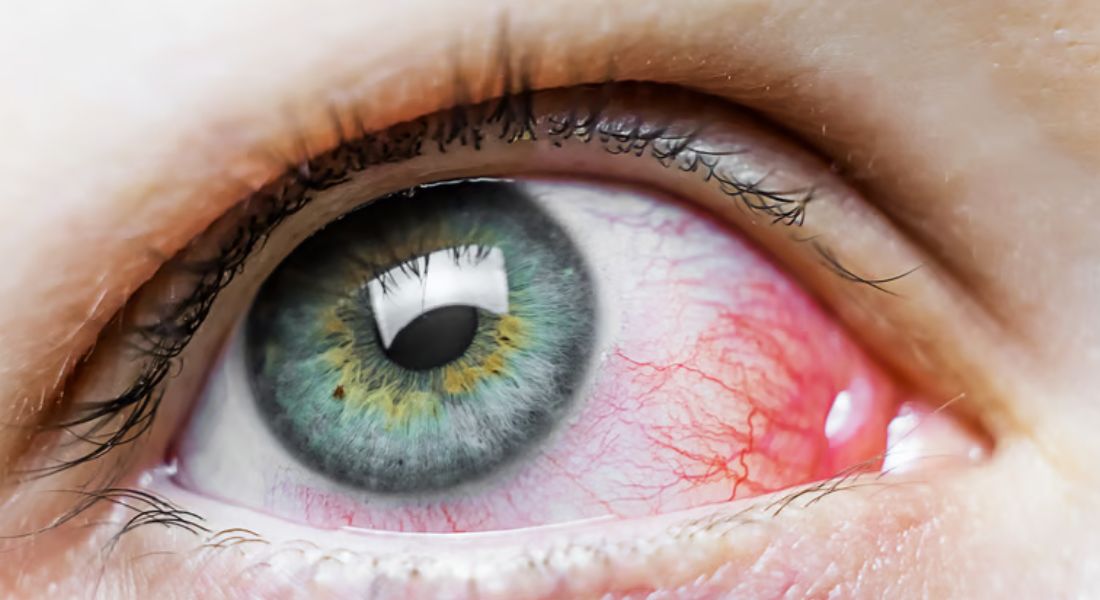
One common reason for sudden eye tenderness is a corneal abrasion, which is a scratch on the clear front surface of the eye. This can happen after rubbing, contact lens use, a fingernail injury, makeup brush contact, dust, grit, paper edge, pet scratch, or a small particle trapped under the eyelid.
A corneal scratch can feel much more painful than you might expect. The cornea has many nerve endings, so even a tiny injury can cause sharp pain, watering, blinking, light sensitivity, and a feeling that something is stuck in the eye.
Your eye may become very sensitive to touch because every blink moves the eyelid across the injured surface. You may find it difficult to open the eye fully. If you suspect a scratch, do not rub the eye and do not wear contact lenses. If pain is significant, if vision is blurred, or if symptoms do not settle quickly, seek assessment. Eye injuries can cause pain and vision loss, and some need urgent treatment.
Something Stuck in the Eye
A foreign body can make the eye extremely sensitive. It may be something tiny, such as dust, grit, metal, wood, glass, sand, or an eyelash. You may not always see it in the mirror. If something is loose on the surface, gentle rinsing with clean water or sterile saline may help. However, if the object is embedded, sharp, or cannot be rinsed out, you should not try to remove it yourself.
Persistent pain, redness, and sensitivity to light can be signs that treatment is needed when debris affects the cornea. MedlinePlus notes that dust, sand, and other debris can become embedded in the cornea and that persistent pain, light sensitivity, and redness need treatment.
If you have been using power tools, gardening equipment, metalwork tools, or anything that could send a particle into the eye at speed, seek urgent care. High-speed foreign bodies can be more serious than they first appear.
Contact Lens-Related Eye Pain
If you wear contact lenses and your eye suddenly becomes tender, red, or sensitive, you should be cautious. Contact lenses can increase the risk of corneal irritation and infection, especially if they are worn for too long, slept in, cleaned poorly, or exposed to water.
A painful eye in a contact lens wearer should not be ignored. It may be caused by dryness or lens irritation, but it may also be keratitis or a corneal ulcer, both of which need early treatment. Remove your lenses straight away if your eye becomes painful. Do not put them back in to “test” whether the pain has improved. Avoid using the same lenses again until you have been advised it is safe.
Keratitis is inflammation of the cornea and can be infectious or non-infectious. Cleveland Clinic advises seeking treatment immediately if you have eye pain, swelling, and watery eyes, and notes that risk increases with contact lenses that are not cleaned properly.
Keratitis or Corneal Infection
Keratitis can make the eye extremely tender because it affects the cornea, the sensitive clear front window of the eye. It may be caused by infection, contact lens problems, injury, dry eye, or inflammation.
Symptoms may include pain, redness, watering, discharge, blurred vision, light sensitivity, and the feeling that something is in the eye. The eye may feel too painful to touch or open fully. Keratitis can become serious because the cornea is essential for clear vision. If infection develops, treatment may be time-sensitive.
New York Eye and Ear Infirmary describes keratitis symptoms as rapid onset pain and redness, itching, blurred vision, tearing or discharge, and sensitivity to light. If your symptoms match this pattern, particularly if you wear contact lenses, seek urgent eye assessment.
Uveitis or Iritis
Uveitis is inflammation inside the eye, and iritis is inflammation involving the iris, the coloured part of the eye. These conditions can cause deep eye pain, redness, blurred vision, and strong light sensitivity.
The eye may feel tender because the inflammation is inside the eye rather than just on the surface. You may notice pain when looking at bright light or when focusing. The discomfort may feel deeper than a scratch.
Uveitis can be linked with autoimmune conditions, infections, previous eye inflammation, or sometimes no obvious cause. It should not be left untreated because inflammation inside the eye can lead to complications. If your eye is red, painful, light-sensitive, and your vision is blurred, you should seek prompt assessment rather than assuming it is conjunctivitis.
Scleritis and Deep Eye Tenderness
Scleritis is inflammation of the sclera, which is the white outer wall of your eye. It can cause severe, deep, boring eye pain and marked tenderness that feels much more intense than simple surface irritation. The pain may spread to your forehead, jaw, or the side of your face, and it often worsens when you move your eye. Your eye may look red or even purple-red, and it can feel very painful when you gently press on the eyelid.
Scleritis is sometimes linked with autoimmune conditions such as rheumatoid arthritis, inflammatory bowel disease, lupus, or other systemic inflammatory diseases. Because it can be associated with wider health issues and may threaten your vision, sudden severe eye tenderness with deep pain and redness should always be assessed urgently. Early treatment can help control inflammation, reduce pain, and protect your long-term eye health.
Eyelid Infection or Stye
Sometimes the tenderness is mainly in the eyelid rather than the eye itself. A stye is a painful lump caused by infection or inflammation of a gland in the eyelid. A chalazion is usually more of a blocked gland and may be less painful, although it can become tender if inflamed.
An eyelid infection may cause swelling, redness, warmth, and pain when touching the lid. You may feel tenderness when blinking because the swollen lid presses against the eye.
A mild stye may improve with warm compresses and careful lid hygiene, but you should seek medical advice if swelling spreads, the eye becomes painful, vision changes, fever develops, or the eyelid becomes very red and swollen. If swelling around the eye is severe or your eye movement becomes painful, it may suggest a deeper infection that needs urgent care.
Cellulitis Around the Eye
Cellulitis around the eye is an infection of the eyelid and surrounding tissues. It can sometimes develop from a sinus infection, skin infection, insect bite, trauma, or eyelid infection. Symptoms may include swelling, redness, warmth, pain, fever, and tenderness around the eye. If the infection spreads deeper behind the eye, it can become more serious and may affect eye movement or vision.
You should seek urgent help if the eyelid is very swollen, if the eye seems pushed forward, if your vision changes, if you have double vision, fever, severe headache, or pain when moving the eye. This type of problem is especially important in children, but adults can develop it too. Do not try to manage severe swelling and tenderness around the eye with home remedies alone.
Acute Glaucoma and Pressure Pain
Acute angle-closure glaucoma is a serious eye emergency that happens when pressure inside the eye rises suddenly. This increase in pressure can quickly affect vision and cause significant pain. It requires urgent medical attention because prolonged high pressure can damage the optic nerve and lead to permanent vision loss. Early recognition of symptoms is essential to protect eyesight.
- Sudden Severe Eye Pain: One of the most important warning signs is sudden, intense eye pain or deep tenderness. The eye may feel very uncomfortable and painful to touch or move.
- Headache, Nausea, and Vomiting: High eye pressure can cause a strong frontal headache along with feelings of nausea or vomiting. These symptoms may appear alongside eye pain and often make the person feel generally unwell.
- Blurred Vision and Halos Around Lights: Vision may become cloudy or significantly blurred, and you may see rainbow-like halos around lights. These visual changes often appear suddenly and can worsen quickly.
- Red, Hard, and Sensitive Eye: The affected eye may look red and feel firm or tender due to increased pressure inside the eye. It is often very sensitive to light and may be difficult to keep open.
Acute angle-closure glaucoma is a medical emergency that requires immediate care to prevent permanent damage to vision. Sudden eye pain, vision changes, and symptoms like nausea or headache should never be ignored. Prompt treatment can quickly reduce eye pressure and protect the optic nerve from harm. If these symptoms occur, urgent assessment by an eye specialist is essential without delay.
Eye Tenderness After Injury
If you notice sudden tenderness in your eye after an injury, you should take it seriously. The injury may have happened from a ball, a fist, a finger, a toy, a fall, a car accident, a workplace accident, or even a sharp object. Even if the outside of your eye looks normal, there can still be internal damage that is not immediately visible.
You should seek urgent medical help if you experience symptoms such as pain, reduced vision, double vision, bleeding, light sensitivity, swelling, or a feeling that something is stuck in your eye. These signs may indicate a more serious problem that needs prompt assessment. According to NHS guidance, you should get urgent help if an eye injury is very painful, if you are concerned about it, or if it is not improving after 24 hours.
You should avoid pressing or putting pressure on your eye after an injury. If there is a possibility that a sharp object has entered the eye, you should not try to examine or remove it yourself. Instead, protect the eye carefully and seek urgent medical attention as soon as possible.
Chemical Exposure and Burning Tenderness
If your eye is exposed to chemicals, you may suddenly feel tenderness along with burning, stinging, redness, blurred vision, and sensitivity to light. This can happen with everyday substances such as cleaning products, bleach, sprays, cosmetics, garden chemicals, DIY materials, or workplace chemicals. These symptoms can appear quickly and may feel severe even after brief exposure.
Chemical eye injuries should always be treated as urgent. The most important first step is to rinse your eye immediately with clean, running water. You should not wait for an appointment or try to delay rinsing in any way. Keep flushing your eye continuously while you arrange urgent medical help.
According to NHS guidance, you should go to A&E or call 999 if a strong chemical such as bleach or oven cleaner gets into your eye. You should continue rinsing your eye with water while waiting for help to arrive. Chemical injuries can worsen rapidly, especially if they involve alkali substances that penetrate deeper into eye tissues.
If possible, you should take the chemical container with you so medical staff know exactly what caused the injury. However, you should never delay rinsing your eye in order to find the product. Protecting your vision depends on acting quickly and prioritising immediate flushing and urgent care.
Dry Eye Can Sometimes Cause Surface Tenderness
Dry eye can make the eye surface feel raw, gritty, sore, and sensitive. If the tear film is not protecting the cornea properly, blinking may become uncomfortable and the eye may feel tender. Most dry eye is not an emergency, but severe dry eye can sometimes damage the corneal surface. This may cause pain, light sensitivity, and blurred vision.
If your eye feels mildly dry and improves with lubricating drops, it may not be urgent. But if the pain is severe, vision is affected, or the eye becomes very red and light-sensitive, you should seek assessment. Dry eye can also make contact lens wear more risky, so avoid lenses during a painful flare.
Migraine, Sinus Pain, and Pain Around the Eye

Pain around or behind your eye is not always caused by a problem with the eye itself. Conditions such as migraine, sinus inflammation, nerve irritation, or other headache disorders can all produce discomfort in the eye area. This can make it difficult for you to work out at home whether the pain is coming from your eye or from surrounding structures in your head and face.
- Headache-Related Eye Pain (Migraine and Sinus Issues): Migraine and sinus problems can both cause aching, pressure-like pain around your eyes. You may also notice symptoms such as light sensitivity, nasal congestion, or a general throbbing headache alongside the eye discomfort.
- Why It Can Be Difficult to Differentiate: Pain from headaches can feel very similar to pain caused by eye conditions. Because of this overlap, it is not always possible for you to identify the exact cause without a proper medical assessment.
- Warning Signs That Suggest an Eye Problem: If your eye is red, your vision becomes blurred, you develop light sensitivity, your pupil looks unusual, or the pain is severe and new, you should seek urgent medical advice. These features may suggest a primary eye condition rather than a headache alone.
- When Symptoms Overlap with Urgent Conditions: Headache with eye pain and nausea can occur in migraine, but it may also be seen in serious conditions such as acute angle-closure glaucoma. Because of this overlap, sudden or severe symptoms should always be treated with caution and assessed promptly.
Eye-area pain can have several different causes, and it is not always related directly to the eye itself. However, you should not assume it is only a headache when there are visual symptoms or changes in your eye. Redness, vision changes, or severe new pain should always be checked without delay. When in doubt, a medical review can help identify the cause and ensure that a serious eye condition is not missed.
What You Should Do Immediately
If your eye suddenly becomes extremely sensitive to touch, stop rubbing or pressing it. Remove contact lenses if you wear them. Wash your hands before touching around the eye. If you suspect a loose particle, rinse gently with clean water or sterile saline. If there has been chemical exposure, rinse immediately and seek urgent care.
Avoid using old prescription drops unless a clinician tells you to. This is especially important with steroid drops, which can worsen some infections or hide symptoms. Get checked quickly if pain is severe, vision changes, light sensitivity develops, the eye is very red, there has been injury, or symptoms are worsening.
When You Should Not Wait
You should not wait if your eye tenderness is severe, sudden, or linked with any red-flag symptoms. These include vision loss, blurred vision, strong light sensitivity, severe redness, discharge, headache, nausea, vomiting, injury, chemical exposure, contact lens pain, or swelling around the eye. These signs may indicate a more serious eye condition that needs urgent assessment.
You should also seek urgent care if one pupil looks larger than the other, if your eye feels extremely painful when moving, or if you feel generally unwell along with your eye symptoms. These changes can sometimes point to deeper eye or neurological problems. Ignoring them may increase the risk of complications.
The aim is not to make every eye symptom feel frightening, but to help you recognise when something may be more serious than mild irritation. If you are unsure, it is always safer to get your eye examined rather than wait for symptoms to worsen. Early assessment helps reduce the risk of complications and ensures timely treatment.
What an Eye Doctor May Check
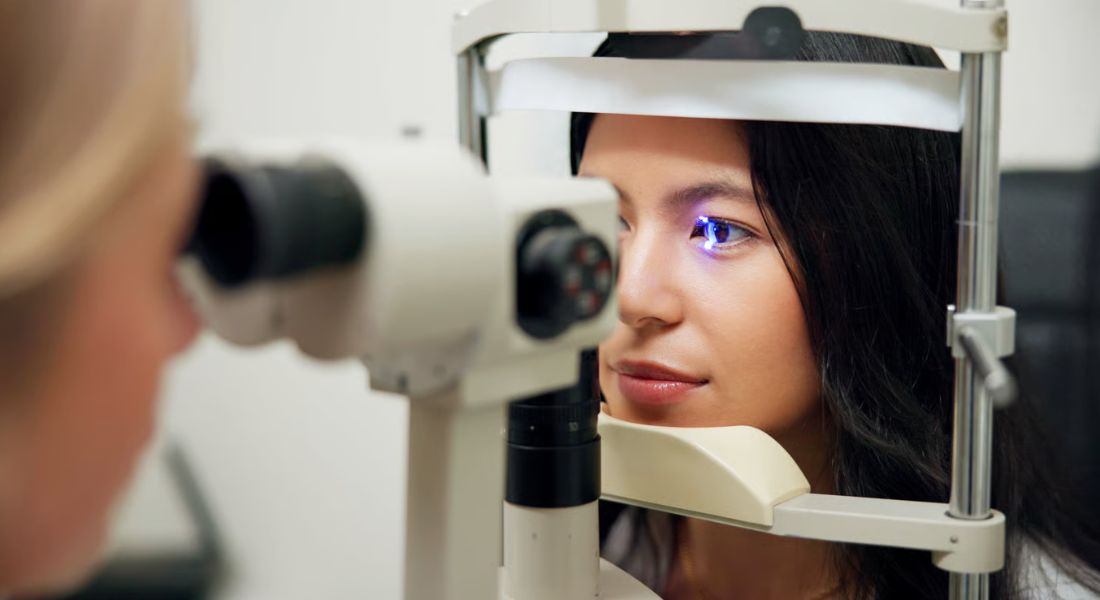
An eye doctor may check your vision, pupils, eye pressure, eyelids, cornea, conjunctiva, and the deeper structures of the eye. They may use a slit lamp microscope to examine the eye in detail. A special dye may be placed in the eye to look for scratches, ulcers, or corneal staining. This can help identify whether tenderness is due to a corneal injury or infection.
Your doctor may also ask about contact lens wear, recent injury, chemical exposure, eye surgery, autoimmune conditions, medication, headaches, and whether symptoms came on suddenly or gradually. This kind of assessment is important because many eye conditions can feel similar at first, but they need different treatment.
FAQs:
- What causes sudden eye tenderness when touching the eye?
Sudden eye tenderness can be caused by issues such as a corneal scratch, foreign body, eyelid infection (stye), dry eye flare, inflammation, infection, or deeper eye conditions like Keratitis or Uveitis. In some cases, it may also be linked to trauma or pressure changes inside the eye. - Is sudden eye sensitivity to touch always an emergency?
No, not always. Mild eyelid tenderness from a stye or dryness may not be urgent. However, it becomes an emergency if it is associated with vision changes, severe pain, redness, light sensitivity, injury, or suspected infection such as Keratitis. - When should I go to A&E for eye tenderness?
You should go to A&E if you have sudden severe eye pain, vision loss, chemical exposure, eye injury, or symptoms like nausea, vomiting, and headache that may suggest Acute angle-closure glaucoma or other serious conditions. - Can a corneal scratch cause extreme tenderness?
Yes. A corneal injury such as Corneal abrasion can cause sharp pain, watering, light sensitivity, and strong tenderness even with blinking or light touch, because the cornea has many nerve endings. - What should contact lens wearers do if the eye becomes painful?
Remove the lenses immediately and do not reinsert them. Pain in contact lens users may indicate irritation or infection, including Keratitis, which requires urgent assessment to prevent complications. - How can I tell the difference between a stye and a deeper eye infection?
A stye usually causes a localised, tender lump on the eyelid. Deeper infections like keratitis or cellulitis often cause more widespread redness, swelling, vision changes, or severe pain affecting the whole eye. - What are the symptoms of uveitis?
Uveitis can cause deep eye pain, redness, blurred vision, and strong light sensitivity. The eye may feel sore internally rather than just on the surface, and symptoms often worsen in bright light. - Can glaucoma cause eye tenderness?
Yes. Acute angle-closure glaucoma can cause sudden severe eye pain, headache, nausea, blurred vision, and halos around lights. It is a medical emergency requiring immediate treatment. - What should I do if a chemical gets into my eye?
Rinse the eye immediately with clean running water for several minutes and seek urgent medical help. Chemical exposure can quickly damage the eye surface and may lead to serious injury if not treated promptly. - Can dry eye cause tenderness in the eye?
Yes. Dry eye disease can make the eye feel gritty, sore, and sensitive to touch. Severe cases may cause pain, redness, and blurred vision, especially when the tear film is not protecting the surface properly.
Final Thoughts: When Sudden Eye Tenderness Needs Prompt Attention
Sudden eye tenderness should always be taken seriously, especially when it appears without an obvious cause or is accompanied by symptoms such as redness, blurred vision, light sensitivity, or worsening pain. While some causes like dry eye or a mild stye may be less urgent, other conditions affecting the cornea, internal eye structures, or eye pressure can require quick care to prevent complications.
If you are unsure about the severity of your symptoms, it is always safer to seek a professional assessment rather than wait. Early diagnosis can protect your vision and help ensure the right treatment is started quickly. If you’re exploring whether emergency eye doctor in London could benefit you, get in touch with us at Eye Clinic London to schedule your consultation.
References:
- Pflipsen, M., Massaquoi, M. and Wolf, S. (2016) Evaluation of the painful eye, American Family Physician, 93(12), pp. 991–998. Available at: https://pubmed.ncbi.nlm.nih.gov/27304768/
- Ting, D.S.J., Ho, C.S., Deshmukh, R., Said, D.G. and Dua, H.S. (2023) Updates in diagnostic imaging for infectious keratitis: A review, Diagnostics, 13(21), p. 3358. Available at: https://www.mdpi.com/2075-4418/13/21/3358
- Rosenbaum, J.T. and Dick, A.D. (2018) The eyes have it: A rheumatologist’s view of uveitis, Nature Reviews Rheumatology, 14(7), pp. 421–432. Available at: https://pmc.ncbi.nlm.nih.gov/articles/PMC6160350/
- Azari, A.A. and Barney, N.P. (2010) Diagnosis and management of red eye in primary care, American Family Physician, 81(2), pp. 137–144. Available at: https://pubmed.ncbi.nlm.nih.gov/20082509/
- Harbord, M., Annese, V., Vavricka, S.R. et al. (2016) The first European evidence-based consensus on extra-intestinal manifestations in inflammatory bowel disease, Journal of Crohn’s and Colitis, 10(3), pp. 239–254. Available at: https://pmc.ncbi.nlm.nih.gov/articles/PMC4957476/