


Should You See an Eye Doctor for Headaches or Eye Strain?

Headaches and eye strain are easy to dismiss, especially when you spend long hours on screens, read a lot, drive at night, or work under bright lights. You may tell yourself it is just tiredness, stress, poor sleep, or another busy day catching up with you.
Sometimes, that is exactly what it is.But there are also times when headaches and eye strain are your eyes’ way of telling you that something needs attention. You might need a new glasses prescription, treatment for dry eyes, help with focusing problems, or a more detailed eye health assessment.
The difficult part is knowing when symptoms are harmless and when you should book an appointment with an eye doctor. This is where a proper eye examination becomes useful. Your eyes rarely hurt in the early stages of some eye problems, which is why regular eye tests are recommended even when you feel your vision is fine. The NHS advises that most people should have an eye test every two years, or more often if advised by an eye care professional.
At the same time, not every headache comes from the eyes. Headaches can also be caused by stress, dehydration, poor posture, sinus issues, migraine, medication, sleep problems, or other medical conditions. That is why it is important to look at the full picture.
Understanding the Link Between Your Eyes and Headaches
Your eyes work constantly throughout the day, even when you do not think about them. They focus, refocus, track movement, adjust to light, process detail, and help your brain understand your surroundings. When your eyes are working harder than they should, you may begin to feel discomfort.
This discomfort can appear as aching around the eyes, heaviness in the forehead, blurred vision, difficulty focusing, sensitivity to light, or headaches after reading or screen use. The headache may not always feel like it is “inside” the eyes, but the trigger can still be visual.
For example, you might notice a dull headache after working on your laptop for several hours. You may feel pressure around your temples after reading fine print. You may develop eye tiredness after driving at night or switching between multiple screens.
What Eye Strain Actually Feels Like
Eye strain is not one single feeling. It can show up differently from person to person. You may feel tiredness around your eyes. You may notice a burning, stinging, heavy, or gritty sensation. You might feel as though your eyes need to close, even if you are not sleepy. Some people describe eye strain as pressure behind the eyes. Others experience blurred vision, watery eyes, dry eyes, light sensitivity, or difficulty keeping focus on a screen or page.
The symptoms may build slowly during the day. You might feel fine in the morning, but by late afternoon your eyes feel uncomfortable and your head begins to ache. This pattern is common when the eyes are working hard for long periods without enough breaks. Eye strain may also make you rub your eyes more often.
You might blink less while using screens, which can make dryness worse. You may lean closer to your screen, squint at text, enlarge fonts, or avoid reading for long periods because it feels uncomfortable. These small habits are clues. Your eyes may be telling you that they need support, whether that means better screen habits, lubricating drops, updated glasses, or a fuller eye assessment.
When Headaches May Be Linked to Vision Problems

A headache may be linked to your vision when it follows a clear pattern. You may notice headaches after reading, using a computer, doing close-up work, driving, or watching television. The discomfort may also improve when you rest your eyes or stop the task. This kind of pattern is worth paying attention to because it can suggest that your eyes are working harder than they should.
- Headaches After Visual Tasks: If your headaches often appear after screen use, reading, driving, or close-up work, your vision may be involved. These tasks require your eyes to focus for long periods, and even a small vision issue can make that effort more tiring.
- Uncorrected Refractive Error: One possible cause is an uncorrected refractive error, which means your eyes are not focusing light as clearly as they should. This includes short-sightedness, long-sightedness, astigmatism, and presbyopia, all of which can make your eyes work harder to produce clear vision.
- Long-Sightedness and Hidden Eye Strain: Long-sightedness can be easy to miss, especially in younger adults, because the eyes may compensate by focusing harder. You may still see clearly, but your eyes can become tired from the extra effort, leading to fatigue and headaches over time.
- Astigmatism and Presbyopia: Astigmatism can cause strain because vision may appear blurred or distorted at certain distances. Presbyopia, which usually becomes noticeable from your 40s onwards, can make near tasks harder, causing you to hold your phone further away, increase font size, or struggle in dim light.
When vision-related changes are ignored, headaches can become more frequent and more frustrating. You may not always realise your eyes are the cause because your vision can still seem “good enough” in everyday situations. However, if headaches keep appearing after visual tasks, an eye examination can help identify whether your prescription or focusing ability has changed. Getting the right support can reduce strain and make daily tasks more comfortable.
Digital Eye Strain and Screen-Related Headaches
Screens are one of the most common reasons people experience eye strain today.You may spend hours moving between your phone, laptop, tablet, desktop monitor, and television. Even if each individual task feels manageable, the total visual load can become tiring. Digital eye strain can happen because your eyes focus at a fixed distance for long periods. You may also blink less when looking at a screen, which can make your eyes dry and irritated.
Lighting plays a role too. Glare from windows, bright overhead lights, poor contrast, small text, and awkward screen position can all make your eyes work harder. If your posture is poor, neck and shoulder tension may also contribute to headaches. You may notice symptoms such as dry eyes, blurred vision, forehead pressure, difficulty focusing, or headaches after screen use.
The 20-20-20 rule is often recommended as a simple way to reduce strain: every 20 minutes, look at something around 20 feet away for about 20 seconds. This gives your focusing system a brief rest. However, screen breaks are not always enough. If your symptoms continue even after adjusting your screen habits, you should consider an eye appointment. Persistent symptoms may mean there is an underlying vision issue, dry eye problem, binocular vision issue, or prescription change that needs attention.
Could Dry Eyes Be Causing Your Eye Strain?

Dry eye is another common reason for eye discomfort and strain. When your eyes do not produce enough tears, or when your tears evaporate too quickly, the surface of the eye can become irritated. This can lead to burning, grittiness, watering, redness, blurred vision, and tired eyes. It may sound strange, but watery eyes can also be a sign of dryness.
When the eyes become irritated, they may produce reflex tears. These tears can water your eyes, but they may not properly lubricate the surface. Dry eye can be made worse by screen use, air conditioning, heating, windy weather, contact lens wear, certain medications, hormonal changes, and some medical conditions. If dry eye is contributing to your symptoms, simply updating your glasses may not solve the problem.
An eye doctor can assess the surface of your eyes, look at your tear film, check your eyelids, and suggest treatment. This may include lubricating eye drops, eyelid hygiene, lifestyle changes, or other treatments depending on the cause. Dry eye can become frustrating when left untreated. You may find yourself avoiding screens, reading less, or struggling with work because your eyes feel constantly tired. Getting the right diagnosis can make a real difference.
Eye Muscle and Focusing Problems
Sometimes, headaches and eye strain are not caused by a simple prescription issue. They may be related to how your eyes work together. Your two eyes need to align properly and focus as a team. When they do not, your brain may have to work harder to maintain single, clear vision. This can lead to headaches, eye fatigue, blurred vision, double vision, difficulty concentrating, or losing your place while reading.
You may notice symptoms more during close-up tasks. Reading, studying, computer work, and detailed tasks can all make these problems more obvious. Children and students may struggle with reading stamina, while adults may feel exhausted after prolonged screen use. A standard vision check may not always explain the problem fully.
That is why it helps to see an eye care professional who can assess eye coordination, focusing ability, and binocular vision when symptoms suggest this may be involved. Treatment may include glasses, exercises, prism lenses, or other approaches depending on the diagnosis. The key point is that you do not have to “push through” constant visual discomfort. If your eyes feel strained even when your vision seems clear, there may still be something that can be improved.
Headaches Around the Forehead or Temples
Headaches linked to eye strain often appear around the forehead, temples, brow area, or behind the eyes. You may feel a dull ache rather than sharp pain. This type of discomfort may build during reading, screen work, or other visually demanding tasks. It may improve after rest, sleep, or time away from close-up work.
However, location alone does not prove the cause. Forehead headaches can also come from tension, sinus issues, migraine, stress, dehydration, or other health concerns. That is why it is important not to assume. If the headache is frequent and seems connected to your eyes, an eye examination is a sensible starting point.
If the eye exam is normal, your eye doctor may suggest that you speak to your GP, especially if the headaches are new, worsening, severe, or linked to other symptoms. This is not a failure of the eye appointment. It is useful information. It helps you rule out one possible cause and move towards the right care.
Headaches With Blurred Vision
Blurred vision alongside headaches deserves attention. If your vision becomes blurry after screen use or reading, it may be due to eye strain, dry eye, or focusing fatigue. If it clears after blinking, resting, or using lubricating drops, dryness may be involved. But blurred vision can also signal other issues. A changed prescription, cataract, migraine aura, raised eye pressure, inflammation, retinal problems, or neurological causes can all affect vision in different ways.
Sudden blurred vision should be taken more seriously than gradual or occasional blur. If your vision changes suddenly, or if blurred vision is accompanied by severe headache, eye pain, nausea, vomiting, weakness, speech difficulty, confusion, or loss of vision, you should seek urgent medical help. Mayo Clinic advises urgent medical attention for eye pain when it is severe or accompanied by headache, fever, light sensitivity, sudden vision change, nausea, vomiting, halos around lights, swelling, trouble moving the eye, or discharge.
You should not wait for sudden or severe symptoms to “settle” if they feel unusual or worrying. For ongoing, mild, task-related blur, booking an eye exam is still worthwhile. It can help identify whether the cause is visual, surface-related, or something else.
Headaches With Light Sensitivity
Light sensitivity can occur with eye strain, dry eyes, migraine, inflammation, infection, or other eye conditions. You may notice discomfort in bright sunlight, under fluorescent lighting, while looking at screens, or when driving at night. If your light sensitivity is mild and appears after long screen use, it may be part of digital eye strain. Adjusting brightness, reducing glare, taking breaks, and treating dryness may help.
But if light sensitivity is severe, new, or accompanied by eye pain, redness, headache, nausea, or vision changes, you should seek professional advice promptly. Light sensitivity can sometimes be linked with inflammation inside the eye or other conditions that need treatment.
This is especially important if one eye is affected more than the other. As a general rule, eye strain tends to feel like tiredness or discomfort. Pain, marked redness, sudden vision changes, and strong light sensitivity are more concerning and should not be ignored.
Headaches After Reading
If you regularly get headaches after reading, your eyes may be struggling with close-up focus. This can happen at any age. In children, it may show up as avoiding reading, losing place on the page, rubbing eyes, or complaining of tired eyes. In adults, it may appear as headaches after work, difficulty concentrating, blurred near vision, or needing brighter light to read.
In your 40s and beyond, presbyopia becomes increasingly common. This is the natural age-related change that makes near focus harder. You may find yourself stretching your arms to read your phone or needing reading glasses. Reading headaches can also be linked to astigmatism, long-sightedness, dry eye, or eye coordination problems.
An eye doctor can check whether the issue is simply a glasses prescription or something more complex. You should not have to avoid reading because it causes discomfort. If symptoms are frequent, an eye test is a practical step.
When Eye Strain Is More Than Tiredness
Occasional tired eyes after a long day are common. But eye strain becomes more concerning when it is persistent, frequent, or interfering with your life. You should consider seeing an eye doctor if you experience eye strain several times a week, if it affects your work, if it makes reading difficult, or if it keeps returning despite rest.
You should also seek advice if eye strain comes with blurred vision, double vision, headaches, red eyes, dry eyes, eye pain, or sensitivity to light. Your symptoms may be manageable, but that does not mean they should be ignored. Eye strain often has a treatable cause.
Sometimes, the solution is simple: a new prescription, better screen ergonomics, lubricating drops, or advice on contact lens use. In other cases, you may need a more detailed examination or treatment plan. The sooner you understand the cause, the sooner you can stop guessing.
When You Should See an Eye Doctor Promptly
You should book an eye appointment promptly if your headaches and eye strain are becoming more frequent, lasting longer, or starting to affect your daily routine. Even if the symptoms seem mild at first, repeated discomfort can make reading, screen work, driving, and other everyday tasks harder. In many cases, these symptoms are linked to vision changes, dry eyes, or focusing problems. A proper eye examination can help you understand the cause and decide what support your eyes need.
- Recurring Blurred Vision: If your vision keeps becoming blurry, especially during reading, screen use, or driving, it should not be ignored. Blurred vision that returns again and again may suggest that your prescription has changed or that your eyes are struggling to focus properly.
- Headaches After Visual Tasks: Headaches that appear after computer work, reading, studying, or driving can sometimes be linked to eye strain. This may happen when your eyes are working harder than usual to focus, especially if you need updated glasses or contact lenses.
- Ongoing Eye Discomfort: Dry, gritty, watery, burning, or tired eyes that do not improve with rest should be checked. These symptoms may be related to dry eye, screen strain, allergies, or contact lens irritation, and an eye doctor can help identify the cause.
- Changes in Vision or Eye Health Risk: You should also arrange an appointment if you notice glare while driving at night, discomfort with your current glasses or contact lenses, or if you have diabetes or a family history of eye disease. These factors can increase the importance of regular eye checks, even when symptoms do not feel severe.
These symptoms do not always mean that something serious is happening. However, they are clear signs that your eyes deserve a proper check, especially if you have not had an eye exam for some time. The NHS explains that regular eye tests are important because your eyes may not hurt even when something is wrong, and eye tests can detect potentially harmful conditions. If your last eye test was more than two years ago and you are now experiencing headaches or eye strain, booking an appointment is a sensible next step.
When Symptoms May Need Urgent Help
Most headaches and eye strain are not emergencies. However, some symptoms should be treated as urgent. You should seek urgent medical help if you have sudden vision loss, sudden double vision, severe eye pain, a severe headache unlike your usual headaches, headache with nausea or vomiting, new halos around lights, sudden flashes or floaters, a curtain-like shadow in your vision, eye injury, chemical exposure, or red eye with reduced vision.
You should also act quickly if a headache comes with weakness, facial drooping, confusion, difficulty speaking, fainting, fever, stiff neck, or sudden neurological symptoms. These symptoms may not be caused by the eyes alone.
They may need urgent assessment through emergency services, A&E, or another appropriate urgent care route. It is always better to be cautious with sudden or severe symptoms. An ordinary eye strain headache tends to build gradually and relate to visual effort. Sudden, intense, painful, or unusual symptoms should not be treated as simple eye strain.
Why Your Prescription Matters
Even a small prescription change can sometimes cause big symptoms. This is especially true if you do a lot of near work, use screens all day, or rely heavily on sharp vision for your job. Your prescription may change gradually, so you may not notice it immediately.
Instead, you may compensate by squinting, leaning closer, increasing brightness, or taking more breaks. Over time, this can lead to headaches and fatigue. If you already wear glasses, your prescription may no longer be right. If you do not wear glasses, you may still have a mild focusing issue that is becoming symptomatic.
An updated prescription can reduce unnecessary effort. However, glasses are not always the full answer. If dry eye, screen habits, or binocular vision problems are also involved, your treatment plan may need to address those too. This is why a thorough assessment matters. You want to understand the cause, not just guess at the solution.
Contact Lenses and Headaches
If you wear contact lenses, headaches and eye strain may be linked to lens fit, dryness, prescription changes, overwear, or screen-related dryness. Contact lenses sit directly on the eye surface. If your eyes are dry, irritated, or inflamed, lenses can become uncomfortable and may make strain worse.
You may notice blurry vision that improves when you blink or remove your lenses. Headaches may also occur if your contact lens prescription is not fully correcting your vision. Sometimes, people tolerate mild blur for a while without realising their eyes are working harder.
You should not continue wearing contact lenses if your eyes are painful, red, very sensitive to light, or if your vision is reduced. Remove the lenses and seek advice. An eye doctor or contact lens specialist can check the lens fit, prescription, eye surface, wearing schedule, and whether your current lenses are still suitable for you.
Children, Headaches, and Eye Strain
Children may not always explain vision problems clearly. Instead of saying “my eyes are strained,” they may avoid reading, lose concentration, rub their eyes, sit too close to screens, complain of headaches, or struggle at school.
They may also squint, close one eye, tilt their head, or say words move on the page. If a child regularly complains of headaches, especially after reading or schoolwork, an eye test is a sensible step. Children’s eyes can change as they grow.
Some vision problems may affect learning, reading comfort, and confidence if they are not detected. Even when a child seems to see well, they may still have focusing or eye coordination issues. It is important not to assume headaches are just tiredness or screen use. A proper eye examination can help identify whether vision is contributing to the problem.
Migraine and the Eyes
Migraine can cause visual symptoms, and this can make it confusing. Some people experience flashing lights, zigzag lines, blind spots, shimmering areas, or temporary visual disturbance before or during a migraine. This is often called a visual aura. Migraine can also cause light sensitivity, nausea, and severe headache.
These symptoms may not be caused by an eye disease, but they can feel very visual. If you have a known migraine pattern, your symptoms may be familiar. However, if your visual symptoms are new, different, one-sided, sudden, or associated with other concerning symptoms, you should seek medical advice.
An eye examination can help rule out eye-related causes of visual disturbance. If your eye health is normal, your doctor may advise you to speak with your GP or a neurologist depending on your symptoms. Do not self-diagnose new visual symptoms as migraine without checking. It is safer to get a professional opinion, especially if the pattern has changed.
Sinus Headaches Versus Eye Problems
Sinus issues can cause pressure around the forehead, cheeks, nose, and behind the eyes. This can feel similar to eye-related discomfort. You may also have nasal congestion, facial pressure, reduced smell, or symptoms that worsen when bending forward.
Eye strain, on the other hand, is often linked to visual tasks. If your headache appears after reading, screen work, or driving, and improves when you rest your eyes, vision may be involved. But the two can overlap.
You might have sinus discomfort and eye strain at the same time. You might also mistake one for the other. If you are unsure, an eye exam can help rule out vision-related causes. If your eyes are healthy and your symptoms point more towards sinus disease or another medical cause, you may be advised to speak to your GP.
Stress, Posture, and Eye Strain
Stress and posture can make eye strain feel worse. When you are stressed, you may clench your jaw, tighten your shoulders, frown, or stare at screens for longer without breaks. This can contribute to tension headaches.
Poor posture can also play a role. If your screen is too high, too low, too close, or off to one side, your neck and shoulders may become tense. This tension can contribute to headaches around the temples, forehead, or back of the head. Your eyes may still be part of the problem.
For example, if your vision is slightly blurred, you may lean forward without noticing. That posture can then create neck strain and headache. This is why it helps to think about headaches as a full-body issue. Your eye doctor can assess the visual side, while you can also consider posture, breaks, hydration, sleep, stress, and workstation setup.
Simple Changes That May Help Eye Strain
While you are waiting for an appointment, or if your symptoms are mild, some practical changes may help. Take regular screen breaks. Look away from close work often. Blink deliberately when using screens. Adjust your screen so it is comfortable and not too bright.
Reduce glare from windows and overhead lights. Increase text size if you are squinting. Keep your screen at a comfortable distance. Use good lighting when reading. Avoid working in a dark room with a bright screen.
Stay hydrated. Rest your eyes when they feel tired. These steps can reduce strain, but they should not replace an eye exam if symptoms continue. If your headaches or eye discomfort keep returning, your eyes should be checked properly.
Why Regular Eye Tests Matter Even Without Symptoms
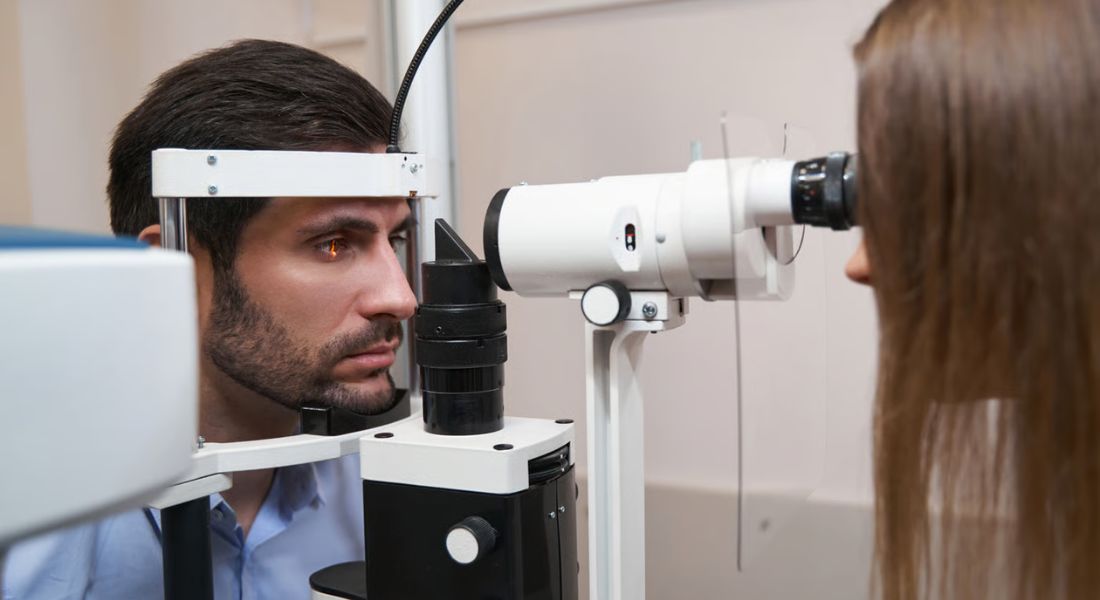
One of the most important things to remember is that eye tests are not only for people with obvious vision problems. They are also a way to check eye health. Some eye conditions may not cause noticeable symptoms early on. You may not feel pain, and your vision may seem normal.
Regular eye tests can help detect issues earlier. The NHS recommends eye tests every two years for most people, or more frequently if your optometrist or ophthalmic practitioner advises it.
If you already have headaches or eye strain, an eye test becomes even more relevant. It gives you information. You may discover that your eyes are healthy and your prescription is stable. That can be reassuring. Or you may find a treatable reason for your symptoms. Either outcome is useful.
What If Your Eye Exam Is Normal?
Sometimes, your eye exam may not reveal an eye-related cause for your headaches. This does not mean your symptoms are not real. It simply means the cause may be elsewhere. Your eye doctor may suggest that you speak with your GP, especially if your headaches are frequent, severe, changing, or affecting your quality of life.
Your GP may consider other causes such as migraine, tension headaches, sinus disease, blood pressure issues, medication effects, sleep problems, or other health conditions. A normal eye exam can still be valuable.
It helps narrow the possibilities and ensures that vision or eye health is not being overlooked. You should not feel disappointed if glasses are not the answer. The goal is to find the right explanation and the right care.
Eye Strain at Work
Many people experience eye strain because their work involves long hours of close focus. You may be using spreadsheets, emails, design software, documents, video calls, or multiple monitors. Your eyes may be switching constantly between screen distances, phone screens, notebooks, and people in the room.
This can be visually demanding. If your workday regularly ends with headaches, it is worth taking your symptoms seriously. You may need occupational lenses, reading glasses, anti-glare advice, dry eye treatment, or workstation adjustments. Some people benefit from glasses designed specifically for computer distance.
Your everyday glasses may not always be ideal for screen work. For example, reading glasses may be too strong for a monitor that sits further away than a book. Distance glasses may not support near work comfortably. Varifocals may require careful screen positioning to avoid neck strain. An eye doctor or optometrist can help match your visual needs to your work habits. This can be especially useful if your symptoms are affecting productivity.
Eye Strain in Older Adults
As you get older, your eyes naturally change. Near focusing becomes harder. Dry eye becomes more common. Cataracts can affect clarity and glare. Certain eye diseases also become more likely with age. Headaches and eye strain in older adults should not automatically be dismissed as ageing.
They may be related to a prescription change, dry eye, cataract, or another issue that can be managed. If you notice more glare, difficulty reading, frequent changes in glasses, eye fatigue, or headaches after visual tasks, book an eye exam.
It is also important to keep up with regular checks if you have diabetes, glaucoma risk, macular degeneration risk, or a family history of eye disease. Your eye health needs can change over time. A regular appointment helps you stay ahead of those changes rather than reacting only when symptoms become difficult.
Eye Strain After Eye Surgery
If you have had eye surgery, such as cataract surgery, laser eye surgery, or another eye procedure, you may experience temporary visual changes during recovery. Some mild dryness, fluctuation, or adjustment can happen depending on the procedure.
However, headaches, eye strain, pain, redness, or reduced vision after surgery should be discussed with your eye care team. Do not assume symptoms are normal unless you have been told to expect them. This is especially important if symptoms worsen, appear suddenly, or affect one eye more than the other.
Your surgeon or eye doctor can check healing, eye pressure, dryness, inflammation, prescription changes, and other possible causes. After surgery, your visual system may also need time to adapt. In some cases, updated glasses or treatment for dry eye may be needed once healing is complete.
What Treatment Might Be Recommended?
Treatment depends on the cause. If your symptoms are due to a prescription change, you may need glasses, contact lenses, or an updated prescription. If dry eye is involved, you may be advised to use lubricating drops, change your screen habits, improve eyelid hygiene, or consider other dry eye treatments.
If screen use is the main trigger, your eye doctor may suggest ergonomic changes, regular breaks, lighting adjustments, or occupational lenses. If eye coordination or focusing problems are found, you may need specific lenses, exercises, prisms, or further assessment.
If signs suggest another eye condition, you may need treatment or referral. If your eyes appear healthy and your symptoms do not seem eye-related, you may be advised to speak with your GP. The best treatment is the one that matches the cause. That is why diagnosis matters.
How Quickly Should You Book?
How quickly you should book an eye appointment depends on how severe your symptoms are and how often they happen. If your symptoms are mild, occasional, and clearly linked to long screen use, you may first try improving your habits, such as taking breaks, adjusting lighting, and reducing screen glare. However, if the symptoms keep returning or start affecting your work, reading, driving, or daily comfort, it is better to arrange an eye exam. You should also avoid delaying if your vision has changed or if you have not had an eye test within the last two years.
- Mild Symptoms Linked to Screen Use: If your eye strain only happens after long periods of screen time, you may try simple changes first. Taking regular breaks, blinking more often, improving screen distance, and adjusting brightness may help reduce discomfort.
- Recurring Headaches or Eye Strain: If your headaches or eye strain keep coming back, you should book an eye exam rather than waiting. Repeated symptoms may suggest that your eyes are struggling to focus or that your current glasses or contact lenses are no longer suitable.
- Vision Changes or Daily Disruption: If your vision has changed, your eyes feel strained during normal tasks, or your symptoms are affecting work or driving, you should book promptly. These signs may indicate that your eyes need proper assessment and possibly updated vision correction.
- Sudden or Severe Symptoms: If you experience sudden vision changes, severe eye pain, intense headaches, or symptoms that feel unusual or worrying, you should seek urgent help. Sudden, painful, or vision-threatening symptoms should not be treated as routine eye strain.
The timing of your appointment should match the seriousness of your symptoms. Mild and occasional symptoms may improve with better habits, but mild symptoms that keep returning deserve a routine or soon appointment. Sudden, painful, or vision-threatening symptoms need urgent attention. Trust your instincts, because if something feels different, intense, or worrying, it is always better to be checked.
Why You Should Not Rely on Online Self-Diagnosis
It is tempting to search your symptoms online and decide what is happening. But headaches and eye strain have many possible causes. Two people can describe similar symptoms and have completely different reasons behind them. One may need reading glasses. Another may have dry eye. Another may have migraine. Another may need urgent medical assessment.
Online information can guide you, but it cannot examine your eyes. It cannot measure your prescription, assess your eye pressure, check your retina, evaluate your tear film, or look for signs of inflammation. That is why symptoms that persist need proper assessment. You deserve more than guesswork.
FAQs:
- Can headaches be caused by eye problems?
Yes, headaches can sometimes be linked to eye problems, especially if they happen after reading, screen use, driving, or close-up work. Vision strain, dry eyes, focusing issues, or an outdated prescription may all contribute. - When should I see an eye doctor for headaches?
You should see an eye doctor if your headaches are frequent, appear after visual tasks, come with blurred vision, or affect your work, reading, or driving. An eye examination can help identify whether your eyes are part of the problem. - Can eye strain cause headaches?
Yes, eye strain can cause headaches, particularly around the forehead, temples, brow area, or behind the eyes. This often happens when your eyes are working harder than usual for long periods. - What are the common signs of eye strain?
Common signs include tired eyes, burning, dryness, watering, blurred vision, light sensitivity, pressure around the eyes, and headaches after screen use or reading. - Can too much screen time cause headaches?
Yes, long hours on screens can contribute to digital eye strain and headaches. Reduced blinking, glare, poor posture, small text, and long periods of fixed focus can all make symptoms worse. - Can dry eyes cause headaches or eye strain?
Dry eyes can cause eye discomfort, blurred vision, burning, watering, and tiredness. This irritation can make your eyes feel strained and may contribute to headaches, especially during screen use. - Are headaches with blurred vision serious?
Headaches with blurred vision should be checked, especially if the blur is sudden, recurring, or comes with eye pain, nausea, vomiting, weakness, confusion, or vision loss. Sudden symptoms may need urgent medical help. - Can an outdated glasses prescription cause headaches?
Yes, even a small prescription change can make your eyes work harder, leading to strain and headaches. If your glasses no longer feel comfortable or your symptoms are increasing, an eye test is sensible. - What happens during an eye exam for headaches and eye strain?
Your eye doctor may check your vision, prescription, eye movements, focusing ability, eye pressure, eye surface, pupils, and the health of the front and back of your eyes. They may also ask about your symptoms, screen use, glasses, contact lenses, and medical history. - When are headaches and eye symptoms urgent?
Seek urgent help if you have sudden vision loss, severe eye pain, sudden double vision, flashes or floaters, a curtain-like shadow in your vision, severe headache, nausea, vomiting, weakness, confusion, or speech difficulty. These symptoms should not be treated as simple eye strain.
Final Thoughts: When Headaches and Eye Strain Should Not Be Ignored
Headaches and eye strain are common, but they should not always be dismissed as simple tiredness or too much screen time. If your symptoms regularly appear after reading, computer use, driving, or other visual tasks, your eyes may be working harder than they should. Problems such as an outdated prescription, dry eyes, focusing difficulties, or binocular vision issues can all contribute to ongoing discomfort. Paying attention to patterns and seeking professional advice when symptoms persist can help identify the cause and improve your day-to-day comfort.
Regular eye examinations are important even when your vision seems normal because some eye conditions develop without obvious early symptoms. If headaches, blurred vision, eye strain, or light sensitivity are becoming more frequent or affecting your daily life, arranging an assessment is a sensible step. If you’d like to find out whether seeing an eye doctor in London is suitable for you, feel free to contact us at Eye Clinic London to arrange a consultation.
References:
- Sheppard, A.L. and Wolffsohn, J.S. (2018) Digital eye strain: prevalence, measurement and amelioration, BMJ Open Ophthalmology, 3(1), e000146. Available at: https://pubmed.ncbi.nlm.nih.gov/29963645/
- Kaur, K. et al. (2022) Digital Eye Strain A Comprehensive Review, Ophthalmology and Therapy, 11(5), pp. 1655–1680. Available at: https://pubmed.ncbi.nlm.nih.gov/35809192/
- García-Montero, M. et al. (2021) Digital eye strain in the era of COVID-19 pandemic: an emerging public health issue, International Journal of Environmental Research and Public Health, 18(23), 12469. Available at: https://www.mdpi.com/1660-4601/23/5/542
- Pucker, A.D. et al. (2024) Digital Eye Strain: Updated Perspectives, Clinical Optometry, 16, pp. 233–246. Available at: https://pmc.ncbi.nlm.nih.gov/articles/PMC11416787
- Blehm, C. et al. (2005) Computer vision syndrome: a review, Survey of Ophthalmology, 50(3), pp. 253–262. Available at: https://www.sciencedirect.com/science/article/abs/pii/S0039625705000093