


How LASIK Technology Is Evolving: Insights from the ESCRS Congress
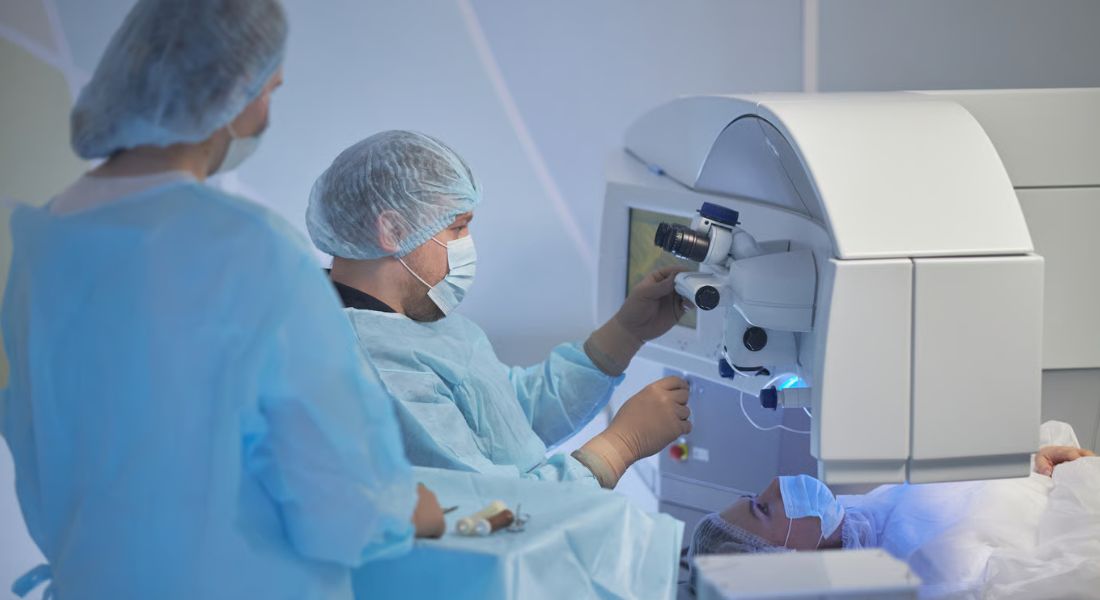
When people think about LASIK, it is often seen as a fixed procedure that has remained largely unchanged for many years. However, discussions at major ophthalmology meetings such as the ESCRS Congress regularly highlight how quickly the field continues to evolve and improve over time.
In simple terms, LASIK today is not exactly the same as LASIK from a decade ago. Surgeons are constantly refining techniques, improving laser precision, and using better diagnostic tools before surgery. All of this is aimed at making the procedure safer and more predictable for you.
There is also a stronger focus now on personalisation. Instead of treating LASIK as a one-size-fits-all procedure, doctors are increasingly looking at your individual eye structure, corneal shape, and visual needs before recommending treatment. This helps improve both safety and visual quality after surgery.
So, when we talk about LASIK today, we are really talking about a continuously improving technology. These changes may seem small on their own, but together they can make a meaningful difference to your experience, recovery, and long-term vision outcomes.
Why LASIK Is Still Evolving Today
LASIK is already one of the most successful elective procedures in modern medicine, but that doesn’t mean it has stopped improving. It continues to evolve as technology, surgical techniques, and diagnostic tools become more advanced and refined over time.
What I’ve learned from ESCRS discussions is that refinement never really stops in eye surgery. Even small improvements in laser precision, safety systems, and recovery outcomes can make a real difference to you as a patient. These changes often show up as smoother healing, better comfort, and more predictable visual results.
So instead of reinventing LASIK, the focus today is on making it safer, more precise, and more consistent. For you, this means LASIK is not a fixed procedure, but a continuously improving treatment designed to deliver better vision quality and more reliable long-term outcomes.
What the ESCRS Congress Brings to the Table
The ESCRS Congress (European Society of Cataract and Refractive Surgeons) is one of the largest international meetings where eye surgeons, researchers, and clinical experts come together to share the latest research, surgical innovations, and real-world clinical experiences. It acts as a major platform for discussing how eye surgery is evolving across cataract and refractive procedures.
The ESCRS Congress is often viewed as a preview of where eye surgery is heading next. It is where new ideas are introduced, early clinical results are discussed, and emerging technologies are presented before they become widely adopted in everyday practice. For patients, it offers valuable insight into what future improvements in vision correction may look like.
It’s not just academic theory either. Many of the technologies, surgical refinements, and planning tools presented at ESCRS gradually move into routine clinics over time. This process directly influences how procedures like LASIK are performed, helping improve safety, precision, and visual outcomes for you as a patient in real-world settings.
Smarter Laser Mapping Systems
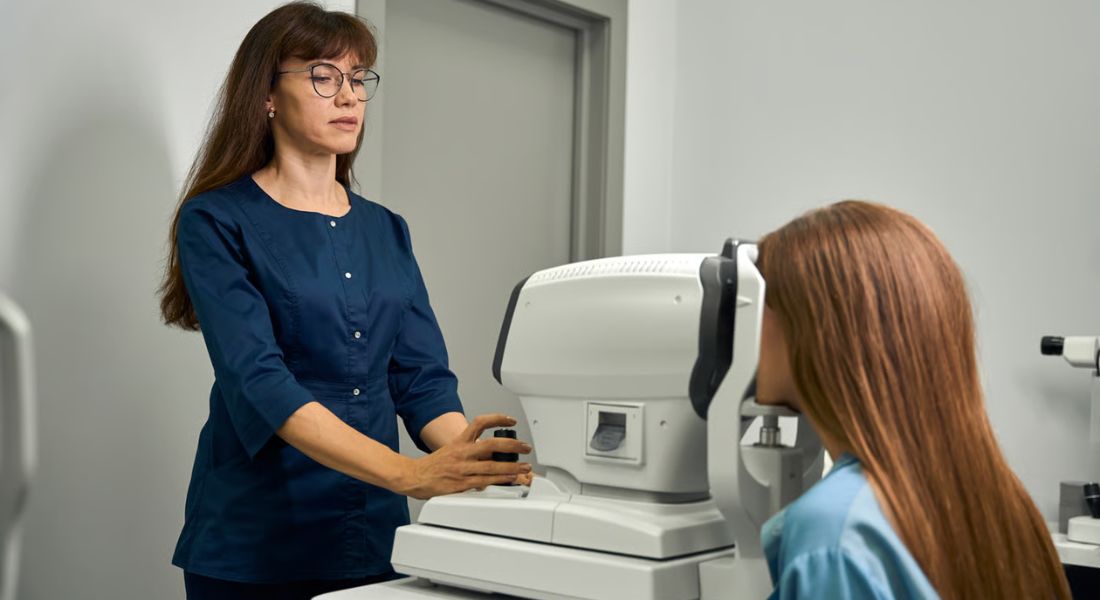
One of the biggest developments discussed is improved corneal mapping technology. This is the detailed way your eye is measured and analysed before LASIK, and it has become far more advanced in recent years than many people realise.
Modern systems don’t just focus on your prescription anymore. They examine the full shape of your cornea in high resolution, creating a detailed 3D map of your eye’s surface. This allows your surgeon to understand subtle irregularities, thickness variations, and how light behaves as it enters your eye.
Because of this level of detail, treatment can now be much more personalised. Instead of using a standard correction approach, LASIK is increasingly tailored to your individual eye structure and visual characteristics. This helps fine-tune the laser treatment more precisely for you.
For you as a patient, this means fewer surprises after surgery and a more predictable outcome. It also improves the chances of achieving clearer, sharper, and more stable vision, with better overall visual quality in everyday life.
Wavefront-Guided Precision Enhancements
Wavefront technology has been used in LASIK for some time, but it continues to improve as measurement systems become more sensitive and accurate. What is new is how precisely it can now detect very small optical imperfections in your eye that were previously difficult to measure.
In simple terms, it analyses how light travels through your eye in extreme detail and identifies subtle distortions that can affect vision quality. This is similar to upgrading from a standard camera lens to a high-end professional lens that captures far finer detail and clarity.
This information is then used to guide the laser treatment more precisely, allowing the correction to be better matched to your individual visual system. The aim is not just to correct short-sightedness or astigmatism, but also to refine the overall quality of vision.
For you, one of the most noticeable benefits can be clearer and sharper vision, especially in low-light conditions such as night driving. It also helps reduce visual issues like glare or halos in some patients, improving overall visual comfort.
Topography-Guided LASIK Improvements
Another exciting development highlighted in modern LASIK discussions is topography-guided LASIK. This approach goes beyond simply correcting your glasses prescription and instead focuses on the actual surface shape of your cornea, which plays a major role in how clearly you see.
What this means for you is that the laser treatment is planned using a highly detailed map of your cornea’s unique surface. Instead of treating your eye as “standard,” it looks at subtle peaks, dips, and irregularities that can affect how light is focused. These small imperfections may not always be obvious, but they can influence visual quality more than people realise.
This approach is especially useful if your eyes are not perfectly symmetrical, which is actually very common. Even small variations between the two eyes, or tiny irregularities in the corneal surface, can contribute to issues like glare, halos, or reduced sharpness in certain lighting conditions.
For you as a patient, the main benefit is a more personalised treatment that aims to improve not just basic vision on an eye chart, but overall visual quality in everyday life. The goal is clearer, sharper, and more balanced vision, especially in challenging conditions such as night driving or low-light environments.
Femtosecond Laser Advancements
Modern LASIK no longer relies on traditional blades. Instead, femtosecond lasers are used to create the corneal flap with a very high level of precision and control. This has already made the procedure more consistent and predictable compared with older techniques.
What is improving now is the speed and accuracy of these laser systems. Newer femtosecond lasers can create thinner, smoother, and more uniform flaps across the cornea. This consistency helps surgeons work with greater control and reduces variability between patients.
For you, this can mean a more stable corneal structure after surgery, which supports smoother healing and better visual outcomes. It also reduces the risk of flap irregularities, making recovery feel more comfortable and reassuring overall.
Faster Healing Through Refined Energy Delivery
Not every patient has the same risk of developing dry eye symptoms after LASIK. Some people already have underlying ocular surface problems before surgery, even if symptoms are only mild or occasional. Because LASIK temporarily affects the corneal nerves and tear film, pre-existing issues can become more noticeable during recovery. This is why careful preoperative assessment is such an important part of modern refractive surgery planning.
- Pre-Existing Dry Eye and Ocular Surface Disease: If you already have dry eye disease or an unstable tear film, you are more likely to experience postoperative dryness. When the ocular surface is compromised before surgery, symptoms may become more persistent or uncomfortable during healing.
- Meibomian Gland Dysfunction and Contact Lens Intolerance: Problems with the eyelid oil glands can reduce tear film quality and increase evaporation. Contact lens intolerance may also suggest underlying surface sensitivity that could affect your comfort after LASIK.
- Impact of Screen Use and Autoimmune Conditions: Heavy screen use can reduce blinking frequency and worsen tear instability. Autoimmune conditions may also affect tear production and ocular surface health, increasing the likelihood of prolonged dryness after surgery.
- Role of Corneal Nerve Changes During Healing: Research shows that temporary disruption and altered regeneration of the sub-basal corneal nerves can reduce corneal sensitivity during the early healing period. These nerve-related changes may contribute to dryness, fluctuating vision, and discomfort following LASIK.
Research into post-LASIK dry eye highlights the importance of careful and individualised suitability assessment before surgery. Identifying higher-risk patients early allows surgeons to optimise the ocular surface, manage expectations, and consider whether alternative procedures may be more appropriate for you. This personalised approach helps improve safety, visual comfort, and long-term satisfaction after treatment. For you as a patient, it reinforces why a thorough dry eye and ocular surface evaluation should always be part of a high-quality LASIK consultation.
Artificial Intelligence in LASIK Planning
AI is quietly transforming how LASIK is planned and refined. Instead of relying only on manual calculations and standard algorithms, surgeons can now use AI-supported systems that analyse large datasets from thousands of previous LASIK outcomes.
What this means for you is that planning your treatment is becoming more data-driven. These systems can recognise patterns in how different types of eyes respond to specific laser settings, helping to guide more informed decisions before surgery even begins.
Importantly, AI does not replace the surgeon. The surgeon still makes all final decisions and performs the procedure. AI simply acts as an advanced support tool, adding another layer of analysis to help improve accuracy and confidence in planning. For you as a patient, this can lead to more personalised treatment planning and better prediction of outcomes, helping reduce uncertainty and improve the overall reliability of results.
Better Screening for Suitability
One of the most important developments in LASIK isn’t actually the surgery itself—it’s the way suitability is assessed before you ever reach the operating room. Modern screening tools have become far more sensitive and detailed in evaluating whether LASIK is the right option for your eyes.
What this means for you is that your assessment is now more thorough than ever. Advanced imaging, corneal analysis, and tear film evaluation can pick up subtle risk factors that older screening methods might have missed. This helps ensure that your cornea is strong, stable, and appropriate for laser treatment.
The goal of this improved screening is to reduce the risk of complications and improve long-term safety. It helps surgeons make more confident decisions about whether LASIK is suitable for you or whether another approach would be safer and more effective.
If LASIK is not ideal for your eyes, these modern tools are also helpful in guiding you towards better alternatives earlier in the process. For you, this means clearer expectations, safer decision-making, and a treatment path that is more closely matched to your individual eye health.
Improvements in Dry Eye Management
Dry eye remains one of the most commonly discussed side effects associated with LASIK and other refractive surgeries. While many patients recover without long-term issues, some may experience temporary dryness, fluctuating vision, or ocular discomfort during the healing period. Because of this, improving dry eye prevention and management has become a major focus in modern refractive surgery, particularly in specialist meetings such as ESCRS.
- Greater Focus on Preoperative Optimisation: Modern LASIK planning increasingly includes assessment and treatment of your ocular surface before surgery. This may involve improving tear film stability, treating meibomian gland dysfunction, and addressing any underlying dry eye disease in advance.
- Refinements in Surgical Techniques: Advances in flap creation methods and laser delivery have contributed to reducing disruption to the corneal surface. These refinements aim to minimise nerve disturbance, which plays a role in tear film regulation and postoperative comfort.
- Better Patient Selection and Planning: Careful evaluation of risk factors helps identify patients who may be more prone to postoperative dryness. In some cases, alternative procedures or pre-treatment strategies may be recommended to improve outcomes.
- Focus on Smoother Healing and Comfort: The overall aim of these improvements is to support more comfortable recovery after LASIK. Reducing ocular surface stress helps promote better healing and improves the overall visual experience in the early postoperative period.
Dry eye management in LASIK has improved significantly through advances in surgical technique, better preoperative assessment, and increased attention to ocular surface health. ESCRS discussions continue to emphasise prevention and optimisation rather than just post-treatment management. This proactive approach helps reduce discomfort and supports smoother healing for suitable patients. For you as a patient, it means modern LASIK planning is increasingly focused on both visual outcomes and postoperative comfort.
More Predictable Visual Outcomes
One of the biggest concerns for you as a patient is consistency. It’s natural to wonder whether LASIK results vary from person to person and how predictable your outcome will be. Modern LASIK technology is increasingly focused on improving that predictability. With more advanced corneal scanning, higher-resolution mapping, and refined laser delivery systems, surgeons can plan and execute treatment with much greater precision than before.
What this means in practice is that outcomes are becoming more uniform across suitable patients. The aim is to reduce variability so that results are not left to chance, but are guided by more accurate data and better planning.
This doesn’t mean LASIK guarantees perfect vision for everyone, but it does mean fewer unexpected outcomes. For you, it translates into a more reliable procedure, clearer expectations, and greater confidence in what your results are likely to be.
Customised Night Vision Optimisation
Night vision issues such as glare, halos, or starbursts used to be more commonly reported after LASIK, especially in the early days of the procedure. While not everyone experiences them, they were a key concern in older treatment approaches.
Now, surgeons can take a much more targeted approach to reducing these effects. With advanced corneal mapping and improved laser algorithms, the treatment plan can be adjusted in a way that takes your visual system and light sensitivity into account, not just your glasses prescription.
This means the laser correction can be fine-tuned to improve how your eyes handle low-light conditions. The goal is to create a smoother transition of light through the cornea, which can reduce visual disturbances after surgery. For you, this improvement can be especially meaningful if you drive at night frequently. Clearer vision in low-light situations can improve comfort, confidence, and overall visual safety in everyday life.
Refinement in Flapless Alternatives
While LASIK is still widely used and highly effective, flapless and surface-based procedures are also continuing to evolve and improve. These alternatives are often considered depending on your corneal shape, thickness, lifestyle, and overall eye health.
What’s important to understand is that modern discussions at meetings like ESCRS increasingly compare these different techniques side-by-side. Rather than treating LASIK as the only option, surgeons now evaluate a wider range of procedures to decide what best suits you as an individual patient.
This shift reflects a move away from a “one-size-fits-all” mindset. For some people, LASIK may still be ideal, while for others, surface-based or flapless approaches may offer better safety or suitability depending on their specific eye characteristics.
For you, this means treatment decisions are becoming more personalised than ever. The focus is not just on choosing a procedure, but on matching the right technology to your eyes to achieve the safest and most effective outcome.
Enhanced Patient Comfort During Surgery
Feeling nervous before LASIK is very common, especially because it involves the eyes and happens while you are awake. Over time, one of the less obvious but important areas of progress in refractive surgery has been improving patient comfort during the procedure itself. Modern laser systems and surgical techniques are designed not only for accuracy, but also to make the overall experience smoother, quicker, and less stressful for the patient.
- More Stable Eye Tracking Systems: Modern LASIK platforms use advanced eye-tracking technology to follow small eye movements in real time. This helps keep the laser accurately aligned, even if the eye shifts slightly during treatment.
- Faster Laser Application Times: Newer laser systems can complete the corneal reshaping process more quickly than earlier technologies. Shorter treatment times mean patients spend less time under the laser, which can reduce anxiety and improve overall comfort.
- Reduced Suction Pressure in Some Systems: During certain stages of LASIK, gentle suction is used to stabilise the eye. Some modern systems are designed to use lower or more refined suction profiles, which may make this part of the procedure feel less intense for some patients.
- Overall More Comfortable Experience: When combined, these improvements contribute to a more controlled and less intimidating surgical experience. Patients typically find the procedure more manageable, with better predictability and reduced procedural stress.
Enhanced comfort during LASIK surgery reflects steady progress in both technology and surgical technique. While the procedure itself remains highly precise and controlled, modern systems are increasingly designed to make the experience feel quicker and less stressful for patients. Improvements in eye tracking, laser speed, and suction design all contribute to this. For patients, this means LASIK today is generally a smoother and more tolerable experience than in earlier generations of technology.
Real-Time Eye Tracking Systems
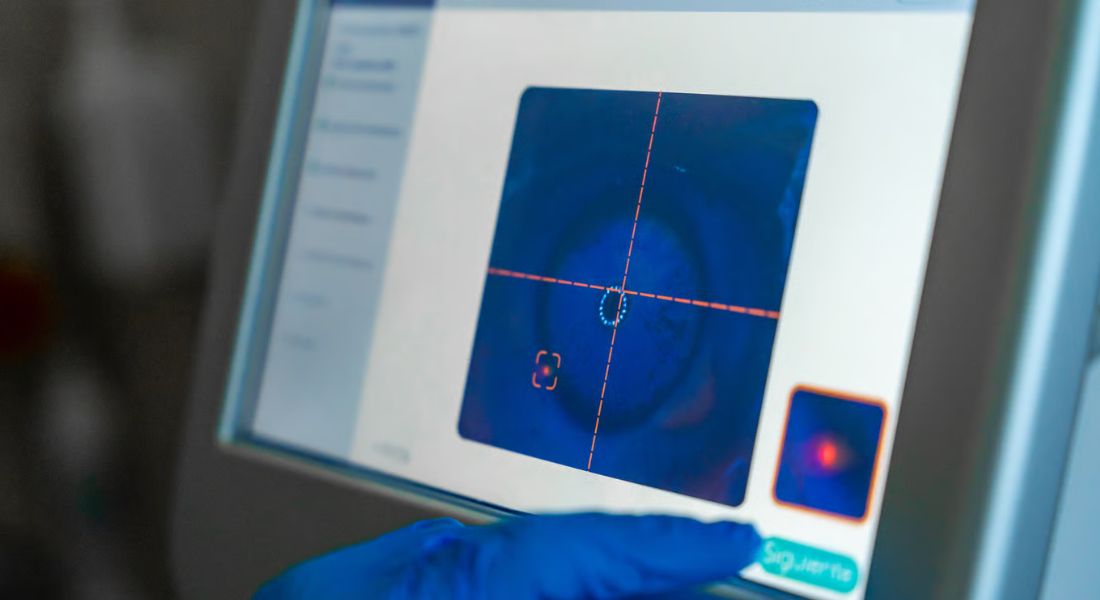
Modern LASIK machines now include advanced real-time eye tracking systems that monitor your eye movements continuously during the procedure. Even if your eye shifts slightly, the laser adjusts instantly to stay aligned with the correct treatment zone.
This is important because it means the procedure does not rely on you holding your eye perfectly still. Natural micro-movements, which are impossible to avoid completely, are automatically compensated for by the system.
As a result, the laser can deliver treatment with a very high level of accuracy under real surgical conditions, where small movements would otherwise affect precision. This helps maintain consistency and safety throughout the procedure.
For you, this is one of the most reassuring advancements in modern LASIK. It reduces the risk of misalignment and supports more accurate, predictable results, even when your eyes naturally move during surgery.
Improved Long-Term Stability of Results
Another important area of progress in LASIK is long-term stability. It’s no longer just about achieving good vision in the first few days or weeks after surgery, but about making sure those results remain consistent over many years.
Modern techniques use improved corneal modelling and more precise laser calibration to better match your eye’s natural shape and healing response. This helps reduce small variations in treatment that could otherwise affect long-term visual stability.
In simple terms, the goal is to create results that don’t just look good initially, but continue to hold steady over time as your eyes adapt and heal fully. This focus on stability is becoming a key part of modern refractive surgery planning.
For you, this is especially reassuring if you are younger and considering LASIK. It means the treatment is increasingly designed not only for immediate clarity, but also for maintaining reliable vision quality well into the future.
What This Means If You’re Considering LASIK
If you’re thinking about LASIK, all these advancements actually matter more than they might seem at first glance. You are not just choosing a procedure you are choosing a version of technology that continues to improve year after year.
What this really changes for you is the consultation process. A modern LASIK assessment is far more detailed than it used to be, and it takes into account advanced imaging, mapping systems, and suitability screening tools before any recommendation is made.
If you want to explore more clinical context, you can also look into options such as Lasik surgery in London for advanced vision correction, where newer techniques and updated surgical planning approaches are increasingly being adopted.
Ultimately, for you, the key point is that LASIK today is not a static decision. It is a personalised choice shaped by rapidly evolving technology, careful assessment, and surgeon expertise working together to optimise your visual outcome.
The Future Direction of LASIK Technology
Looking ahead, I see LASIK becoming even more personalised, precise, and data-driven than it already is today. The overall direction of the field is clearly moving towards systems that combine artificial intelligence, real-time imaging, and predictive modelling in a more integrated way.
What this means in practical terms is that future LASIK planning may not rely on a single set of measurements, but on continuous analysis of multiple data points from your eye. This could help surgeons refine treatment plans even further before the procedure begins, improving both accuracy and consistency.
We are also moving towards a more “smart” surgical environment, where AI-supported systems help interpret outcomes from large numbers of previous cases. This allows patterns to be identified that can support more personalised decision-making for you as an individual patient.
Overall, this direction suggests that future LASIK may feel less like a standard procedure and more like a fully customised vision correction plan designed specifically around your eye structure and visual needs. For you, that means even greater potential for precision, safety, and long-term visual quality.
The Role of Surgeon Experience Still Matters
With all the advances in LASIK technology, it can be easy to assume that machines are now doing most of the work. However, one of the consistent themes discussed at the ESCRS Congress is that technology does not replace clinical judgement. While modern systems play a major role in improving precision, safety, and surgical planning, the surgeon remains responsible for interpreting scan results, assessing whether LASIK is suitable for a patient, and selecting the most appropriate treatment approach.
Even the most advanced systems can only provide data. It takes experience to understand how that data applies to your specific eyes, especially when balancing factors like corneal shape, prescription, and long-term visual goals.
So, while LASIK is becoming more technologically advanced, the human factor remains central. For you, this means the best outcomes come from a combination of modern tools and an experienced surgeon making careful, individualised decisions.
Why These Innovations Actually Matter to You
It’s easy to get overwhelmed by technical updates, devices, and surgical terminology, but the real focus behind all of these developments is simple: improving your outcomes. Whether it’s new laser technology, better diagnostics, or refined surgical planning, each innovation is designed to make LASIK more reliable and more closely tailored to your individual eyes.
- Improving Safety: Advances in technology and surgical technique aim to reduce the risk of complications and support better decision-making before, during, and after your treatment.
- Enhancing Comfort: Modern systems and refined procedures are designed to make your experience smoother and less stressful, both during surgery and throughout recovery.
- Increasing Precision: Better imaging, planning tools, and laser systems allow surgeons to treat your eye with greater accuracy, helping to improve overall visual outcomes.
- Improving Predictability: With more advanced diagnostics and treatment planning, results are becoming more consistent and easier to anticipate for suitable patients.
All of these innovations ultimately serve one purpose: to improve how LASIK is delivered and experienced for you as a patient. While the technology may seem complex, the goal remains straightforward safer procedures, better comfort, more precise correction, and more predictable outcomes. Modern LASIK is increasingly about careful personalisation and evidence-based decision-making rather than a one-size-fits-all approach.
FAQs:
- Is LASIK technology still improving today?
Yes, LASIK technology continues to evolve through advances in laser precision, corneal mapping, eye tracking systems, and personalised treatment planning. Meetings such as the European Society of Cataract and Refractive Surgeons Congress regularly highlight innovations aimed at improving safety, comfort, and visual outcomes for patients. - What is the biggest recent advancement in LASIK?
One of the most significant developments is the improvement in personalised treatment planning through wavefront-guided and topography-guided LASIK. These technologies allow surgeons to tailor treatment more precisely to your individual eye structure and visual characteristics. - Does modern LASIK reduce the risk of glare and halos?
Modern LASIK systems are better at addressing visual quality issues such as glare, halos, and starbursts, particularly in low-light conditions. Advanced corneal mapping and customised laser treatments help improve night vision performance for many suitable patients. - How does artificial intelligence help in LASIK surgery?
Artificial intelligence is increasingly used to assist with LASIK planning by analysing large datasets from previous procedures. AI-supported systems help identify patterns and improve treatment accuracy, although the surgeon still makes all final clinical decisions. - Is LASIK safer now than it was years ago?
Modern LASIK is generally considered more refined and predictable than earlier generations of the procedure. Advances in screening, flap creation, laser delivery, and eye tracking technology have all contributed to improved safety and consistency for suitable patients. - What is topography-guided LASIK?
Topography-guided LASIK uses a highly detailed map of your cornea’s surface to guide laser treatment. Instead of only correcting your prescription, it also addresses subtle corneal irregularities that may affect visual quality. - Can modern LASIK improve recovery time?
Newer laser systems and refined surgical techniques are designed to support smoother healing and faster visual recovery. Improvements in laser energy delivery and flap precision can help reduce inflammation and improve postoperative comfort. - Why is preoperative screening so important before LASIK?
Modern LASIK screening helps identify whether your eyes are suitable for treatment. Advanced imaging and tear film analysis can detect issues such as corneal weakness or dry eye disease before surgery, helping improve safety and long-term outcomes. - Are flapless LASIK alternatives becoming more popular?
Surface-based and flapless procedures continue to evolve alongside LASIK. In some patients, these alternatives may offer better suitability depending on corneal thickness, lifestyle, or overall eye health. Surgeons increasingly personalise procedure selection based on individual eye characteristics. - Does surgeon experience still matter with advanced LASIK technology?
Yes, surgeon experience remains extremely important. While modern LASIK technology improves precision and planning, experienced clinical judgement is still essential for interpreting scans, selecting suitable patients, and achieving the safest and most effective outcomes.
Final Thoughts on the Future of LASIK Technology
LASIK technology is continuing to evolve in ways that are making treatment safer, more precise, and increasingly personalised for patients. Advances discussed at the ESCRS Congress highlight how modern refractive surgery now focuses not only on correcting your prescription, but also on improving overall visual quality, comfort, and long-term stability. From enhanced corneal mapping and wavefront-guided treatment to AI-supported planning and better dry eye management, these developments are helping surgeons tailor LASIK more closely to your individual eye structure and visual needs.
What this means for you is that LASIK today is far more sophisticated than earlier generations of the procedure. Careful screening, refined surgical planning, and advanced laser systems are all working together to improve predictability and patient experience. If you’re considering exploring modern approaches to advanced vision correction, learning more about Lasik surgery in London can help you better understand the options available today. If you’d like to find out whether lasik surgery in London is suitable for you, feel free to contact us at Eye Clinic London to arrange a consultation.
References:
- Reinstein, D.Z., Archer, T.J. and Randleman, J.B., 2013. Mathematical model to compare the relative tensile strength of the cornea after PRK, LASIK, and small incision lenticule extraction. Journal of Refractive Surgery, 29(7), pp.454–460. Available at: https://pubmed.ncbi.nlm.nih.gov/23820227/
- Lu, L. and Manche, E., 2025. Prospective, randomized, contralateral eye comparison of wavefront-guided and topography-guided LASIK. Journal of Cataract & Refractive Surgery, 51(10), pp.889–894. https://pmc.ncbi.nlm.nih.gov/articles/PMC12447821/
- Schallhorn, S.C. et al., 2021. Wavefront-guided and Wavefront-optimized LASIK: Visual and Military Task Performance Outcomes. Military Medicine, 186(7-8), pp.e 714–e721. Available at: https://academic.oup.com/milmed/article/186/7-8/e714/5997695
- Brunson, P.B., Mann, P.M. and Hall, B., 2025. Patient Reported Visual Outcomes, Dry Eye Symptoms, and Satisfaction Following Topography-Guided LASIK. Clinical Ophthalmology, 19, pp.3363–3369. Available at: https://pmc.ncbi.nlm.nih.gov/articles/PMC12439825/
- Khoramnia, R. et al., 2025. Prospective Intraindividual Comparison of Automated Customized Ray-Tracing–Guided versus Wavefront-Optimized LASIK. Ophthalmology, 132(10), pp.1169–1179. Available at: https://www.sciencedirect.com/science/article/pii/S0161642025003410