


What Was Discussed About LASIK at the British Society of Refractive Surgery Annual Meeting?

The British Society for Refractive Surgery (BSRS) Annual Meeting is an important UK event for surgeons and specialists involved in vision correction. It brings together experts who discuss refractive surgery, corneal assessment, laser technology, surgical complications, patient selection, and the future direction of treatment standards.
The 2025 BSRS Annual Scientific Congress was held in Oxford on 21–22 June 2025. The society describes its annual conference as an opportunity for specialists to share knowledge, research, and best practice with colleagues from around the world.
For you as a patient, discussions at meetings like this are important because successful LASIK depends on much more than the laser itself. Good outcomes are strongly linked to careful screening, accurate measurements, honest clinical advice, and choosing the most appropriate procedure for your specific eyes.
These meetings also help surgeons stay updated with the latest evidence, evolving technologies, and long-term outcome data. Over time, that shared knowledge influences how LASIK is performed in everyday clinics and helps improve safety, precision, and patient care standards.
Why BSRS Matters for LASIK Care
The British Society for Refractive Surgery is a specialist forum for professionals involved in refractive eye surgery. The society explains that its members aim to provide a comprehensive and high-quality service across all stages of refractive care, from patient assessment through to treatment outcomes and aftercare.
This is important for you because LASIK is not simply a technical laser procedure. Your full patient journey includes consultation, detailed diagnostic testing, suitability screening, treatment planning, surgery, healing, follow-up care, and managing expectations about results and recovery.
When UK refractive surgeons meet through organisations like the British Society for Refractive Surgery and share their experience, research, and clinical outcomes, it helps improve how LASIK is both performed and explained to patients. Discussions around safety, complication management, technology, and patient selection can directly influence standards of care in everyday clinical practice.
For you as a patient, that means the advice and treatment you receive are more likely to reflect current evidence, modern technology, and shared clinical expertise rather than isolated individual practice alone.
Patient Assessment Before LASIK

One of the most important LASIK-related topics discussed at refractive surgery meetings is patient assessment. Before LASIK is recommended, the surgeon needs to decide whether your eyes are genuinely suitable for the procedure and whether treatment can be performed safely.
This involves much more than checking your prescription. Your surgeon will usually assess corneal thickness, corneal shape, dry eye risk, pupil size, overall eye health, and your visual expectations after surgery. Advanced imaging and mapping systems are also used to identify subtle issues that could affect safety or long-term visual outcomes.
If anything suggests LASIK may not be the best option for you, another treatment approach may be discussed instead. For you as a patient, this is important because the safest LASIK outcomes often begin with careful patient selection and honest clinical judgement before surgery ever takes place.
Corneal Tomography and LASIK Safety
Corneal tomography is highly relevant to LASIK because it helps surgeons assess the deeper structure, thickness, and shape of your cornea in much greater detail. The 2025 BSRS programme included discussions around corneal tomography and keratoconus progression cut-offs, which are closely linked to refractive surgery safety.
This matters because LASIK works by reshaping the cornea. If your cornea is unstable, too thin, or showing early signs of conditions such as keratoconus, LASIK may not be considered safe or appropriate. Modern tomography scans help detect subtle abnormalities that standard eye tests may miss.
For you as a patient, these scans are far more than routine measurements. They are important safety checks designed to protect your long-term vision and help ensure that laser surgery is only performed when the cornea is healthy and stable enough for treatment.
Screening for Keratoconus Before LASIK
Keratoconus is a condition where the cornea gradually becomes thinner and develops a more irregular shape over time. It is one of the most important conditions surgeons need to rule out before recommending LASIK because an unstable cornea can increase the risk of complications after laser treatment.
The 2025 programme from the British Society for Refractive Surgery included several keratoconus-related topics, including AI for diagnosis and progression detection, CAIRS for keratoconus, and therapeutic refractive surgery approaches. While these discussions are not all directly about LASIK itself, they are highly relevant to refractive surgery safety and patient screening.
For you as a patient, this matters because careful keratoconus detection helps identify people who may not be suitable for corneal laser surgery. Advanced scans and modern diagnostic tools are designed to detect even early or subtle signs of corneal instability before treatment is considered.
In simple terms, these assessments are about protecting your long-term vision. Good LASIK care is not only about performing surgery well, but also about recognising when surgery may not be the safest option for your eyes.
AI in Refractive Surgery Screening
Artificial intelligence is becoming an increasingly important topic in refractive surgery discussions. At the BSRS 2025 conference, AI for diagnosis of keratoconus and progression was included as part of the programme, highlighting growing interest in how AI can support safer refractive surgery assessment.
For LASIK, AI may help surgeons analyse scan patterns, detect subtle corneal abnormalities, and identify early warning signs that could affect whether your eyes are suitable for treatment. These systems are designed to support more detailed and data-driven screening before surgery takes place.
However, AI is not meant to replace the surgeon. Clinical judgement and experience still remain essential. For you as a patient, the best use of AI is as an additional layer of information that helps improve safety and supports more careful decision-making during assessment.
LASIK and Corneal Stability
Corneal stability is one of the biggest safety considerations in LASIK because your cornea needs to be strong and healthy enough to tolerate reshaping safely. Modern refractive surgery discussions place major emphasis on identifying signs that the cornea may not be suitable for laser treatment.
If you have early Keratoconus, suspicious tomography findings, an unstable prescription, or inadequate corneal thickness, LASIK may not be the safest option for you. This is why surgeons carefully review scan results and stability measurements before recommending treatment.
For you as a patient, a good LASIK consultation should feel detailed rather than rushed. Careful assessment is an important part of protecting your long-term vision and ensuring surgery is only recommended when your cornea appears stable and suitable.
Therapeutic Laser Discussions
The 2025 programme from the British Society for Refractive Surgery included the Oxford Medal Lecture on correcting refractive complications with therapeutic laser treatment. This highlights that refractive surgery meetings do not focus only on standard LASIK procedures, but also on managing more complex corneal and visual problems.
These discussions are important because some patients may develop irregularities, visual disturbances, or complications from previous eye surgery that require highly specialised laser management. Therapeutic laser approaches can sometimes help improve corneal shape, visual quality, or overall eye comfort in selected cases.
For you as a patient, this shows that refractive laser expertise extends beyond primary vision correction alone. Modern laser technology is also being used to manage difficult and complicated cases, reflecting how advanced and specialised refractive eye care has become.
Managing Refractive Complications
Managing complications is an essential part of modern LASIK education and refractive surgery training. Although careful screening and advanced technology have improved safety, no surgical procedure is completely free from risk. Surgeons therefore need to understand not only how to perform LASIK well, but also how to recognise, assess, and manage unexpected healing responses or visual symptoms when they occur.
- Recognising Different Types of Complications: Potential issues after LASIK may include undercorrection, overcorrection, glare, halos, dry eye, epithelial ingrowth, flap-related problems, or dissatisfaction with visual quality. Early recognition is important for timely management and better outcomes.
- Learning From Complex Cases: Conference discussions, including those at the British Society for Refractive Surgery, often include presentations of difficult or unusual cases. These sessions allow surgeons to share practical experiences and discuss how complications were investigated and treated.
- Improving Future Decision-Making: Reviewing complications helps surgeons refine patient selection, treatment planning, and postoperative care strategies. This reduces the likelihood of similar issues occurring in future patients.
- Supporting More Realistic Patient Care: Education around complications also improves communication with you as a patient. Surgeons can provide more balanced counselling about risks, recovery expectations, and the possibility of needing enhancement procedures or additional management.
Complication management is a vital part of responsible LASIK practice and ongoing surgical education. Conferences and specialist discussions help surgeons learn from real-world experiences and continuously improve clinical judgement. This type of learning supports safer procedures, more thoughtful planning, and more realistic patient counselling. For you as a patient, it means refractive surgery is approached with both technical skill and a strong understanding of long-term care and problem-solving.
LASIK and Dry Eye Risk
Dry eye is one of the most common concerns associated with LASIK. Some patients already have dry eye symptoms before surgery, while others may experience temporary dryness as part of the normal healing process after treatment.
At refractive surgery meetings, including discussions within the British Society for Refractive Surgery, specialists often talk about how to assess tear film quality, eyelid health, contact lens history, and overall ocular surface comfort before recommending LASIK. If dry eye is already present, it may need to be treated and stabilised before surgery is considered appropriate.
For you as a patient, this is important because successful LASIK is not only about achieving sharp vision. Comfortable, stable vision and good ocular surface health are also essential parts of a good long-term result.
Quality of Vision After LASIK
LASIK success is not only measured by whether you can read an eye chart clearly. Patients also care about practical, everyday visual experiences such as night driving, screen use, glare, haloes, contrast sensitivity, and how natural their vision feels after surgery.
Modern LASIK discussions increasingly focus on this broader concept of “quality of vision.” This includes careful optical zone planning, accurate laser centration, wavefront assessment, and understanding how each eye may respond differently to treatment under real-world conditions.
For you as a patient, this means LASIK planning is becoming more personalised and focused on real-life visual quality rather than simply correcting prescription numbers alone.
LASIK Compared with Other Refractive Options
Specialist refractive meetings such as those organised by the British Society for Refractive Surgery do not usually focus on LASIK alone. Modern refractive surgery includes a range of different procedures, and an important part of surgeon education is understanding how to choose the most appropriate option for you as a patient. LASIK is therefore often discussed alongside procedures such as PRK, SMILE, implantable lenses, refractive lens exchange, and therapeutic corneal treatments.
- Different Procedures Suit Different Eyes: Not every patient is an ideal candidate for LASIK. Factors such as corneal thickness, prescription strength, dry eye risk, age, occupation, and lifestyle can all influence which procedure may be safest and most effective for you.
- Surface Laser Procedures May Be Better for Some Patients: Procedures such as PRK may sometimes be preferred when preserving more corneal tissue is important or when flap creation is less suitable.
- Lens-Based Options Can Be More Appropriate in Certain Cases: Some patients, particularly those with higher prescriptions or age-related lens changes, may benefit more from implantable lenses or refractive lens exchange rather than corneal laser surgery.
- Comparison Helps Surgeons Make Better Decisions: Conference discussions allow surgeons to compare outcomes, risks, healing patterns, visual quality, and long-term considerations across different procedures. This helps improve personalised treatment planning.
Modern refractive surgery is not about recommending one procedure for everyone. A good refractive surgeon should assess your eyes carefully, explain the advantages and limitations of each option, and recommend the treatment that best suits your individual situation. Educational meetings such as those held by the British Society for Refractive Surgery support this broader and more patient-focused approach to refractive care.
The Role of Surgeon Experience
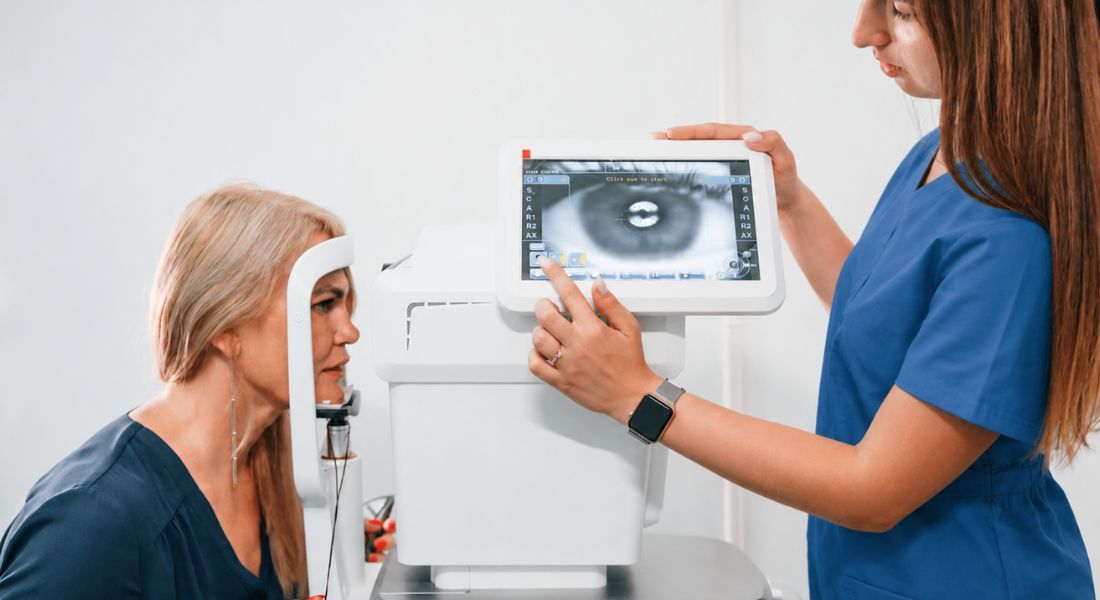
Technology plays a major role in modern LASIK, but surgeon experience remains absolutely essential. Even with advanced lasers, AI-supported planning systems, and highly detailed corneal imaging, successful refractive surgery still depends heavily on clinical judgement and careful decision-making.
LASIK planning involves much more than entering measurements into a machine. The surgeon still needs to interpret scan results, assess corneal stability, evaluate dry eye risk, understand visual expectations, and decide whether surgery is genuinely appropriate for your eyes. Experienced surgeons also recognise when not to operate or when another procedure may be safer and more suitable.
The British Society for Refractive Surgery (BSRS) describes its annual conference as a place for gaining knowledge and best practice from specialists around the world. For you as a patient, this is important because ongoing surgeon education and shared professional learning can directly support safer treatment planning, better advice, and higher standards of LASIK care.
Live Demonstrations and Practical Learning
The British Society for Refractive Surgery has described its conference environment as including expert education, collaboration, and practical learning opportunities, with references to live demonstrations and CPD sessions planned for the 2026 conference. This reflects the society’s focus on combining scientific discussion with practical clinical education.
This type of format is particularly valuable because refractive surgery is both highly technical and highly practical. Surgeons need to understand evolving research and technology, but they also need to continually refine surgical technique, patient assessment, complication management, and clinical decision-making.
For you as a patient, practical learning helps bridge the gap between conference discussions and real-world care. Shared surgical experience and hands-on education can contribute to safer procedures, better judgement, and more consistent standards in everyday LASIK practice.
Refractive Surgery Collaboration
The British Society for Refractive Surgery Annual Conference gives refractive surgeons, cornea specialists, researchers, and industry partners an opportunity to collaborate and share experience. The society has highlighted the importance of connecting with colleagues and technology partners to support ongoing learning and professional development.
This matters because refractive surgery continues to evolve through a combination of clinical experience, scientific research, and advances in technology. Surgeons need to understand which new developments are genuinely beneficial, which techniques improve patient outcomes, and which areas still require stronger evidence before becoming routine practice.
For you as a patient, this type of collaboration can help improve standards across the field. Shared learning and open discussion contribute to safer treatment planning, more informed decision-making, and continued improvement in LASIK care and refractive surgery outcomes.
LASIK Technology Updates
LASIK technology continues to improve through advances in femtosecond lasers, excimer lasers, eye-tracking systems, diagnostic imaging, and customised treatment planning. Meetings organised by the British Society for Refractive Surgery give specialists an opportunity to compare these developments, discuss clinical evidence, and evaluate how newer technologies should be used safely in real-world practice.
At the same time, new technology should not be adopted simply because it is newer or more advanced. The key question is whether it provides meaningful benefits for you as a patient, such as improving treatment accuracy, enhancing safety, supporting better patient selection, reducing complications, or improving overall visual quality after surgery.
For you as a patient, this is important because the best LASIK care combines modern technology with careful clinical judgement. Advanced equipment can support precision and planning, but your surgeon’s assessment, experience, and decision-making still remain essential parts of safe and effective refractive surgery.
Patient Communication and Consent

Good LASIK care depends heavily on clear communication between you and your surgeon. Before making a decision, you need to understand the likely benefits of treatment, the possible risks and limitations, the recovery process, and the alternative options that may also be available.
Conference-based learning and professional discussions, including those organised by the British Society for Refractive Surgery, often reinforce the importance of honest consent and realistic expectations. LASIK may significantly reduce your dependence on glasses or contact lenses, but it does not guarantee perfect vision in every situation or remove the possibility of future visual changes over time.
For you as a patient, clear explanation and open discussion are extremely important. When you properly understand the treatment, recovery, and potential outcomes, it becomes easier to make calm, informed, and confident decisions about whether LASIK is the right choice for your eyes.
Aftercare and Follow-Up
Aftercare is an important part of LASIK safety and long-term visual outcomes. Follow-up appointments allow your clinic to monitor healing, assess vision quality, evaluate dryness, and identify any symptoms or concerns that may require further attention during recovery.
A high-quality refractive service should never treat surgery as the final step in the process. The recovery period is equally important because it helps confirm that your eyes are healing properly and that your visual result is developing as expected over time.
For you as a patient, this is why the British Society for Refractive Surgery focus on care from initial assessment through to aftercare is so relevant. Good LASIK care involves not only the procedure itself, but also careful follow-up, ongoing support, and close attention to your recovery after surgery.
What BSRS LASIK Discussions Mean for Patients
For you as a patient, one of the biggest messages from discussions organised by the British Society for Refractive Surgery is that safe refractive surgery should be careful, personalised, and based on evidence rather than marketing alone. The right treatment depends on factors such as your eye health, corneal scans, lifestyle needs, and long-term visual expectations.
If you are considering LASIK surgery in London, it is worth choosing a clinic that takes screening, corneal health assessment, dry eye evaluation, and follow-up care seriously. A detailed consultation is often a sign that the clinic is focusing on safety and suitability rather than simply offering surgery as quickly as possible.
Ultimately, a good LASIK consultation should help you understand whether treatment is genuinely right for you, not just whether it is available. The goal of modern refractive care is not only to improve vision, but also to support safe decision-making and long-term visual quality.
The Future of LASIK in UK Refractive Surgery
The future of LASIK in the UK is likely to be shaped by continued improvements in diagnostics, AI-supported screening, more personalised treatment planning, and ongoing comparison with alternative refractive procedures. Rather than relying on a single standard approach, care is increasingly moving towards tailoring decisions more precisely to your eyes, visual needs, and lifestyle.
Meetings organised by the British Society for Refractive Surgery play an important role in this process by bringing surgeons together to review new evidence, discuss evolving technologies, and share real clinical experience. This helps ensure that changes in refractive surgery are adopted carefully, with a focus on safety, effectiveness, and real-world patient outcomes rather than speed of implementation.
For you as a patient, this direction means the future of LASIK is becoming more personalised rather than more rushed. The emphasis is shifting towards careful assessment, better patient selection, and more refined treatment planning to improve both safety and long-term visual quality.
FAQs:
- What is the BSRS Annual Meeting and why is it important for LASIK?
The British Society for Refractive Surgery (BSRS) Annual Meeting is a UK-based conference where eye surgeons and specialists share the latest research, surgical techniques, and safety updates. It helps improve how LASIK is performed in everyday clinical practice. - Why are conferences like BSRS relevant to patients considering LASIK?
They ensure surgeons stay updated with modern evidence, safety standards, and technology. This directly improves patient selection, surgical planning, and long-term outcomes for LASIK. - What is the most important topic discussed about LASIK at BSRS?
A major focus is patient safety through better screening. This includes advanced corneal scans, tomography, and assessment tools to ensure LASIK is only performed when appropriate. - How does BSRS improve LASIK safety?
It promotes shared learning on complications, corneal assessment, and surgical techniques. This helps surgeons refine decision-making and reduce risks such as poor healing or unsuitable patient selection. - What role does corneal tomography play in LASIK decisions?
Corneal tomography helps detect early signs of conditions like keratoconus and assesses corneal thickness and shape in detail. This ensures LASIK is only performed on stable and healthy corneas. - Is keratoconus always a reason to avoid LASIK?
Yes, in most cases. If keratoconus or early signs of corneal instability are detected, LASIK is usually not recommended due to increased risk of complications. - How is AI being used in LASIK planning and screening?
AI is being explored to help analyse corneal scans and detect subtle abnormalities. It supports surgeons in decision-making but does not replace clinical judgement. - What alternatives to LASIK are discussed at BSRS meetings?
Alternatives include PRK, SMILE, implantable contact lenses, refractive lens exchange, and therapeutic corneal procedures. The choice depends on your eye health and suitability. - Why is dry eye important in LASIK assessment?
Dry eye can affect healing and visual comfort after surgery. BSRS discussions highlight the importance of identifying and treating dry eye before recommending LASIK. - Does surgeon experience still matter with modern LASIK technology?
Yes. Even with advanced lasers and AI tools, surgeon expertise is essential for interpreting scans, assessing suitability, and ensuring safe, personalised treatment decisions.
Final Thoughts: What BSRS Insights Mean for Your LASIK Journey
The discussions from the British Society for Refractive Surgery Annual Meeting highlight just how carefully modern LASIK is approached today. Rather than focusing only on surgical technology, the emphasis is strongly placed on patient safety, detailed screening, corneal health, and long-term visual stability. This means that successful outcomes depend on much more than the laser itself, with careful assessment and clinical judgement playing a central role in deciding whether LASIK is suitable for your eyes.
For you as a patient, this evolving approach is reassuring because it shows that refractive surgery is becoming increasingly personalised and evidence-based. With advances in corneal imaging, AI-supported screening, and improved understanding of conditions like dry eye and keratoconus, decisions around treatment are now more precise and cautious than ever before. If you’re considering lasik surgery in London and want to know if it’s the right option, you’re welcome to reach out to us at Eye Clinic London to book a consultation.
References:
- Randleman, J.B., Russell, B. and Ward, M.A., 2008. Risk factors and diagnosis of ectasia after LASIK. Journal of Cataract & Refractive Surgery, 34(3), pp.368–374. Available at: https://pmc.ncbi.nlm.nih.gov/articles/PMC8589911/
- Santhiago, M.R., Giacomin, N.T., Smadja, D. and Bechara, S.J., 2015. Ectasia risk factors in refractive surgery. Ophthalmology, 122(4), pp. 202–210. Available at: https://pubmed.ncbi.nlm.nih.gov/27143849/
- Alio, J.L. et al., 2021. Ectasia after corneal refractive surgery: a systematic review. Ophthalmology and Therapy. Available at: https://pmc.ncbi.nlm.nih.gov/articles/PMC8589911/
- Ljubimov, A.V. et al., 2024. Quantifying the impact of uneventful LASIK on the cornea: structural and optical changes. Available at: https://www.mdpi.com/2304-6732/11/4/315
- Ang, M., Mehta, J.S. and Chan, C., 2021. Artificial intelligence and machine learning in ophthalmology: applications in refractive surgery. Diagnostics, 11(11), 2037. Available at: https://pubmed.ncbi.nlm.nih.gov/34417707/