


Does Ethnicity Affect Laser Eye Surgery Outcomes?

If you are considering laser eye surgery such as LASIK, SMILE, or PRK, you may be wondering whether ethnicity has any impact on the outcome. These procedures are widely used to correct refractive errors and reduce dependence on glasses or contact lenses, and this question often comes up during consultation.
Current evidence shows that your visual outcomes, safety, and overall satisfaction are mainly determined by individual factors such as eye anatomy, corneal measurements, tear film health, and surgical technique. These personal characteristics play a far greater role than ethnicity in predicting results after surgery.
While research studies may identify general trends in anatomy or the prevalence of myopia in different populations, these are only statistical averages. They can be useful for research purposes, but they do not determine your personal suitability or surgical success.
What matters most is a detailed, individual assessment before surgery. Your treatment plan is always based on your specific eye measurements and visual needs, ensuring that the procedure is tailored to achieve the safest and most accurate outcome for you.
What Is Laser Eye Surgery?
If you are considering laser eye surgery, it helps to understand how the procedure works. Laser eye surgery reshapes the cornea so that light focuses more accurately on the retina, improving overall vision clarity.
LASIK involves creating a thin flap in the cornea and then reshaping the underlying tissue. SMILE uses a small incision to remove a lenticule of corneal tissue without creating a flap. PRK works by removing the outer surface layer of the cornea before reshaping it with a laser.
The aim of all these procedures is to provide clearer vision and reduce or eliminate your dependence on glasses or contact lenses. The most suitable option for you depends on your eye health, prescription, and corneal characteristics.
Why Ethnicity Is Studied
If you are reading about laser eye surgery research, you may notice that ethnicity is sometimes studied to explore population-level trends in eye anatomy. This can include factors such as corneal curvature, anterior chamber depth, pupil size, and the prevalence of conditions like myopia or astigmatism.
These studies are useful for identifying broad statistical patterns, but they do not determine your individual suitability for surgery. The variation between individuals is much greater than the differences seen between population groups, which limits how much these averages can guide personal treatment decisions.
This is why your surgeon focuses on detailed, individual measurements rather than ethnicity. Personalised corneal imaging and refractive assessment provide a far more accurate basis for predicting surgical outcomes and ensuring safe, effective treatment tailored to your eyes.
Corneal Thickness and Shape
If you are considering laser eye surgery, corneal thickness and shape are key factors in determining whether the procedure is safe and suitable for you. This measurement helps guide how much tissue can be safely removed during treatment without compromising the structural strength of your cornea.
Some studies suggest there may be slight variations in average corneal thickness between ethnic groups, but these differences are far less important than your individual measurements. Your suitability is always based on your personal eye profile rather than broad classifications.
Preoperative corneal imaging is used to assess thickness, shape, and overall corneal health in detail. This ensures that the most appropriate procedure whether LASIK, SMILE, or PRK is selected safely and accurately, based entirely on your own eye anatomy.
Myopia Patterns
If you are considering laser eye surgery, it may help to understand that some populations, including certain Asian groups, have a higher prevalence of myopia. This can influence how commonly laser procedures are performed in these regions, particularly among younger patients.
If you have high myopia, your surgical planning needs to be more detailed to ensure that only a safe amount of corneal tissue is removed. This helps protect the structural integrity of the cornea while still achieving effective visual correction.
However, the most important factor is always your individual prescription and eye anatomy. Your suitability for surgery is based on detailed measurements rather than population trends, ensuring that your treatment is safe, accurate, and tailored specifically to your eyes.
Pupil Size Considerations
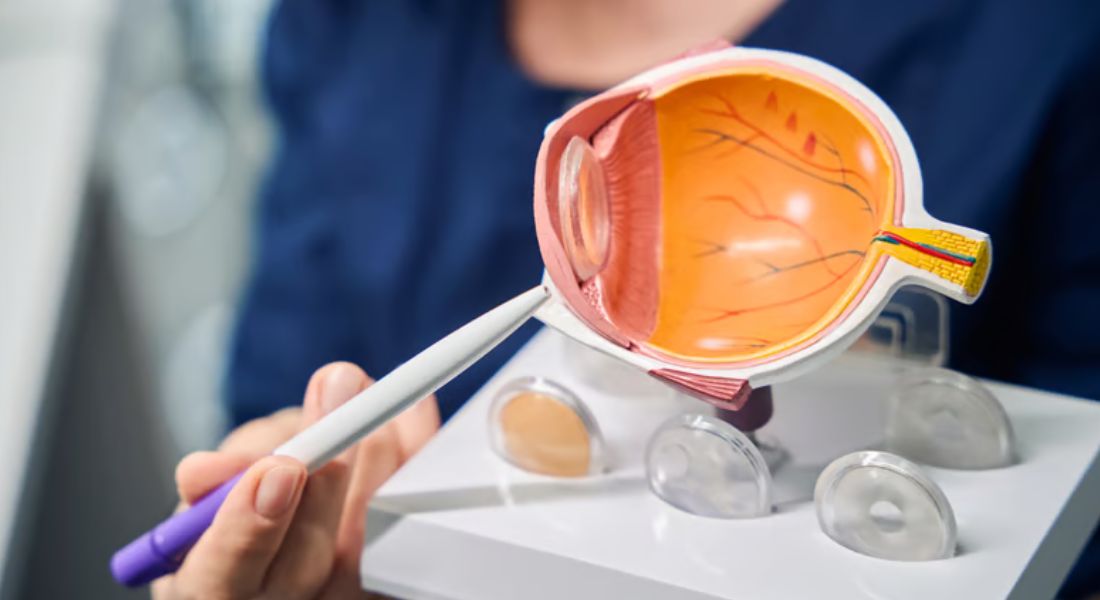
If you are considering laser eye surgery, pupil size is one of the factors assessed during your preoperative evaluation. It can vary between individuals, and in some cases, larger pupils may be associated with a higher likelihood of visual effects such as halos or glare, particularly in low-light conditions.
This does not mean you cannot have surgery, but it does help your surgeon understand how your eyes may respond after treatment. Careful measurement allows for more precise planning and selection of appropriate laser settings.
By evaluating pupil size alongside other eye measurements, your surgeon can tailor the procedure to reduce the risk of postoperative visual disturbances and support clearer, more comfortable vision in different lighting environments.
Anterior Chamber Depth
If you are considering laser eye surgery, anterior chamber depth (ACD) is one of the key measurements used to guide surgical planning. It influences how the eye responds biomechanically after corneal reshaping, and helps determine which procedure is most appropriate for you.
Although some general population trends have been observed, your individual ACD measurement is far more important than any broader pattern. This ensures that decisions are based on your specific eye anatomy rather than assumptions.
If your anterior chamber is shallower, your surgeon may adjust the treatment approach or recommend alternatives such as SMILE or implantable contact lenses (ICL). This personalised assessment helps maintain safety while ensuring the best possible visual outcome for your eyes.
Keratoconus and Corneal Stability
If you are considering laser eye surgery, screening for keratoconus and corneal stability is an essential part of your preoperative assessment. In some populations, keratoconus may be more common, which makes careful evaluation even more important before proceeding with treatment.
If there is any suspicion of corneal ectasia or an unstable cornea, laser eye surgery is usually not recommended, as it can increase the risk of complications and affect long-term visual outcomes. This is why detailed corneal imaging is always performed as part of the assessment process.
Careful screening ensures that only patients with stable and healthy corneas proceed to surgery, which is crucial for maintaining safety, achieving predictable results, and supporting good long-term visual stability.
Refractive Error Types
Your visual outcome after laser eye surgery mainly depends on the type and strength of your refractive error. Both myopia (short-sightedness) and hyperopia (long-sightedness) can be treated, but higher prescriptions need more detailed planning.
- Myopia Treatment: Laser surgery reshapes the cornea to correct short-sightedness and improve distance vision.
- Hyperopia Treatment: Long-sightedness can also be corrected, but may require more precise corneal adjustment.
- Higher Prescriptions Need Care: Stronger prescriptions require more careful planning to maintain corneal safety and accuracy.
- Corneal Characteristics Matter: Corneal thickness and shape are key factors in determining suitability.
- Individual Factors Over Ethnicity: Outcomes depend more on your eye measurements than your ethnic background.
Overall, refractive error type and severity are more important than ethnicity when planning laser eye surgery. Your surgeon focuses on your individual eye profile to achieve the safest and most accurate results.
Visual Outcomes
If you are considering laser eye surgery, studies across diverse populations show high rates of success in achieving good uncorrected visual acuity when the procedure is carefully planned and appropriately selected. Patient satisfaction is generally high when expectations are clearly managed before surgery.
Complications are uncommon and are usually linked to individual biomechanical factors, the natural healing response of the eye, or surgical technique, rather than ethnicity. This highlights the importance of detailed preoperative assessment in predicting outcomes.
When your treatment is tailored to your specific eye characteristics and visual needs, you are more likely to achieve stable, high-quality vision and a satisfactory long-term result. In many cases, this personalised approach also helps improve visual consistency across different lighting conditions, reduces the likelihood of postoperative visual disturbances, and supports a smoother overall recovery experience.
Risk of Postoperative Complications
If you are considering laser eye surgery, it is important to be aware that potential complications can include dry eye, under- or overcorrection, flap-related issues in LASIK, and visual disturbances such as halos or glare, particularly in low-light conditions.
These risks are carefully managed through detailed preoperative assessment, including corneal imaging and measurements that guide surgical planning. By tailoring the procedure to your individual eye characteristics, surgeons can significantly reduce the likelihood of complications.
Ethnicity is not considered a primary predictor of these risks. Instead, factors such as corneal thickness, tear film quality, refractive error, and overall eye health are more important in determining safety and outcome.
Dry Eye Considerations
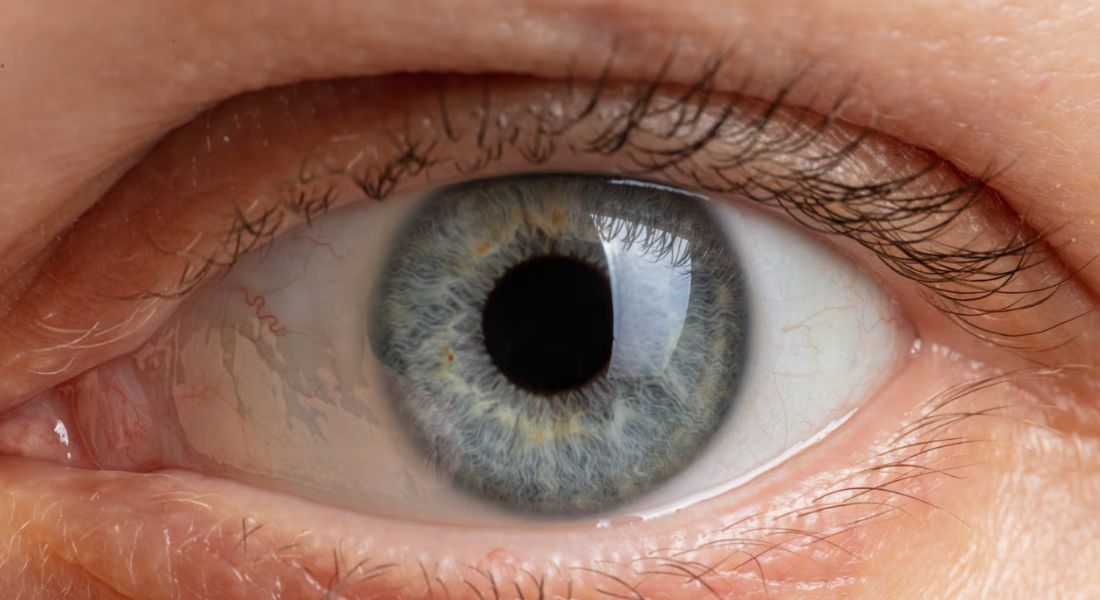
If you are considering laser eye surgery, dry eye symptoms can influence both comfort and visual quality after the procedure. Any existing issues with the ocular surface are usually assessed carefully before surgery so they can be managed in advance.
Pre-existing dry eye can affect how smoothly the eyes heal and how stable your vision feels during recovery. For this reason, treatment may be started before surgery to improve the health of the tear film and reduce symptoms afterwards.
Dry eye can occur in patients of any background, so careful evaluation is an essential part of preoperative planning. When identified early and managed appropriately, it helps support better comfort and more consistent visual outcomes after surgery.
Lifestyle and Visual Demands
If you are considering laser eye surgery, your lifestyle plays an important role in how satisfied you may feel with the results. Factors such as how much time you spend on screens, how often you drive, and the visual demands of your work can all influence what you expect from your vision after treatment.
These needs can vary depending on cultural and regional habits, which may shape how you define a “successful” outcome. For example, heavy screen use may increase the importance of clear intermediate vision, while frequent driving may place more emphasis on distance clarity and night vision.
When these lifestyle factors are taken into account during planning, it becomes easier to match the procedure and expectations to your daily routine. This personalised approach helps improve satisfaction and ensures your visual outcome is aligned with how you actually use your eyes.
Age-Related Factors
Age plays an important role in how your eyes heal and how your vision performs after laser eye surgery. It can also influence whether laser or lens-based procedures are more suitable for you.
- Healing Response: As you get older, corneal healing may be slower compared to younger patients.
- Visual Changes: Age can affect how stable and predictable your final vision outcome is.
- Presbyopia Consideration: If presbyopia is present, lens-based options may be more appropriate than laser surgery.
- Procedure Planning: Laser treatment settings may be adjusted depending on your age and eye condition.
- Outcome Prediction: Age is often a stronger predictor of results than ethnicity.
Overall, age is a key factor in deciding the most suitable vision correction approach. Your surgeon will consider your age alongside your eye measurements to plan the safest and most effective treatment for you.
SMILE vs LASIK vs PRK
If you are comparing SMILE, LASIK, and PRK, procedure choice is mainly guided by your individual eye anatomy, corneal thickness, and refractive error rather than any external factors. SMILE is often preferred for higher myopia because it preserves more corneal biomechanics and avoids a flap.
LASIK may be recommended if you are looking for faster visual recovery, although it does involve creating a corneal flap, which can be an important consideration depending on corneal shape and thickness. PRK is usually chosen when the cornea is thinner, as it avoids flap creation entirely, though recovery tends to be slower.
Ethnic background does not determine which procedure is suitable for you. Instead, your prescription, corneal measurements, and overall eye health guide the decision to ensure the safest and most effective outcome.
Preoperative Imaging and Measurement
If you are considering laser eye surgery, preoperative imaging and measurement play a central role in planning your treatment. Advanced diagnostic tools such as corneal topography, tomography, and optical coherence tomography are used to build a detailed map of your eye structure before any procedure is carried out.
These measurements help your surgeon assess corneal shape, thickness, and overall eye health with a high level of precision. This allows your treatment plan to be tailored to your individual eye characteristics, improving both safety and accuracy.
Accurate preoperative data also helps predict visual outcomes more reliably and reduces the risk of complications. This level of precision is based on your unique eye measurements rather than ethnicity, ensuring that your treatment is fully personalised to your needs.
Patient Education and Expectation Management

Preoperative counselling helps ensure that you have realistic expectations about recovery, visual outcomes, and possible side effects after laser eye surgery. You are guided through what the procedure can achieve, what the healing process may feel like, and how your vision may change during recovery.
Clear communication plays a key role in satisfaction, as it helps you understand both the benefits and limitations of the procedure before making a decision. This applies regardless of cultural or ethnic background, ensuring that information is relevant and easy to understand for every patient.
When expectations are managed well and discussed openly, you are more likely to feel confident about your decision and satisfied with your long-term visual outcome. It also helps reduce uncertainty during recovery, improves adherence to postoperative advice, and supports a smoother adjustment to your new vision over time.
Long-Term Outcomes
Long-term studies show that laser eye surgery generally provides stable and high-quality visual outcomes across diverse populations when proper assessment and surgical techniques are used. Results tend to remain consistent over time, especially when patients are carefully selected before treatment.
Complication rates are low overall, particularly in cases where preoperative screening is thorough and the most suitable procedure is chosen for your eye health. Most patients achieve a significant reduction in their dependence on glasses or contact lenses, with many gaining long-term visual freedom.
With appropriate follow-up care and realistic expectations set before surgery, outcomes are typically both safe and satisfying, supporting good vision quality over many years. In many cases, you can also expect gradual visual stabilisation during the healing period, with continued clarity and comfort improving as the eyes fully adapt, leading to reliable long-term results and improved day-to-day visual independence.
When to Consider Laser Eye Surgery
If you are considering laser eye surgery, it may be suitable if your prescription is stable, corneal health is good, and expectations are realistic. These factors are important in determining whether the procedure is appropriate for you and whether you are likely to achieve the desired outcome.
A thorough preoperative assessment is always carried out to evaluate your eye health in detail and guide the choice of procedure and laser settings. This helps ensure that your treatment plan is tailored to your individual clinical findings.
If you are considering laser eye surgery in London, your consultation will focus on your eye anatomy, lifestyle needs, and visual goals rather than ethnicity. This personalised approach ensures that recommendations are based on what is safest and most suitable for your eyes.
FAQs:
- Does ethnicity affect laser eye surgery outcomes?
No. Current evidence shows that outcomes after LASIK, SMILE, and PRK are mainly determined by individual eye anatomy, corneal measurements, refractive error, and surgical technique rather than ethnicity. - Why do researchers study ethnicity in laser eye surgery?
Ethnicity is studied to understand population-level trends in eye anatomy and refractive error patterns, such as differences in myopia prevalence or corneal characteristics. However, these are statistical averages and are not used to determine individual surgical eligibility or outcomes. - Are there differences in corneal thickness between ethnic groups?
Some studies suggest small average variations in corneal thickness across populations, but the differences are minimal in clinical practice. Individual corneal imaging is far more important when deciding suitability for laser eye surgery. - Does having high myopia affect laser eye surgery results?
Yes, but only in terms of planning, not ethnicity. High myopia may require more corneal tissue reshaping, so surgeons carefully assess whether LASIK, SMILE, or alternative options are safest and most effective. - Is there a higher risk of complications in certain ethnic groups?
No. Complications such as dry eye, glare, or under-correction are linked to factors like corneal structure, tear film quality, and healing response—not ethnicity. Proper screening significantly reduces these risks for all patients. - Why is corneal screening so important before surgery?
Corneal screening helps detect irregularities such as keratoconus or thin corneas that could increase the risk of complications. Advanced imaging ensures that only suitable candidates proceed with surgery, improving safety and outcomes. - Do pupil size differences affect laser eye surgery outcomes?
Yes, but only at an individual level. Larger pupils may increase the likelihood of halos or glare in low light. Surgeons measure pupil size during assessment to customise treatment and minimise these effects. - How important is age compared to ethnicity in laser eye surgery results?
Age is far more important than ethnicity. Healing response, presence of presbyopia, and lens changes all influence outcomes. Older patients may also be better suited for lens-based procedures depending on their vision goals. - Can lifestyle affect satisfaction after laser eye surgery?
Yes. Daily activities such as screen use, driving habits, and occupational visual demands strongly influence how patients perceive their results. These factors are discussed during preoperative consultation to set realistic expectations. - Are visual outcomes consistent across different populations?
Yes. Studies show consistently high success rates across diverse populations when surgery is properly planned. Most patients achieve excellent visual acuity and reduced dependence on glasses or contact lenses.
Final Thoughts: Ethnicity and Individual Factors in Laser Eye Surgery Outcomes
Current research shows that ethnicity itself does not determine the success or safety of laser eye surgery. Instead, outcomes after procedures such as LASIK, SMILE, and PRK are shaped by individual factors including corneal thickness, refractive error, ocular surface health, and the precision of surgical planning. While population studies may highlight certain anatomical trends, personalised assessment remains the most important factor in achieving safe, effective, and predictable visual results for every patient. If you are exploring whether laser eye surgery in London could benefit you, get in touch with us at Eye Clinic London to schedule your consultation.
References:
- Taneri, S., Knepper, J., Rost, A. and Dick, H.B. (2022) Long-term outcomes of PRK, LASIK and SMILE. Available at: https://pubmed.ncbi.nlm.nih.gov/34241701/
- Guo, H., Hosseini-Moghaddam, S.M. and Hodge, W. (2019) Corneal biomechanical properties after SMILE versus LASIK: systematic review and meta-analysis. Available at: https://pmc.ncbi.nlm.nih.gov/articles/PMC6676534/
- Chang, J.Y., Lin, P.Y., Hsu, C.C. and Liu, C.J.L. (2022) Comparison of clinical outcomes of LASIK, Trans-PRK and SMILE for correction of myopia. Available at: https://pmc.ncbi.nlm.nih.gov/articles/PMC12755589/
- Sia, R.K. et al. (2020) Visual outcomes after SMILE from the first-year experience at a U.S. military refractive surgery center and comparison with PRK and LASIK outcomes. Available at: https://pubmed.ncbi.nlm.nih.gov/32271272/
- Alió, J.L., Soria, F., Abbouda, A. and Peña-García, P. (2023) Advances in transepithelial photorefractive keratectomy versus laser in situ keratomileusis in corneal refractive surgery. Available at: https://www.mdpi.com/2075-4418/14/5/481