


Can Anatomical Differences Between Ethnic Groups Affect Laser Eye Surgery?

Laser eye surgery is widely used to correct vision problems such as short-sightedness, long-sightedness, and astigmatism. If you are considering this procedure, you may already know that it works by reshaping the cornea so that light focuses correctly on the retina.
While the technology is highly advanced, treatment planning is not the same for everyone. You may find that surgeons take into account anatomical differences such as corneal thickness, curvature, and tear film stability when assessing suitability and planning treatment.
These variations can occur between individuals and may be seen across different ethnic groups, which is why careful evaluation is important. This does not mean one group is more or less suitable for surgery, but rather that your treatment needs to be tailored to your own eye structure to ensure safety and the best possible outcome.
Why Anatomy Matters in Laser Eye Surgery
Laser eye surgery relies on precise reshaping of the cornea to correct vision. If you are exploring this procedure, you may find that even small variations in corneal structure can influence how much tissue can be safely treated during surgery.
Because of this, detailed pre-operative measurements are essential. You will usually undergo a series of scans and tests that help assess whether your eyes are suitable for surgery and which type of procedure may be most appropriate for you.
Anatomy therefore plays a central role in treatment planning, as it directly affects both safety considerations and the potential outcomes of the procedure.
Corneal Thickness Variations
Corneal thickness is one of the most important factors in laser eye surgery. If you are being assessed for treatment, you may find that a thicker cornea can allow more flexibility in planning, while a thinner cornea may require a more conservative approach to ensure safety.
Some studies suggest there can be average variations in corneal thickness across different populations. However, you should not assume this determines suitability, as individual measurements are always far more important than generalised averages.
Surgeons rely on your personal scans rather than group-based assumptions when making decisions. This ensures that your treatment plan is based on your own eye structure and safety profile, rather than broad population trends.
Corneal Curvature Differences
The curvature of the cornea can vary from person to person, and if you are considering laser eye surgery, you may find that this directly affects how your vision is corrected. It influences how light is focused and how the reshaping process is planned during treatment.
Steeper or flatter corneas may require specific adjustments in the surgical design to ensure accurate and safe correction. These variations are carefully mapped during detailed pre-operative assessments, allowing surgeons to tailor the procedure to your individual eye shape.
Modern diagnostic technology enables highly precise measurement of corneal curvature, helping ensure that your treatment plan is based on accurate, personalised data rather than assumptions.
Tear Film and Eye Surface Health
If you’re considering laser eye surgery, the health of your tear film is an important factor that your specialist will assess. The tear film is a thin layer of moisture that sits on the surface of your eye, and it plays a key role in keeping your vision clear and your eyes comfortable. If this layer is unstable, it can affect how well your eyes respond to treatment and how smoothly you recover afterwards. For this reason, dry eye symptoms are carefully evaluated before surgery is planned.
- Tear Film Supports Clear Vision: Your tear film helps maintain a smooth optical surface on the eye. If it becomes unstable, you may notice blurred or fluctuating vision.
- Dry Eye Can Affect Treatment Suitability: If you have dry eye symptoms, your practitioner may assess this before recommending surgery. In some cases, it may need to be managed first.
- Recovery May Be Influenced by Eye Surface Health: A healthier tear film can support more comfortable healing after laser eye surgery. It may also reduce the risk of post-operative irritation.
- Pre-Surgical Assessment Is Essential: Your eye surface health is carefully checked as part of your consultation. This helps ensure your eyes are in the best possible condition for a safe and effective procedure.
Overall, tear film stability is a key part of laser eye surgery assessment. If you’re considering treatment, managing dry eye symptoms beforehand can help support better comfort and more predictable results. A thorough evaluation ensures your eye surface is healthy enough for surgery and recovery. This careful planning plays an important role in achieving stable and long-term visual outcomes.
Why Ethnic Variation Is Considered in Research
Research in ophthalmology has shown that some anatomical characteristics may vary across different populations, including aspects such as corneal shape, eyelid structure, and tear film behaviour. If you are reading about this topic, you may notice that these variations are often discussed in the context of understanding general trends in eye health.
However, modern clinical practice places far greater emphasis on individual assessment rather than assumptions based solely on ethnicity. You will typically find that surgeons rely on detailed scans and personal measurements to guide every decision about your suitability and treatment plan.
This approach ensures that you receive a fully tailored treatment plan based on your own eye anatomy, rather than broad generalisations.
Importance of Individual Eye Measurements
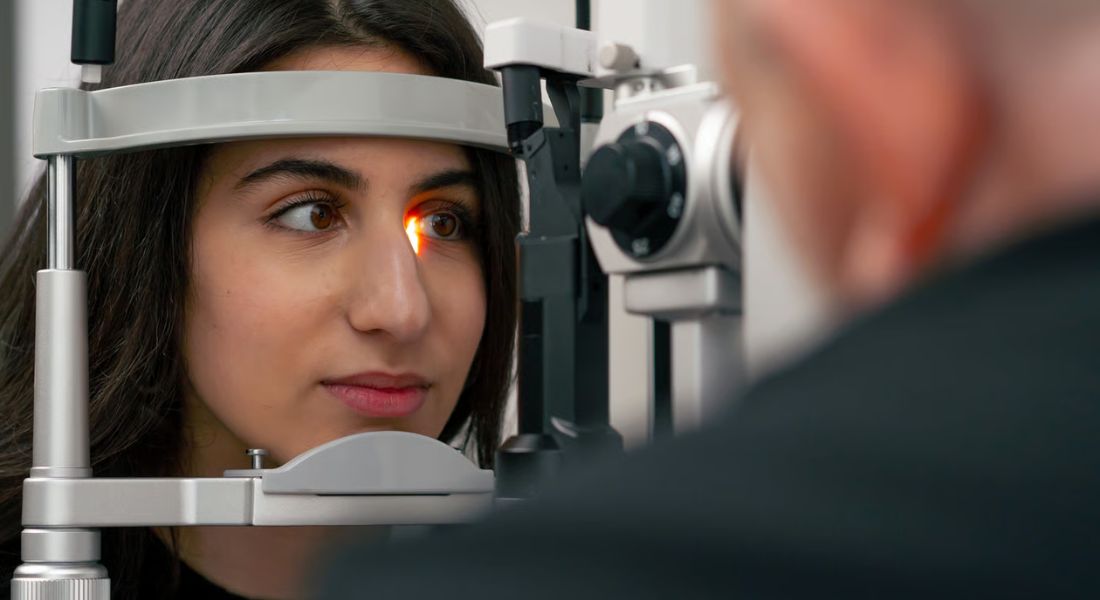
While population studies can offer useful insights, laser eye surgery decisions are always based on your individual eye measurements. If you are preparing for assessment, you may notice that advanced diagnostic tools are used to create highly detailed maps of each eye.
These scans help surgeons understand your unique corneal structure, curvature, and overall eye health. Based on this information, a personalised surgical plan can be designed specifically for your eyes rather than relying on general averages.
This approach improves both safety and accuracy, ensuring that your treatment is tailored to your own anatomy and provides the most reliable possible outcome.
Role of Pre-Operative Screening
Pre-operative screening is an essential step before any laser eye procedure. If you are considering surgery, you may go through a series of tests that measure corneal thickness, curvature, and overall eye health to build a complete picture of your suitability.
This screening process helps determine whether you are a good candidate for surgery and whether any adjustments are needed in your treatment plan. It can also identify risk factors that may mean alternative options are more appropriate for your eyes.
A thorough assessment is therefore a critical first step, as it ensures your treatment decision is based on accurate clinical information and supports both safety and effectiveness.
Different Types of Laser Eye Surgery
There are several types of laser eye surgery, including LASIK, LASEK, and SMILE. If you are exploring treatment options, you may find that each procedure interacts with the cornea in slightly different ways.
The choice of procedure often depends on your individual eye characteristics and anatomical factors such as corneal thickness, shape, and overall eye health. You may notice that some techniques are considered more suitable than others based on how your eyes are structured.
Surgeons select the most appropriate method after detailed analysis, ensuring that your treatment is tailored to your specific needs and offers the safest possible outcome.
How Surgeons Personalise Treatment Plans
Laser eye surgery is highly individualised, and if you are considering treatment, you may notice that surgeons take several factors into account when planning your procedure. These can include your prescription strength, corneal structure, and even your lifestyle needs.
This personalised approach helps ensure safer and more predictable outcomes, as your treatment is designed specifically around your eyes rather than a standard template. You may find that this level of detail plays a key role in achieving stable and accurate vision correction.
Because of these variations, no two treatment plans are exactly the same, with each one carefully tailored to suit your individual requirements and eye anatomy.
Importance of Corneal Mapping Technology
If you’re considering laser eye surgery, you may come across corneal mapping as part of your assessment. This technology creates detailed, three-dimensional maps of your cornea, giving your surgeon a clear picture of its shape, thickness, and overall structure. Even subtle variations that are not visible during a standard examination can be identified. This level of detail helps ensure your treatment is planned as safely and precisely as possible.
- Provides a Detailed View of Your Cornea: Corneal mapping gives a highly detailed image of the front surface of your eye. This helps identify small variations in shape and thickness.
- Detects Subtle Irregularities: You may not notice any issues yourself, but the mapping can reveal minor irregularities. These details are important for planning safe treatment.
- Supports Highly Precise Planning: Your surgeon can use this information to tailor the procedure specifically to your eye. This improves accuracy and treatment safety.
- Key Advancement in Modern Eye Surgery: Corneal mapping is considered one of the most important developments in refractive surgery. It has significantly improved how treatments are assessed and planned.
Overall, corneal mapping technology plays a crucial role in modern laser eye surgery. If you’re undergoing assessment, this detailed scanning helps ensure your eyes are thoroughly evaluated before treatment. By providing a precise understanding of your cornea, it allows your surgeon to plan a safer and more effective procedure. This careful approach supports better visual outcomes and long-term stability.
Safety Considerations in Treatment Planning
Safety is always the primary focus in laser eye surgery. If you are being assessed for treatment, you will find that anatomical differences are carefully evaluated to help reduce the risk of complications and ensure the procedure is appropriate for your eyes.
If you are not suitable for one type of procedure, alternative options may be considered based on your eye measurements and overall suitability. This ensures that your treatment plan remains flexible and tailored to your individual needs.
The goal is always to prioritise your long-term eye health, making sure that any decision supports both safe surgery and stable visual outcomes over time.
Dry Eye Risk After Surgery
Some patients may experience temporary dry eye symptoms after laser eye surgery. If you are being assessed, you may find that pre-existing tear film issues are carefully reviewed, as they can influence your risk of developing dryness during recovery.
Understanding your eye surface health before surgery helps set realistic expectations about healing and visual comfort. You may notice that this information is used to guide both your suitability and any preventative steps that can be taken.
This forms an important part of pre-operative evaluation, ensuring your treatment plan supports both safety and a smoother recovery process.
Healing and Recovery Variations
Healing responses can vary between individuals after laser eye surgery. If you are undergoing the procedure, you may notice that some people achieve clear, stable vision quite quickly, while others take a little longer for their vision to fully settle.
These differences are influenced by both biological factors, such as how your eyes naturally heal, and environmental factors like screen use, dryness, and daily habits during recovery. You may find that these elements can affect how quickly your vision stabilises.
Surgeons usually provide guidance based on typical healing patterns, helping you understand what to expect at each stage of your recovery and when your vision is likely to become more consistent.
Why Experience Matters in Refractive Surgery
Experience plays a major role in how diagnostic data is interpreted and how laser eye surgery is planned. If you are considering treatment, you may find that skilled surgeons are able to recognise subtle variations in your eye anatomy that are not always obvious in standard measurements.
This level of judgement helps them choose the safest and most effective treatment approach for your specific needs. You may notice that experienced practitioners are often more precise in tailoring procedures, which can make a meaningful difference to both safety and visual outcomes.
Expertise therefore contributes significantly to successful results, as it ensures that decisions are based not only on data, but also on clinical insight gained through experience.
Myths About Ethnicity and Eligibility
If you’re considering laser eye surgery, you may come across the idea that certain ethnic groups are not suitable for treatment. This is a common misconception and is not supported by modern clinical practice. In reality, your eligibility is not determined by ethnicity, but by the health and structure of your eyes. What matters most are your individual measurements, eye surface condition, and overall suitability for the procedure.
- Ethnicity Does Not Determine Eligibility: You might hear outdated beliefs suggesting that ethnicity affects whether you can have laser eye surgery. However, modern assessments are based entirely on clinical factors, not background.
- Individual Eye Health Is the Key Factor: Your suitability depends on detailed measurements of your eyes, including corneal shape, thickness, and overall eye health. These factors are unique to you.
- Personalised Assessment Is Essential: Every patient is evaluated individually to ensure the treatment is safe and appropriate. This personalised approach helps guide the best possible decision for your eyes.
- Modern Practice Is Fully Individual-Focused: Today’s laser eye surgery protocols are designed around individual variation rather than broad assumptions. This ensures fair and accurate treatment planning for everyone.
Overall, there is no ethnic restriction when it comes to laser eye surgery. If you’re considering treatment, your eligibility will be based on your specific eye health rather than any generalised category. This personalised approach ensures that decisions are made safely and appropriately for you. Modern ophthalmology focuses on individual assessment, helping you receive care that is tailored to your unique needs.
Advances in Laser Technology

Laser eye surgery technology continues to improve, offering greater precision and safety than ever before. If you are considering treatment, you may find that these advancements now allow surgeons to customise procedures more accurately to your individual eye measurements.
These improvements benefit patients with a wide range of anatomical variations, making surgery suitable for more people than in the past. You may notice that modern systems are designed to adapt more effectively to subtle differences in corneal shape and structure.
Ongoing innovation continues to improve outcomes, helping to make procedures safer, more predictable, and more personalised over time.
Importance of Realistic Expectations
If you are considering laser eye surgery, it is important to understand that the procedure is designed to improve vision, but it does not always guarantee perfect eyesight in every case. Your outcome can vary depending on factors such as your eye anatomy and how your body heals after treatment.
You may find that results differ slightly from person to person, even when the same procedure is performed, because each eye responds in its own way. This is why surgeons discuss likely outcomes with you in detail before surgery.
Having realistic expectations is important for long-term satisfaction, as it helps you understand what the procedure can and cannot achieve while still appreciating the overall improvement in your vision.
Long-Term Stability of Results
In most cases, laser eye surgery provides long-term vision correction. If you are considering the procedure, you may find that the improvements in your vision remain stable for many years, although natural changes in your eyes can still occur over time.
Factors such as ageing or normal eye development can gradually influence vision in some individuals, which is why regular eye checks are still recommended even after successful surgery. These reviews help ensure your eye health remains well monitored in the long term.
Overall, long-term outcomes are generally very positive, with most patients experiencing sustained improvement in their vision and quality of life.
Choosing the Right Clinic

If you’re considering laser eye surgery, choosing the right clinic is one of the most important decisions you can make. An experienced clinic with modern diagnostic equipment and skilled surgeons is better prepared to assess your eyes thoroughly and tailor treatment to your individual needs. This is especially important because even small anatomical differences can influence both safety and results. A careful and detailed consultation is always the starting point for good-quality care.
- Experience Matters in Your Care: You benefit from choosing a clinic where surgeons have strong experience in refractive procedures. This helps ensure your treatment is handled with confidence and precision.
- Advanced Diagnostic Tools Improve Assessment: Modern clinics use detailed scanning and mapping technologies to assess your eyes. These tools help identify subtle variations that guide safe treatment planning.
- Thorough Consultation Is Essential: Your consultation is where your suitability is properly assessed. This step ensures your treatment plan is based on your individual eye health.
- Patient Safety Always Comes First: Safety should be the priority in every decision made about your treatment. A reputable clinic will focus on protecting your vision as well as achieving good outcomes.
Overall, choosing the right clinic plays a key role in your laser eye surgery journey. If you’re undergoing treatment, an experienced team with the right technology can make a significant difference to both safety and results. A detailed consultation ensures your eyes are properly assessed before any decision is made. This patient-focused approach helps support safer and more reliable outcomes for you.
Exploring Your Options
If you are considering vision correction, a comprehensive eye assessment is the best way to determine whether laser eye surgery is suitable for you. During this process, detailed measurements are taken to evaluate your eye health, corneal structure, and vision requirements.
Individual eye measurements are far more important than general population averages when planning treatment. These findings allow surgeons to identify the safest and most effective approach based on your specific anatomy and visual goals.
A personalised assessment provides the information needed to make an informed decision, helping ensure that any treatment recommended is tailored to your needs and designed to achieve the best possible outcome.
FAQs:
- Can anatomical differences between ethnic groups affect laser eye surgery?
Yes, anatomical differences such as corneal thickness, curvature, and tear film stability can influence how laser eye surgery is planned. These variations may be observed across ethnic groups, but surgeons always rely on individual measurements rather than general assumptions. This ensures treatment is tailored to your specific eye structure. The focus is always on safety and precision. - Does ethnicity determine whether you can have laser eye surgery?
No, ethnicity alone does not determine eligibility for laser eye surgery. Suitability depends on your individual eye health, corneal measurements, and prescription stability. Modern assessment tools evaluate your eyes in detail to ensure safe treatment. Anyone can be considered if they meet the clinical criteria. - Why is corneal thickness important in laser eye surgery?
Corneal thickness determines how much tissue can safely be reshaped during surgery. A thicker cornea may allow more flexibility in treatment, while a thinner cornea may require a more conservative approach. Surgeons carefully measure this before recommending any procedure. It is one of the key safety factors in planning. - Do different ethnic groups have different corneal structures?
Research suggests there can be average variations in corneal shape and thickness between populations. However, these are only general trends and not fixed rules. Individual variation is much greater than group differences. That is why personal scans are always used for decision-making. - Can dry eyes affect laser eye surgery results?
Yes, tear film stability plays an important role in both eligibility and recovery. If you already have dry eye symptoms, they may need to be treated before surgery. This helps improve comfort and healing outcomes. Proper eye surface health is essential for good results. - Is laser eye surgery safe for all skin or ethnic types?
Yes, laser eye surgery is generally safe for all ethnic groups when performed on suitable candidates. Safety depends on eye health, corneal structure, and overall suitability rather than ethnicity. Advanced technology allows precise, customised treatment. A full assessment ensures the safest approach for you. - Why is pre-operative screening so important?
Pre-operative screening helps assess your corneal thickness, shape, and overall eye health. It identifies whether you are suitable for surgery and which procedure may be best for you. This step reduces risks and improves outcomes. It is a crucial part of safe treatment planning. - Do anatomical differences affect recovery after surgery?
Yes, healing can vary from person to person depending on individual biological factors. Some people recover quickly, while others may take longer to stabilise visually. These differences are not necessarily linked to ethnicity but to personal healing responses. Your surgeon will guide you based on your situation. - What types of laser eye surgery are available?
Common procedures include LASIK, LASEK, and SMILE. Each technique reshapes the cornea in a slightly different way. The best option for you depends on your eye measurements and lifestyle needs. Your surgeon will recommend the most suitable procedure after assessment. - How do surgeons personalise laser eye surgery?
Surgeons use advanced imaging to map your cornea in detail, including thickness and curvature. They then design a treatment plan specifically for your eyes. This ensures precision and safety tailored to your anatomy. No two treatment plans are exactly the same.
Final thoughts: Anatomical differences and Laser eye surgery
When you look at laser eye surgery, the most important thing to understand is that your eyes are completely individual. While research may show average anatomical differences across ethnic groups, your actual suitability is never based on those general patterns. Instead, it comes down to your personal corneal thickness, shape, tear film health, and overall eye measurements.
What this means for you is that safety and success depend on detailed pre-operative assessment rather than assumptions. Modern diagnostic technology allows surgeons to map your eyes with high precision, so your treatment plan is built specifically around your anatomy. This personalised approach helps reduce risk and improves the predictability of your results.
Ultimately, laser eye surgery works best when it is tailored carefully to your unique eye structure and visual needs. If you’d like to find out whether laser eye surgery in London is suitable for you, feel free to contact us at Eye Clinic London to arrange a consultation.
References:
- Moshirfar M, Shah TJ, Skanchy DF, Linn SH, Durrie DS. A Narrative Review of Laser-Assisted In Situ Keratomileusis (LASIK): Historical Perspective, Patient Selection, and Clinical Outcomes. Diagnostics. 2021;11(8):1466. Available at: https://www.mdpi.com/2075-4418/11/8/1466
- Hamam KM, et al. Outcome comparison between wavefront-guided and wavefront-optimized photorefractive keratectomy: A systematic review and meta-analysis. Indian Journal of Ophthalmology. 2020;68(12):2691–2698. Available at: https://pmc.ncbi.nlm.nih.gov/articles/PMC7856933/
- Xia LK, Yu J, Chai GR, Wang D, Li Y. Photorefractive keratectomy (PRK) versus laser assisted in situ keratomileusis (LASIK) for hyperopia correction. Cochrane Database of Systematic Reviews. 2010;(2):CD007112. Available at: https://pmc.ncbi.nlm.nih.gov/articles/PMC7388917/
- Moshirfar M, Durrie DS, Rosen DB, McCaughey MV, Santiago-Caban L, Hoopes PC Jr. A Review of Modern Refractive Lens Exchange and Clear Lens Extraction. Journal of Clinical Medicine. 2024;13(6):1665. Available at: https://www.mdpi.com/2077-0383/13/6/1665
- Zhao PF, Zhou YH, Hu YB, Zhang XX, Wang Y, Xu Y, Li Y, Qu XM. Evaluation of preoperative dry eye in people undergoing corneal refractive surgery to correct myopia. International Journal of Ophthalmology. 2021;14(7):1047–1051. Available at: https://pubmed.ncbi.nlm.nih.gov/34282390/