


Can Air Conditioning or Heating Make Dry Eyes Worse?
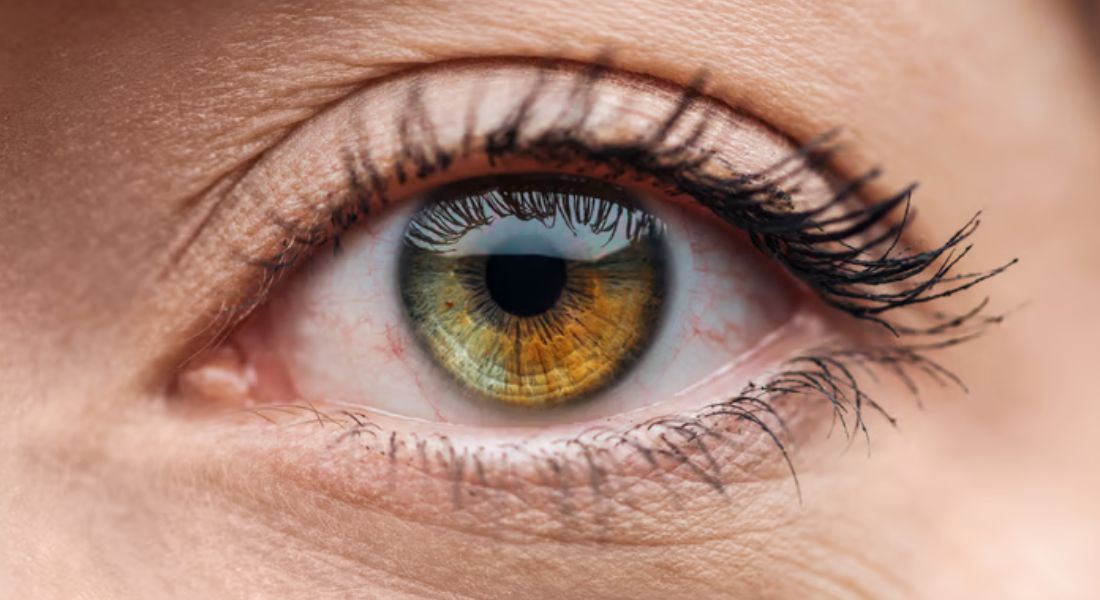
Many people notice that their eyes feel more irritated in certain indoor environments, particularly in places with strong air conditioning or indoor heating. Offices, shopping centres, cars, and heated homes can all leave your eyes feeling dry, sore, or gritty after prolonged exposure. Constant airflow from fans or vents may also increase discomfort throughout the day. If you already have dry eye disease, these environments can make your symptoms feel significantly worse.
Your tear film relies on stable moisture levels to keep the surface of your eyes smooth, protected, and comfortable. Air conditioning and indoor heating reduce humidity levels in the air, which causes tears to evaporate more quickly. As moisture is lost, the tear film becomes unstable and less effective at protecting the eyes from irritation. Over time, this increased evaporation may lead to burning, redness, blurred vision, or a persistent dry sensation.
Understanding how indoor air conditions affect your eyes can help you manage symptoms more effectively. Climate-controlled environments often create conditions that place extra stress on already sensitive eyes, especially after long hours indoors. In this article, you will learn why air conditioning and heating can worsen dry eyes, which symptoms are commonly triggered, and what practical steps may help protect your eyes and improve comfort.
How the Tear Film Protects the Eyes
Your tear film forms a thin protective coating over the surface of your eyes and plays a vital role in keeping them healthy and comfortable. It helps maintain moisture, creates a smooth optical surface for clear vision, and protects the eyes from irritation and infection. Every time you blink, this tear layer spreads evenly across the eye surface to maintain comfort throughout the day. A stable tear film is essential for good ocular health and visual quality.
The tear film is made up of three important components: water, oil, and mucus. The watery layer keeps the eyes hydrated, the oily layer slows down tear evaporation, and the mucus layer helps tears spread evenly across the eye surface. Each layer has a specific function, and problems affecting any part of the tear film can contribute to dryness and irritation. When this balance is disrupted, the eyes may start to feel sore, gritty, or tired.
Environmental conditions can strongly affect the stability of your tear film. Air conditioning, indoor heating, fans, and low humidity can all increase tear evaporation and reduce moisture on the eye surface. Constant airflow may also prevent tears from remaining evenly distributed across the eyes. As the tear film becomes unstable, irritation and discomfort often become more noticeable.
What Is Dry Eye Disease?

Dry eye disease occurs when your eyes either do not produce enough tears or when tears evaporate too quickly from the surface of the eye. Tears are essential for keeping your eyes lubricated, comfortable, and visually clear throughout the day. When the tear film becomes unstable, the surface of your eyes can become irritated and inflamed. This may lead to ongoing discomfort and sensitivity.
The condition is extremely common and can affect people of all ages. You may experience symptoms such as burning, grittiness, redness, watery eyes, blurred vision, or sensitivity to light. For some people, symptoms are only mild and occasional, while others experience more persistent irritation that affects daily activities. Environmental factors often play a major role in determining how noticeable and severe symptoms become.
Understanding how dry eye disease develops helps explain why indoor air conditions can have such a strong effect on your eyes. The tear film is highly sensitive to changes in humidity, airflow, and surrounding temperature. Even small environmental changes can increase tear evaporation and worsen irritation over time. This is why air conditioning, heating, and poor indoor air quality can significantly affect your comfort.
Why Air Conditioning Affects Dry Eyes
Air conditioning can have a significant impact on eye comfort, particularly if you already experience dry eye symptoms. Although air conditioning helps cool indoor environments, it also lowers humidity levels and removes moisture from the air. This drier environment encourages tears to evaporate more quickly from the eye surface. Over time, prolonged exposure can leave your eyes feeling irritated, tired and uncomfortable.
- Air Conditioning Reduces Indoor Humidity: Air conditioning systems work by removing moisture from the air to cool the environment. While this improves temperature control, it also creates a much drier atmosphere indoors. Low humidity can make it harder for your eyes to maintain proper moisture levels.
- Tears Evaporate More Quickly: In dry environments, the tear film breaks down faster than normal. This increased evaporation reduces the protective moisture layer covering the eyes. As a result, the eyes may begin to feel dry, gritty or irritated.
- The Tear Film Becomes Less Stable: A healthy tear film protects and lubricates the eye surface throughout the day. When tears evaporate too quickly, the tear film becomes unstable and less effective. This leaves the eyes more exposed to irritation and discomfort.
- Symptoms Often Worsen in Certain Environments: Many people notice increased dryness in offices, shopping centres or cars with strong air conditioning. Continuous airflow and prolonged exposure can gradually worsen symptoms over time. The discomfort may become more noticeable by the end of the day.
Air conditioning therefore plays an important role in triggering or worsening dry eye symptoms for many people. Although the effects may begin gradually, constant exposure to dry indoor air can significantly affect tear stability and eye comfort. Making small environmental adjustments may help reduce irritation and support healthier tear function. Understanding this connection can help you better manage dry eye symptoms in everyday settings.
Heating Systems and Eye Dryness
Indoor heating systems can often make dry eye symptoms worse, especially during colder months when heating is used more frequently. Heated air tends to contain very little moisture, which creates a dry environment around your eyes. As humidity levels drop, tears evaporate more quickly from the surface of the eyes. This can leave your eyes feeling irritated, gritty, or uncomfortable after spending time indoors.
Central heating systems commonly reduce indoor humidity to very low levels, particularly in offices, homes, and other enclosed spaces. In these dry conditions, your eyes may struggle to maintain a stable tear film throughout the day. Moisture is lost more rapidly, which can increase burning, redness, blurred vision, or a tired sensation in the eyes. Many people notice that their symptoms become significantly worse during winter because of prolonged exposure to heated indoor air.
It is common for people with dry eyes to feel more discomfort indoors than outdoors during cold weather. Although outdoor temperatures may be lower, indoor heating often creates much drier air that places greater stress on the tear film. Changes in indoor moisture balance can gradually destabilise the protective tear layer covering your eyes. Over time, this increased evaporation may lead to ongoing irritation and worsening dry eye symptoms.
Low Humidity and Tear Evaporation
Humidity refers to the amount of moisture present in the air around you. When humidity levels are low, tears evaporate from the surface of your eyes much more quickly than normal. This is one of the main reasons dry eye symptoms often become worse in indoor environments with heating or air conditioning. Dry air places extra stress on the tear film and makes it harder for your eyes to stay comfortably lubricated.
Your tear film depends on a stable environment to function properly and protect the surface of your eyes. When the surrounding air becomes too dry, the tear film can break apart more easily and lose its protective stability. Small dry patches may then develop on the cornea, increasing friction and irritation every time you blink. Over time, this can make your eyes feel increasingly sensitive and uncomfortable.
As tear evaporation increases, symptoms such as burning, grittiness, blurred vision, redness, and soreness often become more noticeable. The longer you remain in a low-humidity environment, the greater the impact on your eye comfort may become. Many people notice worsening symptoms after spending hours in offices, heated rooms, cars, or other enclosed spaces with dry air. Prolonged exposure plays a major role in the severity of dry eye irritation.
Airflow Directed Towards the Face
Direct airflow towards the face is one of the most common environmental triggers for dry eye symptoms. Whether it comes from fans, car air vents or air conditioning units, constant air movement across the eyes speeds up tear evaporation. This can quickly disturb the tear film and lead to dryness, irritation or a gritty sensation. For people with existing dry eye disease, the effects are often more noticeable and uncomfortable.
- Direct Airflow Increases Tear Evaporation: When air is constantly directed at your face, it causes tears to evaporate more rapidly than normal. This reduces the protective moisture layer on the eye surface. As a result, your eyes may feel dry or irritated within a short period of exposure.
- Even Healthy Eyes Can Become Irritated: Even if you do not normally experience dry eye symptoms, prolonged exposure to strong airflow can still cause discomfort. The tear film is disrupted more frequently, which can lead to temporary dryness. This effect becomes more noticeable with longer exposure times.
- Greater Sensitivity in Dry Eye Patients: If you already have dry eye disease, your eyes are usually more sensitive to environmental changes. Direct airflow can quickly worsen symptoms such as burning, redness or a foreign body sensation. In some cases, discomfort may become quite severe.
- Small Adjustments Can Improve Comfort: Simply changing the direction of fans, vents or air conditioning can make a noticeable difference. Avoiding direct airflow to the face helps preserve tear stability and reduces evaporation. These small environmental changes can significantly improve day-to-day eye comfort.
Managing airflow exposure is therefore an important part of controlling dry eye symptoms. Although the effect may seem minor, continuous direct airflow can have a cumulative impact on tear stability. Adjusting your surroundings can help protect the eye surface and reduce irritation. Prevention through simple changes often plays a key role in maintaining long-term comfort.
Why Offices Often Trigger Symptoms

Office environments often bring together several factors that can trigger or worsen dry eye symptoms. Air conditioning, low humidity, artificial lighting, and long hours of screen use all work together to destabilise your tear film. As a result, your eyes may start to feel dry, tired, or irritated as the working day progresses. Many people notice that symptoms gradually build rather than appearing suddenly.
When you work at a computer or focus on detailed tasks, you naturally blink less often than usual. This reduced blinking means your tear film is not being refreshed as frequently as it should be. At the same time, dry office air from ventilation systems can increase tear evaporation and further weaken tear stability. Eye strain and dryness often occur together, making discomfort more noticeable over time.
This combination of reduced blinking and environmental dryness is why many office workers experience worsening symptoms by late afternoon. The effects build slowly throughout the day as the eyes are continuously exposed to visual and environmental stress. By the end of the working day, your eyes may feel significantly more uncomfortable than they did in the morning. Workplace conditions therefore play an important role in managing dry eye symptoms effectively.
Screen Use and Environmental Dryness
Digital screen use is one of the most common modern triggers for dry eye symptoms because it naturally reduces your blink rate. When you focus on a screen, whether it is a computer, phone, or tablet, you tend to blink less often and more incompletely. This means your tear film is not refreshed as regularly as it should be. When combined with dry indoor air, the impact on your eyes can become even stronger.
Blinking plays an essential role in spreading tears evenly across the surface of your eyes. Each blink helps rebuild and stabilise the tear film, keeping your eyes lubricated and comfortable. When blinking is reduced, the tear film becomes unstable and breaks up more quickly. This leads to faster evaporation and increasing dryness, irritation, and visual discomfort over time.
This combination of prolonged screen use and climate-controlled indoor environments is extremely common in everyday life today, especially in office and home settings. Air conditioning, heating, and low humidity can all worsen the effects of reduced blinking. As a result, dryness and eye strain often build gradually throughout the day. Being aware of both screen habits and environmental factors is important, as managing them together can significantly help reduce symptoms and improve comfort.
Why Symptoms Often Feel Worse at Night
It is very common for dry eye symptoms to feel more noticeable in the evening. This happens because your eyes experience continuous strain and tear evaporation throughout the day. By night-time, the eye surface can become more irritated, inflamed and fatigued. As a result, discomfort often peaks when your eyes have already been exposed to hours of environmental and visual stress.
- Tear Evaporation Builds Up Over the Day: Throughout the day, your tear film is constantly exposed to factors like screen use, airflow and reduced blinking. These small effects add up over time and gradually increase tear evaporation. By evening, this cumulative dryness can make symptoms feel more intense.
- Ocular Surface Becomes More Fatigued: Long periods of visual focus and environmental exposure can strain the eye surface. This may lead to mild inflammation and increased sensitivity by the end of the day. As a result, your eyes may feel tired, sore or heavy in the evening.
- Environmental Exposure Plays a Role: Heating systems, air conditioning and dry indoor air can all contribute to worsening symptoms. Continuous exposure during the day reduces tear stability and protective moisture. This makes the tear film less effective by night-time.
- Dry Eye Symptoms Follow a Daily Pattern: Dry eye disease often fluctuates depending on your daily activities and environment. Symptoms may feel mild in the morning but worsen as the day progresses. Understanding this pattern helps explain why discomfort is often more noticeable at night.
Evening worsening of symptoms is therefore a common feature of dry eye rather than a sudden change in condition. It reflects the gradual impact of tear evaporation, eye strain and environmental exposure throughout the day. Recognising this pattern can help you better manage triggers and reduce discomfort. Small adjustments in daily habits may improve overall eye comfort over time.
Burning and Stinging Sensations
Burning and stinging sensations are very common symptoms when your dry eyes are triggered by environmental factors. These sensations usually occur because the surface of your eyes becomes irritated and inflamed when the tear film is not stable. As tears evaporate too quickly, the protective layer over your eyes breaks down, exposing sensitive nerve endings. This can create a noticeable burning or stinging feeling.
Dry indoor air can make these symptoms more intense and more frequent. When you spend long hours in air-conditioned or heated environments, your eyes may gradually lose moisture throughout the day. Many people notice that discomfort becomes worse after extended time indoors, especially in offices or climate-controlled spaces. By the end of the day, your eyes may feel tired, sore, and increasingly sensitive.
Persistent burning or stinging should not be ignored, particularly if it affects your daily comfort or vision. These symptoms often indicate ongoing dryness and inflammation that may need proper management. With the right approach, including addressing environmental triggers and supporting tear stability, symptoms can improve significantly. Relief is possible when the underlying cause is properly treated and managed consistently.
Blurred Vision from Tear Instability
The tear film plays a vital role in maintaining clear and stable vision. It creates a smooth surface over the eye, allowing light to focus properly. When this layer becomes unstable or evaporates too quickly, vision can fluctuate and appear blurry. This is a common symptom of dry eye disease and can affect daily visual comfort.
- Tear Film Supports Clear Optical Focus: A healthy tear film ensures that the surface of the eye remains smooth and even. This allows light to pass through correctly and focus clearly on the retina. When the tear layer breaks down, vision may become distorted or less sharp.
- Vision May Fluctuate Throughout the Day: In dry eye conditions, vision is often not consistently clear. It may shift between clear and blurry depending on tear stability at that moment. This fluctuation is especially noticeable during tasks that require sustained focus.
- Blinking Temporarily Improves Clarity: Blinking helps redistribute tears across the eye surface, which can briefly restore clearer vision. However, this improvement is often short-lived, and blurriness may return quickly. This repeating cycle is a typical feature of tear instability.
- Environmental Factors Can Worsen Symptoms: Dry indoor air, screen use and prolonged visual concentration can all increase tear evaporation. As the tear film becomes less stable, vision becomes more inconsistent. Maintaining tear quality is essential for steady and reliable eyesight.
Blurred vision caused by tear instability is therefore closely linked to the health of your tear film rather than a permanent change in eyesight. When tears are stable, vision remains clearer and more consistent throughout the day. Understanding this connection helps explain why symptoms often vary in different environments. Supporting tear quality is key to improving both comfort and visual stability.
Contact Lenses and Indoor Air
Contact lenses can often make dry eye symptoms more noticeable, especially in dry indoor environments. When you wear lenses, they sit directly on the surface of your eyes and interact with your natural tear film. This can sometimes reduce tear stability and increase evaporation, making your eyes feel dry more quickly than usual. As a result, discomfort may build gradually throughout the day.
Air conditioning and indoor heating can further reduce contact lens comfort. These environments lower humidity levels, which means your tears evaporate faster and your lenses may begin to feel dry or irritating. Many people find that they can wear contact lenses comfortably in the morning but struggle to keep them comfortable for long periods indoors. Symptoms such as dryness, grittiness, redness, or blurred vision may become more noticeable as the day goes on.
An eye doctor can assess whether your contact lenses are contributing to your symptoms and help identify suitable adjustments. This may include changing the lens material, switching to a different wearing schedule, or improving overall lens care. In some cases, even small changes can significantly improve comfort. Proper fitting and regular eye check-ups are important to ensure your lenses are supporting, rather than worsening, your eye health.
Air Travel and Dry Eyes
Air travel is a well-known trigger for dry eye symptoms due to the unique environment inside airplane cabins. The air at cruising altitude is extremely dry, with very low humidity levels compared to normal indoor conditions. This can quickly lead to increased tear evaporation and eye discomfort, especially during long flights. Many people notice their symptoms become more noticeable while travelling or shortly after landing.
- Low Humidity Inside Aircraft Cabins: Airplane cabins are designed with controlled air systems that result in very low humidity levels. This dry environment reduces the natural moisture available to keep your eyes comfortable. As a result, the tear film evaporates more quickly than usual.
- Symptoms Can Appear or Worsen During Flights: You may experience burning, redness or blurry vision while travelling. These symptoms often develop gradually during the flight as the eyes become increasingly dry. Longer journeys tend to make the discomfort more noticeable.
- Reduced Blinking During In-Flight Activities: Watching screens, reading or focusing on entertainment during a flight often reduces your blink rate. Incomplete blinking can also occur, which affects tear distribution across the eye surface. This combination further contributes to dryness and irritation.
- Hydration and Eye Drops Can Help: Dehydration during air travel can worsen dry eye symptoms, so staying well-hydrated is important. Using lubricating eye drops before and during the flight may help maintain tear stability. Small preventive steps can significantly improve comfort during travel.
Air travel therefore creates an environment where dry eye symptoms can easily flare up. The combination of low humidity, reduced blinking and dehydration all contribute to tear instability. Being prepared before flying can help reduce discomfort and protect eye health. Simple measures can make long journeys much more comfortable for your eyes.
Meibomian Gland Dysfunction
The meibomian glands are responsible for producing the oily layer of your tears, which helps slow down evaporation and keep your eyes comfortable. When these glands are working properly, they form a protective barrier that prevents tears from breaking up too quickly. However, if the glands become blocked or do not function effectively, your tear film loses this important oil layer and evaporates much faster than normal.
When meibomian gland dysfunction is present, dry indoor environments can make symptoms feel significantly worse. Heating and air conditioning already reduce humidity levels, and without enough oil in the tear film, your eyes become even more vulnerable to rapid moisture loss. This combination can lead to increased irritation, burning, redness, and a persistent dry sensation throughout the day. Many people notice that their symptoms are more difficult to control in offices, homes, or other climate-controlled spaces.
Treating meibomian gland dysfunction can often improve how well your eyes tolerate indoor environments. Restoring better gland function helps strengthen the tear film and reduce evaporation, which can significantly improve comfort. A proper diagnosis is important to understand the underlying cause of dryness and guide effective treatment. In many cases, long-term management is needed to keep symptoms under control and maintain stable eye health.
Seasonal Changes and Dry Eyes
Dry eye symptoms often vary depending on the time of year, and many people notice clear seasonal patterns. Changes in temperature and humidity can directly affect how quickly tears evaporate from the eye surface. In winter, indoor heating can make the air drier, while in summer, air conditioning can create similar conditions. These environmental shifts can gradually influence eye comfort over time.
- Winter Heating Can Increase Dryness: During colder months, heating systems are used more frequently indoors. These systems reduce humidity levels in the air, creating a dry environment that speeds up tear evaporation. As a result, your eyes may feel more irritated or uncomfortable in winter.
- Summer Air Conditioning Has a Similar Effect: In warmer months, air conditioning is commonly used to maintain indoor comfort. However, it also removes moisture from the air, which can lead to increased dryness. This means symptoms may persist even in different seasons, depending on indoor conditions.
- Symptoms Often Follow Seasonal Patterns: Many people notice that their dry eye symptoms worsen during extreme temperatures, whether hot or cold. These changes are usually linked to increased use of climate control systems. Understanding this pattern can help you identify when symptoms are likely to flare up.
- Awareness Helps with Better Management: Recognising seasonal triggers allows you to take preventive steps more effectively. Small adjustments, such as improving indoor humidity or limiting direct airflow, can help reduce discomfort. Being aware of timing and environmental changes can make symptom control easier.
Seasonal changes therefore play an important role in how dry eye symptoms develop and fluctuate. While the condition may feel inconsistent, it is often closely linked to environmental exposure throughout the year. Understanding these patterns helps you anticipate and manage symptoms more effectively. With the right awareness and preventive care, seasonal discomfort can often be reduced.
How Hydration Influences Symptoms
Hydration plays a supporting role in maintaining healthy tear production and overall eye comfort. When you are dehydrated, your body has less fluid available to support normal tear formation, which can make dry eye symptoms feel more noticeable. This effect can become even stronger in low-humidity environments where tears are already evaporating more quickly. Staying properly hydrated helps your eyes maintain a more stable tear film.
Although drinking water alone cannot treat dry eye disease, it does contribute to better overall ocular health. When combined with environmental adjustments such as reducing direct airflow, using humidifiers, and managing screen use, good hydration can help improve daily comfort. It works as part of a broader approach rather than a standalone solution. Maintaining balance in your lifestyle and environment is key.
Healthy daily habits can support more consistent tear function and reduce the severity of symptoms over time. Small changes, such as drinking enough fluids throughout the day and being mindful of dry environments, can make a meaningful difference. Consistency is especially important, as dry eye symptoms often build gradually. A steady routine of good hydration and supportive habits can help improve long-term eye comfort.
Using Humidifiers at Home
Humidifiers can be a helpful way to increase moisture levels in your indoor environment and reduce tear evaporation. By adding humidity to the air, they help create conditions that are less harsh on your eyes. Many people with dry eye disease notice an improvement in comfort when using humidifiers, particularly during colder months when indoor heating can make the air very dry.
Spaces such as bedrooms and home offices often benefit the most from added humidity because you tend to spend long, continuous periods in these environments. Maintaining a moderate level of humidity helps support tear film stability and reduces the rate at which tears evaporate. This can make your eyes feel more comfortable, less irritated, and less tired throughout the day and evening.
Environmental control is an important part of managing dry eye symptoms effectively. Simple adjustments like using a humidifier, avoiding direct airflow, and improving indoor air quality can all contribute to better eye comfort. Small, consistent changes to your surroundings can make a noticeable difference. Preventing excessive tear evaporation helps support long-term relief and overall eye health.
Importance of Taking Screen Breaks
Taking regular screen breaks is an important way to reduce strain on your eyes and support a healthier tear film. When you focus on screens for long periods, your blink rate naturally decreases, which allows tears to evaporate more quickly. Short, frequent breaks encourage more normal blinking and help spread tears evenly across the surface of your eyes. This is especially helpful in dry office environments where symptoms can build up throughout the day.
A simple and widely recommended method is the 20-20-20 rule. Every 20 minutes, you look at something around 20 feet away for about 20 seconds. This gives your eye muscles a chance to relax and reduces continuous focusing strain. It also helps reset your visual system, which can reduce fatigue and dryness over time. Many people find this technique easy to follow once it becomes part of their routine.
Building small, consistent habits like regular breaks can make a noticeable difference in daily comfort. It is often more effective to prevent symptoms from building up than to deal with more severe irritation later in the day. When combined with good blinking habits and a suitable work environment, screen breaks can play an important role in managing dry eye symptoms and supporting long-term eye comfort.
Artificial Tears and Lubrication
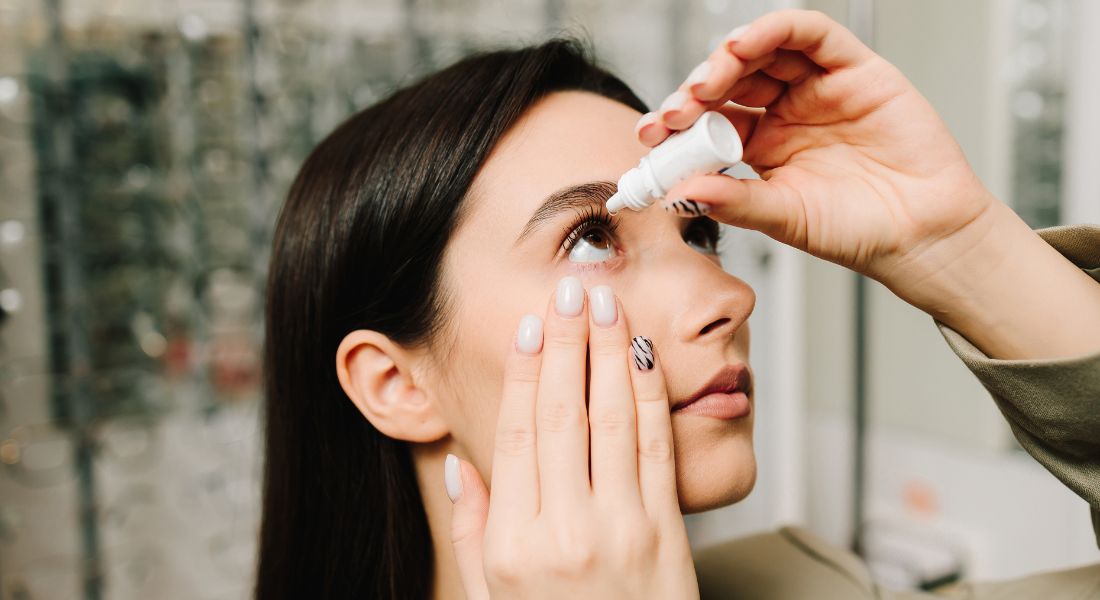
Artificial tears are a common and effective way to help support your natural tear film and reduce dry eye symptoms. They work by adding extra moisture to the surface of your eyes, which can improve comfort and reduce feelings of dryness, irritation, and grittiness. This is particularly helpful in air-conditioned or heated environments where tears tend to evaporate more quickly than normal.
Different types of artificial tears are available, and some are specifically designed for evaporative dry eye, where tear loss happens too quickly. These products may help stabilise the tear film for longer and provide more lasting relief. Because not all eye drops work the same for everyone, it is often useful to try different formulations under the guidance of an eye doctor to find what suits your symptoms best.
Regular use of lubricating eye drops can significantly improve daily comfort, especially when used consistently throughout the day. They help protect the eye surface from ongoing irritation and support overall tear stability. When combined with other management strategies, proper lubrication plays an important role in reducing symptoms and improving long-term eye health.
When You Should See an Eye Doctor
Occasional dryness in certain environments can be quite common, especially if you spend time in air-conditioned rooms, heated spaces, or in front of screens. However, if your symptoms become persistent or start affecting your daily comfort, it is important to have them assessed by an eye doctor. Signs such as ongoing irritation, burning, redness, blurred vision, or a constant gritty sensation may indicate dry eye disease rather than temporary dryness. Early attention can make treatment more effective and improve long-term comfort.
An eye doctor can carry out a detailed assessment of your tear production, tear quality, and meibomian gland function to understand what is causing your symptoms. This helps identify whether the issue is related to reduced tear production, increased evaporation, inflammation, or a combination of factors. A clear diagnosis is essential because it allows for a more targeted and effective treatment plan rather than relying on general symptom relief alone.
Seeking professional help early can prevent dry eye symptoms from becoming more severe or harder to manage over time. With the right approach, many people experience significant improvement in comfort and visual quality. Proper management not only reduces daily irritation but also supports overall eye health and quality of life. Getting timely care ensures your symptoms are addressed before they start to have a greater impact on your routine.
Frequently Asked Questions:
- Can air conditioning really make your dry eyes worse?
Yes, air conditioning can worsen dry eyes because it reduces humidity and increases tear evaporation. When the air becomes drier, your tear film breaks apart more quickly. This often leaves your eyes feeling irritated, sore, or gritty after prolonged exposure. - Why does indoor heating affect your eyes?
Indoor heating creates dry air, especially during colder months. This low-humidity environment allows tears to evaporate faster from the surface of your eyes. As a result, you may notice more burning, redness, or discomfort indoors during winter. - Why do your eyes feel worse in offices?
Office environments often combine several dry eye triggers at once, including air conditioning, prolonged screen use, reduced blinking, and artificial lighting. These factors work together to destabilise the tear film. Symptoms commonly become worse by the end of the working day. - Can fans and air vents dry out your eyes?
Yes, direct airflow from fans, car vents, or air conditioning units can significantly increase tear evaporation. Air blowing towards your face removes moisture from the eye surface more quickly. Even small adjustments to airflow direction can improve comfort. - Does screen time make dry eyes worse in air-conditioned rooms?
Yes, screen use and dry indoor air often make symptoms worse together. When you look at screens, you blink less frequently, which already increases tear evaporation. Combined with air conditioning or heating, dryness can become much more noticeable. - Why does your vision become blurry when your eyes are dry?
Your tear film helps create a smooth optical surface for clear vision. When tears evaporate too quickly, the surface of the eye becomes unstable, leading to fluctuating or blurry vision. Blinking may temporarily improve clarity before the blur returns. - Can contact lenses become uncomfortable in dry environments?
Yes, contact lenses often feel less comfortable in air-conditioned or heated spaces because they can increase tear evaporation. Your eyes may feel dry, tired, or irritated after several hours of wear. Some people find lens comfort decreases significantly indoors. - Do humidifiers help with dry eyes?
Humidifiers can help by increasing moisture levels in the air and reducing tear evaporation. Many people notice improvement in comfort when using humidifiers at home or in the office. They are particularly useful during winter when indoor heating is used regularly. - What can you do to protect your eyes indoors?
You can help protect your eyes by taking regular screen breaks, staying hydrated, using lubricating eye drops, and avoiding direct airflow towards your face. Adjusting room humidity may also reduce irritation. Small daily habits can make a noticeable difference. - When should you see an eye doctor about dry eyes?
You should arrange an eye examination if your symptoms become persistent, painful, or begin affecting your daily life. Burning, blurred vision, redness, or ongoing irritation may indicate underlying dry eye disease. Early treatment can help improve comfort and protect long-term eye health.
Final Thoughts: Protecting Your Eyes in Dry Indoor Environments
Air conditioning and indoor heating can have a surprisingly strong effect on your eye comfort, especially if you already struggle with dry eye disease. Constant exposure to low humidity, direct airflow, and prolonged screen use can gradually destabilise your tear film and leave your eyes feeling irritated, tired, or blurry by the end of the day. Understanding how your environment affects your eyes is an important step towards managing symptoms more effectively.
Simple adjustments such as improving humidity, taking regular screen breaks, staying hydrated, and using lubricating eye drops can often make a noticeable difference. However, if your symptoms continue despite these changes, a professional assessment may help identify the underlying cause and guide the most suitable treatment approach. If you’d like to find out whether dry eyes treatment in London is suitable for you, feel free to contact us at Eye Clinic London to arrange a consultation.
References:
- Jones, L., Downie, L.E., Korb, D., Benitez-del-Castillo, J.M., Dana, R., Deng, S.X., Dong, P.N., Geerling, G., Hida, R.Y., Liu, Y., Seo, K.Y., Tauber, J., Wakamatsu, T.H., Xu, J., Wolffsohn, J.S. and Craig, J.P. (2017) https://www.sciencedirect.com/science/article/abs/pii/S1542012413000517
- McCann, P., Kruoch, Z., Lopez, S., Malli, S., Qureshi, R. and Li, T. (2024) ‘Interventions for dry eye: An overview of systematic reviews’, JAMA Ophthalmology, 142(1), pp. 58–74. https://pmc.ncbi.nlm.nih.gov/articles/PMC11613798/
- Sánchez-González, J.-M., Silva-Viguera, C., Sánchez-González, M.C., Capote-Puente, R., De-Hita-Cantalejo, C., Ballesteros-Sánchez, A., Ballesteros-Durán, L. and Gutiérrez-Sánchez, E. (2023) ‘Tear film stabilization and symptom improvement in dry eye disease: The role of hyaluronic acid and trehalose eyedrops versus carmellose sodium’, Journal of Clinical Medicine, 12(20), p. 6647. https://pubmed.ncbi.nlm.nih.gov/37892784/
- Betz, J. and Galor, A. (2025) ‘Navigating the dry eye therapeutic puzzle: A mechanism-based overview of current treatments’, Pharmaceuticals, 18(7), p. 994. https://www.mdpi.com/1424-8247/18/7/994
- Chauhan, S.K., El Annan, J., Ecoiffier, T., Goyal, S., Zhang, Q., Saban, D.R. and Dana, R. (2009) ‘Autoimmunity in dry eye is due to resistance of Th17 to Treg suppression’, The Journal of Immunology, 182(3), pp. 1247–1252. https://academic.oup.com/jimmunol/article-abstract/182/3/1247/8004464