Can Glaucoma Be Reversed? What Treatment Can and Cannot Do

2026-02-24T12:09:37+00:00

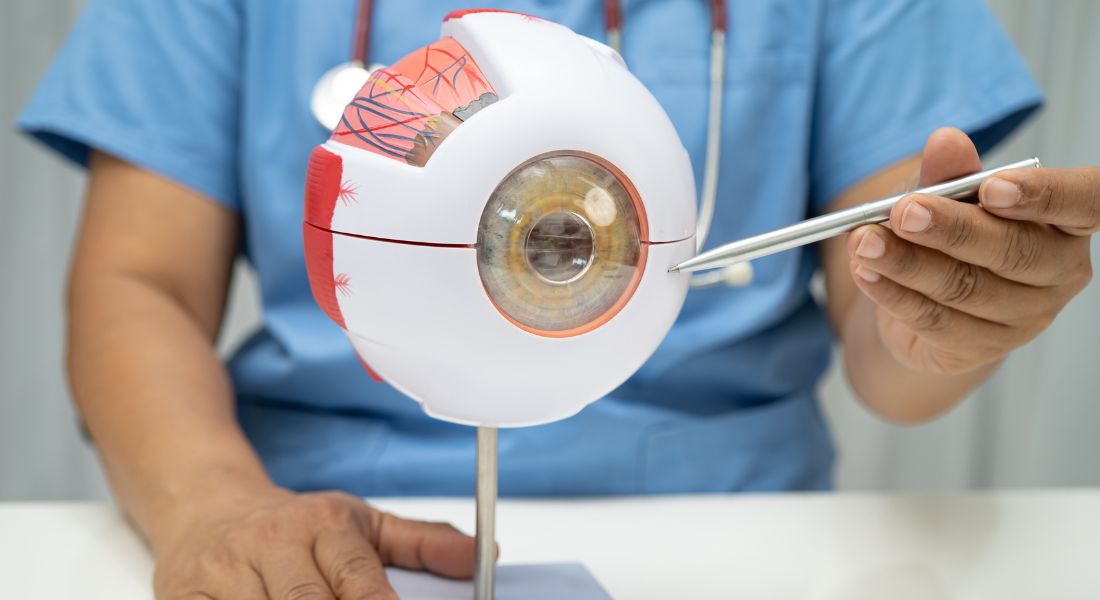
If you have recently been told you have glaucoma, it is completely natural to ask whether it can be reversed. This question often feels urgent and deeply personal. Your eyesight is closely tied to your independence and quality of life. The fear of losing it can be unsettling and emotional. I want to answer you honestly and clearly. Damage caused by glaucoma cannot be reversed because it involves permanent injury to the optic nerve. Once vision has been lost, current
Can Glaucoma Be Reversed? What Treatment Can and Cannot Do2026-02-24T12:09:37+00:00

Childhood Myopia: Why Short-Sightedness Is Increasing

2026-02-23T12:53:29+00:00

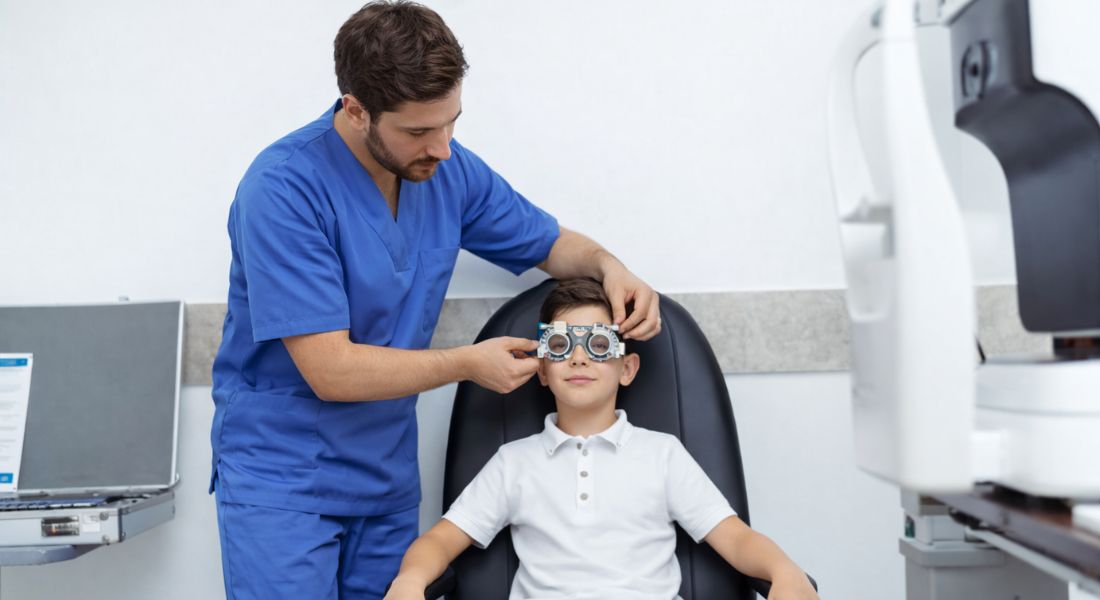
If you have observed more children wearing glasses compared with previous generations, your impression is accurate. Rates of childhood myopia are increasing worldwide. This rise has drawn attention from clinicians and public health specialists alike. We recognise it as a growing global concern. Myopia develops when the eye elongates excessively from front to back. Light rays then focus in front of the retina rather than directly upon it. You experience blurred distance vision while near tasks remain relatively clear. We

Childhood Myopia: Why Short-Sightedness Is Increasing2026-02-23T12:53:29+00:00

Does My Child Need Glasses? Early Signs Parents Often Miss

2026-02-23T13:12:23+00:00

Children seldom report that their vision is unclear. You may not receive direct complaints because blurred sight feels normal to them. Without a comparison point, they assume their visual experience is typical. We understand how easily this can delay recognition. Refractive errors such as short-sightedness, long-sightedness, and astigmatism are frequently seen in childhood. You may observe subtle academic or behavioural changes before any obvious signs of difficulty. Uncorrected vision can influence confidence and engagement. We assess early indicators carefully. Small

Does My Child Need Glasses? Early Signs Parents Often Miss2026-02-23T13:12:23+00:00

Excessive Blinking in Children: Causes and When to Seek Help (Guide)

2026-02-23T12:47:31+00:00

If you have observed your child blinking much more frequently than usual, it is natural to feel concerned. Blinking normally protects the eye, yet noticeable repetition can appear alarming. Many parents fear an underlying problem when the movement seems exaggerated. We reassure you that this pattern is common and often short-lived. Frequent blinking is frequently linked to mild surface irritation or the development of a habit. You may also find that dryness, allergies, or uncorrected vision contribute to the behaviour.

Excessive Blinking in Children: Causes and When to Seek Help (Guide)2026-02-23T12:47:31+00:00

Topography-Guided LASIK vs Standard LASIK: What’s the Difference?

2026-02-20T10:34:27+00:00

If you’re researching LASIK, you’ll quickly realise that not all procedures are the same. Terms like standard LASIK, wavefront-guided, and topography-guided can feel overwhelming, especially when they’re not clearly explained. Understanding what these labels actually mean helps you make a more informed and confident decision. At its core, LASIK reshapes your cornea to correct refractive errors such as short-sightedness, long-sightedness, and astigmatism. The key difference lies in how much personalisation is involved. More advanced technologies use detailed mapping of your

Topography-Guided LASIK vs Standard LASIK: What’s the Difference?2026-02-20T10:34:27+00:00

LASIK Flap Complications: How Safe Is Modern LASIK? (Explained)

2026-02-20T10:33:50+00:00

Most people considering LASIK have questions about the corneal flap. You may wonder how it is created, whether it can move, and how often flap-related problems actually occur. These concerns are completely understandable, particularly if you have come across outdated information online. Reassurance begins with accurate, up-to-date facts. Modern LASIK differs greatly from early techniques. Today, femtosecond laser technology is used to create the corneal flap with exceptional accuracy and consistency. This level of precision has significantly improved both safety

LASIK Flap Complications: How Safe Is Modern LASIK? (Explained)2026-02-20T10:33:50+00:00

LASIK Enhancement Surgery: When Is a Second Procedure Needed? (Guide)

2026-02-20T10:33:08+00:00

Most people achieve excellent, stable vision after LASIK and never need further treatment. However, a small number may notice mild residual blur or changes in vision months or even years later. When this happens, you may hear your surgeon mention a LASIK “enhancement”. This can sound worrying at first, but it is usually straightforward. A LASIK enhancement is a second laser procedure carried out to fine-tune your vision. It does not mean the original surgery failed, but rather that a

LASIK Enhancement Surgery: When Is a Second Procedure Needed? (Guide)2026-02-20T10:33:08+00:00

LASIK Night Vision: Are Halos and Glare Still a Risk? (Explained)

2026-02-19T09:47:35+00:00

If you are thinking about LASIK, night vision is often a top concern. You may have heard about halos, glare, or starbursts around lights after surgery. These side effects were more common with older laser technology, but modern LASIK techniques have improved significantly. Knowing what to expect can help ease your worries. It is normal to be concerned about how your eyes will perform in low-light conditions. Clear night vision is important for driving, recognising traffic signals, and seeing contrasts

LASIK Night Vision: Are Halos and Glare Still a Risk? (Explained)2026-02-19T09:47:35+00:00

Glaucoma and Cataracts: Can They Be Treated Together?

2026-02-19T09:44:40+00:00

If you are living with glaucoma, developing cataracts later in life is not uncommon. Both conditions increase in frequency with age, and you may eventually need to consider treatment for each. This overlap can create uncertainty about timing and priorities. We aim to clarify how these conditions relate to one another. Cataracts affect the natural lens, causing vision to appear cloudy or dim. Glaucoma, by contrast, damages the optic nerve, often without early warning signs. Although they involve different parts

Glaucoma and Cataracts: Can They Be Treated Together?2026-02-19T09:44:40+00:00

Angle-Closure vs Open-Angle Glaucoma: Key Differences Explained

2026-02-19T09:41:57+00:00

The distinction between these forms carries important clinical implications. You may experience slow, silent progression in one type, while the other can develop abruptly with severe symptoms. Urgency and management strategies therefore differ significantly. We tailor care according to the specific pattern identified. Open-angle glaucoma generally advances gradually and without early warning signs. You might remain unaware of damage until noticeable visual changes occur. Routine screening becomes essential in preventing late diagnosis. We emphasise structured monitoring to detect early structural

Angle-Closure vs Open-Angle Glaucoma: Key Differences Explained2026-02-19T09:41:57+00:00