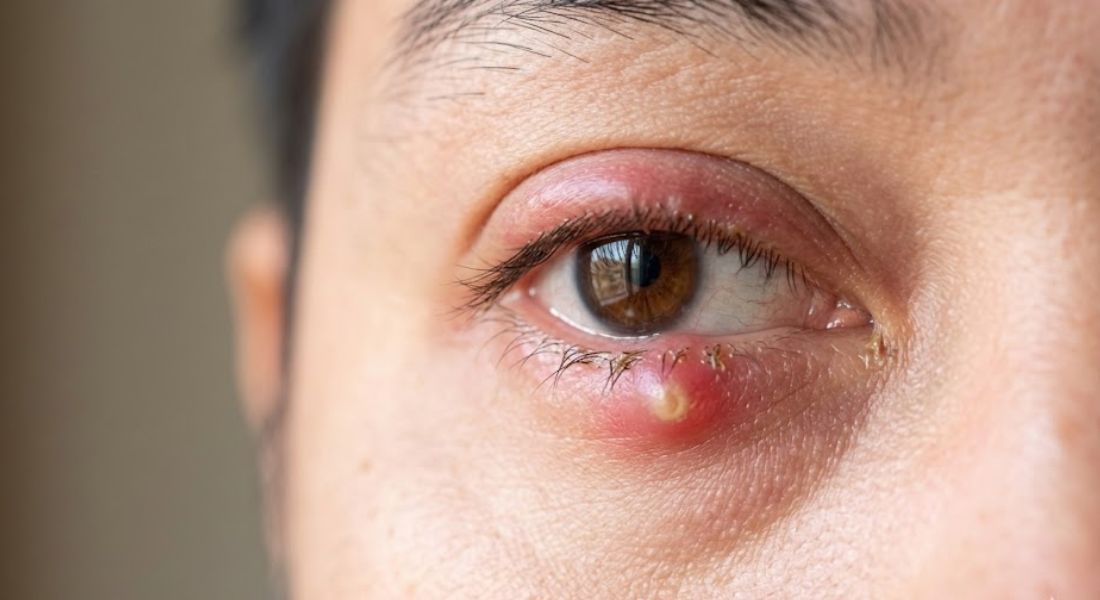
Stye vs Chalazion: How to Tell the Difference (Guide)

2026-02-27T10:57:14+00:00

Eyelid lumps can be unsettling, especially when they appear suddenly or cause discomfort. If you’ve noticed swelling, redness, or tenderness on your eyelid, you might be wondering whether it’s a stye or a chalazion. While they can look quite similar at first glance, they actually have different underlying causes and need slightly different approaches to treatment. Understanding the distinction can help you take the right steps and prevent unnecessary worry. You may have heard people use the terms interchangeably, but
Stye vs Chalazion: How to Tell the Difference (Guide)2026-02-27T10:57:14+00:00

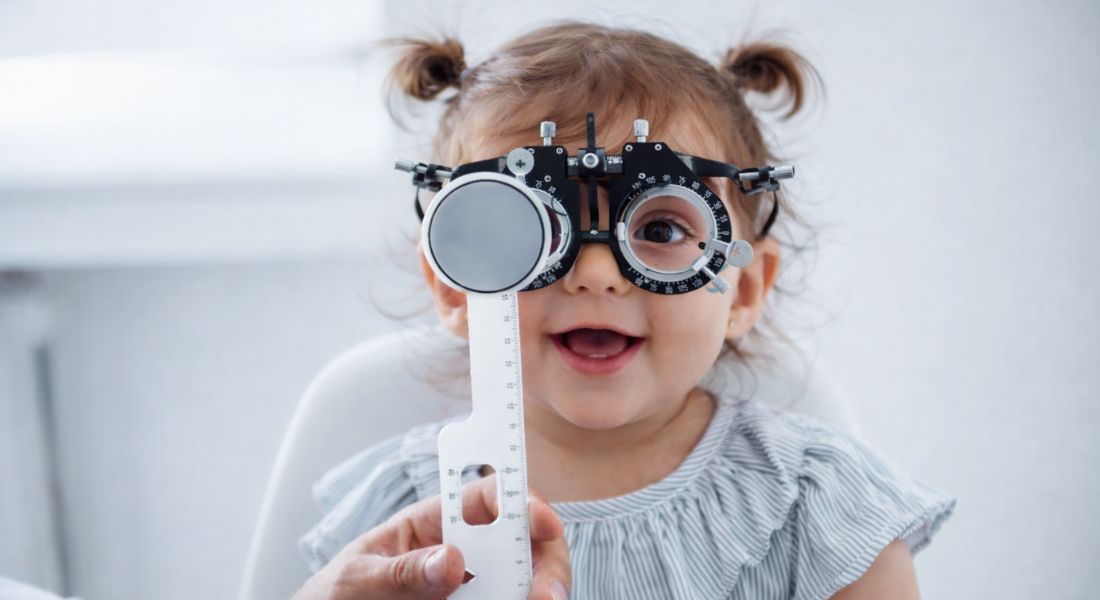
Blocked Tear Duct Surgery in Children: When Is It Needed?

2026-02-27T10:54:59+00:00

Your child’s eyes naturally produce tears throughout the day to keep the surface moist and protected. These tears usually drain through tiny openings in the inner corner of the eyelids and into the nose. When this drainage pathway is blocked, tears spill over onto the cheek instead of draining properly. You might notice constant watering even when your child is not crying. In newborns, the tear duct system may not yet be fully developed. A thin membrane can remain over

Blocked Tear Duct Surgery in Children: When Is It Needed?2026-02-27T10:54:59+00:00

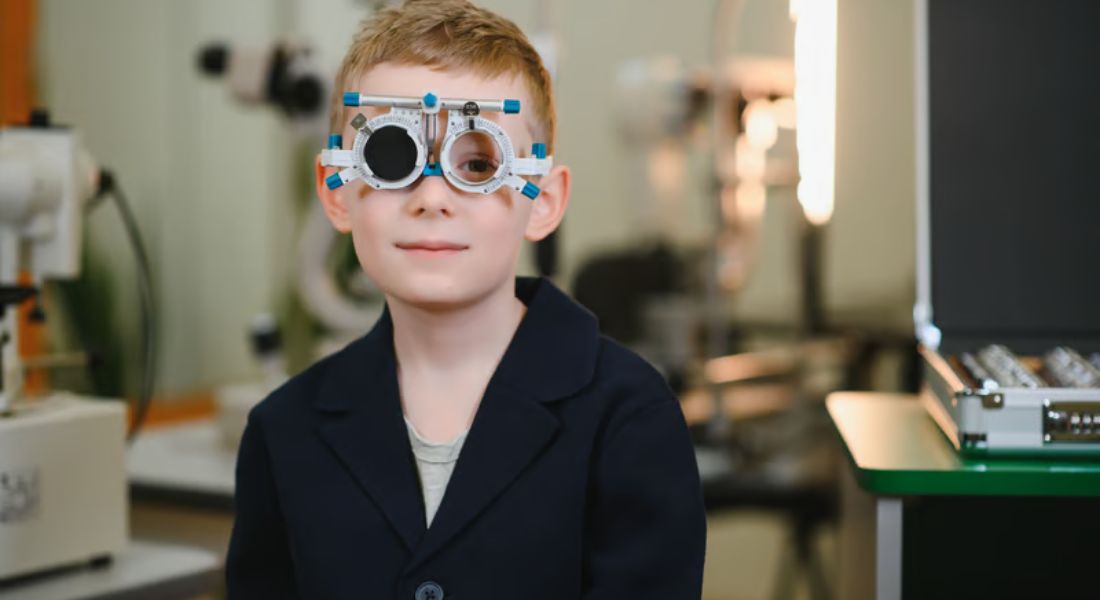
Childhood Double Vision (Diplopia): Causes and When It’s Serious

2026-02-26T12:18:41+00:00

Double vision, or diplopia, in children can be concerning, especially if it appears suddenly or affects one eye more than the other. You may notice your child seeing two images of a single object or saying that things look “split.” While some cases are temporary or harmless, others can point to serious underlying issues that need prompt attention. It’s important to understand that diplopia isn’t a disease itself it’s a symptom. It shows that the visual system, including the eyes

Childhood Double Vision (Diplopia): Causes and When It’s Serious2026-02-26T12:18:41+00:00

Retinopathy of Prematurity (ROP): What Parents Should Know

2026-02-26T12:16:58+00:00

When your baby arrives earlier than expected, your focus naturally turns to breathing, feeding, and steady growth. What you may not immediately realise is that premature birth can also affect how your baby’s eyes develop. Retinopathy of prematurity, or ROP, is a condition that specifically affects babies born too soon. ROP develops because the blood vessels in your baby’s retina are not fully formed at birth. The retina is the light-sensitive layer at the back of the eye that is

Retinopathy of Prematurity (ROP): What Parents Should Know2026-02-26T12:16:58+00:00

Paediatric Glaucoma: How It Differs from Adult Glaucoma

2026-02-26T12:40:24+00:00

Paediatric glaucoma is rare but serious, and it behaves very differently from adult glaucoma. In children, the disease can progress quickly, and elevated eye pressure can affect the developing structures of the eye, causing changes that are not seen in adults. Visible signs such as enlarged corneas, corneal clouding, or unusually large eyes may appear, but early stages can be subtle. Excessive tearing, light sensitivity, or frequent blinking are often the first clues. Because the eye is still growing, uncontrolled

Paediatric Glaucoma: How It Differs from Adult Glaucoma2026-02-26T12:40:24+00:00

Congenital Cataracts in Children: Early Signs and Treatment Options

2026-02-26T06:53:05+00:00

When you hear the word cataract, you may immediately think of ageing adults. However, cataracts can also be present at birth or develop during early childhood. These are known as congenital cataracts, and they require timely attention. In a developing child, vision is not just about clarity. It is about brain development and visual pathway formation. If a cataract blocks clear images from reaching the retina, visual development can be disrupted. In this guide, you will learn the early signs

Congenital Cataracts in Children: Early Signs and Treatment Options2026-02-26T06:53:05+00:00

Glaucoma and Headaches: Is There a Connection?

2026-02-25T10:30:38+00:00

If you have been diagnosed with glaucoma and experience headaches, you may naturally wonder whether the two are related. It is a common concern, especially if you have read that glaucoma involves raised eye pressure. However, the relationship between glaucoma and headaches is not always straightforward. Most chronic forms of glaucoma are painless. You can have significantly raised eye pressure without feeling discomfort at all. This often surprises people, particularly those who associate pressure with pain. In this article, we

Glaucoma and Headaches: Is There a Connection?2026-02-25T10:30:38+00:00

Steroid-Induced Glaucoma: How Medications Can Raise Eye Pressure

2026-02-25T11:07:56+00:00

Steroid medications are widely used to treat inflammation. You may have been prescribed steroid tablets for asthma, creams for eczema, joint injections for arthritis, or eye drops after surgery. While these medications are often highly effective, they can sometimes affect eye pressure. One of the lesser-known side effects of steroid use is increased intraocular pressure. In certain individuals, this pressure rise can lead to steroid-induced glaucoma. Understanding how this happens allows you to use steroids safely and recognise warning signs

Steroid-Induced Glaucoma: How Medications Can Raise Eye Pressure2026-02-25T11:07:56+00:00

What Is Ocular Hypertension? Does It Always Lead to Glaucoma? (Guide)

2026-02-24T12:46:02+00:00

Hearing that your eye pressure is higher than normal can feel alarming. I still remember a patient asking me, “Does this mean I’ll get glaucoma?” It’s a common concern, and it’s understandable to feel anxious when faced with this diagnosis. Knowing what ocular hypertension really means can help put your mind at ease. Ocular hypertension refers to consistently elevated intraocular pressure, which is the fluid pressure inside your eyes. While higher pressure can increase the risk of optic nerve damage,

What Is Ocular Hypertension? Does It Always Lead to Glaucoma? (Guide)2026-02-24T12:46:02+00:00

Watery Eyes in Babies and Children: Blocked Tear Duct or Something Else?

2026-02-24T12:28:17+00:00

If you’ve noticed your baby’s eyes constantly filling with tears, it’s natural to wonder whether it’s just a passing phase or something that needs medical attention. Tears that appear frequently, even when your baby isn’t crying, can be worrying. Many parents find themselves asking whether this is normal development or a sign of an underlying issue, and it’s understandable to want clarity. In my own experience, seeing a child with persistent watery eyes immediately raises questions: Is this a harmless

Watery Eyes in Babies and Children: Blocked Tear Duct or Something Else?2026-02-24T12:28:17+00:00